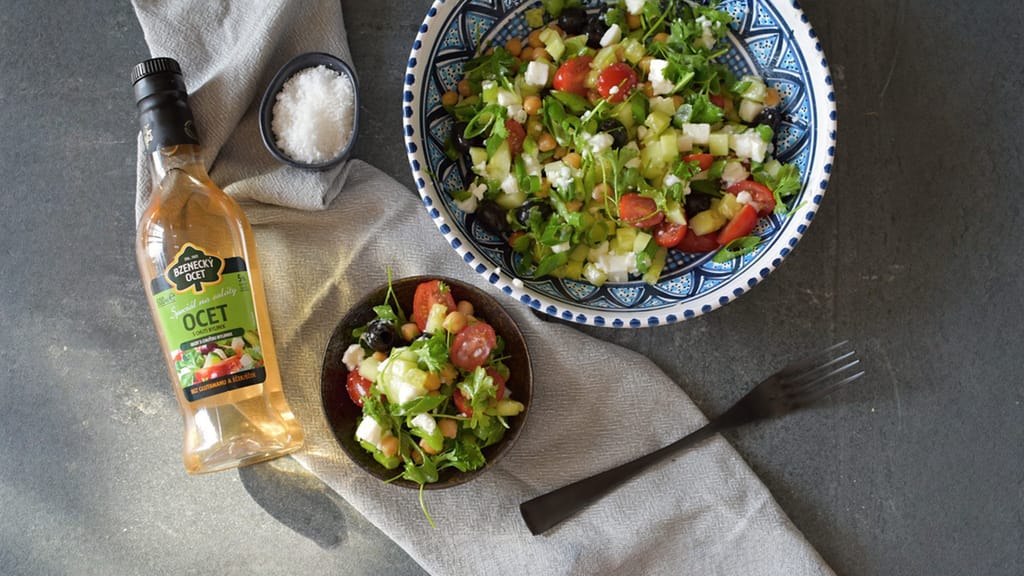
Mediterranean chickpea salad with goat cheese and vegetables
Vegetable Salads: How to Make Them, Seasonal Tips and Recipes

Updated Jul 19, 2026
The best vegetable salad doesn't happen by accident – it follows a simple formula: a fresh base, something crunchy, fat in the dressing, extra protein, and acid plus salt to balance it all out. Master that ratio and you'll nail a Greek salad just as easily as a Thai som tam. Below you'll find that formula, seasonal combinations, protein tips, and dressings that turn a salad from a side dish into a full meal – plus links to specific recipes from Yumsto.
A good vegetable salad rests on five building blocks – put them together and you can't go wrong:
Base: leafy or grated raw vegetables (lettuce, arugula, spinach, cabbage, carrot).
Crunch: radish, cucumber, pepper, toasted seeds or nuts.
Creamy element: avocado, feta, mozzarella or egg.
Protein: legumes, tofu, chicken, fish – this is what turns a salad into a meal, not just a side.
Dressing: fat (oil) + acid (vinegar, lemon) + salt.
Fat in the dressing isn't just about flavour. Without it, leafy greens barely give up their fat-soluble vitamins or carotenoids – a clinical study (opens in a new tab) found that absorption of beta-carotene, lutein, lycopene and vitamins E and K only rose significantly from around 4g of oil per serving, while a completely fat-free salad delivered negligible amounts. In practice: always add a spoonful of good oil or a creamy element to your salad, or you'll lose out on half the nutrition.
Add salt and acid gradually, tasting as you go. Finish seasoning and toss the salad with dressing only right before serving, so the leaves don't wilt.
Two classics that anyone can make and never get tired of: Greek salad relies on raw vegetables and feta, Caesar on crisp romaine and a bold dressing. Both come down to the quality of a handful of ingredients, not a long list.
Authentic Greek salad (choriatiki) is made without lettuce – just roughly chopped ripe tomatoes, cucumber, green pepper, red onion and Kalamata olives. Don't crumble the feta: place a whole slab on top, sprinkle with dried oregano and drizzle with extra virgin olive oil. Salt draws the juice out of the tomatoes, which combines with the oil into a natural dressing – no extra vinegar needed. The whole salad lives or dies by ripe tomatoes; unripe ones simply won't work.
Caesar salad lives or dies by its dressing – an emulsion of egg yolk, anchovies, garlic, Dijon mustard, lemon, olive oil and Parmesan. Don't skip the anchovies out of fear they'll taste fishy; they dissolve and add only umami depth, not fishiness – add them gradually and taste as you go. Crunch comes from romaine lettuce and croutons fried in oil, ideally made from day-old bread. The classic version is served without meat; add grilled chicken and you've got a full lunch, but that's a variation, not the original.
Mediterranean chickpea salad with goat cheese and vegetables
Mediterranean salad with chickpeas and goat cheese – a heartier take on Greek flavours
Seasonal ingredients are cheaper, tastier and more nutritious because they're harvested ripe. In autumn, build your salad around roasted squash and root vegetables; in spring, lean on crisp radishes, arugula and young leaves.
Squash takes centre stage in autumn. You don't need to peel Hokkaido – the skin softens once roasted; butternut squash should be peeled. Cut it into roughly 2cm cubes, toss with olive oil, salt and pepper, and roast at 200°C for about 25–30 minutes until soft and caramelised. Place the roasted squash, ideally still warm, over baby spinach, add toasted pumpkin seeds, feta and a few drops of balsamic vinegar. Adding a warm element to cold leaves is the trick that makes a salad instantly more comforting.

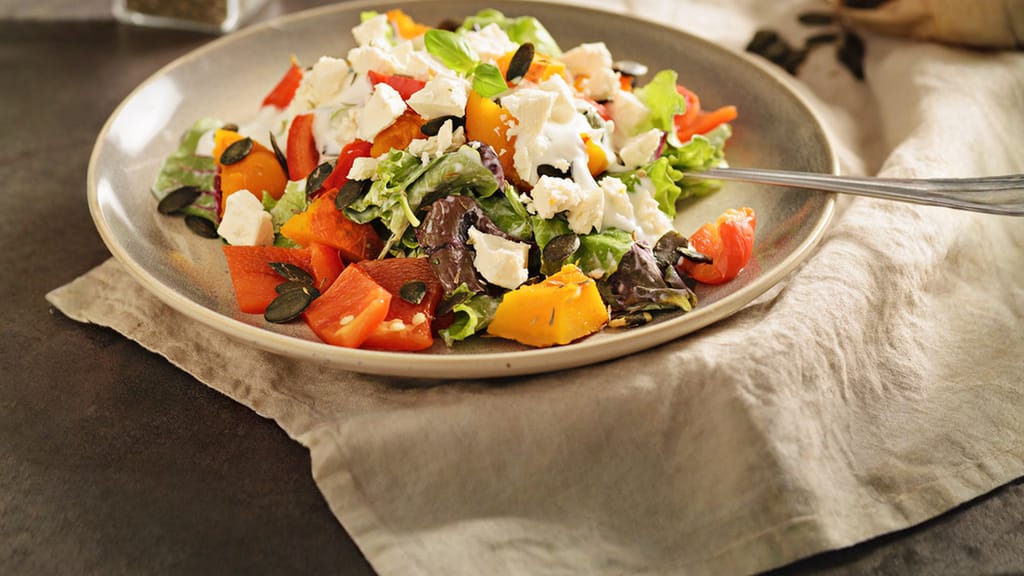
Roasted vegetable salad with feta
Roasted vegetable and feta salad – a ready-made template for an autumn roasted salad
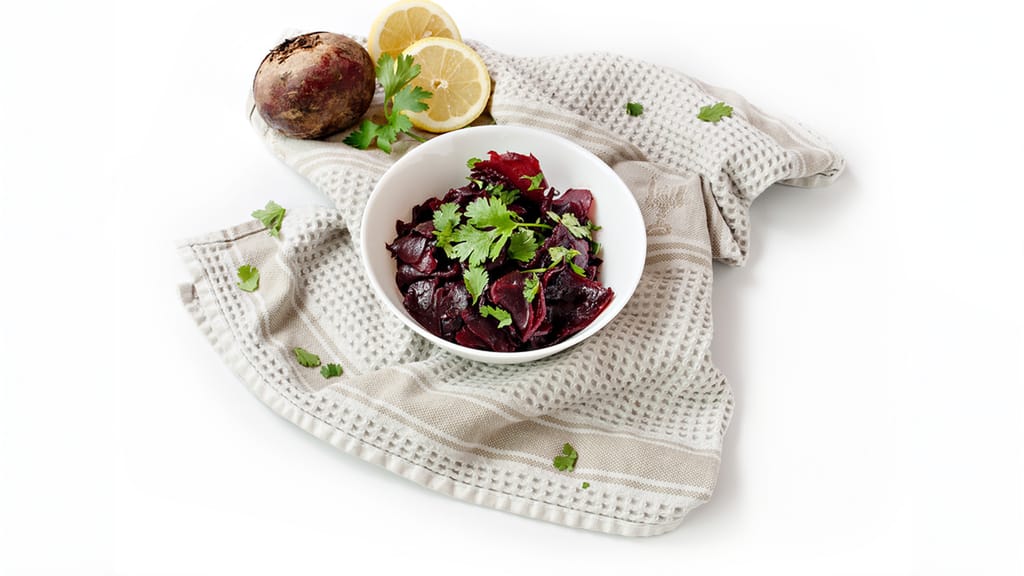
Roasted beetroot salad
Roasted beetroot salad – a sweetly earthy root vegetable option for cold days
In spring, go for radishes – their peppery bite wakes up even a tired salad. Slice them thinly (a mandoline helps), mix with arugula, cubed avocado and a lemon-and-olive-oil dressing. Add salt only right before serving, so the radishes and arugula don't release water and wilt.
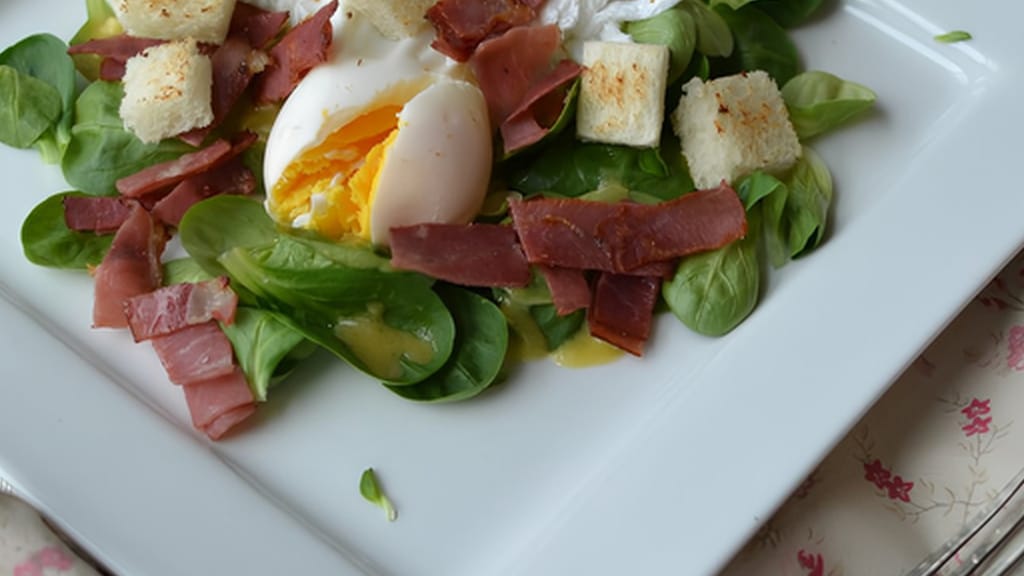
Spring lyonnaise salad
Spring Lyonnaise salad – crisp leaves, bacon and a poached egg
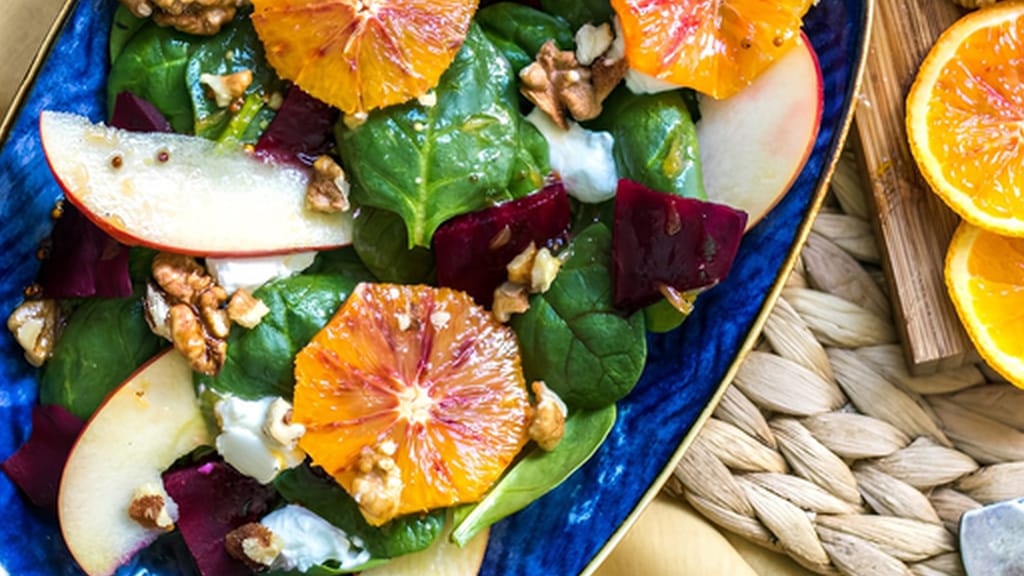
Light salad with blood oranges
Light salad with blood oranges – a refreshing citrusy spring combination
The best-known exotic vegetable salads are Thai som tam, Mexican avocado salad and mango-quinoa combinations – they bring sweet, sour, salty and spicy together in a single bite. Each one shakes up a familiar flavour palette, yet all use easily available ingredients.
Som tam is a spicy salad made from grated green (unripe) papaya, which originated in Laos and spread through northeastern Thailand's Isan region. The name combines som (sour) and tam (to pound) – the ingredients are pounded in a mortar to release their juices. Papaya is joined by cherry tomatoes, lime, fish sauce, garlic, chilli, palm sugar and peanuts; the result hits sweet, sour, salty and spicy all at once. According to nutritional data, green papaya is mainly a source of vitamin C and beta-carotene, and it's almost calorie-free. If you can't find it, swap it for grated carrot and unripe (firm) mango.
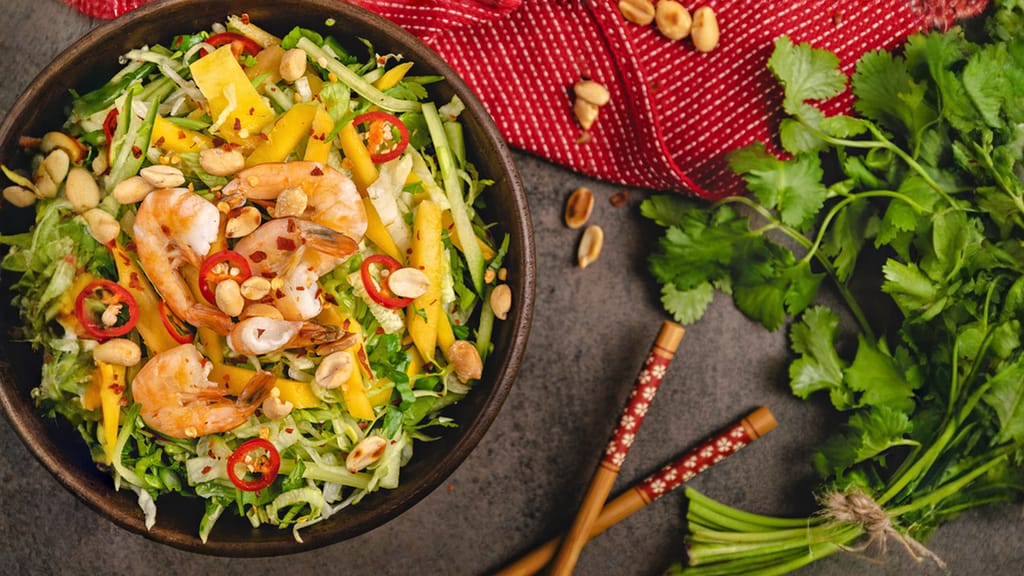
Asian mango and shrimp salad
Asian mango and prawn salad – a Thai-inspired take with sweet mango and lime
Mexican avocado salad combines creamy avocado with sweet mango, red onion, coriander and lime – it works as a light salad or as a salsa for tacos. Avocado brings healthy fats and fibre, mango brings vitamin A and C. Cut everything into evenly sized cubes and add lime juice right away – the acid slows down the avocado browning.
Quinoa turns a salad into a full meal: it's one of the few plant-based ingredients with a complete protein profile – it contains all nine essential amino acids and is naturally gluten-free. A cooked cup provides around 8g of protein and 5g of fibre. Mix cooled quinoa with cubed mango, red onion, coriander and lime; the heartiness of the quinoa and the freshness of the mango complement each other perfectly, and the salad is just as good the next day, making it ideal for meal prep.
Protein turns a salad from a side dish into a meal that keeps you full for hours. Plant-based options: lentils, beans, chickpeas, tofu. Animal-based options: grilled chicken, prawns, tuna, egg. Aim for roughly a handful or two per serving.
Legumes are the cheapest route to a filling salad. Lentils hold their shape and offer iron and fibre, while chickpeas and beans add fibre and slow-release carbs that keep you satisfied for longer. Tofu tastes fairly neutral on its own – marinate it (soy sauce, garlic, sesame oil) before adding it, then fry or bake it until crispy for some texture.

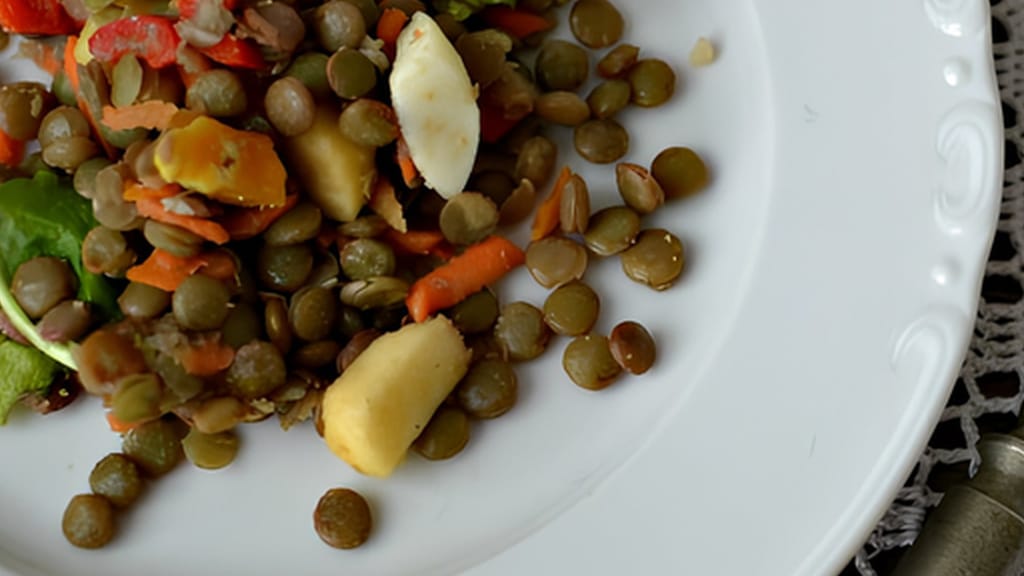
Lentil salad
Lentil salad – filling plant-based protein for any season
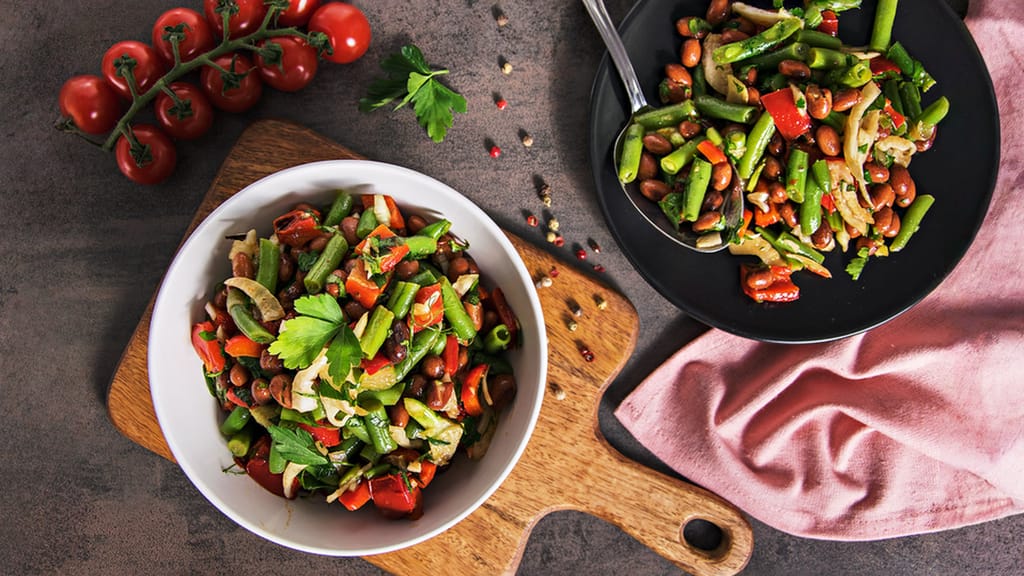
Borlotti bean salad with grilled peppers and fennel
Borlotti bean, grilled pepper and fennel salad – a substantial legume-based salad
Grilled chicken breast is a classic – slice it against the grain to keep it juicy. Prawns only need a quick sear with garlic and lemon for a couple of minutes so they don't turn rubbery. Canned tuna is the fastest shortcut to a protein-packed salad there is. Add meat and seafood ideally while still warm, not straight off a scorching pan – too hot, and it'll wilt the leaves.
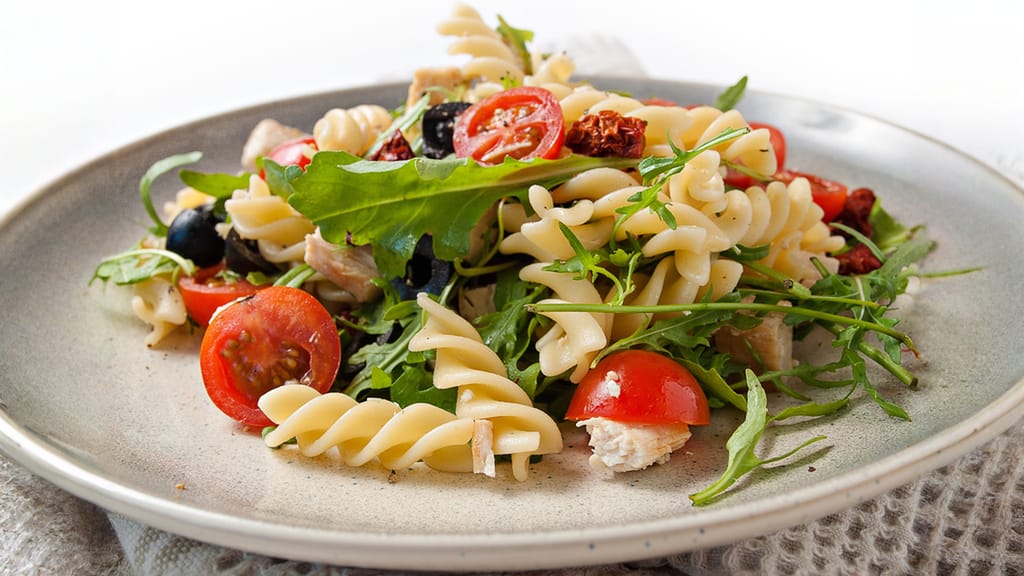
Pasta salad with chicken strips, tomatoes and arugula
Pasta salad with chicken strips, tomatoes and arugula – a hearty salad with grilled chicken
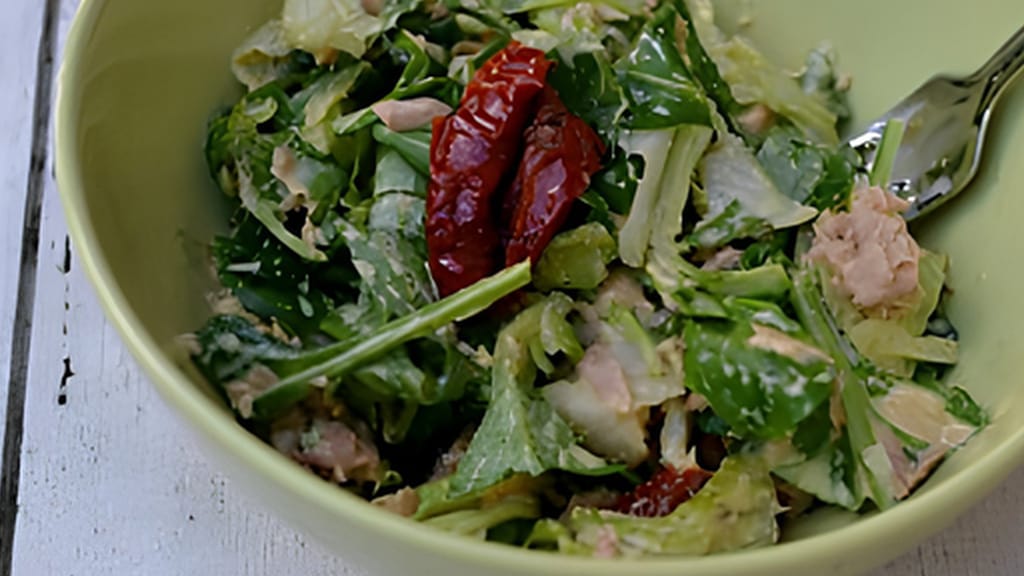
Fresh tuna salad with sun-dried tomatoes
Fresh tuna and sun-dried tomato salad – quick protein straight from a tin
A basic vinaigrette is a ratio of 3 parts oil to 1 part acid, plus salt and pepper – learn it and you'll stop buying bottled dressings. To keep the emulsion stable, stir salt and a teaspoon of mustard into the acid first (it holds the oil and acid together), then whisk in the oil slowly and steadily.
From there, just vary it: a honey-mustard dressing (Dijon mustard + honey + a splash of vinegar) adds sweet-and-sour depth to roasted vegetables; tahini thinned with lemon, water and garlic gives creaminess without dairy; sesame or avocado oil takes the salad in an Asian direction.
Salt affects flavour too: flaky or sea salt seasons a plate differently than fine table salt. Add freshly ground pepper and chopped herbs (basil, dill, coriander, thyme) right at the end, so they don't lose their aroma. And the golden rule above all: taste continuously and adjust acid and salt just before serving.
Remember these three things and your salad will turn out right every time:
Stick to the formula: base + crunch + creamy element + protein + a dressing with fat.
Cook seasonally and treat protein (legumes, tofu, chicken, fish) as the reason the salad fills you up, not as an optional extra.
Mix your own dressing in a 3:1 ratio and finish the salad with salt and acid right before serving.
Leafy salad without dressing keeps for 2–3 days in a sealed container, ideally layered with paper towel to absorb moisture. Always add the dressing just before serving. Legume, grain and quinoa salads keep for 3–4 days and often taste even better the next day.
Toss the salad with dressing only right before serving – salt and acid draw water out of the leaves. Dry the leaves thoroughly after washing (a salad spinner works best), since leftover water dilutes the dressing and speeds up wilting.
Drizzle chopped avocado with lemon or lime juice straight away – the acid slows the oxidation that turns it brown. Cut it last and keep the flesh's contact with air to a minimum.
Extra virgin olive oil suits Mediterranean salads, sesame or avocado oil works for Asian-style ones, and rapeseed or sunflower oil makes a good neutral base. Freshness and quality matter more than the type – rancid oil will ruin the whole salad.
Yes. Layer the dressing at the bottom of a jar, then the sturdy ingredients (legumes, carrot, cucumber), protein in the middle, and leaves right at the top; give it a shake before eating. Legume and grain salads hold up best for meal prep, while leafy salads are best eaten within 1–2 days.
Grate raw carrot and unripe, firm mango instead – they give a similar crunch and light tartness. A mix of white cabbage and carrot also gets you close in flavour; the key is keeping the dressing sharp, sour and salty with lime and fish sauce.
One recipe worth heating the oven for, one tip, and one deal from the shop. Nothing else.