Almond Flour vs. Ground Almonds: What's the Difference, When to Use Each, and What to Substitute
Milk Powder in Baking: What It Does, How to Mix It, and What to Substitute
Updated Oct 17, 2026
Milk powder is ordinary milk with the water evaporated, leaving a fine powder of milk sugar, protein and (in whole milk powder) fat. For 1 liter of milk you need roughly 125 g whole milk powder, topped up with water. But in baking it does far more than stand in for milk from the fridge: it softens yeasted dough, browns the crust, forms the base of mock marzipan and fudge, and once toasted it tastes like brown (nutty) butter. Here's how to work with it, and what to use when you've run out.
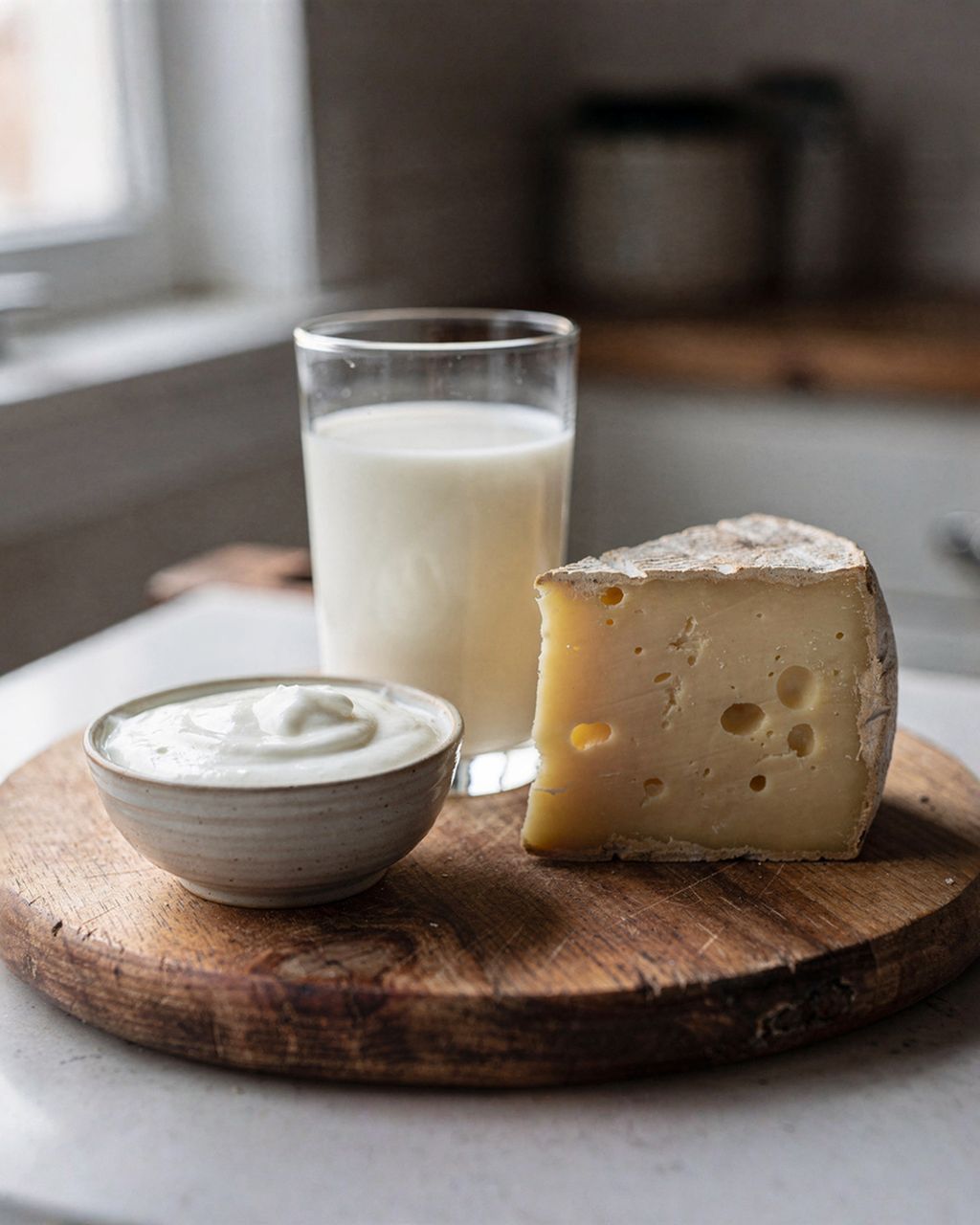
Both work for baking; they differ mainly in fat, and therefore in flavor and shelf life. Under Czech Decree 397/2016, whole milk powder has 26–42% fat, tastes fuller and "creamier," but goes rancid sooner once opened. Skimmed milk powder has at most 1.5% fat but more milk sugar and protein, keeps longer and works reliably in dough and ice cream.
For mock marzipan, fudge and caramel treats, use whole: the fat keeps the mixture supple and rounds out the flavor.
For yeasted dough and bread, skimmed is enough; you'll add fat with butter anyway.
For toasting, either works, though whole browns faster.
A category of its own is powdered cream (at least 42% milk fat) and powdered coffee whitener. Whitener usually contains vegetable fat and glucose syrup, so it doesn't behave like milk powder. Don't swap either one 1:1 in a recipe.
Seasonal baking plans, tested recipes and kitchen tricks that save you time. Unsubscribe in one click.
For 1 liter of milk, use 125–130 g whole milk powder or 90–100 g skimmed, and top up with water to 1 liter. That works out to roughly 1 part powder to 7 parts water for whole and 1:9 for skimmed. Manufacturers give a similar range on their packaging, so go mainly by what's on your pack.
Weigh the powder and pour over just a small amount of lukewarm water (40–50°C / 105–120°F).
Stir into a smooth, lump-free paste with a fork or whisk.
Only then add the rest of the water and stir.
Hot water clumps the proteins together, while cold water dissolves the powder slowly. When you're mixing it into dough, you don't need to make up the milk at all: combine the powder directly with the flour and add as much water to the dough as the recipe calls for in milk.
Weigh it rather than measuring by spoon, which is unreliable. Instant skimmed powder is fluffy and light, while whole is denser, so the same heaped spoonful weighs something different for each. For a glass (200 ml) of milk you need about 25 g whole milk powder, and a kitchen scale will measure that more accurately than a spoon.
Milk powder makes yeasted dough softer, the crust more golden and baked goods stay fresh longer. Bakers add it at 3–6% of the flour weight, which is 15–30 g for 500 g of flour.
Why it works:
Milk fat and protein slightly weaken the gluten, so the crumb is finer and pulls apart in strands instead of turning rubbery.
Milk sugar (lactose) isn't eaten by the yeast. Baker's yeast can't ferment it, so it stays in the dough and browns in the oven together with the proteins (the Maillard reaction). That's why the crust browns faster and deeper.
Baked goods dry out more slowly, because milk solids hold on to water.
Compared with fresh milk, the powder has one advantage: you add milk solids without extra liquid. That lets you make a dough "milkier" without changing the ratio of flour to water, which is ideal for brioche, rolls and Christmas braided bread (vánočka). It's a good fit for brioche or soft homemade burger buns: 15–20 g of powder added to the flour and the dough will be noticeably fluffier. Why vánočka dries out and what else helps is covered in our article on the softest vánočka.
Three rules to keep things on track:
Mix the powder with the flour dry, not into the starter. Added straight to the liquid with the yeast, it would clump.
Add a little more liquid, about 1 g extra water for every 1 g of powder, because the powder binds water. The dough should feel as supple as it would without it.
Watch the crust. Because of the lactose it colors sooner. If it's darkening before the inside is baked through, cover the bread with baking paper or lower the temperature by 10°C (about 20°F).
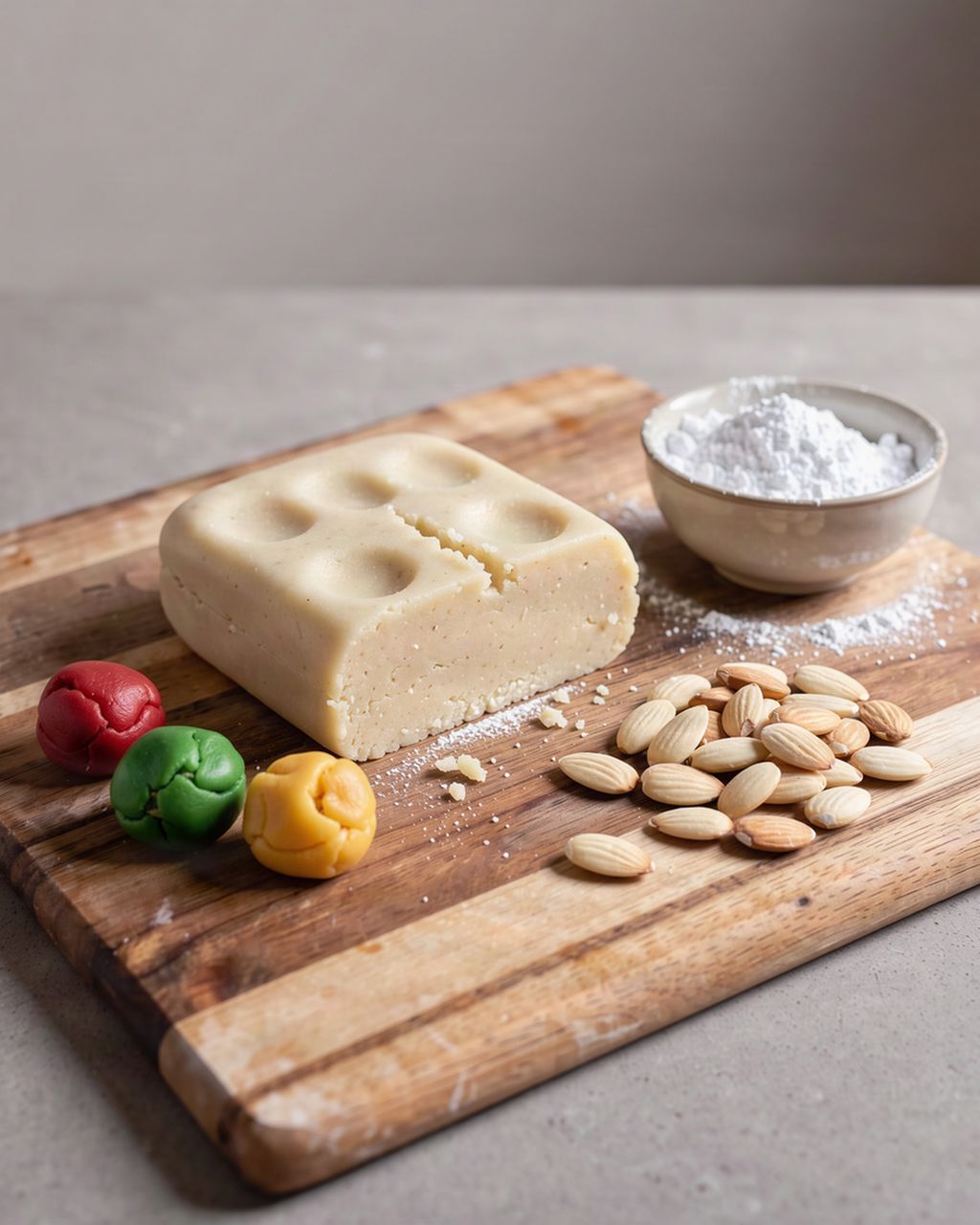
Mock marzipan is made from milk powder and powdered sugar in a 1:1 ratio. For 200 g of powder and 200 g of powdered sugar, add 30–50 g butter and 2–4 tablespoons milk or water. There are no almonds in it, so the marzipan flavor comes only from flavoring: a few drops up to 1 teaspoon of marzipan flavoring is enough. Add the liquid by the teaspoon and knead until the mixture holds together and doesn't crack. If it's sticky, work in a spoonful of powder.
It differs from real marzipan in both flavor and texture: it's milkier, sweeter and smoother, and lacks the depth of nuts. You'll find how real marzipan differs from marzipan paste in our article on marzipan and marzipan paste, and how to shape and color marzipan figures for a cake. Powdered sugar, flavorings and other baking basics are among the baking ingredients.
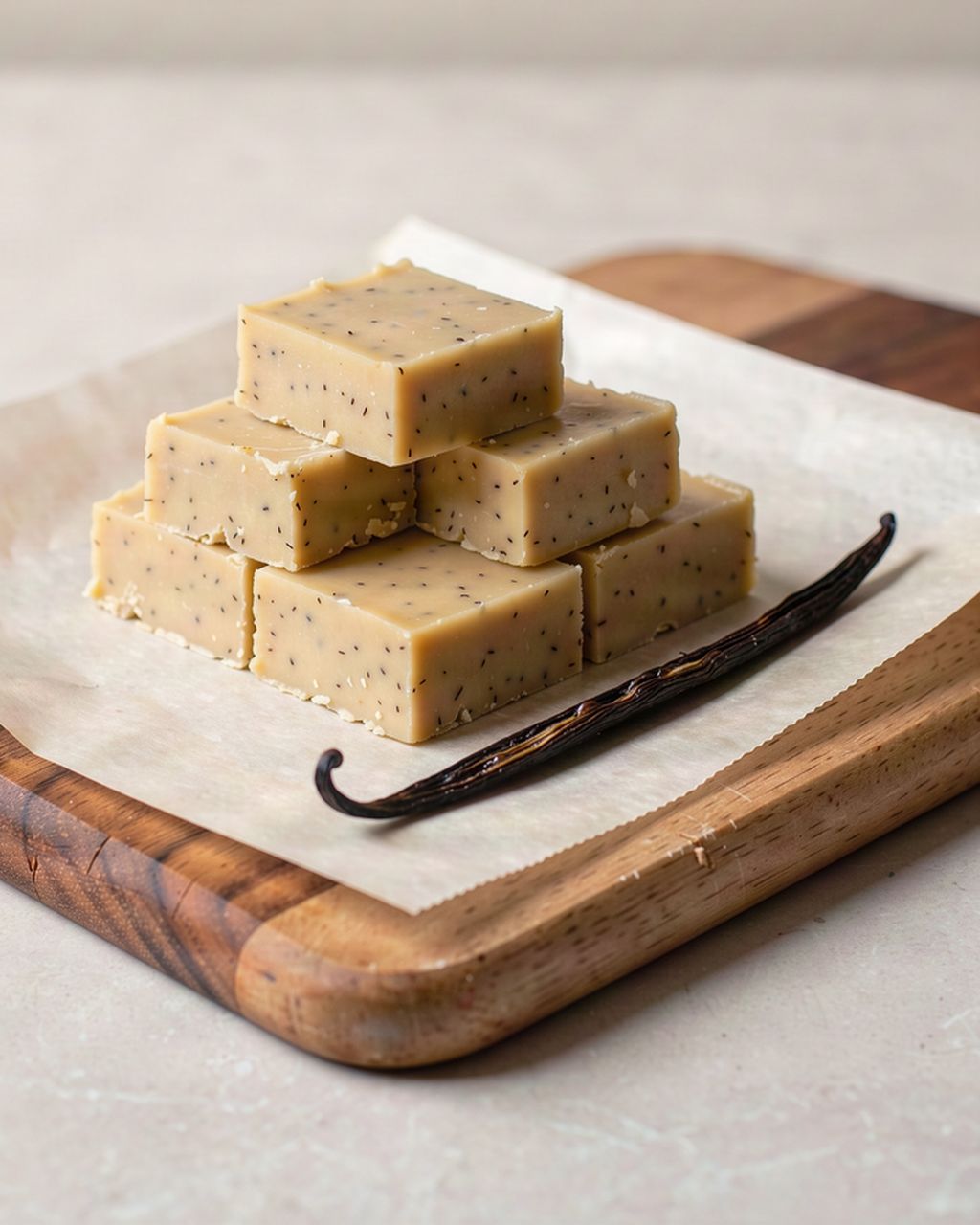
Milk powder gives fudge and caramel milk solids without water, so the mixture is thicker, creamier and more "caramelly," and you don't have to cook it as long. That's why it turns up in quick fudge recipes and in Indian milk sweets such as burfi.
Classic fudge is cooked from sugar, butter and milk or cream to 112–116°C (234–241°F) (soft-ball stage), then stirred until the sugar begins to crystallize into a fine mass. A spoonful or two of milk powder stirred into the hot mixture strengthens the milky flavor and smooths the texture.
Quick fudge with no thermometer cooking: melt about 50 g butter with 100 ml cream and 100 g sugar (or, instead of the cream and sugar, with a can of sweetened condensed milk), take off the heat and gradually stir in 150–200 g milk powder until you have a thick mass that pulls away from the sides. Spread into a pan and leave to set.
Sift the powder into the hot mixture and stir right away, otherwise it forms lumps you can't stir out. If the mixture gets too thick, loosen it with a spoonful of cream. How to safely cook caramel from condensed milk is described in our article on condensed milk caramel. Finished caramel also gets a great finishing touch from milk powder in a simple homemade butterscotch sauce, where a spoonful of powder adds body and milkiness.
Toasted milk powder tastes like brown (nutty) butter or caramel. Toast it dry in a pan or in the oven at 120–150°C (250–300°F) until golden. It's the same reaction that colors a crust: milk sugar and proteins brown together.
In a pan: over low heat, stir constantly with a spatula for 5–8 minutes, until the powder is the color of caramel and smells nutty. Tip it into a bowl immediately, or it will keep cooking and burn.
In the oven: spread a thin layer on a lined baking sheet and stir through every 5 minutes; it takes 15–25 minutes.
In brown butter: add 2 tablespoons of milk powder per 100 g butter when it starts to foam. The butter browns faster and the flavor is much deeper, which suits cookies, financiers and creams.
Sift out any lumps after toasting. Stir the toasted powder into cookie dough, cream or ice cream, or sprinkle it over oatmeal.
The simplest substitute is regular milk in place of water: 125 g whole milk powder corresponds to roughly 1 liter of milk. What else you do depends on what the powder is doing in the recipe:
In yeasted dough: replace part of the water in the recipe with milk. For every 10 g of milk powder, swap about 70–80 ml of water for milk. A recipe with no water? Add an extra spoonful of butter and accept a slightly paler crust.
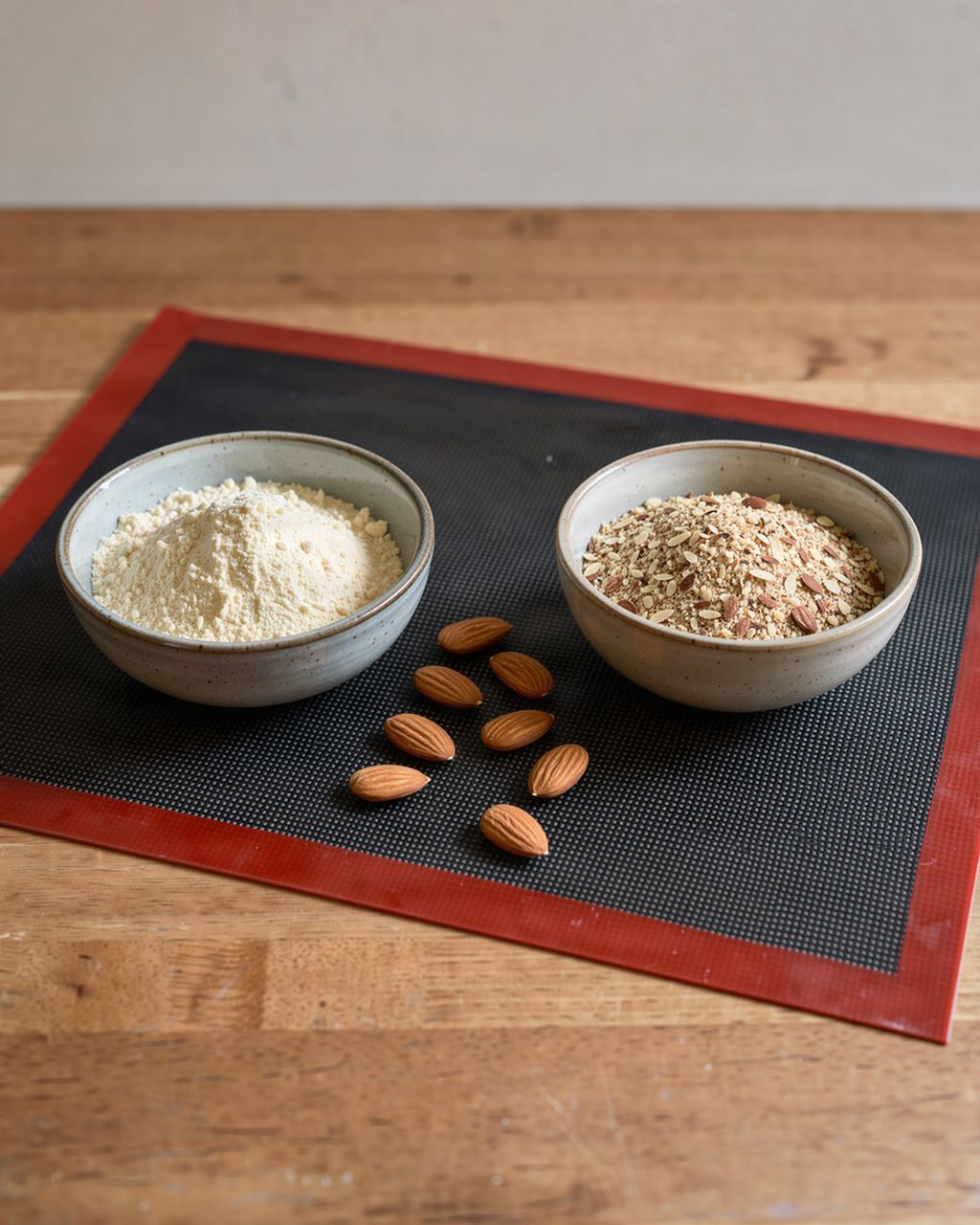
In mock marzipan: milk powder can't be replaced here, because it's the backbone of the mixture. Use ground almonds or almond flour instead and you'll make real marzipan. How almond flour differs from ground almonds is explained in our almond flour article. For modeling figures, modeling chocolate is another alternative.
In fudge: reach for sweetened condensed milk, which already contains the milk solids; you just cut back on the sugar.
Plant-based option: powdered soy drink or coconut milk powder. Both work well in dough; in marzipan, coconut powder changes the flavor and color, and soy is less sweet.
Powdered cream: only in a pinch and in a smaller amount, as it has at least 42% fat and will make the dough greasy. Coffee whitener also contains sugar and vegetable fat, so it isn't suitable for baking.
For a milky flavor in ice cream or cream, you can add more cream instead of the powder. You'll get the fat, though fewer milk solids.
Opened milk powder usually keeps for several weeks to a few months, and skimmed lasts longer than whole, but only if it's kept dry and tightly sealed. Use it by the date on the package. Whole milk powder goes rancid sooner because of its fat, and you'll notice a rancid, tallowy smell and a bitter taste. Store it in a resealable container, somewhere cool and away from moisture, and don't bake with powder that has gone damp or lumpy.
Yes, milk powder contains lactose, and in concentrated form: according to typical compositions, skimmed milk powder has around 50% milk sugar. If you can't tolerate lactose, look specifically for lactose-free milk powder or use a plant-based drink powder. If you have health concerns, talk to your doctor or a nutrition therapist.
No: milk powder is a powder with almost no water, while condensed milk is milk reduced by evaporation to about half its volume and usually sweetened. You can't swap them 1:1 in recipes, because condensed milk brings water and sugar, while milk powder brings only milk solids. Sweetened condensed milk does work as a substitute for milk powder in fudge and caramels, though.
Yes, milk powder works well in both coffee and porridge. Stir it straight into the porridge along with the oats. For coffee, first mix it in a spoonful of lukewarm water, otherwise it clumps. For a bowl of porridge, 1–2 tablespoons is enough, and the result tastes much milkier and creamier.
You don't need to freeze milk powder, and we usually don't recommend it: with almost no water in it, it keeps well even at room temperature. Moisture is a bigger risk than time. When you take it out of the freezer, water condenses on it and the powder clumps. It's happiest in a tightly sealed container in a cool, dry pantry.
One recipe worth heating the oven for, one tip, and one deal from the shop. Nothing else.