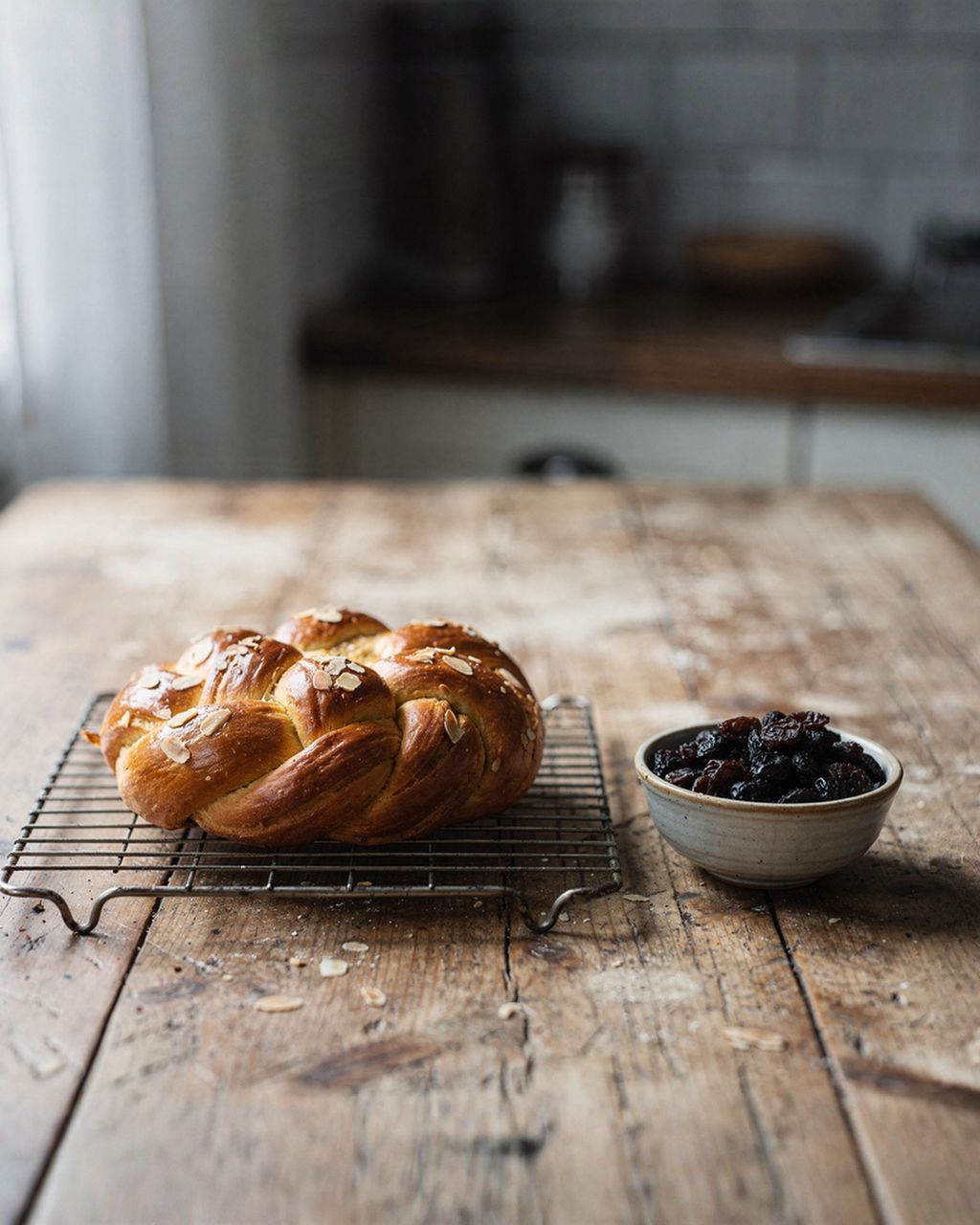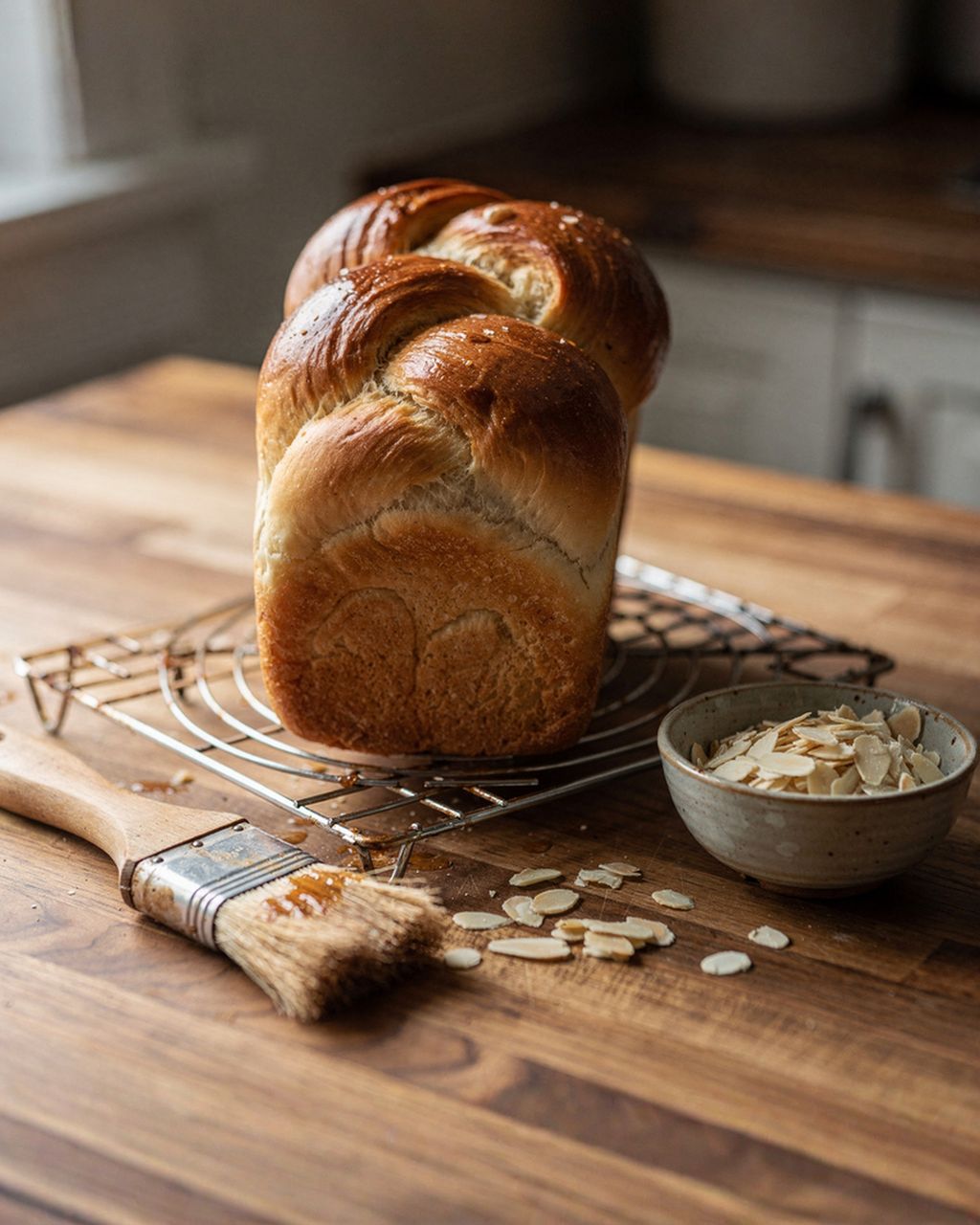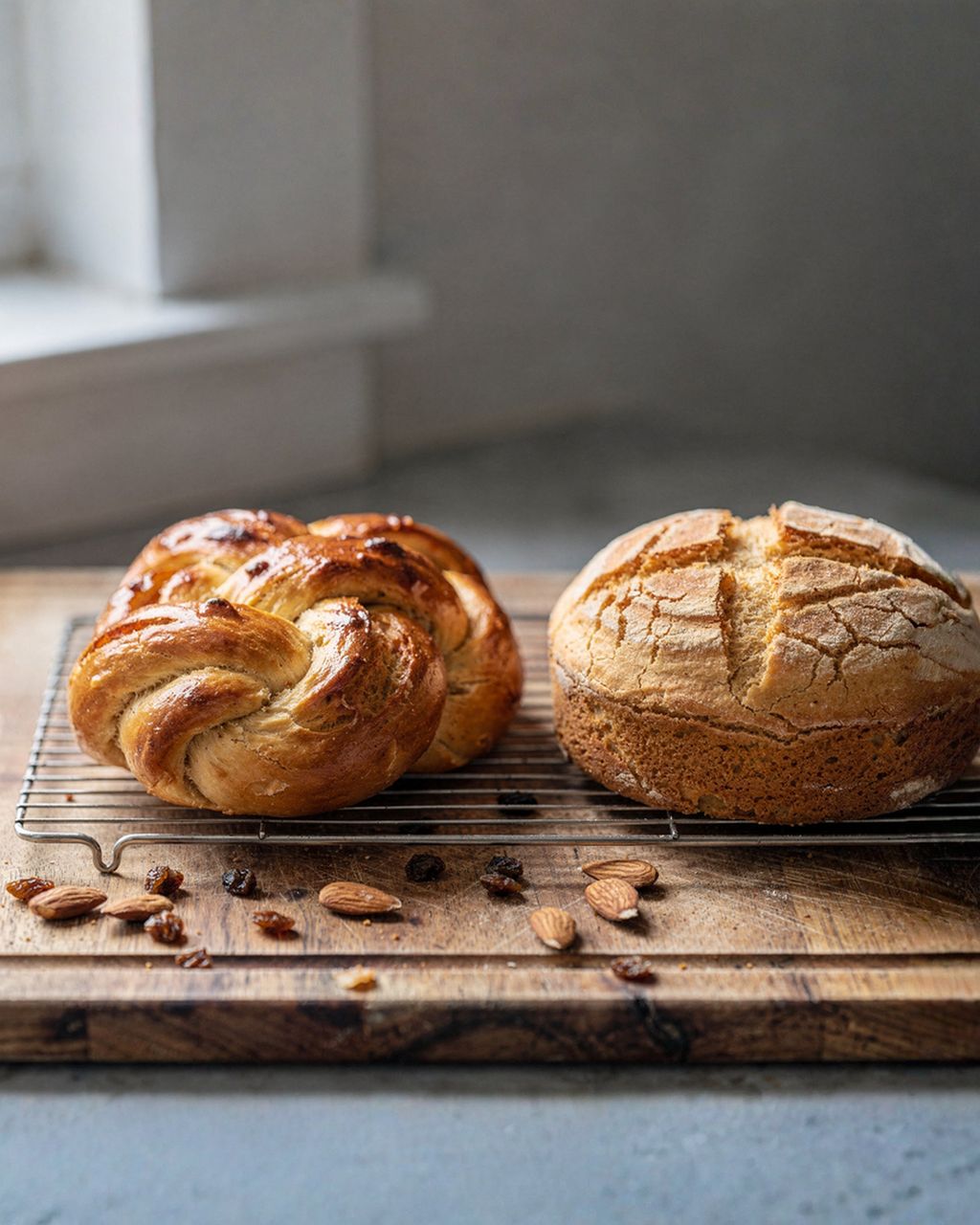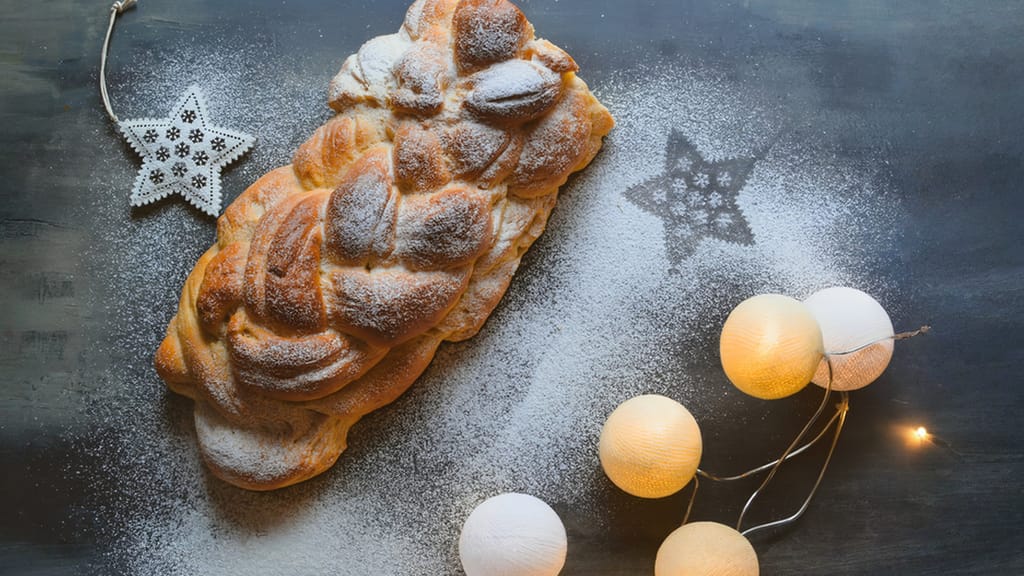
Mom's christmas braid
Softest Vánočka: Why It Turns Out Dry and What to Add to the Dough for a Fluffy Loaf
Updated Oct 17, 2026
The softest vánočka (Czech Christmas braid) comes from a soft, slightly sticky dough with plenty of butter and egg yolks. You knead it for a long time, let it rise just right, and take it out of the oven as soon as the inside reaches 88–92 °C (190–198 °F). A dry vánočka almost always comes down to one of five things: too much flour, too little fat, too little kneading, over-proofing or overbaking. Here is each one explained, along with what to add to the dough so your vánočka stays moist longer.
A vánočka is usually dry because of one of these five mistakes:
Too much flour – the dough was "rescued" by adding flour until it stopped sticking.
Too little fat and too few yolks – a skimpy recipe, or butter replaced with water or skim milk.
Too little kneading – the gluten never developed, so it can't hold in gas or water.
Over-proofing – the yeast used up the sugars, the dough lost its strength, and the crumb is coarse and crumbly.
Overbaking – the loaf stayed in the oven 5–10 minutes too long, or your oven runs hotter than the dial says.
The good news: these are all dough and oven problems, not bad luck. Each one can be fixed with a single specific change.
Use only as much flour as the recipe calls for – weigh it rather than scooping it with a cup – and keep the dough soft and slightly sticky. For 500 g of flour you need roughly 200–250 ml of milk plus an egg; once kneaded, the dough should stick lightly to your fingers but pull away from the bowl.
The most common mistake is adding flour right at the start because the dough is sticky. But it's always sticky at that point, because the gluten hasn't developed yet. After 10 minutes of kneading it pulls itself together. Every extra spoonful of flour (about 10 g) means less water per gram of starch and a drier crumb.
Weigh the flour and hold back 15%. Add it only after a few minutes of kneading, and only if the dough is truly runny.
When braiding, use a drop of oil on the work surface instead of flour.
Plain flour gives a finer crumb, and semi-coarse flour a firmer braid. Both work, but don't mix coarse flour into the dough.
For 500 g of flour, plan on 100–150 g of butter and 2–3 egg yolks (or one whole egg and two yolks). Fat coats the gluten and starch particles, slows down staling, and gives the crumb that silky softness. Yolks add more fat plus lecithin, which softens the dough and helps it hold on to moisture.
Use butter, not margarine or a plant-based spread. Margarine changes the flavor, and lower-fat spreads (the "light" kinds) contain more water, so they cost you softness too.
Whole milk (3.5%), not skim.
Add softened butter after 5 minutes of kneading, a piece at a time. If you add it right away, it coats the flour before gluten can form, and the loaf rises less.
More than about 200 g of butter per 500 g of flour is closer to a brioche – the dough gets heavy and has a harder time holding the braid's shape.
Knead for 10–15 minutes by hand or 8–10 minutes in a stand mixer on medium speed, until the dough passes the windowpane test: you can stretch a small piece between your fingers so thin that light shines through without it tearing.
Well-developed gluten is a network that traps both gas bubbles and water. If you cut the kneading short, the loaf rises poorly, the crumb is dense, and it dries out faster in the oven. The dough shouldn't warm above 26–27 °C (79–81 °F). A mixer heats it during long kneading, so use only lukewarm milk.
Vánočka is properly proofed when a finger press leaves a dent that springs back slowly, but not all the way. If it bounces back immediately, it's under-proofed. If the dent stays and the dough sinks, it's over-proofed.
First rise in the bowl: 60–90 minutes at 24–27 °C (75–81 °F), until the dough doubles in size.
Second rise after braiding: 30–45 minutes, until it has grown by about half – not doubled.
In a cooler kitchen (20 °C / 68 °F), allow more time. Watch the dough, not the clock.
An over-proofed vánočka is dry twice over: the yeast consumes the sugars that would otherwise hold moisture and brown the crust, and the weakened gluten tears into coarse holes in the oven. Over-proofing is also a common reason the braid spreads sideways.
Bake a vánočka made with 500 g of flour (about 1 kg / 2.2 lb) at 160–170 °C (320–340 °F) fan, or 170–180 °C (340–355 °F) conventional, for roughly 40–50 minutes, and take it out when the center reads 88–92 °C (190–198 °F). That's the most reliable test, because overbaking is one of the most common causes of dry vánočka.
Enriched doughs with butter, milk and sugar are baked to a lower internal temperature than ordinary bread (which is around 96–99 °C / 205–210 °F). Baking guides such as King Arthur Baking put the target for brioche at around 88 °C (190 °F). Every degree beyond that just evaporates water from the crumb.
Measure the inside temperature with a probe thermometer in the thickest part. We don't have one on offer yet, so get any digital one.
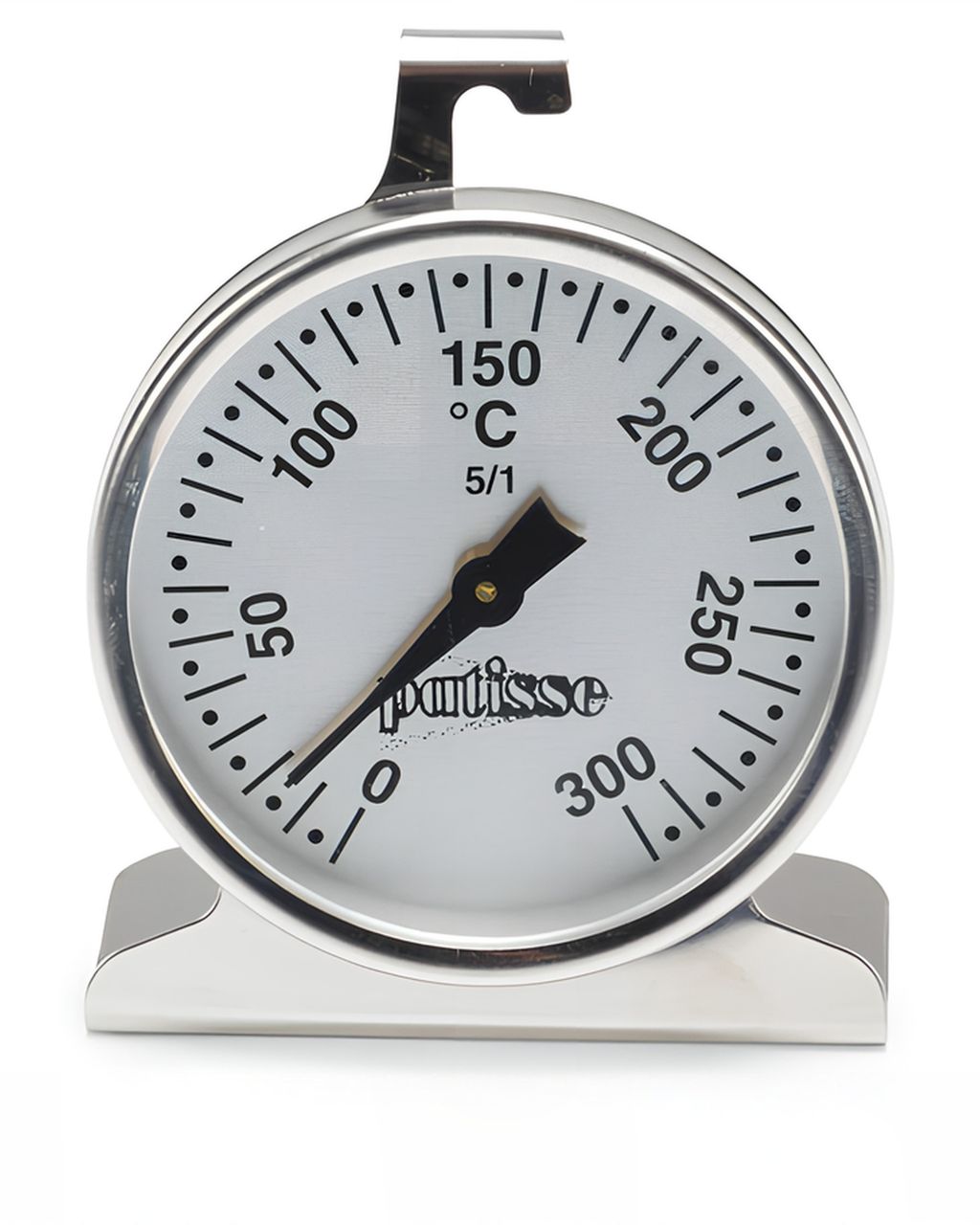
Check how your oven really heats. Many home ovens are off from the set temperature by 10–20 °C (18–36 °F). An oven thermometer from Patisse sits on the rack and shows right away whether your "170 °C" is actually 190 °C.
If the crust browns too fast, cover the vánočka with foil after 20–25 minutes. Don't take it out early because of color – the center would stay gummy.
Without a thermometer: a skewer pushed into the center comes out dry, and the loaf sounds hollow when you tap the bottom. This is less precise, so check 5 minutes earlier.
If you bake in a pan, shorten the time by roughly 5–10 minutes and still keep an eye on the inside temperature.
Three things you can add to the dough will help: a little invert sugar, a cooked flour paste (tangzhong), and real vanilla for flavor. The first two really do extend softness, while vanilla makes the vánočka more fragrant and "richer" on the tongue.
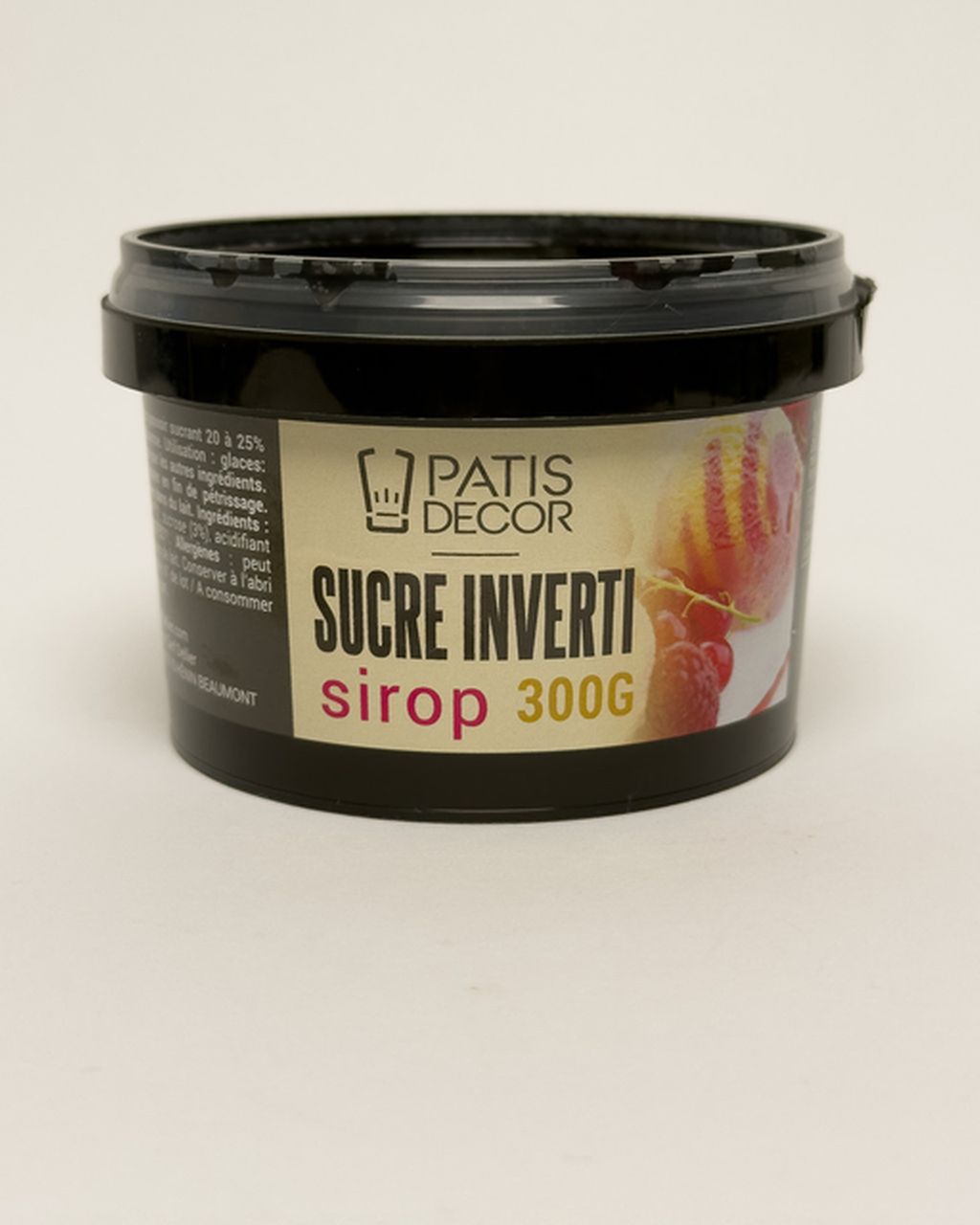
Replace 20 g of the sugar per 500 g of flour with the same weight of liquid invert sugar (roughly a heaping spoonful). Invert sugar is a blend of glucose and fructose that is strongly hygroscopic – it attracts and binds water – so the crumb dries out more slowly. You only need to swap a small part of the sugar.
By dry weight it's about a fifth sweeter than crystal sugar, but the liquid syrup contains water, so in a 1:1 swap it sweetens about the same. You're replacing sugar, not adding extra.
Stir it into the lukewarm milk so it disperses evenly.
The crust browns a little faster with it – one more reason to watch the oven with a thermometer.
We use liquid invert sugar for baking from Patisdécor. A good honey works similarly (though it brings its own flavor), and you'll find more syrups in the baking sugars and syrups category.
Take 25 g of the recipe's flour and 125 ml of milk (a 1:5 ratio), heat them while stirring constantly into a thick paste (about 65 °C / 149 °F, 2–3 minutes), let it cool, and add it to the dough along with the rest of the milk (reduce that by 125 ml).
Cooked starch binds more water than it could cold, and only releases it in the oven. Taiwanese and Japanese bakers made this technique famous – it's what makes their milk breads so fluffy – and it works the same way on vánočka. The dough will be stickier, so don't add extra flour.
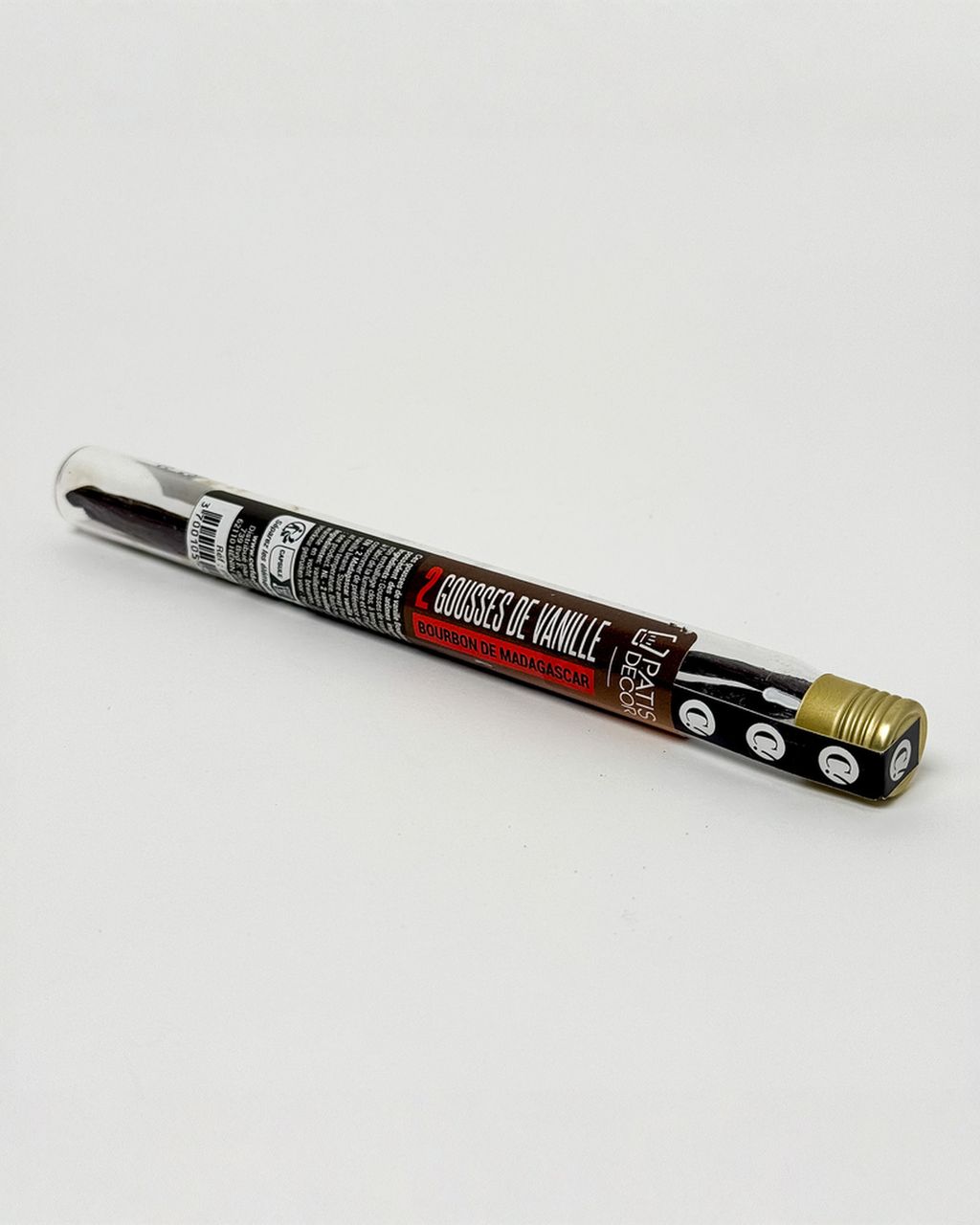
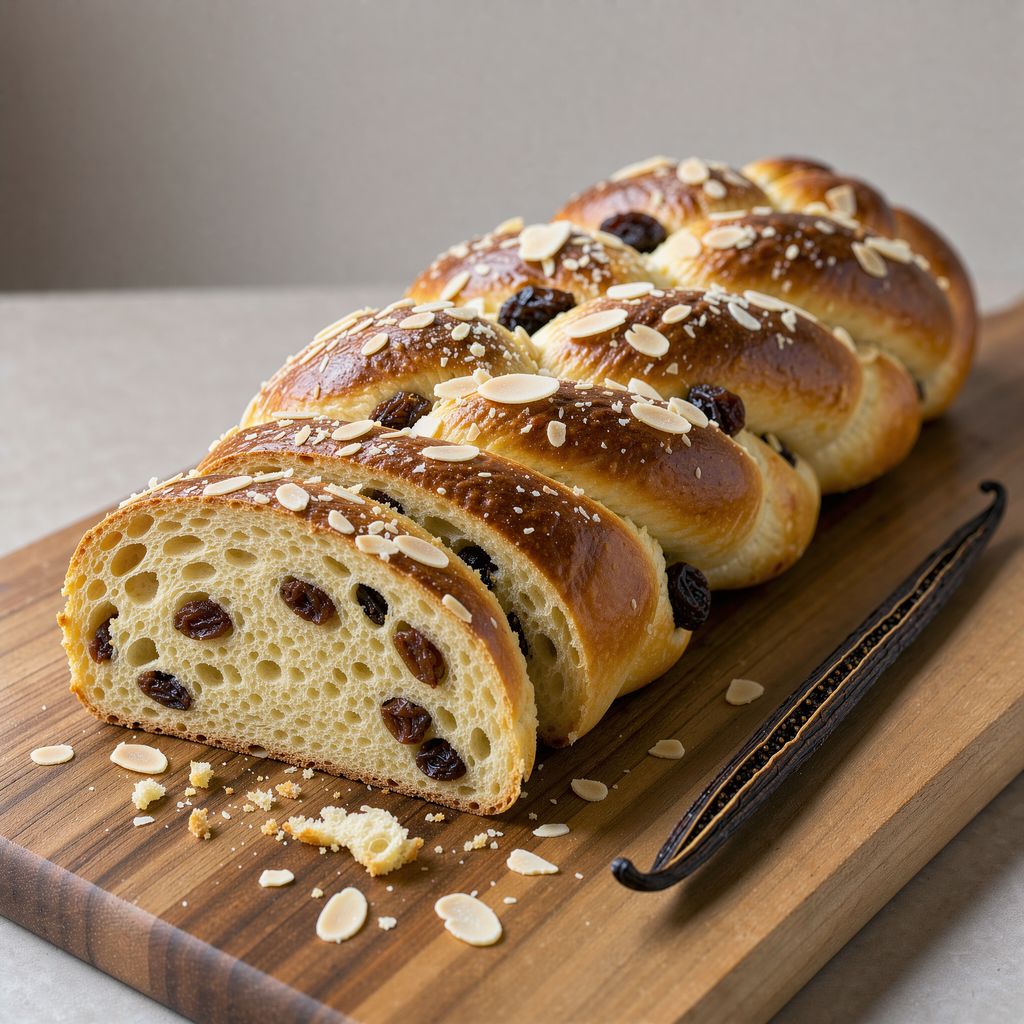
Real vanilla won't make a vánočka softer, but it makes it more fragrant and sweeter on the tongue, so it tastes richer even without extra sugar. For 500 g of flour, the seeds from half a pod are enough: slit the pod lengthwise, scrape the seeds into lukewarm milk, and add the scraped pod to infuse for 15 minutes.
Madagascar Bourbon vanilla pods have the classic creamy aroma that suits a buttery dough best. Vanilla sugar is cheaper, and in a yeasted dough the difference doesn't stand out as much as it does in a custard – you'll find exact substitution ratios in the article what to use instead of a vanilla pod. Don't throw away the spent pod: bury it in sugar and you have homemade vanilla sugar.
The best way to test all of this is on a trusted base recipe: Mum's Vánočka – a Traditional Recipe for a Soft Vánočka. Weigh the flour, hold some back, add the butter only after a few minutes of kneading, swap 20 g of the sugar for invert sugar, and take the loaf out by thermometer, not by the clock.
Mom's christmas braid
Mum's Vánočka – a Traditional Recipe for a Soft Vánočka
Yes. You can rescue a dry vánočka by turning it into something where dryness doesn't matter. Soak slices in eggs beaten with milk and fry them as French toast (known in Czech as "poor knights"), or bake a žemlovka, a Czech bread pudding with apples. You can also warm slices briefly in the oven wrapped in foil with a few drops of water, but they only stay soft for a short while.
You can use oil instead of butter, but the vánočka will taste flatter and the crumb will be moist rather than buttery and tender. If you have to, use about a fifth less oil than butter (butter contains around 16% water) and choose a neutral oil.
For a vánočka made with 500 g of flour, 20–25 g of fresh yeast (or 7 g of dried yeast) is enough. More yeast only speeds up the dough, makes it easy to over-proof, and leaves the loaf tasting yeasty and drying out faster.
The vánočka is gummy inside because the oven was too hot and the crust browned before the center had baked through. Bake it at a lower temperature (160–170 °C / 320–340 °F), cover it with foil after 20–25 minutes, and take it out when the center reaches 88–92 °C (190–198 °F).
Yes, vánočka dough can rise overnight in the fridge (8–12 hours at 4–6 °C / 39–43 °F), and the flavor will deepen even more. Use about a third less yeast, and in the morning let the dough warm up to room temperature for 30–60 minutes before you braid it.
One recipe worth heating the oven for, one tip, and one deal from the shop. Nothing else.