Easy redcurrant yogurt muffins
Why Muffins Stick to Their Paper Cases (and How to Stop It)
Updated Oct 6, 2026
Why do muffins stick to their paper cases? Usually because you take them out while still warm, the batter is low in fat and high in moisture, or you're baking in thin, absorbent paper. The good news: every one of these causes has a simple fix, and changing just one or two things is usually enough. Here's what's actually happening between the paper and the crumb — and how to avoid it next time.
Muffins stick to the paper for five reasons: you take them out while still warm, the batter is low in fat, it's too moist or sweet, the paper is thin and absorbent, or the muffins are over- or underbaked. Often several of these overlap at once — typically low-fat fruit muffins baked in plain paper and unwrapped straight from the oven.
Warm muffins. Right after baking, the crumb is full of steam and the starch inside is still soft and tacky. The steam condenses where the muffin meets the paper and acts like glue. Once the muffin cools, the crumb firms up and releases.
Not enough fat. Fat in the batter forms a thin barrier between the crumb and the paper. A classic muffin batter has roughly 100 g of butter or oil to 250 g of flour; swap that fat for yogurt or apple purée and that barrier disappears, so the crumb practically bakes itself onto the paper.
High moisture and sugar. Banana, pumpkin, grated carrot, courgette, yogurt or juicy fruit all add water. Sugar and fruit juice caramelise against the side of the case and stick to the paper the way caramel sticks to a baking tray.
Thin, absorbent paper. Cheap paper cases soak up fat and moisture from the batter, and the crumb gets caught in the paper fibres. Non-stick baking paper doesn't absorb anything, so it releases cleanly.
Wrong baking time. Overbaked edges dry out and harden into a thin crust that grips the paper tightly. An underbaked centre, on the other hand, is sticky and clings to itself.
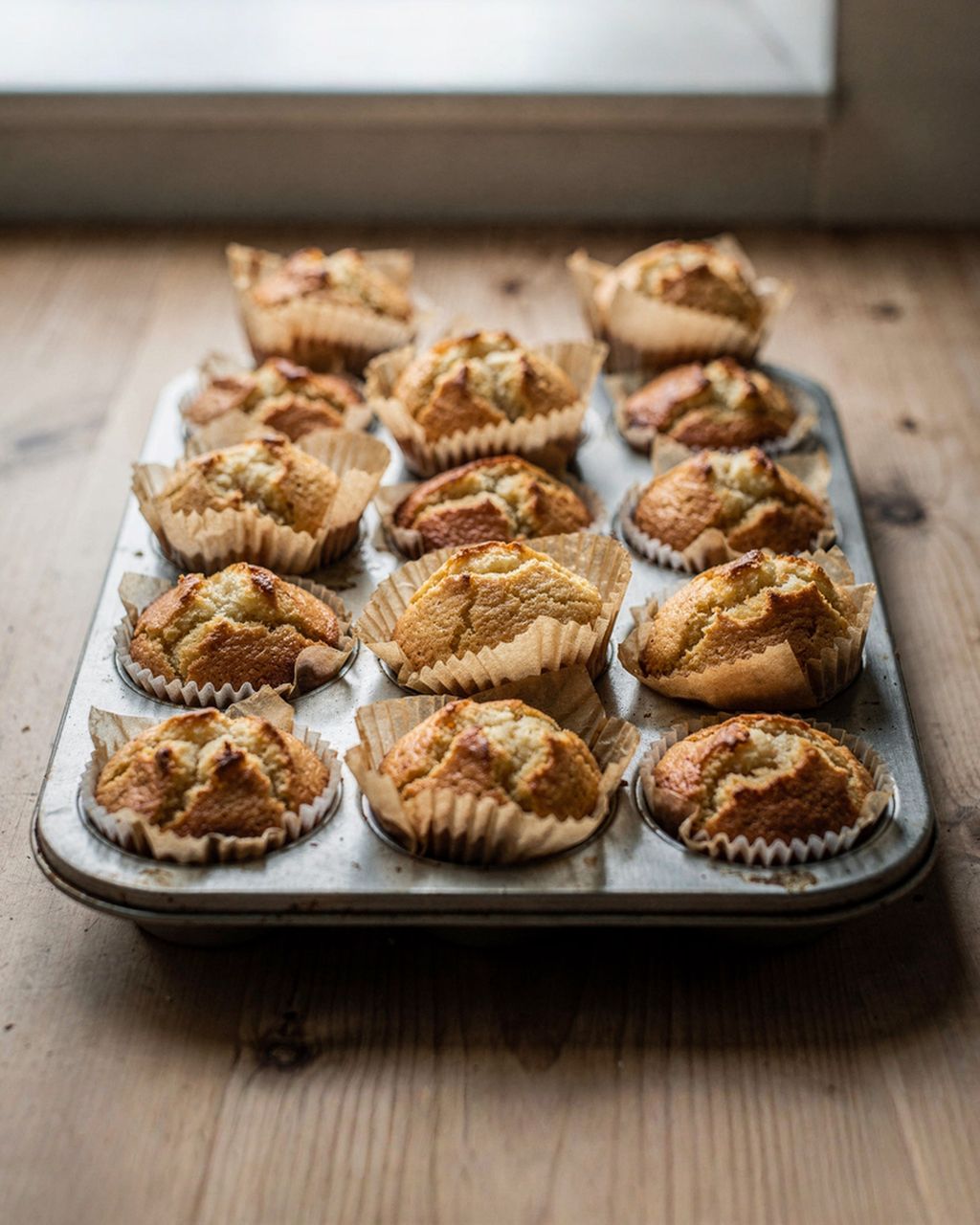
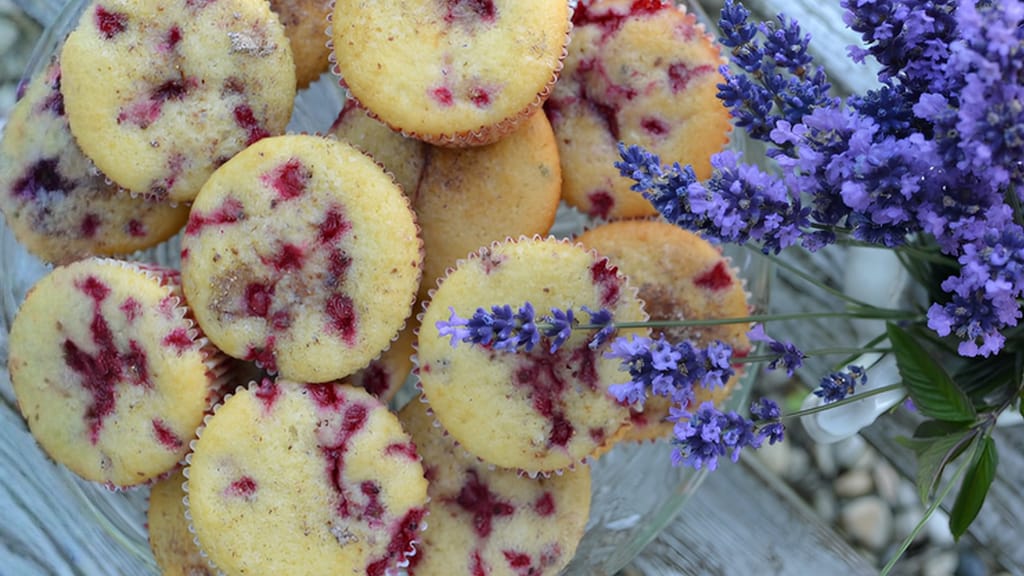
Easy redcurrant yogurt muffins
Easy redcurrant yogurt muffins – a moist fruit batter where a non-stick case really pays off
To stop muffins sticking to the paper, let them cool, lightly grease the cases, bake in non-stick paper, keep juicy fruit away from the sides, don't cut fat without replacing it, and bake them exactly until done. Usually changing just one or two of these is enough to solve the problem.
Let them cool. Ideally completely — for standard muffins, that's about an hour on a wire rack; after 15-20 minutes they're still warm and can tear. Cool them on a rack, not in the tin, since steam gets trapped underneath in the tin.
Grease the paper cases too. It sounds pointless, but it works best of all for low-fat and fruit batters. A thin layer of oil, sprayed or brushed on, is all you need — a few drops per case, not a puddle at the bottom.
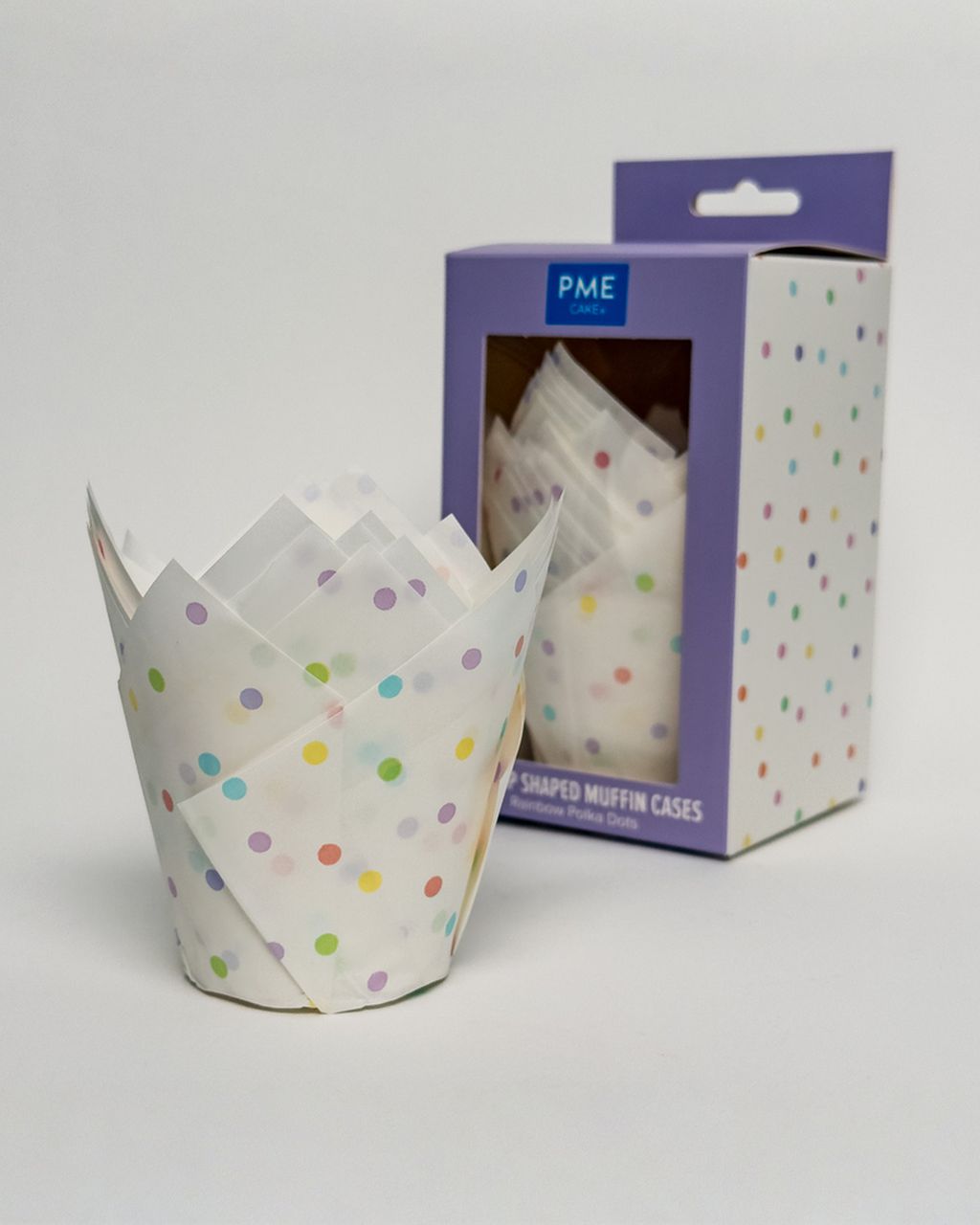
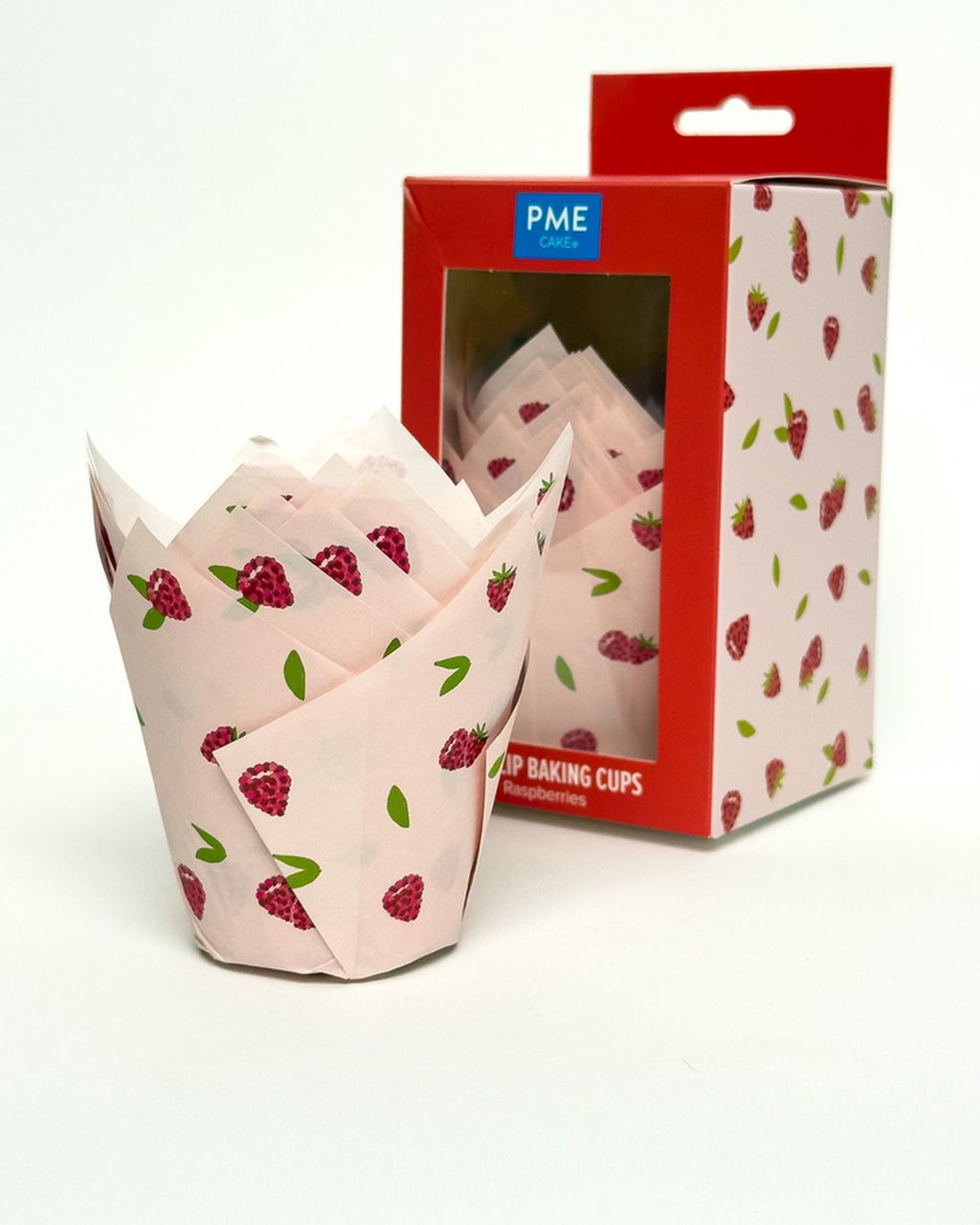
Switch to non-stick paper. Sturdier non-stick baking paper cases don't absorb fat or moisture. These are typically tulip-style muffin cases, which also have taller sides, so the batter doesn't overflow onto the paper.
Keep fruit in the centre, not against the sides. Blueberries, raspberries or redcurrants burst against the paper and their juice sticks fast. Fold them in gently, and push any pieces near the edge back towards the middle.
Don't cut fat without thinking it through. If a recipe swaps butter for yogurt, expect more sticking — and grease the cases to compensate.
Bake precisely. Muffins are done when a skewer inserted into the centre comes out clean or with just a few moist crumbs, and the top springs back when lightly pressed. Every extra minute dries out the edges.
Take muffins out of their cases only once they're completely cool, roughly an hour after baking. Warm muffins stick almost every time, even when the batter itself is fine.
If you want to serve them on a paper tray without the case, you can bake them a day ahead: overnight, the moisture in the crumb redistributes evenly, and the paper often releases even more easily. Store them in a sealed container, but only once they're completely cold — otherwise steam will condense inside and the tops will turn soggy.
If your muffins have already stuck, let them cool completely first, then peel the paper away slowly from the bottom in a spiral, not from the top down. This way you're pulling the paper away from the crumb in small sections, so the muffin stays in one piece.
Start at the bottom edge, where the paper is loosest, and unwind it at an angle all the way around.
Scrape off whatever's left on the paper with a spoon — perfect for a quick taste.
If the crumb still tears even once cold, the problem is in the batter or the paper, not your technique. Use non-stick cases or grease them for your next batch.
For occasions where looks matter, the easiest fix for stuck-on bits is to hide them under icing or frosting. For ideas, see our article on How to Decorate Muffins.
The least sticking happens with tulip-style non-stick paper cases and greased silicone moulds; the most sticking happens with plain thin paper cases left ungreased.
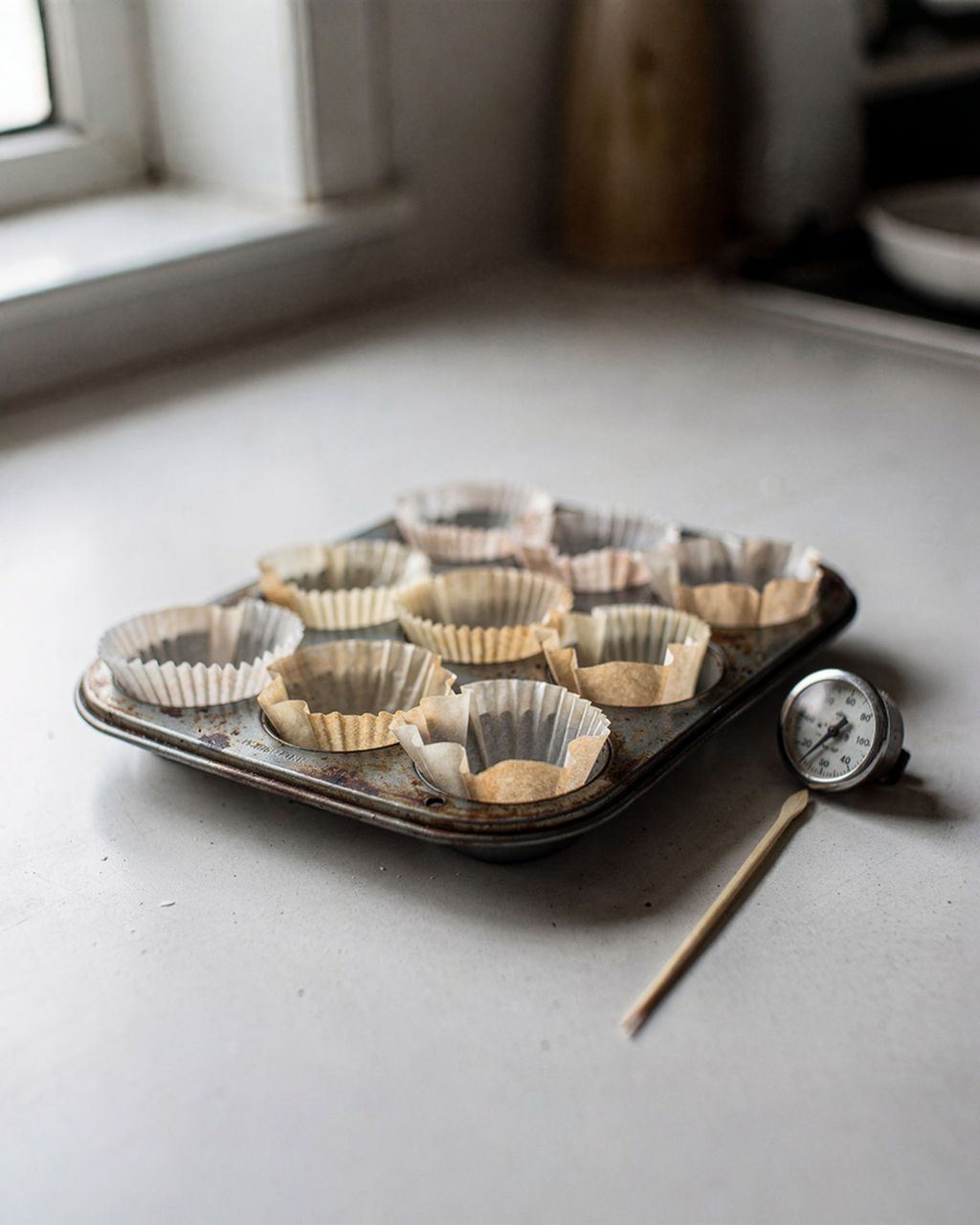
Plain paper cases – cheap and colourful, but absorbent. They work fine for buttery muffins with plenty of fat, but stick with fruit and low-fat batters.
Tulip-style cases – sturdier non-stick paper with tall sides. The batter doesn't bake onto them, and they release cleanly once cool even with moist fruit batters that would tear plain paper.
Silicone moulds – non-stick on their own, but new ones and very sweet batters can still cling. Grease them lightly if they're new or you're baking a moist batter.
Tin with no cases – grease it with butter and dust with plain flour (or cocoa for chocolate muffins). Leave the muffins in the tin for 5-10 minutes to firm up before turning them out onto a rack.
If your muffins aren't rising or don't get a nice domed top, that's a different issue — covered in our article on Why Muffins Don't Rise or Dome.
Muffin cases come loose because the muffin shrinks slightly as it cools, and the steam trapped between it and the paper softens the paper. It helps to let muffins cool uncovered on a wire rack, avoid boxing them while still warm, and bake them fully through — underbaked muffins shrink more.
Muffins can only be baked without a tin if you use sturdy cases — tulip-style ones, or two regular paper cases nested together. A single thin paper case will spread out under the weight of the batter and the muffin will spill sideways. Stand them close together on a baking sheet so they support each other.
Store muffins in their paper case — the paper protects the sides from drying out. In a sealed container at room temperature they'll keep for 2-3 days, but only put them away once completely cool, otherwise condensation will form inside and the tops will turn soggy.
You can, but melted butter works less well than oil because it contains around 16% water, which sets firm again once it cools inside the case. Oil, sprayed on or brushed on, forms a thinner and more even layer; if you'd rather use butter, go for clarified butter instead.
One recipe worth heating the oven for, one tip, and one deal from the shop. Nothing else.