Grilling tip: roasted pepper dip

Updated Jul 19, 2026
Roasted vegetables can be a simple side dish or the star of the whole meal – and the difference between vegetables that just steam soft in the oven and ones with sweet, caramelized, crispy edges comes down to just a few details. What matters is choosing the right vegetables, drying them thoroughly, using high heat, and not overcrowding the tray. We'll walk through each of these in turn, including why roasted veg turns sweet, how to season it, and how to serve it.
Roasted vegetables turn sweet and crispy thanks to two reactions: the caramelization of sugars and the Maillard reaction. Caramelization breaks down the natural sugars in vegetables into hundreds of new aromatic compounds – hence that sweet, nutty, toasted flavor. The Maillard reaction is the browning that happens between sugars and proteins; according to food chemistry, it kicks in at around 140°C (280°F) and gives the surface both color and depth of flavor.
The catch is that both processes need a dry, hot surface. As long as water is evaporating off the surface of the vegetables, the temperature stays around 100°C (212°F) – and that's not hot enough for browning. The vegetables just steam in their own moisture instead of roasting. That's why three things matter more than seasoning: dry the vegetables, don't overcrowd the tray, and roast at high heat. The rest of this article is mostly about exactly that.
Almost any vegetable can be roasted, but the best results come from varieties with natural sugar and firm structure: carrots, sweet potatoes, pumpkin/squash, beetroot, peppers, onion, broccoli, cauliflower, courgette (zucchini) and aubergine (eggplant). The more sugar a vegetable has, the more pronounced the caramelization – that's why carrots, sweet potatoes and squash turn the most beautiful golden color, while onions caramelize during roasting and add sweet depth to a dish.
Different colors on the same tray aren't just for looks. Orange carrots, red beetroot, yellow peppers and purple aubergine bring different flavors as well as different plant pigments – a colorful tray almost always means a more varied flavor too.
Split your vegetables into three groups by roasting time – long (35–45 min), medium (20–30 min) and quick (15–20 min) – and roast each group separately, or add the tougher vegetables to the tray first and put the more delicate ones in later. Hard root vegetables need significantly longer than delicate ones, and throwing everything onto one tray without a plan is the most common mistake.
Long roasting (35–45 min): potatoes, sweet potatoes, carrots, beetroot, pumpkin/squash, parsnip.
Medium (20–30 min): cauliflower, broccoli, onion, peppers, fennel.
Quick (15–20 min): courgette (zucchini), aubergine (eggplant), cherry tomatoes, asparagus, mushrooms.
Smaller pieces will also roast faster and more evenly than large chunks.
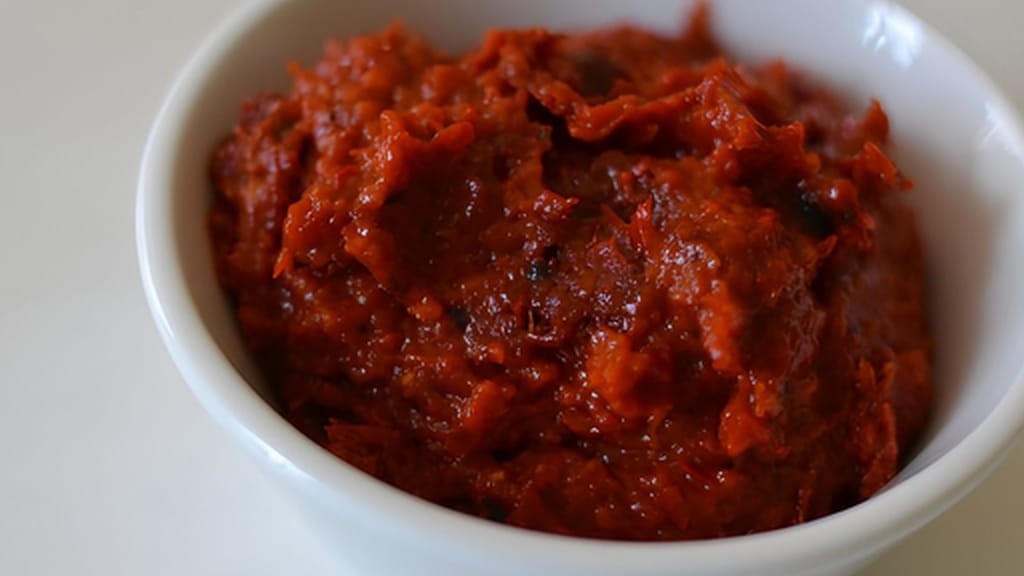
Grilling tip: roasted pepper dip
Sweet roasted peppers as a colorful base for the tray
Good prep decides the outcome before the oven even comes into it. Wash the vegetables, dry them thoroughly, cut them into evenly sized pieces, toss with oil, and season with salt. Every step has a reason behind it:
Even-sized pieces roast evenly – otherwise the smaller ones burn before the bigger ones have softened.
Dry to the touch: wet vegetables steam in the oven. After washing, dry them with a tea towel; for watery vegetables like courgette or aubergine, 10 minutes in a colander helps too.
A thin layer of oil: oil helps conduct heat to the surface and encourages browning. Just 1–2 tablespoons per tray is enough to make every piece glossy, not drowning in it.
Salt with care: season watery vegetables (courgette, aubergine, mushrooms) toward the end of cooking or right after they come out – otherwise the salt draws out their water too early.
Roast vegetables at 200–230°C (400–450°F); for most varieties, 220°C (425°F) is ideal. A lower temperature tends to dry vegetables out rather than brown them, while a higher one burns the surface before the inside cooks through. Timing varies by type and size of the pieces – roughly 15–45 minutes, depending on the groups above.
Halfway through roasting, toss the vegetables and rotate the tray – the edges of the tray and the back of the oven cook differently than the center. Perfectly roasted vegetables have golden to deep caramel edges, and a fork should slide through the center with no resistance.
Choose fan/convection heat for roasted vegetables. The fan circulates hot air throughout the oven, carrying moisture away from the surface, so the vegetables crisp up faster and brown more evenly – this is especially useful when roasting on multiple trays. Convection roasts more intensely, so lower the temperature by about 10–20°C (20–35°F) compared to conventional heat. Save conventional heat for delicate baking, not crispy vegetables.
The safest combinations are garlic with rosemary for potatoes, carrots and squash, and thyme with olive oil for courgette and aubergine; both rosemary and thyme work well with almost anything. Timing is key: hardy herbs (rosemary, thyme, oregano) go in before roasting since they can handle the heat. Delicate ones (basil, parsley, coriander/cilantro) go on after the vegetables come out, or they'll turn bitter and lose their color.
If you want to break from the classics, try smoked paprika with sweet potatoes and peppers, curry powder or garam masala with cauliflower and chickpeas, or chilli with maple syrup for a sweet-and-spicy take on pumpkin. Smoked paprika adds smoky depth, curry brings an exotic edge. And don't forget to brighten the vegetables with a splash of acidity once they're out of the oven – a few drops of lemon juice or balsamic vinegar lift and balance that sweet caramelized flavor.
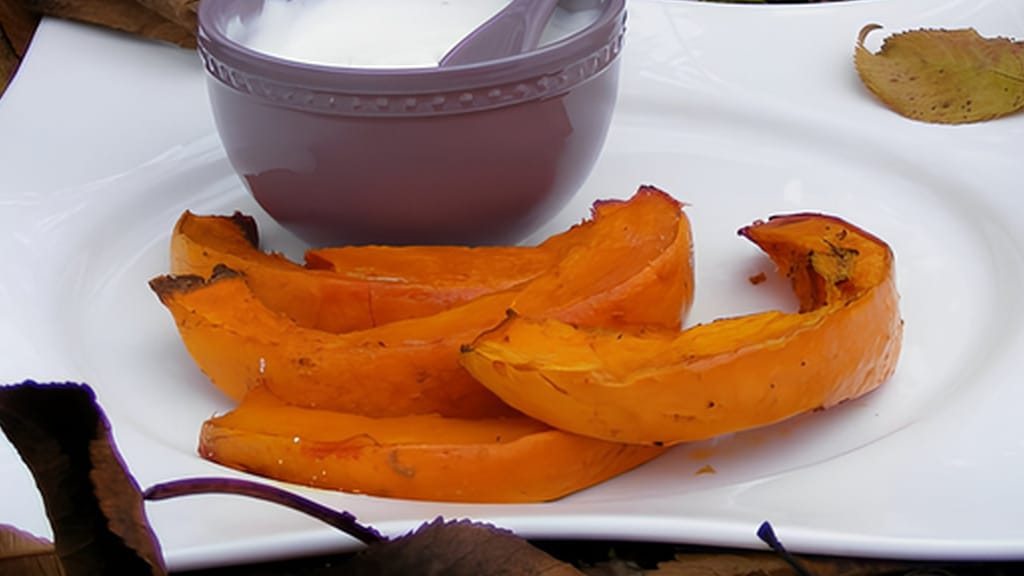
Hellishly hot roasted pumpkin
Roasted pumpkin with chilli – a sweet-and-spicy twist
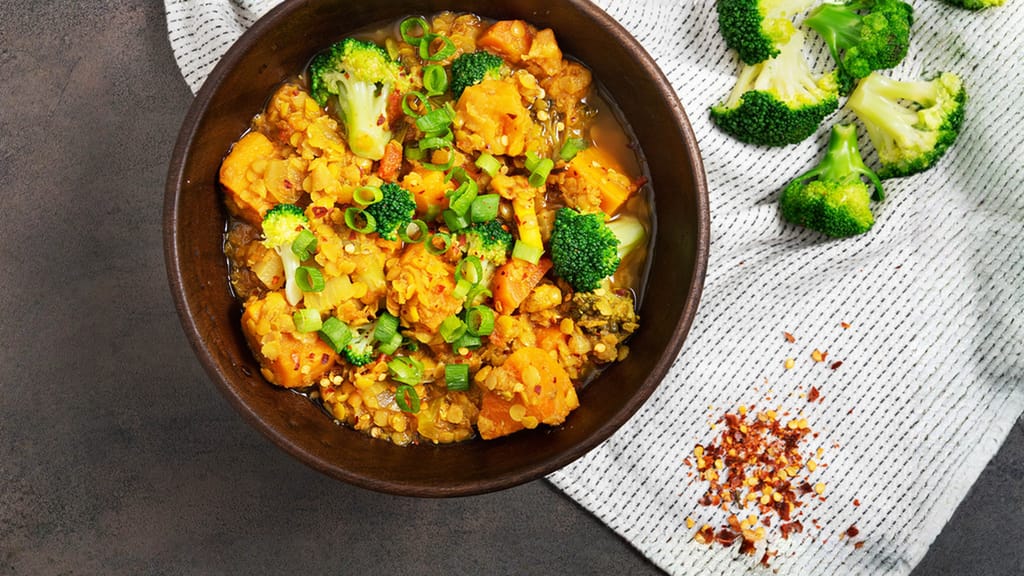
Sweet potato curry with red lentils
Sweet potatoes with curry spices in a rich sweet potato curry
When roasting on two trays at once, swap and rotate them halfway through cooking. The top of the oven browns faster, the bottom cooks more gently – without swapping, one tray will end up darker than the other. Every 15–20 minutes, swap the top and bottom trays and turn them front to back.
Leave space between trays for air to circulate, and use fan/convection heat, which distributes heat more evenly. If everything doesn't fit, it's better to roast in two batches than cram three overloaded trays into the oven – an overcrowded oven just steams the food.
Roasted vegetables work as a side dish, the base of a main course, or a cold salad. As a side dish, they're great simply drizzled with olive oil and herbs alongside meat or fish. As a main course, toss them with quinoa or bulgur, add feta, rocket (arugula), sun-dried tomatoes, and a handful of walnuts for crunch. And as a cold salad, they'll keep in the fridge for two to three days – and taste even better the next day.
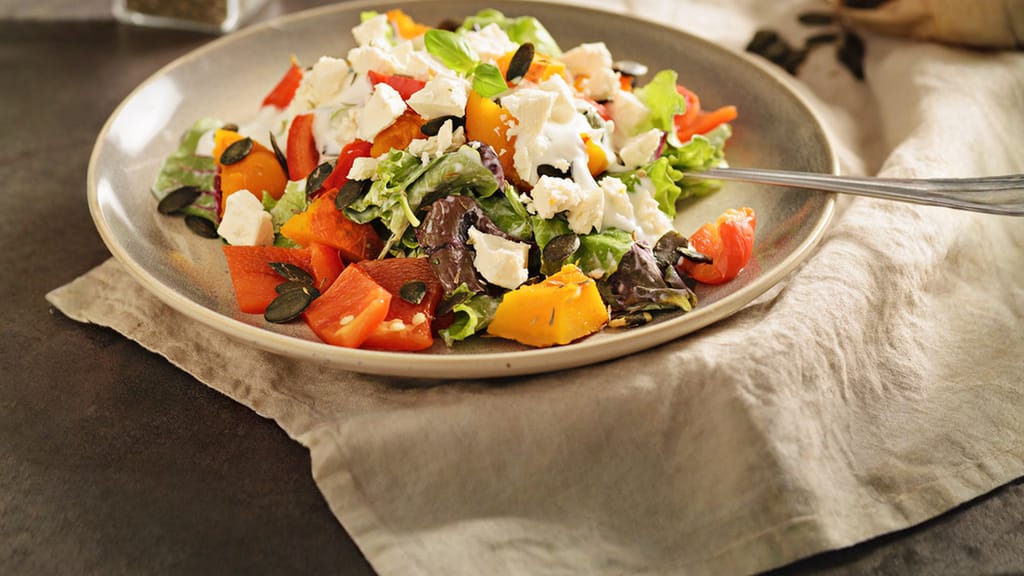
Roasted vegetable salad with feta
Salad with roasted vegetables and feta as a hearty main course
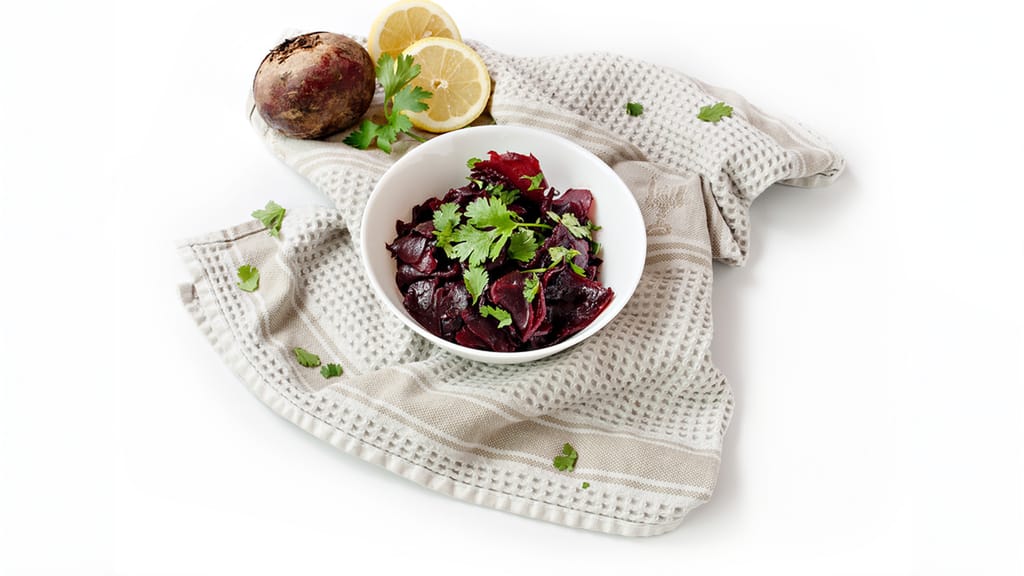
Roasted beetroot salad
Roasted beetroot salad – a colorful side or a light lunch
A fresh yogurt dip – like tzatziki with garlic and lemon – pairs beautifully with roasted vegetables, or try a tahini sauce with a touch of honey for a sweet-savory contrast. A cool, creamy dip balances the warm caramelized vegetables and turns a simple side into a full plate.
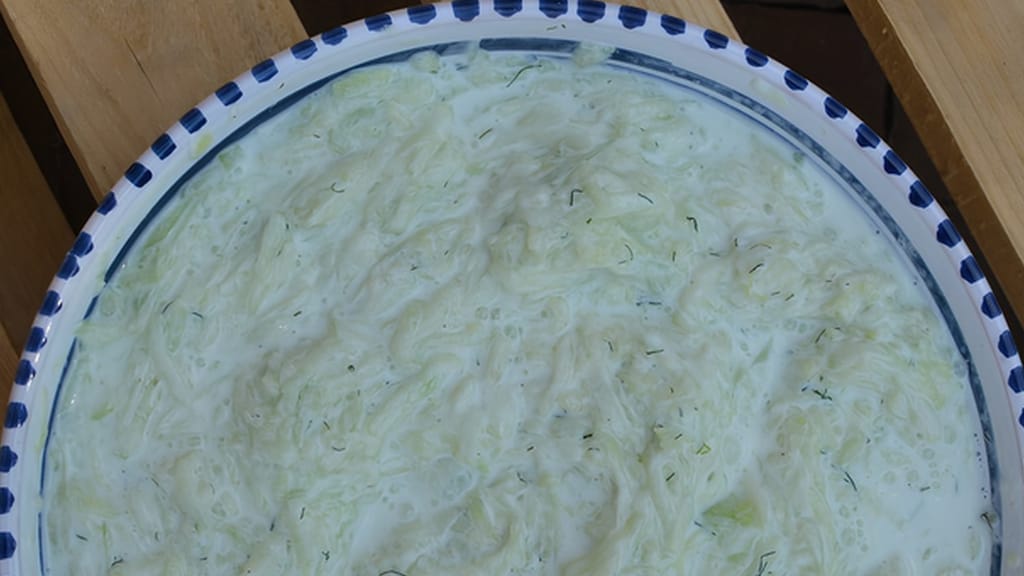
Delicious tzatziki with valmez yogurt
Tzatziki as a fresh yogurt dip for roasted vegetables
Most often it's because they're crammed onto the tray, still wet, or the oven's too cool. Pieces touching each other and damp surfaces release steam, so the vegetables end up steaming instead of roasting. Spread them out in a single layer with space between pieces, dry them thoroughly before roasting, and cook at 200–230°C (400–450°F).
For most vegetables, no – they'll soften and caramelize on their own in the oven. The exception is very hard root vegetables cut into large chunks (beetroot, celeriac), where a quick pre-boil shortens the oven time. Otherwise, pre-cooking just washes out flavor for no reason.
Choose an oil with a higher smoke point – olive, rapeseed/canola, or avocado oil. Extra virgin olive oil handles 220°C (425°F) just fine and adds flavor too. A thin layer – 1–2 tablespoons per tray – is enough to give every piece a light sheen.
Yes, roast frozen vegetables straight from the freezer, no need to thaw, and use a higher temperature (220–230°C / 425–450°F). Thawed vegetables release a lot of water and end up steaming; frozen ones spread in a single layer lose that moisture faster. Just expect them to turn out a bit softer than fresh.
Stored in a sealed container in the fridge, they'll keep for 3–4 days. Reheat them in the oven or in a pan over higher heat so the edges crisp back up – the microwave will just make them soggy and soft. They're also great cold, tossed into a salad.
Roasting preserves fiber and most minerals and uses far less fat than frying. Some heat-sensitive vitamins (mainly vitamin C) are reduced by roasting, but the vegetables still remain a nutritious choice. Plus, you're fully in control of how much oil goes in.
One recipe worth heating the oven for, one tip, and one deal from the shop. Nothing else.