Salmon with tomato salsa

Updated Jul 19, 2026
A great homemade dip comes down to three things: a quality base, acidity to brighten the flavor, and the right texture. In this article you'll find how to choose ingredients, three classic dips explained step by step (guacamole, hummus, tzatziki), lighter versions, and serving tips. No science required — just a handful of ingredients, the right technique, and tasting as you go so you can season to taste.
Most great homemade dips are built on one of five bases, plus acid, fat, and seasoning. Pick your base according to the texture you're after:
Avocado – creamy dips like guacamole
Chickpeas – hummus and legume-based spreads
Greek yogurt – light garlic and herb dips
Roasted vegetables – sweeter dips made from carrot, beetroot, or pumpkin
Soft cheese (cottage, cream cheese, goat cheese) – rich, cheesy dips
To every base, add acid (lemon, lime), a touch of fat (olive oil, tahini), and seasoning (garlic, salt, fresh herbs). With a dip, you taste every single ingredient on its own, so the quality of what you use matters far more than how complicated the method is.
Avocado makes a dip creamy without needing any cream at all. The key is ripeness: the fruit should give slightly under gentle pressure but never feel mushy. An underripe avocado won't mash smoothly, while an overripe one turns bitter and grey. The healthy fats in avocado are mostly monounsaturated, so they naturally give the dip body — all it needs is a bit of acid and salt to finish. Mash it with a fork rather than a blender; a chunkier texture holds its shape and doesn't turn bitter as quickly.
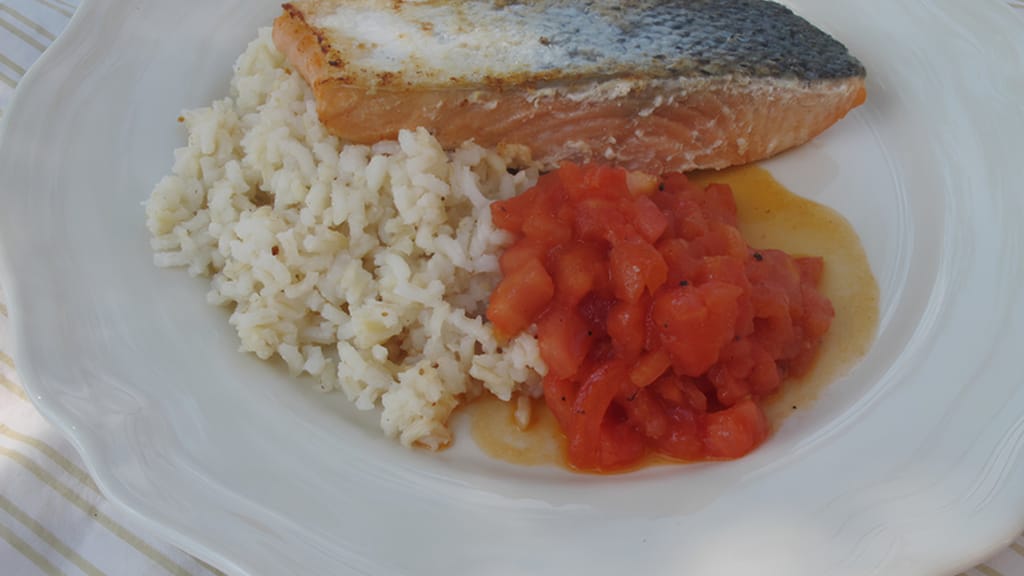
Tomatoes bring freshness, color, and juiciness to a dip — and they really shine in salsa. Choose ripe, meaty tomatoes and scoop out the seedy pulp, or the salsa will turn watery. Chop them finely right before serving so they stay crisp instead of going soft.
Salmon with tomato salsa
Fresh tomato salsa – as featured in our salmon with tomato salsa recipe
Chickpeas are the base of hummus and the cheapest route to a truly creamy dip. Canned chickpeas (400 g) will get you a quick hummus, but the secret to that silky texture is overcooking them slightly: simmer with a pinch of baking soda, which raises the pH and helps break down the skins, until they're almost falling apart. Middle Eastern cooks will tell you that removing the skins is exactly what separates a chunky hummus from a restaurant-smooth one. Chickpeas also bring protein and fiber, so the dip is genuinely filling.
Greek yogurt is the quickest base for a light dip. It's thick and naturally tangy, so all it needs is garlic, herbs, and salt. Compared with mayonnaise, nutritional tables show it has considerably more protein and far less fat, so it lightens a dip without weighing it down. For an even thicker dip, let the yogurt drain through a cheesecloth for a couple of hours.
Seasoning is what really wakes a dip up. Stick to the tried-and-true trio: garlic for punch, acid from lemon or lime to brighten the flavor, and fresh herbs — coriander, parsley, dill, mint. Add salt gradually and taste as you go: a cold dip always tastes less salty than one that's come up to room temperature. If you like heat, reach for chilli, smoked paprika, or harissa.
You can make three classic dips at home in a matter of minutes: guacamole (avocado, lime, onion), hummus (chickpeas, tahini, garlic), and tzatziki (Greek yogurt, cucumber, garlic). For each one below you'll find the technique plus a link to a tried-and-tested yumsto recipe — the full step-by-step method is just one click away.
Guacamole is a traditional Mexican dip made from mashed avocado, lime, and salt. The secret lies in the texture and the acid: mash the avocado only roughly with a fork (never to a smooth puree), add a generous amount of lime juice, and season with salt gradually. Lime isn't just for flavor — its acidity also slows down browning. Add onion, tomato, and coriander right at the end so the dip stays fresh. Serve immediately; if you need to hold it, press plastic wrap directly onto the surface.
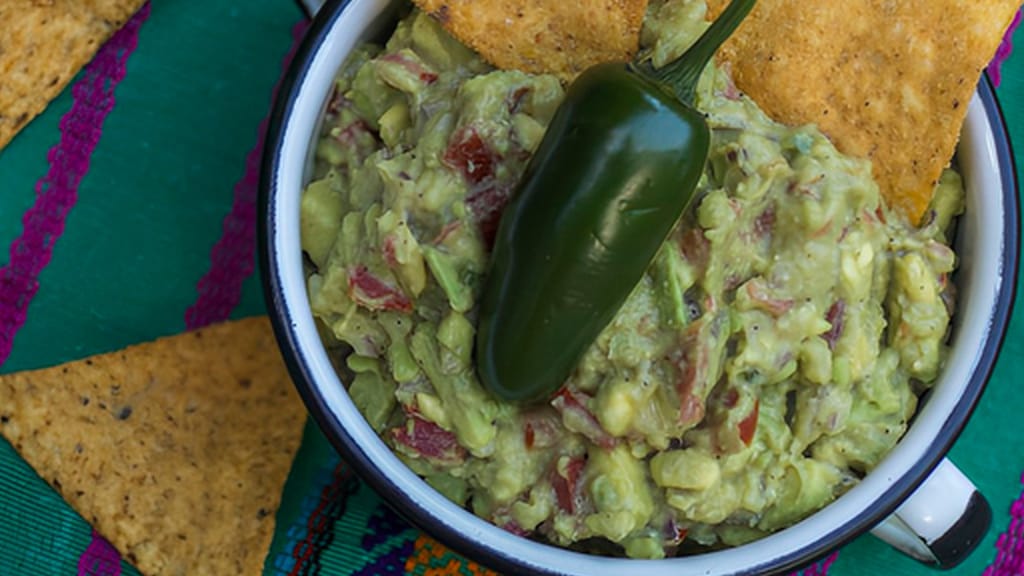
Guacamole
Homemade guacamole recipe with avocado and lime
Hummus is a creamy dip made from chickpeas and tahini paste, originating in the Levant. Its creaminess isn't down to blender power but to how you prepare the chickpeas: cook them until soft (a pinch of baking soda helps) and blend them while still warm — warm chickpeas break down into a much smoother paste. Whip the tahini separately with lemon and ice water until smooth, then add the chickpeas; this creates an emulsion that aerates and lightens the finished paste. Adjust the ratio to taste — a good starting point is 2 parts chickpeas to 1 part tahini. We don't yet have a classic chickpea hummus recipe on yumsto, but until we do, check out this colorful variation:
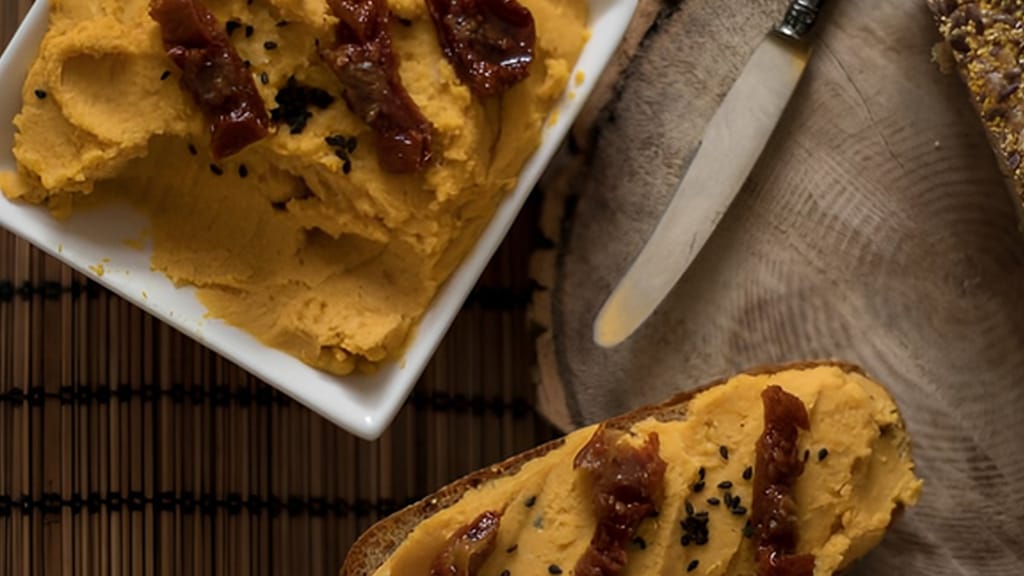
Carrot hummus
Carrot hummus – a sweeter twist on classic chickpea hummus

Tzatziki is a Greek yogurt dip with cucumber and garlic. To keep it from turning watery, salt the grated cucumber and squeeze the liquid out — a step most homemade versions skip. Stir the squeezed cucumber into thick Greek yogurt along with crushed garlic, olive oil, dill or mint, and a little lemon. Let it rest in the fridge for at least an hour so the flavors can meld.
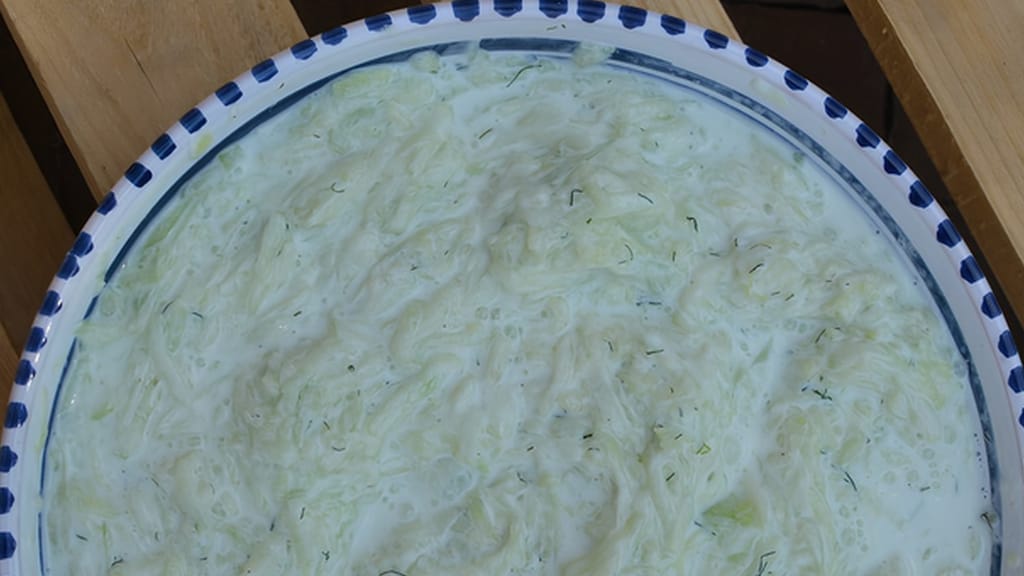
Delicious tzatziki with valmez yogurt
Recipe for excellent tzatziki made with Greek yogurt
You can lighten up dips with a few simple swaps — without losing any of the creaminess. Three tried-and-true tricks: Greek yogurt instead of mayonnaise, roasted vegetables in place of some of the oil, and cottage cheese stirred into avocado cream. Each one cuts calories and boosts protein.
Swap mayonnaise for Greek yogurt and you get a dip with more protein and less fat. Greek yogurt keeps that creamy texture, it's just tangier — balance it out with a pinch of salt or a teaspoon of olive oil. The easiest place to start is a yogurt and garlic dip with dill, essentially a lightened-up tzatziki.
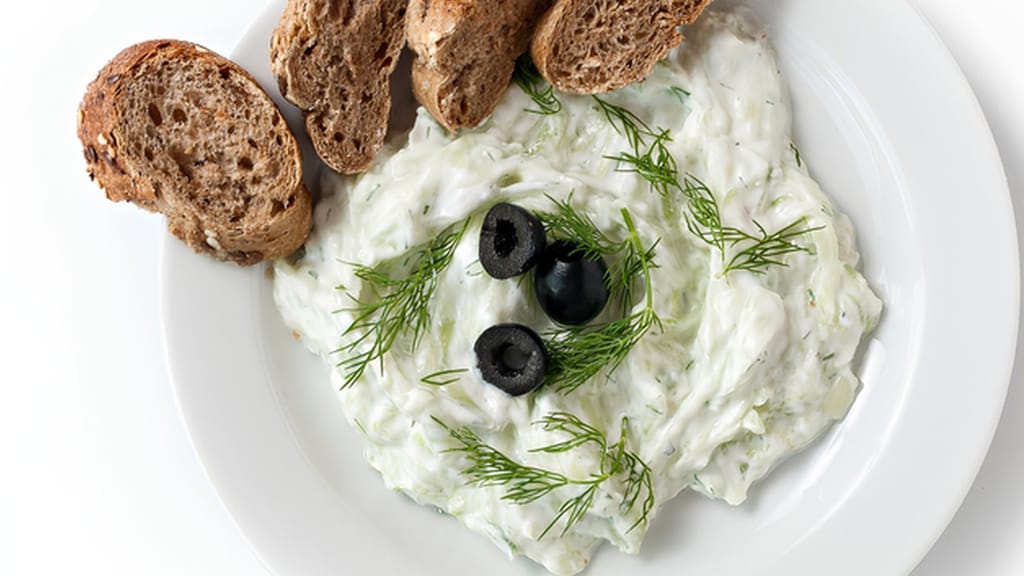
Tzatziki with 0% greek yogurt
Light tzatziki made with 0% Greek yogurt
Roasted vegetables can replace part of the oil and bring natural sweetness to a dip. Carrot, beetroot, or pumpkin roasted until soft and blended with spices give you a thick dip with almost no added fat. Roasting also caramelizes the natural sugars, so the flavor ends up fuller than with raw vegetables. A ready-made base for a quick vegetable dip is our roasted pepper mix:
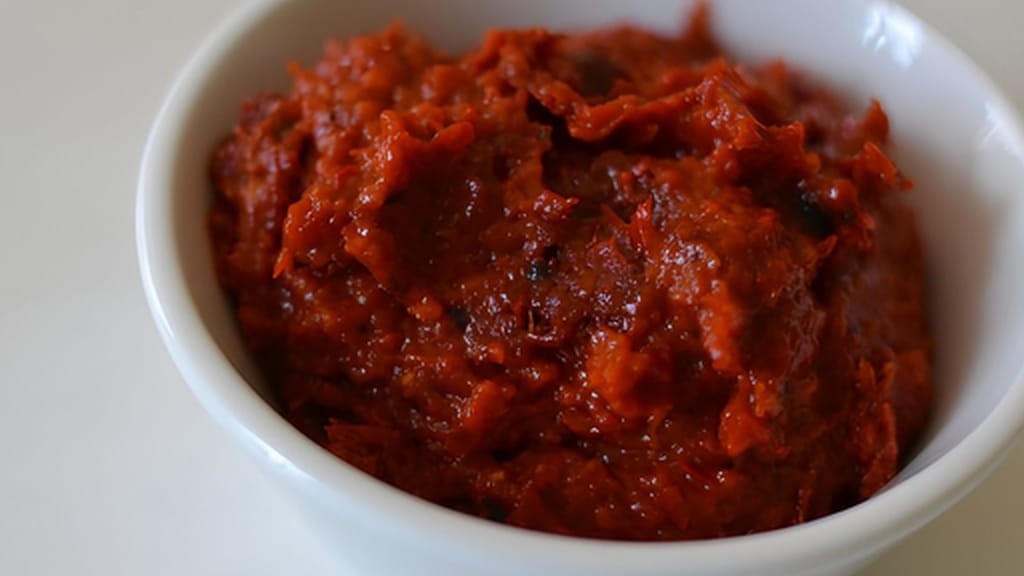
Grilling tip: roasted pepper dip
Roasted pepper mix – a ready-made base for a vegetable dip
Cottage cheese in an avocado cream adds protein and cuts calories compared with classic guacamole. Blend ripe avocado with cottage cheese, lime, and coriander for a light, fresh dip that's perfect for summer evenings. If you don't want lumps, push the cottage cheese through a sieve first for a smoother result.
When you want to surprise people, step away from the classic guacamole–hummus–tzatziki trio. Four reliable unconventional dips: Thai peanut dip, basil pesto dip, avocado with pomegranate, and pumpkin dip with goat cheese.
Thai peanut dip combines peanut butter, coconut milk, red curry paste, and lime. The result is creamy, sweet-spicy, and pairs beautifully with roast chicken or raw vegetables. A scattering of chopped coriander at the end freshens it up. You'll find the same peanut sauce in our chicken satay recipe — just use it straight as a dip:
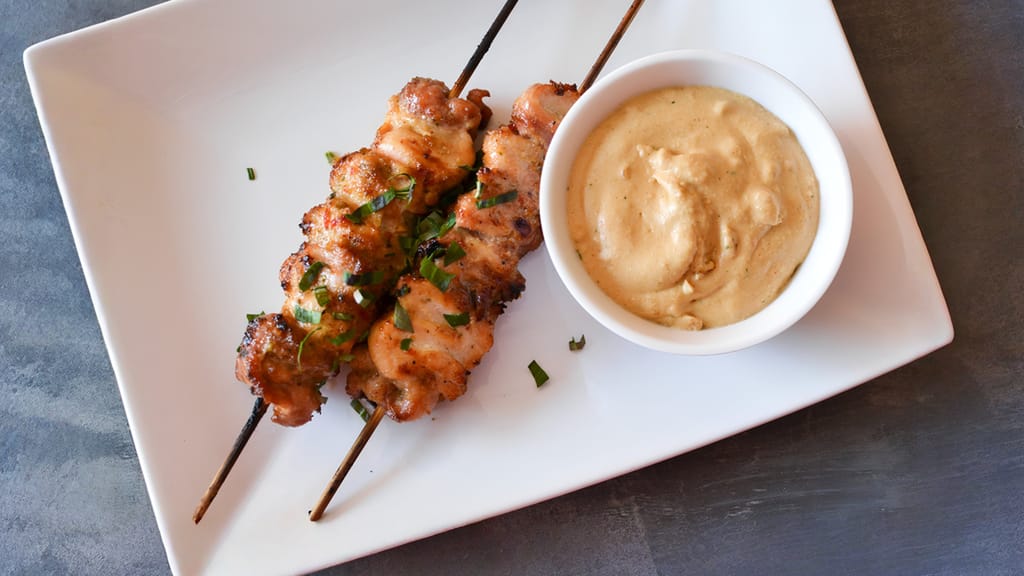
Chicken satay with peanut sauce
Thai peanut sauce as a dip – from our chicken satay recipe
A pesto dip comes together by mixing pesto with cream cheese or thick yogurt — pesto on its own is too runny for dipping. Basil, pine nuts, and parmesan work beautifully with baguette or grilled meat; sun-dried tomatoes or capers add extra depth. In spring, try swapping basil for wild garlic:
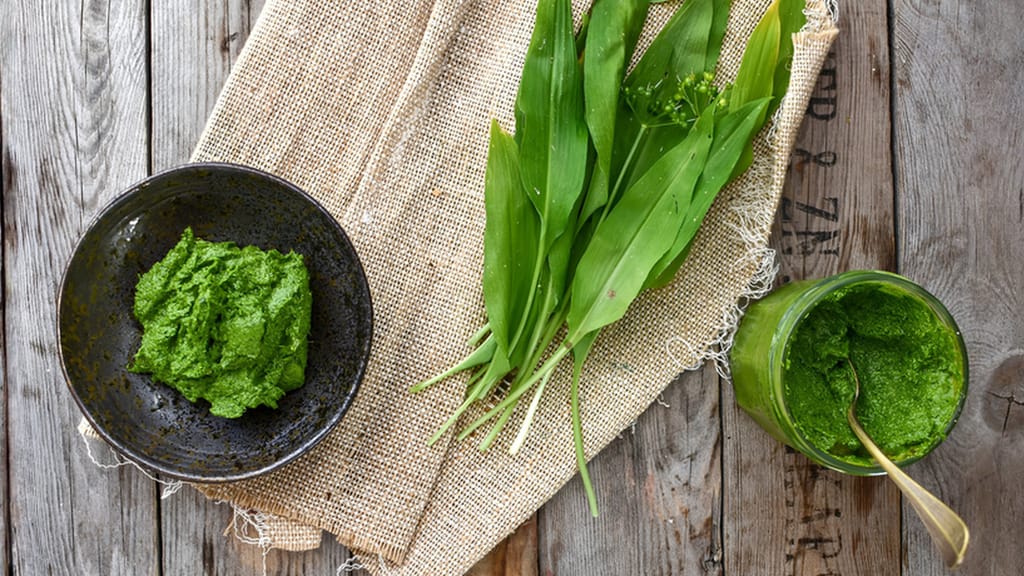
Wild garlic pesto
Wild garlic pesto – a spring take on the pesto dip
Two combinations that are guaranteed to impress: avocado dip with pomegranate — creamy avocado against crunchy, tangy pomegranate seeds — and pumpkin dip with caramelized onion and goat cheese, where the sweetness of roasted pumpkin balances the sharpness of the cheese. The latter is perfect for autumn. Neither has its own recipe on yumsto yet; they're on our list to add.
Serve dips with something sturdy enough to handle their thickness. The rule of thumb: thicker dips (hummus, cheese dip) → pita, toasted baguette; creamy dips (guacamole, yogurt-based) → crackers, thin toast, vegetable sticks. As a starter, plan on roughly 60–80 g of dip per person.
Bread: slice pita and baguette and toast briefly — the crunch holds up better against the dip.
Vegetables: carrot, cucumber, pepper, and celery sticks add both color and freshness.
Presentation: use shallow bowls, drizzle the dip with olive oil, and finish with a sprinkle of herbs (coriander on hummus, dill on yogurt-based dips).
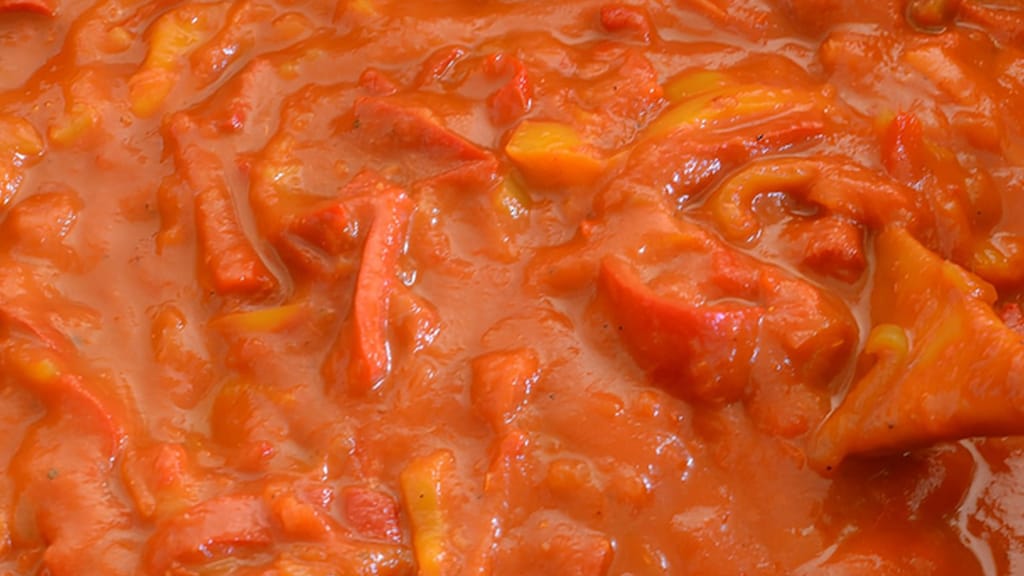
Spicy pepper and chilli dip
Spicy pepper and chilli dip – an idea for a bold dip to serve with bread
Swap tahini for a spoonful of good-quality peanut or almond butter — both bring a similar richness and slight bitterness. In a pinch, use a few tablespoons of olive oil with toasted, crushed sesame seeds; the flavor will be milder but you'll keep the creaminess.
Hummus and dips made from legumes or roasted vegetables freeze well and keep for up to 3 months — after thawing, just stir them and add a splash of oil if needed. We don't recommend freezing yogurt-, mayonnaise-, or fresh avocado-based dips, as they tend to split and turn watery once thawed.
Guacamole, classic hummus, and roasted vegetable dips are naturally both gluten-free and vegan. For yogurt-based dips like tzatziki, use a plant-based yogurt instead; for pesto dips, watch out for parmesan and cream cheese and swap in vegan alternatives.
Thicken a runny dip with a spoonful of Greek yogurt, tahini, or blended chickpeas; for yogurt-based dips, let them drain through a cheesecloth instead. If a dip is too thick, thin it out with water, olive oil, or lemon juice.
Tzatziki turns watery when you don't squeeze the liquid out of the grated cucumber. Grate the cucumber, salt it, let it sit for 10 minutes, and squeeze it thoroughly in a cheesecloth or clean kitchen towel — only then stir it into thick Greek yogurt.
One recipe worth heating the oven for, one tip, and one deal from the shop. Nothing else.