Egg white nut loaf
How Long Egg Whites Last in the Fridge (and How to Store Them)
Updated Oct 6, 2026
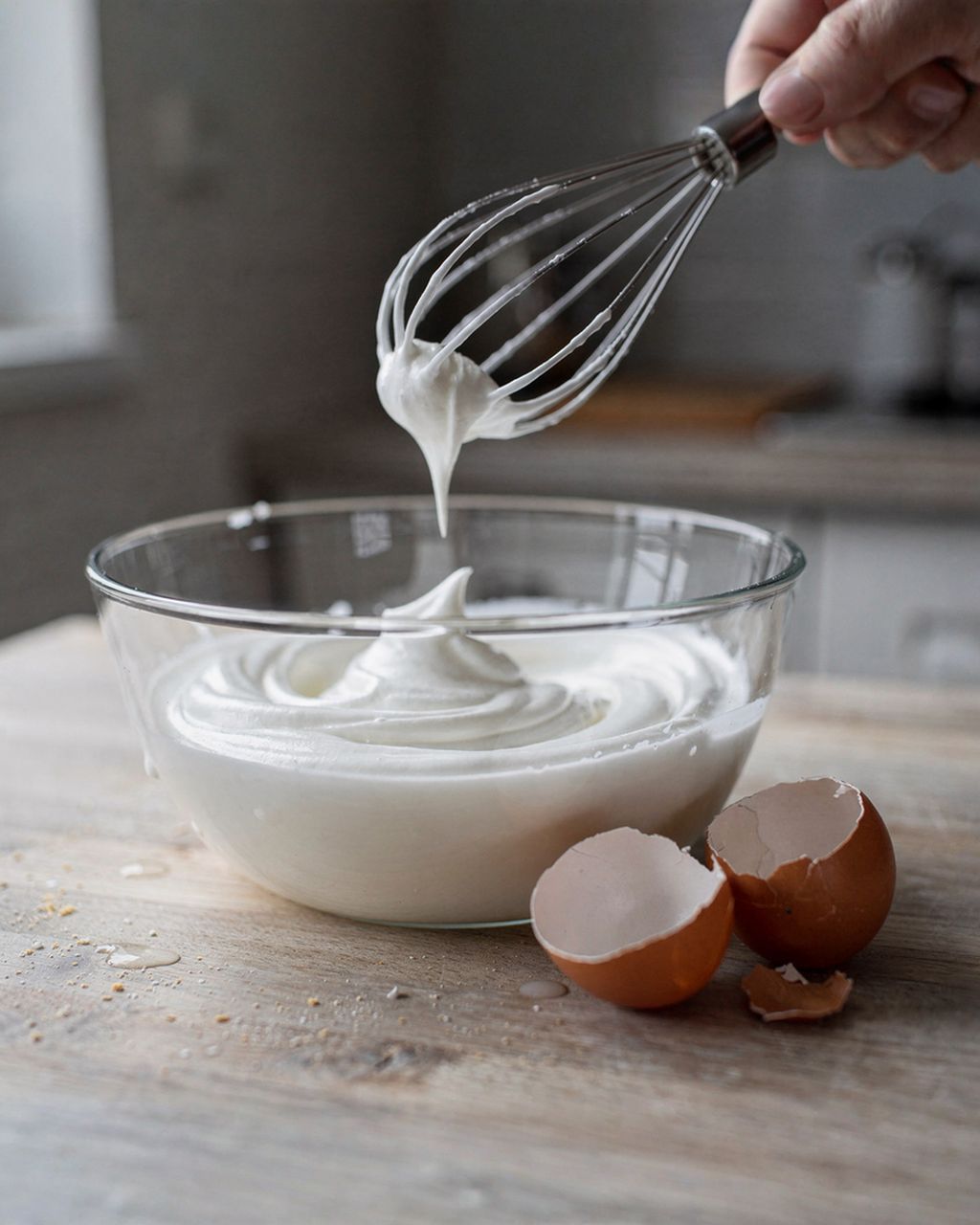
Separated raw egg whites keep in the fridge for 2–4 days, as long as you store them in a sealed container at or below 4°C (40°F). In the freezer, they'll last up to 12 months, and you can still whip them into a foam after thawing. Got leftover egg whites from eggnog, linzer cookies, or a yolk-based custard? Here's how to store them, freeze them, thaw them, and tell when they no longer belong in the kitchen.
Separated raw egg whites keep in the fridge for 2–4 days. That's the window given by the US Food Safety and Inspection Service (FoodSafety.gov), and it only holds if the whites sit in a sealed container and your fridge stays at or below 40°F (4°C).
Fridge (up to 4°C/40°F): 2–4 days
Freezer (−18°C/0°F): up to 12 months; they stay safe the whole time, just slowly lose quality
Thawed egg whites: use as soon as possible, within a day at most, and only in dishes that get baked or cooked
Room temperature: no more than 2 hours – after that, either get them back in the fridge or toss them
Start counting from the moment you crack the egg, not from the date on the carton. A whole egg in its shell keeps for 3–5 weeks in the fridge, protected by the shell and the membrane underneath. Once you separate the white, it loses that protection.
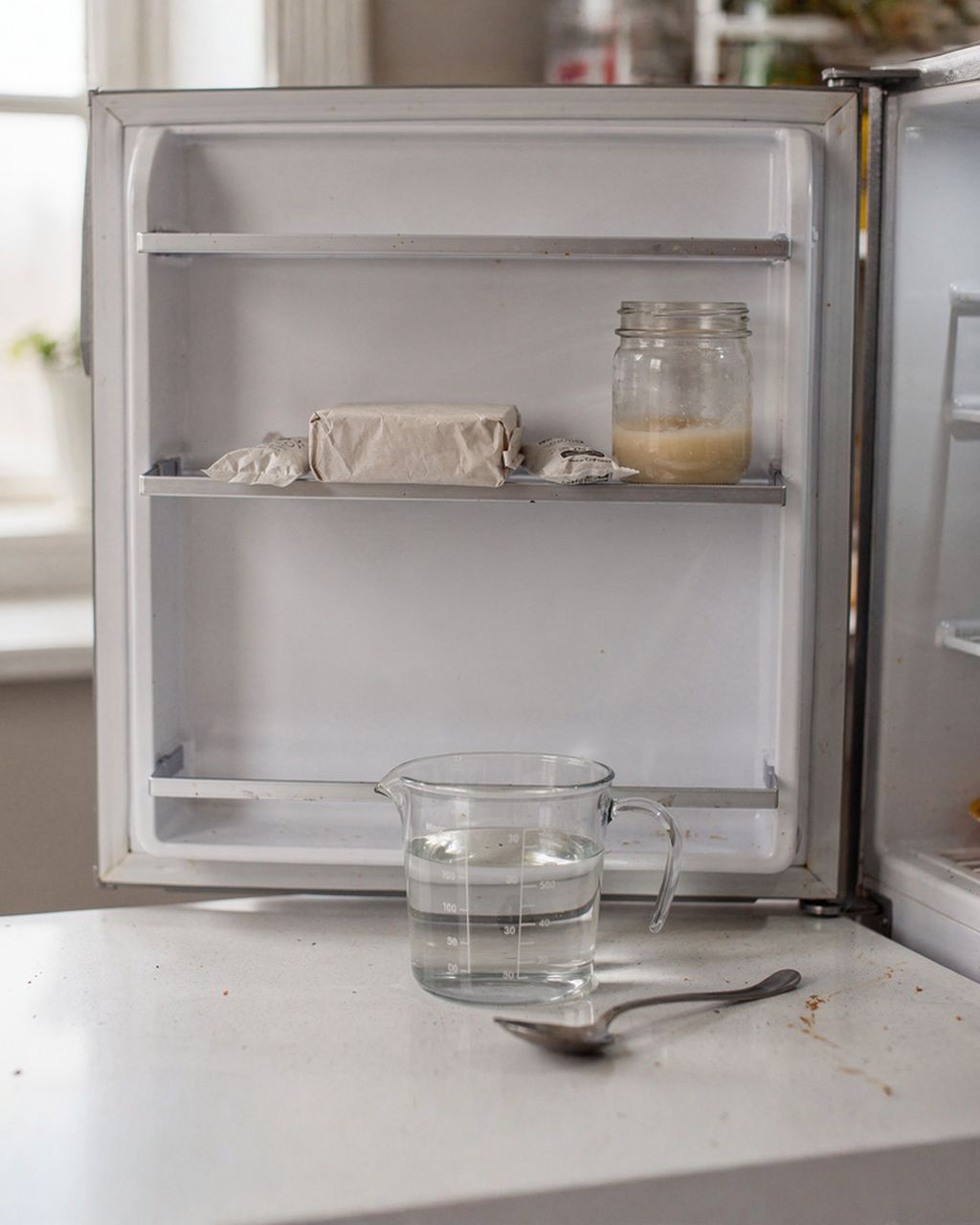
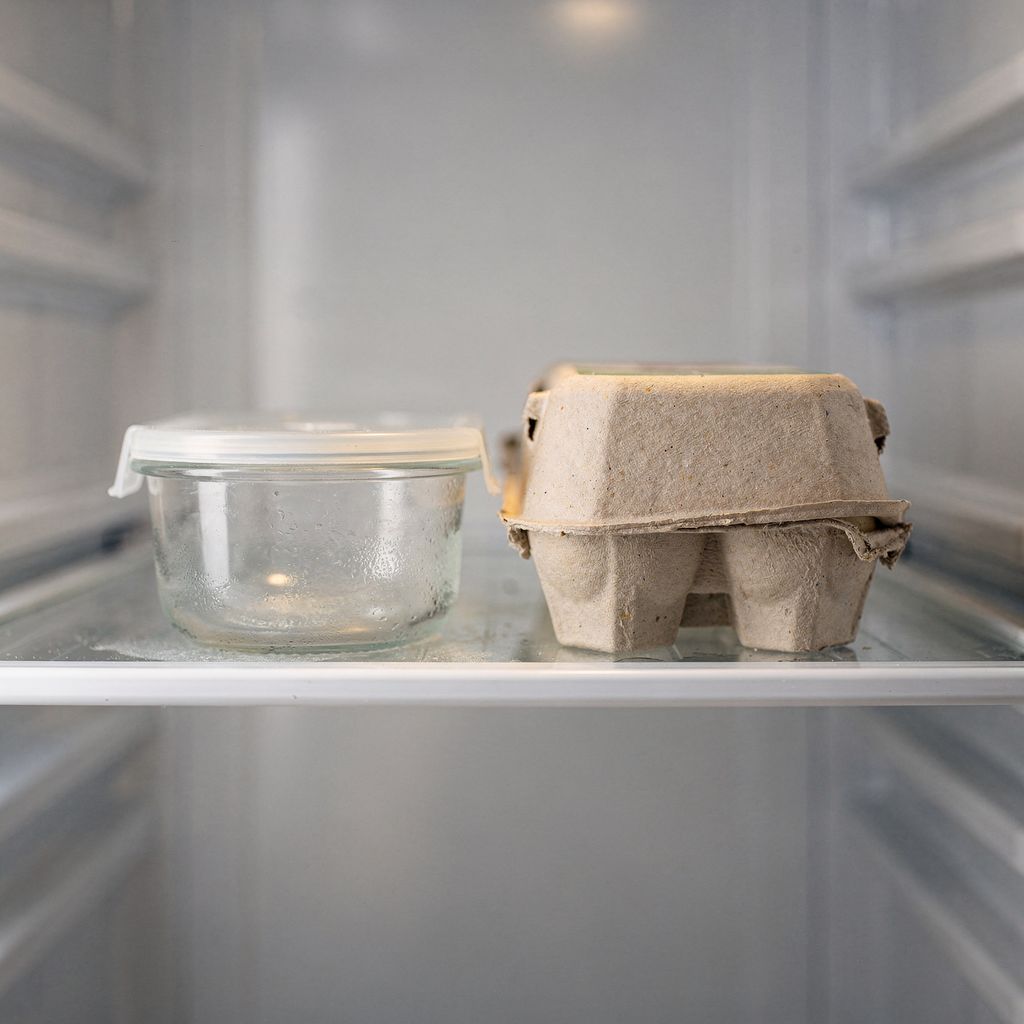
Keep egg whites in a clean, sealable container – glass is ideal – and store it at the back of the middle shelf, where the temperature stays most stable.
A clean, dry container with a lid. An old jam jar works fine. A bowl covered with plastic wrap is okay too, but the whites will pick up fridge odours.
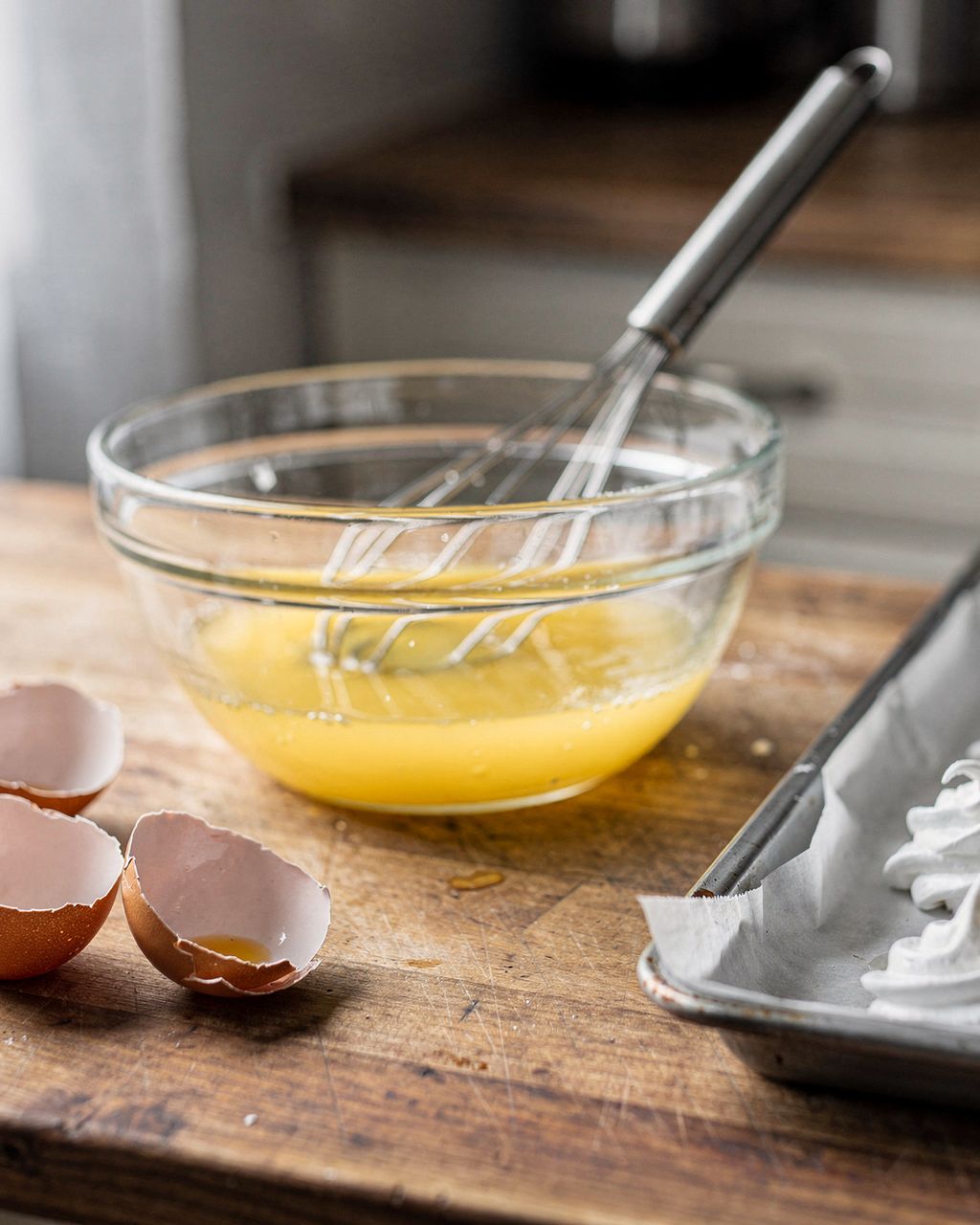
No trace of yolk. Even a drop of yolk fat will ruin your whipped egg whites later. Crack each egg into a small separate bowl first, and only pour the clean white into the main container.
Label with quantity and date. "4 whites, Oct 3." Three days from now you won't remember, and knowing the count means you don't have to weigh them.
Not in the fridge door. The door opens constantly, so the temperature swings and the whites age faster there.
If you know you won't use the egg whites within two days, don't wait – freeze them right away. Freshly frozen whites perform better than ones that spent three days in the fridge first.
The best way to freeze egg whites is one at a time in an ice cube tray. Once frozen solid, pop the cubes into a freezer bag, press out the air, and label it with the count and date.
One white from a medium egg weighs roughly 30–35 g, from a large egg about 40 g. If a recipe calls for a weight in grams, just weigh out the number of cubes you need.
Don't add anything to them. Egg yolks need a pinch of salt or sugar before freezing or they turn rubbery, but egg whites freeze just fine on their own.
For larger batches, freeze in a small container and write the number of whites on the lid. If you're making meringues with ten egg whites at a time, you won't need the ice cube tray.
Egg whites keep in the freezer for up to a year. The sooner you use them, the better they'll whip. Pressing out the air and sealing the bag tightly protects them from drying out and freezer burn, both of which hurt quality.
Thaw frozen egg whites overnight in the fridge in a sealed container. It's the safest method, and the whites stay liquid and clear.
Don't thaw them on the counter. The edges will reach room temperature long before the centre thaws.
Skip the microwave too. The edges of the white will start to cook, and it won't whip into a foam after that.
If you're short on time, put the sealed bag in a bowl of cold water and change the water every half hour.
Use thawed egg whites as soon as possible, within a day at most, and only in dishes that get baked or cooked. Don't refreeze them.
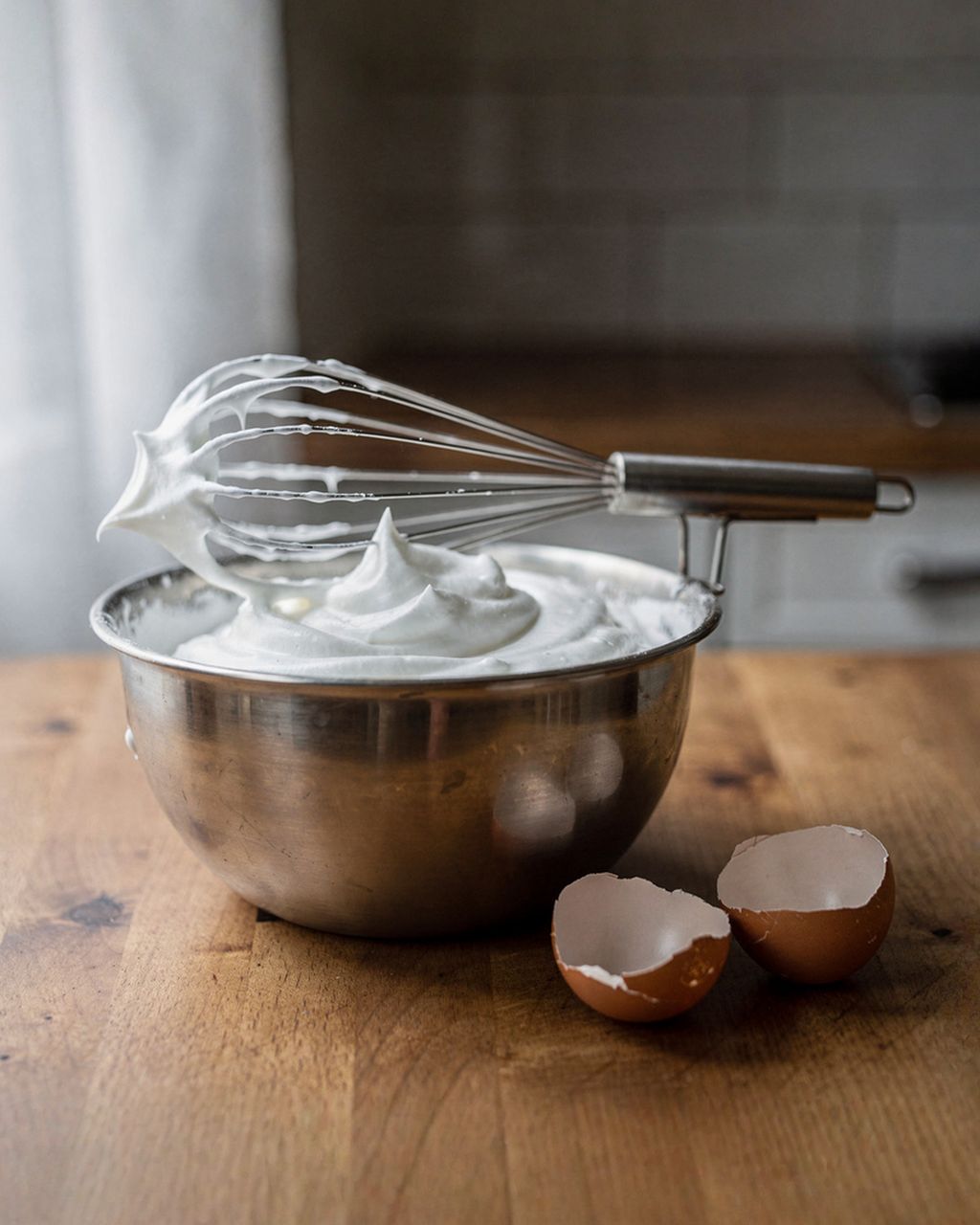
Yes, thawed egg whites whip up just like fresh ones. The volume is only slightly smaller, which you won't notice in most recipes. For the best results, take them out of the fridge about 30 minutes beforehand. Egg whites at room temperature foam up faster and give you a fluffier result.
Pastry chefs actually let egg whites for macarons "age" on purpose for 1–3 days in the fridge, loosely covered. Some of the water evaporates, which makes the whipped foam firmer and more stable. Aged egg whites still belong in the fridge, not on the counter, and the same 2–4 day limit still applies.
If your whipped egg whites still aren't working out, it's usually not the age of the whites – it's a trace of fat or yolk in the bowl.
Spoiled egg white has an unpleasant smell: sour, sulphurous, or rotten. Fresh egg white has almost no smell at all. Your nose and the date on the label are your best guides.
Smell: any sour, sulphurous, or "off" odour means the bin
Colour: fresh egg white is clear, at most slightly yellowish or iridescent. A cloudy, greyish, pinkish, or greenish tinge is a bad sign.
Texture: egg white that's gone watery and runny, or on the other hand slimy and sticky, no longer belongs in the kitchen
Time: if the egg whites have been in the fridge longer than 4 days, or you're not sure how long they've been there, throw them out even if they look fine
Salmonella doesn't change the way egg white smells or looks, so you can't spot it that way. That's exactly why you should stick to the time limits and use fridge egg whites mainly in dishes that get baked or cooked. If you're unsure, don't taste-test them – just toss them.
Leftover egg whites most often end up as meringues, macarons, egg-white sponge, nougat, or an egg-white omelette. All of these recipes use up a decent quantity of egg whites, and in each case the whites are baked or cooked.
Macarons – a foolproof recipe: French macarons made with aged egg whites, perfect for whites that are 1–3 days old
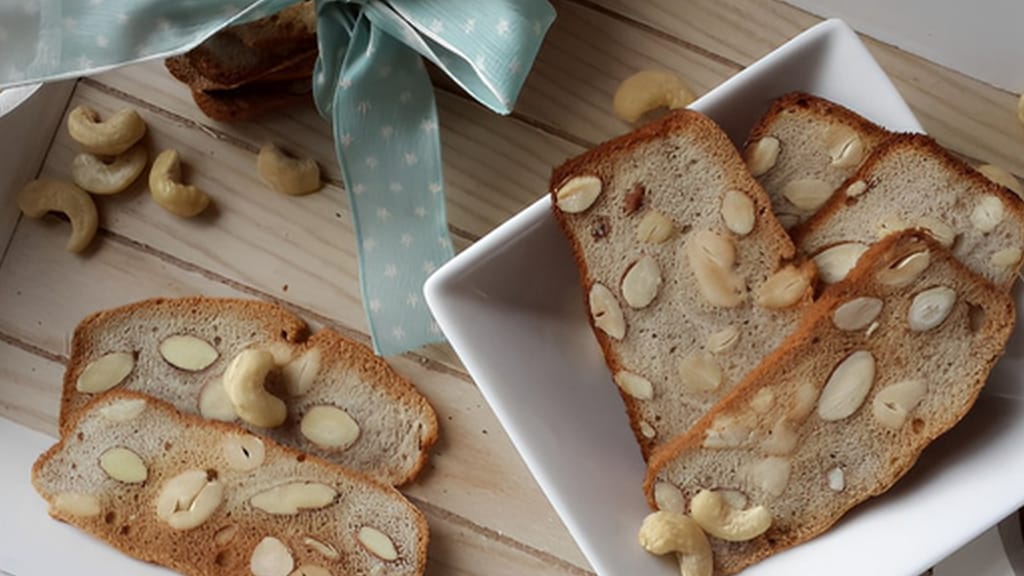
Egg-white sponge cake with nuts: a Christmas classic that uses up the whites left over from yolk-based cookies
Montélimar, homemade honey and nut nougat: egg whites whipped with hot honey syrup
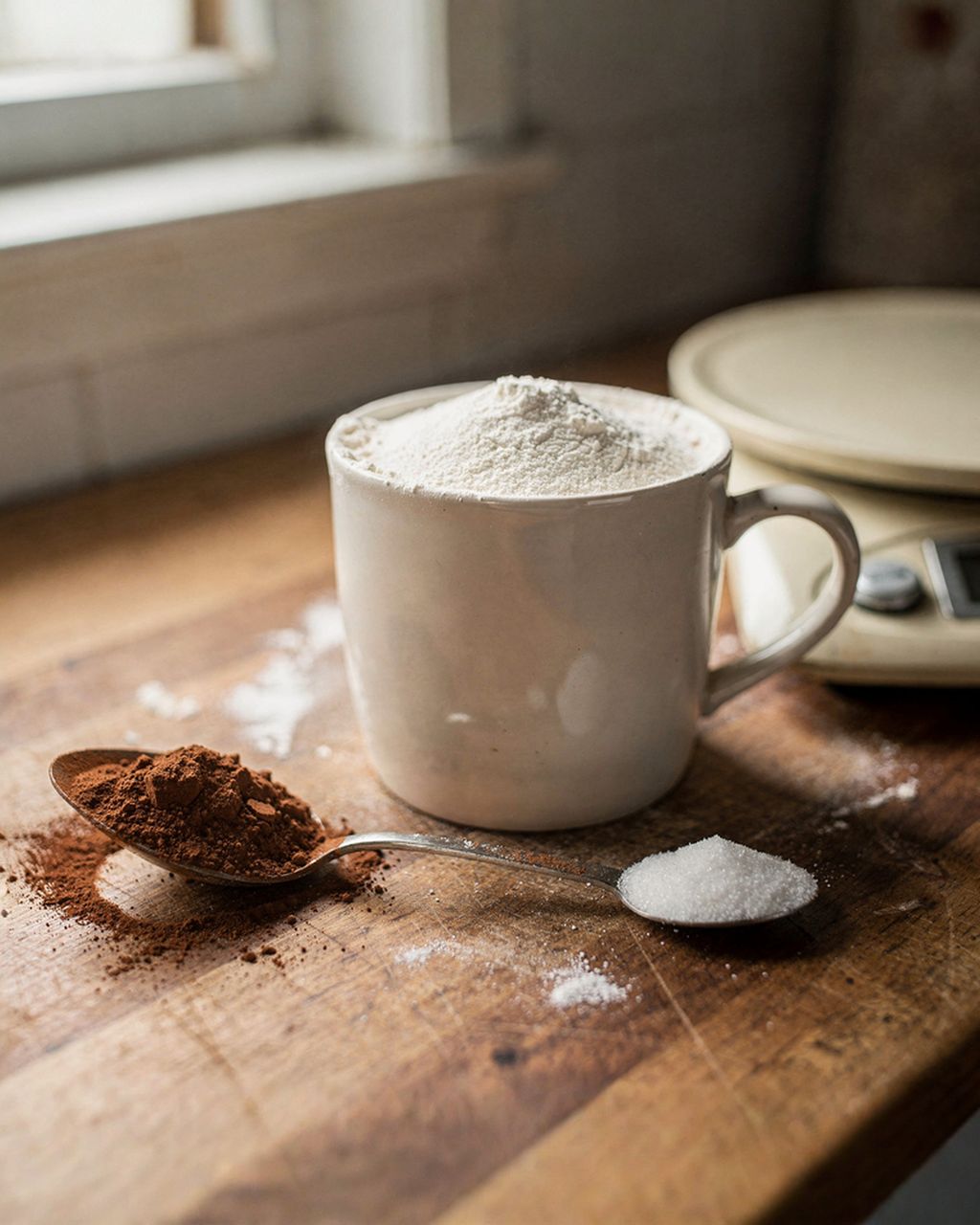
Meringues: use roughly double the weight of sugar to egg white, so about 70 g sugar to 35 g white. Dry them out in the oven at 90–100°C (195–210°F).
Egg-white omelette or an addition to scrambled eggs: the quickest way to use up one or two whites
Only make royal icing for gingerbread with pasteurised or dried egg whites, since it isn't baked afterwards.
You'll most often have leftover whites after recipes that only use yolks, like linzer dough or eggnog. For more ideas, including savoury ones, check out the article 12 Ways to Use Up Leftover Egg Whites.
Egg white nut loaf
Egg-white sponge cake with nuts: a smart way to use up leftover egg whites
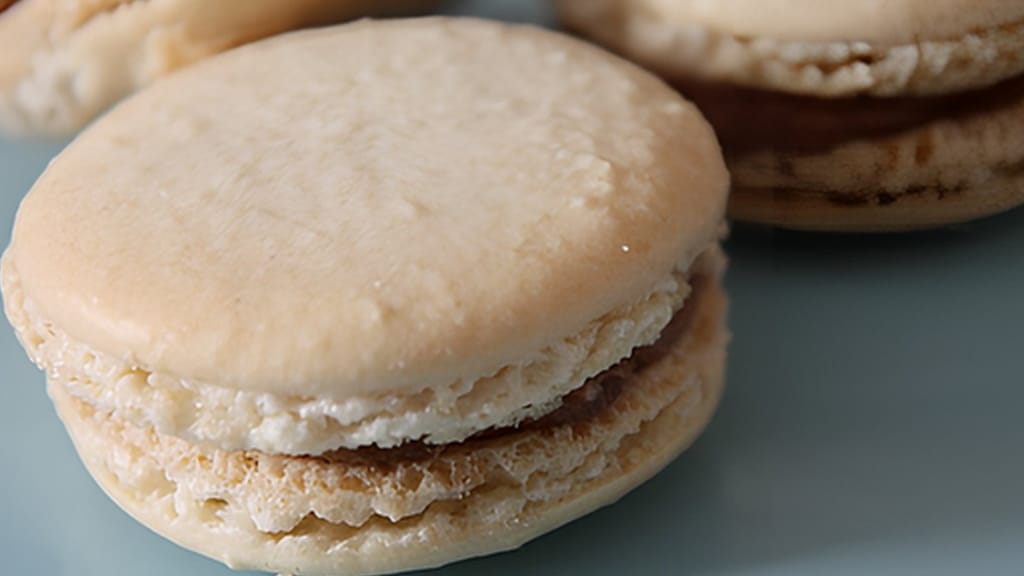
Macarons – the winning recipe
Macarons made with aged egg whites: a foolproof recipe
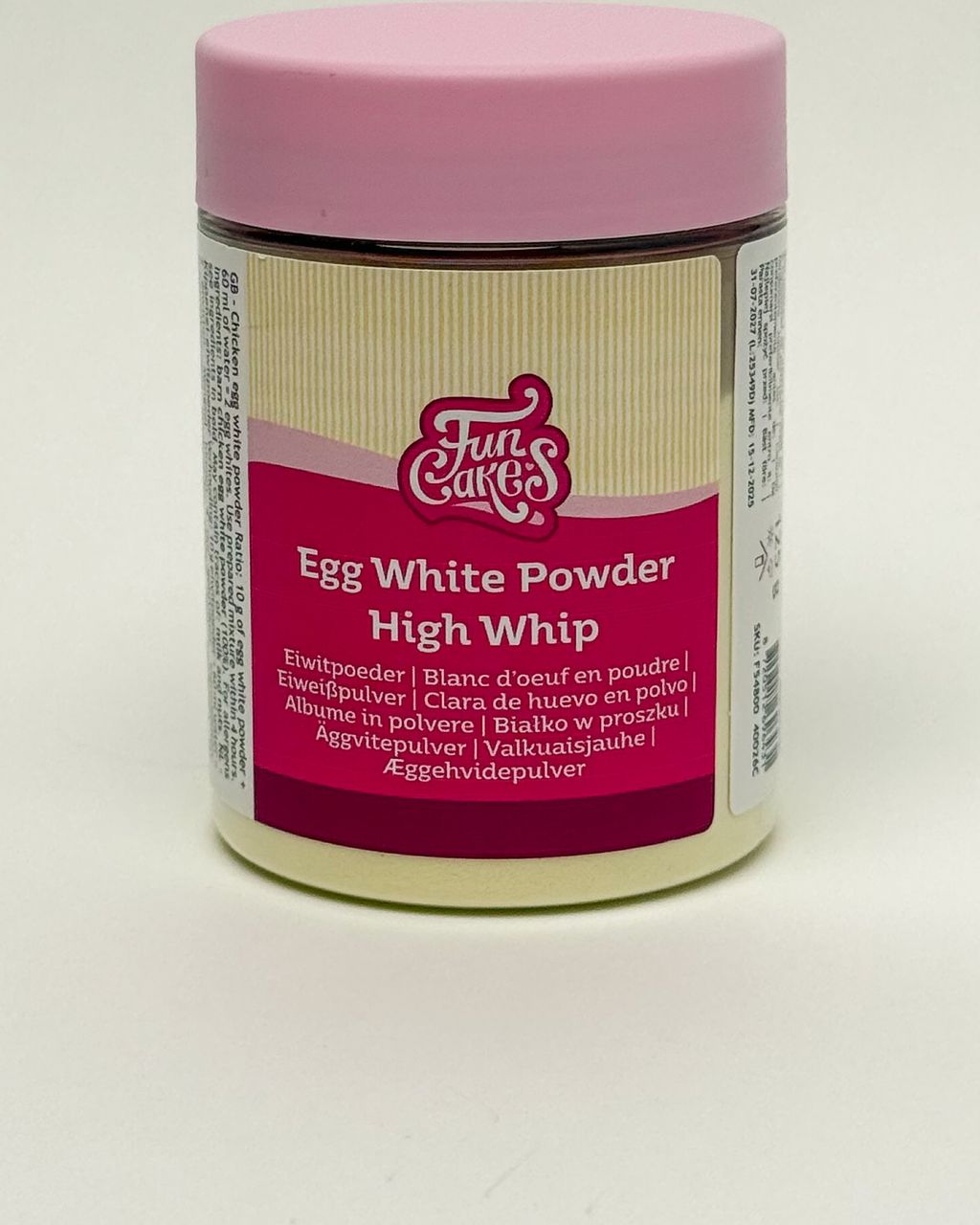
Dried egg white powder keeps in an unopened package until the date printed on it, which is far longer than raw egg whites. Once opened, store it somewhere dry and keep it tightly sealed, using it up according to the manufacturer's instructions. The date and instructions on the package always take priority.
It's pasteurised egg white in powder form, which behaves like fresh egg white once mixed with water. It's handy when you only need a small amount and don't want to crack eggs for it, or when you're making something that won't be cooked afterwards, like royal icing for honey gingerbread or a mousse.
The ratio of powder to water varies by brand, so follow the instructions on the package
A teaspoon of powder added to fresh egg whites firms up the foam for meringues and pavlova, so it holds its shape on the baking sheet
Keep it away from moisture, as kitchen humidity will turn it lumpy
You'll find dried egg white powder alongside other baking essentials among ingredients for pastry chefs.
Yes, you can freeze egg whites from the fridge as long as they haven't passed the 4-day limit and don't look or smell off. Freezing won't restore their quality, so the sooner you freeze them, the better. Don't freeze egg whites older than 4 days – throw those out instead.
No, sugar and salt won't really extend how long raw egg whites keep in the fridge, and they'll just complicate whatever recipe you use them in later. Salt and sugar matter for frozen egg yolks, to stop them turning rubbery. Store and freeze egg whites without any additions.
An egg white from a medium (M) egg weighs roughly 30–35 g, and from a large (L) egg about 40 g. If you've got frozen or pooled egg whites and don't know how many you have, weigh them and use about 33–35 g per white as a working estimate.
A hard-boiled egg, including the white, keeps in the fridge for about a week. Well-dried meringues keep for two to three weeks at room temperature in a dry, tightly sealed container. Don't put them in the fridge – they'll absorb moisture and turn soft.
Opened pasteurised egg whites from a carton usually keep for about 3 days in the fridge, but always follow the date on the packaging, as that takes priority. Reseal the carton well after opening and keep it in the fridge, not in the door. An unopened carton keeps until the use-by date.
One recipe worth heating the oven for, one tip, and one deal from the shop. Nothing else.