Honey cake balls - last-minute christmas treats
How Long Does Honey Cake Keep, and Why Does It Need to Rest to Soften?
Updated Sep 25, 2026
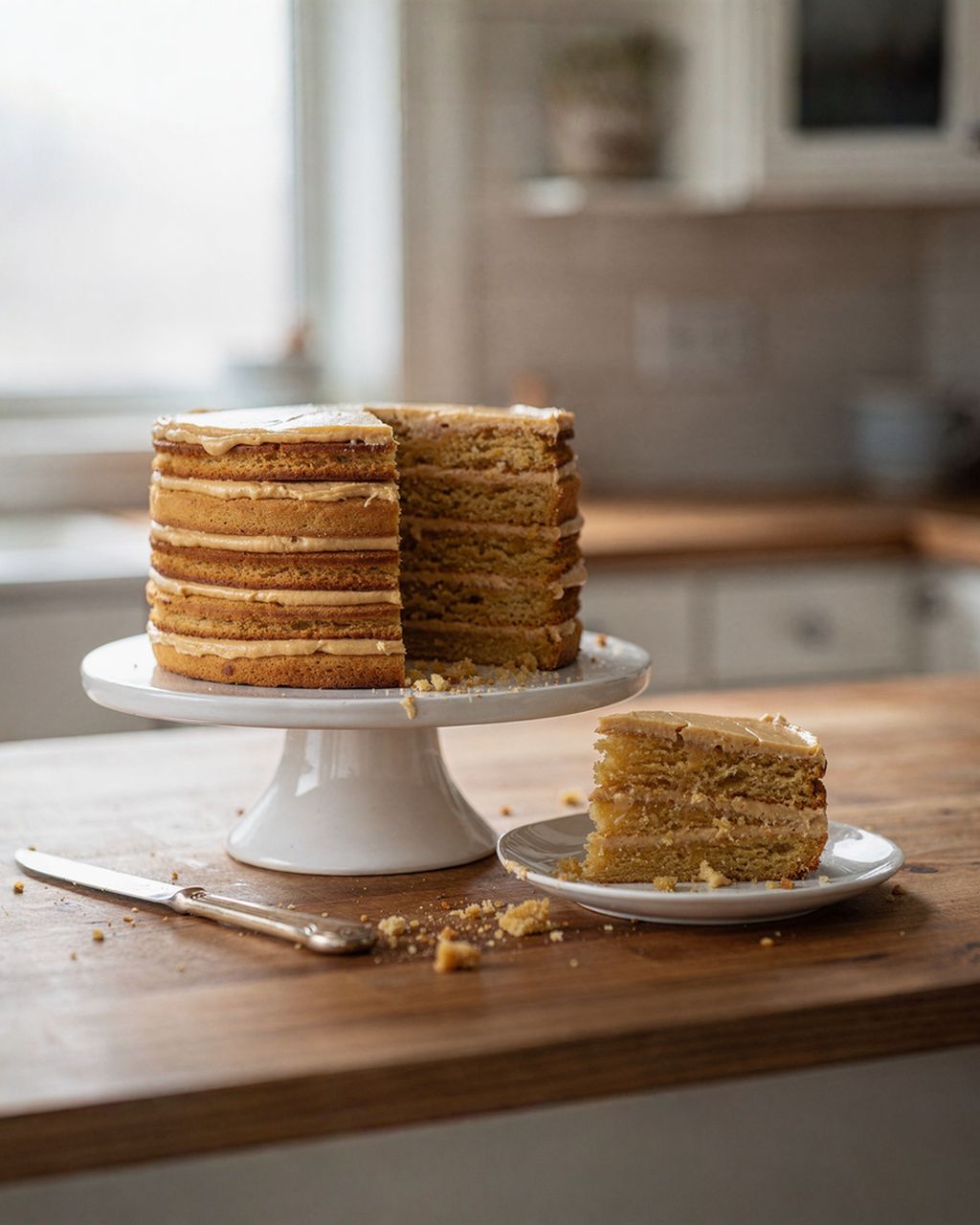
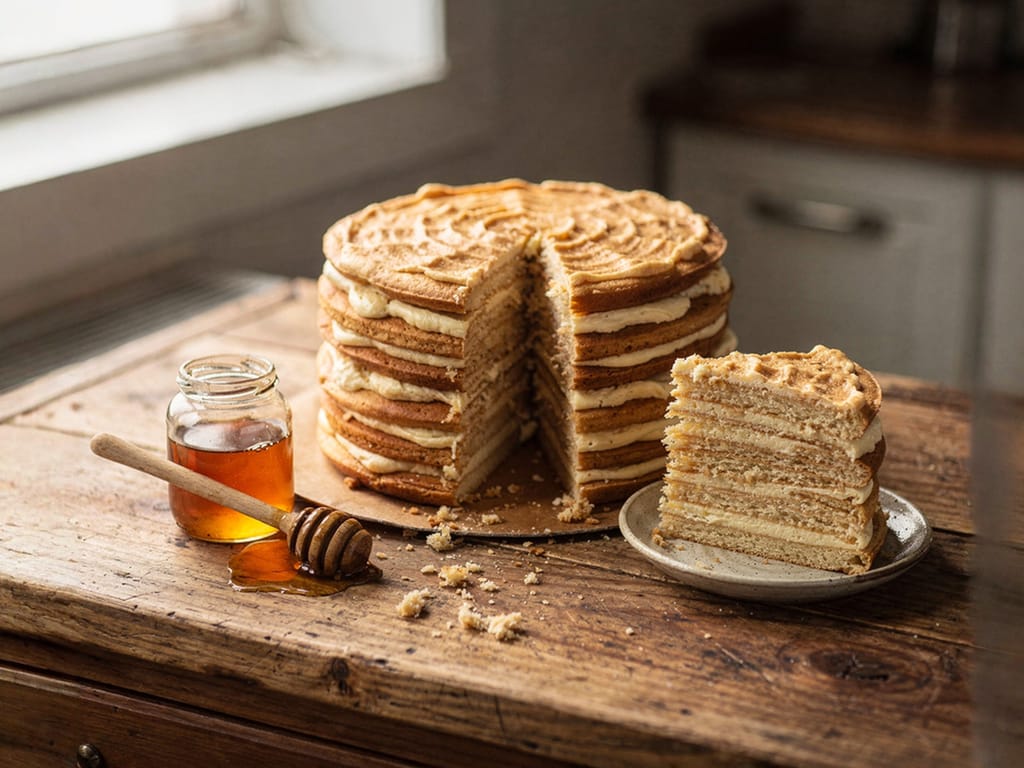
Honey cake (medovník) keeps in the fridge for roughly 2–10 days depending on the filling, but it's actually best on the second or third day after assembling. Freshly baked layers are as hard as biscuits, and it's only the filling, slowly soaking in as it chills, that turns them soft and moist. That's why honey cake is made ahead of time, and why you should never slice it right after putting it together.
An assembled honey cake keeps in the fridge for 2–10 days, depending on the filling, and in the freezer for 2–3 months. The exact timing depends on the filling, not the layers — thanks to the honey and low moisture content, the baked layers themselves are very shelf-stable; it's the filling that's the vulnerable part.
Boiled condensed milk and butter filling: 7–10 days in the fridge. This is the classic Czech choice, and the sugar and fat content keep it stable; according to pastry chefs cited by Czech Radio, honey cake can even last around 14 days, though at home it's safer to plan for a week to ten days.
Sour cream or whipped cream filling (the Russian-style medovik version): with sour cream, 3–4 days in the fridge; with whipped cream, just 1–2 days. Sour cream and whipped cream contain more water and less sugar than condensed milk, so they spoil faster.
Cream cheese or mascarpone filling: 3–4 days.
Unassembled baked layers: 2–3 weeks in a sealed container, kept dry and cool.
Frozen honey cake (assembled or just the layers): 2–3 months.
For a comparison with other Christmas baking, you'll find it all in one place in our shelf-life guide for Christmas cookies by type.
Seasonal baking plans, tested recipes and kitchen tricks that save you time. Unsubscribe in one click.
Honey cake needs to rest because the thin layers are hard once baked and cooled, and only soften as they soak up moisture from the filling. Skip the resting time and you're eating a dry honey biscuit layered with cream, not a cake.
What happens in the fridge:
Moisture travels from the filling into the layers. The layers are dry and the filling is moist, so water naturally moves toward the drier side. Within 12–24 hours the line between layer and filling blurs, and you end up with one soft, unified mass.
Honey holds onto moisture. Honey is high in fructose, which binds water (it's hygroscopic). That means once the layers absorb moisture, they hold onto it, keeping the cake soft for several days instead of drying out again.
The flavors meld together. The caramel notes from the honey — plus any cinnamon or cloves in the dough — work their way into the filling, while the filling in turn softens the sharp edge of the toasted honey. By day three, honey cake tastes rounder and mellower than on day one.
The cake firms up. The chilled filling sets, the layers 'glue' together, and the cake can be cut into clean slices without sliding apart.
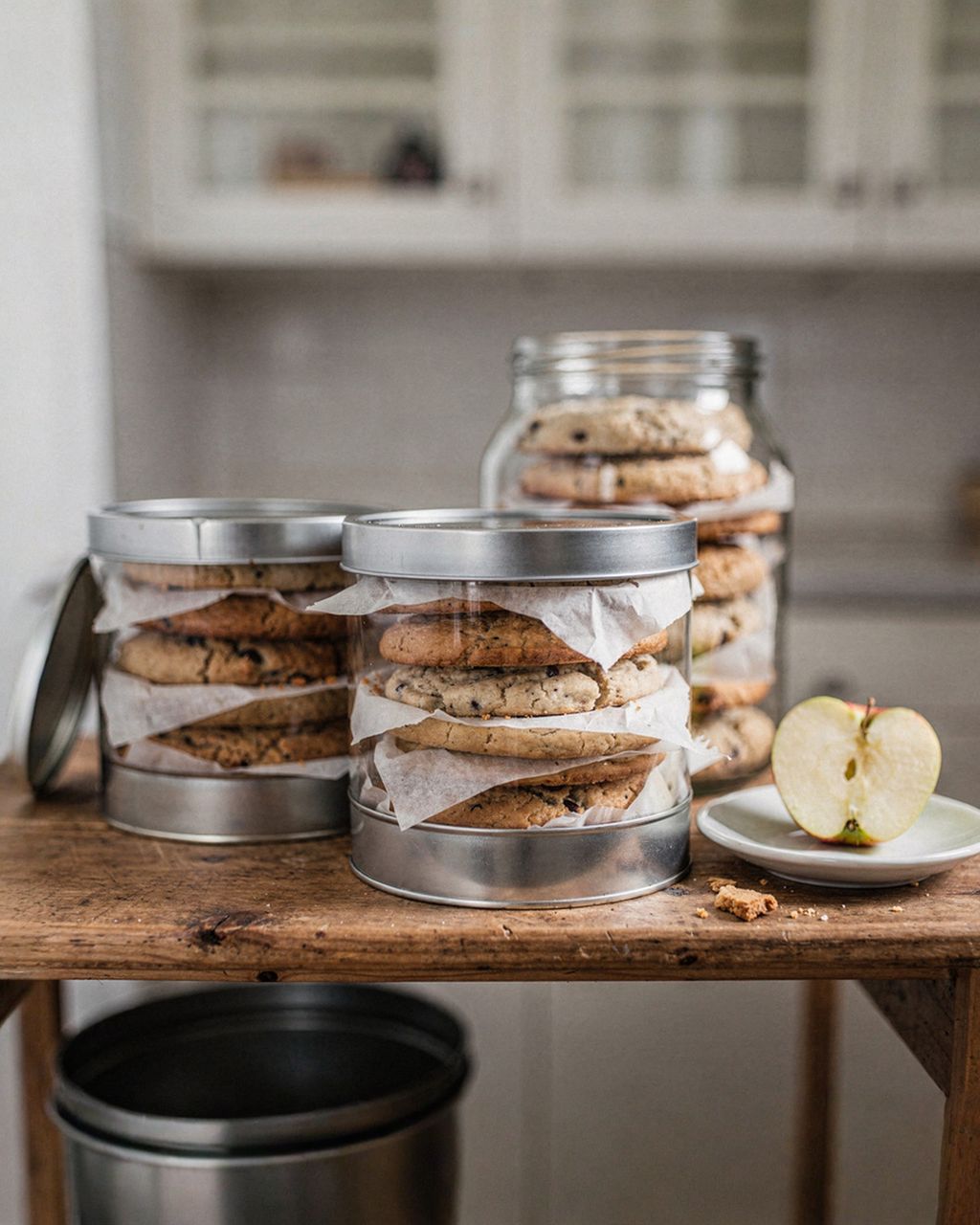
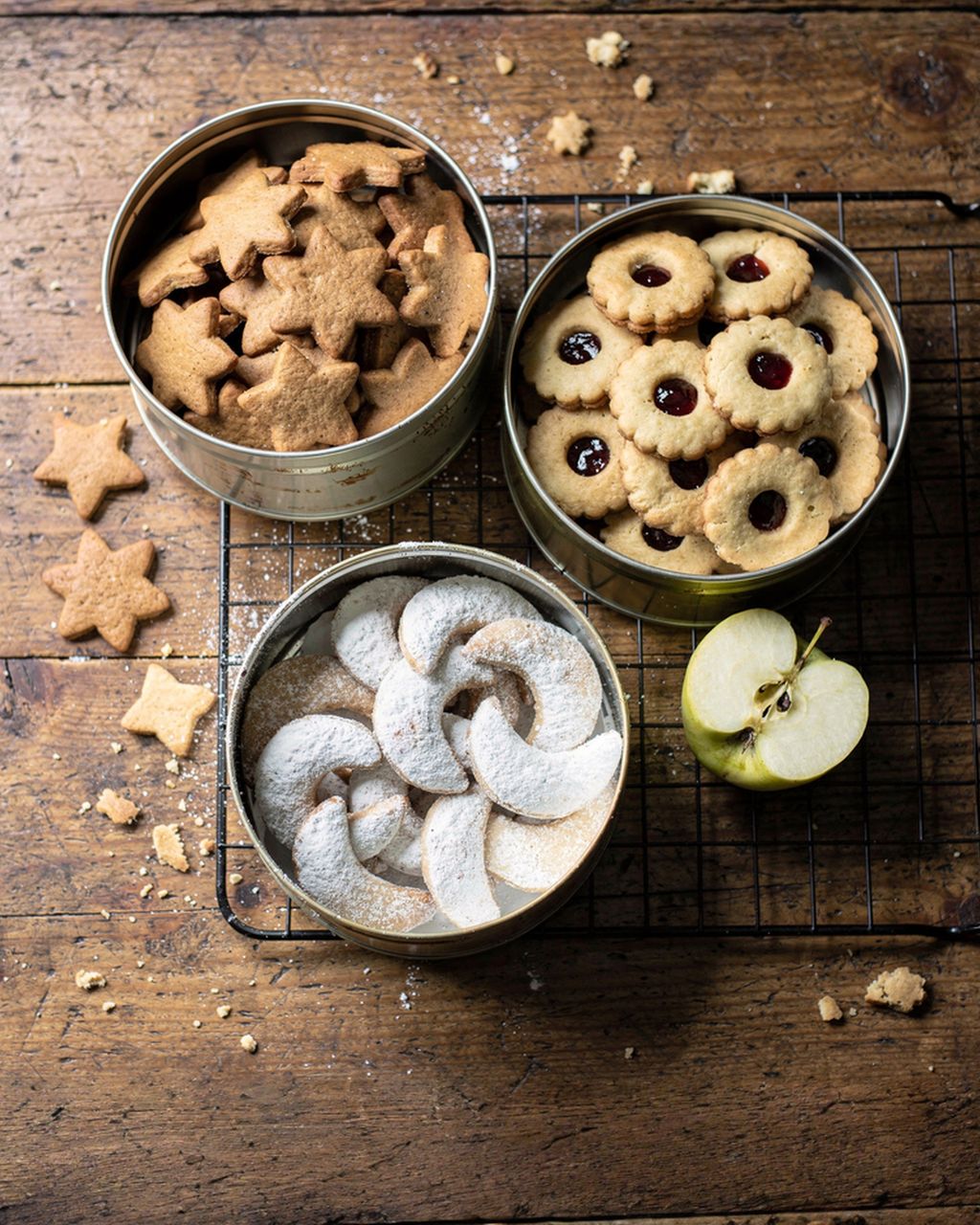
It's the same principle — dry baked goods softening with moisture from their surroundings — you'll recognize from gingerbread cookies, which are stored specifically so they soften. With honey cake, the filling simply plays the role the apple slice plays in the cookie tin.
Let honey cake rest in the fridge for at least 12 hours (overnight), ideally 2–3 days. On day one the cake is technically sliceable, but the layers still have a firm core; it's usually fully soft and moist by day two or three.
Thin layers (2–3 mm) with condensed milk filling: 24–48 hours.
Thicker layers (5 mm or more): plan on 2–3 days, since moisture needs longer to travel through.
Runnier cream fillings: soften faster, needing just 12–24 hours — and since the filling itself doesn't keep as long, a shorter resting time is also necessary.
Honey cake rests best covered in the fridge (below 5°C / 41°F). It would soften faster at room temperature, but a butter- or cream-based filling shouldn't sit out for more than 2 hours.
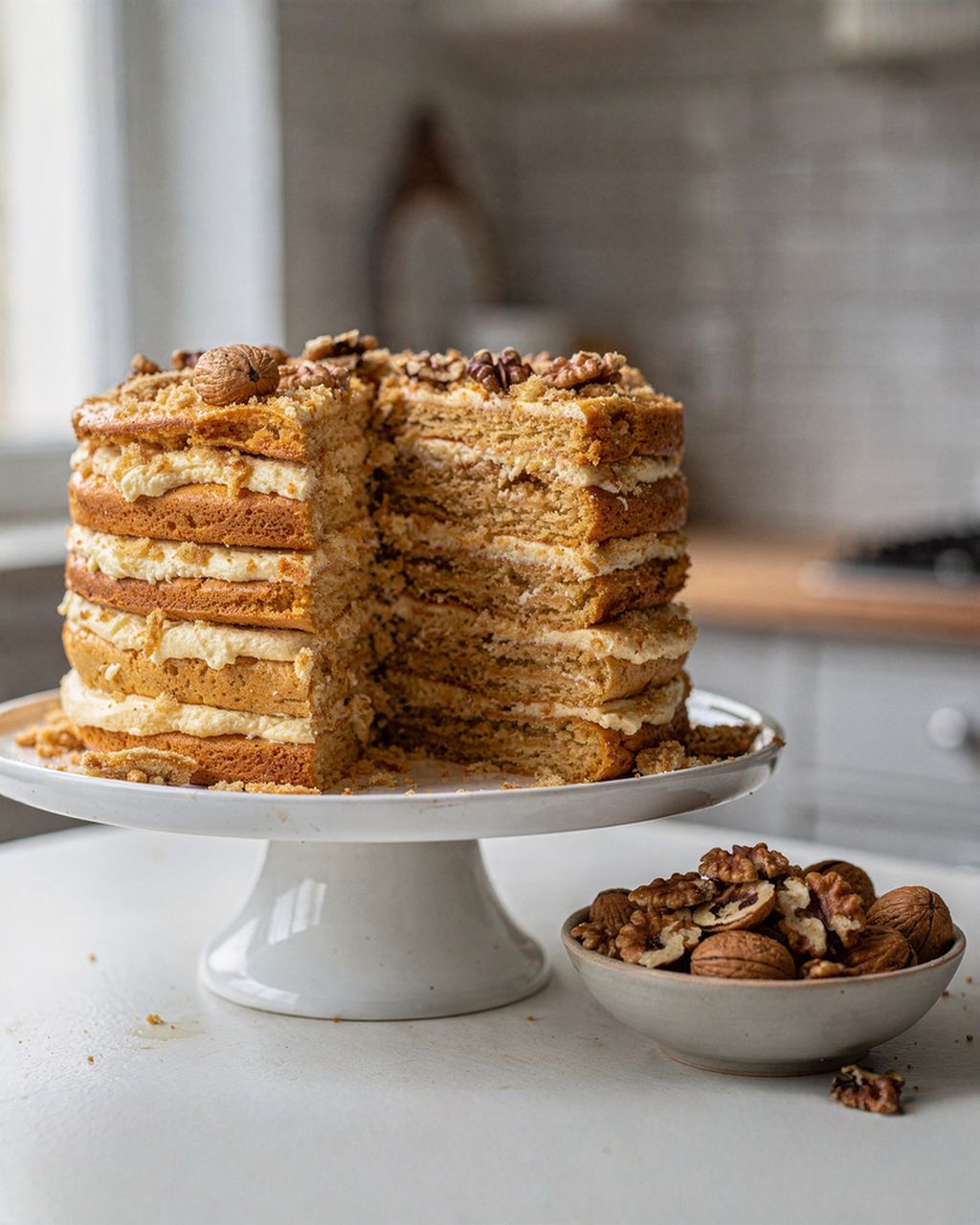
A properly rested honey cake slices through smoothly with no crunch, and you can't spot a sharp line between layer and filling in the cross-section. Other signs:
In the cross-section: the layers look darker and soaked through, and the whole thing looks like one unified mass rather than 'biscuit – cream – biscuit'.
On the fork: a piece comes away with no pressure and doesn't crumble.
In the mouth: soft and almost mousse-like, with no hard core to the layers.
If the middle of a layer is still hard even after two days, the usual culprits are too little filling, or layers that are too thick or overbaked. The opposite problem — a soggy, mushy cake — points to a filling that's too runny, or too much filling on thin layers.
Store honey cake in the fridge, covered so it doesn't dry out or pick up odors. Here's how:
Cover it with a cake dome, a large bowl turned upside down, or place it in a sealed box. Cling film pressed directly onto the filling works too — just peel it off carefully once the cake has rested.
For a cake that's already been cut, protect the cut surface especially — press a piece of baking paper or cling film against it, otherwise the cut edge will dry out and darken.
Keep it away from onions, garlic, cured meats, and cheese. Butter and cream fillings pick up odors very easily.
Before serving, take it out of the fridge about 20–30 minutes ahead. Butter filling chilled to 5°C (41°F) is firm, and the honey flavor only comes through fully once it's softened slightly.
For the cleanest slices, cut honey cake with a sharp knife dipped in hot water and dried, one slice at a time.
Honey cake freezes brilliantly — whether assembled or just the baked layers — and keeps for 2–3 months. It's best to freeze it after it's already rested, once it's soft and the filling has stabilized.
Let the cake rest in the fridge for 1–2 days first.
Cut it into portions (they thaw faster, and you only take out as much as you need), or freeze it whole.
Freeze the portions loose on a tray for 1–2 hours first, so the filling firms up and the wrapping doesn't stick to it.
Then wrap them in cling film and place them in a sealed box or bag.
Thaw in the fridge overnight, not on the counter — slow thawing prevents condensation forming on the surface, so the filling won't separate.
Condensed milk and butter filling handles freezing best; fillings with whipped cream or sour cream may release a little water after thawing. You'll find general rules for freezing Christmas baking in our article on how to freeze cookies and dough.
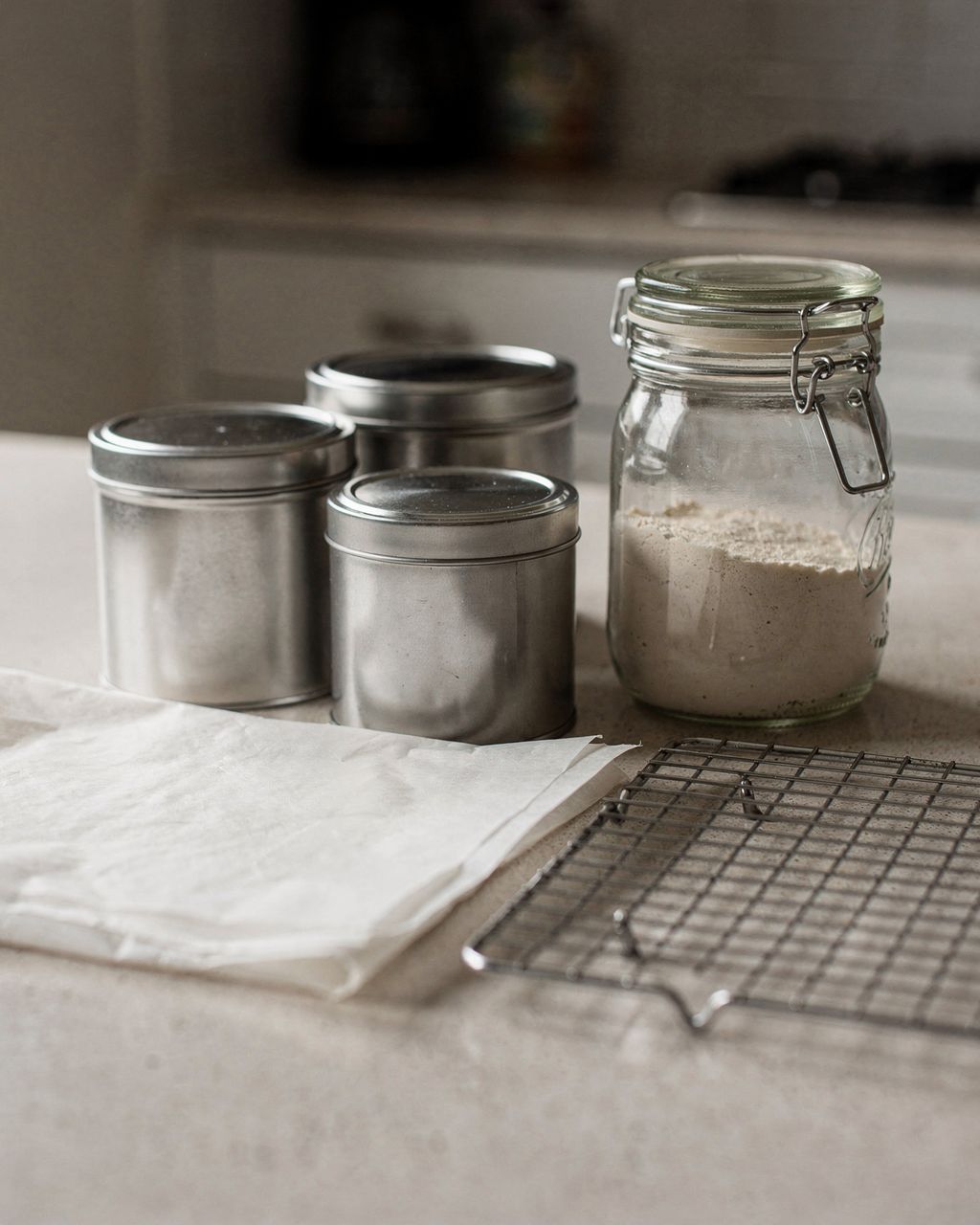
Yes, baked layers keep for 2–3 weeks in a sealed tin or box, kept dry and cool. They're essentially thin honey biscuits, and the honey protects them from spoiling.
Layer them with baking paper so they don't stick together or break.
Store them somewhere dry — in a damp pantry they'd soften unevenly and could even go moldy.
Assemble them 2–3 days before serving, so the cake has time to rest properly.
Baking the layers ahead is the best way to spread out your pre-Christmas baking: you can bake them at your leisure alongside your gingerbread, then assemble the cake in the week before the holidays. To see where honey cake fits into your overall plan, check our calendar for when to bake Christmas cookies; and for how to store other types so they stay crisp, see our article on how to store Christmas cookies.
Crush the trimmings from the layers into fine crumbs and use them to coat the finished cake. The crumb coating hides any unevenness and softens along with the cake in the fridge. So don't throw away the offcuts from trimming the layers — sealed in a container, they'll keep just as long as the layers themselves, 2–3 weeks.
Any leftover crumbs mixed with filling make the base for a quick no-bake treat: honey cake truffles, which need no oven and no weeks of resting.
Honey cake balls - last-minute christmas treats
Honey Cake Truffles — a quick no-bake treat from honey cake crumbs and filling
Yes, honey cake made with a runnier filling can turn mushy after 3–4 days, with the bottom layer going soft and soggy. Fillings made from boiled condensed milk and butter hold up longer; if you want the cake to last, freeze it after 2 days of resting.
No, the layers must cool completely before you assemble the cake. Warm layers will melt the butter filling, which will run down the sides and make the cake collapse; cooled layers, on the other hand, soak up the filling evenly.
Transport honey cake chilled straight from the fridge, in a cake box or under a cover, ideally in a cool bag. Don't let it sit out of the fridge for more than 2 hours total, including travel time, and put it straight into the fridge once you arrive. Cold filling stays firm, so the cake won't slide apart on the way.
Don't refreeze honey cake once it's thawed — the filling would release water after a second thaw and the layers would turn soggy. Freeze it in individual portions from the start, and only thaw as much as you'll eat within a few days.
An assembled honey cake doesn't really keep much longer than other cream-filled cakes, because its shelf life is determined by the dairy-based filling, not the honey. Honey binds moisture and protects the baked layers themselves, which will keep for 2–3 weeks on their own, but count on 2–10 days in the fridge for the finished cake, depending on the filling.
One recipe worth heating the oven for, one tip, and one deal from the shop. Nothing else.