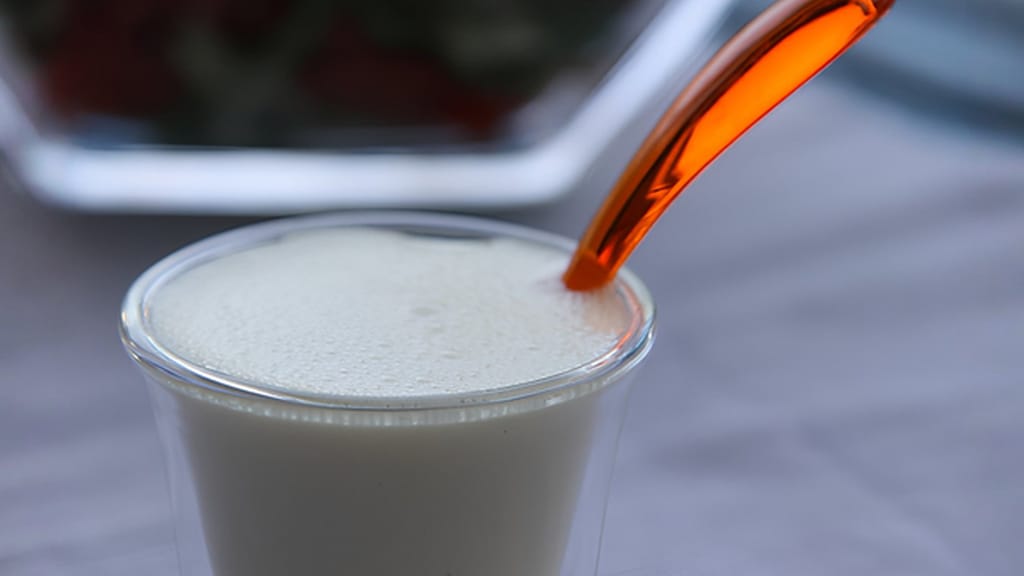
Divine homemade mayonnaise

Updated Jul 19, 2026
Eggs last longer than most people expect: fresh eggs keep in the fridge for 3 to 5 weeks – and with the right storage, sometimes even longer. It's not just about the date stamped on the carton: what really matters is the temperature, where you place them in the fridge, and how you handle them. In this guide, you'll find out how long different forms of eggs last, how to tell a fresh egg from an old one in seconds, when salmonella becomes a risk, and why eggs bought here belong in the fridge even if they sat on a shop shelf at room temperature.
Fresh raw eggs in their shells keep in the fridge for 3 to 5 weeks from the day they were laid – often even a few days past the best-before date, as long as you keep them chilled the whole time. What matters is a stable, low temperature, not just the date printed on the carton.
How long eggs last, by form:
Raw, in shell (fridge, ~4°C / 39°F): 3–5 weeks
Hard-boiled, unpeeled: up to 1 week
Hard-boiled, peeled: 1–2 days in a sealed container
Separated whites or yolks: 2–4 days
Cooked egg dishes (omelette, frittata, quiche): 3–4 days in the fridge
Raw eggs at room temperature: age roughly 7 times faster – one day out on the counter costs as much freshness as a week in the fridge
The fresher the egg, the better the results in the kitchen: older eggs are easier to peel once boiled, while fresh ones hold their shape better when poached or fried.
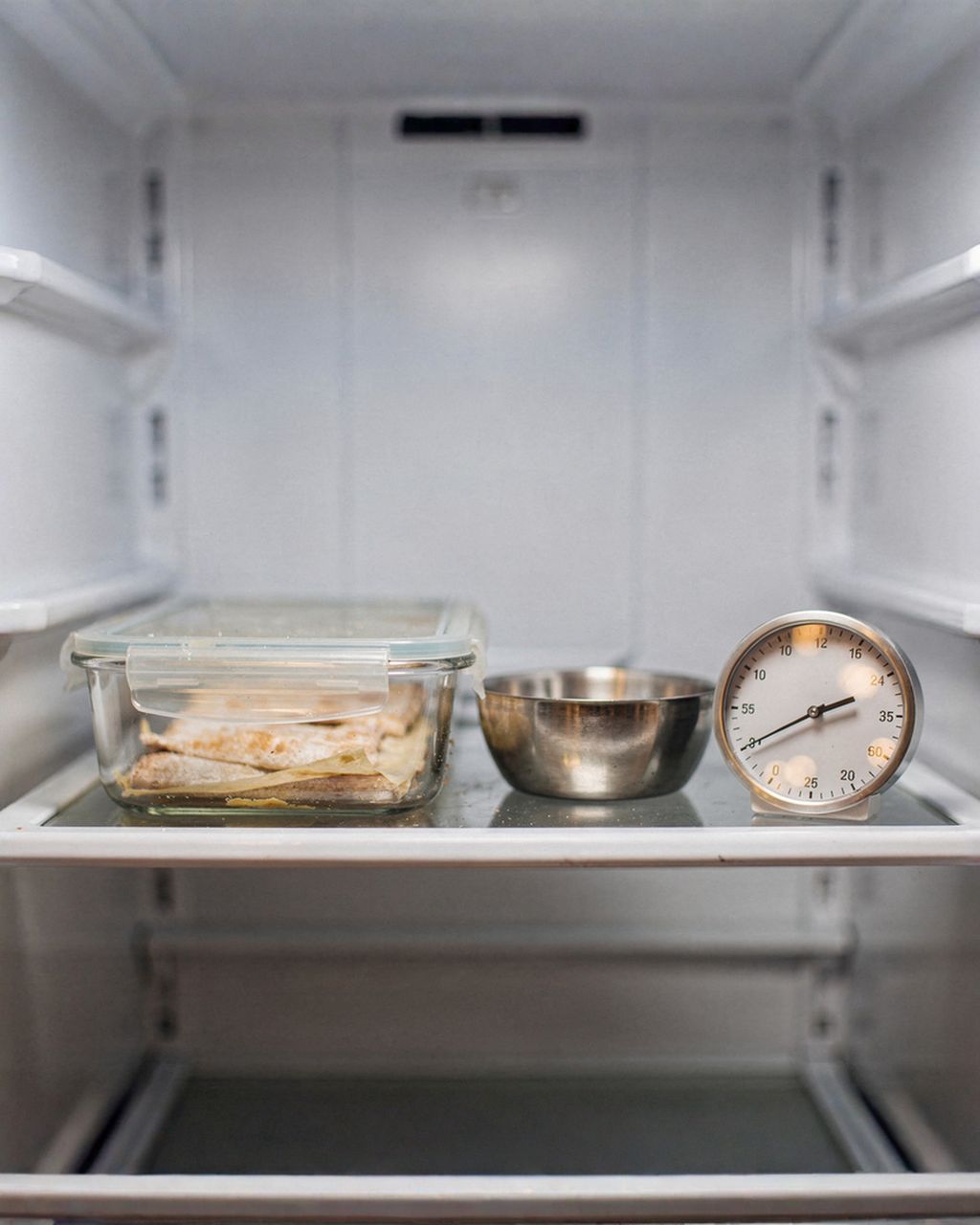
Store eggs in the fridge at a stable temperature below 4°C (39°F), on the bottom or middle shelf toward the back – that's where the temperature stays most consistent. Skip the door.
Pointy end down. This keeps the yolk centered and the air pocket at the top, helping the egg stay fresh longer.
Keep them in their original carton. It shields the shell from absorbing odours (eggs are porous) and buffers temperature swings.
Don't wash them before storing. Washing strips away the invisible protective coating (the cuticle); wash eggs only right before you use them.
Keep them away from raw meat and check at the shop that shells aren't cracked or dirty – a crack is an open door for bacteria.
You can check an egg's freshness with three simple home tests: the water test (a fresh egg sinks to the bottom, an old one floats), cracking it open (a firm, domed yolk and thick white mean freshness), and giving it a sniff (any sulphurous smell means straight in the bin).
One important distinction: the water test shows age, not spoilage. A floating egg isn't necessarily bad, just older – whether to use it comes down to how it looks and smells once cracked open.
Fill a bowl with cold water and drop the egg in. A truly fresh egg lies flat on its side at the bottom. The older it gets, the more it tilts upright and rises, since the air pocket inside the shell grows over time. An egg that floats on the surface is quite old; before tossing it, crack it open and give it a sniff first.
Crack the egg onto a plate. A fresh egg has a tall, domed yolk surrounded by a thick, compact white. In an older egg, the yolk flattens out and the white spreads thin and watery. Spreading on its own isn't dangerous, but it's a reliable sign of age.
A rotten egg is unmistakable – it has a sharp sulphurous, off smell. This odour is impossible to mistake for anything else and is the most reliable warning sign of all; if an egg smells even slightly off, don't use it. Giving it a shake can help too: if you hear liquid sloshing around inside, the contents have thinned and the egg is old.
An older but properly stored egg is safe to eat as long as you cook it thoroughly – according to the FDA, salmonella dies at around 70°C (160°F) (instantly at ~71°C/160°F, or at 63°C/145°F held for a few minutes). An egg is done and safe once both the white and yolk are firm.
Salmonella can be present both on the shell and inside the egg. The main risk comes from raw or lightly cooked eggs – think homemade mayonnaise, tiramisu, aioli, soft-boiled or poached eggs. A healthy adult usually has little to worry about, but in higher-risk groups, salmonella poisoning can hit much harder.
A few rules that cut the risk to a minimum:
Don't use raw eggs with cracked or dirty shells.
Don't leave cracked eggs or egg-based batters sitting out at room temperature; chill finished dishes within two hours.
Wash your hands and any utensils after handling eggs.
For raw-egg recipes, use the freshest eggs you can find, or go straight for pasteurized ones.

Divine homemade mayonnaise
Silky homemade mayonnaise made with raw eggs – use the freshest ones you can get.
Yes – eggs bought here belong in the fridge, even if they sat on a shop shelf at room temperature. Once an egg has been chilled, it should stay chilled: swinging between warm and cold causes condensation to form on the shell, which makes it easier for bacteria to get in. Let's clear up the most common myths.
"Eggs belong in the fridge door." The most widespread myth of all. The door is the warmest and least temperature-stable spot in the fridge – eggs stored there won't last as long. They belong on a shelf.
"If shops sell them unrefrigerated, I don't need to chill them at home." You do. The reason eggs sit on shop shelves here while in the US they're always refrigerated comes down to the cuticle: in the EU, hens are vaccinated against salmonella and eggs aren't washed, so they keep their natural protective layer and can briefly handle room temperature. In the US, eggs are required to be washed, which strips the cuticle, so they must stay chilled at all times. At home, the fridge is still the safest bet either way.
"You can't whip a cold egg properly." Whites and yolks really do whip up better at room temperature – but don't leave eggs out for hours. Just take them out of the fridge right before whisking.
We go into storage in even more depth in our article on practical tips for keeping eggs fresh.
You get the most out of fresh eggs in dishes where they're the star ingredient – for poached, fried, or whisked eggs, a fresh egg holds its shape and volume far better than an old one, and you can really see the difference on the plate. A few ideas from Yumsto:

Eggs benedict with spicy hollandaise and pastrami
Eggs Benedict with hollandaise sauce – a breakfast where fresh eggs really make the difference.

Omelette with dried beef and tomatoes
Omelette with dried beef and tomatoes – a quick egg-based dinner.
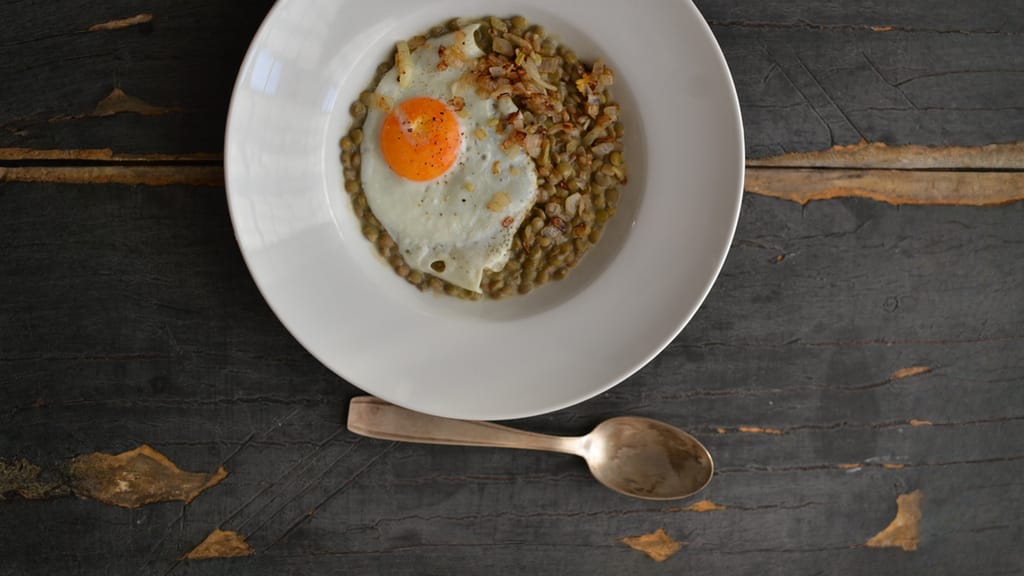
Sour lentils with a fried egg
Sour lentils with a fried egg – a classic where the egg takes centre stage.
Yes, but never in the shell – it'll crack when frozen. Crack the egg, whisk it lightly, and freeze it in a sealed container for up to a few months; egg whites on their own can be frozen as they are. Thaw in the fridge before use and cook thoroughly.
The first digit of the code on the shell tells you how the hens were raised: 0 = organic, 1 = free-range, 2 = barn-raised, 3 = caged. It's followed by a country code (e.g. CZ) and a farm number. This code says nothing about freshness, though – that's determined by the lay date and how the eggs were stored.
In most cases, yes – a "best before" date isn't a use-by date, just the point up to which the producer guarantees peak quality. A properly refrigerated egg is still safe a few days past that date, as long as it passes the water and sniff tests and you cook it thoroughly.
No. Washing removes the cuticle, the natural protective coating that keeps bacteria from getting through the shell, which makes the egg spoil faster. Wash it only right before use; if the shell is very dirty, just wipe it clean with a dry cloth.
For a healthy adult, the risk is low as long as you use fresh, properly stored eggs with an intact shell. Pregnant women, young children, older adults, and people with weakened immune systems, however, should avoid raw eggs altogether or use pasteurized ones instead.
One recipe worth heating the oven for, one tip, and one deal from the shop. Nothing else.