Want tips like this every Thursday?
One recipe worth heating the oven for, one tip, and one deal from the shop. Nothing else.

Updated Jul 19, 2026
That funky smell behind your fridge almost never comes from the food on the shelves – it's usually the defrost tray above the compressor, a clogged drain channel, or dust on the condenser coils. The good news: you can track down the source in a few minutes and fix it with everyday kitchen staples, no pricey chemicals and usually no need for a repair technician. Let's walk through where the smell actually comes from, how to clean your fridge step by step, and how to stop the mustiness from coming back.
The smell behind your fridge almost always comes down to one of four causes:
A blocked defrost tray or drain channel – standing water from defrosting starts to go mouldy and gives off a musty smell.
A dusty condenser – a layer of dust on the coils overheats and scorches, which can smell like something burning.
Spilled liquid that's run underneath the appliance – leftover food or drink rots away in a spot you can't see.
A strongly scented food item inside the fridge in poorly sealed packaging – onion, garlic or a ripening cheese can send their smell all the way through the ventilation to the back.
Before you start scrubbing anything, use your nose and eyes to narrow down the source: a musty smell usually means water and mould in the drain, a burning smell points to dust on the condenser, and a sweetish, rotten smell suggests a spill underneath the fridge.
The most common source of smell behind the fridge is the defrost drainage system. Water from defrosting runs down a small channel on the back interior wall into a tray above the compressor, where the compressor's heat evaporates it. When the channel gets blocked with crumbs or grease, the water sits there, starts to go mouldy, and creates that classic musty smell.
Clear the channel with a thin, flexible brush (a straw-cleaning brush works well) and flush it through with lukewarm water and a few drops of vinegar. Take out the tray under the compressor, or at least empty it, and wash it with a baking soda solution. For the full walkthrough, see our guide on how to properly clean your fridge drain.
A dusty condenser smells like something burning and also drives up your electricity bill. The coils at the back or underneath the fridge dissipate heat from the cooling circuit; once they're covered in dust and fluff, they overheat and the baked-on dust starts to smell. Service guidelines recommend cleaning the condenser roughly every six months – with a vacuum and a narrow nozzle attachment plus a soft brush, always with the fridge unplugged.
Spilled milk, meat juices or a leaking container often seep into the gaps behind the drawers and underneath the appliance, where you can't see them start to rot. Strongly scented foods can have the same effect further back – chopped onion, garlic or a ripening cheese in poorly sealed packaging can easily "infect" the air throughout the whole fridge. The fix is boring but reliable: sealed containers and a regular check for anything that's leaked or gone off.
Getting rid of the smell behind your fridge means clearing the drain and defrost tray, dusting off the condenser, wiping up any spills underneath the appliance, and wiping down the interior with a baking soda solution. You can knock the whole thing out in a morning, no professional needed.
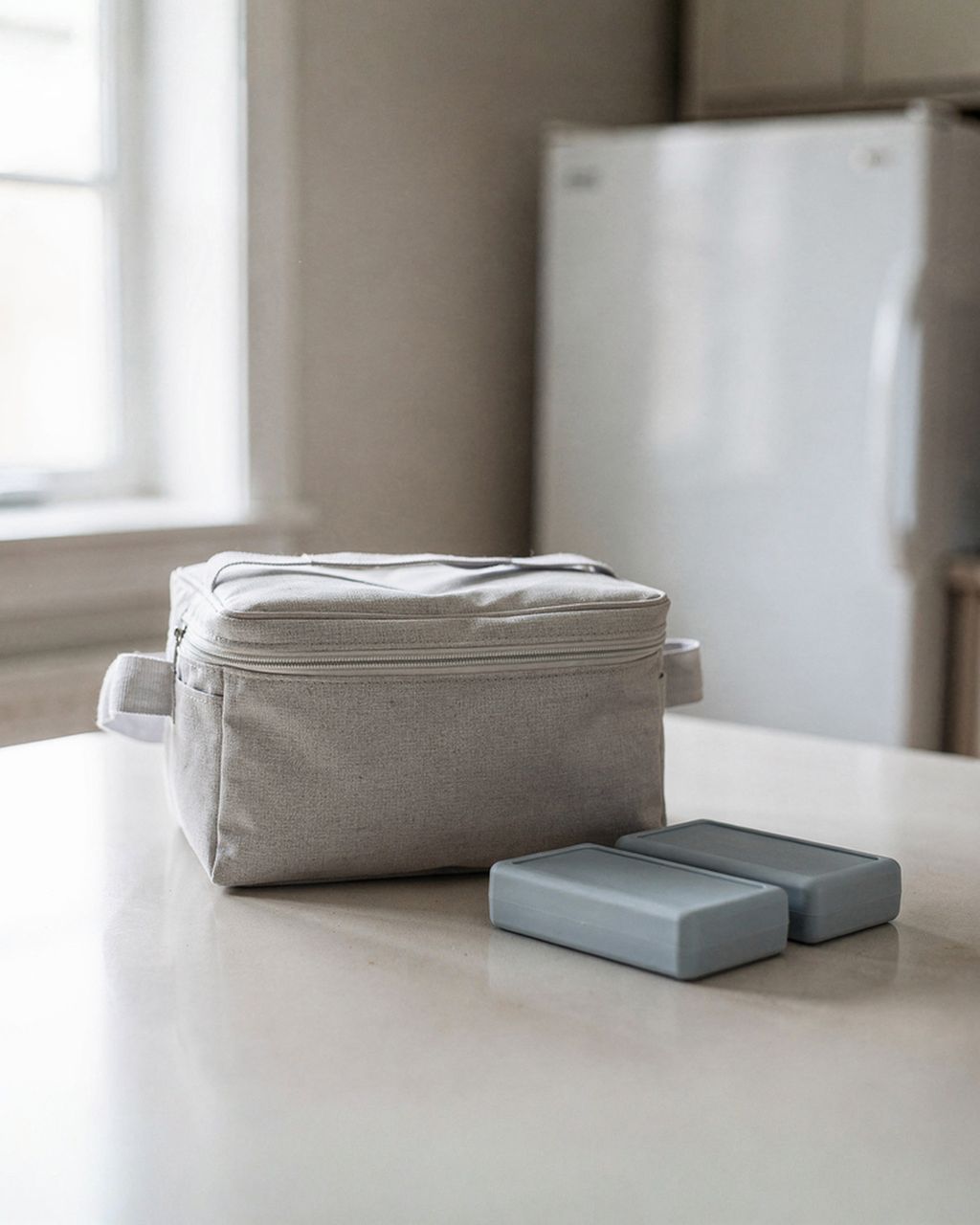
Unplug the fridge and move your food into a cool bag.
Find the drain channel – a small opening near the bottom of the back interior wall – and clear it with a thin, flexible brush. Flush it through with lukewarm water and a few drops of vinegar.
Check the defrost tray above the compressor at the back bottom, tip out any standing water, and wash it with a baking soda solution.
Pull the fridge away from the wall and vacuum the dust off the condenser using a soft brush or narrow nozzle attachment.
Wipe down the space underneath and behind the fridge – this is exactly where spills tend to collect.
Wipe the interior with a baking soda solution (1 tablespoon per litre of lukewarm water), and clean the door seal with vinegar diluted 1:1 with water.
Let it air dry for a few minutes, plug the fridge back in, and return your food. Pop a bowl of fresh baking soda in a corner as an odour absorber.
For everyday fridge smells and grime, two kitchen staples do the job – baking soda and vinegar; a commercial cleaner is only really worth it for stubborn, dried-on stains. Both options are cheap, safe near food, and effective.
Baking soda both cleans and neutralises odours. For washing, mix 1 tablespoon into 1 litre of lukewarm water; as an absorber, leave an open bowl of soda inside the fridge.
Vinegar diluted 1:1 with water cuts through grease and has antibacterial properties, and it's also great on the door seal. Don't mix soda and vinegar together – they neutralise each other, so use them one after the other.
Lemon juice with salt works as a gentle abrasive on baked-on stains.
A commercial fridge cleaner is for whatever soda and vinegar can't handle – choose one that's safe to use near food.
Baking soda doesn't last forever as an odour absorber – according to manufacturers and cleaning experts, it becomes saturated after about a month and stops absorbing smells, so swap it for a fresh batch every few weeks.
You can prevent the smell behind your fridge with regular maintenance of the back panel and drain – most of these steps take just a few minutes and only need doing a couple of times a year.
Vacuum the condenser and rear grille roughly every six months, whenever you pull the fridge away from the wall.
Check and clear the drain channel occasionally, so water doesn't sit and go mouldy.
Replace the water or odour filter (if your fridge has one) every 6 to 12 months as recommended by the manufacturer – a saturated filter will start smelling on its own.
Store food in sealed containers and in the right spots; this also helps with air circulation. Find out more in our article on proper food storage in the fridge.
Wipe up spills immediately before they can run into the gaps behind the drawers.
Call a technician if the smell persists even after a thorough clean, if water keeps dripping from the fridge, or if you notice unusual noises or vibrations – at that point you're likely dealing with a fault that a home clean-up won't fix. A problem that keeps coming back after repeated cleaning is a sign of a deeper issue, such as a faulty fan or seal.
Leftover odour after a clean usually lingers in the drain channel, the defrost tray, or the door seal – spots that a quick wipe-down never reaches. Check and clear the drain, empty and rinse the tray above the compressor, and wipe the door seal with vinegar diluted 1:1 with water. An open bowl of fresh baking soda also helps soak up any remaining smell.
An open box of baking soda absorbs odours for about a month before it becomes saturated and stops working. Replace it with a fresh batch every three to four weeks – the old soda is still perfectly fine for scrubbing sinks or drains.
Yes, a small dish of ground coffee, activated charcoal or half a lemon works well as a backup odour absorber – they all bind odour molecules. But they're no substitute for cleaning: if the smell is coming from a mouldy drain or a spill, these tricks will only mask it briefly.
A burning smell usually points to dust that's baked onto an overheated condenser, while a sharp chemical odour can signal a refrigerant leak or an electrical fault. Unplug the fridge and call a repair technician – don't try to fix this one yourself.
The plastic and new-material smell in a brand-new fridge typically fades after one to two weeks of use. You can speed it up by wiping the interior with a baking soda or vinegar solution and leaving an open bowl of baking soda inside to absorb the odour.
One recipe worth heating the oven for, one tip, and one deal from the shop. Nothing else.