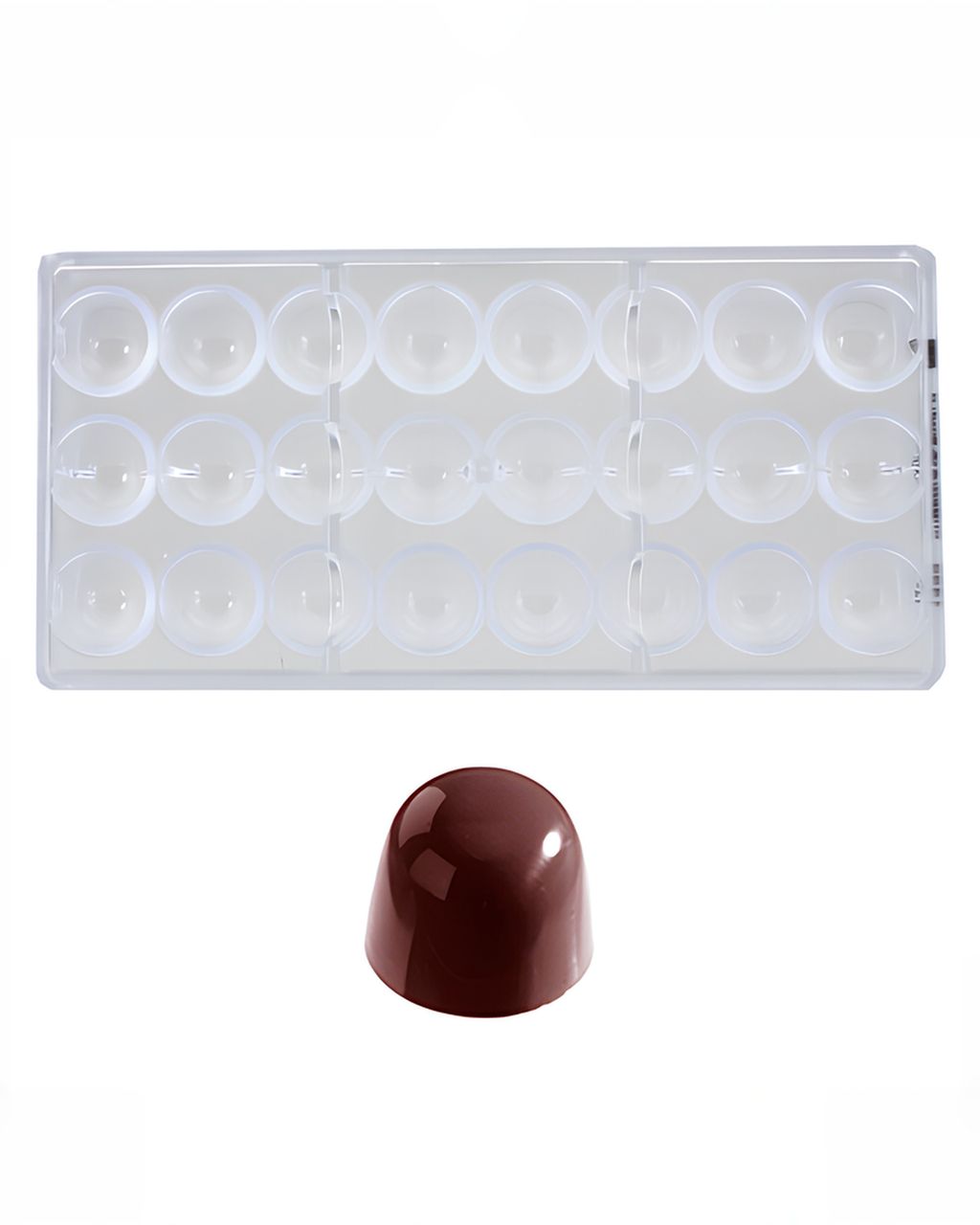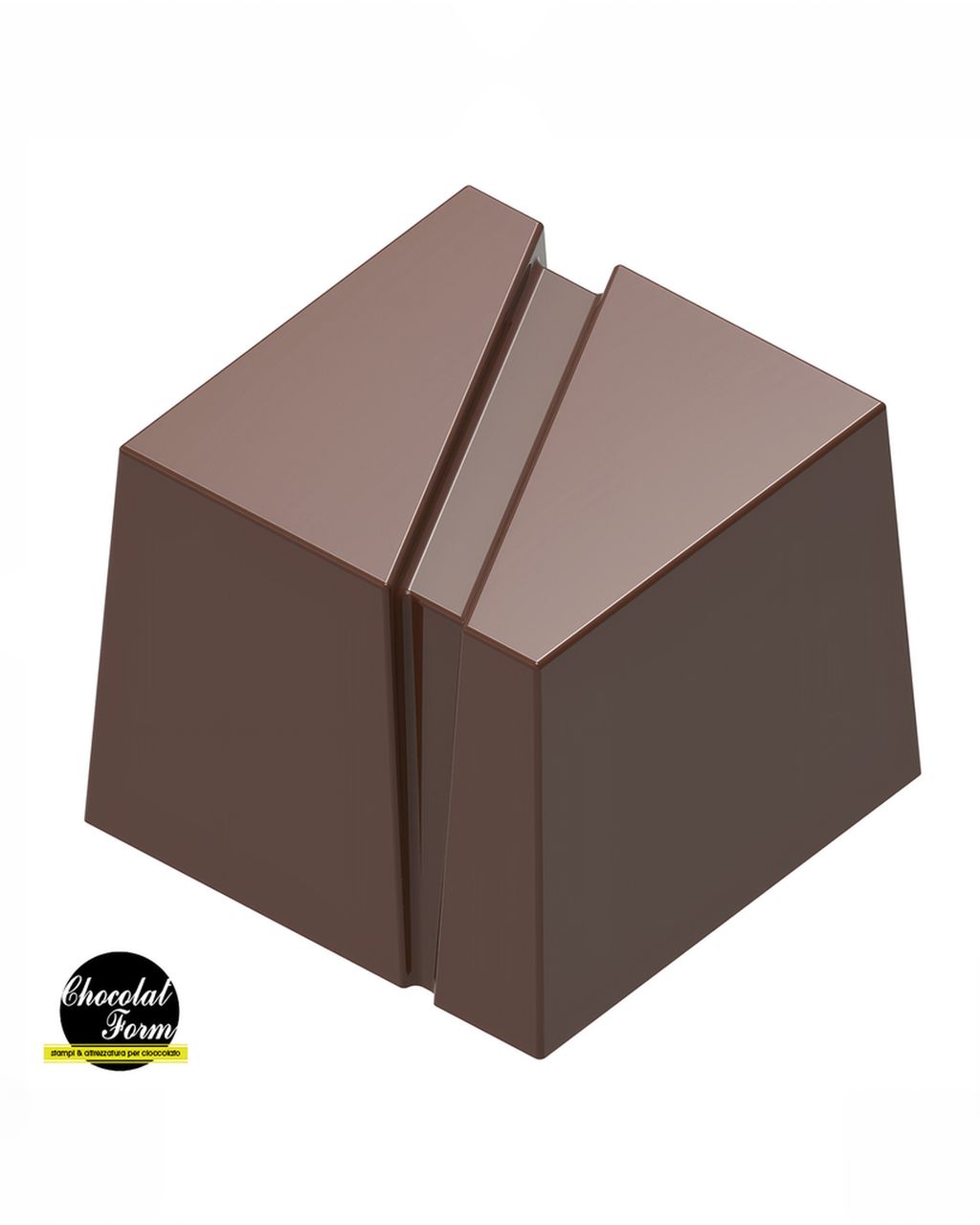
Chocolat Form Polycarbonate Praline Mould – Striped Cube (24 pcs, 25 mm)
Homemade Chocolate Gift Boxes: How Many Pralines, Which Fillings and How to Pack Them
Updated Oct 17, 2026
A homemade box of chocolates turns out best when you plan it as one whole: 12–16 pralines per box, two shapes, three or four fillings with the same shelf life, made in order from the longest-lasting filling to the freshest, and stored at 15–18 °C (59–64 °F) outside the fridge. For how to make one perfect praline, see our [guide to homemade chocolate pralines](/cs/articles/jak-pripravit-domaci-cokoladove-pralinky-jako-mistr-cukrar). This article is about how to build them into a gift that the recipient opens glossy, not covered in a grey film.
For one gift, count on 12–16 pralines; for two people, or a box to share at the table, 20–24. Fewer than 9 pieces feels like a tasting sample, and more than 24 is more than the recipient can eat before the ganache loses its best.
9 pieces (3 × 3) – a small thank-you for a colleague, a teacher or a neighbor
12–16 pieces – the classic gift box for one person
24 pieces – a family box or a gift for a couple
A practical bonus: a polycarbonate mold usually has 24 cavities. Two molds of 24 = 48 pralines, which makes three or four boxes of 12–16 pieces from one batch. Allow for 10–15% losses too – a few pralines will crack when you unmold them or won't hold their lid, and those are yours to eat.
How much chocolate? For tempering you need more chocolate than ends up in the mold – amounts smaller than about 300 g (about 10½ oz) are hard to keep at temperature. So for each mold, plan on one 400 g (14 oz) bag of couverture for the shells; what drips out of the mold goes into the ganache.
A box of chocolates lasts only as long as its shortest-lived filling. So combine fillings with a similar shelf life, or put the shortest-lived one in a box that will be eaten right away.
Approximate shelf life inside a sealed shell at 15–18 °C (59–64 °F), based on handbooks for craft chocolatiers such as Greweling's Chocolates and Confections:
Nut praline (roasted nuts with caramelized sugar, ground to a paste) – 2–3 months. The safest choice, and you can make it first.
Gianduja (nut paste with chocolate) – 2–3 months. Keeps as long as praline.
Marzipan and nougat – a few weeks, depending on the sugar content.
Cream ganache (dark 2 : 1, milk 3 : 1 chocolate to cream) – roughly 2–3 weeks. Glucose or invert sugar syrup and a teaspoon of alcohol extend it a little, because they bind free water.
Liquid caramel – around 2–4 weeks, depending on how thickly you cook it.
Ganache with fruit purée or fresh herbs – up to 10 days. The shortest of all; put it in a box that will be opened right away.
The golden rule for a gift: one safe bet, one ganache, one surprise. For example, hazelnut gianduja, dark ganache with vanilla and milk ganache with salted caramel. Three flavors can be told apart; any more and they blur together in a box of 12.
If you want alcohol in the filling, how much it can take while still holding its shape is covered separately in Rum pralines: how much rum to put in the filling. For nut praline and gianduja, it helps to know how to roast and grind nuts so they don't release their oil.
Two shapes and two chocolates are enough to make a box look generous: the shape tells you what's inside, the chocolate tells you the flavor. The recipient can find their way around the box without a card.
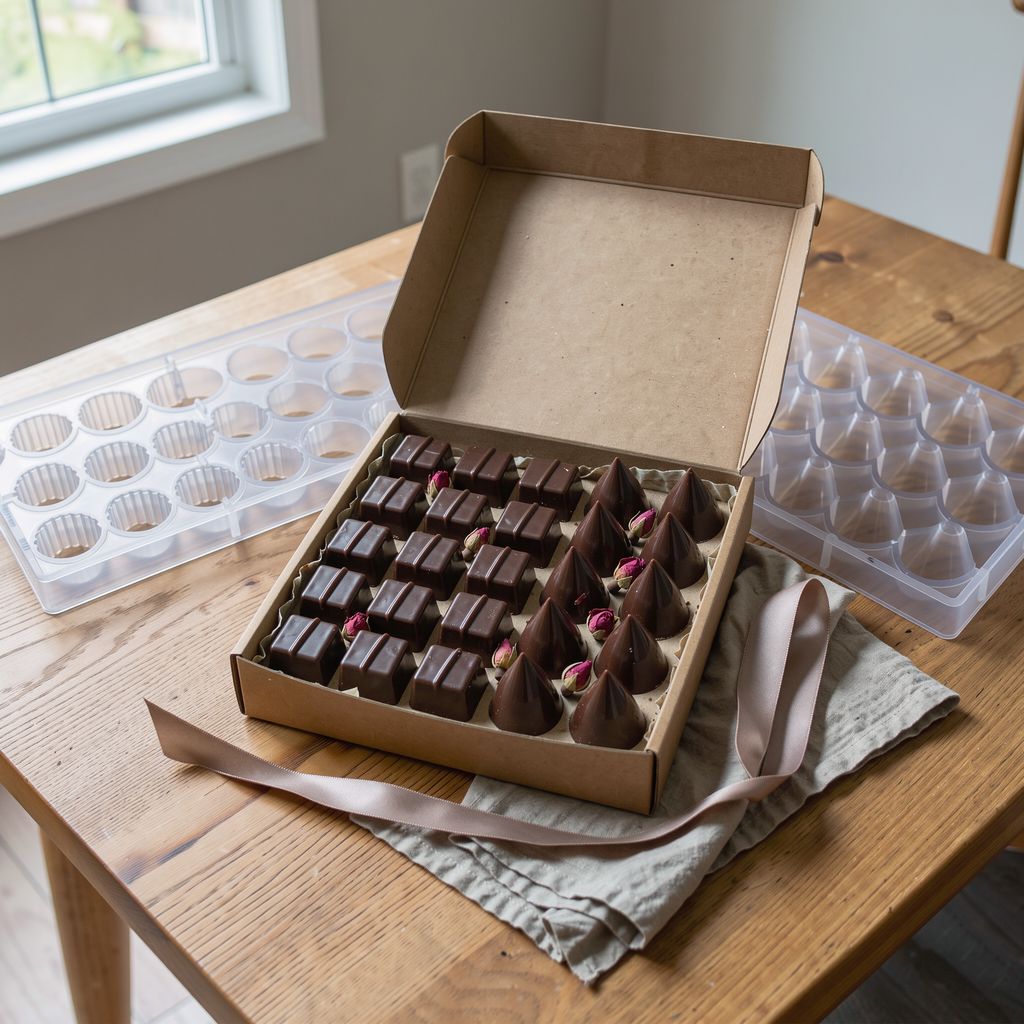
Cube – flat base and edges, good for filling with thicker ganache and gianduja. The Chocolat Form cube mold with a stripe (24 pcs, 25 mm) has a stripe on the surface that catches the light beautifully on glossy chocolate.
Cone – the deep tip suits softer, runnier fillings like caramel. Chocolate World cone mold (24 pcs, Ø 29 × 25 mm); how to mold and seal it is described in our guide to cone-shaped pralines.
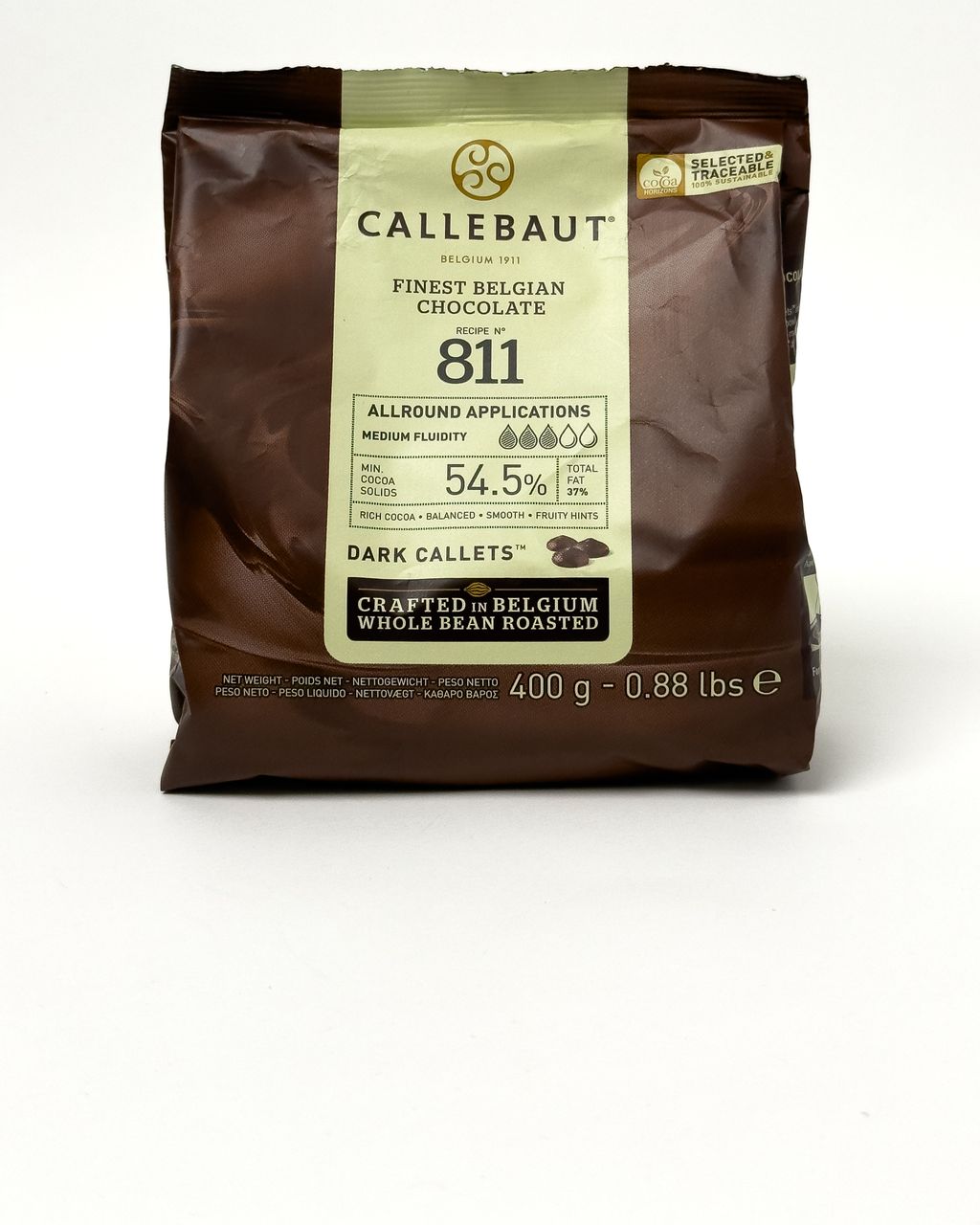
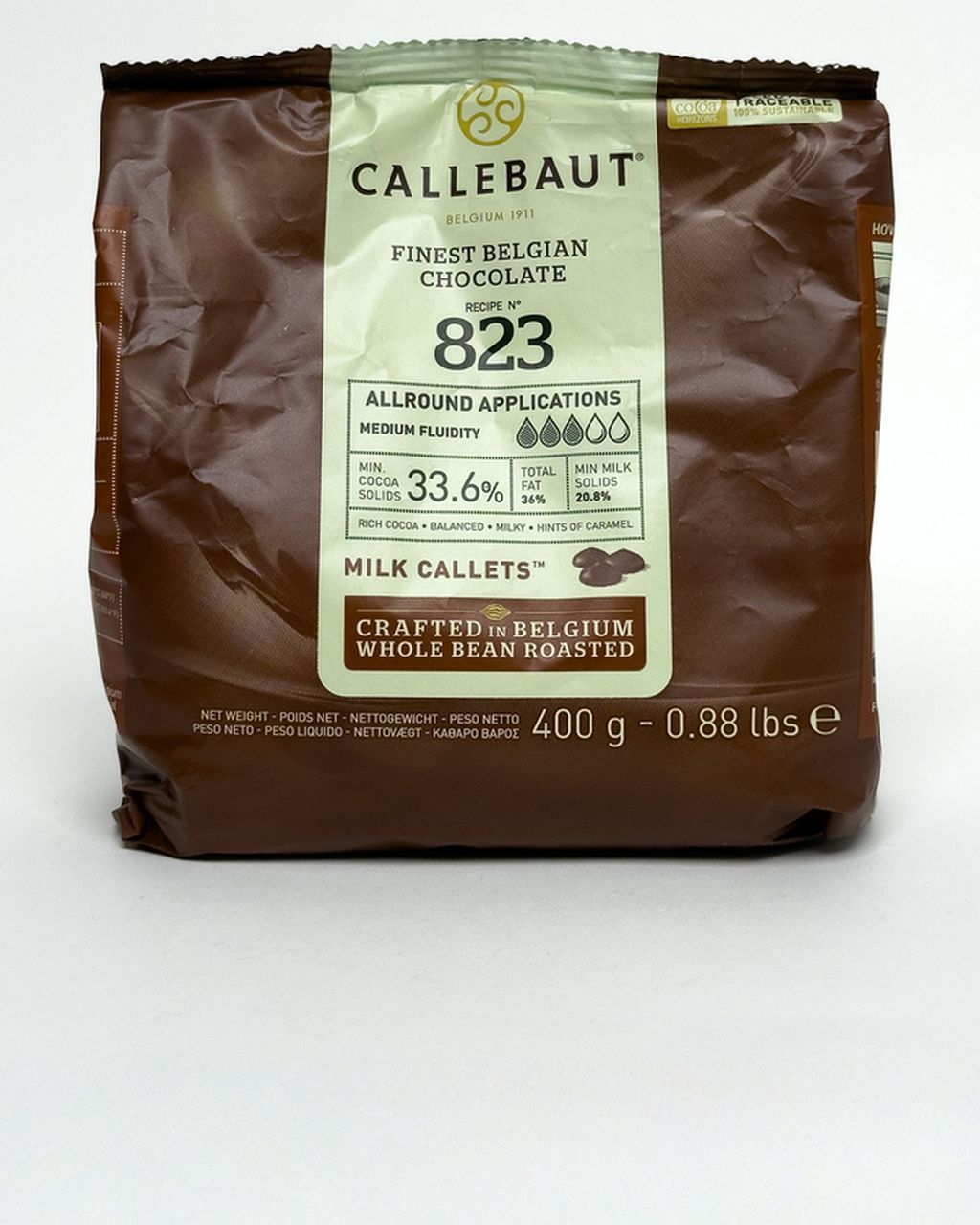
We choose the chocolate to suit the filling: dark Callebaut 811 (54.5% cocoa) can handle sweet fillings, while milk Callebaut 823 goes well with nuts and caramel. Both are couvertures, so once tempered they hold their shine and snap. If you're considering other brands, we compare Callebaut and Valrhona separately; you'll find the whole range among the chocolates for pralines and baking.
To be honest: you don't need polycarbonate for a box of chocolates. A silicone mold is cheaper, but pralines from it have a duller surface and are harder to unmold without cracking – more in the article polycarbonate or silicone mold for pralines. And how to put a box together with no molds at all is further down, in the section on nougat and truffles.
Work from the longest-lasting filling to the freshest: start 7–10 days before handing over the gift and make the ganache 3–5 days ahead. That way the ganache is at its best on exactly the day the box is opened.
7–10 days ahead: nut praline or gianduja, and nougat. Store the finished pieces in a cool place, where they wait.
5–7 days ahead: caramel in the cones. It needs to thicken overnight in the shells before you seal them.
3–5 days ahead: ganache. Fill the shells, let the ganache crystallize for 12–24 hours at 16–18 °C (61–64 °F), and only then seal – a lid on a soft filling sinks and doesn't seal properly.
1–2 days ahead: unmolding, sorting out the rejects, decorating and packing.
You can mold the shells a day ahead and leave them covered in the mold – the layer of chocolate protects them. Not any longer, though: an empty shell picks up odors in the kitchen.
If you don't have a whole week to make them, shorten the plan to two days: on day one, nut praline or gianduja and ganache in the shells; on day two, the lids and packing. The ganache will simply be a little fresher at handover, which does no harm at all.
Chocolates turn white for two reasons: temperature swings (fat bloom – cocoa butter rises to the surface and sets in grey streaks) and moisture (sugar bloom – water condenses on cold chocolate, dissolves the sugar, and once it dries the sugar stays behind as a white powder). The same thing helps against both: steady cool temperatures without the fridge.
A temperature of 15–18 °C (59–64 °F), humidity ideally below 55%. A cool pantry, an unheated bedroom, a cellar without mold. Not the kitchen counter above the dishwasher, and not a windowsill above a radiator.
Fridge only in an emergency. If you have to (hot weather, fruit ganache), first seal the box in an airtight container or bag. When you take it out, let it come to room temperature still closed for at least 3–4 hours, and longer for a full box – only then open it. Otherwise the moisture condenses straight onto the pralines.
Each praline in its own paper cup or in a box with a tray of hollows. The pralines don't rub against each other, scuff their shine or take on the scent of the neighboring filling.
A sturdy box that is only slightly bigger than the pralines. In loose space, cubes tip over and cones knock their tips off. You can find cardboard boxes at a stationery shop or from packaging web shops.
No layers without a divider. Separate a second layer with firm parchment or cardboard, or you'll dent the lids underneath.
Keep strong smells away. Chocolate picks up odors – don't carry it next to coffee, spices or perfume.
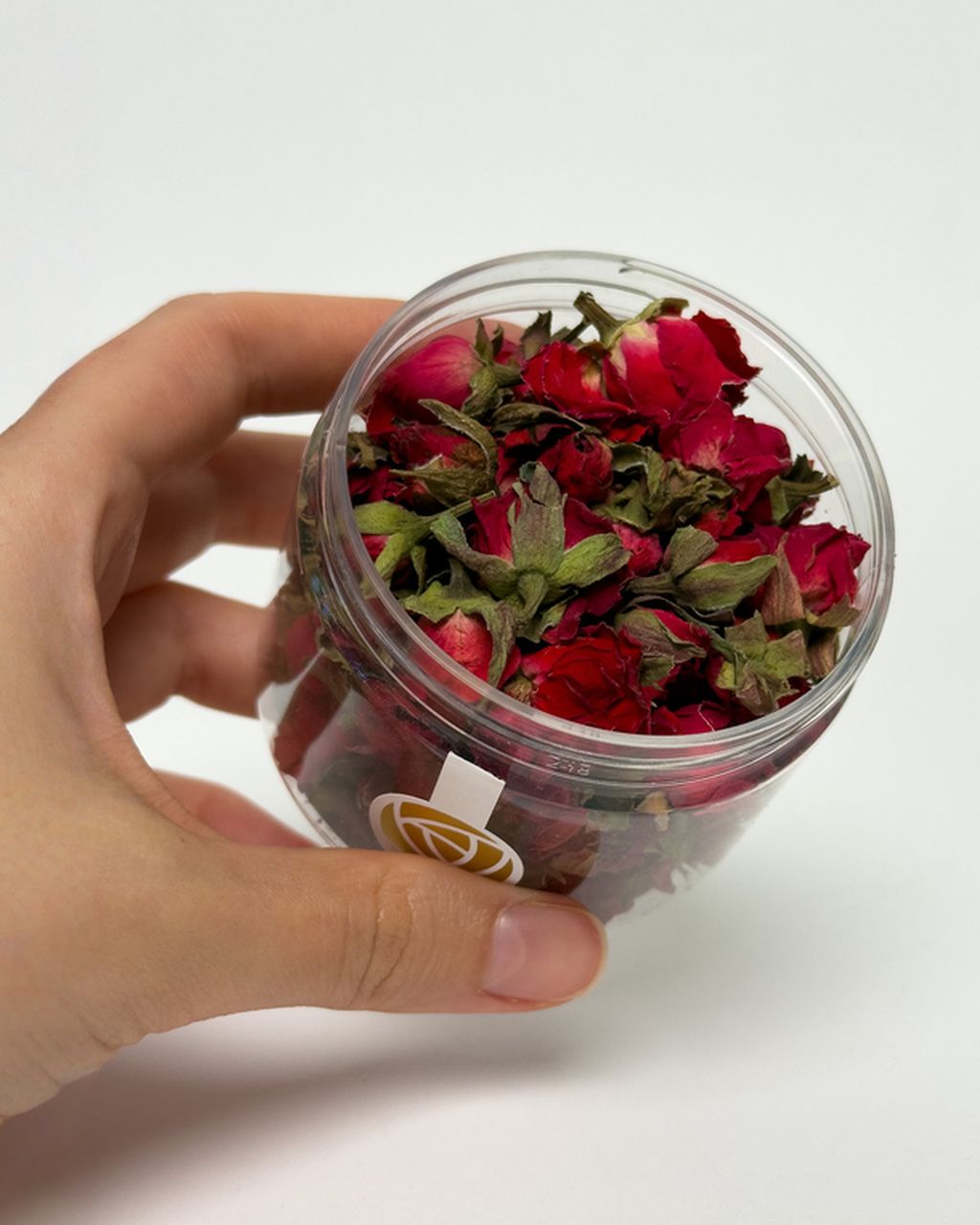
A little goes a long way for decoration. Put cherry-red rosebuds in the gaps between pralines, or one on each truffle – they're dry, so they add no moisture to the chocolate, and red on dark chocolate looks festive.
Stick a card on the box listing the fillings, with a "best before" date based on the shortest-lived filling. It's considerate to anyone with allergies (nuts!), and the recipient knows not to save the ganache for Easter.
If you don't want to temper shells, build the box from things that need no mold – a nougat box or a box of truffles makes just as good a gift.
Nougat cut into 2 × 2 cm (¾ in) cubes keeps for weeks and doesn't crack in the box – for example homemade white Montélimar nougat with honey and nuts.
Truffles – chocolate peanut butter truffles or Baileys balls with white chocolate. They keep for about a week, longer in the fridge; don't layer them, or they'll get dented.
Dried fruit and nuts in chocolate – apricots, dates, almonds. How to dip them so the chocolate holds is in the article on chocolate-covered fruit.
Marzipan balls coated in chocolate; how to color and shape marzipan is covered in the article marzipan in Christmas cookies.
Feel free to mix them: half the box glossy molded pralines, half nougat. Just make sure both halves have a similar shelf life.
Eat an opened box of homemade chocolates within a week, even though the fillings would keep longer in a closed box. In open air, chocolate picks up odors and moisture, and the ganache in bitten or cracked pralines dries out. So close the box again every time and keep it cool, at around 15–18 °C (59–64 °F), not on a table next to a radiator.
Yes, pralines with a ganache filling can be frozen for 2–3 months, as long as you thaw them slowly: first 24 hours in the fridge in an airtight container, then a few more hours, ideally until the next day, still closed at room temperature. Thawing them quickly causes condensation and white sugar bloom.
No. A white or grey coating on chocolate is bloom, either cocoa butter that has risen to the surface or sugar that has recrystallized. It is harmless and only spoils the look and texture. Mold inside the filling or ganache that smells sour is a different matter; don't eat a praline like that.
Don't use cooking chocolate for the shells of pralines in a box, because it has less cocoa butter and won't snap. It's fine for ganache or truffles, though. Confectioner's coating uses vegetable fat instead of cocoa butter, so the shell comes out thick and matte. In ganache and hand-rolled truffles, neither shine nor tempering is what matters.
For a box without alcohol, gianduja, milk ganache with vanilla or caramel work well, and instead of alcohol you can extend the ganache's shelf life with glucose syrup. On the card, mark which pralines contain nuts.
One recipe worth heating the oven for, one tip, and one deal from the shop. Nothing else.