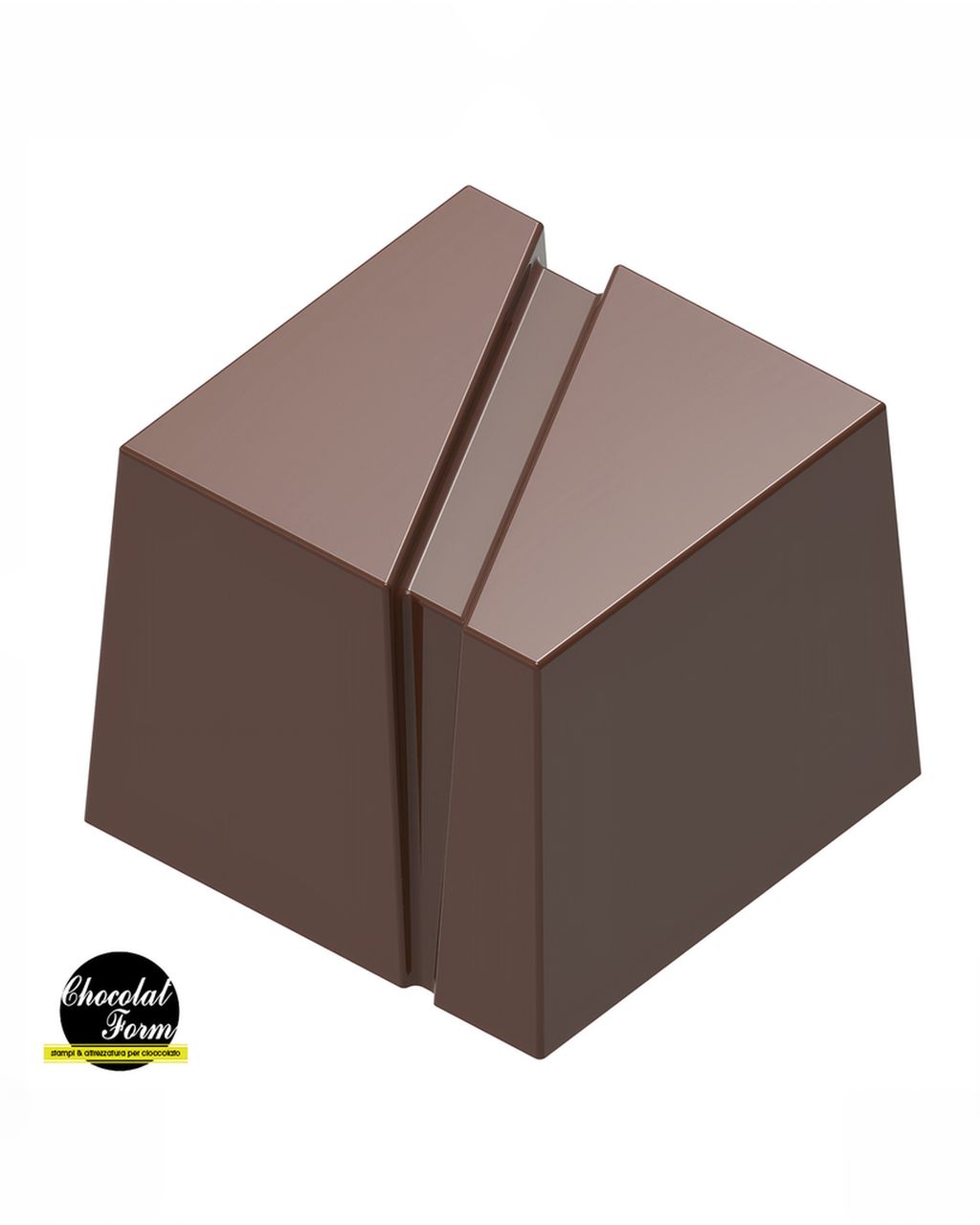
Chocolat Form Polycarbonate Praline Mould – Striped Cube (24 pcs, 25 mm)
Rum Pralines: How Much Rum to Add to the Filling So It Holds Its Shape and the Chocolate Doesn't Crack
Updated Oct 17, 2026
Rum pralines hold their shape when you treat rum as a liquid, not a spice. In ganache, you want 2 parts chocolate to 1 part total liquid (cream + rum), with the rum making up roughly a third of the cream's weight. Anything beyond that softens the filling, shortens its shelf life and can make the chocolate shell crack. Below you'll find exact grams for both ganache and rum ball mixture, how many hours each needs to set, and how to mold or hand-dip the pralines so the chocolate stays intact and glossy.
For rum pralines, use about 1 part rum to 3 parts cream, and make sure there is twice as much chocolate as all the liquids combined. Rum at 40% ABV is roughly two-thirds water, so it thins the ganache almost as much as cream does.
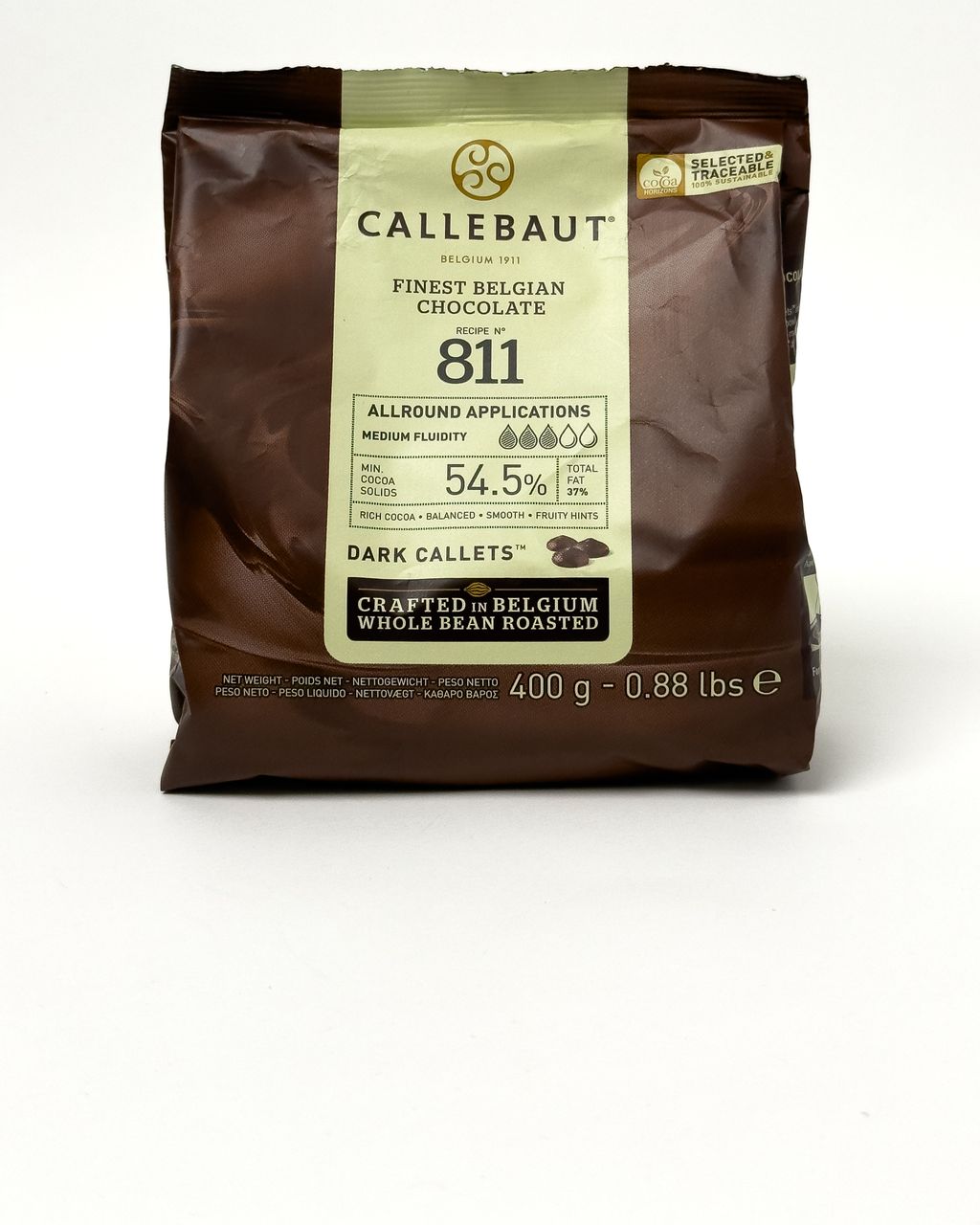
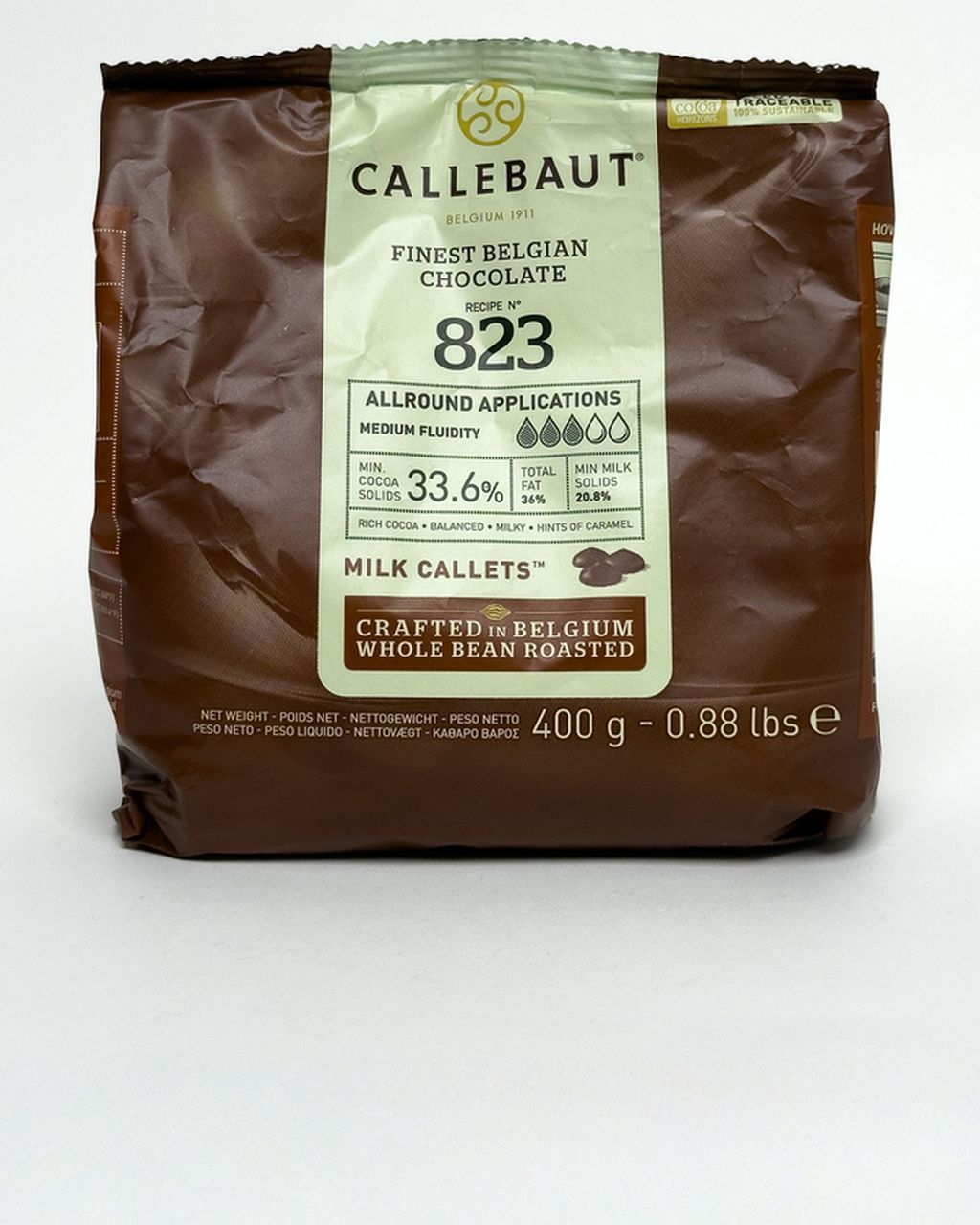
Callebaut's rum truffle recipe shows how this works in practice: 430 g dark chocolate 811 and 100 g milk chocolate 823 to 200 g cream (35%) and 65 g rum, plus 45 g invert sugar and 20 g sorbitol. That's 265 g of liquid and 530 g of chocolate, so 2:1. Invert sugar and sorbitol bind water, so they help the filling stay firm and keep longer too. The whole filling weighs 860 g and makes 100 truffles, with rum accounting for about 7.5% of its weight.
At home you probably don't have invert sugar or sorbitol. The 2:1 ratio works without them; the filling is just a little softer and keeps for a shorter time. For one 24-cavity praline mold:
130 g dark chocolate (or 105 g dark + 25 g milk)
50 g whipping cream, 33–35%
15 g rum (1 tablespoon)
The method that matters:
Bring the cream to a boil and pour it over the chopped chocolate. Let it stand for 1 minute.
Blend with an immersion blender into a glossy, smooth emulsion.
Add the rum only now, at 35–40 °C, and blend briefly to finish. In boiling cream, some of the alcohol and aroma would evaporate, while cold rum can break the emulsion.
Want a stronger rum flavor? Don't pour in more rum. Take out the same weight of cream and replace it with rum. The 2:1 ratio stays intact, and the filling will keep its shape.
Rum ball mixture, the classic Czech blend of crushed biscuits or sponge fingers, nuts, cocoa and butter, takes roughly 1–2 tablespoons of rum (15–30 ml) per 250 g of dry mixture. Add it a spoonful at a time and stop when the mixture holds together when squeezed in your palm.
The crumbs soak up the rum here, so you'll judge the limit by feel, not by weight:
Just right: the mixture is pliable, holds its shape, and leaves only a light greasy film on your fingers.
Too much: the balls look shiny and damp, stick to your palms and flatten out by the next day. Fix them with another handful of crumbs or ground nuts, not with the fridge.
Too little: the mixture crumbles and cracks. Add a teaspoon of rum or melted butter.
Before coating, let the rum ball mixture rest for at least 1–2 hours so the crumbs absorb the moisture evenly. Otherwise the surface will be wet and the chocolate won't cling to it.
For rum pralines, dark, real rum at 40% ABV works best. Weaker spirits bring more water and less flavor.
Real dark rum (made from sugar cane or molasses) has a caramel and vanilla flavor that pairs best with dark chocolate.
Tuzemák is a Czech rum-flavored spirit, not actual rum: it's made from neutral spirit and rum essence or flavoring. It works in pralines and tastes "just like grandma's," only sharper. Use a little less of it.
Rum flavoring adds almost no water, so the filling doesn't soften. It suits an alcohol-free version or can boost a smaller dose of rum. A few drops are enough; in larger amounts it tastes artificial.
Liqueurs (coconut, for example) have more sugar and less alcohol. Fillings made with them tend to be softer, so cut back the cream even more boldly.
For rum pralines you need couverture, a chocolate with a higher share of cocoa butter. It can be tempered into a thin, glossy shell that snaps. Ordinary bar chocolate is thicker, and the shell made from it turns out thick and matte.
For the shell and a dark ganache, Callebaut dark chocolate 811 (54.5% cocoa) is a good choice. It's fluid enough for molding, and the rum doesn't get lost in it.
Callebaut milk chocolate 823 softens the filling. Use it as a quarter of the chocolate in the ganache, or for the shell if dark is too strong for you.
Callets (chocolate pellets) melt evenly and need no chopping. Any other good-quality couverture, such as Valrhona or Belcolade, works too. The brand matters less than whether it can be tempered. You'll find more types in our selection of baking and molding chocolate.
Let rum ganache set for 12–24 hours at 18–20 °C, not in the fridge. That's how pastry chefs do it too: in its recipe, Callebaut lets the rum ganache crystallize at exactly 18–20 °C before dipping.
Ganache in a mold: leave the filled shells overnight in a cool room and seal the base only afterwards. The surface of the filling must feel firm to the touch, otherwise the warm chocolate of the base will sink into the filling.
Ganache for balls: once cooled to about 28 °C, pipe or shape it and let it set for at least 12 hours before you start dipping.
Rum ball mixture: 1–2 hours of resting is enough, because it's the butter that firms up, not crystallizing chocolate.
Why not the fridge? Ganache sets quickly there, but unstably, and it absorbs moisture. Above all, it ends up more than 20 °C colder than the tempered chocolate you put on it (a fridge is 4–6 °C, the chocolate 29–32 °C). That's the most common reason for a cracked shell.
You mold rum pralines in seven steps: temper the chocolate, fill and invert the mold, let the shells set, fill with ganache at 28–30 °C, let it set overnight, seal the base, and finally chill the mold briefly. The shell won't crack if it has the right thickness, the chocolate is properly tempered, and the filling and shell are at a similar temperature.
Temper the chocolate. According to Callebaut, dark 811 has a working temperature of 31–32 °C and milk 823 29–30 °C. Untempered chocolate is soft and matte, and it won't release from the mold.
Fill the mold and immediately turn it upside down. Let the excess run out and scrape the edge clean. The shell should be roughly 1–1.5 mm thick. If it's thinner, repeat the step.
Let the shells set for 10–15 minutes at room temperature.
Fill with ganache at no more than 28–30 °C, so it doesn't melt the shell from the inside. Leave 2 mm of space below the rim.
Let it set overnight at 18–20 °C.
Seal the base with tempered chocolate and level it off with a scraper.
Only now put the mold in the fridge for 10–15 minutes. The chocolate contracts and the pralines drop out of the mold on their own.
The mold matters more than you might think. A polycarbonate mold is rigid and gives pralines a mirror shine, because the chocolate copies its smooth surface. The Cube with Stripe mold holds 24 cubes of 25 × 25 mm, which is just right for one home batch of the ganache above. A silicone mold is cheaper and the pralines pop out of it easily, but it flexes, so the shell cracks more readily at the edges, and the shine is weaker. Hand-dipping (see below) needs no mold at all, but the shape is then rustic.
On dipped pralines, the chocolate cracks almost always because the filling was cold from the fridge. A thin layer of chocolate sets around the cold center, which then warms up in the room, expands and tears the shell from the inside. Often a droplet of rum seeps out as well.
How to prevent it:
Let the filling come to room temperature, 18–20 °C, before dipping. Take it out of the fridge at least an hour ahead.
Apply a thin base coat first. Coat the balls in your palm with a little chocolate, let it set, and only then dip them fully. Two thin layers hold better than one thick one.
Don't dip damp balls. If the surface of rum balls is wet with rum, the chocolate won't cling and will slide off. Let the balls dry out, or roll them in cocoa.
Decorate before the chocolate sets. Chocolate Mix crunchy pearls work well on top. They add crunch and, at first glance, tell rum pralines apart from the alcohol-free ones in the same box of chocolates.
For details on coating ganache balls in cocoa, nuts and chocolate, see our article Chocolate truffles: ganache, coating and shelf life.
Store homemade rum pralines in a closed box in a cool place, at 8–16 °C (a pantry or cellar, not the fridge and not a heated room), and eat them as soon as possible. A ganache made only from cream, chocolate and rum is a moist, fresh dessert, not a shelf-stable confection.
For comparison: Callebaut gives its rum truffles a shelf life of 3 weeks at 8–16 °C. But that figure applies to a recipe with invert sugar and sorbitol, which bind water. A home filling without them keeps for a shorter time, and we don't have a verified figure for it.
Don't expect rum to act as a preservative. Callebaut explicitly points out that alcohol brings moisture into ganache, softens the filling and tends to shorten the shelf life.
If you want to give the pralines as a gift, allow two days for making them (the filling sets overnight) and make them just before you hand them over. You'll find other fillings besides rum (caramel, fruit pastes, hazelnut) in the article Praline fillings: ganache, caramel and fruit pastes.
Yes. Leave out the rum without replacing it and flavor the ganache with a few drops of rum flavoring. Don't add extra cream; the filling will simply be a little firmer because it contains less liquid. These pralines can then be given to children if you use an alcohol-free flavoring (check the ingredients on the label), since rum flavorings often use alcohol as a carrier.
Rum ganache most often splits when you pour in cold rum or add too much at once. The emulsion breaks and the fat separates. You can rescue it by adding a spoonful of warm cream (about 40 °C) and blitzing it briefly with an immersion blender. Next time, add room-temperature rum to ganache that is 35–40 °C.
A home batch of about 195 g ganache (130 g chocolate, 50 g cream, 15 g rum) fills one 24-cavity praline mold with a small amount to spare. For piped rum truffles, Callebaut counts roughly 8–9 g of filling per piece (860 g for 100 pieces). In a mold, each praline takes slightly less filling, because the shell takes up part of the volume.
The white coating on rum pralines is called bloom. Either the chocolate wasn't tempered properly (a greasy, grayish coating), or moisture condensed on the pralines after they came out of the fridge and dissolved the sugar on the surface (a dry, powdery coating). The pralines are still safe to eat; they just lose their shine. Prevent it by tempering properly and storing them somewhere cool, not in the fridge.
One recipe worth heating the oven for, one tip, and one deal from the shop. Nothing else.