The Best Potatoes for Potato Salad and How to Cook Them So They Don't Fall Apart
Cooked and Peeled Potatoes: How Long Do They Keep, and Can You Freeze Them?
Updated Nov 17, 2026
Cooked potatoes keep in the fridge (at 4°C / 40°F or below) for 3–4 days, as long as you cool them within 2 hours of cooking. That's the guidance from the US food safety agency USDA/FSIS, and the same rule applies to mashed potatoes. Raw peeled potatoes submerged in cold water keep in the fridge for about 24 hours. In the freezer anything will last, but not everything freezes well: plain boiled potatoes turn watery and fall apart after thawing, while mash made with butter and milk and potato bakes handle freezing much better.
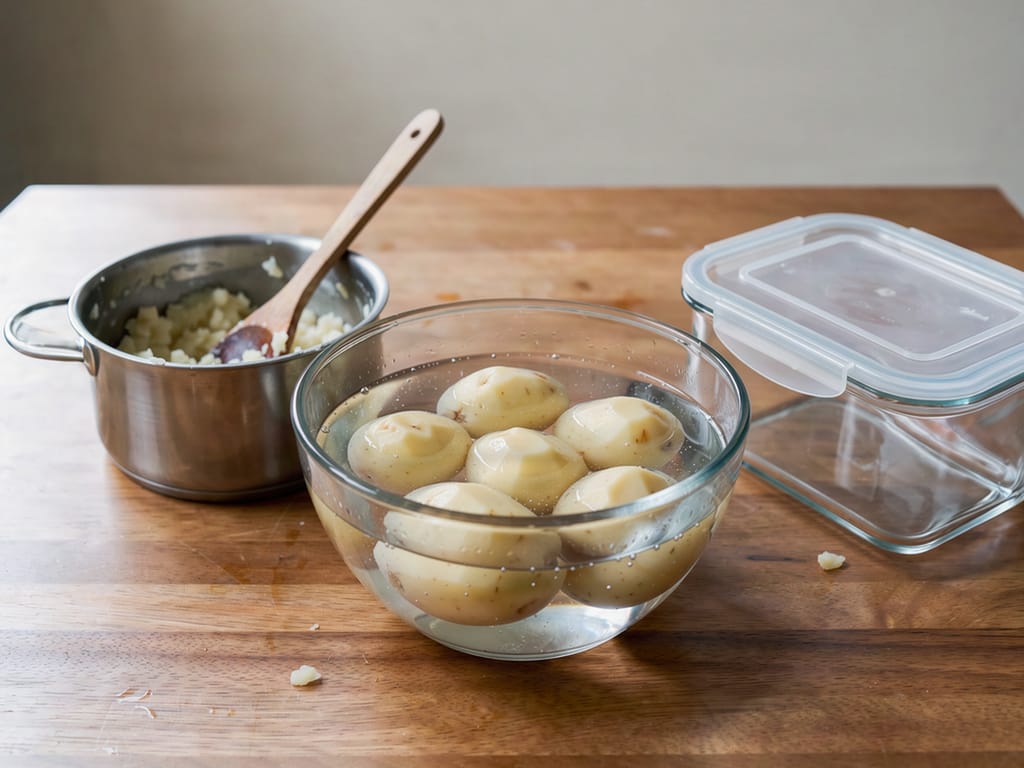
Peeled raw potatoes in cold water keep in the fridge for about 24 hours. That's according to the Idaho Potato Commission, the American potato growers' board. So you can happily peel them the night before, but put the container in the fridge, not on the counter.
Why water: a peeled potato oxidizes in the air and turns gray, then black, within a few hours. Water keeps the air off it. But the potato also slowly soaks up water and loses starch, so after more than a day it tends to cook up mushy and bland.
To keep peeled potatoes in water as well as possible:
Submerge them completely so no part sticks out above the surface. Anything exposed will darken.
Cover the container and put it in the fridge.
Add a little acid. The Idaho Potato Commission recommends about 1 tablespoon of lemon juice or white wine vinegar per 4 liters (about 1 gallon) of water. The potatoes will stay lighter.
Don't salt them. Salt the water only when you cook them.
Whole keeps better than cut. Diced potatoes have more cut surface and soak up water faster. If you can, cut them just before cooking.
For how to store potatoes while they're still in their skins, in a cellar or pantry, see our article how to store potatoes so they last until spring.
Seasonal baking plans, tested recipes and kitchen tricks that save you time. Unsubscribe in one click.
Cooked potatoes and mashed potatoes keep in the fridge for 3–4 days at 4°C (40°F) or below. That's what USDA/FSIS gives for leftovers. The UK's Food Standards Agency (FSA) is more cautious and advises eating leftovers within 2 days or freezing them. If you want to be certain, stick to the shorter window.
What happens right after cooking matters more than the number of days:
Leave potatoes at room temperature for 2 hours at most. USDA/FSIS recommends throwing leftovers out after that. If the room is above 32°C (90°F), the limit drops to 1 hour.
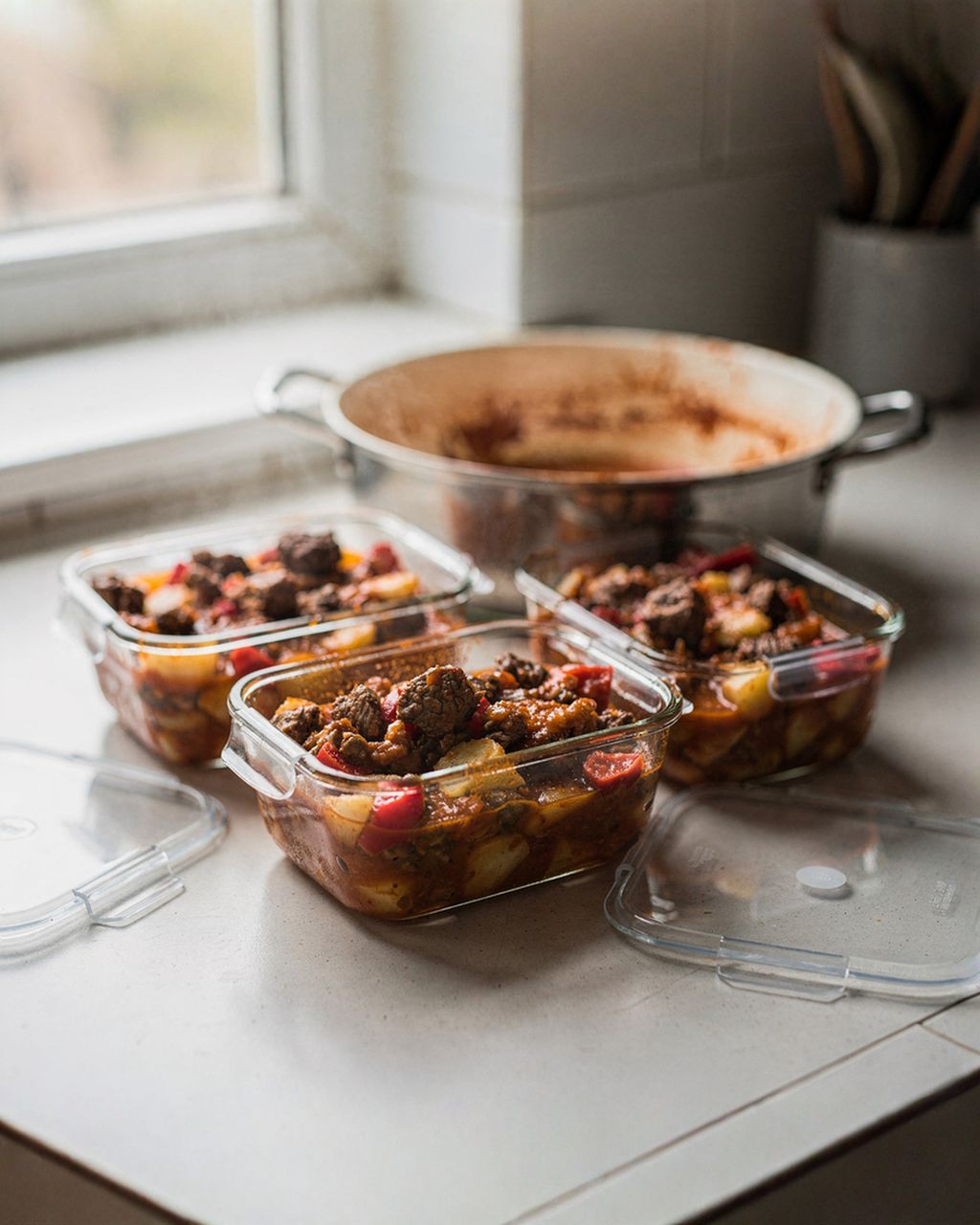
Cool them divided into shallow containers. USDA/FSIS specifically names potatoes among the foods to cool in shallow containers. A full pot of mash takes hours to cool in the fridge and stays warm inside for a long time.
Close the container. Otherwise potatoes pick up fridge odors and dry out.
Reheat to 74°C (165°F) inside. That's the temperature USDA/FSIS advises for reheating all leftovers. With mash, that means heating it through to the center and stirring, not just warming the surface.
Mash firms up in the fridge because starch sets as it cools. That's normal and not a sign of spoilage. When reheating, stir in a spoonful of milk, add a bit of butter and whip it up. Creamier mash, like our smooth, creamy mashed potatoes with nutmeg, recovers better after reheating than mash made with just water.
A salad that's already mixed follows its own rules, because it contains mayonnaise, eggs and pickles. You'll find those in our article how long potato salad keeps in the fridge.
Freezing cooked potatoes is safe, but it isn't worth it for the taste. The National Center for Home Food Preservation (University of Georgia) lists both boiled and baked potatoes among the foods that don't freeze well. After thawing, it says, they're soft, crumbly, waterlogged and mealy.
Water is the cause. When potato freezes, ice crystals form and tear the cells, and the water then separates from the starch. When you reheat, the water runs out and you're left with a crumbly mass. Boiled potatoes have also soaked up water in the pot, so they fare worst.
How each type of potato comes out of the freezer:
Boiled potatoes, whole or cubed, turn out poorly. They're no good as a side or in a salad after thawing.
Mashed potatoes made with butter and milk or cream turn out well. The fat coats the starch, and the mash holds together after reheating and whipping. Mash made with just water turns grainy and weeps water.
Baked potatoes in their skins turn out so-so. The flesh goes mealy, but reheated in the oven it survives.
Potato bakes turn out well, more on that in the next section.
If you want potatoes in the freezer for later, it's better to just blanch them first rather than cook them until tender. The National Center for Home Food Preservation recommends blanching for 3–5 minutes depending on size, then cooling the potatoes quickly in ice water, drying them and freezing.
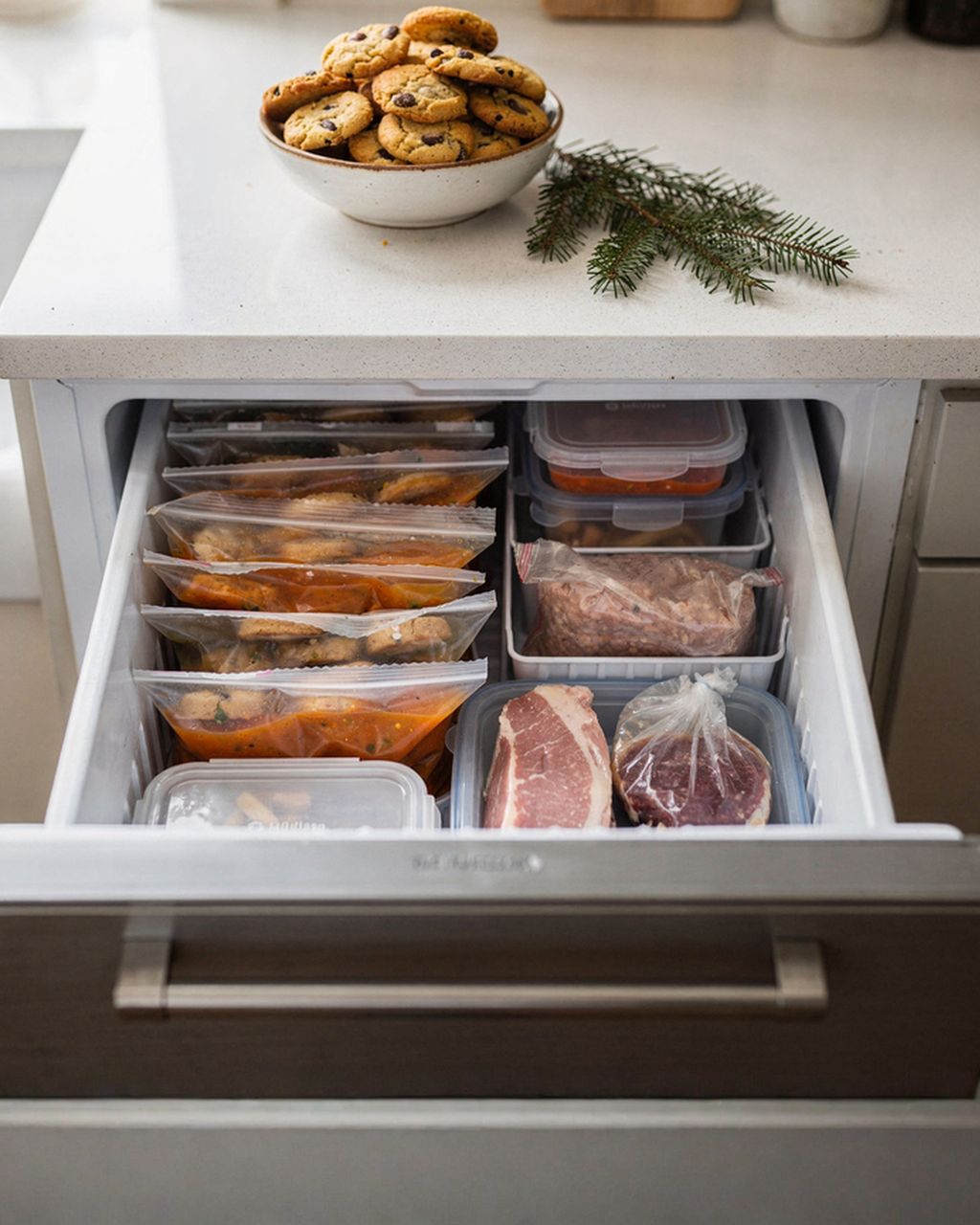
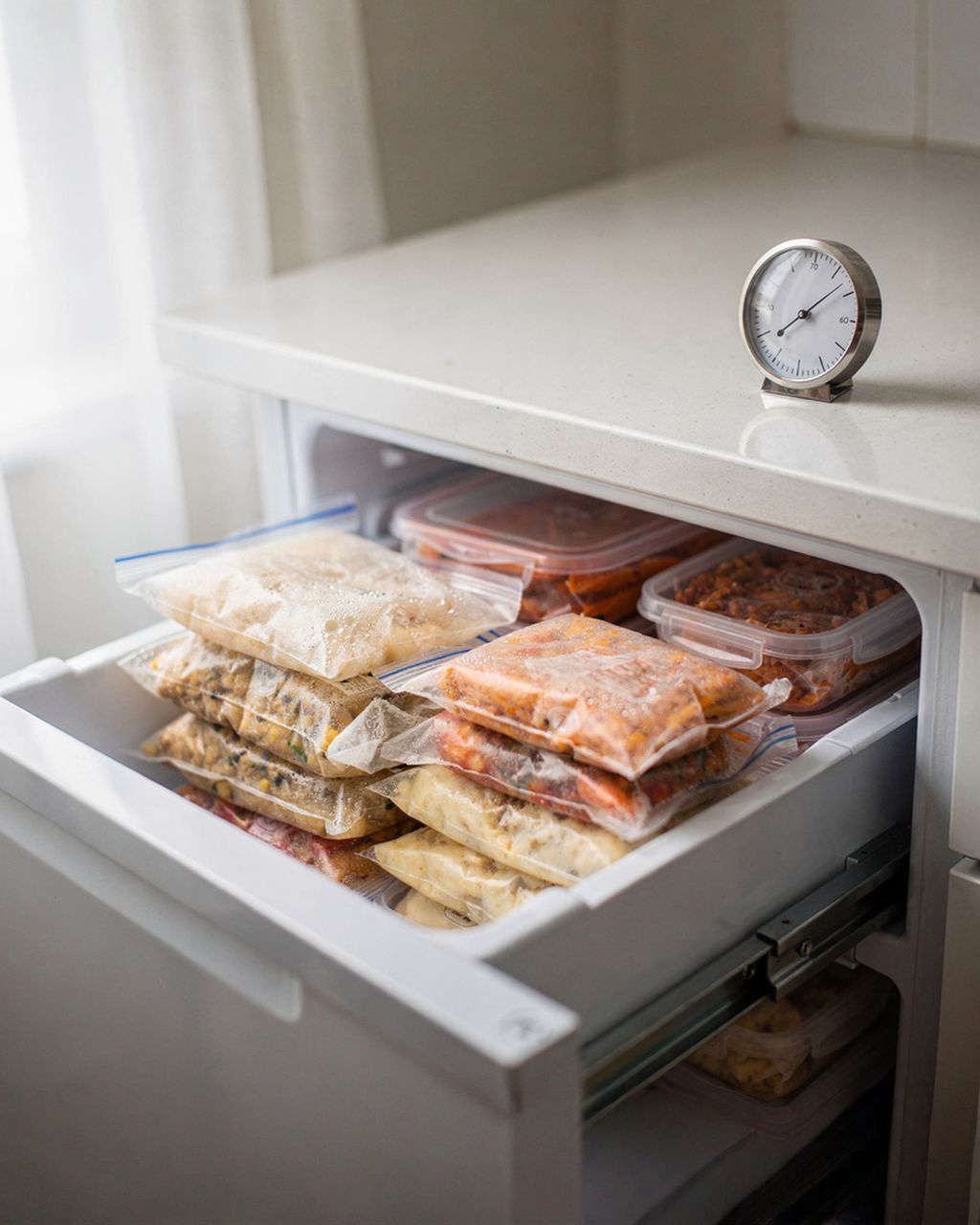
According to USDA/FSIS, leftovers stay safe in the freezer at −18°C (0°F) indefinitely. Quality declines over time, though, which is why FSIS recommends using them within 3–4 months. Freeze mash in flat bags or portions so it cools and thaws quickly.
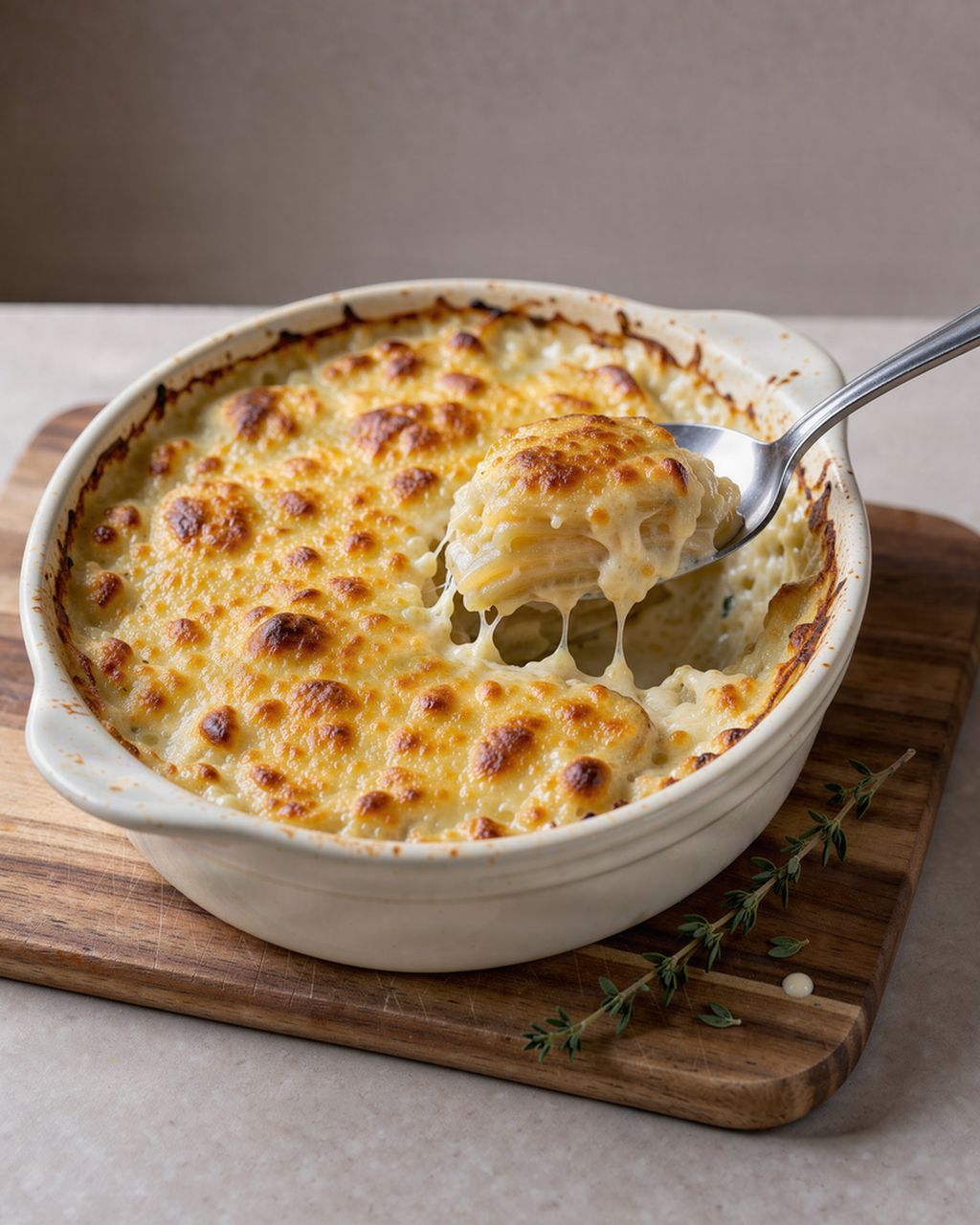
You can freeze potato bakes and French-style potatoes (the Czech egg-and-sausage casserole), and of all potato dishes they come out best. Cream, milk, eggs and cheese protect the starch much like the butter in mash. According to USDA/FSIS, use them within 3–4 months, like other leftovers in the freezer.
Expect three changes, though:
The sauce may split. The National Center for Home Food Preservation warns that milk-based sauces can separate when frozen. A cream gratin holds up better than a version made with just milk.
The cheese crust softens. A crisp top doesn't survive freezing. So after thawing, bake the potato bake once more in the oven, not the microwave.
French-style potatoes with eggs and cured meat release a little water after thawing. When reheating, spread them in a baking dish in a thinner layer and bake uncovered so the water evaporates.
Freeze them baked and cooled, ideally already cut into portions. You'll get a better result if you bake them again from partly thawed than if you let them thaw completely and put the runny result in the oven. Divine gratin potatoes with cream or classic baked potatoes are worth freezing.
Thaw frozen potatoes in the fridge, in cold water in a sealed bag, or straight in the microwave. USDA/FSIS considers these three methods safe, but not thawing on the counter. According to FSIS, you can also reheat leftovers from the freezer while still frozen, it just takes longer.
Mash: reheat it slowly in a pot with a little milk, whisking as you go until it comes together.
Potato bakes: put them in the oven covered with aluminum foil and bake them uncovered for the last 10 minutes so the crust comes back.
Everything: heat through to the center to 74°C (165°F), as USDA/FSIS recommends.
Peeled potatoes in water most often darken where they poke above the surface: that part stays exposed to air and oxidizes. So submerge them completely and cover the container. A little acid helps keep them lighter too: the Idaho Potato Commission recommends about 1 tablespoon of lemon juice or white wine vinegar per 4 liters (about 1 gallon) of water.
Yes, you can freeze mashed potatoes on day three, provided they've stayed in the fridge at 4°C (40°F) or below the whole time and haven't gone past the 3–4 days USDA/FSIS gives for leftovers. The agency recommends freezing leftovers within that window. The freezer won't make mash fresh again, though: eat it soon after thawing, and fresher mash always turns out better.
Spoiled cooked potatoes give themselves away with a sour or musty smell, a slimy or sticky surface, and mold. Throw out the whole batch rather than cutting off the affected bits. Be careful, though: USDA/FSIS warns that the bacteria that cause food poisoning usually don't change how food looks or smells, so after 3–4 days in the fridge, throw potatoes out even if they seem fine.
It's better to freeze French-style potatoes (the Czech casserole) after baking. Raw potato darkens and turns watery in the freezer, which is why the National Center for Home Food Preservation recommends at least blanching potatoes before freezing. Freeze the baked, cooled portions and bake them again before serving.
One recipe worth heating the oven for, one tip, and one deal from the shop. Nothing else.