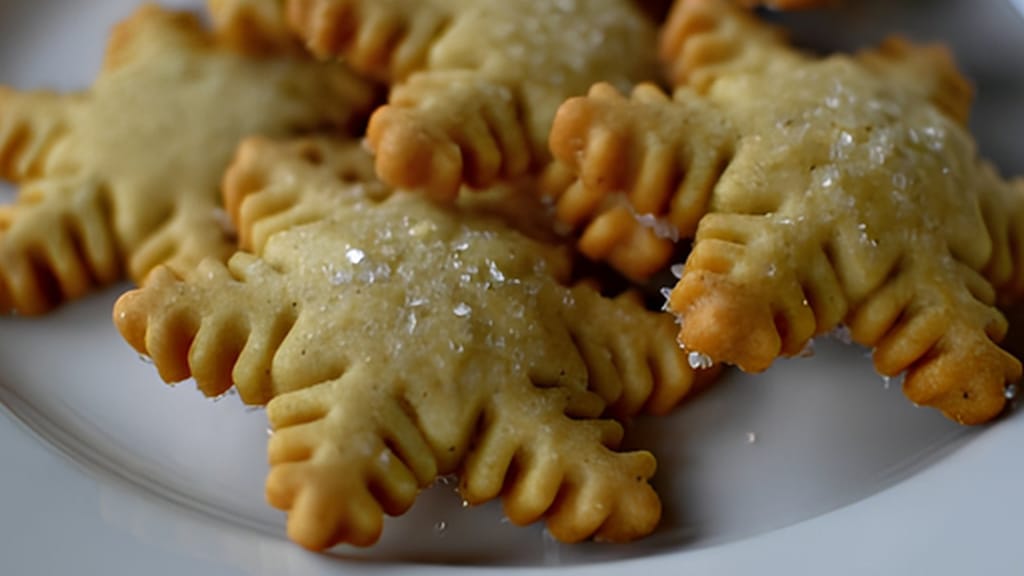
Sugar christmas cookies - delicate and crisp
How to Decorate Christmas Cookies: From Sprinkles to Edible Gold
Updated Oct 6, 2026
What's the best way to decorate Christmas cookies? Most often with sugar sprinkles, edible gold, crunchy pearls, royal icing, chocolate and nuts – and whether a decoration survives until Christmas Eve mostly comes down to what you stick it to, and when. Here's what goes on which cookies, how to work with each decoration, and why sprinkles sometimes bleed into coloured streaks.
There are six basic ways to decorate Christmas cookies: sugar sprinkles, edible gold, crunchy pearls, royal icing, chocolate, and nuts or candied fruit. Each one suits something different:
Sugar sprinkles – colour and fun, on top of icing or chocolate. The quickest way to get an effect.
Edible gold (sheets, flakes, powder) – a festive touch on dark chocolate and smooth icing. A tiny bit goes a long way.
Crunchy pearls – extra texture, which holds best in chocolate.
Royal icing – for piping lines, dots and snowflakes onto gingerbread and sugar cookies.
Chocolate – for dipping, coating, and as "glue" for everything else.
Nuts, candied fruit, cocoa, icing sugar – the classic, colouring-free finish that suits traditional cookies.
Here's a rule that saves disappointment: a decoration is only as good as what it's sticking to. So start with the "glue", not the sprinkles.
Sprinkles only stick to a sticky surface that hasn't dried yet – fresh icing, melted chocolate, egg wash, or a thin layer of syrup. On dry, baked cookies, they'll just roll right off.
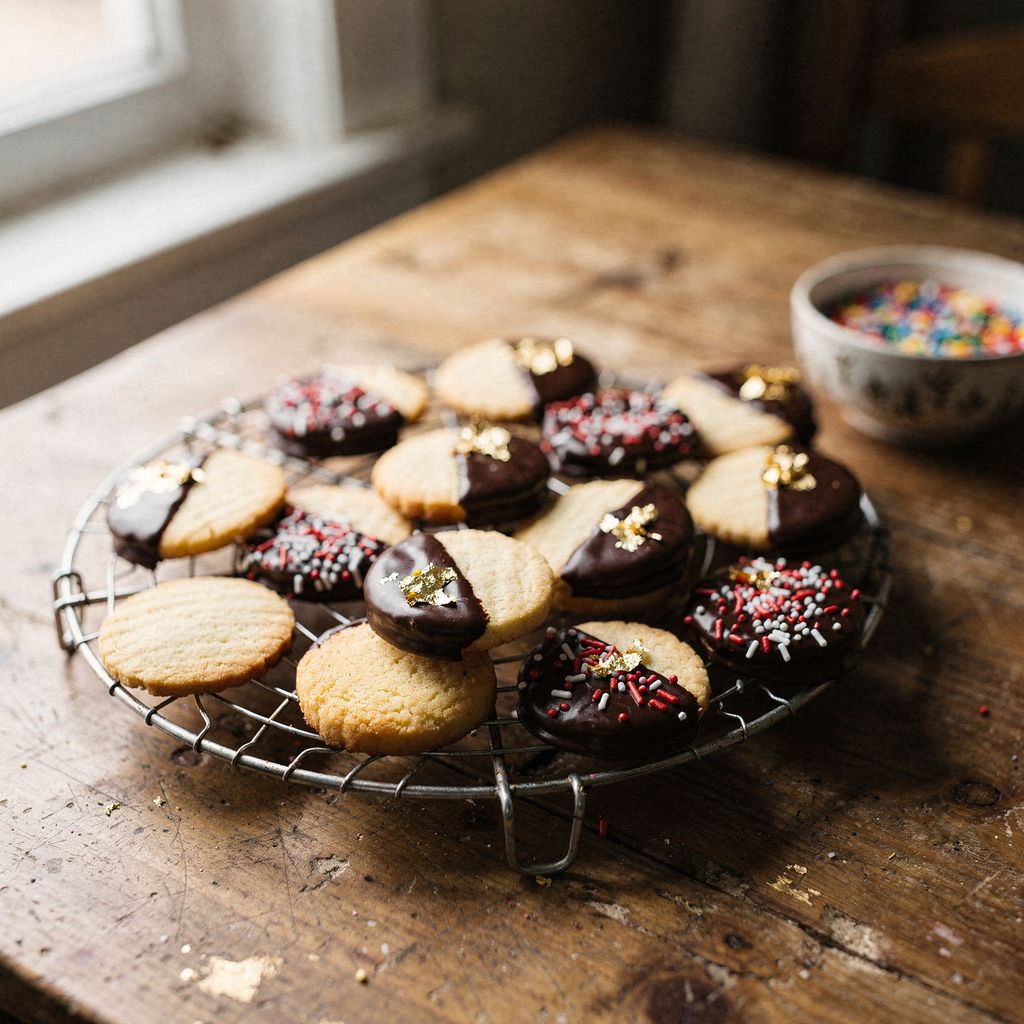
Melted chocolate – the most reliable glue. Dip the cookie, let it drip off, and sprinkle straight away while the chocolate is still glossy. Once it goes matte, it's starting to set and decorations will just sit loosely on top.
Royal icing – sprinkle within 1–2 minutes of applying it. The surface forms a crust fast, and nothing will stick once it does.
Egg white – brush lightly beaten egg white onto cookies before baking and sprinkle with granulated sugar or chopped nuts.
Sugar glaze or honey diluted with water – a thin layer on baked cookies when you don't want a full icing coat.
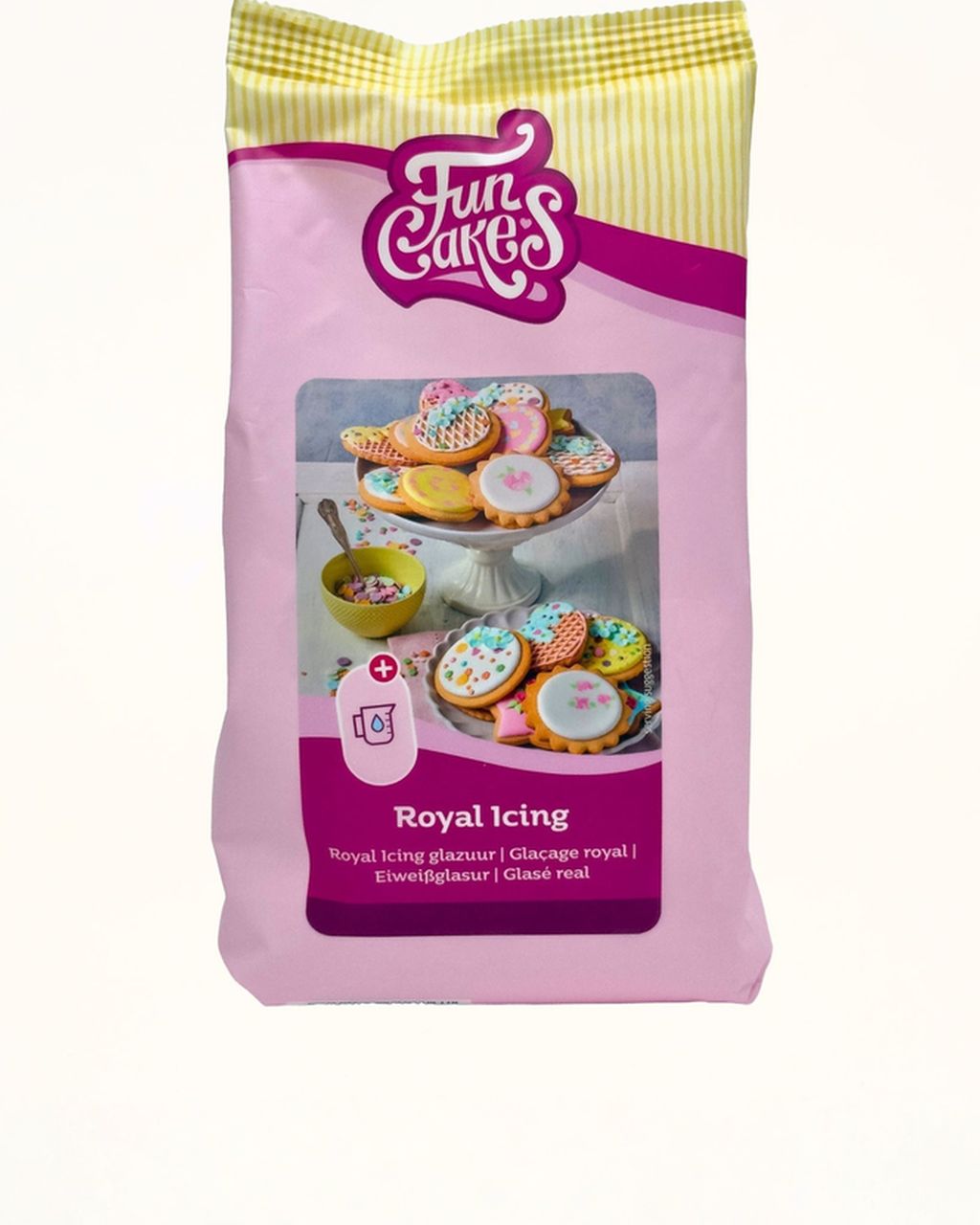
If you're decorating a big batch, work in small rounds – dip and sprinkle 5–6 pieces at a time before moving on. Otherwise the icing will set before you get to the sprinkles. For a rundown of icings and ratios, see our guide to icing types for cookies and cakes; for piping basics, check out royal icing for Christmas cookies.
Before baking, only add decorations that can take the heat – granulated or raw cane sugar, chopped nuts, poppy seeds, coarse sugar. Coloured sprinkles, sugar pearls and gold belong on cookies that are already baked and cooled.
Here's why: small coloured sprinkles (coloured nonpareils, sugar strands) are essentially dyed, often glossy sugar. In an oven at 160–180°C (320–355°F), they melt, the colour bleeds into the dough, and all that's left is a marbled stain. Chocolate and crunchy pearls will melt completely. Some larger sugar shapes can survive the heat but lose their shine – unless the packaging specifically says they're oven-safe, sprinkle only after baking.
After baking, always let the cookies cool completely. On warm dough, icing and chocolate melt and sprinkles sink right in.
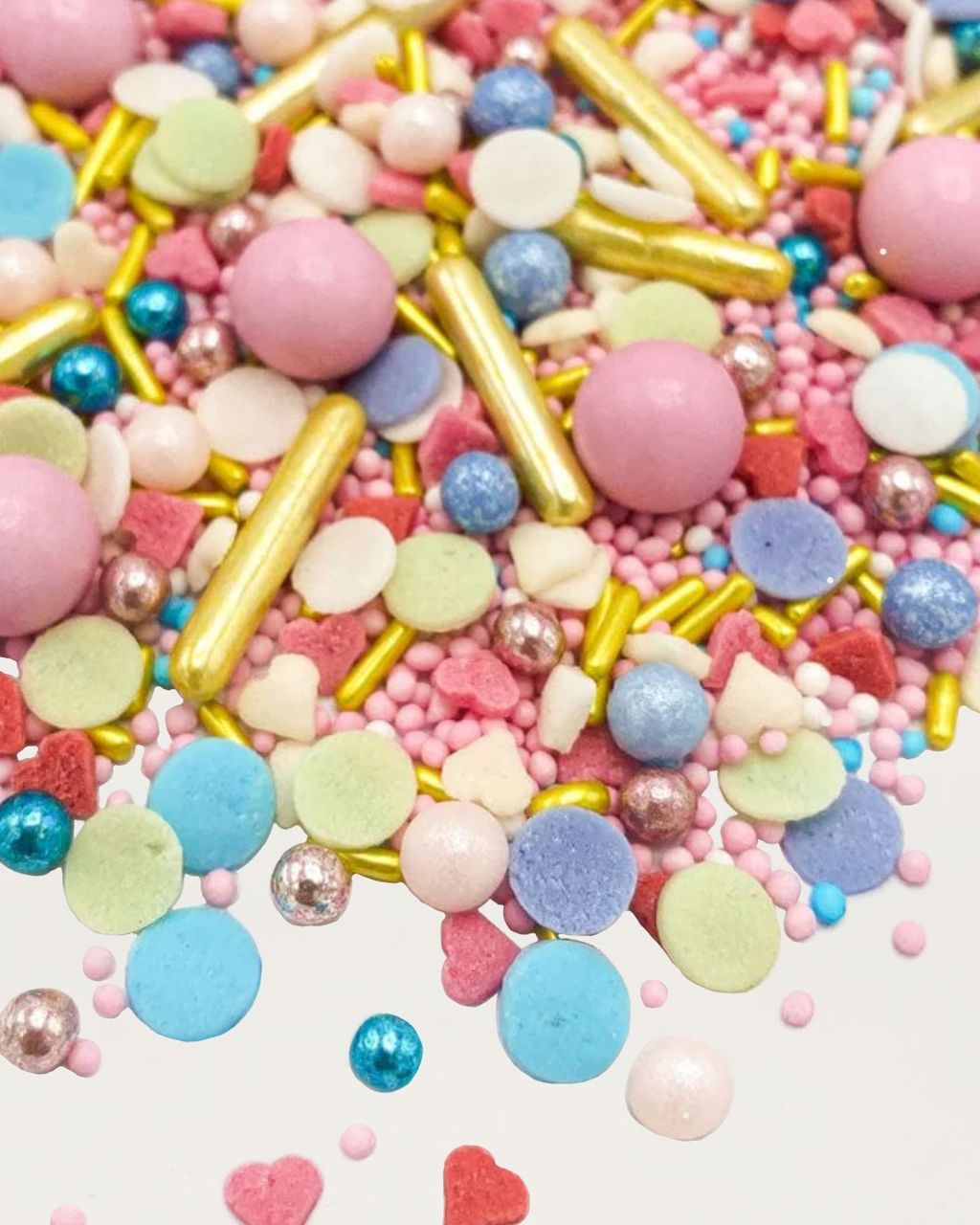
There are four main types of sugar sprinkles used on Christmas cookies: coloured nonpareils and sugar strands, shapes, mixes, and large XXL pearls – nonpareils and strands for full coverage, shapes and pearls as individual accents, and mixes as a ready-made combination of both.
Coloured nonpareils and sugar strands – for small cookies or edges dipped in chocolate, for full coverage. They create a solid block of colour.
Shapes (stars, hearts, snowflakes) – one to three pieces on smooth icing. They're a decoration in their own right, so don't scatter them everywhere.
Mixes – a blend of sizes and colours that's already coordinated. The easiest way to make cookies look "finished" without overthinking it.
Large XXL pearls – bold accents for bigger biscuits and gingerbread. They're hard, so use fewer of them.
With Christmas cookies, a limited palette works better than a rainbow: two to three colours (red, white, gold; or white and silver) give a whole tray a cohesive look. Browse the full range of mixes and colours among our sugar sprinkles for decorating cookies.
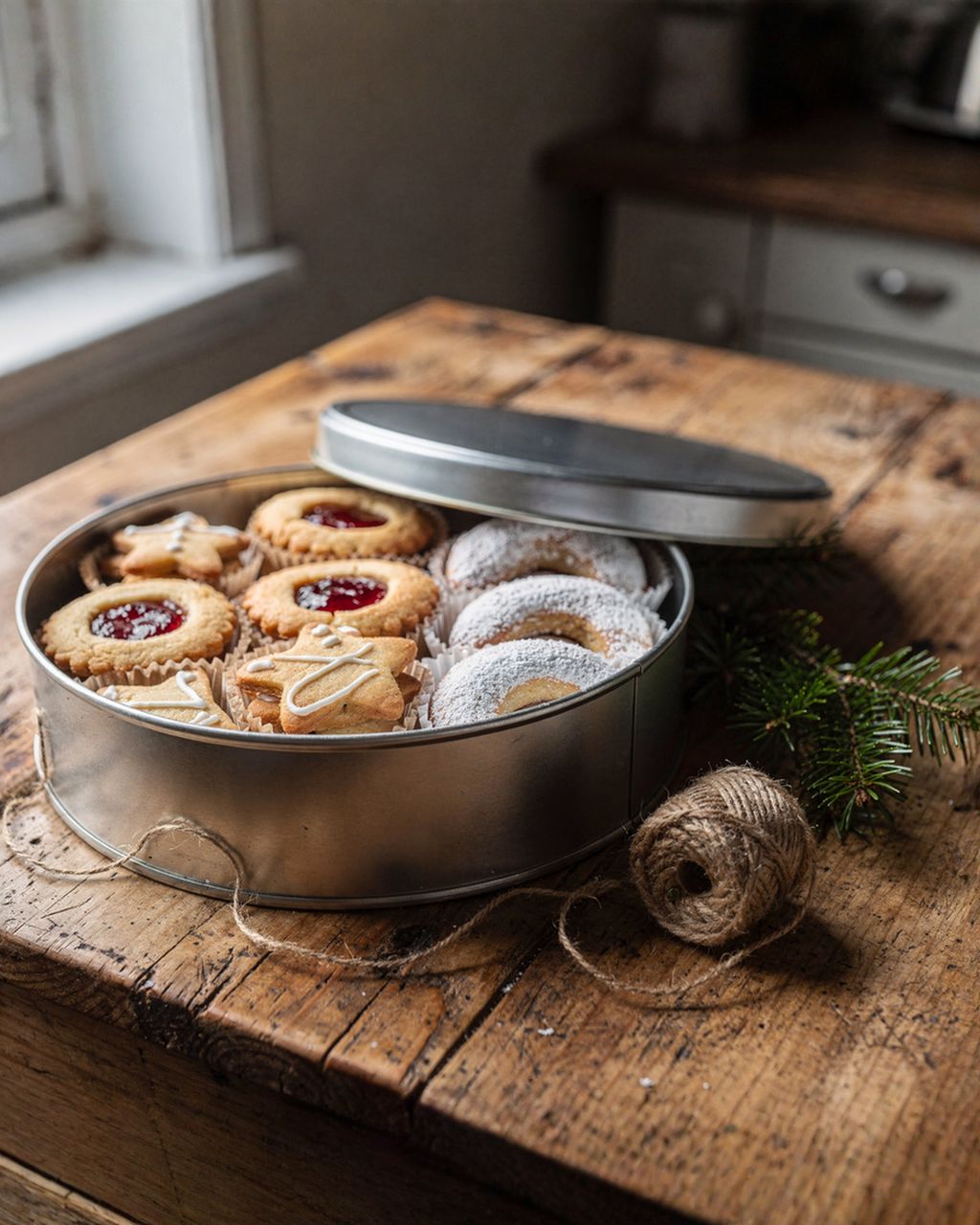
Tip: don't sprinkle crumbly linzer cookies dusted with icing sugar on top – sprinkles won't stick to that surface. Instead, decorate just the edge dipped in chocolate and let the sprinkles stick to that.
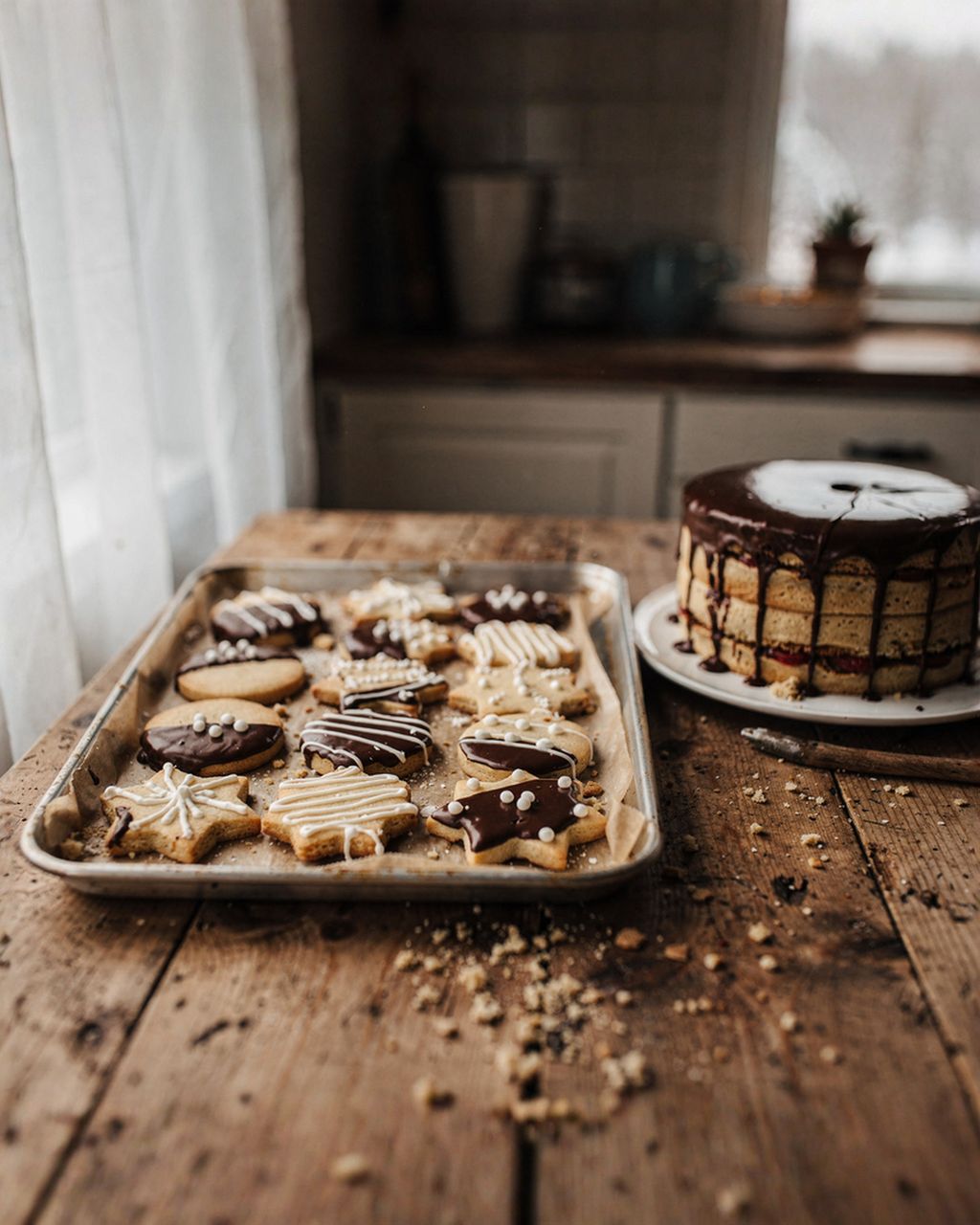
Sugar christmas cookies - delicate and crisp
Sugar Christmas cookies – the perfect canvas for sprinkles and icing
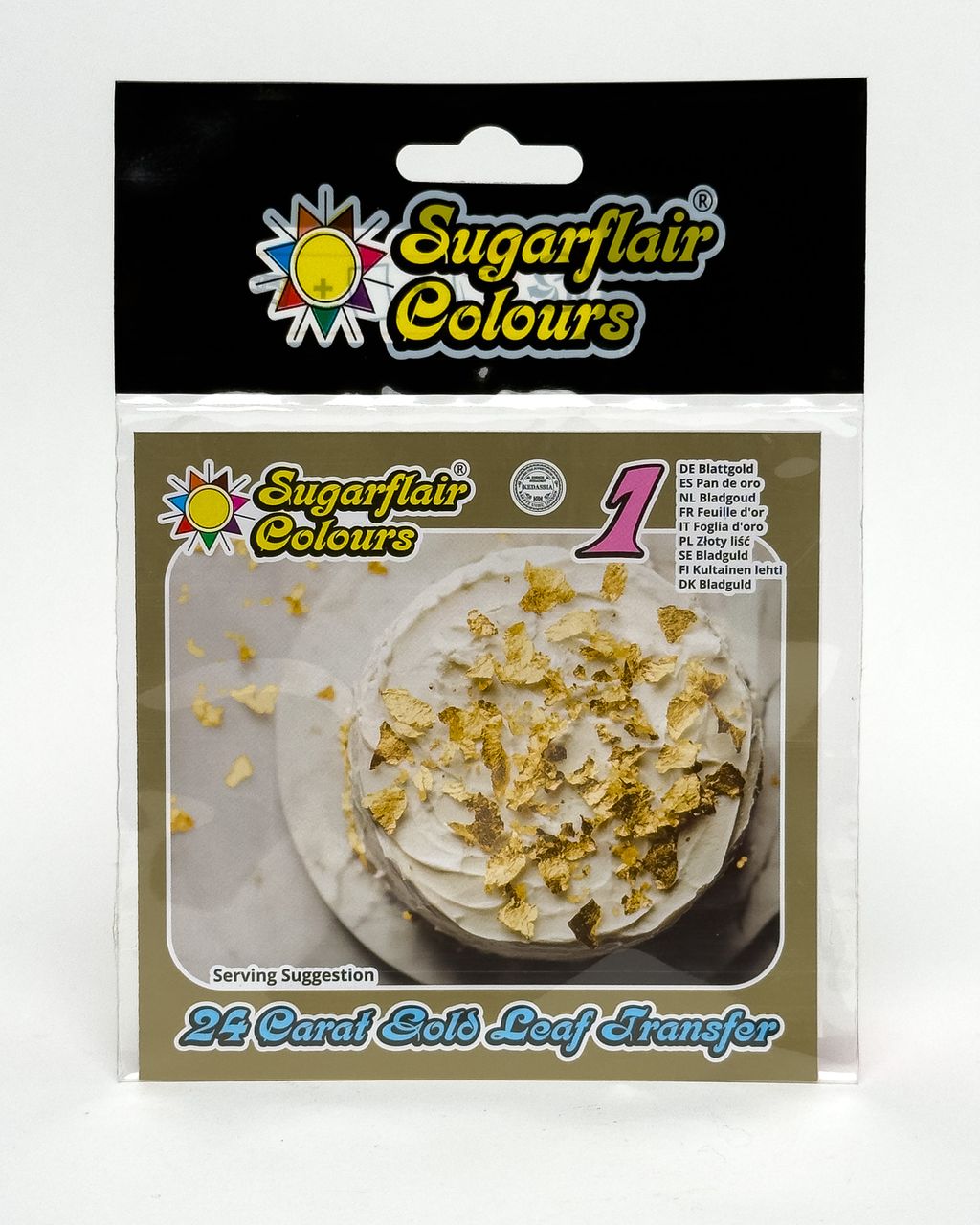
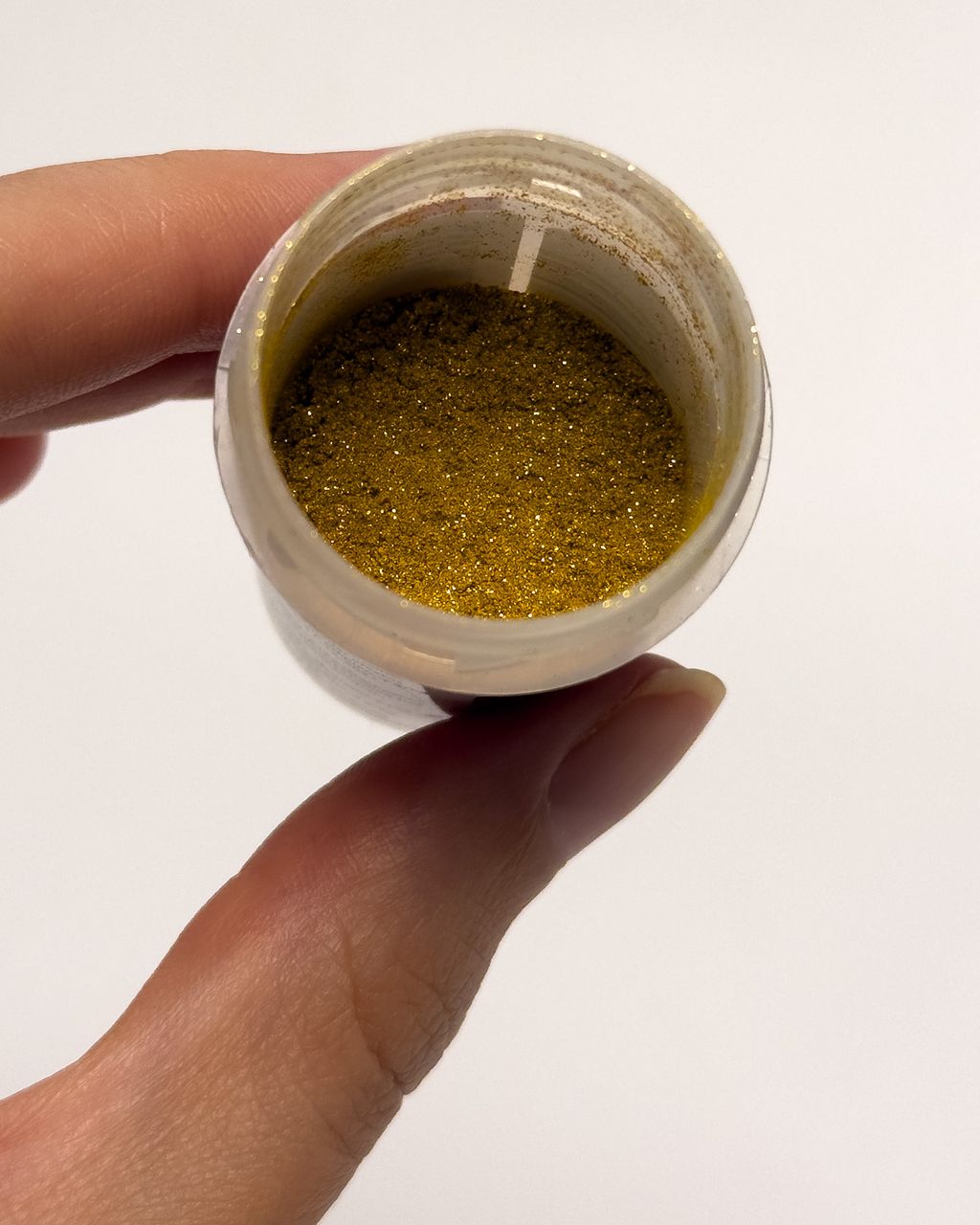
Edible gold is high-purity gold (usually 22–24 carat), approved in the EU as a food colouring under the code E175. It has no taste or smell and is purely decorative. It goes on the surface – on chocolate or icing – never mixed into dough or filling. You'll find it in three forms:
Sheets (leaf) – thin sheets you tear small pieces from. The most "luxurious" look.
Flakes – crushed sheets, sprinkled on like regular sprinkles.
Gold (shimmer) powder – a fine powder for shine or a golden colour. Note: not every gold powder is real gold – the golden hue often comes from other approved colourings, which is perfectly fine, it just isn't E175.
Gold really stands out on dark chocolate, smooth white icing and glossy caramel. On bumpy, icing-sugar-dusted cookies, it tends to disappear.
Apply gold leaf with a dry brush or tweezers onto a slightly sticky surface – never with your fingers.
Keep your hands and tools completely dry. The leaf is so thin it will stick to anything damp – even your fingertips – and tear.
Work away from draughts. An open window or even a breath can send the leaf flying.
Use a dry brush or tweezers to tear off a small piece and place it onto chocolate that hasn't fully set yet, or onto icing just before it dries.
Press down gently with a dry brush. Don't press hard – the gold will crumple and lose its shine.
Less is more here: a single fleck on a cookie looks elegant, while a fully gilded cookie can look heavy-handed instead.
You can use gold powder on cookies two ways: dry, for a subtle shine, or mixed into a paint for painting details.
Dry – rub it into dried icing or set chocolate with a soft brush. This gives a delicate pearly shine, perfect for the edges of gingerbread and raised details.
As a paint – mix the powder with a few drops of clear alcohol (vodka, rum) or lemon extract until it reaches a thin, paint-like consistency. Use a small brush to paint lines and dots. The alcohol evaporates within a few minutes, leaving a richly metallic layer. Water doesn't work as well – it dissolves the icing underneath, leaving the colour dull and patchy.
For soft honey gingerbread that stays chewy, paint the gold only once the royal icing has dried – painted straight onto the gingerbread itself, the powder soaks in and darkens.
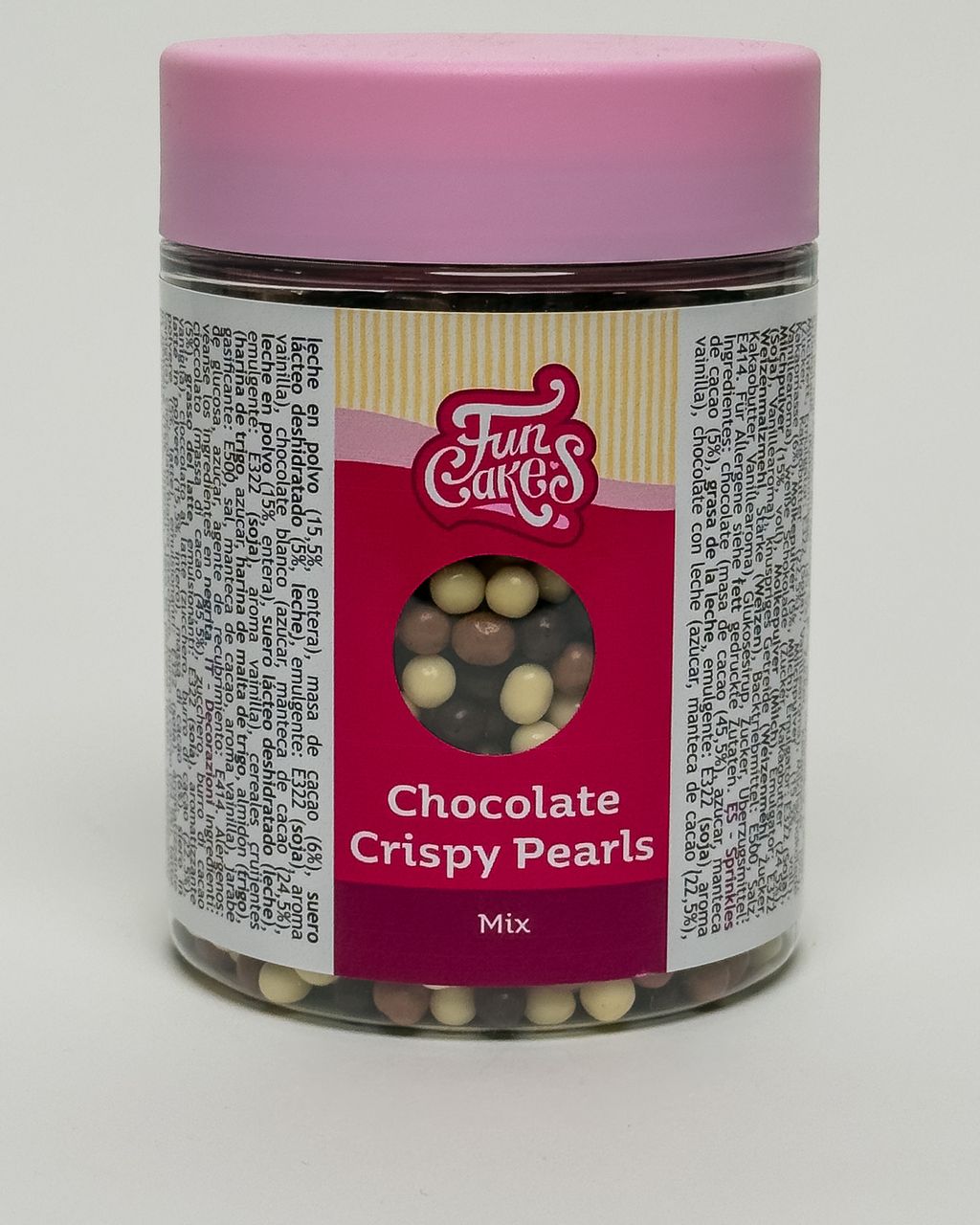
Put crunchy pearls into chocolate – that's where they hold best and stay crunchy longest. They're cereal pieces coated in chocolate or icing, adding a crunch that sprinkles simply can't: dip the cookie, roll the edge in the pearls, and let it set.
Don't put them on damp icing or creamy fillings. The cereal centre will soak up moisture and go soft like soggy cereal within a few days. For the same reason, they're not a good match for cookies that "settle" and soften in the box, like gingerbread.
Pearls also pair well with popping sugar, which fizzes on your tongue. Add it just before serving, or into chocolate – moisture will make it pop too early otherwise.
Traditional cookies look best decorated with icing sugar, nuts, candied fruit, cocoa or chocolate – no colouring needed at all.
Icing sugar with vanilla – the classic finish for vanilla crescent cookies. Coat them while still slightly warm so the sugar lightly sticks; a second coating once cool gives a snow-white layer.
Nut halves and almonds – press into the dough before baking; they'll toast to a golden colour.
Chopped pistachios – a natural green, no dye needed; sprinkle onto fresh chocolate.
Candied orange peel, cranberries – on cookies dipped in chocolate, where they naturally fit.
Cocoa and cinnamon – dusted through a stencil or paper template onto white icing.
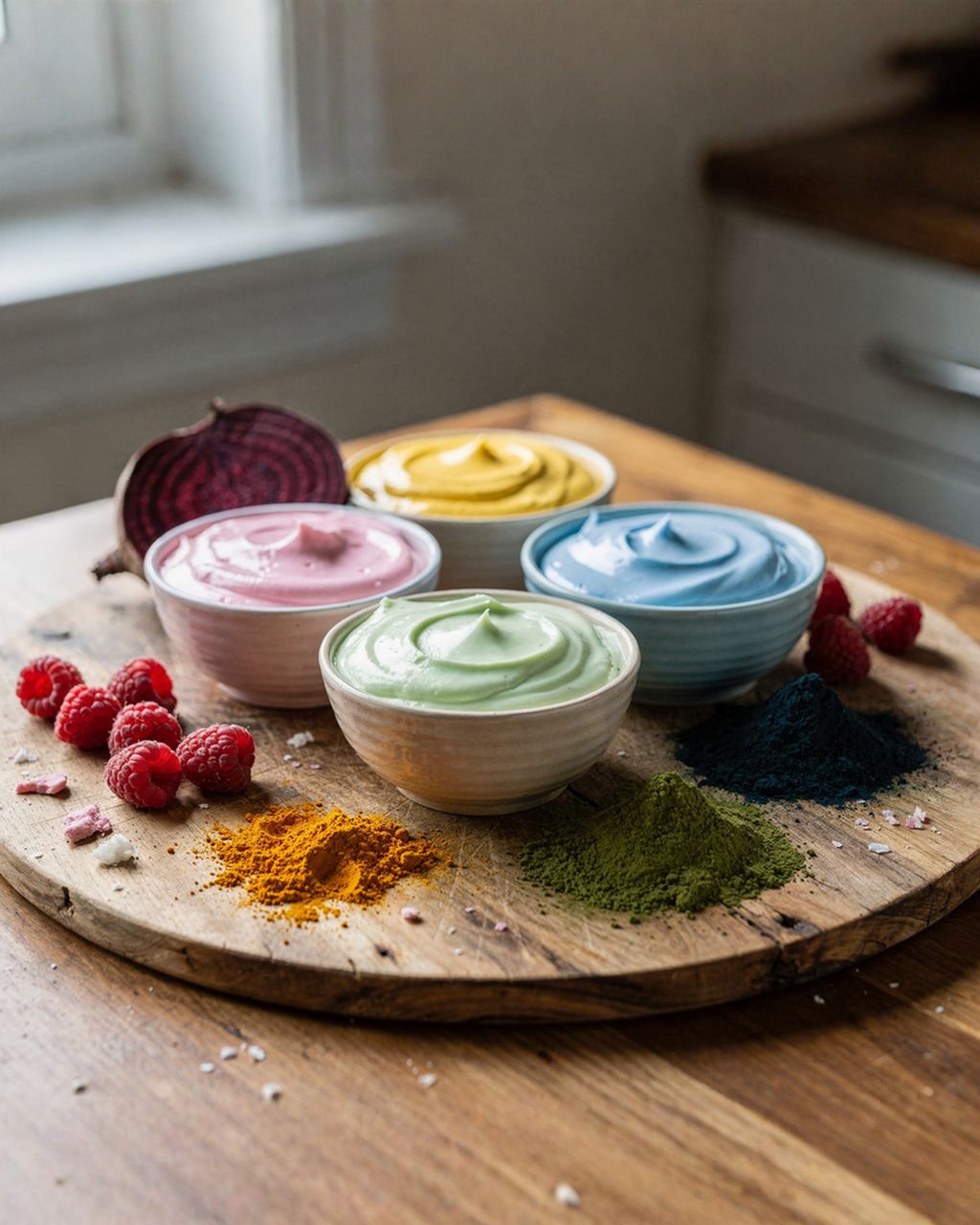
If you want coloured icing without artificial dyes, go natural: a spoonful of beetroot juice for pink, turmeric for yellow, matcha for green, or cocoa for brown. Add beetroot juice drop by drop and the powders (turmeric, matcha, cocoa) pinch by pinch so you don't thin out the icing.
Behind colour bleeding and soggy decorations, there's almost always moisture. The dye in sprinkles is water-soluble, so the moment it touches anything damp, it starts to run.
Sprinkles on something damp – on jam, cream or icing that hasn't fully dried, colour will bleed within hours. Fix: sprinkle onto chocolate or a low-moisture icing instead.
Cookies in the fridge – condensation forms once you take them out, and decorations run. Store decorated cookies somewhere cool (ideally 10–15°C/50–59°F), not in the fridge.
Mixing types in one box – soft cookies pass moisture on to crisp ones. Keep decorated pieces separate, or layer with baking paper between them.
Gold disappeared – it was placed on a surface that was already too dry and fell off when handled. Next time, apply it while the chocolate is still slightly sticky.
If you're giving cookies as a gift, let the decorations dry overnight at least before you start packing them up.
For a few dozen cookies, one or two sheets of edible gold is usually enough, since you only need a tiny fleck per cookie. Store the sheets in their original packaging in a dry place and they'll keep almost indefinitely.
Cookies decorated with chocolate and sugar sprinkles will keep their look for two to three weeks in a cool spot in a sealed box. Crunchy pearls and popping sugar are the most moisture-sensitive, so save them for cookies you'll eat within the first week.
Not always – some sugar sprinkles get their shine from shellac (E904), which comes from insects and isn't vegan. If you're baking for vegans, check the ingredients list, or go for nuts and candied fruit instead.
Caution is needed for children under about four, since large hard sugar pearls can pose a choking hazard. For cookies meant for little ones, stick to small, softer sprinkles or icing sugar.
Yes – just moisten the surface slightly first: brush on a thin layer of syrup or melted chocolate and place the gold on top. Then gently press the leaf down with a dry brush.
One recipe worth heating the oven for, one tip, and one deal from the shop. Nothing else.