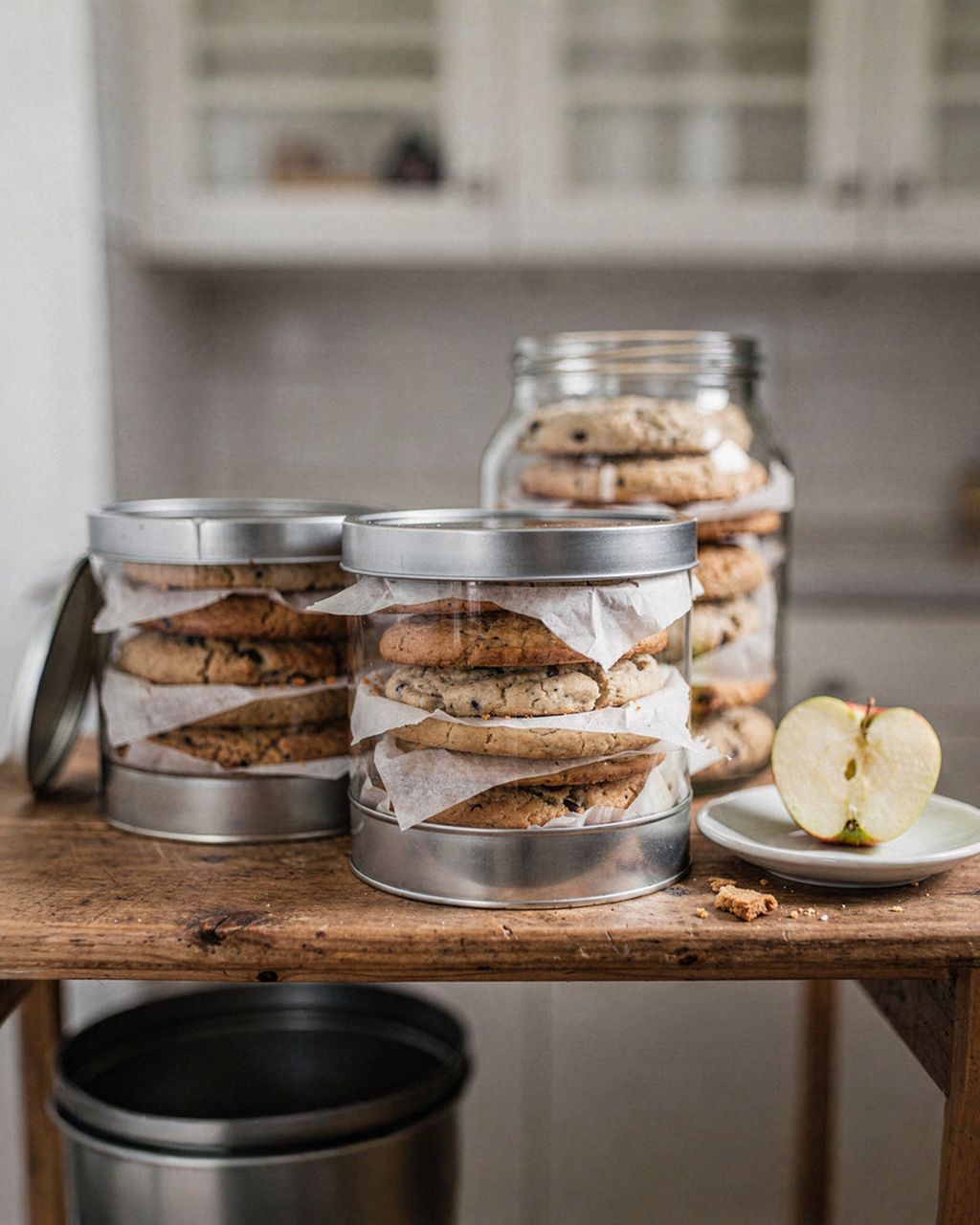
The best christmas cookies? vanilla crescents, of course!
Christmas Spices: A Guide to Every Type and How to Use Them
Updated Sep 25, 2026
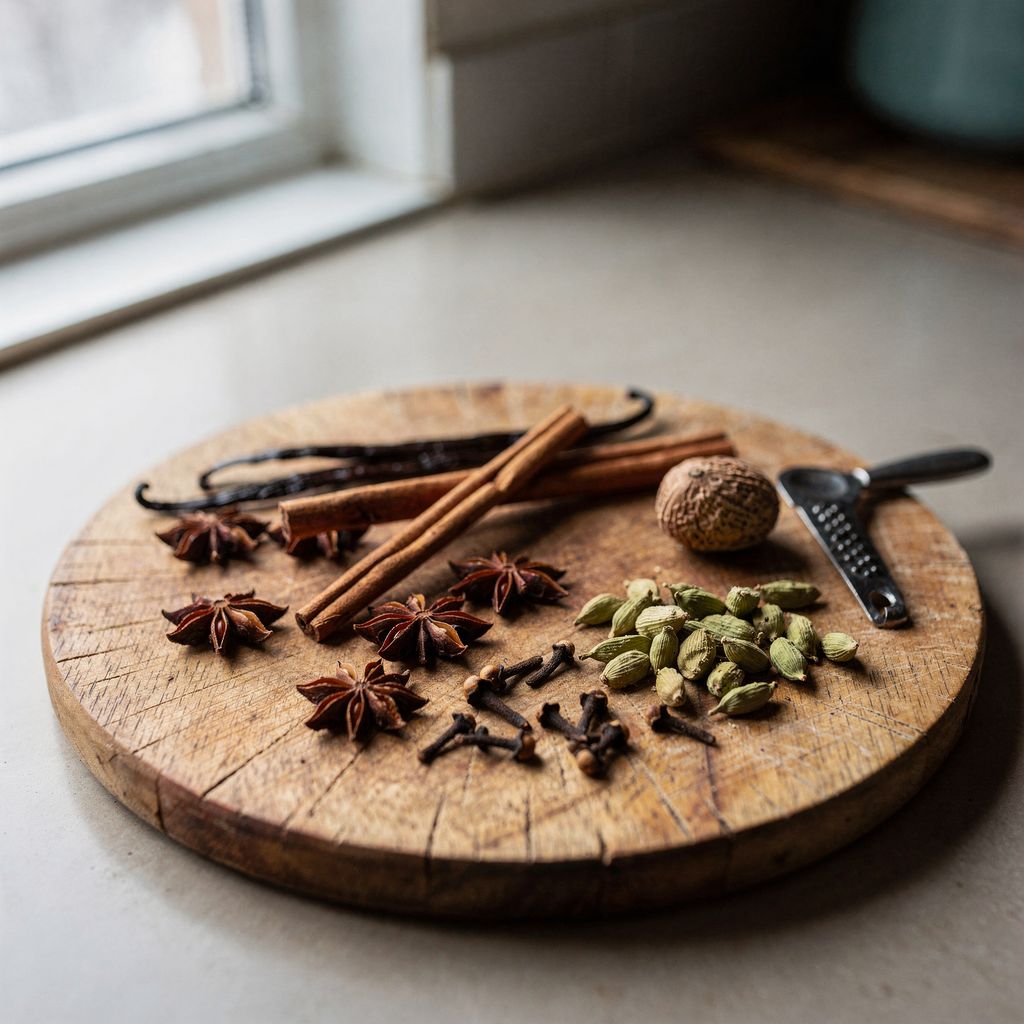
Christmas spices are a group of warm, sweetly fragrant spices: cinnamon, cloves, star anise, anise, cardamom, nutmeg, allspice, ginger and vanilla. Each one does something different in cookies, gingerbread, festive breads or mulled wine, and each has a tipping point beyond which it turns bitter or drowns out the rest. Here's what each one does, where it belongs, and how much to use.
The classic Christmas spices are cinnamon, cloves, star anise, anise, cardamom, nutmeg, allspice, ginger and vanilla. Lemon and orange zest are often added alongside them in the kitchen. They're not technically spices, but they're just as much a part of that festive smell.
By flavour, they fall into three groups, and blends are built from these:
Sweet and warming: cinnamon, vanilla, nutmeg. Cinnamon and vanilla form the base and can be used generously. Nutmeg only needs a pinch.
Anise and liquorice-like: star anise, anise, fennel. Powerful — a little goes a long way.
Sharp and pungent: cloves, allspice, ginger, cardamom. They add depth, but too much turns bitter or fiery.
A good Christmas spice blend has a solid base plus one or two standout spices on top. Use everything in equal parts and the result tastes like a spice-rack mix, not like gingerbread.
For everyday baking, cassia is fine, but for regular use and for children, Ceylon cinnamon is the better choice, since it contains far less coumarin. Cinnamon is the most widely used Christmas spice and comes in two main types: Ceylon (true cinnamon) and cassia (Chinese cinnamon). The cheap ground cinnamon sold in shops is usually cassia.
Cassia is bolder, spicier and sweetly sharp. It holds up well through long baking. Its sticks are hard, thick and rolled from a single layer of bark.
Ceylon cinnamon is milder, with citrusy, floral notes. Its sticks are brittle, made of many thin layers, and snap easily by hand.
The difference isn't just flavour. Cassia contains a lot of coumarin. According to figures cited by the Czech food safety portal Bezpečnost potravin, it can contain up to several grams per kilogram, while Ceylon cinnamon has only trace amounts. In 2008, the European Food Safety Authority (EFSA) set a tolerable daily intake of coumarin at 0.1 mg per kilogram of body weight — for a 60 kg adult, that's roughly 6 mg. Everyday baking won't push you anywhere near that limit. But if you're sprinkling cinnamon into porridge daily and eating cinnamon cookies on top of that all December, it makes sense to reach for Ceylon, especially for kids.
Where it's used: gingerbread and soft gingerbread cookies, cinnamon rolls, orange bundt cake with cinnamon and cardamom, mulled wine, apple strudel and homemade plum butter. Whole sticks belong in liquids, ground cinnamon in doughs.
Use about ¼ teaspoon of ground cloves per 500 g of flour in gingerbread — any more and it turns bitter. Cloves are the strongest spice of the whole bunch. Their scent comes from eugenol, the same compound behind that dentist's-office smell, which is why so little goes such a long way.
Ground, in dough: about ¼ teaspoon per 500 g of flour. Any more and the gingerbread turns bitter and slightly numbing on the tongue.
Whole, in liquids: 3–5 cloves per litre of mulled wine or fruit compote. Fish them out once they've infused.
In savoury cooking: stuck into an onion for stock, into sweet-and-sour braised red cabbage or into a game marinade.
Ground cloves lose their aroma over time. If you have whole ones, crush them in a mortar right before using.
Star anise is a star-shaped pod, usually eight-pointed, with a strong sweet anise-and-liquorice scent. It's a classic mulled wine spice and also pairs well with rich meats. Its aroma comes from anethole, the same compound found in anise, though star anise is a touch sharper and warmer.
Mulled wine and punch: 1–2 stars per litre is plenty.
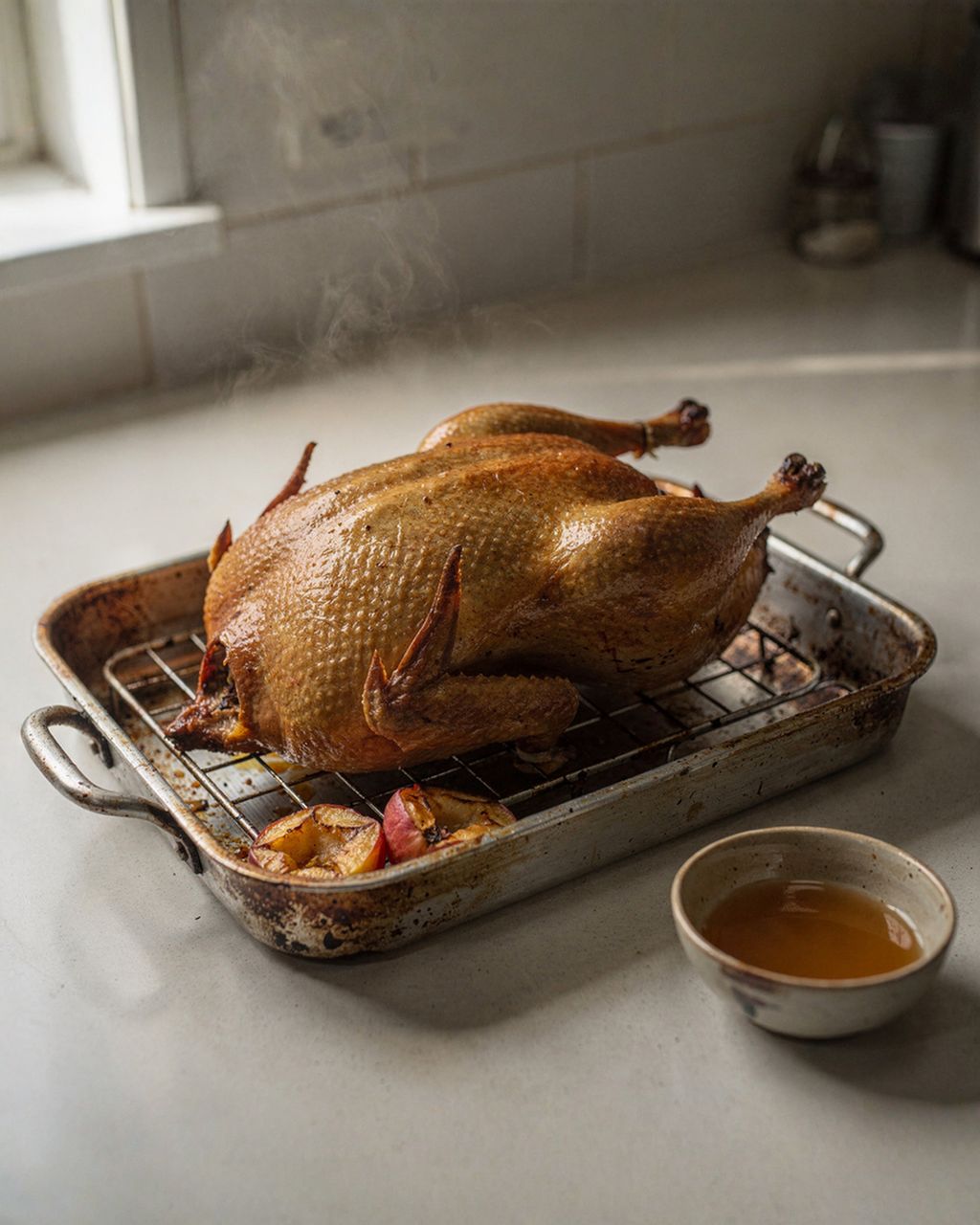
Duck and goose: one star in the roasting pan or in an orange sauce, such as with orange duck breast.
Fruit: pears, plums and apples poached in syrup with star anise.
Ground, in gingerbread spice mix: only a small amount, or the blend turns overly liquorice-flavoured.
Whole stars also make a lovely garnish — scattered on a plate of gingerbread or floating in a glass of mulled wine, they beat any decoration.
Anise is a spice made from small seeds with a sweeter, gentler anise flavour than star anise. It shows up mainly in baking. It's great in anise cookies, such as anise rounds, and in bread spice blends, where it teams up with fennel and caraway.
For sweet dough, ½–1 teaspoon per 500 g of flour is enough, ideally lightly crushed.
Cardamom has a fresh, citrusy, camphor-like scent. It gives Christmas doughs a lightness that cinnamon alone can't provide. In Scandinavia it's the main spice in festive baking, and it's showing up more and more here too, in sweet bread, bundt cakes and gingerbread.
Buy green pods and crush the seeds out yourself. Ground cardamom loses its punch much faster than whole pods.
For yeasted dough, use ½–1 teaspoon freshly crushed per 500 g of flour.
It pairs beautifully with plums and orange: orange bundt cake with almonds, cinnamon and cardamom or plum sorbet with cardamom and brandy.
Black cardamom is a different spice entirely — smoky and resinous. It has no place in Christmas cookies.
Nutmeg gives festive sweet bread, eggnog and gingerbread a warm, faintly resinous depth; a pinch to ¼ teaspoon of freshly grated nutmeg per 500 g of flour is enough. In savoury cooking it belongs in creamy mashed potatoes with nutmeg, béchamel and spinach. Mace is the lacy husk around the nutmeg seed; it has a milder, more citrusy flavour and is traditionally used in festive sweet bread.
Grate it fresh on a fine grater. Pre-ground nutmeg from a packet loses its aroma quickly and leaves mostly bitterness behind.
Watch the quantity. Nutmeg contains myristicin, and according to toxicology reviews, as little as 5–10 g of ground nutmeg (roughly two teaspoons to a tablespoon) can cause poisoning: nausea, heart palpitations, confusion. Kitchen-sized amounts are perfectly safe — a whole tablespoon 'for extra flavour' is not.
Allspice (the dried berry of the pimento tree) tastes like cinnamon, cloves and nutmeg all rolled into one little berry. That makes it a great stand-in in a gingerbread spice mix if you're missing one of those other spices.allspice
In Czech cooking it's known mainly from savoury dishes: traditional beef sirloin in cream sauce, cabbage, goulash, pickled fish. But it belongs in Christmas baking too. A few crushed berries add a depth to gingerbread and honey cake that's hard to name but easy to miss when it's gone. Use ¼–½ teaspoon ground per 500 g of flour.
Dried, ground ginger is quieter and warmer in cookies than fresh ginger. Its heat builds slowly and gives gingerbread that signature 'bite' at the end — the whole reason gingerbread cookies work.
For gingerbread cookies, ½–1 teaspoon ground per 500 g of flour.
Fresh ginger belongs in mulled wine, tea and syrups. Skip it in dough — it brings unwanted moisture and a fibrous texture.
Try ginger and cinnamon together beyond cookies too: beetroot rolls with cinnamon and ginger.
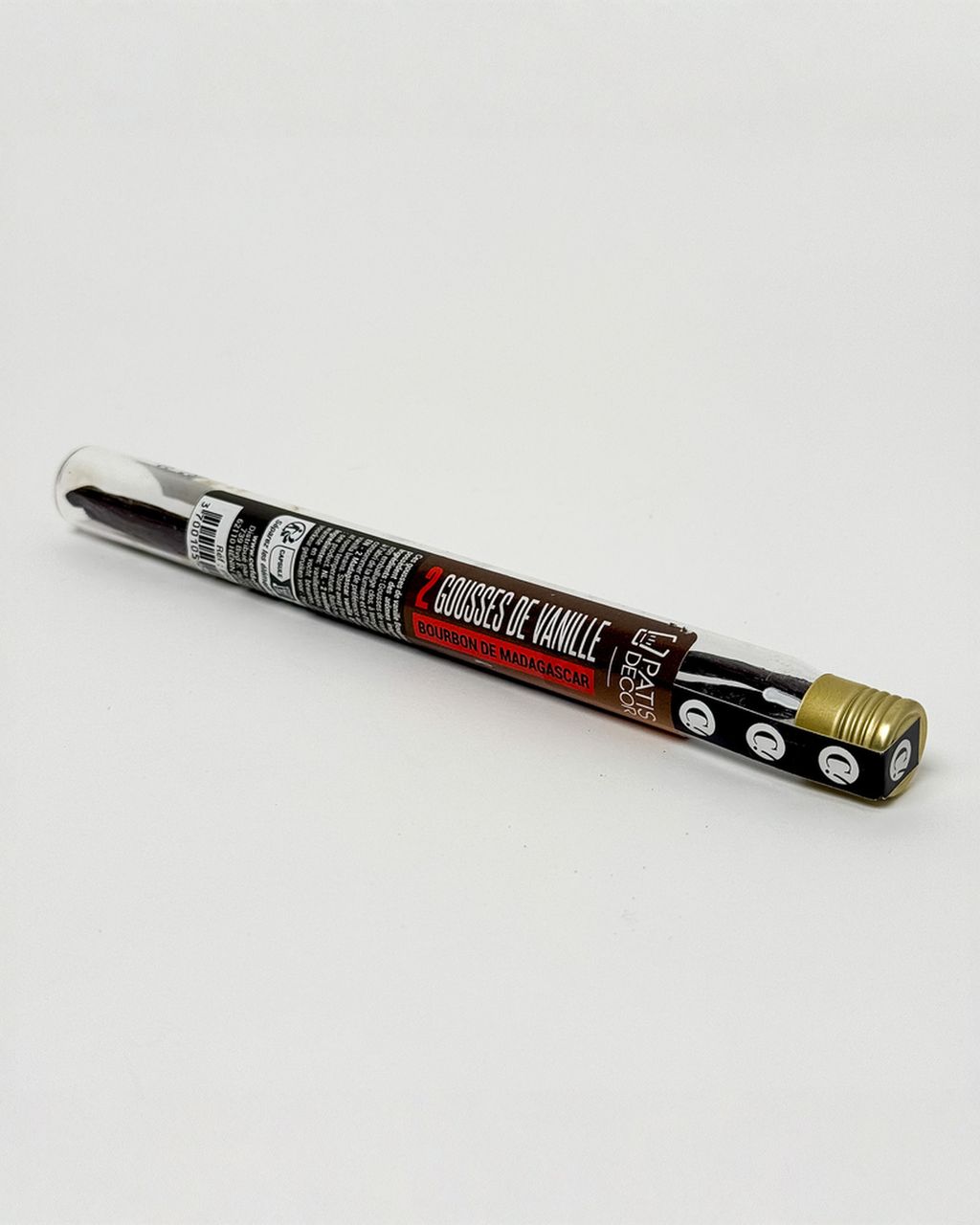
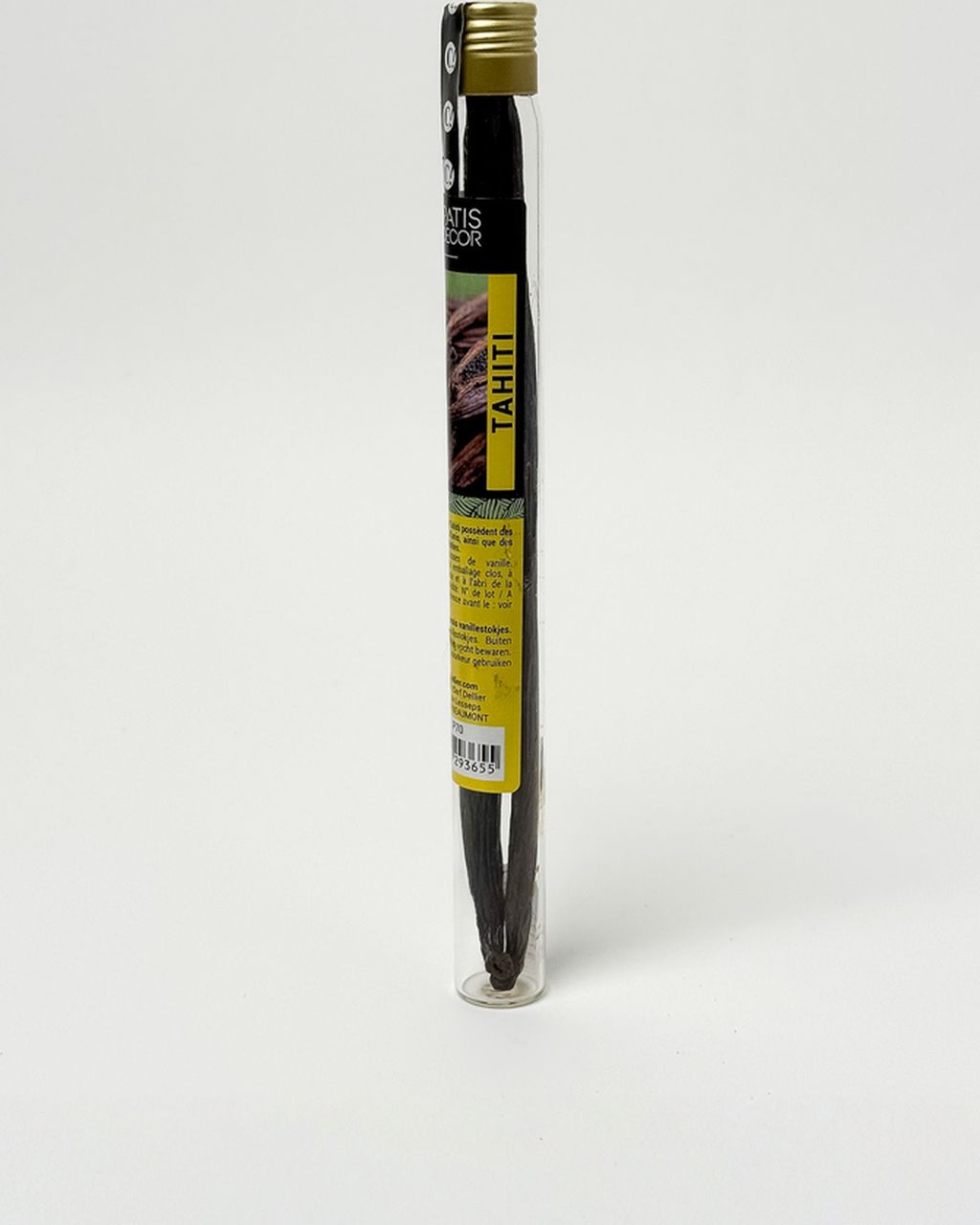
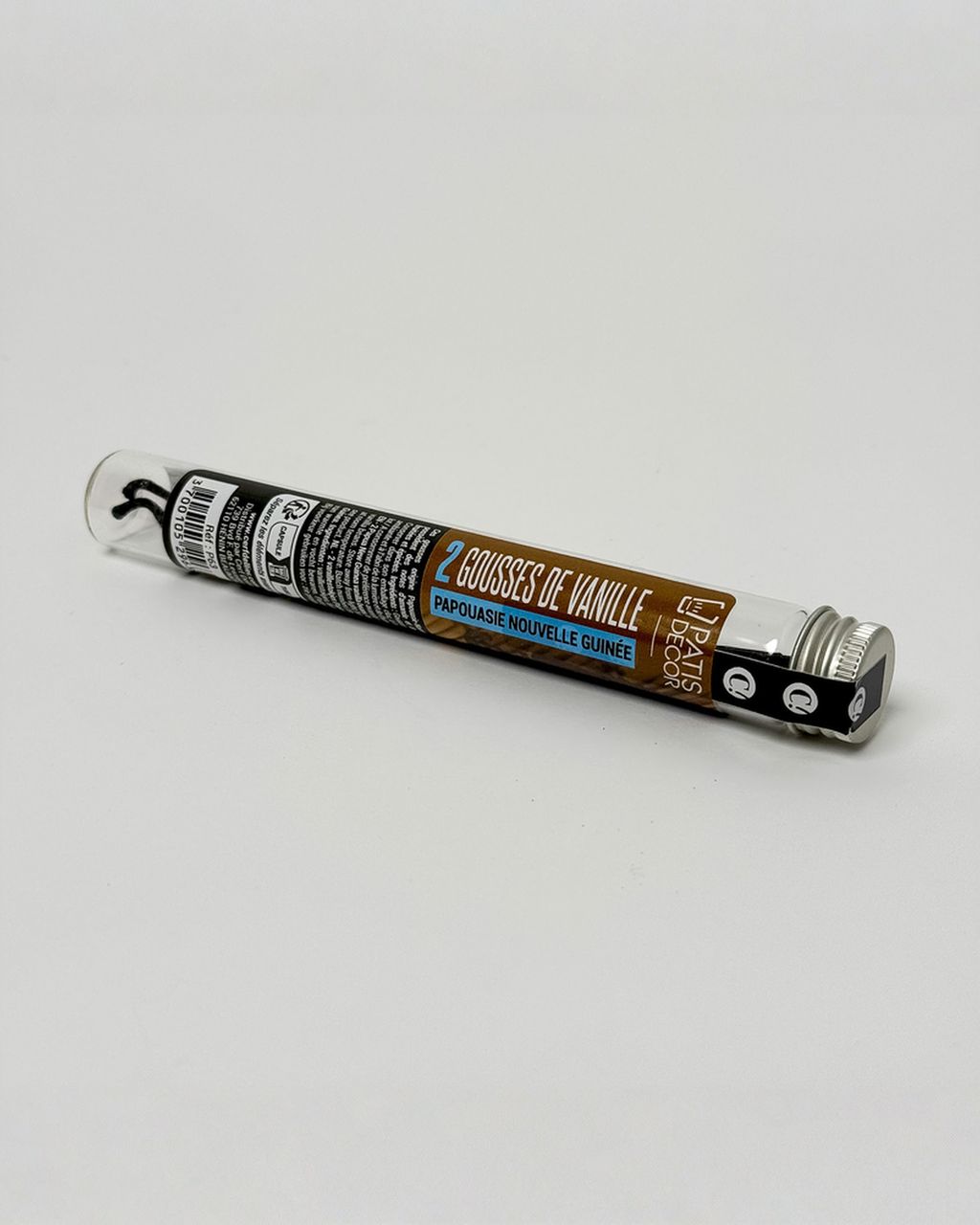
A vanilla pod gives the most flavour; vanilla sugar made with real vanilla is a good substitute, while vanillin sugar is the weakest option. Vanilla is the one Christmas spice that doesn't add warmth but roundness — it softens the sharp edges of the other spices and turns plain butter dough into proper Christmas cookies. Without it there'd be no vanilla crescent cookies and no proper crumbly linzer cookies.
Pod: scrape the seeds into your dough or custard. Pop the scraped-out pod into a jar of sugar, and in two weeks you'll have your own vanilla sugar.
Vanilla sugar vs. vanillin sugar: Vanilla sugar should contain real vanilla. The proportion varies a lot between brands, usually just a few percent, and is listed on the package. Vanillin sugar only smells of vanillin or ethyl vanillin. That kind of aroma is one-dimensional and fades fast during baking.
Origin changes the flavour: Madagascan bourbon vanilla is creamy and classic, Tahitian vanilla is floral and fruity.
In crescent cookies, vanilla goes mainly into the sugar coating rather than the dough itself — that's actually where you'll notice it most.
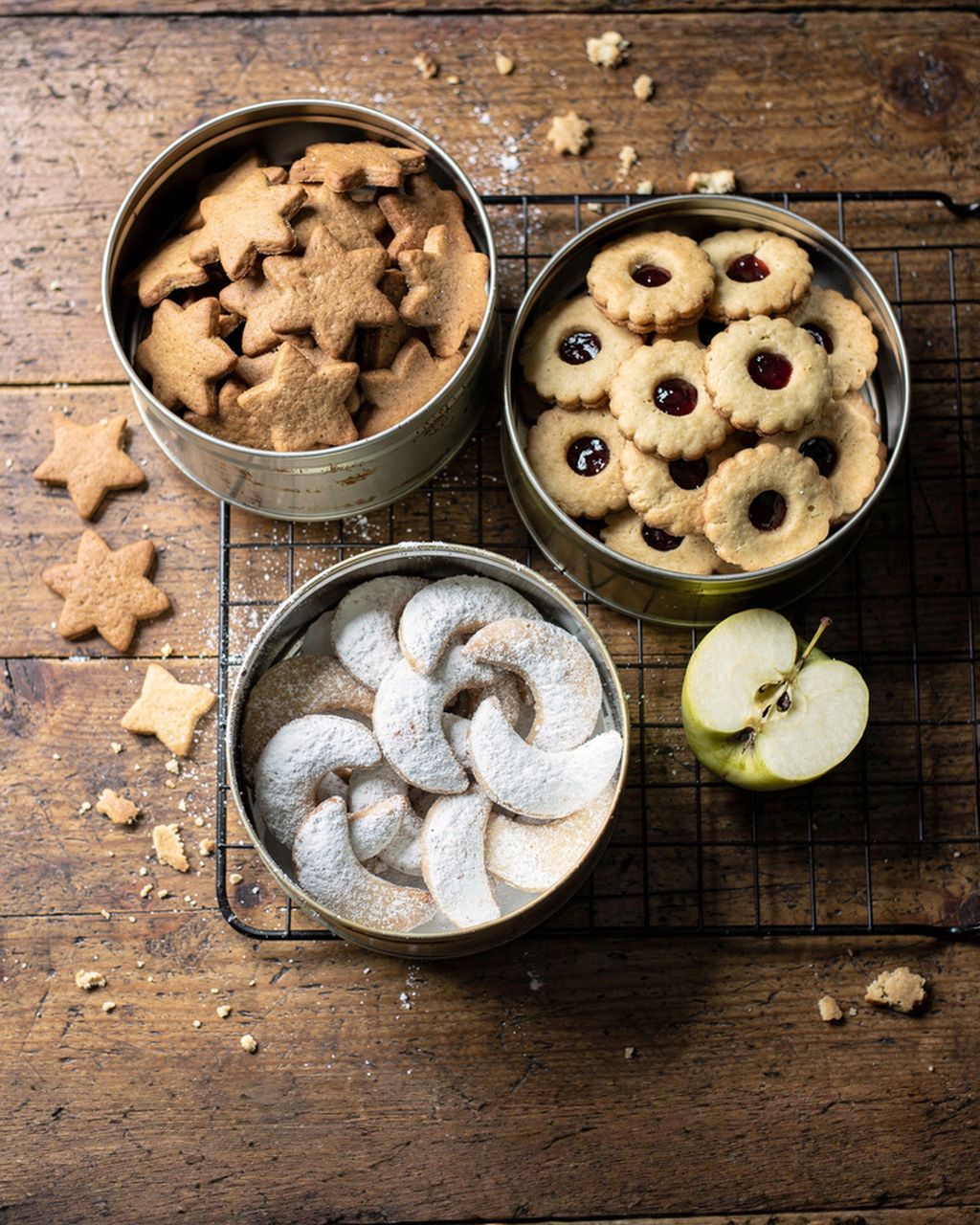
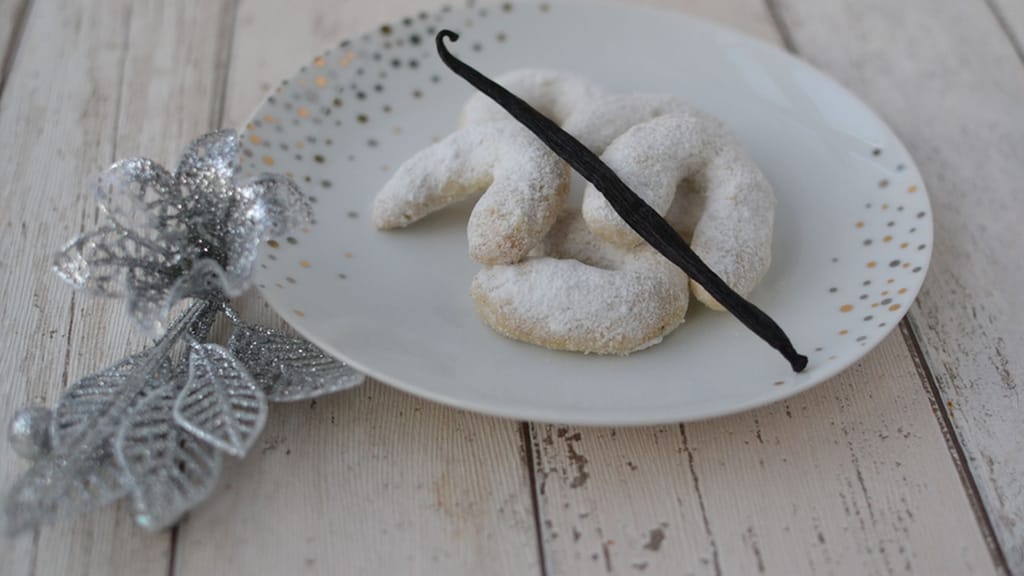
The best christmas cookies? vanilla crescents, of course!
Vanilla crescent cookies: the Christmas treat where vanilla takes centre stage
Gingerbread spice mix is a blend of Christmas spices built on a base of cinnamon. To that you add cloves, star anise, allspice, nutmeg, ginger and cardamom, sometimes anise, fennel or coriander too. Proportions vary by recipe, but the principle stays the same: cinnamon makes up about half, and the rest is smaller amounts of the stronger spices.
A homemade blend made from freshly ground spices smells miles better than a store-bought one. You'll find a tried-and-tested ratio in our homemade gingerbread spice mix recipe. If you're missing an ingredient, check out our article on gingerbread spice substitutes.
Gingerbread dough usually takes 1–2 tablespoons of the spice mix per 500 g of flour. Try it in soft honey gingerbread cookies that never go hard or in lactose-free sheet gingerbread. For the spices to really shine, the leavening needs to work properly too. Our article on baking soda in gingerbread explains why gingerbread calls for baking soda rather than baking powder.
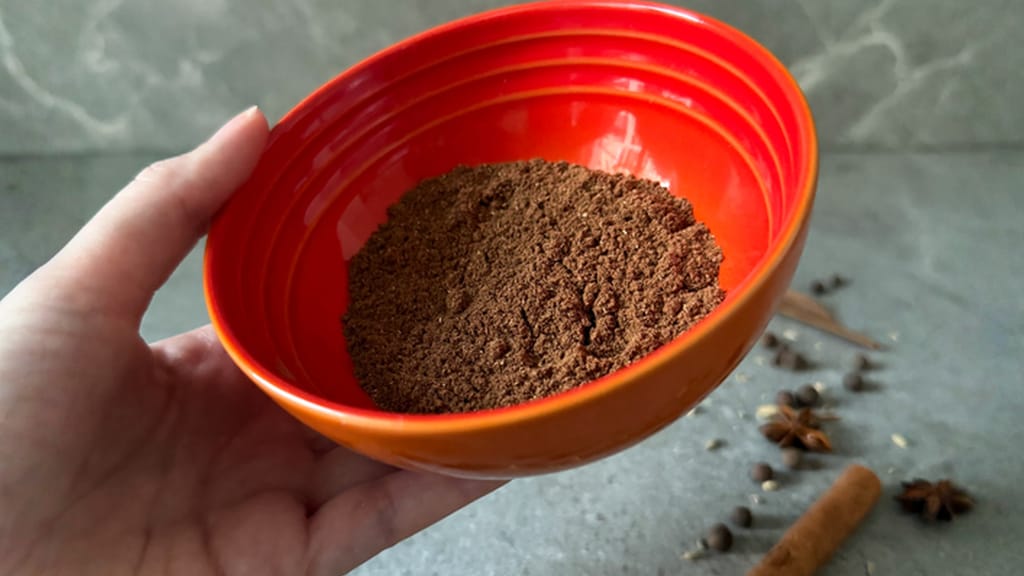
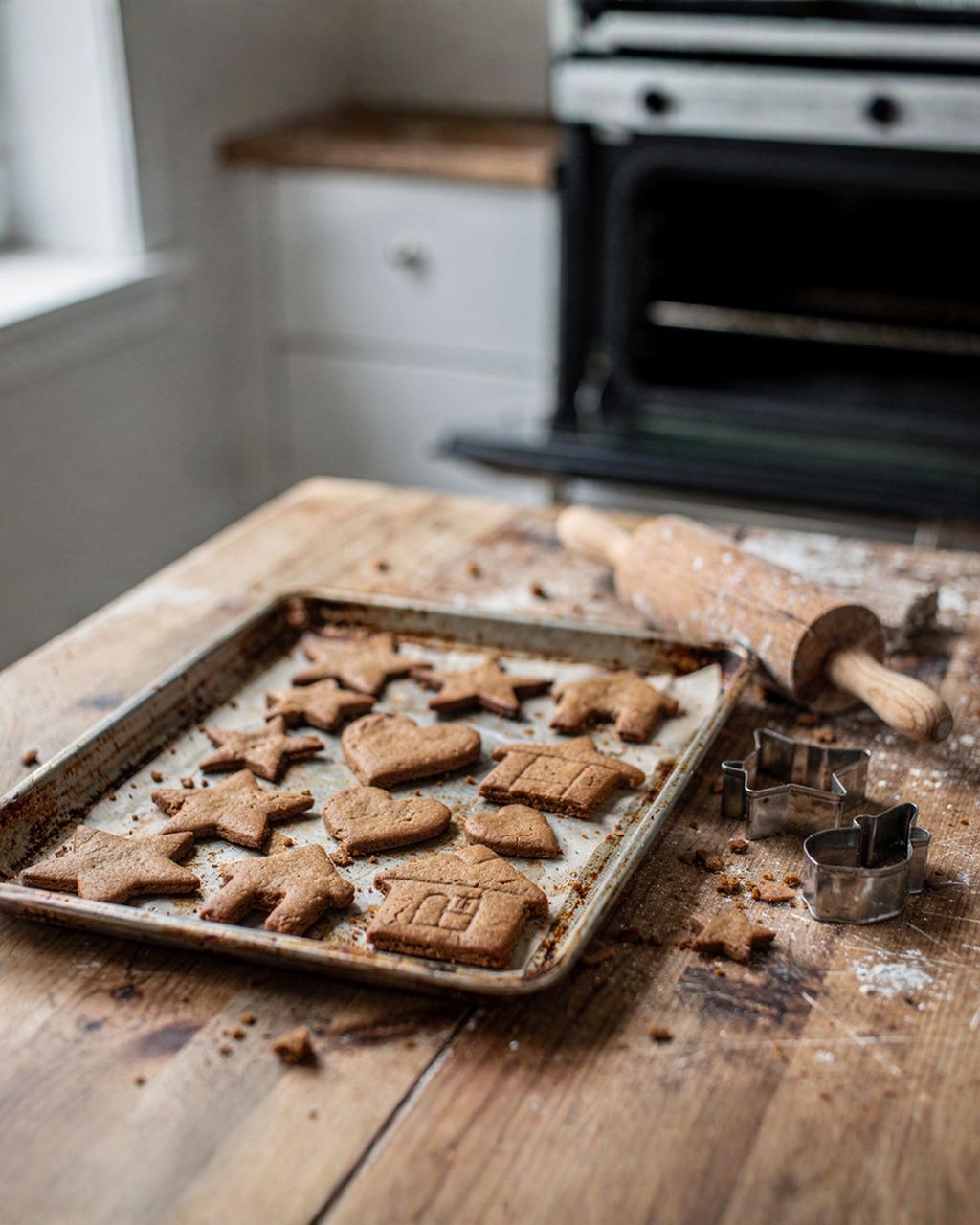
Homemade gingerbread spice: the best fragrant recipe
Homemade gingerbread spice mix: blend your own Christmas blend

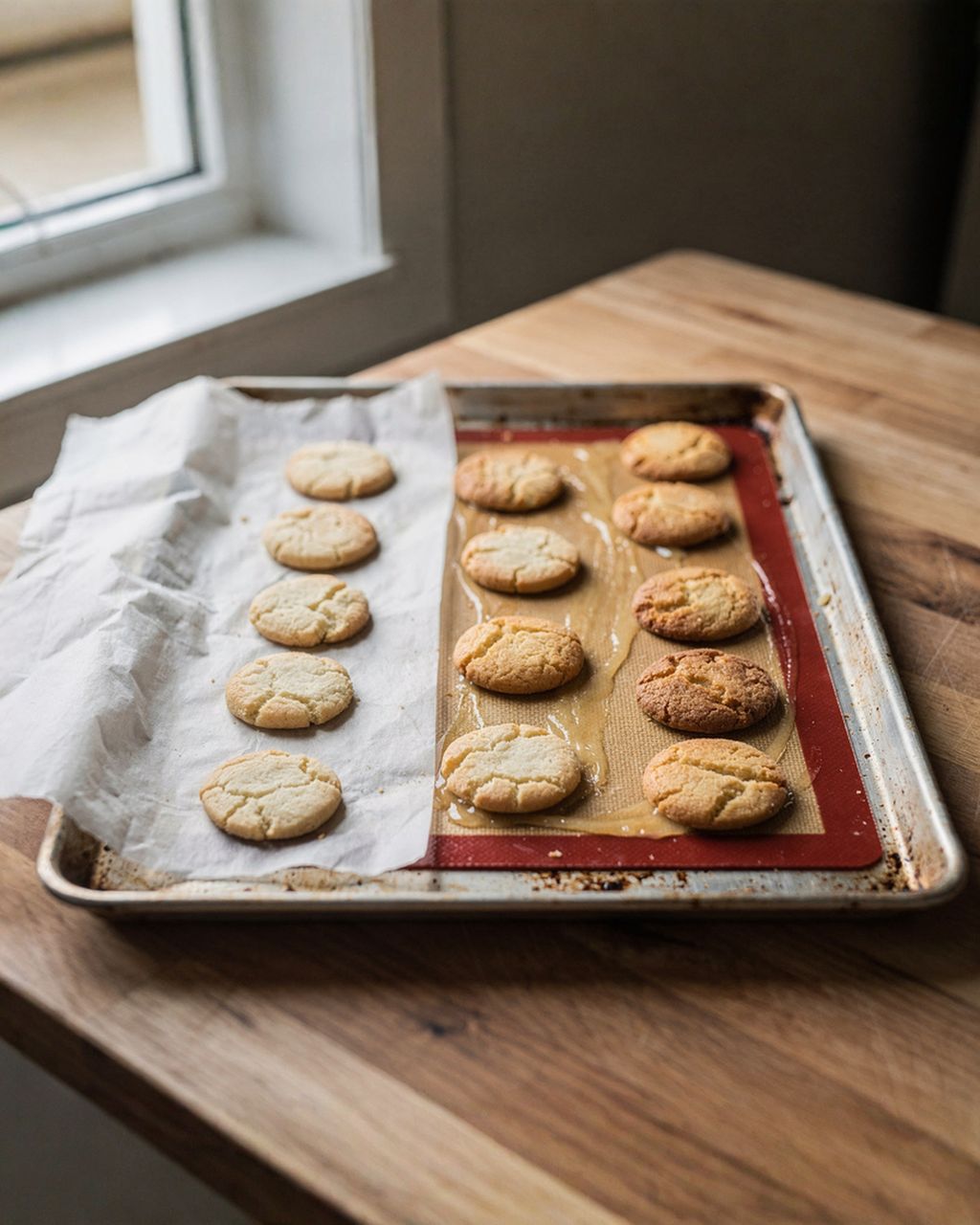
Soft honey gingerbread cookies that never go hard
Soft honey gingerbread cookies with spice mix that never go hard
Whole spices belong in liquids, ground spices in dough. Whole spices release their aroma slowly and can be fished out, so mulled wine and compotes stay clear rather than cloudy and bitter. Ground spices spread evenly through dough, which a whole seed or pod simply can't do.
Mulled wine, punch, compotes, syrups, braised cabbage: whole cinnamon, cloves, star anise, crushed cardamom pods.
Gingerbread, gingerbread cookies, linzer cookies, festive sweet bread: ground, ideally freshly ground.
Best approach: buy whole spices and grind them yourself in a coffee grinder or mortar. Aroma is released at the moment of grinding, and ground spice loses it gradually from then on.
Want more aroma? Toast whole spices dry in a pan for 1–2 minutes until fragrant, then grind them. Aromatic compounds dissolve better in fat, which is why spices really come through in buttery dough or in melted honey and butter rather than in water.
For 500 g of flour, this is usually enough: 1–2 teaspoons cinnamon, ½–1 teaspoon cardamom, ½–1 teaspoon ginger, ¼–½ teaspoon allspice, ¼ teaspoon cloves, a pinch to ¼ teaspoon nutmeg. Bitterness is almost always down to cloves or nutmeg, not cinnamon.
Start at the low end of the range. Only taste raw dough in a tiny pinch — even raw flour can carry bacteria.
Measure strong spices in a level teaspoon, not eyeballed straight from the bag.
Don't compensate for stale spices by adding more. Spices that have lost their punch lose the aroma but keep the bitterness. Doubling the amount just doubles down on bitter.
Cocoa and honey mellow spices out. You can lean toward the upper end in a dark honey gingerbread, but stick closer to the lower end in a pale buttery dough.
Vanilla crescent cookies want vanilla only, linzer cookies want vanilla with lemon zest, gingerbread cookies want gingerbread spice mix, honey cake wants cinnamon with cloves, and festive sweet bread wants mace and lemon zest. Pile on spices that don't belong, and the cookies stop tasting like themselves:
Linzer cookies: vanilla and lemon zest, nothing more. Technique matters a lot here too. Our article on linzer dough and egg yolks explains why only yolk goes into linzer dough, and if yours keeps crumbling, crumbly linzer dough fixes can help.
Vanilla crescent cookies: vanilla in both the dough and the coating sugar.
Gingerbread cookies: gingerbread spice mix, honey, and lemon zest if you like. For keeping them soft, see why gingerbread cookies go hard and how to store gingerbread cookies so they soften.
Honey cake and honey cookies: cinnamon, cloves, a touch of allspice, such as in honey cake balls.
Festive sweet bread: mace or nutmeg, lemon zest, and cardamom for the more adventurous.
Nut cookies: cinnamon suits nuts well, but use it sparingly. Even hollow nut crescents can only take a pinch.
For timing your baking so the spices have time to 'mature' without the cookies drying out, check our cookie baking calendar by type.
Store Christmas spices in a sealed, opaque container, somewhere dry, cool and away from the stove. Ground spices lose their aroma much faster than whole ones. Ground spice is at its best for about a year; whole spice lasts considerably longer. If ground cinnamon barely smells of anything after rubbing it between your fingers, it's past its best for cookies.
A practical approach is to buy whole spices once a year before Christmas and grind them as needed. Our article on how to store spices to keep their aroma covers this in detail.
Mulled wine calls for whole cinnamon, cloves, star anise and orange zest, plus crushed cardamom pods or a slice of fresh ginger if you like. For a litre of wine, one cinnamon stick, 3–5 cloves and 1–2 star anise pods are enough. Just warm the wine gently, don't boil it — boiling burns off the alcohol and pulls bitterness out of the cloves.
Anise seed is the best substitute for star anise: use about ½ teaspoon of seeds in place of one star, adjusting to taste. A pinch of fennel works too. In mulled wine you can even skip star anise altogether and add more orange zest instead — the flavour will be less liquorice-forward but still festive.
Gingerbread dough with Christmas spices can be wrapped in cling film and kept in the fridge for roughly 1–3 days. Resting lets the dough settle and makes it easier to roll out. Let it sit at room temperature for about half an hour before rolling, since cold dough tends to crack.
The aroma of Christmas spices in gingerbread only fully develops after a few days, as the aromatic compounds gradually spread through the fat and honey in the dough. Once the cookies rest in a sealed tin, the spice flavour mellows and evens out, and the cookies soften at the same time.
Yes — most Christmas spices have a firm place in savoury cooking as well: cloves and allspice in braised red cabbage and beef sirloin in cream sauce, star anise with duck and goose, nutmeg in mashed potatoes and béchamel, and cinnamon in game marinades.
One recipe worth heating the oven for, one tip, and one deal from the shop. Nothing else.