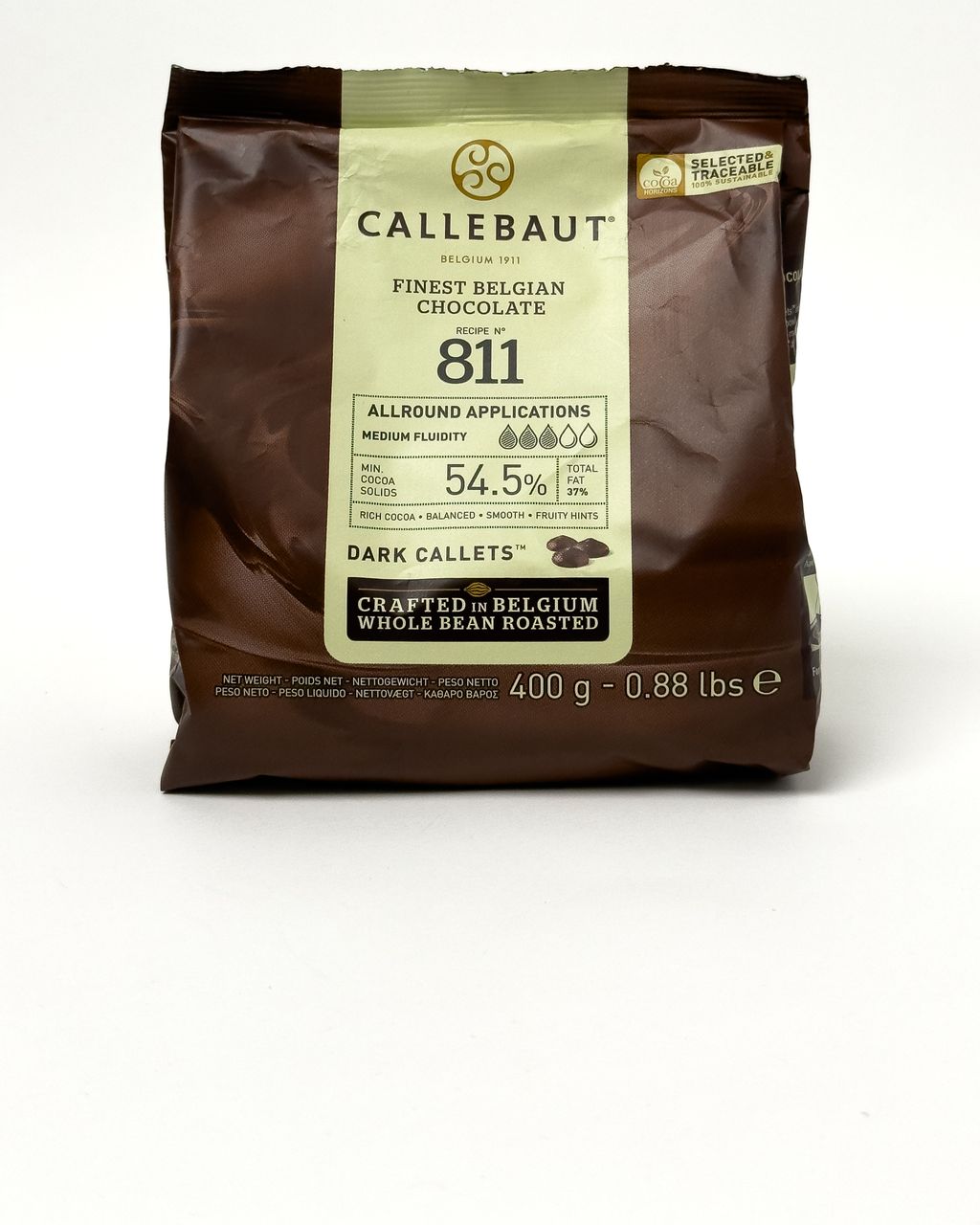
Callebaut Dark Chocolate Callets (811) 400g
Chocolate Lollipops: How to Mold, Decorate, and Wrap Them as Gifts
Updated Oct 15, 2026
You only need three things to make chocolate lollipops: tempered chocolate, lollipop sticks, and a mold (or just parchment paper). A 2-inch (5 cm) disc uses about 15–20 g of chocolate, sets in 20–30 minutes, and keeps for several weeks in a bag as a gift. What matters most is tempering and knowing when to add the decorations. Below you'll find the whole process, including what to do when a lollipop turns gray or won't come out of the mold.
For chocolate lollipops you need chocolate, sticks, a mold or parchment paper, and decorations. Specifically:
Chocolate: allow 15–20 g per lollipop that's 4–5 cm (1.5–2 inches) across, so 300 g makes about 15 lollipops.
Sticks: paper or wooden, 10–15 cm (4–6 inches) long.
Mold: a silicone or polycarbonate lollipop mold with a groove for the stick. If you don't have one, parchment paper or a silicone mat will do.
Decorations: sugar sprinkles, dried edible flowers, or chocolate coloring.
Packaging: clear bags and twist ties or ribbon.
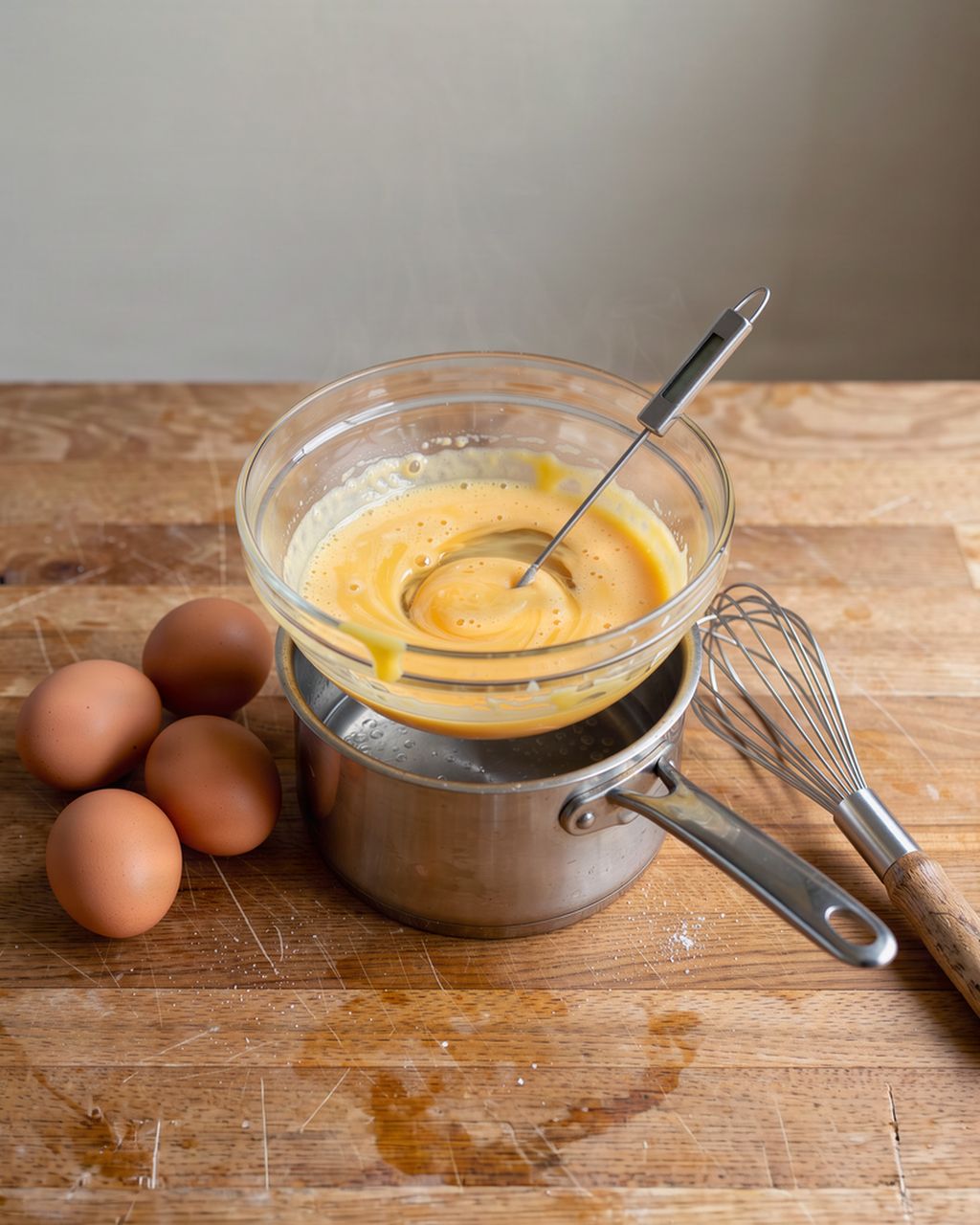
Thermometer: without one, you can't reliably temper chocolate.
The best choice for lollipops is real chocolate (couverture) that you temper. Only tempered chocolate sets glossy and firm, with a clean snap, releases from the mold by itself, and doesn't turn soft in your hand right away. You'll find the tempering method in our guide how to temper chocolate for a perfect shine, so we won't repeat it here.
Three chocolates that make lollipops easiest:
Callebaut 811 dark (54.5% cocoa) is the most forgiving to start with. It tempers well, is fluid enough to fill the mold, and lasts the longest.
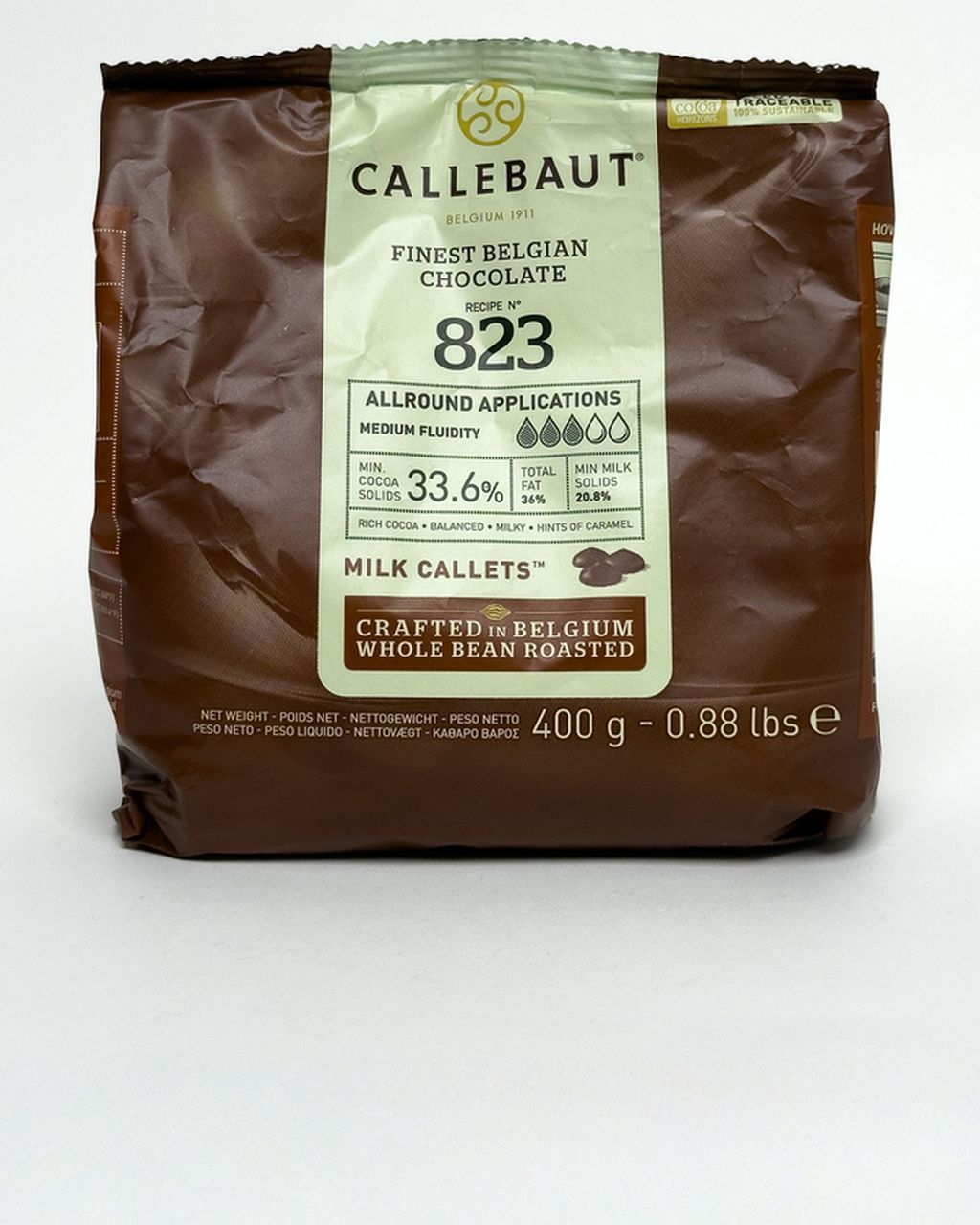
Callebaut 823 milk is a hit with most kids. It tempers at a lower temperature than dark and is more sensitive to overheating.
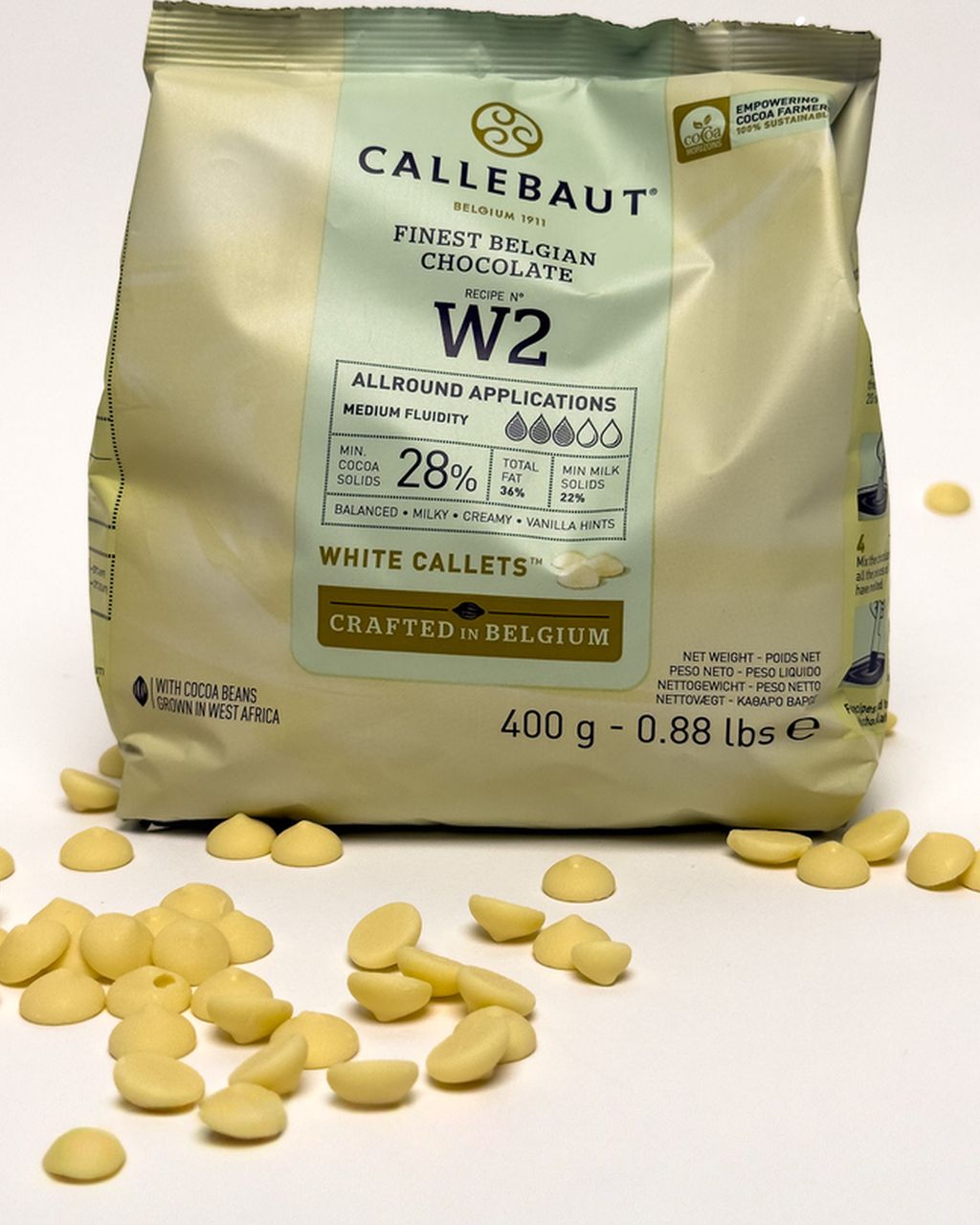
Callebaut W2 white is the ideal base for colored lollipops, and flowers stand out best against it. Of the three, though, it overheats most easily, so melt it slowly.
For how the Callebaut numbers differ, see the article Callebaut 811, 823, W2 and RB2. You'll find more chocolates for molding among our baking and decorating chocolates.
What about bar chocolate or compound coating? Cocoa coating made with vegetable fat (and similarly colored "candy melts") doesn't need tempering. You melt it, pour it into the mold, and it sets. That works for lollipops for small children, but it tastes waxy, has no snap, and the shine is different. We don't sell it, and we wouldn't put it in a gift. Supermarket bar chocolate can be tempered, but it tends to be thicker, so it's harder to pour into the stick groove.
You mold lollipops in six steps: prepare the mold, fill it, insert the sticks, tap out the bubbles, let the chocolate set, and unmold the lollipops.
Prepare the mold. It must be clean, completely dry, and at room temperature, ideally 18–22 °C (64–72 °F). Polish a polycarbonate mold with a cotton ball and the lollipops will come out with a mirror shine. A drop of water or a cold mold causes dull spots.
Fill the cavities with tempered chocolate right up to the rim. It's most precise from a piping bag with the tip snipped off; with a teaspoon it's slower and drips more.
Insert the stick into the groove and turn it once so it's coated with chocolate. The end of the stick should reach at least halfway into the lollipop, that is, 2–3 cm (about 1 inch). A shorter stick will wobble in the lollipop.
Tap out the bubbles. Rap the mold on the countertop several times. The bubbles rise to the top and the face of the lollipop stays smooth.
Let the chocolate set. At 16–20 °C (61–68 °F) this takes 20–30 minutes. Then put the mold in the fridge for 10–15 minutes so the chocolate contracts and releases. Don't leave it there any longer, or moisture will condense on it when you take it out.
Unmold the lollipops by turning the mold over a clean kitchen towel. If the tempered chocolate has set properly, they'll drop out on their own. If they stick, the problem was the tempering, not the mold.
Without a mold, you make the lollipops freehand on parchment paper: spoon out a disc of chocolate, press a stick into it, and drizzle a little more chocolate over the stick. For a gift they're often even prettier, because every lollipop is a little different.
Lay parchment paper or a silicone mat on a baking sheet. Space the sticks out ahead of time, 8–10 cm (3–4 inches) apart.
Pour about 15 g of chocolate with a tablespoon onto the end of each stick and spread it with a circular motion into a disc 4–5 cm (1.5–2 inches) across and roughly 5 mm (¼ inch) thick. A thinner disc will break; a thicker one is hard to bite.
Cover the stick with another teaspoon of chocolate so it's coated on all sides.
Scatter on the decorations right away, while the surface is still glossy and wet (more in the next section).
Let the lollipops set at room temperature, and only then lift them carefully off the paper.
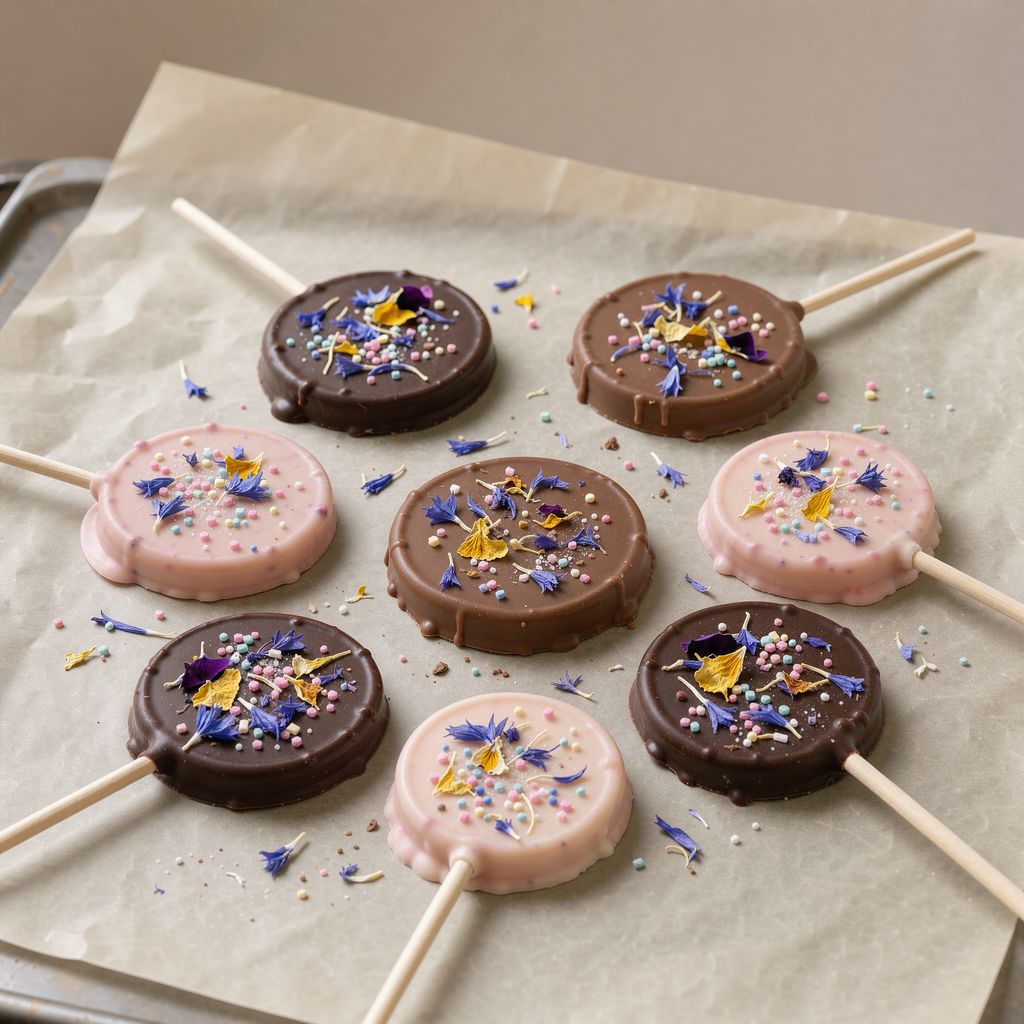
You can decorate chocolate lollipops in four ways: with sugar sprinkles, dried edible flowers, colored chocolate, and contrasting stripes. For all of them, add surface decorations within 1–2 minutes of pouring, before the chocolate sets. After that they won't stick. The exception is stripes, which go on a lollipop that has already set.
Sprinkles and flowers go on wet chocolate right after pouring. On molded lollipops, put them on the back; on lollipops made on paper, on the top.
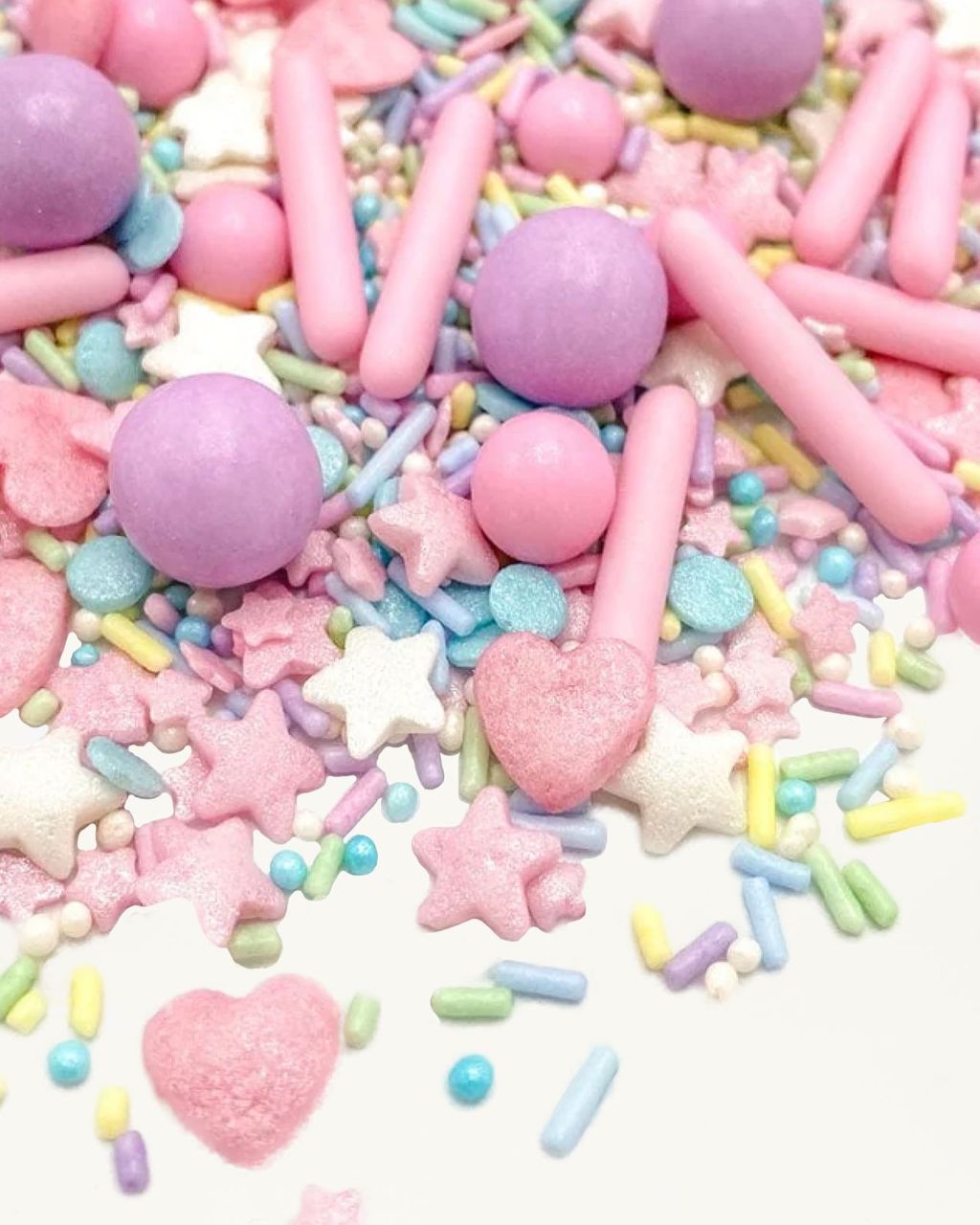
Sugar sprinkles (pearls, sticks, confetti) should be scattered from a height of 10–15 cm (4–6 inches) so they spread evenly. A pinch per lollipop is enough, about 1 g. More looks like a heap and falls off.
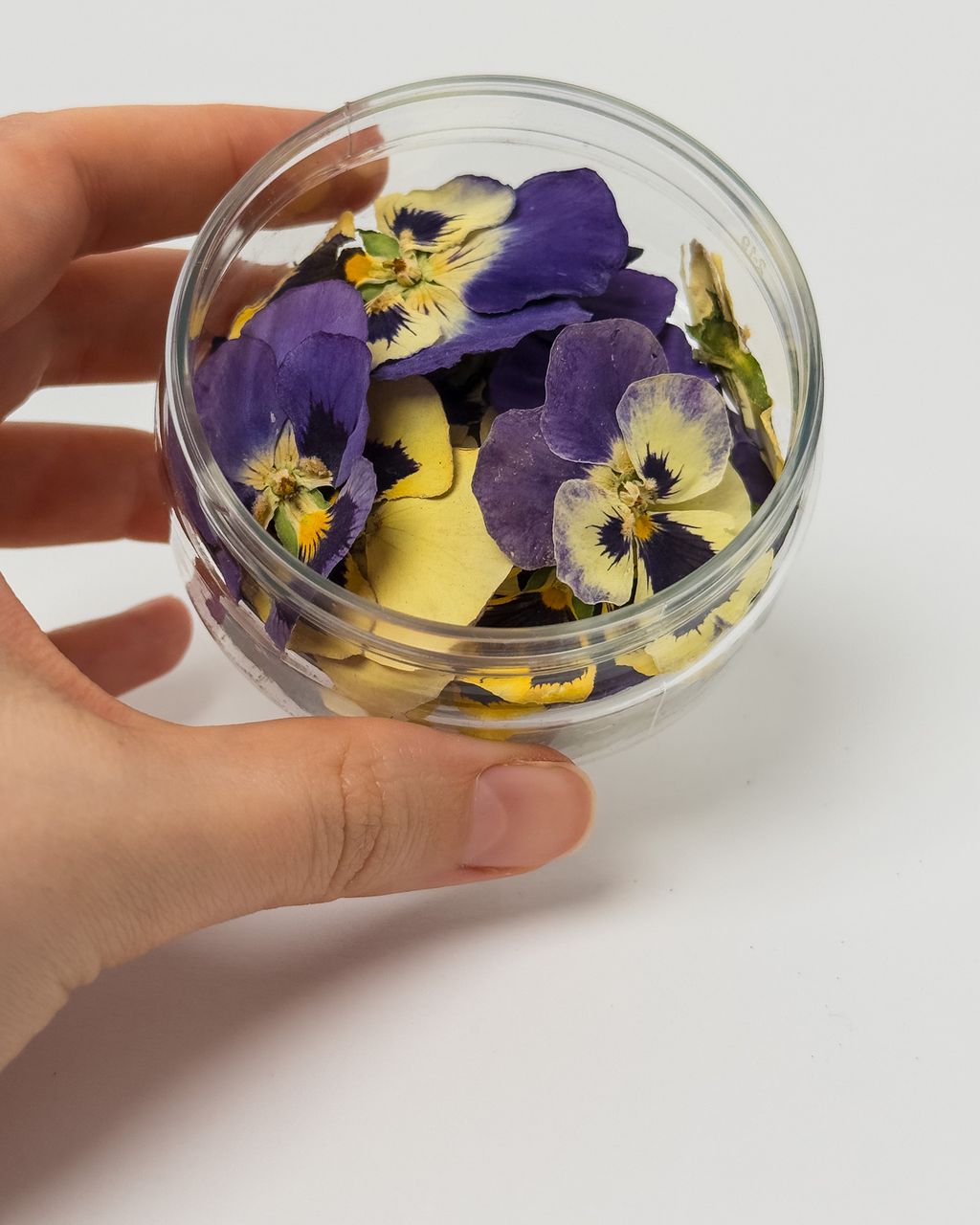
Rosie Rose dried flowers (pansies or cornflowers): place them with tweezers and press lightly with a finger so the petals stick over their whole surface. One whole pansy on a 5 cm (2 inch) lollipop looks better than ten little bits. On white chocolate a blue cornflower stands out; on dark, a yellow daisy.
You can also put a flower in the mold first. Lay it face down on the bottom of the cavity and only then pour in the chocolate. The flower will then be smoothly set into the face of the lollipop. This only works with flat, completely dry petals.
Flowers must be dried and meant for eating. Fresh flowers release moisture into the chocolate and the lollipop starts to spoil around them. If you'd like sugared flowers, you'll find the method in the article sugared edible flowers.
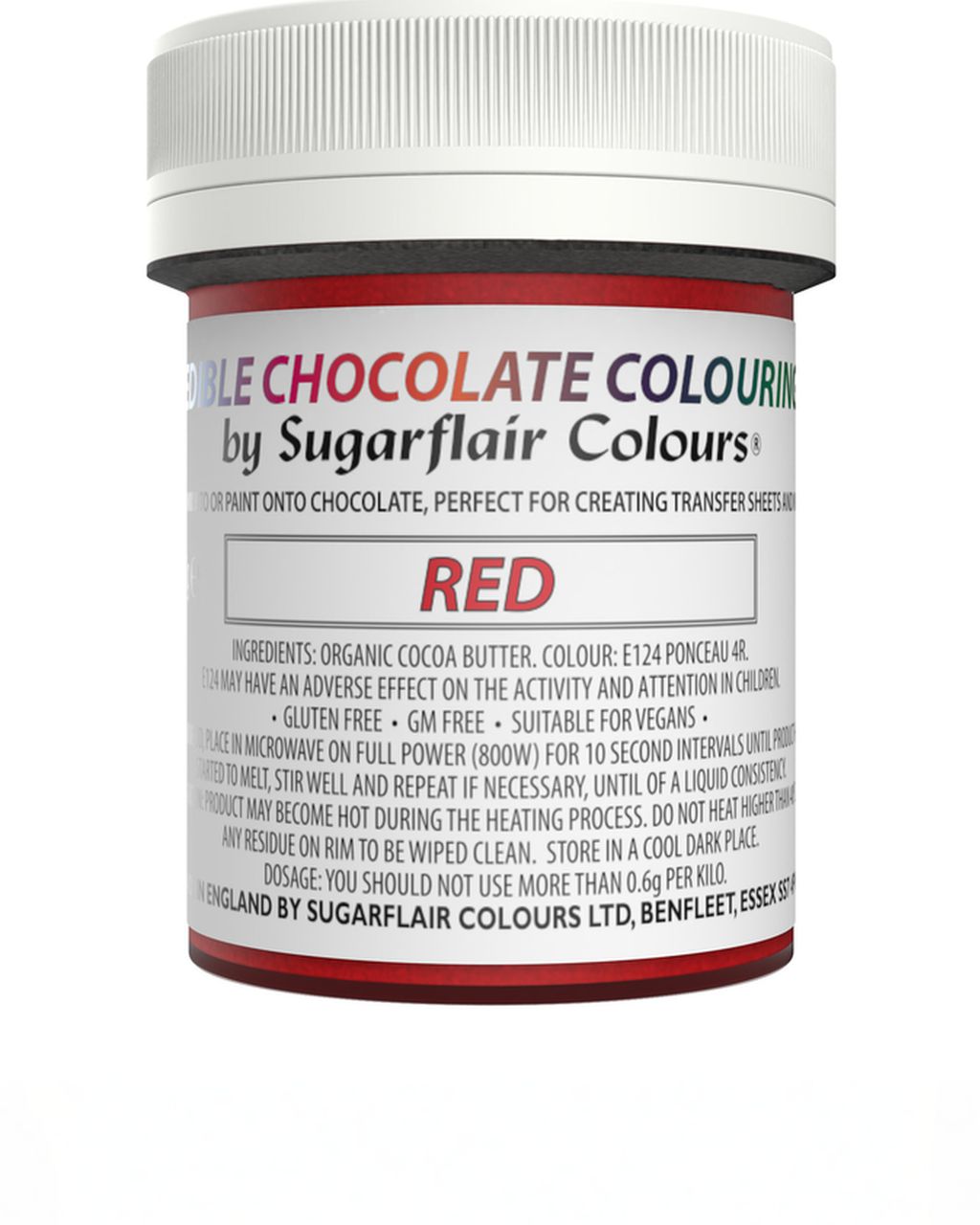
Color white chocolate only with oil-based chocolate coloring, for example Sugarflair. Gel or liquid coloring contains water, and the chocolate thickens and seizes. Why that happens is explained in the article oil-based or gel coloring.
Add the coloring to melted white chocolate in small amounts. A few drops per 100 g give a pastel shade; a deep red needs much more.
Stir the coloring in before tempering, or warm it beforehand to the chocolate's working temperature. Cold coloring would throw the chocolate off.
Two-tone effect: drip a little colored chocolate into the mold cavity, spread it with a brush or a gloved finger, let it set, and pour white or dark chocolate over it. The same mold painting is used to make colored pralines.
You make stripes by drizzling thin lines of a different-colored chocolate over a set lollipop. Pour some melted white chocolate into a piping bag, snip off a 1–2 mm tip, and move back and forth over the dark lollipops. This is the opposite of sprinkles: the lollipop should already be set, or the lines will bleed.
Wrap each chocolate lollipop separately in a clear cellophane or polypropylene bag and tie it tightly just below the lollipop. The bag protects the chocolate from moisture, odors, and fingerprints.
Wrap only once fully set. After unmolding, leave the lollipop at room temperature for another hour. If you wrap it cold from the fridge, moisture condenses on it inside the bag.
Bag size: for a 5 cm (2 inch) lollipop, a bag of about 7 × 15 cm (3 × 6 inches) works well. In a big bag the lollipop rolls around and the sprinkles rub off.
Tie with a twist tie, not just ribbon. A ribbon with a bow looks pretty, but it doesn't close the bag on its own. Twist tie inside, ribbon over it.
Stand them upright in a box. Push several lollipops together into a piece of polystyrene foam or a jar of sugar or cocoa beans so they don't rub against each other.
A label with ingredients. If you're giving the lollipops to others, note the type of chocolate and the allergens: milk (it may be present in trace amounts even in dark), nuts in the sprinkles, and the type of flowers.
Hot chocolate bombs go nicely with lollipops in a gift. The method is similar, except you pour into hemispheres. And if you'd like clear lollipops in the set too, read how to make homemade sugar lollipops.
Wrapped chocolate lollipops made with tempered chocolate keep for several weeks to months at 15–18 °C (59–64 °F), in a dry, dark place. Dark keeps longest; milk and white for a shorter time. Appearance changes sooner than flavor, though, so if they should look good as a gift, give them within 2–4 weeks.
Don't put them in the fridge. When you take them out, moisture condenses on them and dissolves sugar on the surface, which turns white as it dries. This is called sugar bloom.
Watch out for heat. Above 25 °C (77 °F) chocolate softens, and when it sets again, fat rises to the surface and the lollipop turns gray. Don't leave them on a windowsill above a radiator or in the car.
Sprinkles and dried flowers don't shorten shelf life as long as they're dry. Fresh fruit, nut paste, or filling cuts it to a few days.
The article how to store chocolate and why it turns gray covers this in more detail.
Almost all lollipop problems have three causes: poorly tempered chocolate, moisture, and temperature shock.
The lollipop won't release or has dull spots: the chocolate wasn't tempered, or the mold was cold or damp. Before pouring, test the tempered chocolate on a strip of paper. At 20 °C (68 °F) it should set glossy within 5 minutes.
Gray streaks or a white film the day after unmolding: fat bloom from untempered or overheated chocolate. The flavor is fine, but it's no longer suitable as a gift. Melt the lollipop and mold it again.
The lollipop cracked: the mold went from room temperature straight into the freezer, or the lollipop is too thin. Chill only in the fridge, and for no more than 15 minutes.
The stick wobbles or falls out: it didn't reach far enough into the lollipop, or it wasn't coated with chocolate. Push it in 2–3 cm (about 1 inch) deep and turn it in the chocolate.
White chocolate turned into a thick paste: it overheated, or water or gel coloring got into it. Melt white chocolate below 45 °C (113 °F) and color it only with oil-based coloring.
From 400 g of chocolate you can make roughly 20–25 lollipops, 4–5 cm (1.5–2 inches) across, since each one uses 15–20 g. For tempering, though, melt more than you plan to pour. A small amount is hard to keep at a steady temperature, and some chocolate will stay behind in the bowl and on the spatula anyway.
You can mail chocolate lollipops, but only in the cooler months. When it's above 20 °C (68 °F) outside, they may soften and turn gray on the way. Wrap each lollipop separately in a bag, place them upright or flat between layers of bubble wrap in a sturdy box, and send them with the shortest delivery time possible.
Both paper and wooden sticks work for chocolate lollipops, and both hold the chocolate well. Paper sticks are white and smooth, and they fit the grooves of most molds. Wooden sticks are sturdier, so they suit large, heavy lollipops over 30 g better. Plastic sticks, made for hard-candy lollipops, grip chocolate less well because they're smoother.
We don't recommend freezing chocolate lollipops. After thawing, moisture condenses on them and the surface turns white with sugar bloom. If you have to freeze them, keep them wrapped in a sealed bag and a tin as well, and thaw them gradually: overnight in the fridge, then several more hours at room temperature, and only then unwrap them.
Chocolate lollipops are great to make with kids. Just keep the tempering and pouring of the chocolate for yourself. Kids can handle the decorating: sprinkling, placing dried flowers, and tying the bags. For very little helpers, you can use cocoa coating instead of tempered chocolate. It doesn't need tempering and is more forgiving of mistakes, though the flavor is weaker.
One recipe worth heating the oven for, one tip, and one deal from the shop. Nothing else.