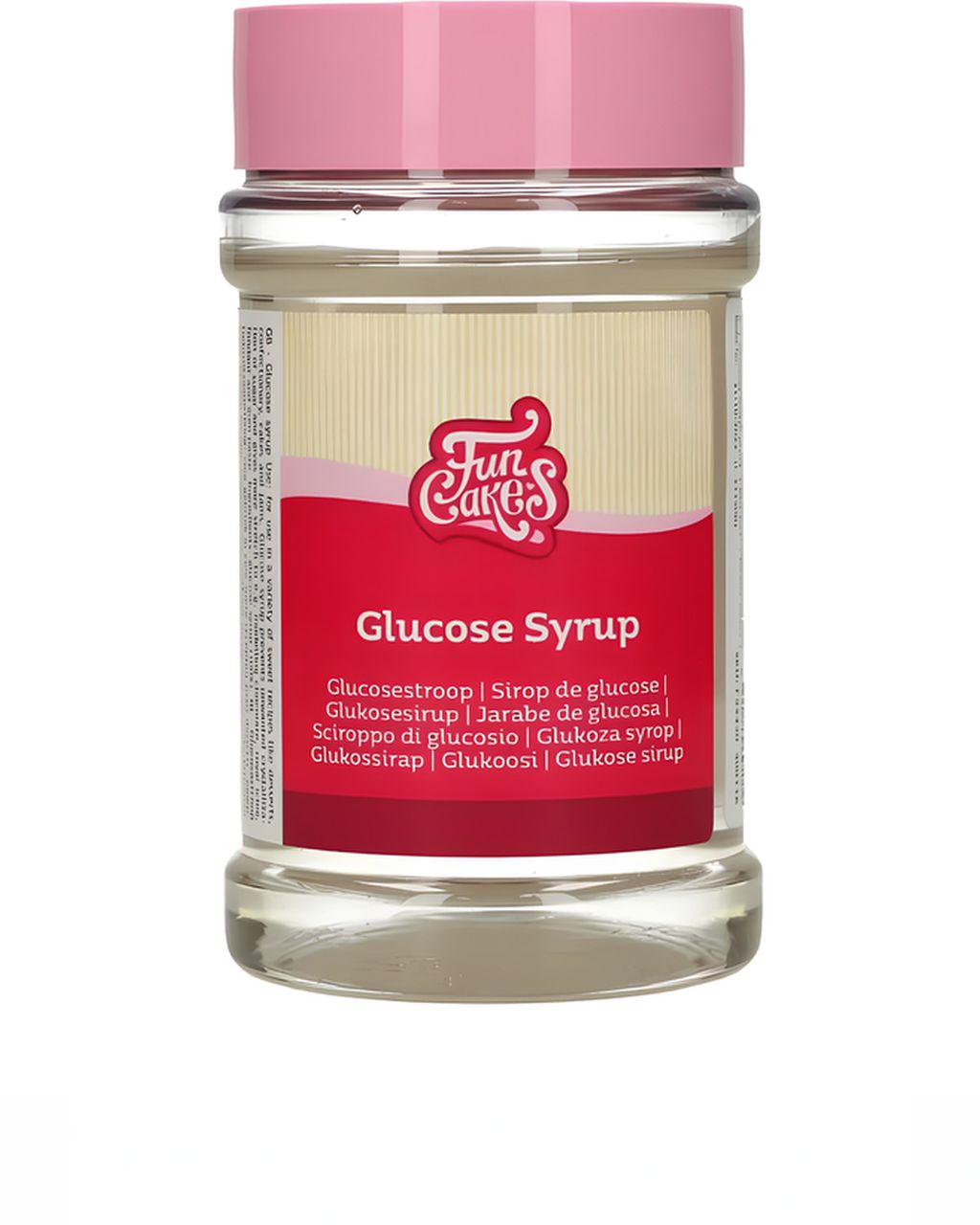
FunCakes Glucose Syrup (375 g)
Homemade Lollipops: Temperature, Glucose Syrup & Colors
Updated Oct 15, 2026
Homemade lollipops turn out when you get three things right: cook the syrup to 150–155 °C (302–311 °F), add glucose syrup so the sugar doesn't crystallize, and stir in the color only after taking the pan off the heat. The whole thing takes about 30 minutes, and all you need is sugar, water, glucose syrup and a mold. We'll show you why each of these matters, how to manage without a thermometer, and how to store the lollipops so they don't turn sticky.
To 150–155 °C (302–311 °F), the hard crack stage. At this temperature the syrup has only about 1–2% water left, so as it cools it sets into a hard, glassy, clear lollipop.
Here's what happens if you miss the mark:
below 145 °C (293 °F) – the lollipop stays chewy, sticks to your teeth and turns damp within a few hours in the open air,
150–155 °C (302–311 °F) – hard, brittle, clear, and it snaps cleanly,
above 160 °C (320 °F) – the sugar starts to caramelize, turning yellow and then brown. That's fine for caramel lollipops, but not for pale pink or mint ones – a yellow base will dull your color.
The surest option is a digital probe thermometer with a range up to 200 °C (392 °F) that reads directly in the syrup. An oven thermometer won't do. In a very small amount of syrup (a pan with the bottom covered by just a few millimeters) the thermometer will give you a nonsense reading, so cook at least 200 g of sugar in a smaller, heavy-bottomed saucepan.
A reliable base is 200 g sugar, 70 g glucose syrup and 70 ml water. This makes roughly 10 lollipops, 5 cm (2 in) across (about 20–25 g each).
Sugar – ordinary granulated sugar. Powdered sugar dissolves less easily, creates dust, and some kinds contain an anti-caking agent that can make the syrup cloudy – go with granulated.
Water – it only dissolves the sugar and then evaporates completely. More water does no harm; it just takes longer to cook off.
Glucose syrup – roughly a third of the weight of the sugar (a sugar-to-glucose ratio of about 3:1). Less raises the risk of graininess, while more makes the lollipops softer and stickier.
The method in brief: heat the sugar, water and glucose syrup in a saucepan and stir only until the sugar dissolves. Then stop stirring completely and cook to 150 °C (302 °F). Wash any sugar crystals off the sides of the pan with a brush dipped in water – one forgotten crystal can set off graininess in the whole batch.
Glucose syrup keeps the sugar from crystallizing again. Pure sucrose has a strong tendency to link back up into crystals. Molecules of glucose and longer sugars get in its way, so the syrup sets like glass instead of turning into a cloudy, crumbly mass.
Several alternatives are used at home. They don't all work equally well:
Glucose syrup – the most reliable, neutral in flavor and clear. A 375 g pack is enough for roughly five batches. You'll find it among the sugars and syrups for confectionery.
Corn syrup – used in American recipes, and basically the same thing. It's harder to track down here.
Invert sugar – it also prevents crystallization, but it strongly draws moisture from the air, so the lollipops turn sticky faster. It's great for gingerbread or ganache, but in lollipops use it to replace no more than half of the glucose. We go over the differences in the article Invert Sugar as a Sugar Substitute.
Lemon juice or citric acid – about 1/4 teaspoon of lemon juice (or a pinch of citric acid) per 200 g of sugar. It breaks down some of the sucrose during cooking, so it works, just less reliably than glucose. The lollipops tend to be yellowish and stickier.
Honey – tasty, but it browns and caramelizes at 150 °C (302 °F). It isn't suited to clear, colorful lollipops.
Drop half a teaspoon of syrup into a glass of ice water. At the hard crack stage it sets instantly into brittle threads that snap sharply between your fingers and aren't sticky. You can often even hear the syrup crackle in the water.
Here's what you'll see at the other stages:
the syrup gathers into a soft ball in the water that you can squish with your fingers – the soft ball stage (about 112–116 °C / 234–241 °F); the syrup still has a long way to go, so keep cooking,
pliable threads that bend and stick to your teeth – the soft crack stage (about 132–143 °C / 270–290 °F); keep cooking,
the threads snap, but the syrup in the pan is already turning yellow – it's over 160 °C (320 °F), too late for clear colors.
The test is approximate and depends on how cold the water is. For every try, use a clean spoon and fresh ice water, and take the pan off the heat while you test – in those twenty seconds the temperature can jump by several degrees. If you make lollipops more than once, you'll want to buy a thermometer and save yourself from ruined batches.
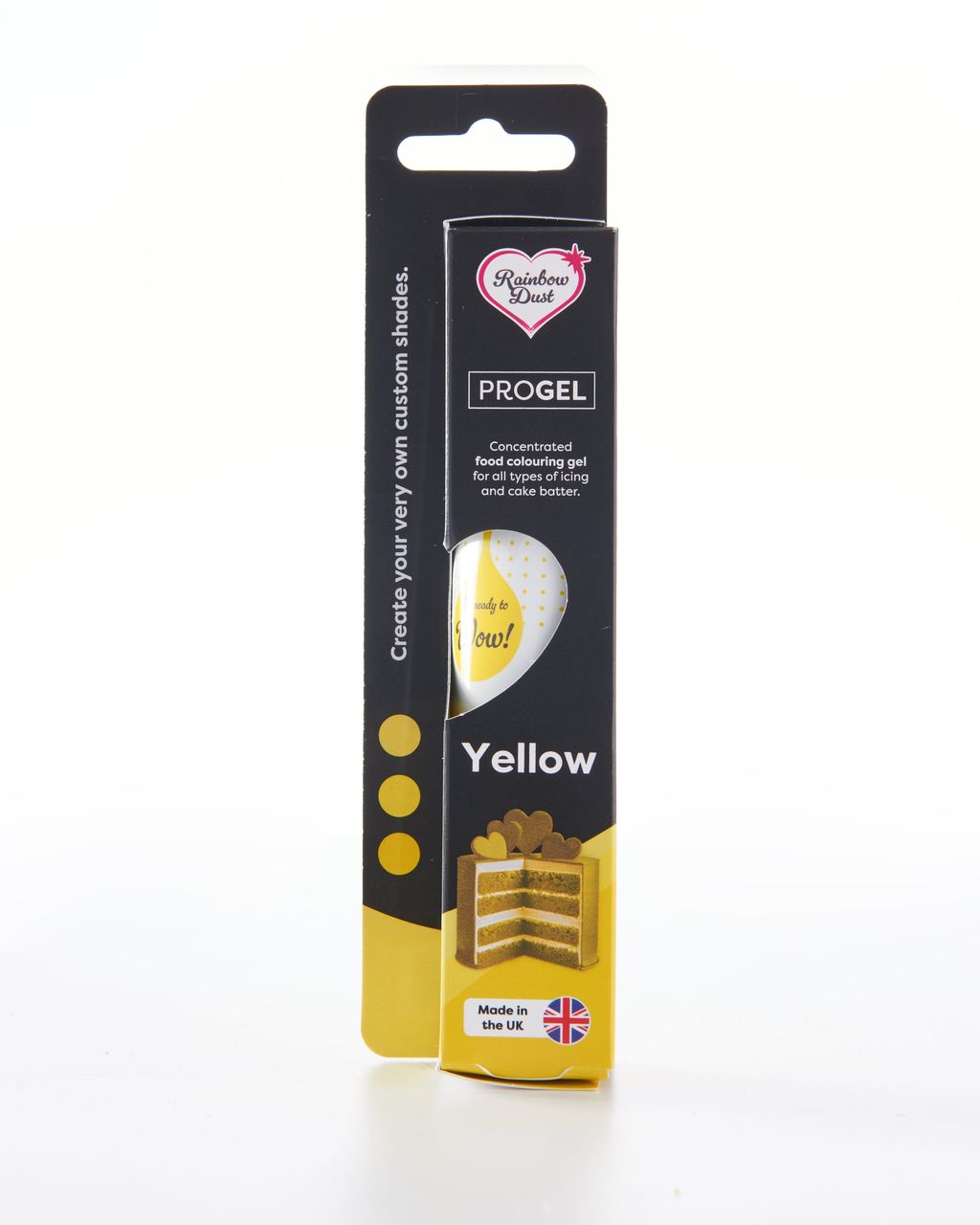
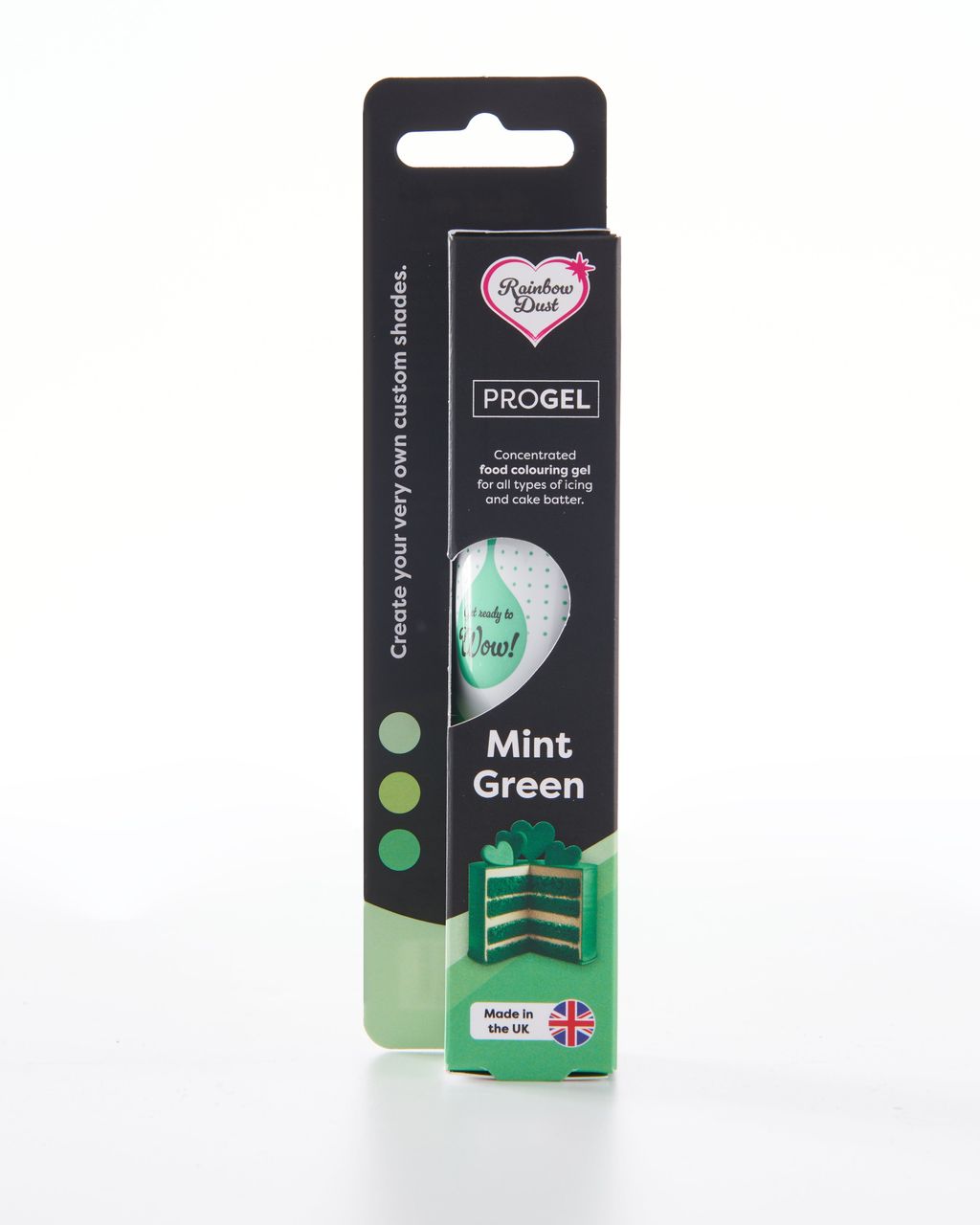
Add the color only after taking the pan off the heat, once the syrup stops bubbling. 1–3 drops of gel coloring are enough for the whole batch. If you add it earlier, the color cooks, may darken, and the water in it will prolong the cooking.
Gel colors (such as ProGel by Rainbow Dust) are concentrated, so you bring the minimum of water into the syrup. They hiss briefly but won't cloud the syrup. For a pastel shade, the tip of a toothpick is enough; a deep color needs 2–3 drops.
Liquid colors from the supermarket contain a lot of water. They spatter in hot sugar, and you need so much for a deep shade that the lollipop may stay softer.
Powder and oil-based colors work very well in sugar. Mix the powder first in a few drops of water or alcohol so no specks are left in the lollipop.
Stir the color in with a silicone spatula using two or three strokes. If you whisk, you'll create bubbles in the syrup that you can't get rid of. Flavoring goes into the syrup the same way – choose a concentrated confectionery flavoring, because alcohol-based flavorings evaporate from the hot syrup and only smell for a short while. We cover coloring sugar for sprinkling separately in the article Colored Sugar for Decorating.
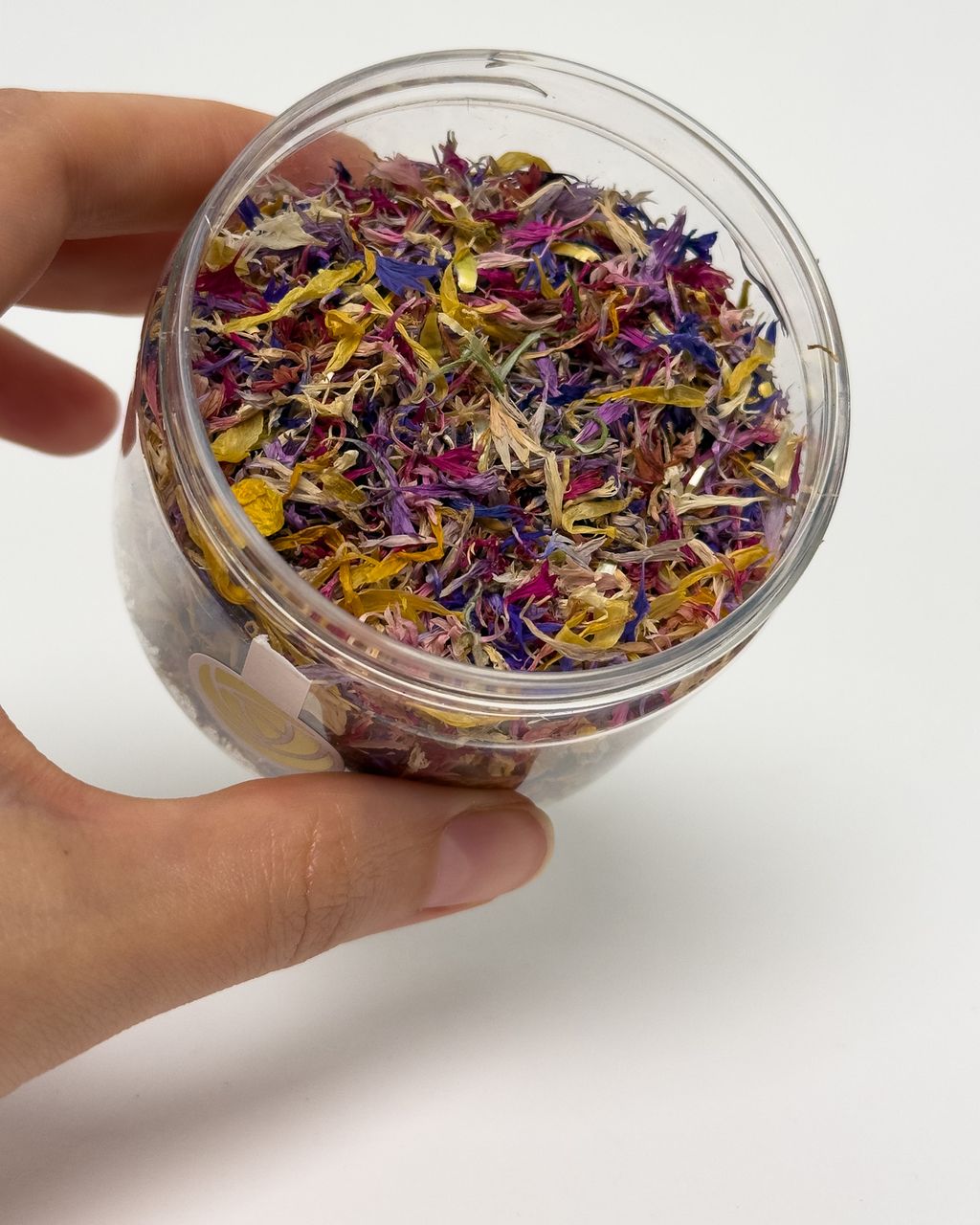
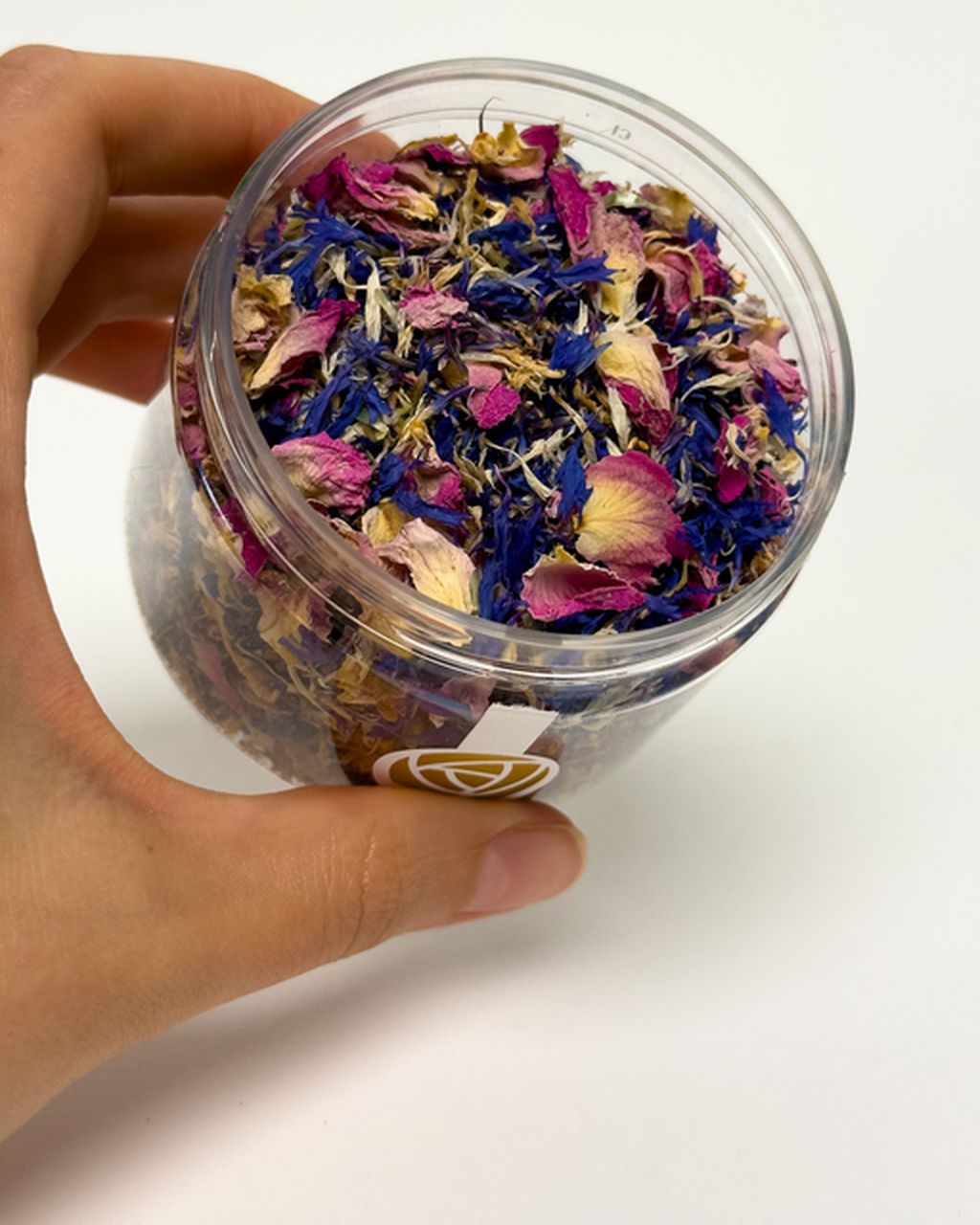
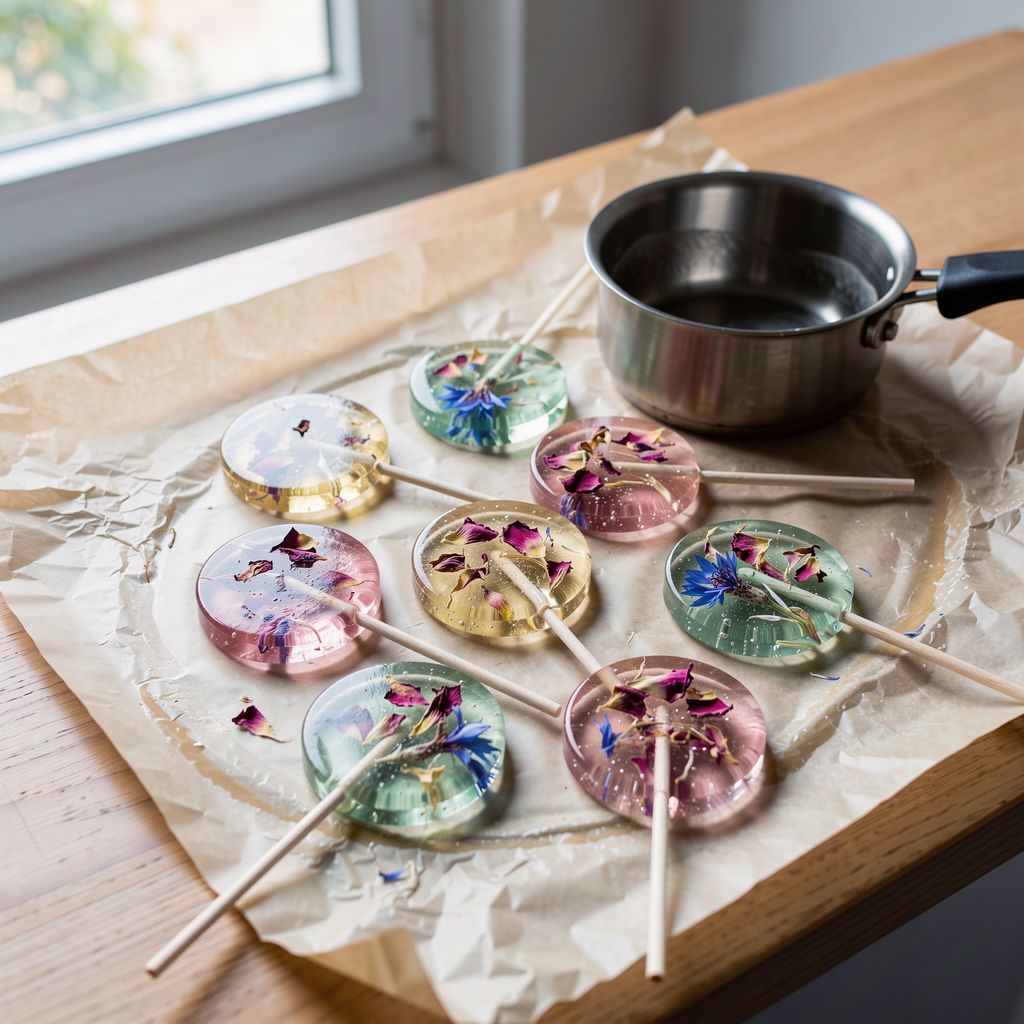
Place the flowers in the mold or on the paper before you pour the syrup, and let the syrup cool for 1–2 minutes to roughly 135–140 °C (275–284 °F) before pouring. At the lower temperature the petals don't brown or curl.
Pick flat petals. Cornflower and Damask rose petals from Rosie Rose set beautifully flat in a lollipop. Whole pink rosebuds are too bulky for a 5 cm (2 in) lollipop, so crumble them into petals.
Cover them completely. A petal that sticks out draws in moisture from the air, and the lollipop starts to turn sticky around it. Pour a thin layer, lay the petals on it and cover them with a second layer, or press them in with a skewer while the syrup is still liquid.
Less is more. 3–5 petals per lollipop looks better than a heap, and the lollipop won't break around them.
With flowers, always check that they're meant for eating – decorative dried flowers may be treated. In the article Sugared Edible Flowers we describe how to coat edible flowers in sugar so they last.
The easiest option is a silicone lollipop mold that withstands at least 200 °C (392 °F). Without a mold, you can spoon rounds onto parchment paper or a smooth silicone mat.
Silicone mold – an even shape, and the lollipops pop out easily. Check its heat resistance.
Parchment paper on a baking sheet – pour rounds 4–5 cm (about 1.5–2 in) across from a spoon or a measuring cup with a spout. Lay the stick down beforehand and pour over it, or push it in before the syrup sets and give it a turn so it gets coated.
A perforated mat isn't suitable, because the liquid sugar runs into the holes.
Sticks – paper lollipop sticks or wooden skewers. Plastic ones can warp in hot sugar.
Let the lollipops set for 15–20 minutes at room temperature. Don't put them in the fridge – they'll sweat and start to turn sticky.
Lollipops turn grainy when the syrup is stirred during cooking or crystals are left on the sides of the pan; they turn sticky because of moisture or too low a temperature; and they turn cloudy because of bubbles and impurities. You can tell exactly what happened by how they look:
Grainy, dull, crumbly – the syrup was stirred during cooking, crystals were left on the sides, or the glucose syrup was missing.
Sticky on the surface – the syrup didn't reach 150 °C (302 °F), it's a humid day, or there's too much invert sugar or honey in the syrup.
Full of bubbles – bubbles formed when you stirred in the color. Pour from a steady height and, right after pouring, gently tap the mold on the table so the bubbles rise to the top.
Yellowish – the temperature went too high, or there was acid in the syrup.
Bent stick – the stick is covered by too thin a layer. It must be embedded at least 1.5–2 cm (about 3/4 in) in the lollipop.
The same principles (don't stir, wash down the sides, watch the temperature) apply to every confection made from cooked sugar. We go into detail in the article on how to make fudge that isn't grainy.
As soon as they cool, wrap each lollipop separately in a cellophane bag and store them in a sealed container in a dry place. This way they keep for 2–4 weeks. Sugar cooked to the hard crack stage readily draws moisture from the air, so unwrapped lollipops start to turn sticky within a day or two.
Store them at room temperature, not in the fridge.
If you can, cook on a dry day. In high humidity, lollipops turn sticky even as they cool.
Tie the bag on the stick with a ribbon and the lollipop becomes a gift. If you'd like a chocolate version too, see how to mold and wrap chocolate lollipops.
Yes. Isomalt lollipops are cooked to 160–170 °C (320–338 °F), stay clear and get less sticky. Isomalt yellows less, but it tastes less sweet and eating too much can have a laxative effect, so use it more for decorations than for big lollipops for kids.
Fill the pan with water and bring it to a boil. The sugar will dissolve on its own in a few minutes. Don't scrape it with a knife or scrub it with steel wool – you'll scratch the bottom of the pan and won't speed anything up.
Yes. Dissolve grainy or soft lollipops in a pan with a little water (about 50 ml per 200 g) and cook again to 150–155 °C (302–311 °F). The water has to dissolve the sugar completely first, otherwise any leftover crystals will set off graininess again. Take out the sticks and flowers beforehand, and keep in mind that the syrup may turn slightly yellowish after the second boil.
They can get the molds, sticks and flowers ready, but you should cook and pour the syrup yourself. Sugar at 150 °C (302 °F) sticks to skin and keeps burning, so kids should watch from a safe distance and only get to the finished lollipops after they've cooled for 20 minutes.
One recipe worth heating the oven for, one tip, and one deal from the shop. Nothing else.