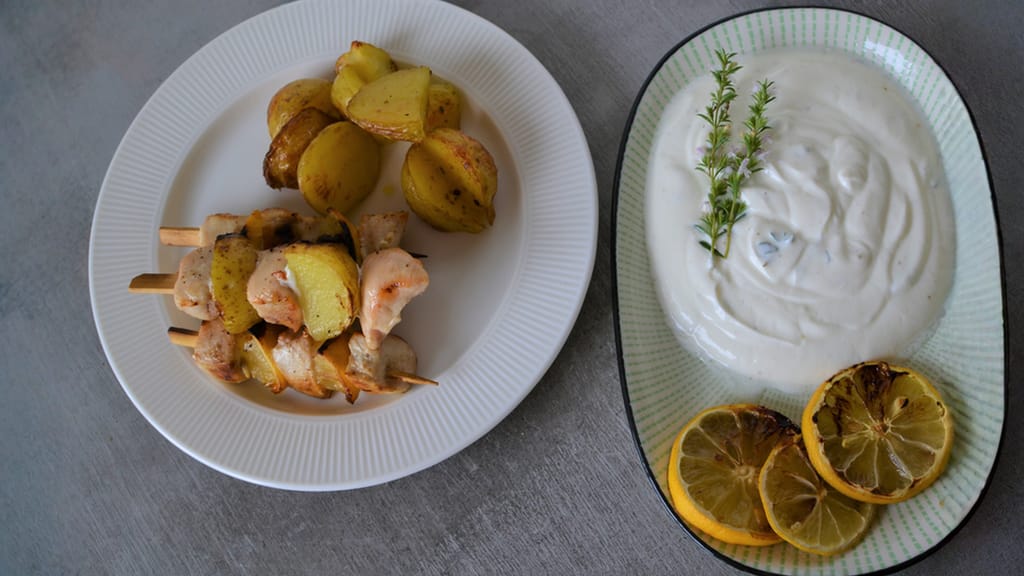
Grilled chicken skewers with lemon and lemon yoghurt
Ćevapi, Kebabs and Skewers in the Oven: What Temperature and How Long
Updated Nov 17, 2026
The best way to cook čevabčiči (Czech-style ćevapi) in the oven, along with kebab skewers and ražniči (Czech pork skewers), is on the broil setting with a rack set over a pan, or on convection (fan) at around 200°C (400°F). But go by the temperature in the center, not the clock: according to the UK's FSA, ground-meat čevabčiči need 70°C (158°F) for 2 minutes, and chicken skewers need 74°C (165°F) according to the US USDA/FSIS. Below you'll find which setting to choose, how many minutes to allow based on an oven manufacturer's chart, what to do about skewers, and how to check doneness so the result is safe and still juicy.
Broil čevabčiči on the highest setting, and cook skewers and ražniči under the broiler or at 200°C (400°F). They're done at 70°C (158°F) held for 2 minutes (ground meat), 74°C (165°F) (chicken) and 63°C (145°F) + 3 minutes of rest (pork cubes). Details for each type:
Čevabčiči (ground meat): broiler on the highest setting, rack set high; 70°C (158°F) for 2 minutes inside (FSA), while the US FSIS gives 71°C (160°F) for ground meat.
Chicken skewers: 200°C (400°F) (this is how the manufacturer Vodňanská drůbež cooks chicken skewers on a pan) or broiler; 74°C (165°F) inside (USDA/FSIS, applies to all poultry).
Ražniči from pork cubes: broiler or 200°C (400°F); 63°C (145°F) and then a 3-minute rest inside (USDA/FSIS for whole cuts of pork). As soon as there's ground meat or chicken on the skewer too, go by the higher number.
Approximate times under the broiler: sausages and meat patties 8–10 minutes on the first side and 6–8 minutes on the second, pork tenderloin 10–12 and 6–10 minutes, all on the 4th level from the bottom (grilling chart in the Electrolux EOB53000 oven manual; the manufacturer itself says these are approximate times). Your oven may cook differently than the dial shows. You can find out how to check that in the article oven thermometer and the real oven temperature. That's why you should always confirm with an instant-read thermometer in the meat.
For čevabčiči and skewers, the broil setting (top heating element) is best, because the meat browns quickly on the outside and doesn't have time to dry out inside. Convection is the safe choice when you want to cook more pieces at once or your oven has no broiler.
On the broil setting, do this:
Preheat the empty oven on the broil setting at the highest temperature; Electrolux recommends 5 minutes in its manual, and broiling with the door closed.
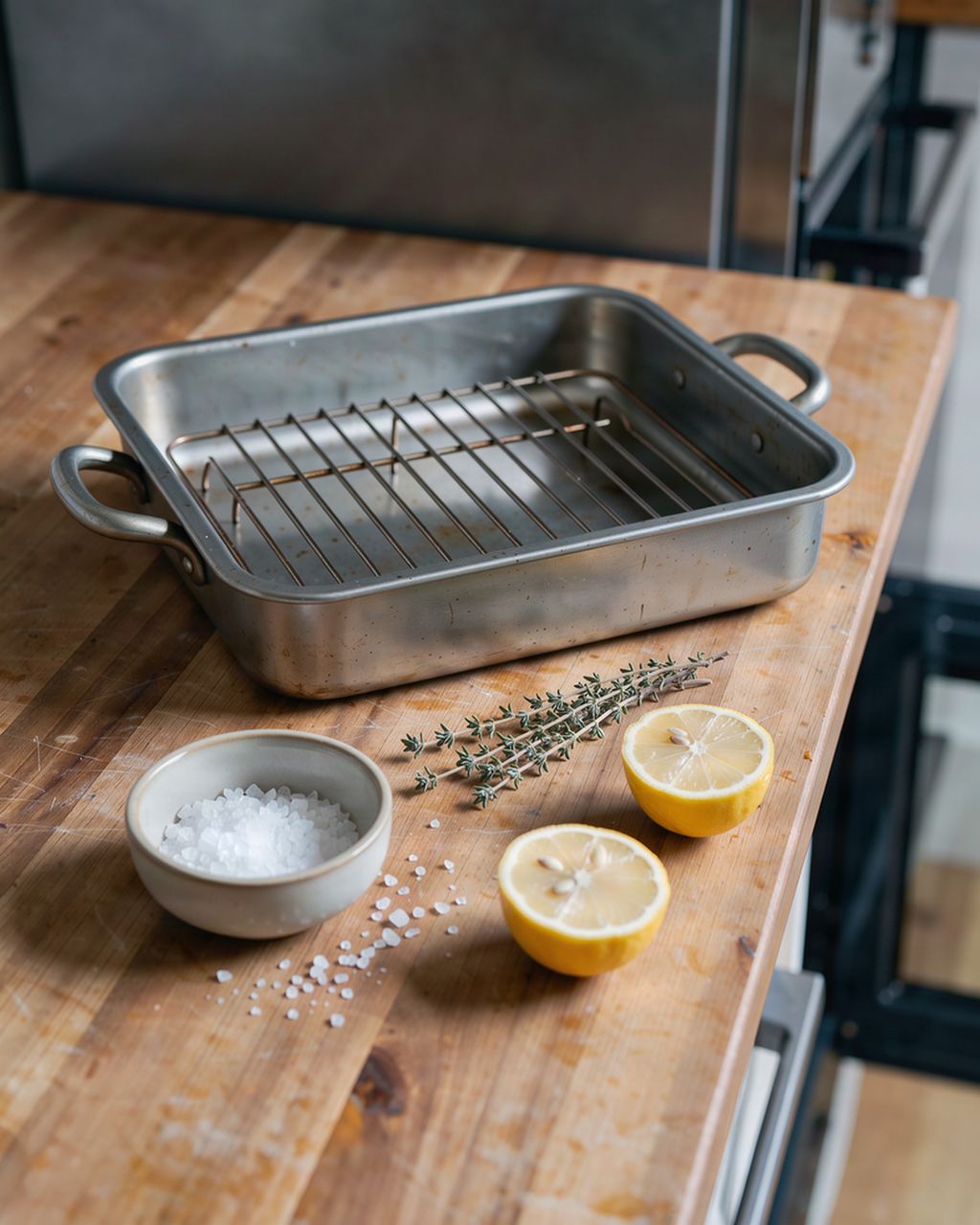
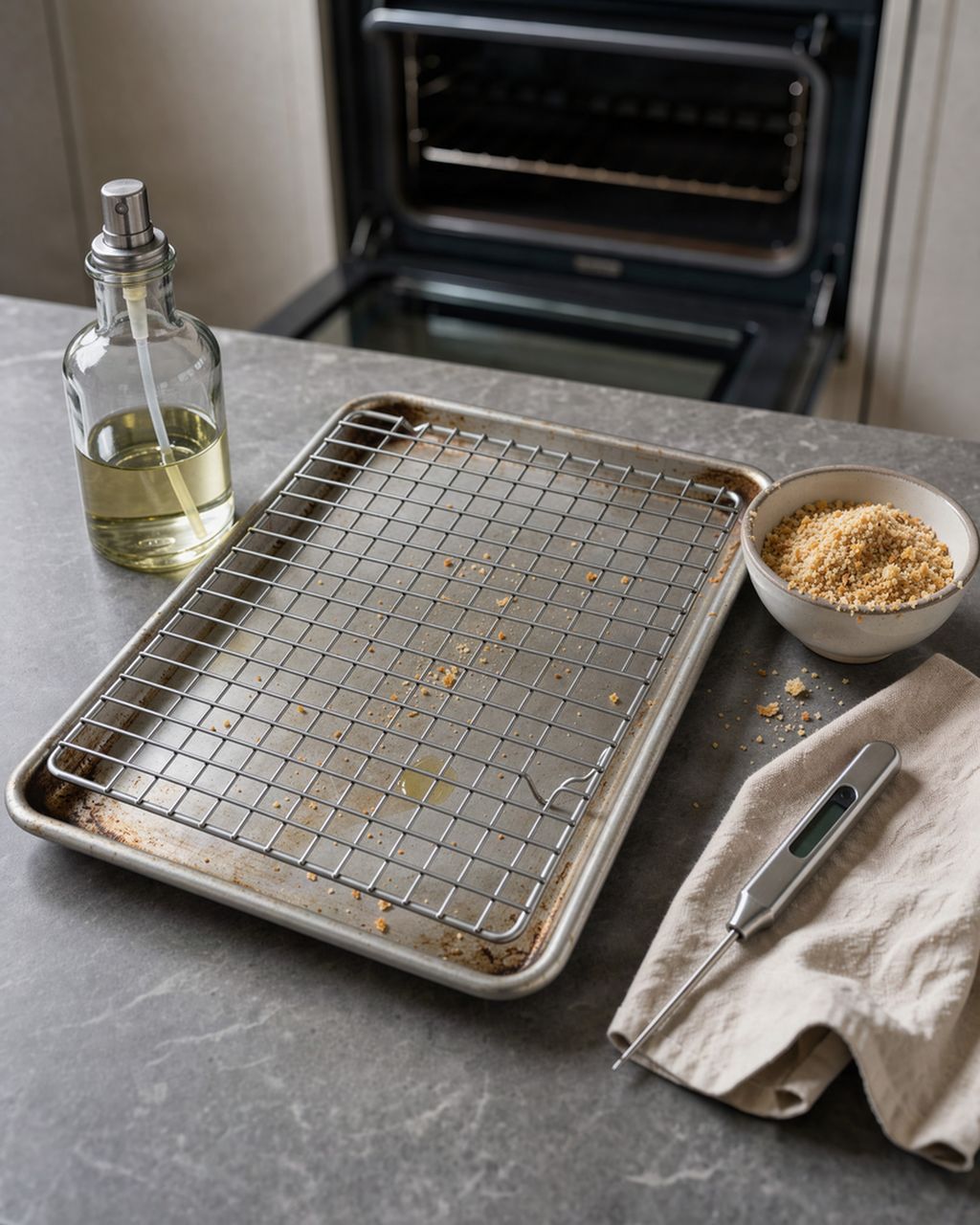
Put the meat on a rack, with a drip pan underneath on the lowest level. That way fat doesn't drip onto the oven floor and the meat doesn't steam in its own juices.
Turn halfway through. The broiler cooks from the top only, so without turning you get one side browned and the other pale.
For convection, keep this in mind:
It cooks more evenly from all sides, but browns less intensely than the broiler.
Electrolux says that with convection you can cook at 20–40°C lower than with top and bottom heat. If a recipe says "200°C" without naming the mode and you have convection, start at around 180°C (350°F) and keep an eye on the thermometer.
At the end you can switch to broil for a few minutes to brown the meat.
Rack or pan? Under the broiler, cook on a rack over a pan, or on a pan lined with aluminum foil, because parchment paper near the top element can brown or even char. A rack over a pan gives a better crust because air flows around the meat from underneath. For convection, a pan with parchment paper that catches the juices is more convenient, but the underside is more likely to steam, so you need to turn even more.
Juicy oven čevabčiči: same-thickness rolls, chilling, spacing, oil, turning halfway and taking them out at 70°C (158°F).
Shape them the same thickness. A roll as thick as your thumb cooks in the same time as its neighbor. Thin ends and thick middles mean the ends dry out before the center is done.
Let them rest in the fridge for a while. A chilled meat mixture holds its shape and doesn't spread as much in the oven.
Space them out. Čevabčiči packed tightly together cool each other down and steam instead of cooking.
Brush them lightly with oil. A thin layer of fat helps the crust and keeps the surface from cracking.
Turn them halfway and from then on keep an eye on the temperature.
Measure from the side into the center of the thickest piece. At 70°C (158°F), which the FSA requires for 2 minutes, čevabčiči are done; any extra minutes only dry them out.
Why so strict with ground meat? When meat is ground, bacteria from the surface get mixed inside, so unlike a steak, the center has to be cooked through too. You'll find more about how long ground meat keeps before cooking and why exactly 70°C in the article ground meat in the fridge and when to throw it out. And if your čevabčiči fall apart in the oven, the article why meatloaf and meat patties fall apart and how to fix it will help, since the same principles apply to ground meat.
We don't have a čevabčiči recipe on Yumsto yet. The classic is ground beef with pork or lamb, garlic, salt, pepper and sweet paprika, served with onion and ajvar.
The most important thing with skewers is that the pieces on one skewer are the same size and cook in the same time. A cube of chicken breast the size of a walnut and a 2 cm (¾ inch) piece of bell pepper finish at about the same time; a huge cube of meat next to a thin slice of zucchini won't.
Cut the meat into even cubes. Chicken thigh meat tolerates slightly longer cooking than breast and stays juicier.
Don't pack the pieces tightly. Leave a small gap between pieces so the hot air can reach the inside too. Crowded cubes cook more slowly and unevenly.
Vegetables that need more time (onion, carrot) can go on separate skewers, so you don't have to overcook the meat for their sake.
Cook on a rack over a pan and turn halfway. Vodňanská drůbež cooks its chicken skewers on a pan with parchment paper at 200°C (400°F) "golden on all sides", so turning pays off even on a pan.
Measure the finished skewers in the thickest cube of meat: chicken 74°C (165°F) (USDA/FSIS).
For inspiration that works on the grill and under the oven broiler, see the recipe below.
Grilled chicken skewers with lemon and lemon yoghurt
Grilled skewers with lemon and lemon yogurt: a skewer recipe for the grill and the oven
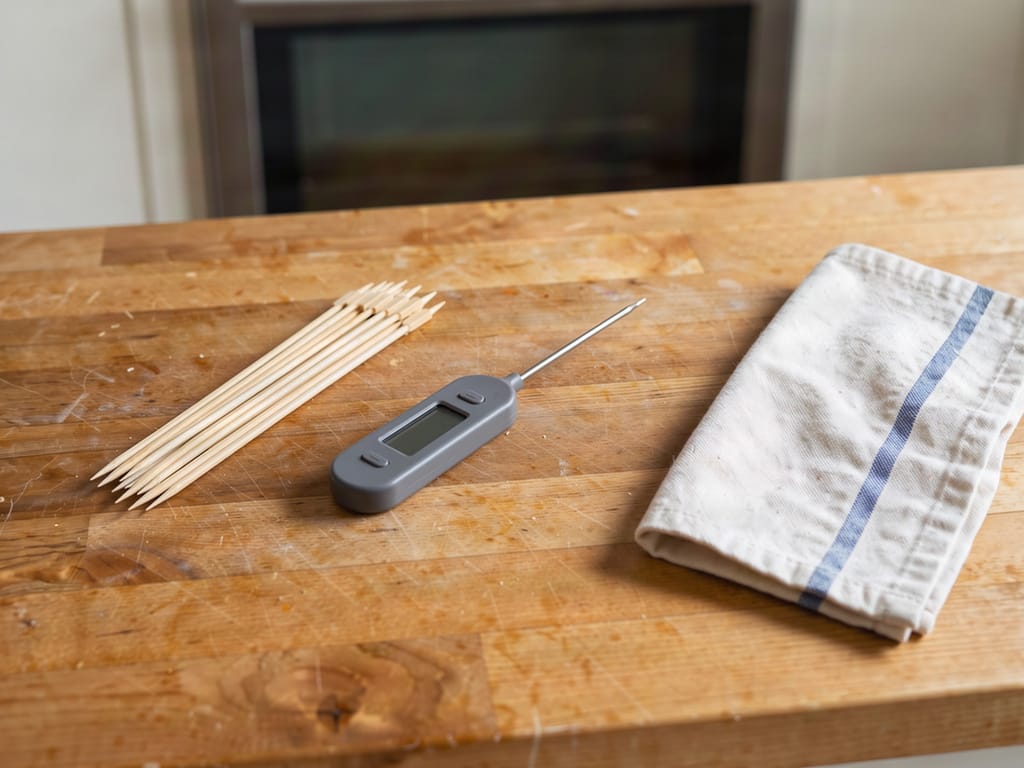
Both wooden and metal skewers work for oven kebabs: soak wooden ones before broiling and wrap the ends in aluminum foil; metal ones don't burn, but they cook the meat faster from the inside.
Wooden skewers tend to blacken and start to smolder under the broiler. Soak them in water before threading and wrap the protruding ends in a piece of aluminum foil. Soaking alone won't keep the wood damp for long, so foil on the ends is the more reliable safeguard.
Metal skewers don't burn and can be reused, but they conduct heat into the meat, so the cubes cook a little faster. When taking the temperature, don't touch the metal skewer with the thermometer, or you'll read higher than the meat actually is.
Don't reuse skewers you threaded raw meat on for cooked food until you've washed them.
Cook ražniči from pork cubes under the broiler or at 200°C (400°F) and take them out when they reach 63°C (145°F) inside; then let them rest for 3 minutes. That's what USDA/FSIS gives for whole cuts of pork. The temperature keeps rising for a while and the meat finishes cooking.
For pork cubes from pork neck or shoulder, this is the juicier choice compared with overcooking "to be safe". Pork neck, thanks to its marbling, tolerates longer cooking; lean leg doesn't.
Czech ražniči, however, often combine several ingredients: pork, špekáček (a thick Czech pork sausage), bacon and onion. In that case:
Just pork cubes + bacon + onion: 63°C (145°F) and 3 minutes of rest in the meat.
Ground meat is included (čevabčiči, a meat patty): 70°C (158°F) for 2 minutes (FSA).
Chicken is included: 74°C (165°F) (USDA/FSIS).
Špekáček is already cooked, so it only needs heating through and browning. With bacon, check the package to see whether it's cooked. Smoked bacon is often sold uncooked, and then you should cook it as thoroughly as raw pork.
As a rough guide, ražniči under the broiler behave like pork tenderloin in the Electrolux oven chart: 10–12 minutes on the first side, 6–10 minutes on the second. Thicker cubes will need more, which is why the thermometer decides.
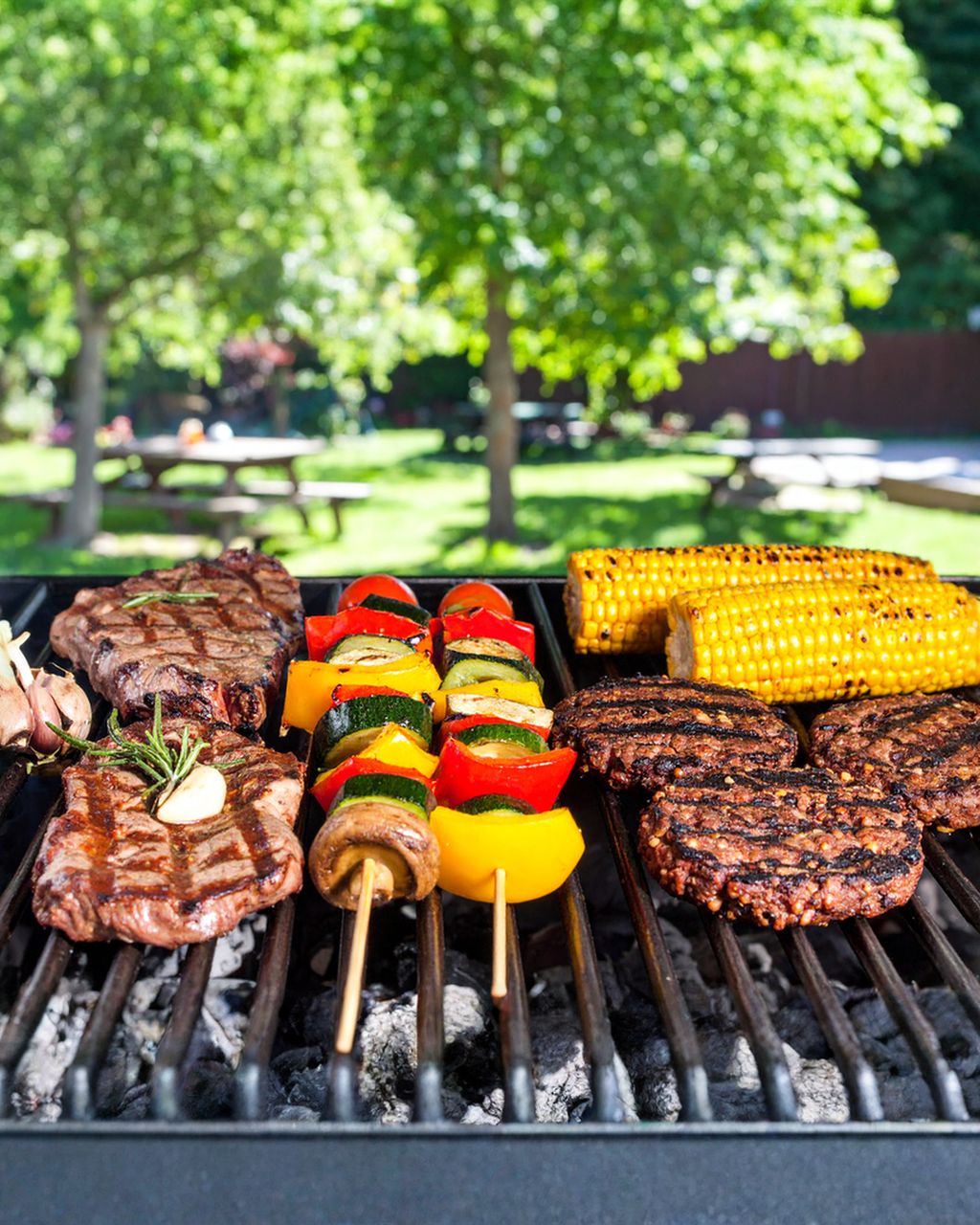
We don't have a ražniči recipe on Yumsto yet. Cooking outdoors on a grill? You'll find tips for meat, vegetables and meatless options for the outdoor grill in the article grilling meat, vegetables and meatless options.
Recipe of the week, one tip that saves you time and one deal from the shop. Unsubscribe in one click.
The next issue goes out on Thursday, November 26.
Only an instant-read thermometer can reliably tell you whether čevabčiči and skewers are cooked through. Neither the color of the meat nor clear juices is a guarantee: USDA/FSIS warns that ground meat can turn brown inside before it reaches a safe temperature, and conversely can stay pink even when it already has.
How to measure correctly:
In the thickest spot: for čevabčiči from the side lengthwise into the center, for skewers into the largest cube of meat.
Away from bone, fat and the metal skewer, which show a different temperature than the meat.
Measure several pieces. Ovens cook unevenly, and pieces at the back and by the walls tend to be done sooner than those near the door.
Measure ground meat and poultry while still hot. For ground meat and poultry, FSIS doesn't count on resting: the meat has to reach the target temperature in the oven.
If you don't have a thermometer, cut open the thickest piece. Steam should rise from the center, and the meat shouldn't be raw and shiny or jelly-like. But this is only an emergency check, not a guarantee.
Cooked čevabčiči and skewers keep in the fridge for 3–4 days, as long as you put them there within 2 hours of cooking. According to USDA/FSIS, that's how long food may stay at room temperature, and in heat above 32°C (90°F) only one hour.
Fridge: use within 3–4 days (USDA/FSIS).
Freezer: for best quality 3–4 months (USDA/FSIS); it stays safe for longer, it just loses flavor and juiciness.
Reheating: to 74°C (165°F) inside (USDA/FSIS). Best in the oven under a foil cover so the meat doesn't dry out; take the meat off the skewers, as it heats through more evenly.
Yes, turn čevabčiči at least once, halfway through cooking. The broiler cooks from the top only, and on a pan the underside steams in its own juices, so without turning you end up with one side browned and the other pale. Tongs work best, since a fork pierces the surface and lets the juices out.
You can cook frozen skewers straight from the freezer without thawing, but allow more time: USDA/FSIS says roughly 50% longer than for thawed meat. Cook them at the same temperature so the outside doesn't burn before the center is done, and check the temperature only at the end: chicken 74°C (165°F), pork 63°C (145°F) plus a 3-minute rest (USDA/FSIS). Thaw safely in the fridge, not on the counter at room temperature.
Marinate ražniči in the fridge, not on the counter, as USDA/FSIS recommends for marinating meat. For pork cubes, oil, garlic, paprika, pepper and onion are enough, even overnight. Don't use a marinade that raw meat has sat in to brush on the cooked ražniči or as a sauce unless you boil it first. Before cooking, pat the cubes dry with a paper towel, otherwise they will steam under the broiler instead of browning.
It's best not to use parchment paper under the broiler, as near the top element it can brown or even char. On the broil setting, cook skewers on a rack over a pan, or line the pan with aluminum foil. Parchment paper is fine for convection cooking at around 200°C (400°F); check its packaging for the temperature it can withstand.