Dried Egg White
Buttercream for Cakes: American, Swiss Meringue or Custard-Based — Which to Choose
Updated Oct 17, 2026
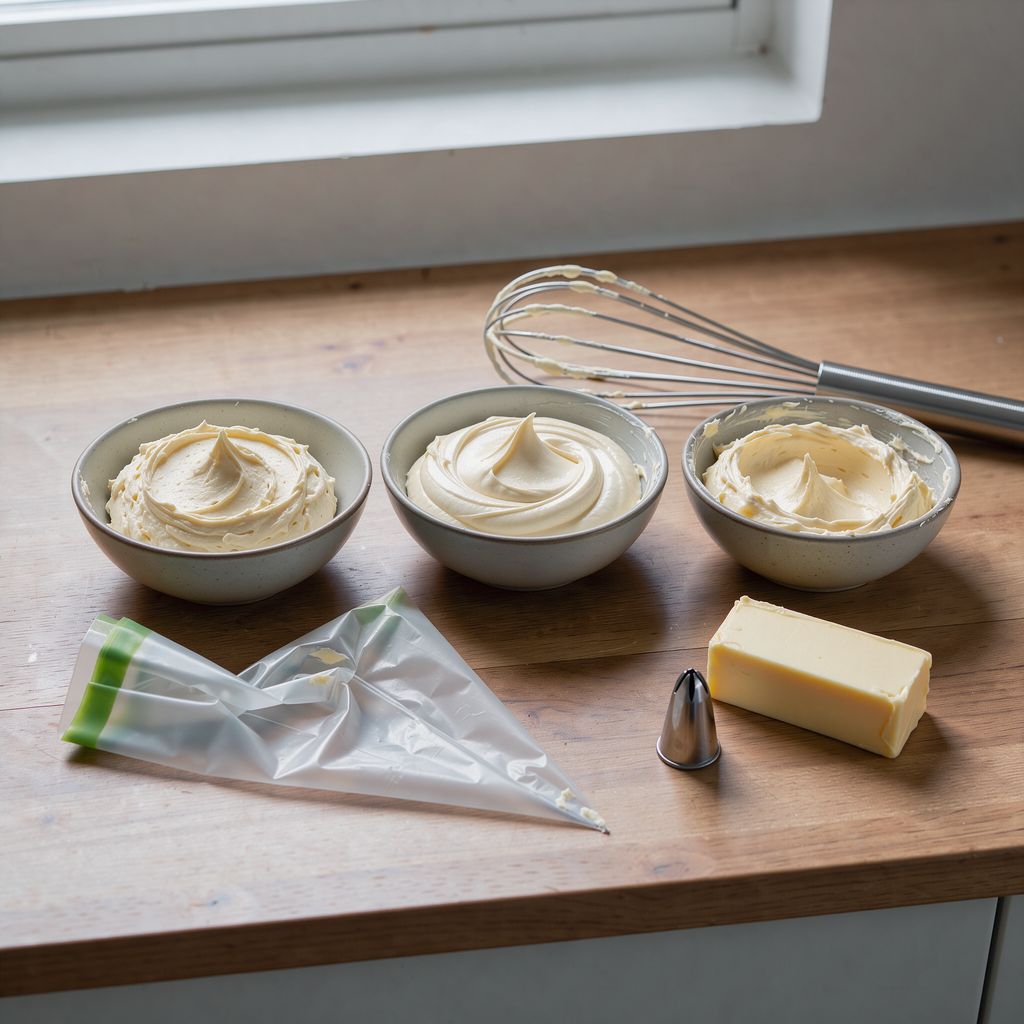
Choose your cake buttercream based on the job it needs to do. **American** (butter + powdered sugar) is the firmest and sweetest, so it's ideal for quick decorating and sharp piped flowers. **Swiss meringue** (butter + warmed meringue) is the silkiest and smoothest, and suits straight sides and white cakes. **Custard-based** (butter + cooked pudding) is the least sweet and the most "like grandma used to make," but also the softest, so it belongs mainly in fillings. Below, we compare them point by point: sweetness, firmness, sides, coloring and piping with a nozzle.
There are three main types of cake buttercream: American (butter + powdered sugar), Swiss meringue (butter + warmed meringue) and custard-based (butter + cooked pudding). It's always whipped butter plus a sweet base. They differ only in what that base is, and that determines the flavor, firmness and how you work with it.
American buttercream: softened butter whipped with powdered sugar, sometimes with a spoonful of cream or milk. A common ratio is 250 g butter to 250–500 g powdered sugar. It's ready in ten minutes and nothing needs cooking.
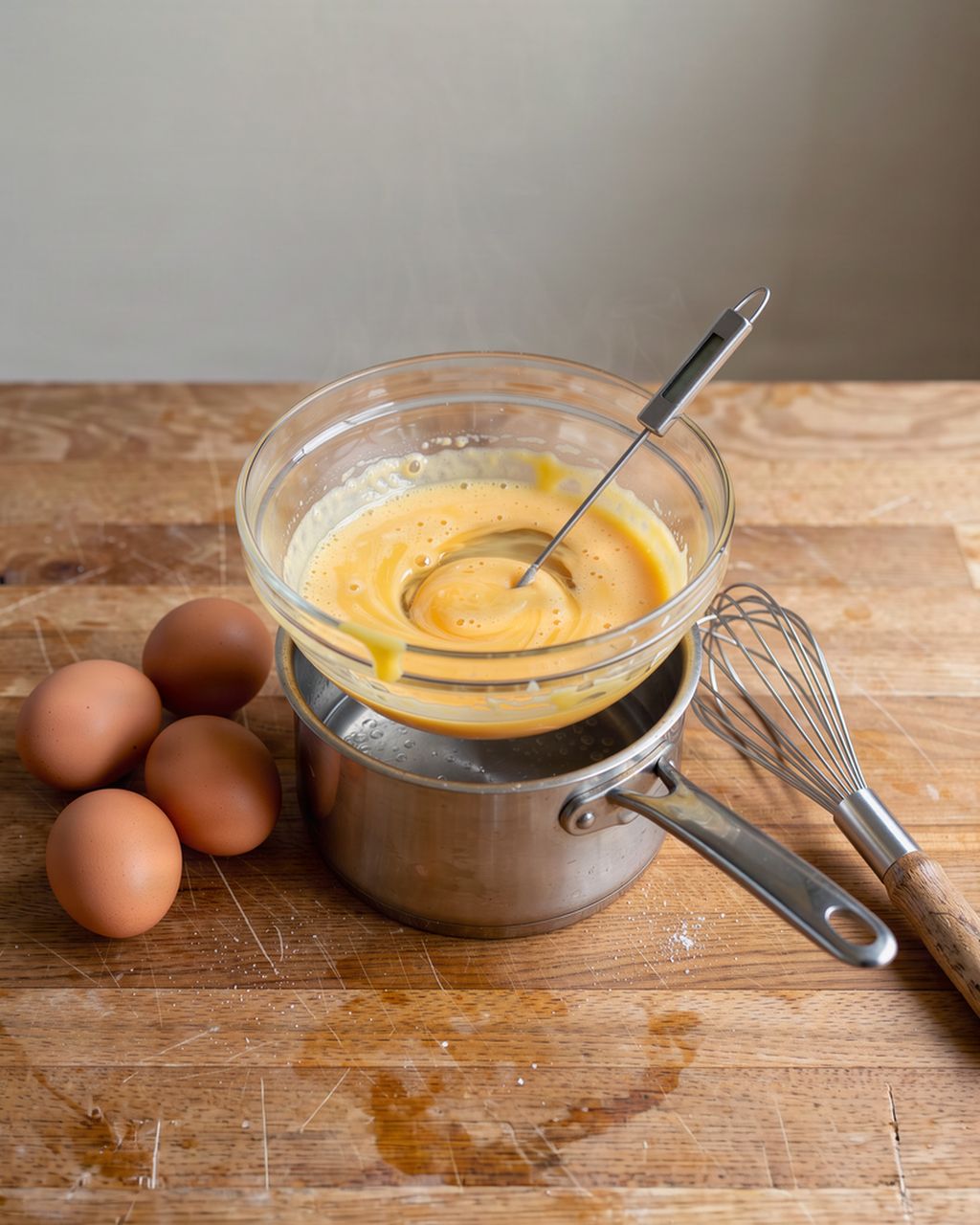
Swiss meringue buttercream: egg whites and sugar warmed over steam, whipped into a glossy meringue, then butter is beaten in piece by piece. A commonly quoted ratio of egg whites : sugar : butter is 1 : 2 : 3 (for example 100 g egg whites, 200 g sugar, 300 g butter). If you want it less sweet, reduce the sugar toward 1 : 1.5.
Custard-based buttercream: cooked, cooled pudding whipped into butter. Typically 500 ml milk, 1 packet of vanilla pudding mix (37–40 g) and 80–120 g sugar for 250 g butter. A Czech classic from walnut and "Míšeň" cakes.
If you're weighing up the whole range of fillings, including whipped cream, cream cheese or ganache, you'll find it in the article Types of cake fillings and frostings and where each works best. Here we only compare the buttercreams.
American is the sweetest and also the firmest, Swiss meringue is the smoothest, and custard-based is the least sweet. In detail:
Sweetness: American is distinctly sweet, because there's as much sugar as butter, or more. Swiss meringue tastes mainly of butter and the sweetness is muted. Custard-based is the mildest, as the sugar is "diluted" by the milk.
Firmness and stability: American sets and forms a light crust on the surface, so it holds its shape best. Swiss meringue is firm while it's cold, but softens sooner in the warmth. Custard-based is the softest and least stable, because it contains water from the milk, plus starch.
Texture: American is dense, and with a lot of sugar it can feel slightly grainy on the tongue. Swiss meringue is silky and glossy. Custard-based is creamy and light, similar to pudding with butter.
Effort: American takes 10 minutes. Swiss meringue needs a thermometer or some practice and about 30 minutes. Custard-based has to cool for 1–2 hours first, so plan ahead.
One more thing applies to all three: buttercream is only as good as the butter. If your buttercream seems greasy or heavy, the problem is more likely the whipping than the recipe. We explain it in the article Buttercream that isn't greasy.
Swiss meringue buttercream is best for smooth sides and sharp edges. It has no sugar grains, spreads with a scraper to a mirror finish and holds an edge once chilled.
Swiss meringue: you can smooth it with a scraper, then sharpen the edge after 20–30 minutes in the fridge. It's a reliable choice under fondant because it's firm and doesn't release moisture.
American: this works too, just expect tiny air bubbles and a slightly matte surface. At the end, stir the buttercream with a wooden spoon for a while rather than a whisk to knock out the air. When the surface sets into a crust, you can smooth it over a piece of parchment paper.
Custard-based: not suitable for the sides. It's soft, drags under the scraper and the sides "slump" in the warmth. Use it in the filling and coat the cake with a different buttercream.
The whole step-by-step method (crumb coat, chilling, scraper) is in the article How to coat a cake with buttercream or ganache for straight sides and sharp edges.
American buttercream lasts longest outside the fridge and custard-based the shortest time. For all three, the limit is set by the butter: it softens at around 20 °C (68 °F) and melts at roughly 32–35 °C (90–95 °F).
American: the high sugar content firms it up, so at normal room temperature (20–22 °C / 68–72 °F) it holds its shape for several hours.
Swiss meringue: holds up well at 20–22 °C (68–72 °F), but in a warm room or in the sun it softens sooner than American and piped flowers lose their sharpness.
Custard-based: it contains cooked milk and starch, so it's the most sensitive. Leave it out on the table only while serving, then straight back into the fridge.
Color buttercream with gel colors, and for a pure white cake add white coloring, because butter gives buttercream a yellow tinge. Ordinary liquid colors from the supermarket thin the buttercream, and you won't get a deep shade with them.
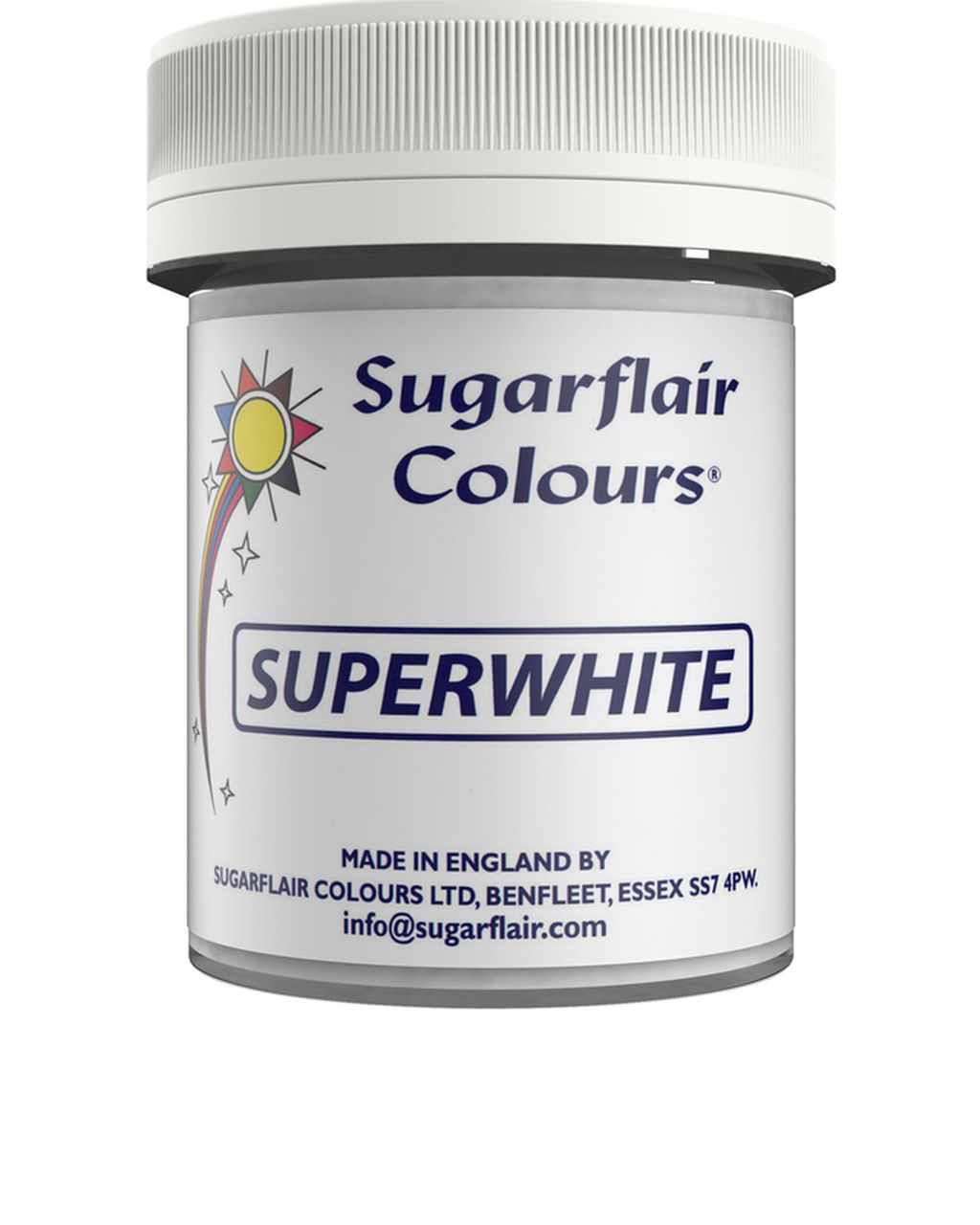
White cake: Swiss meringue is the lightest, because the meringue lightens it. Even so, it will be creamy-yellowish. A drop of Sugarflair Super White icing color will push it toward white. Add it a little at a time and always mix well. An older trick is a pinch of purple coloring, which visually neutralizes the yellow. It works, but it's easy to overshoot into gray.
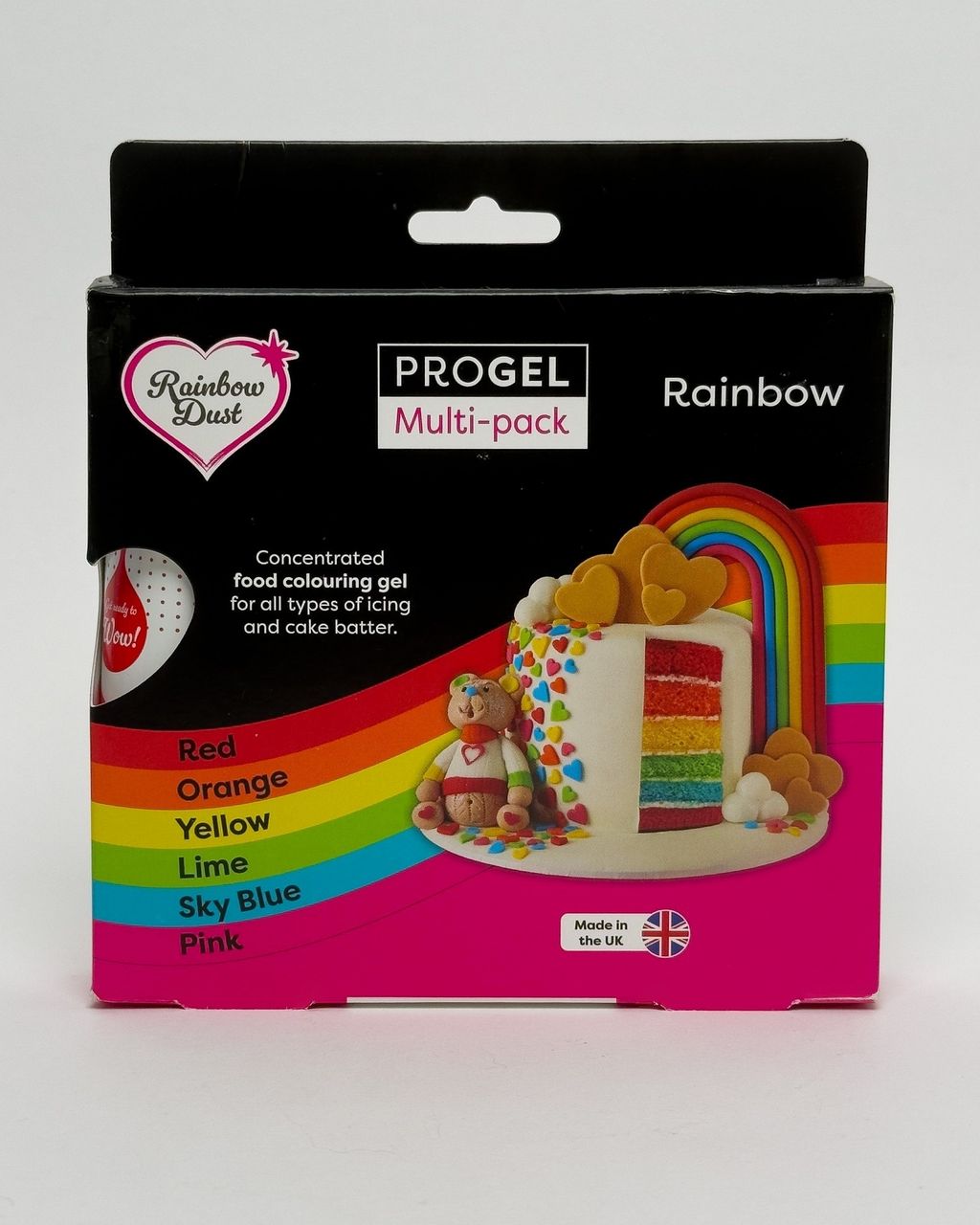
Pastel and deep shades: gel colors such as the ProGel Rainbow set only need to be picked up on the tip of a toothpick. They don't thin the buttercream, even for deep colors. The shade darkens within 1–2 hours, so color it a step lighter and let the buttercream rest.
Red and black: they need a lot of coloring, and you can then taste it. Start black from chocolate buttercream (add melted chocolate or cocoa), and deep red from a pink base, and let it develop overnight.
Custard-based buttercream: the pudding is yellow itself, so only warm pastel tones work. Don't use it for blue or purple, as it will turn green or gray.
You'll find colors, nozzles and other tools together in the cake decorating section.
American buttercream is best for piping, because it holds sharp ridges and doesn't droop. Swiss meringue gives softer, glossier rosettes. Custard-based holds its shape worst and only suits simple dollops.
American: the ideal consistency is when a spoonful of buttercream holds a peak that only bends slightly. If it's too stiff, add a teaspoon of cream. If it's runny, add powdered sugar.
Swiss meringue: pipe it cool but not stiff. The warmth of your hands quickly softens it in the bag, so work with a smaller batch and put the bag in the fridge for 5 minutes now and then.
Custard-based: stars and dollops on a cake work, detailed flowers don't.
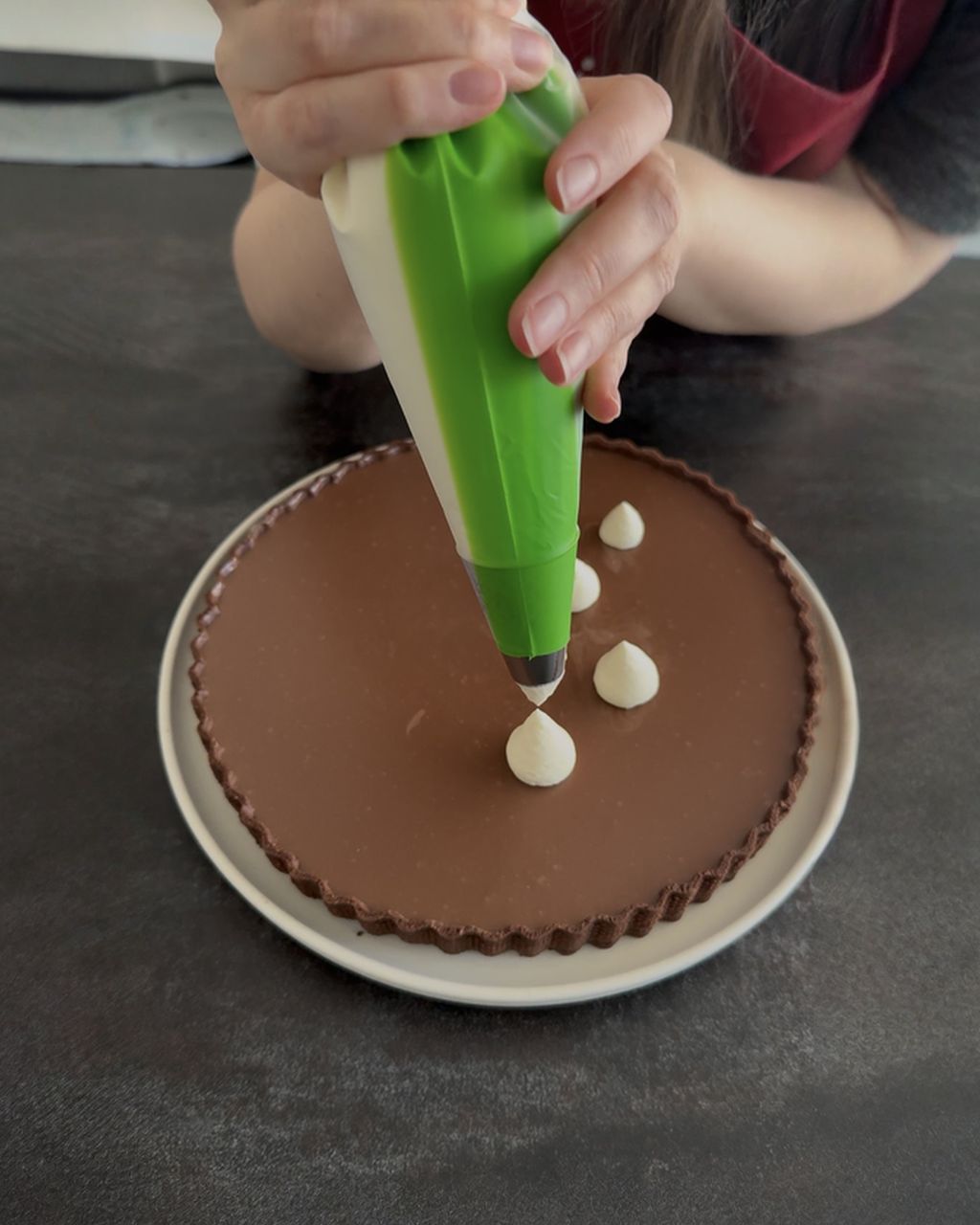
For big rosettes on both cakes and cupcakes, the all-purpose JEM Drop Flower #2D nozzle is a good choice. It has a closed star with deep teeth, so a single squeeze gives you a rose that's full and flower-like. For a cake covered entirely in rosettes, a larger bag is worth it, such as piping bags 36 × 20 cm. Fill it no more than two-thirds full, so you don't push the buttercream back out of the top.
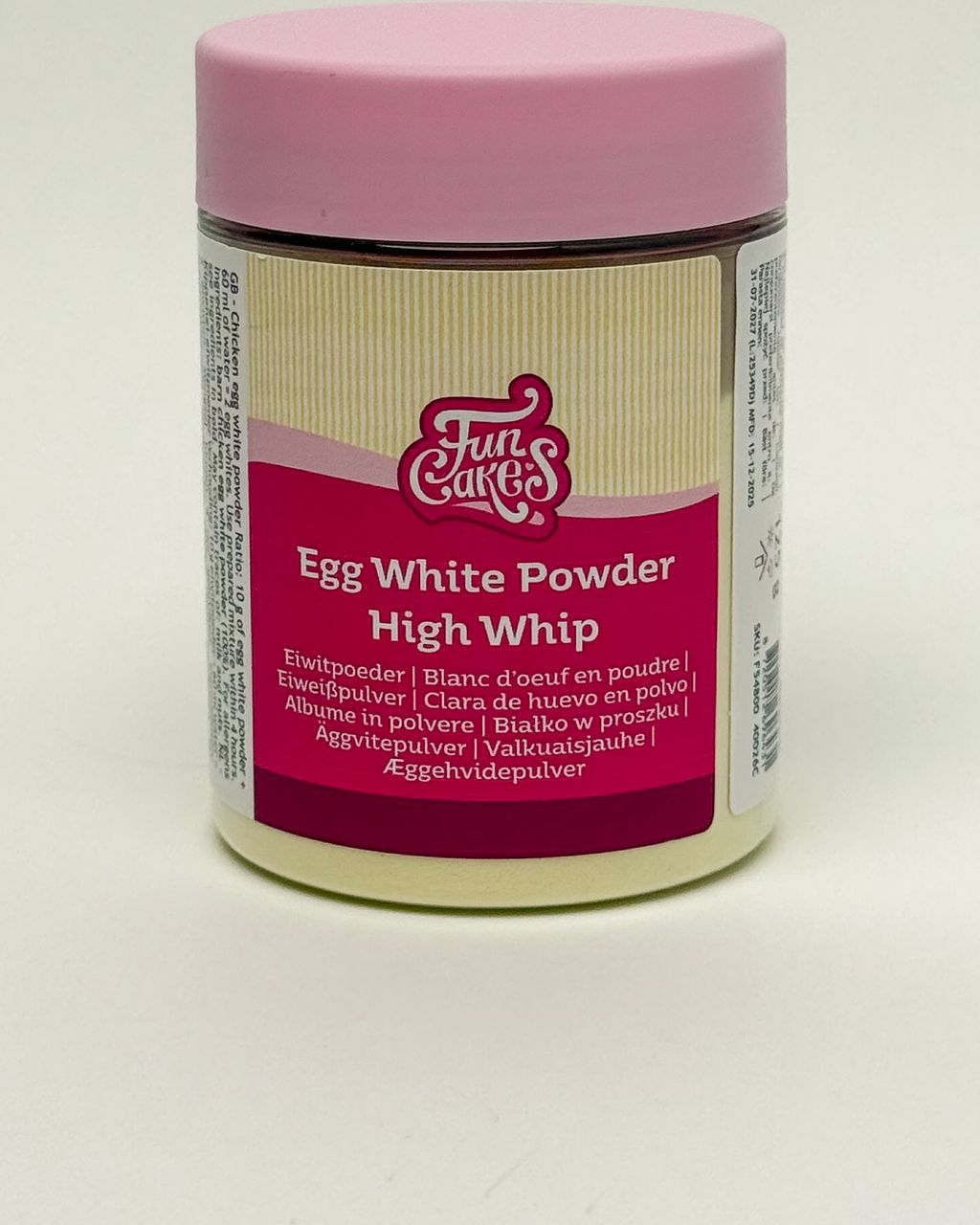
You can make Swiss meringue buttercream without fresh eggs, using dried egg white mixed with water. That spares you the question of what to do with the leftover yolks, and any worry about raw egg whites, because dried egg white is pasteurized.
Ratio: for FunCakes dried egg white, the manufacturer gives 10 g powder and 60 ml water for 2 egg whites. For buttercream made with 300 g butter, you therefore need roughly 15 g powder and 90 ml water (equivalent to 3 egg whites, about 100 g).
Method: stir the powder into the water and let it soak for 15–30 minutes. Then heat it with the sugar over steam until the sugar dissolves completely (you can't feel any grains between your fingers), and carry on as you would with fresh egg whites. According to the manufacturer, use the reconstituted egg white within 4 hours.
Fresh egg whites: they work just as well, but in that case heat them with the sugar to 71 °C (160 °F), the temperature the American FDA recommends for egg dishes because of salmonella. It's hard to hit without a thermometer. Another option is pasteurized liquid egg whites from a carton. We don't sell those, but they work.
In short: American for decorating, Swiss meringue for sides and white cakes, custard-based for fillings.
Kids' cake with colorful flowers, quick and no cooking → American. It holds its shape, takes color well and forgives mistakes.
Smooth coating, sharp edges, buttercream under fondant → Swiss meringue.
Wedding or white cake → Swiss meringue + a drop of Super White.
Filling for a walnut or cocoa cake, less sweet → custard-based. But coat the cake with American or Swiss meringue.
Cupcakes with a big rosette → American (sharpest ridges) or Swiss meringue (milder flavor), 2D nozzle. You can bake the cupcakes using, for example, the recipe for chocolate cupcakes with caramel cream.
Cake for a hot outdoor party → American. Custard-based not at all.
Combining is allowed and is often the best solution: a delicate custard-based buttercream inside, a firm Swiss meringue on the outside.
Use unsalted butter with at least 82% fat. Reduced-fat butter and dairy spreads contain more water, so the buttercream curdles more easily and holds its shape less well. Let the butter soften to about 18–20 °C (64–68 °F): a finger should leave a dent in it, but it shouldn't look shiny or runny.
Yes, you can use margarine or baking fat in buttercream: it will be firmer and last longer in the heat, but it loses the buttery flavor and can feel waxy on the tongue. A good compromise is half and half: half butter for flavor, half solid baking fat for stability, for example for a summer party.
For two layers of filling plus a coating on a 20 cm (8-inch) cake, plan on roughly 600–800 g of buttercream. If you also want piped decorations, make about 1 kg. That's the amount you get from roughly 300–400 g of butter.
American and Swiss meringue buttercream can both be frozen in a sealed container for about 3 months. Thaw it in the fridge overnight, let it come up to room temperature, then briefly re-whip it until smooth again. Custard-based buttercream often weeps water after thawing, so it's better made fresh.
A cake with American or Swiss meringue buttercream usually keeps in the fridge for 3–4 days, and one with custard-based buttercream for 2–3 days. Let it sit at room temperature for 30–60 minutes before serving. Buttercream is stiff straight from the fridge, and its flavor only develops at room temperature.
One recipe worth heating the oven for, one tip, and one deal from the shop. Nothing else.