- Season
- Year-round in jars. Made at home from late August to early October, when plums are sweetest.
- Price
- Medium
Calories and nutrition
per 100 g
227 kcal
Calories
1 g
Protein
53 g
Carbs
0.3 g
Fat
Plum Butter (Povidla)
Plum butter (Czech povidla) is a thick, dark spread made by cooking or baking plums for hours until the water evaporates; at home it is traditionally made without added sugar. Under Czech rules, shop-bought plum povidla must contain at least 1,700 g of plums per 1 kg.
per 100 g
227 kcal
Calories
1 g
Protein
53 g
Carbs
0.3 g
Fat
Keep unopened jars cool, dry and dark until the best-before date. Homemade canned plum butter keeps in a dark pantry or cellar at 8–20 °C for about a year. Don't leave an opened jar on the counter.
Refrigerate an opened jar and use within a month; Šufan gives 1 month after opening. Always use a clean spoon.
Spoon cooled plum butter into smaller lidded containers, leave about a centimetre of headspace and freeze. It keeps for about a year.
Check the fruit content and ingredients on the label. Traditional povidla contain only plums: Jiří Netopil states 300 g of plums per 100 g, with no sugar or preservatives, and Šufan adds no sugar. Sweetened povidla list sugar in the name or ingredients. For homemade plum butter, choose overripe blue plums (in Czechia the durancie or pološvestka types), soft and slightly wrinkled but not mouldy.
Apple or apricot butter, which the Czech rules also recognise. Apple butter is milder, apricot more tart.
Soaked prunes blended with a little water, or a thick plum jam. Jam is runnier and sweeter and may leak out of buns.
Shop-bought plum butter just needs stirring. For crêpes, loosen it with a spoonful of hot water or a little cream per two spoonfuls. For yeast dough, warm it slightly and stir before filling so it spreads.
Overripe and bruised plums you no longer want to eat raw are ideal for plum butter, as long as they show no mould or fermentation. Leave the skins in: they carry colour and pectin and disappear once sieved.
Roughly what everyday kitchen measures weigh.
1.35 g
1 milliliter
9 g
1 teaspoon
25 g
1 tablespoon
325 g
1 cup
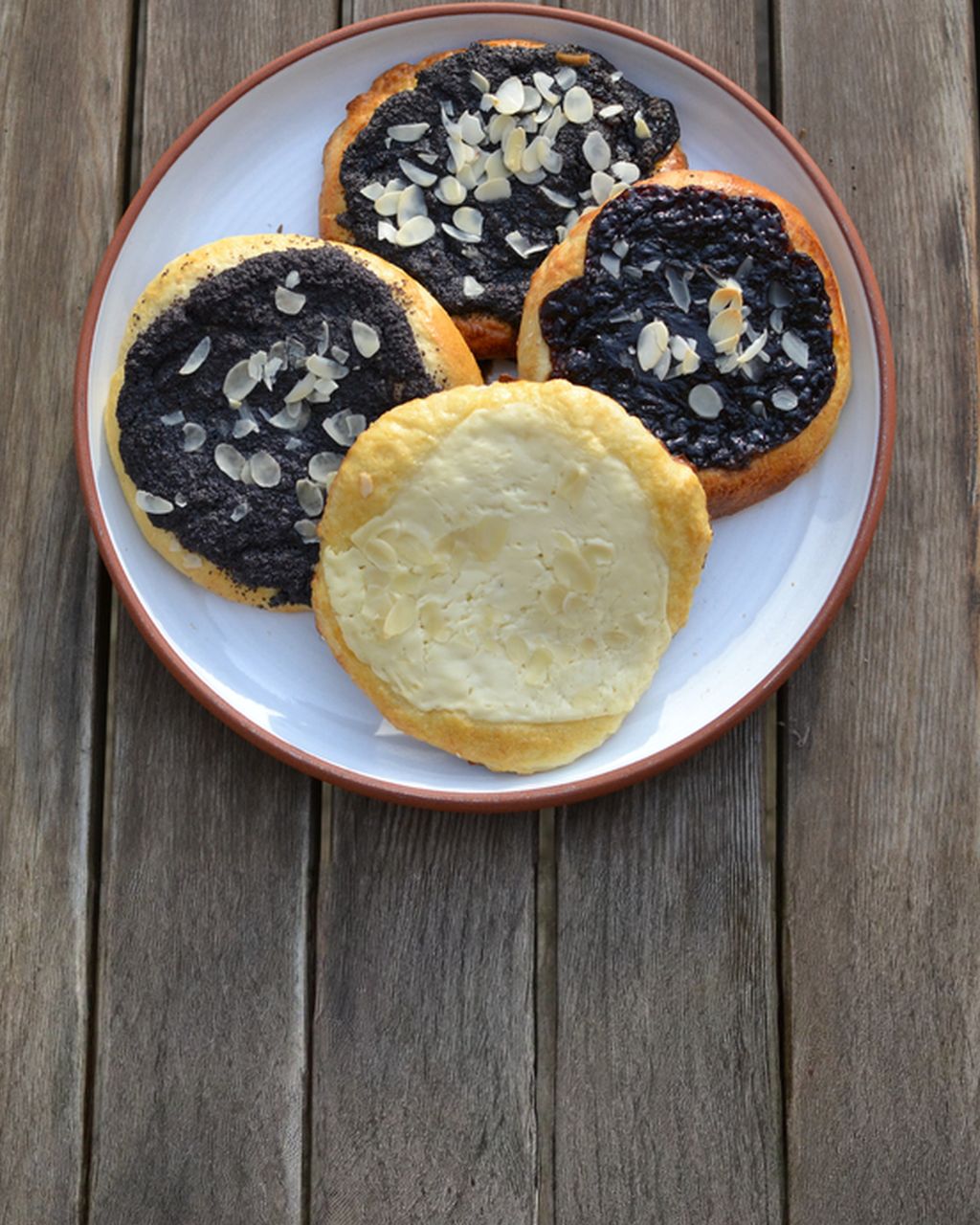
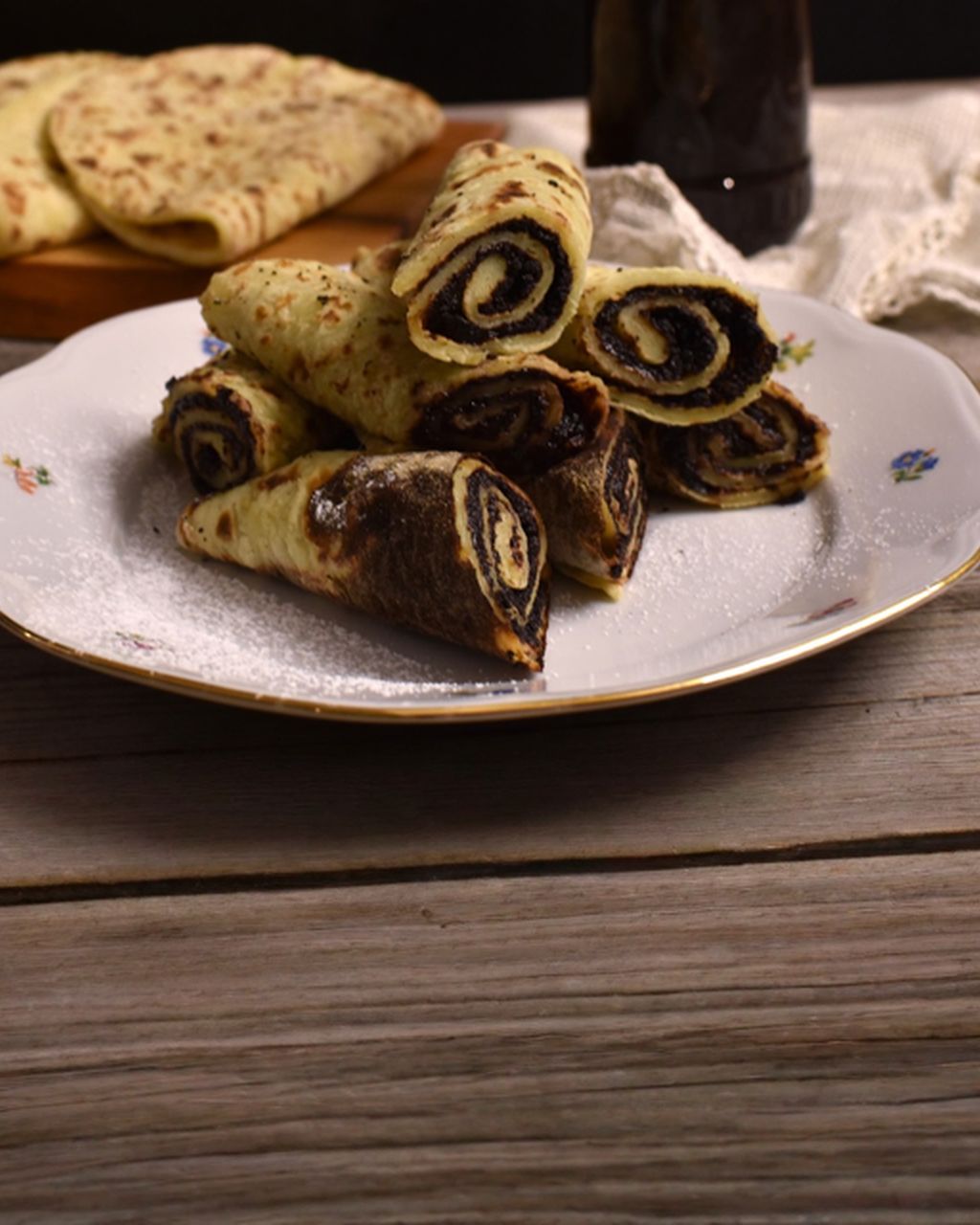
Plum butter belongs in yeast dough: in buchty buns, kolaches, turnovers and vdolky, where its thickness keeps it from leaking. It goes into gingerbread, is spread on crêpes and pancakes, and is poured warm over fruit dumplings with quark and butter. Stirred into roasting juices and sharpened with vinegar and pepper, it makes a sweet-and-sour sauce for duck, goose, game or pork neck.
Czech Decree No. 397/2021 defines povidla as a food made from apricots, apples, pears or plums, with or without added natural sweeteners, brought to a semi-firm to firm consistency with fine to coarser pieces of fruit flesh. It therefore recognises both sweetened and unsweetened povidla. Plum povidla must contain at least 1,700 g of plums per 1 kg of product and at least 60 % refractometric dry matter. They may also be made from plum pulp, plum purée concentrate or pulp from dried plums.
Plum butter tastes of roasted plums: sweet, gently tart, with caramel notes. It is dark brown, thick and spreadable, and it doesn't run or bubble out in the oven.
3 min read
Povidla are fruit pulp thickened by long cooking. Unlike jam, no pectin goes in, and traditionally no sugar either at home: the butter thickens as water evaporates, and the plums supply their own pectin and sugars. The Czech rules do allow sweetened and unsweetened povidla, though, so shop-bought jars may contain sugar.
The fruit content differs too. Plum povidla must contain at least 1,700 g of plums per 1 kg, whereas apricot jam needs only 450 g of fruit. At home, 10 kg of plums gives roughly 2–3 kg of plum butter. Whole plums in sweet syrup are a different product, canned plums.
In our nutrition database, plum povidla have 226 kcal, 53 g carbohydrate, 0.3 g fat and 1 g protein per 100 g. The energy in plum butter depends, though, on how far the plums are cooked down and whether sugar was added. Jiří Netopil plum povidla without added sugar state 220 kcal per 100 g. Šufan states 192 kcal, 40 g carbohydrate including 36 g sugars, 1.2 g fat and 2 g protein per 100 g.
The sugar in unsweetened plum butter comes only from the plums, but evaporation concentrates it. Finished povidla must reach at least 60 % dry matter, the same minimum as jam.
A sealed jar of homemade plum butter keeps in a dark, dry pantry or cellar at 8–20 °C for about a year. For shop-bought jars, follow the best-before date. Refrigerate an opened jar and use it within a month; Šufan gives 1 month after opening. Always use a clean spoon, since a crumb of butter or dough in the jar is a common start of mould.
Plum butter can also be frozen instead of canned: cooled, in smaller containers with about a centimetre of headspace. It keeps for about a year in the freezer. A bulging lid, hissing on opening, bubbling or mould mean throwing out the whole jar, not just scraping off the top, as explained in when to toss a jar of preserves.
The closest swap is apple or apricot butter in the same amount. For fillings, prunes soaked in warm water and blended with a little liquid also work. A thick plum jam is runnier and sweeter and may leak out of buns and kolaches. This is ordinary kitchen practice; the flavour changes a little.
A teaspoon of plum butter weighs about 9 g, a tablespoon about 25 g and a cup about 325 g. One heaped teaspoon is enough for one bun; more will burst the dough as it rises.
The easiest way is in the oven: bake pitted plums with no water and no sugar in a deep roasting pan, uncovered, at 150–160 °C for 4–6 hours in total. Blend after 2–3 hours and scrape the bottom with a spoon once an hour. On the hob it takes 4–5 hours in a wide, heavy-based pot, stirring along the bottom every 10–15 minutes. It is done when a line drawn with a spoon closes over in two to three seconds.
Fill it boiling into hot sterilised jars, seal at once and leave to cool upside down. For extra safety you can process the jars for 15–25 minutes at 85 °C. The full method is in plum butter: how to make it at home. A sweetened version with sugar and vinegar is in the homemade plum butter recipe.
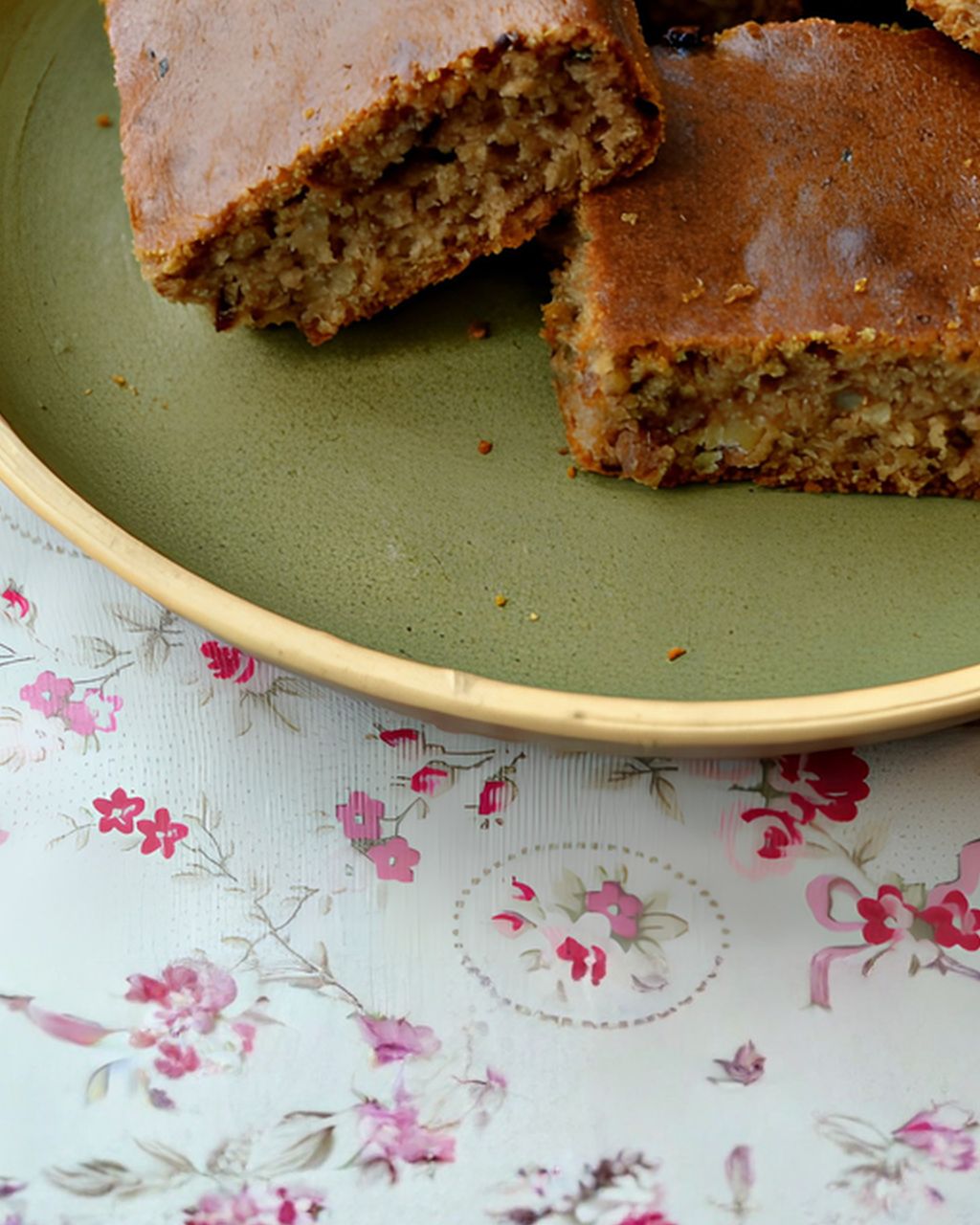
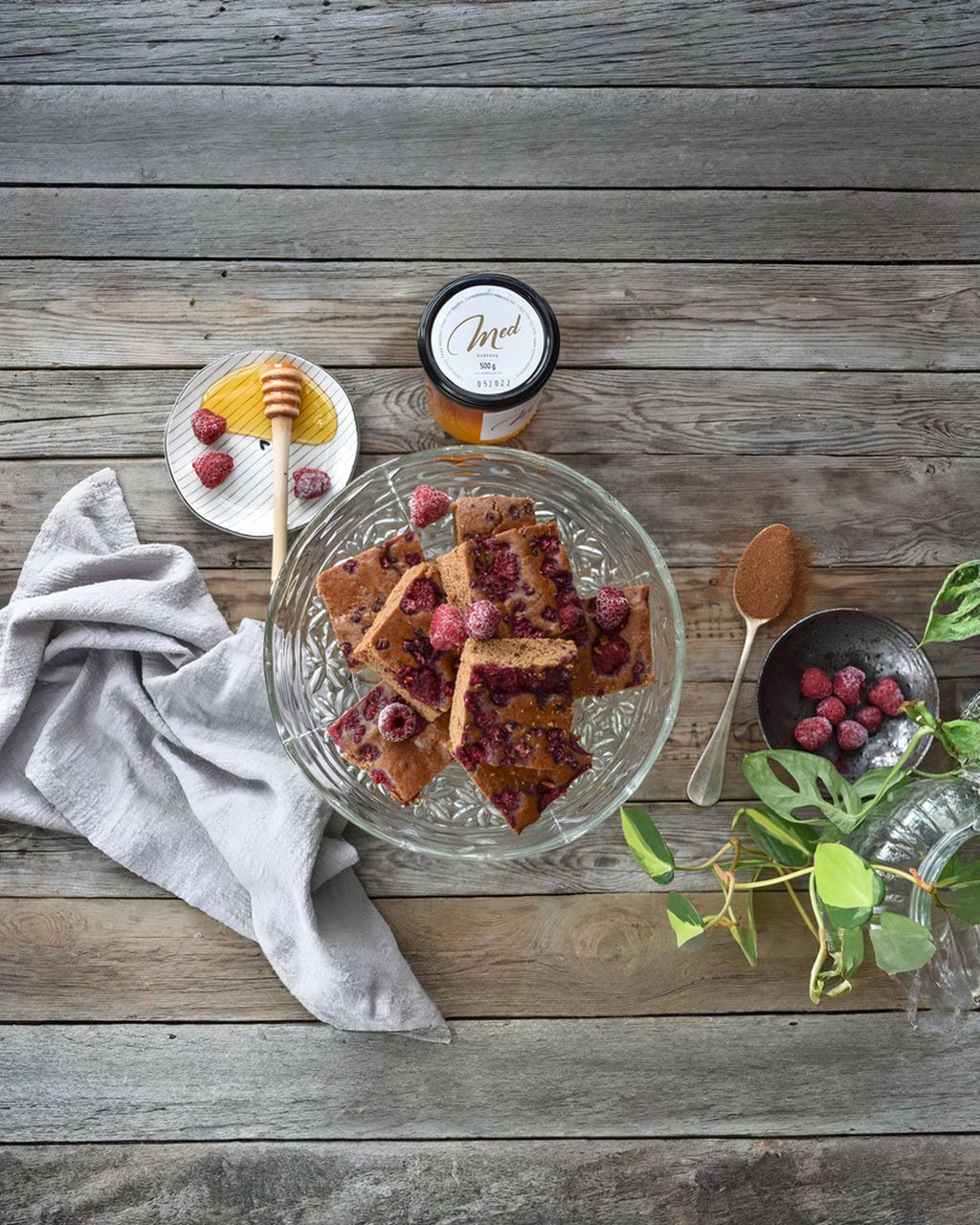
Plum butter is the classic filling for yeast dough, for example in družbáky buns. In gingerbread it adds moistness and a tartness that balances the honey, as in the honey spelt gingerbread cake with plum butter and raspberries.
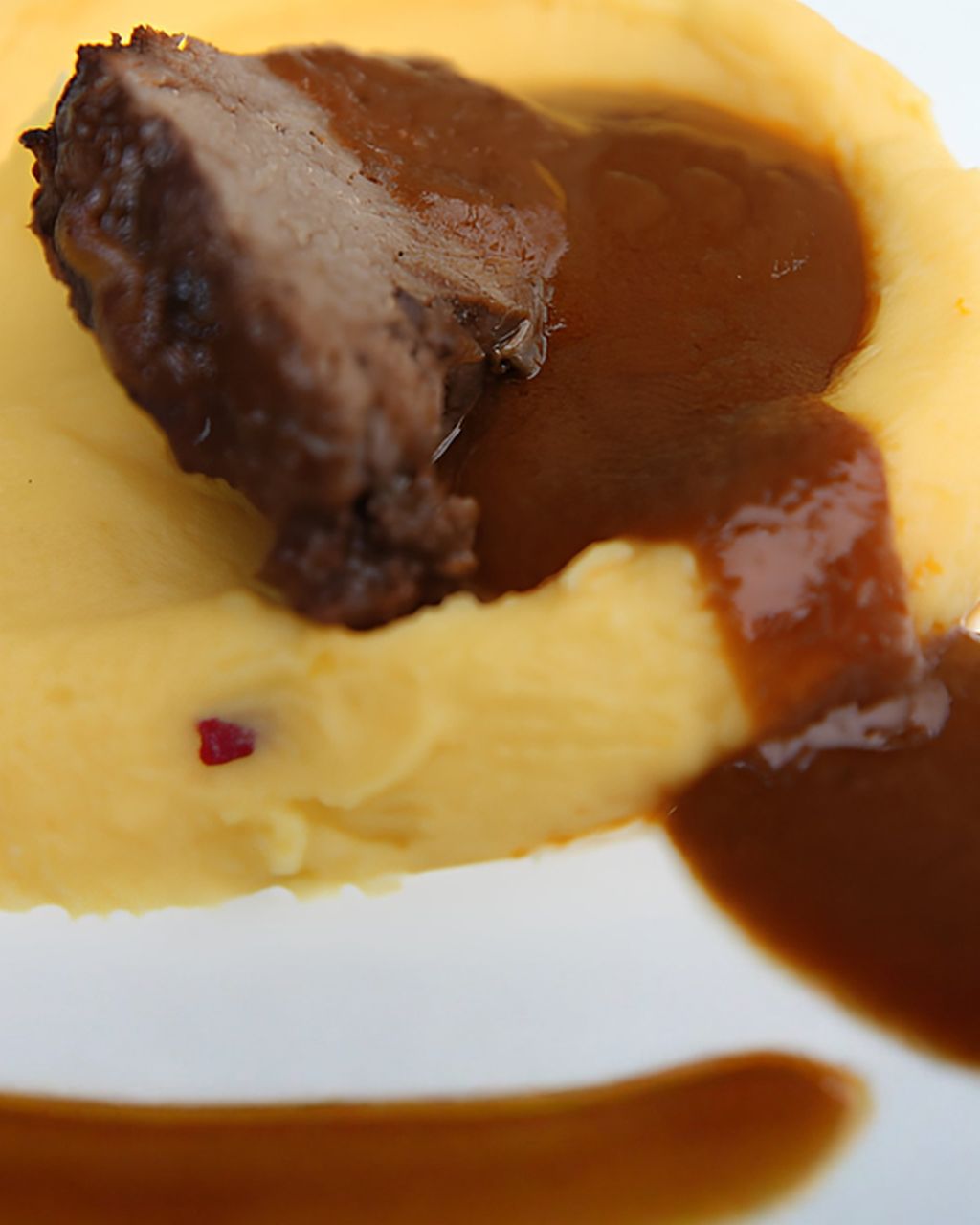
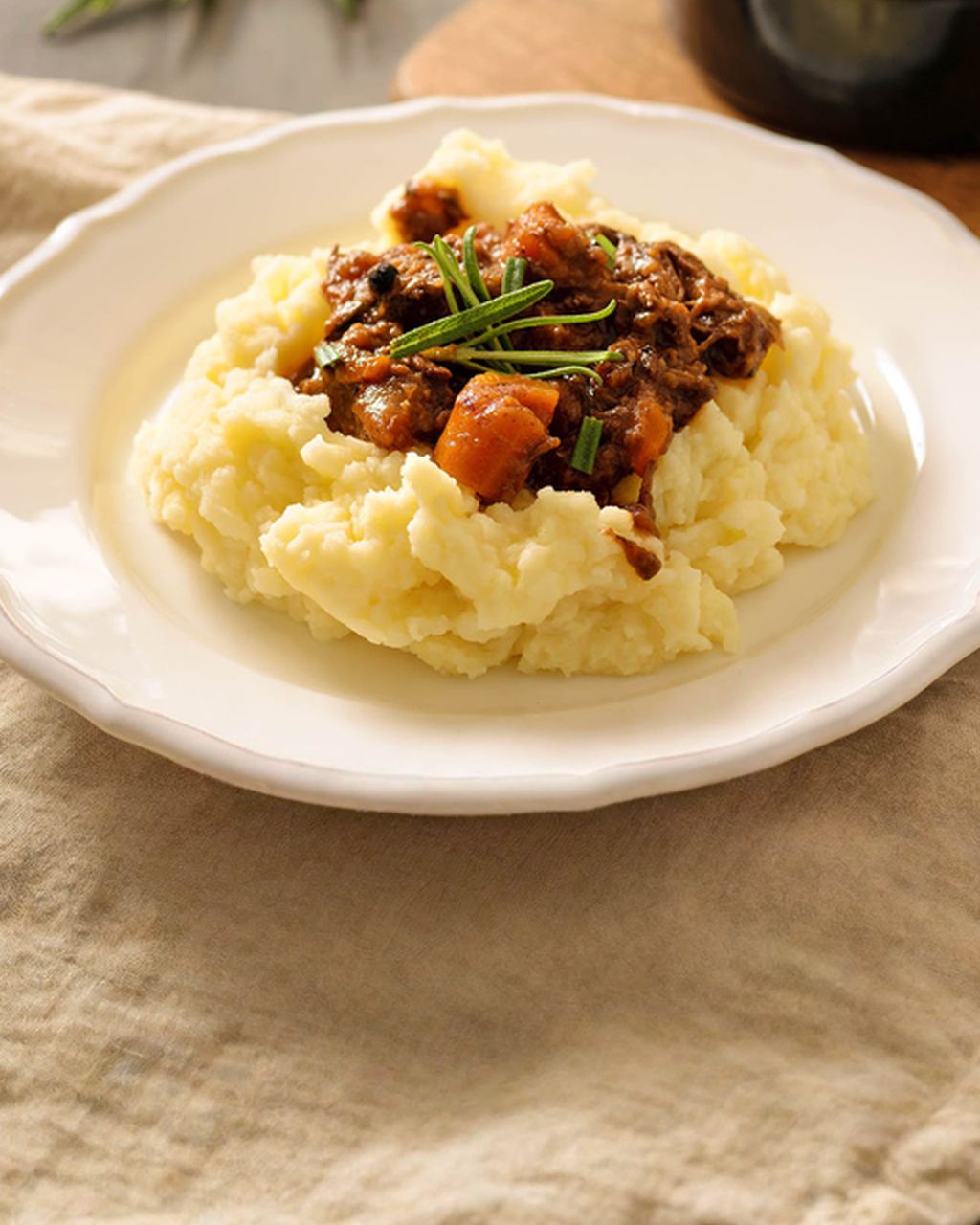
Warmed, it is poured over plum dumplings with grated quark and butter. In savoury cooking, stir it into the roasting juices for a sweet-and-sour sauce for roast duck, goose or game.