- Season
- Year-round
- Price
- Medium
Calories and nutrition
per 100 g
162 kcal
Calories
3 g
Protein
3.5 g
Carbs
15 g
Fat
Sour Cream 15%
15% sour cream is cultured cream with 15% milk fat, medium-thick and gently tangy. It suits batters, lángos and potato pancakes, dips, and finishing Czech dill sauce or sour lentils, but it must not boil: stir it into hot food only at the end.
per 100 g
162 kcal
Calories
3 g
Protein
3.5 g
Carbs
15 g
Fat
Do not leave it out; it goes into the fridge straight after shopping. Keep it out only while you eat, 2 hours at most.
Store it at 2–8 °C until the use-by date. Once opened, keep it covered, scoop with a clean spoon and use within 3 days; Kunín and Madeta both say so on the tub. Throw it out if you see mould or coloured spots or it smells bitter or musty.
You can freeze it, but after thawing it is grainy and weeps whey. It is no longer good on lángos or in dips, but fine for baking and hot dishes.
Look for sour cream with 15% fat and check the ingredients: the shortest list is cream and culture, some products add starch. The surface should be smooth and glossy, with no yellowish liquid, mould or yeasty smell. Skip bulging tubs.
12% or 18% sour cream in the same amount; the first is slightly thinner, the second thicker.
In batter, strained plain yogurt or smooth quark 1:1. In a hot sauce, crème fraîche, which can even boil.
For hot dishes, temper it: whisk in hot liquid a spoonful at a time until it is lukewarm, then stir it into the pan off the heat or over the lowest flame. From then on only warm the dish through, do not boil. Stir any liquid on top back in.
Stir leftovers into muffin or bundt cake batter, mashed potatoes, lentils or a dressing. Add a spoonful on top of soup or potato pancakes.
Roughly what everyday kitchen measures weigh.
0.99 g
1 milliliter
4.95 g
1 teaspoon
14.8 g
1 tablespoon
248 g
1 cup (250 ml)
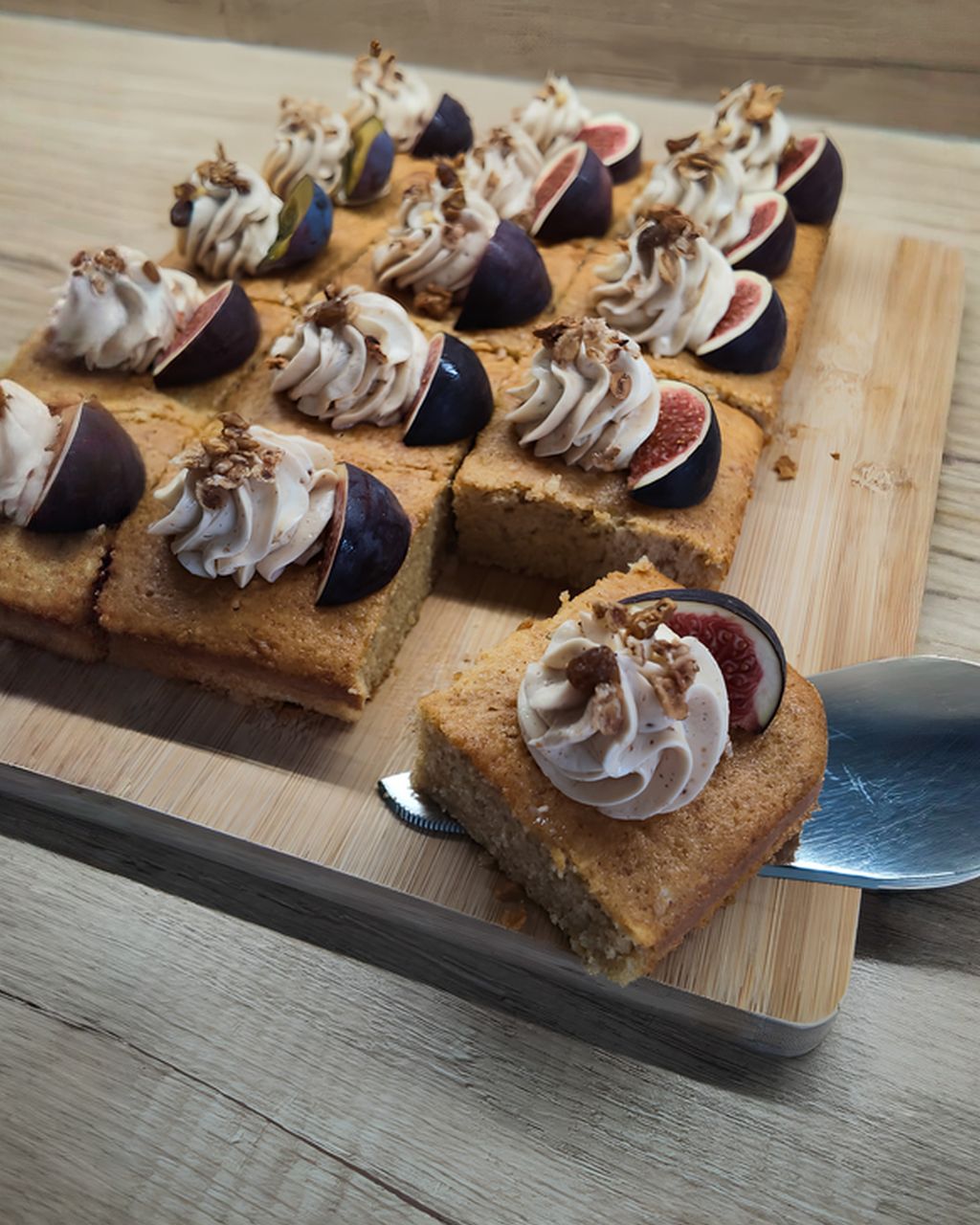
Autumn squares
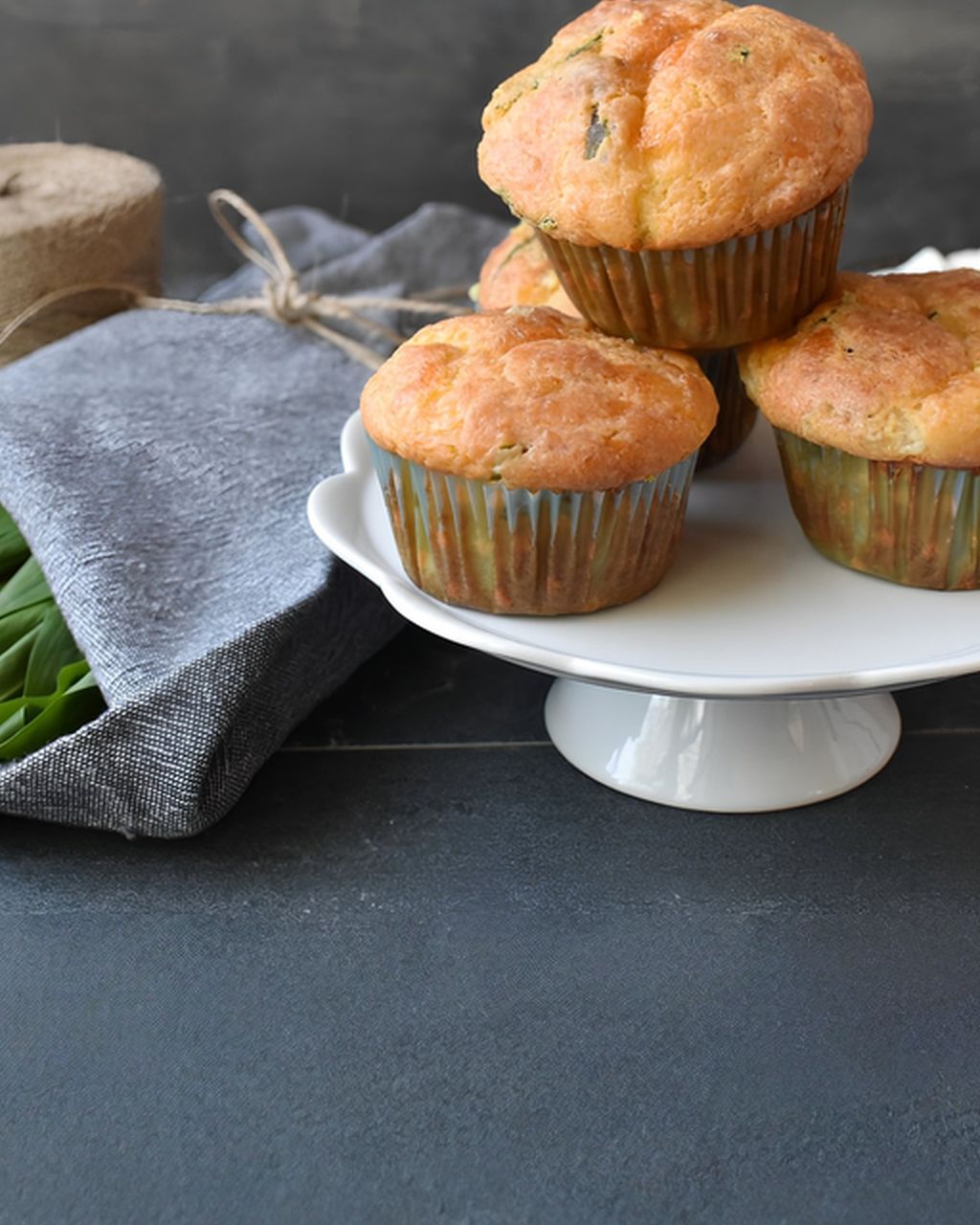
Wild garlic muffins with three cheeses
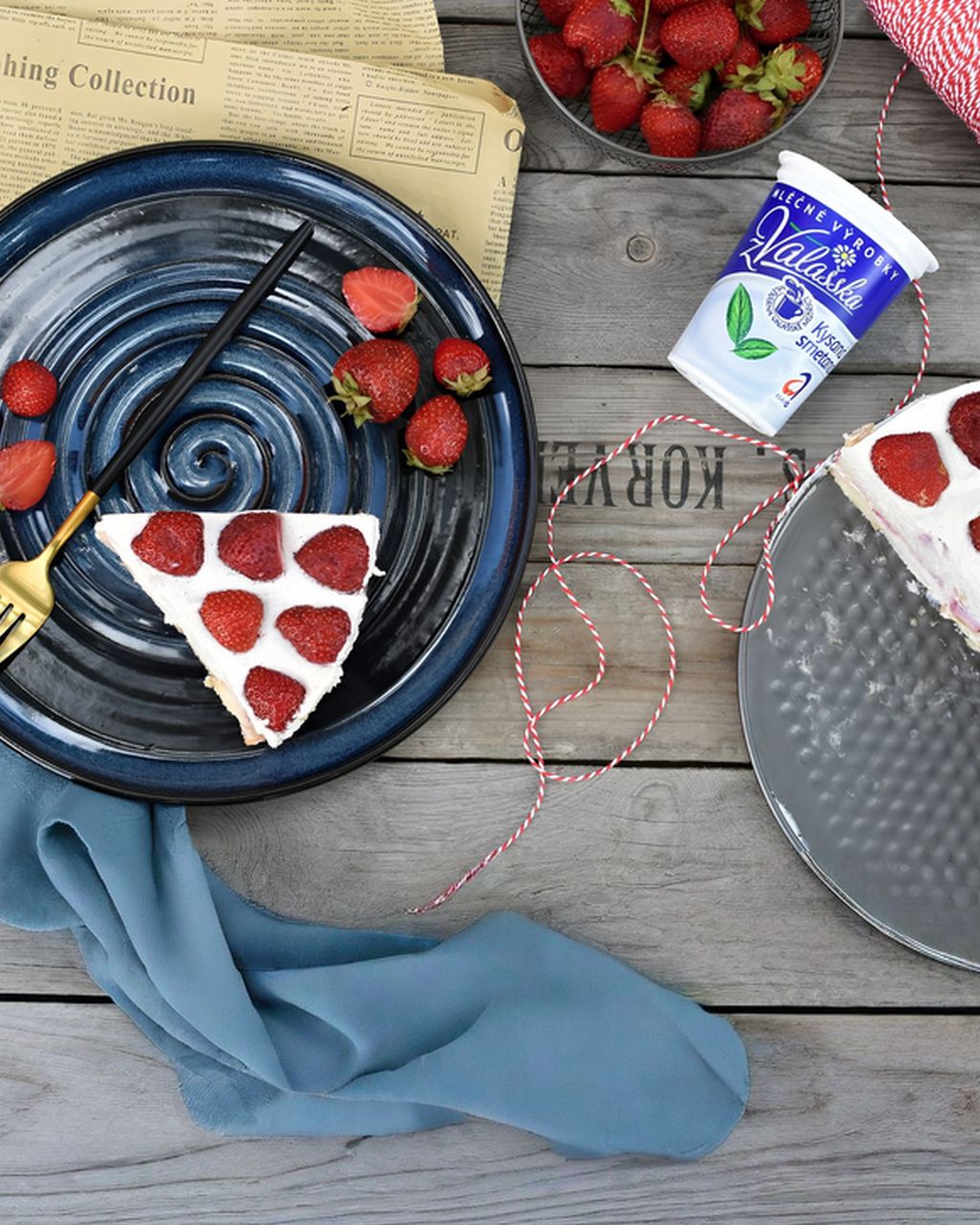
No-bake strawberry cake with sponge fingers
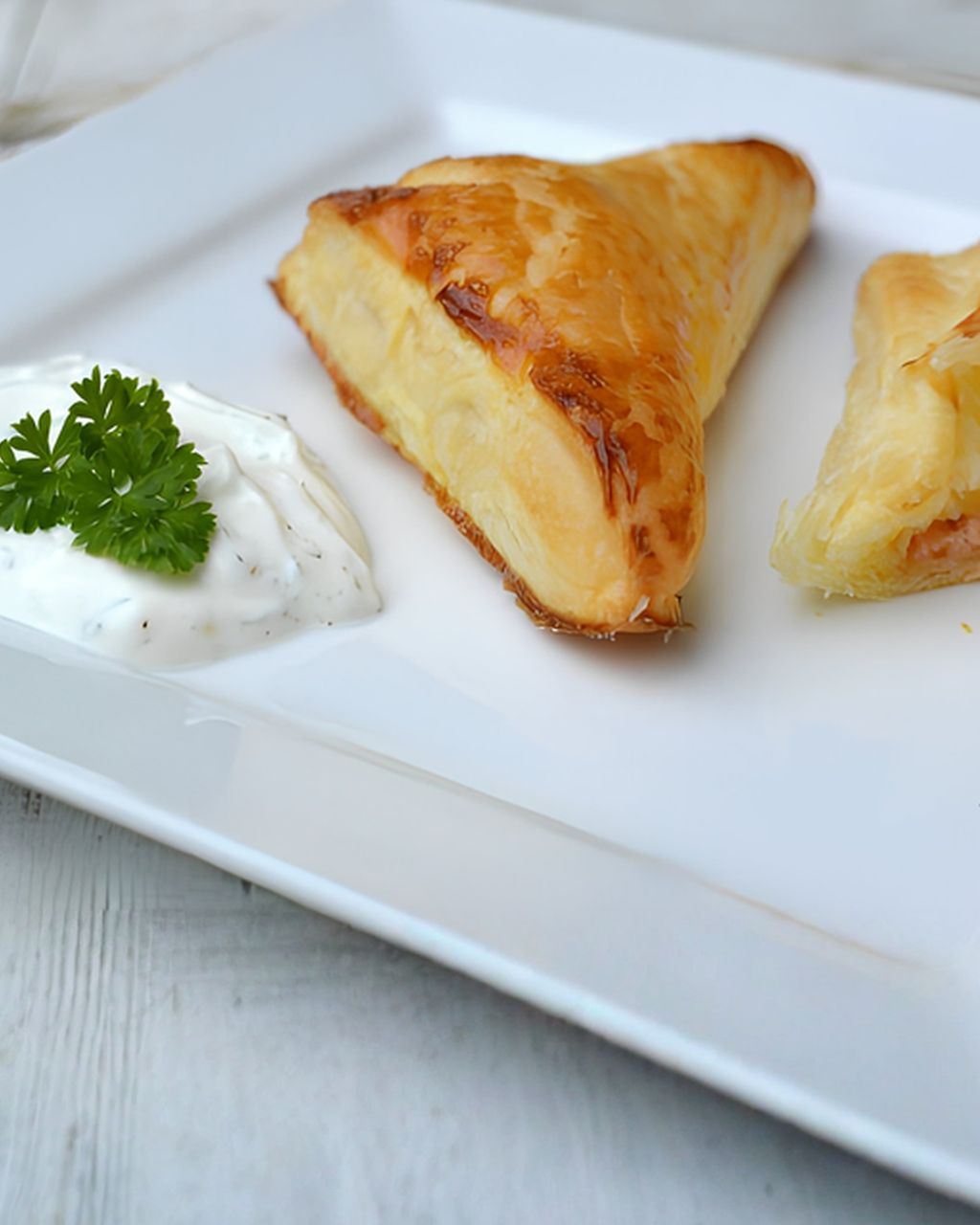
Puff pastry parcels with salmon and goat cheese
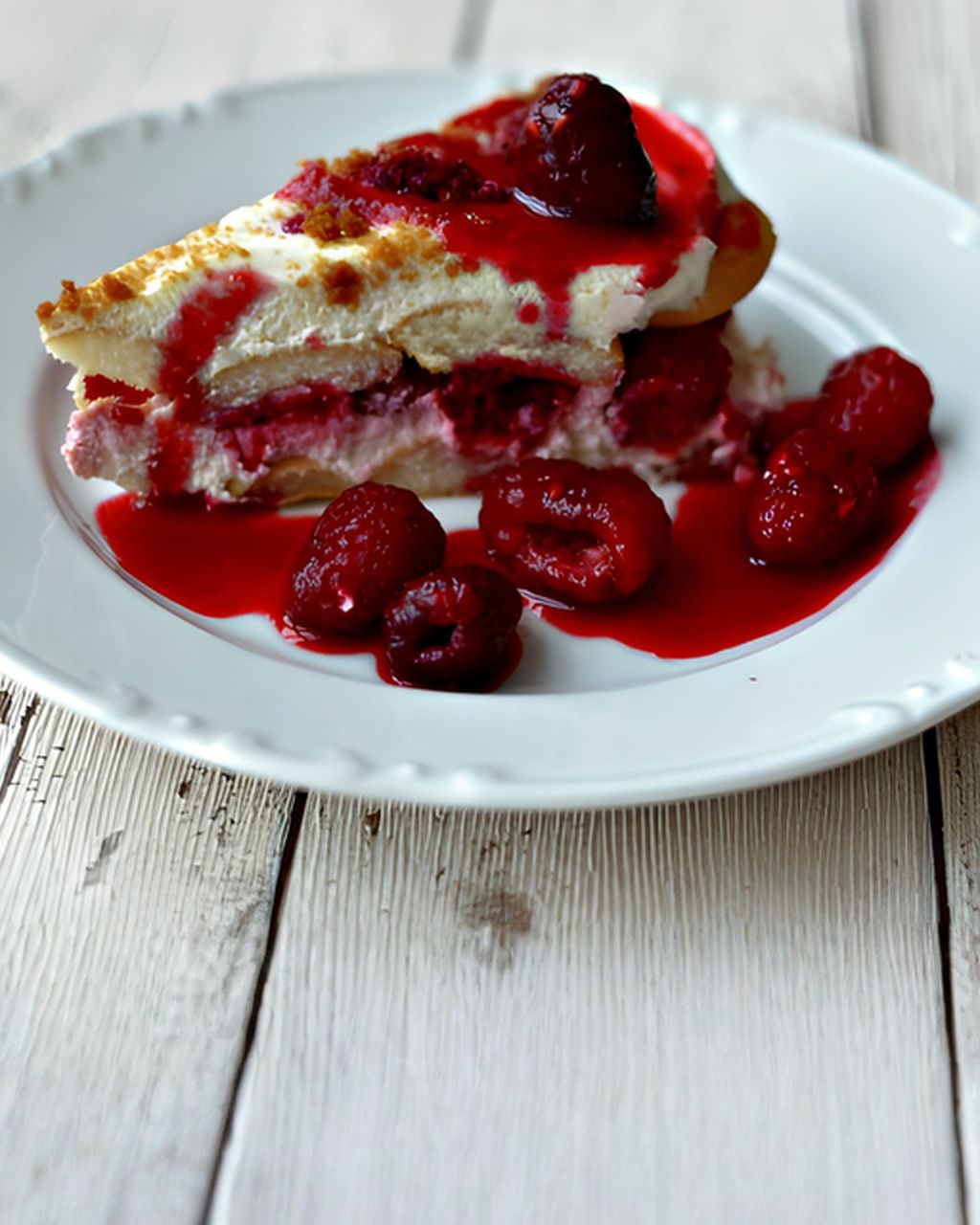
No-bake fruit cake with mascarpone and sponge fingers
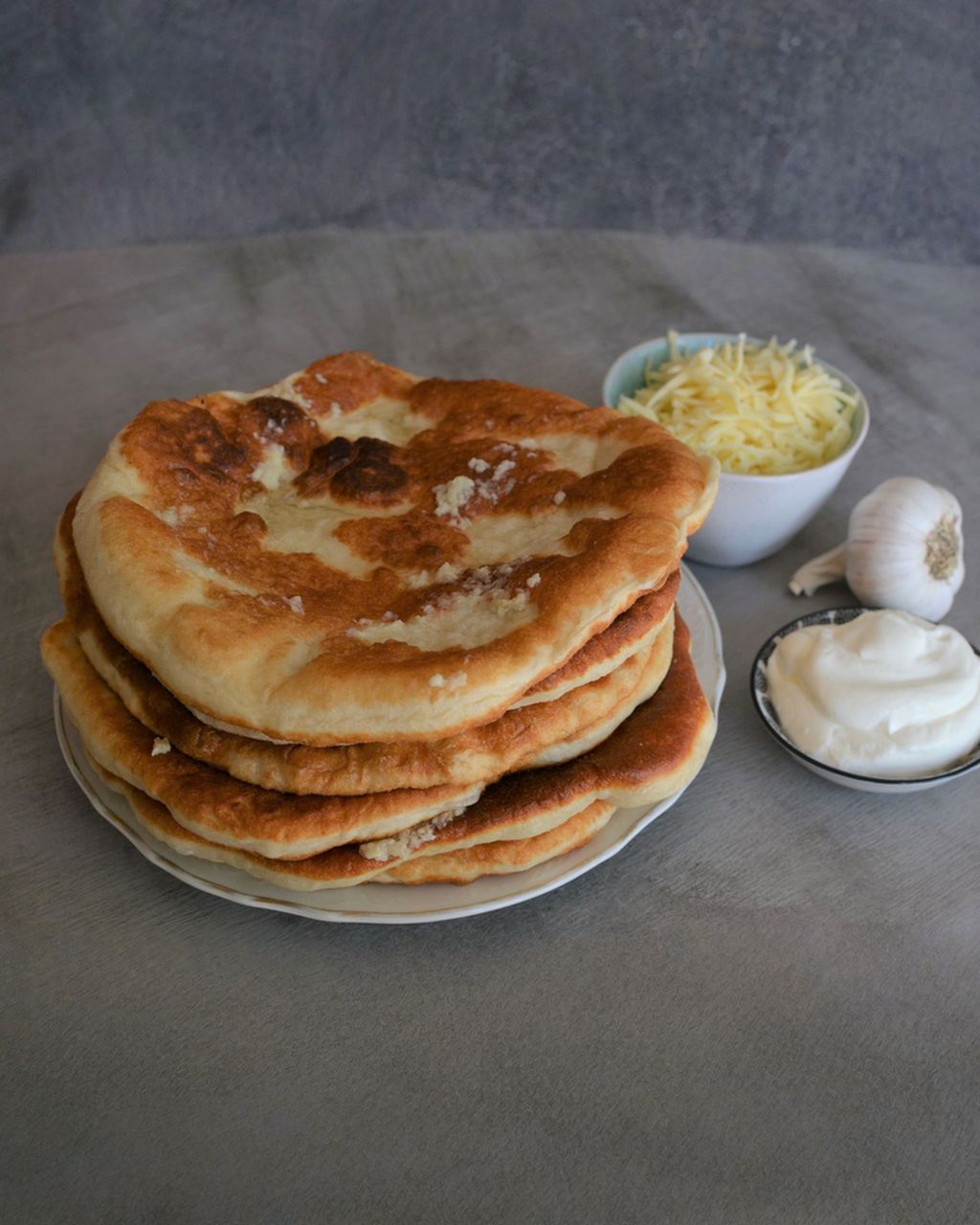
Crispy hungarian langos
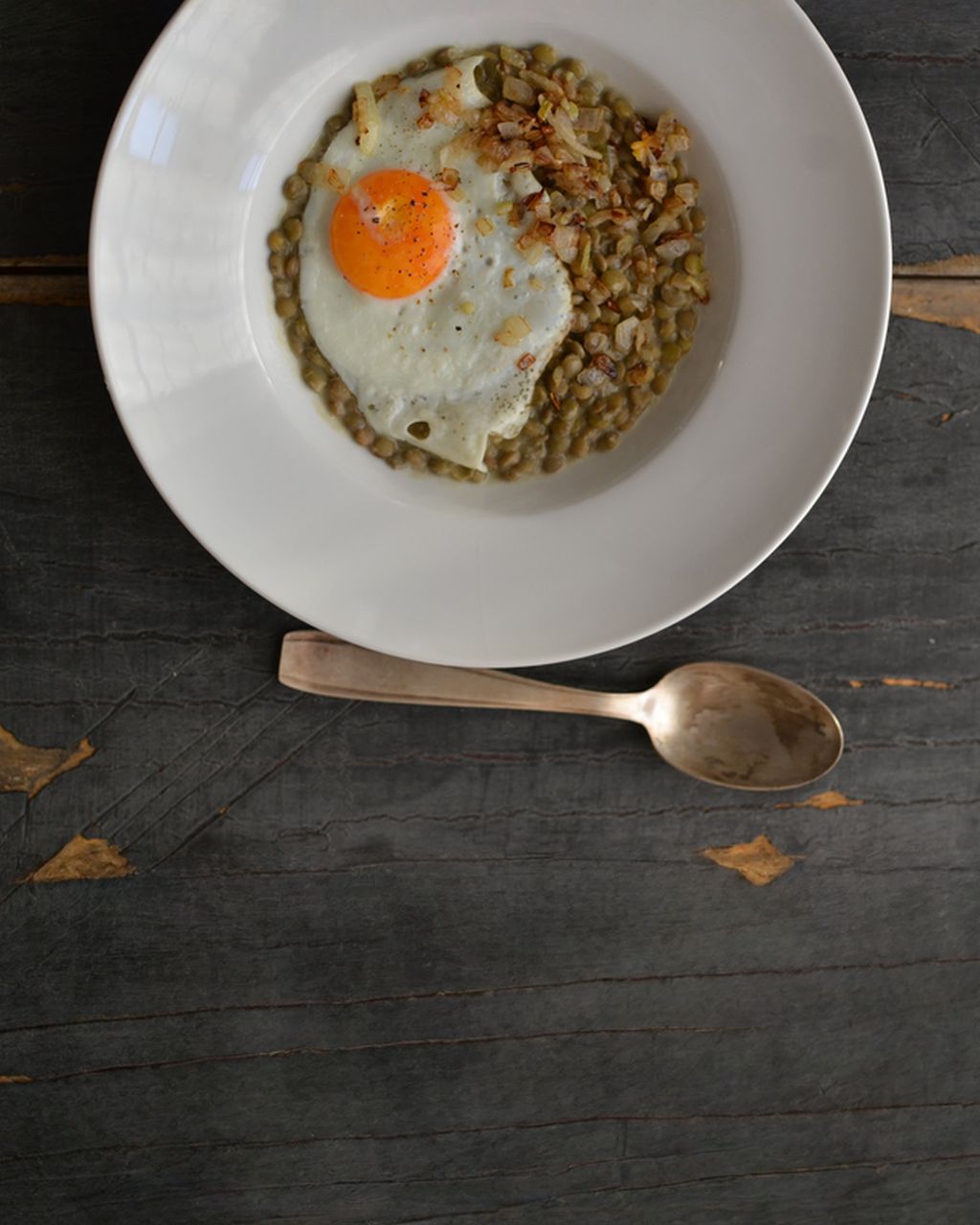
Sour lentils with a fried egg
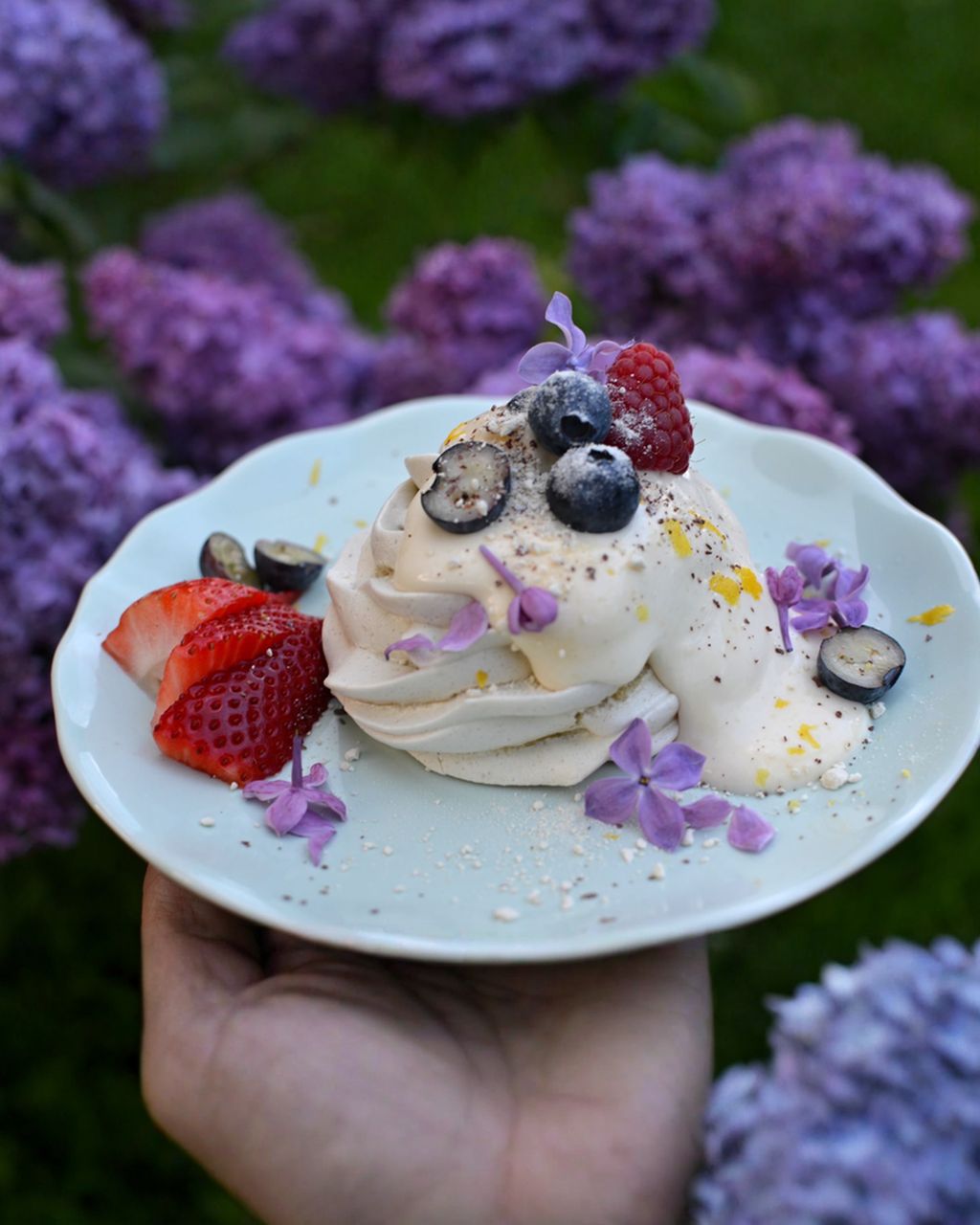
Lilac meringue kisses with lemon curd cream and fresh fruit
Under Czech Decree No. 397/2016, sour cream (kysaná or zakysaná smetana) is made by souring cream with lactic acid bacteria, must not be heat-treated after souring and must contain at least 10% fat. The 15% is the declared fat content. Several dairies sell it, most often in 175–200 g tubs. Kunín lists cream and lactic acid bacteria, Madeta also sells a lactose-free version, and some products, such as Milko organic sour cream, contain corn starch.
Gently tangy, creamy and fresh. It is a little fuller and thicker than 12% sour cream and thinner than 18% or 20%.
2 min read
Czech Decree No. 397/2016 classes sour cream as a fermented dairy product. It is made by souring cream with lactic acid bacteria, must not be heat-treated after souring and must contain at least one million (10⁶) of these bacteria per gram. The minimum fat content is 10%; the decree does not distinguish fat levels.
15% sour cream sits between 12% sour cream and 18% sour cream. They share the same cultures, sourness and storage and differ in fat, thickness and calories. In recipes you can swap them 1:1.
Sour creams with 10–18% fat curdle almost instantly in hot liquid, so never boil 15% sour cream. Temper it, stir it in off the heat or over the lowest flame, and then only warm the dish through.
Starch helps too. In Czech dill sauce with cream, sour cream goes in together with whipping cream once the sauce is thickened with a roux, and the sauce is then only warmed for a few minutes. In sour lentils with a fried egg, it is stirred into the cooked lentils, which are not boiled again. What to do if a sauce curdles anyway is covered in Cream sauce curdled: why it happens and how to fix it.
Per 100 g, labels give 159–163 kcal, 15 g fat (9–10 g of it saturated), 2.9–3.4 g protein and 3.2–4 g carbohydrate. A tablespoon, about 15 g, has around 24 kcal.
It contains milk, one of the allergens that must be emphasised on the label, and lactose. Madeta also sells a lactose-free 15% sour cream with less than 0.01 g lactose per 100 g.
Unopened, it keeps in the fridge at 2–8 °C until the use-by date; once opened, use it within 3 days. After freezing it is grainy and weeps water, so use it only in batters and hot dishes. More in Can you freeze milk, cream and yogurt?.
Cold is easiest: on crispy Hungarian lángos it is spread together with garlic and grated Edam. It also works in dips, spreads and no-bake cakes and in savoury muffins and bundt cakes, where it adds moistness.
The UK NHS says pasteurised cream, yoghurt and butter are fine in pregnancy and advises avoiding unpasteurised milk, cream and yoghurt, which may contain listeria. With farm-made sour cream, check the label to see whether it is made from pasteurised milk or cream.