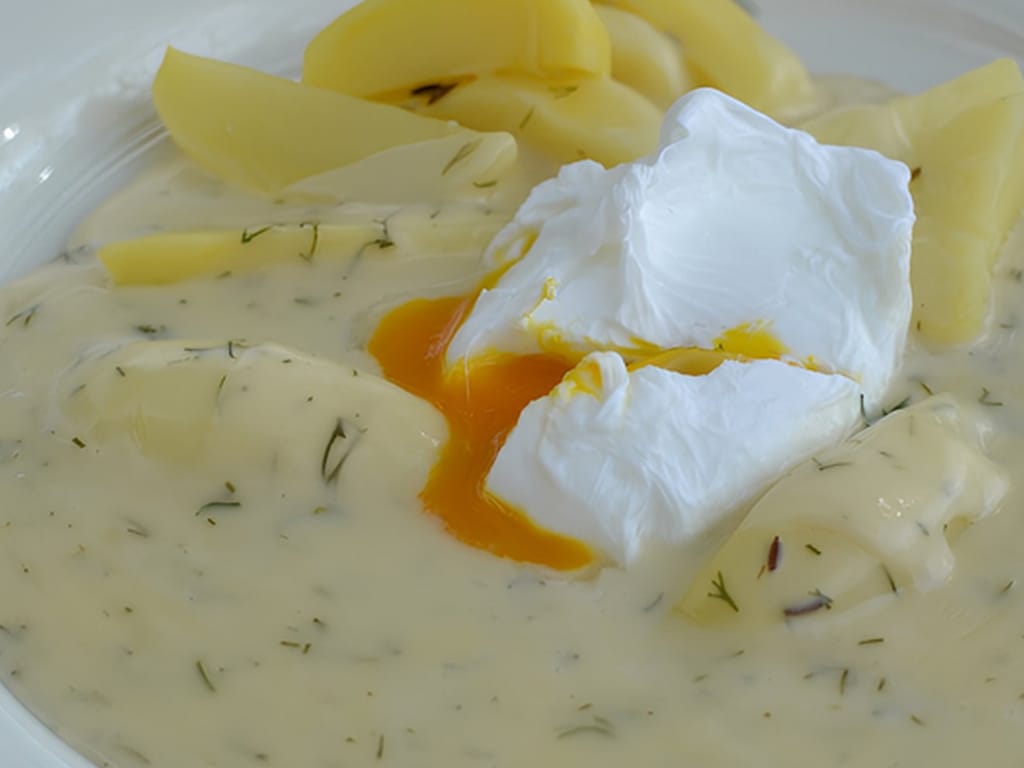
At a glance
This creamy dill sauce comes together in under 40 minutes and works beautifully with potatoes, eggs, or beef. The trickiest part is whisking the cold stock into the roux slowly to avoid lumps, then letting everything simmer together so the flavors blend just right.
-
1/6
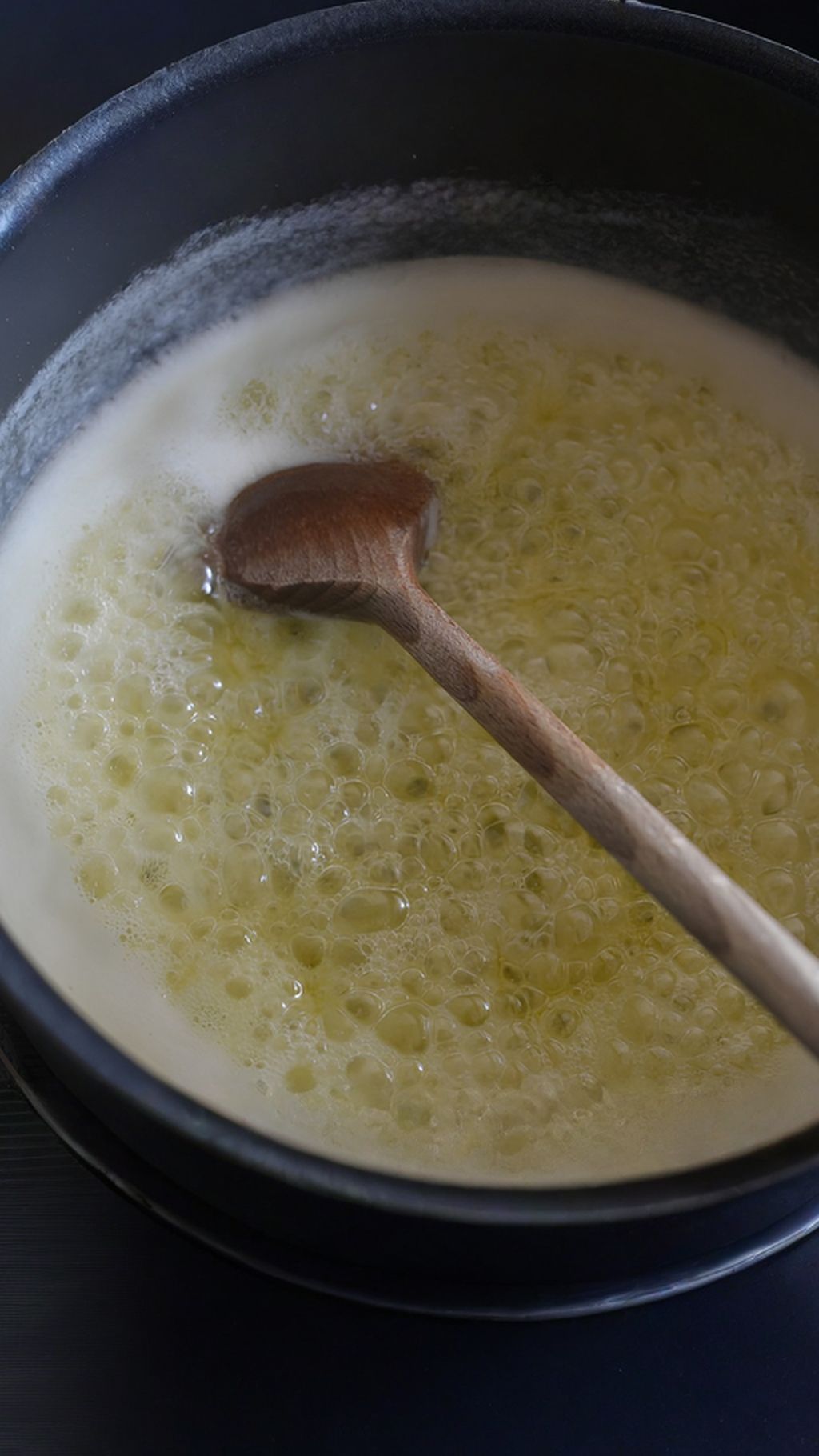
Melt the butter with sugar and vinegar
Melt the butter in a pot, then right away add the sugar and pour in the vinegar. Let it bubble briefly until the sugar has fully dissolved. This sweet-and-sour base is where the sauce gets its signature flavor.
For this step
0/3 -
2/6
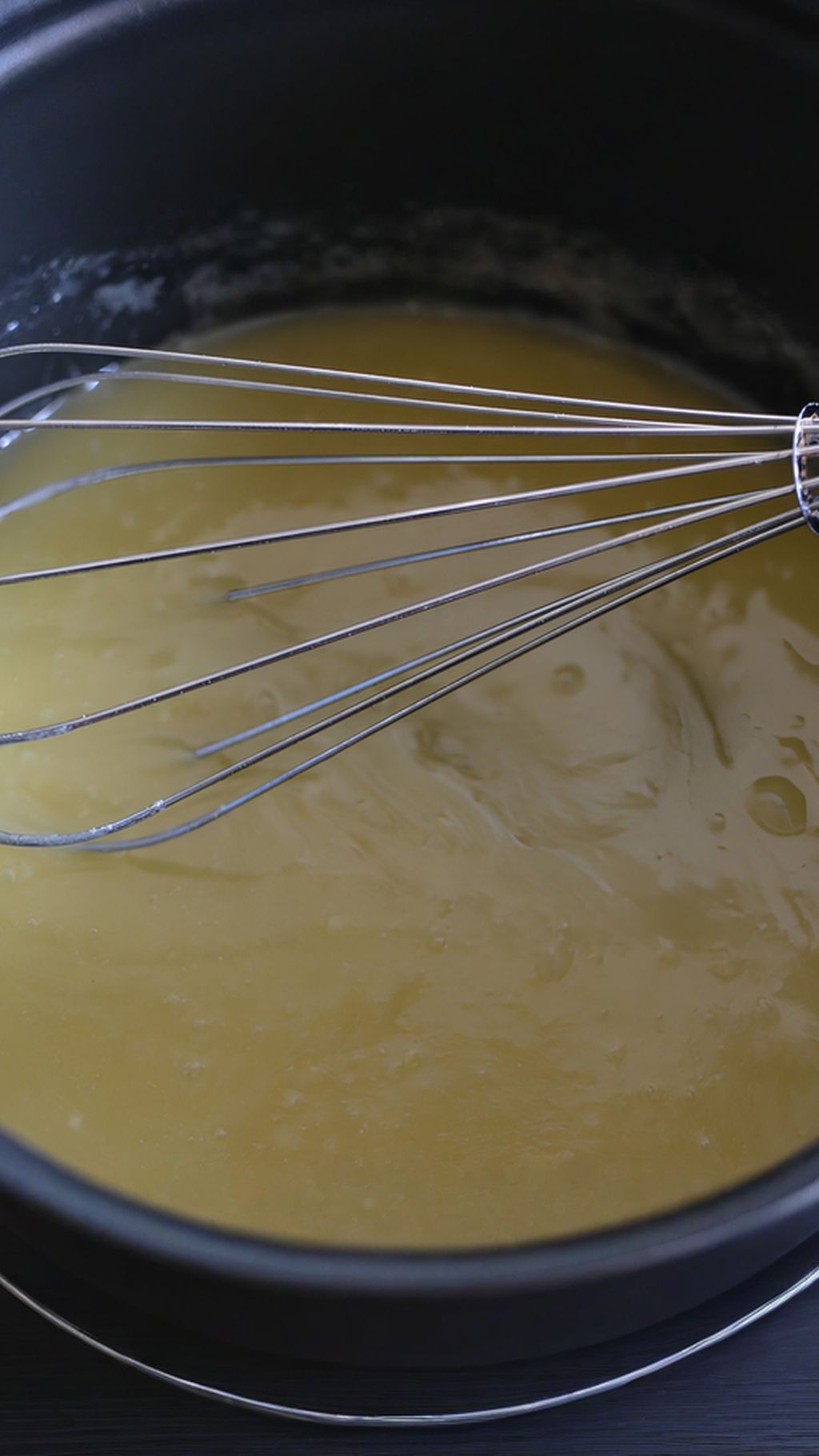
Make the roux
Turn the heat down a notch and add the flour. Whisk it into the butter immediately, or it will start clumping into lumps. Cook the roux only briefly; it should stay pale.
For this step
0/1 -
3/6
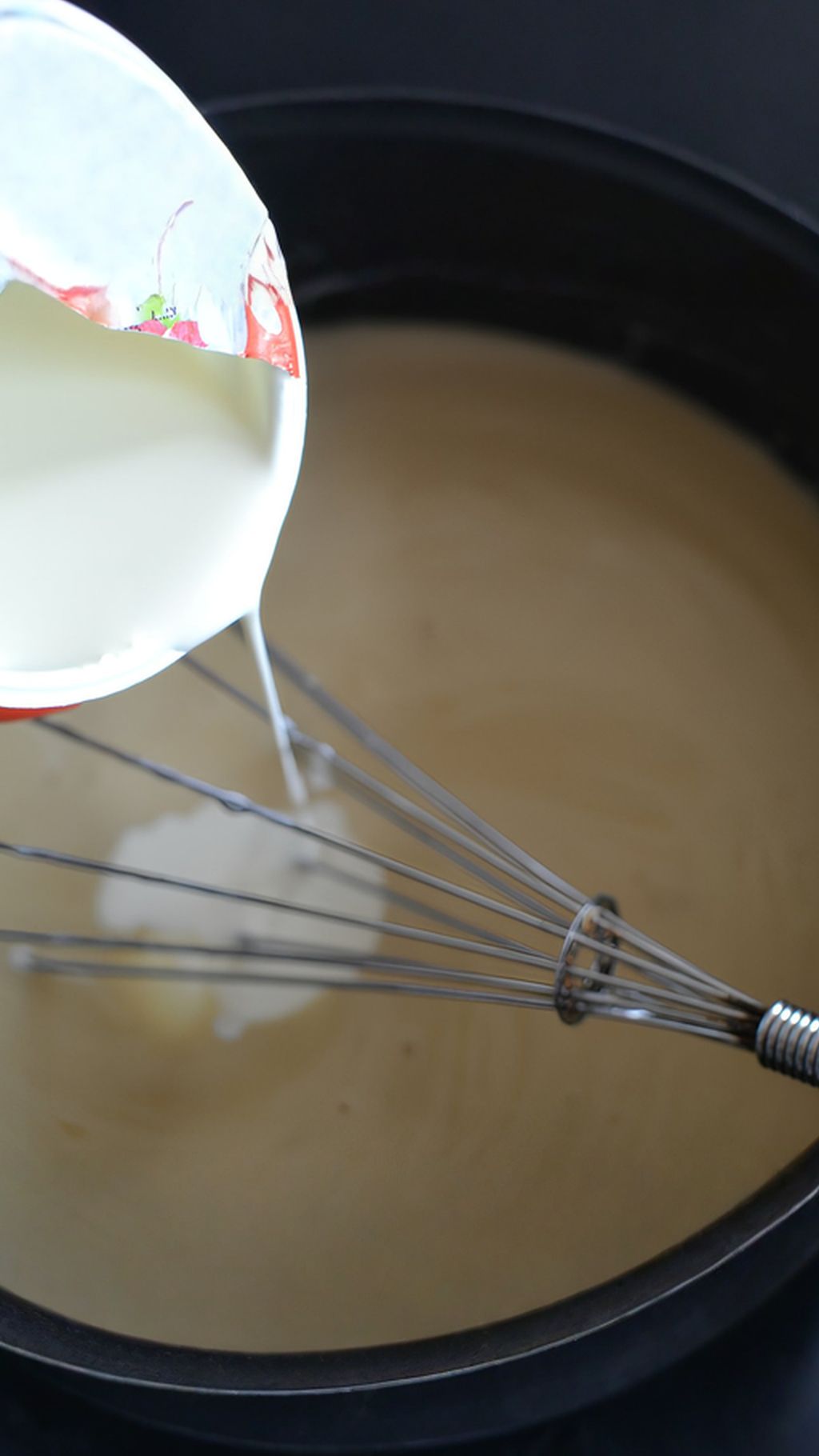
Pour in the stock
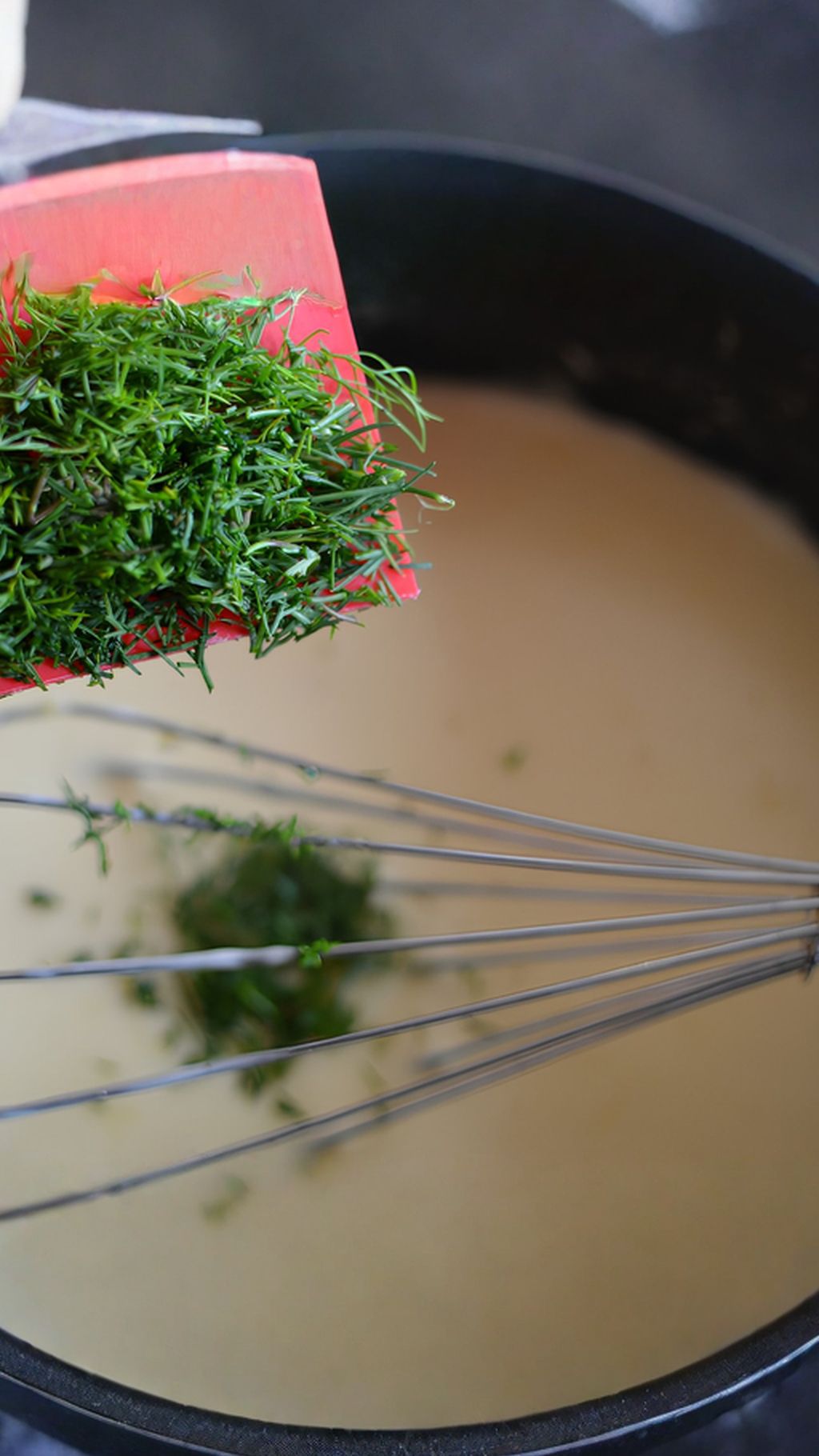
Over low heat, add the cold stock to the roux in small batches, whisking each one in until smooth. Cold liquid into a hot roux is the most reliable way to avoid lumps.
For this step
0/1
How it went
Nobody has tried this recipe yet
Be the first to say how it went.
Anyone can answer, without signing in or buying. Answers aren't verified. The percentage is the share of “Worked out” answers, shown from 5 answers.
Tips from the Yumsto kitchen
Why it works
Cold stock poured into a hot roux binds with the flour gradually, so the sauce thickens smoothly with no lumps. Twenty minutes of gentle simmering cooks out the flour so the sauce doesn't taste floury. Whipping cream adds richness, sour cream a pleasant tang, and the vinegar and sugar give that classic sweet-and-sour balance. The dill goes in at the very end so it keeps its aroma and green color.
Tips
Stir the sour cream smooth before adding it to the hot sauce, and from then on only warm the sauce through. A hard boil could make it curdle. Chop the dill with a sharp knife just before using it; a blunt knife bruises it and the fronds turn dark. If lumps form anyway, push the sauce through a sieve before you add the creams.
Substitutions
You can swap the beef stock for chicken or vegetable stock; the sauce will be a little milder. Lemon juice can stand in for the white wine vinegar; add it gradually and taste as you go. Dried dill is no substitute for fresh here, as the sauce would turn out flat and with a different texture.
Storage
Transfer the cooled sauce to a sealed container and keep it in the fridge for up to 2 days. Reheat it slowly over low heat, stirring constantly, and loosen it with a spoonful of stock if needed. Freezing isn't recommended, as the cream separates once thawed and the sauce turns grainy.
Serving
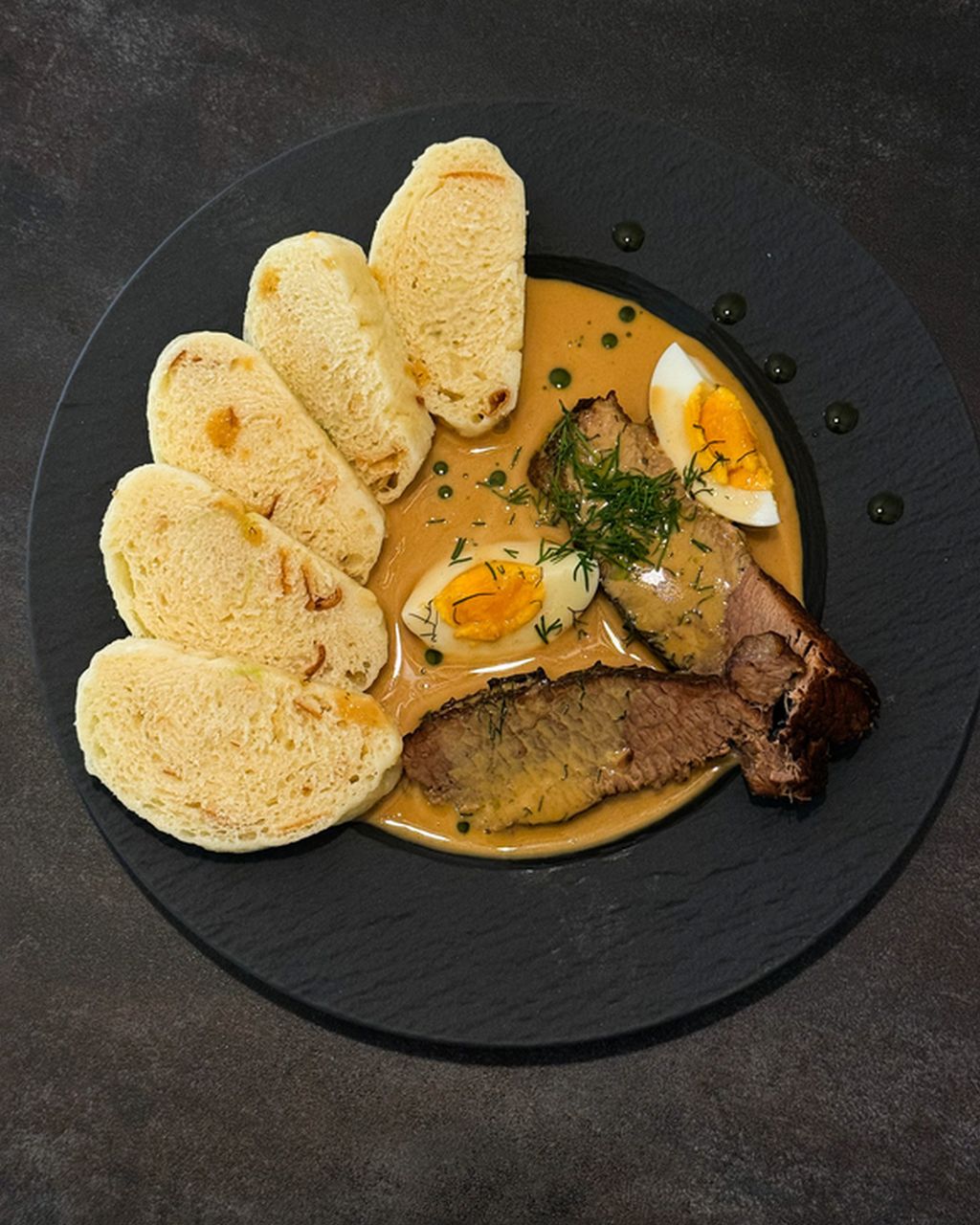
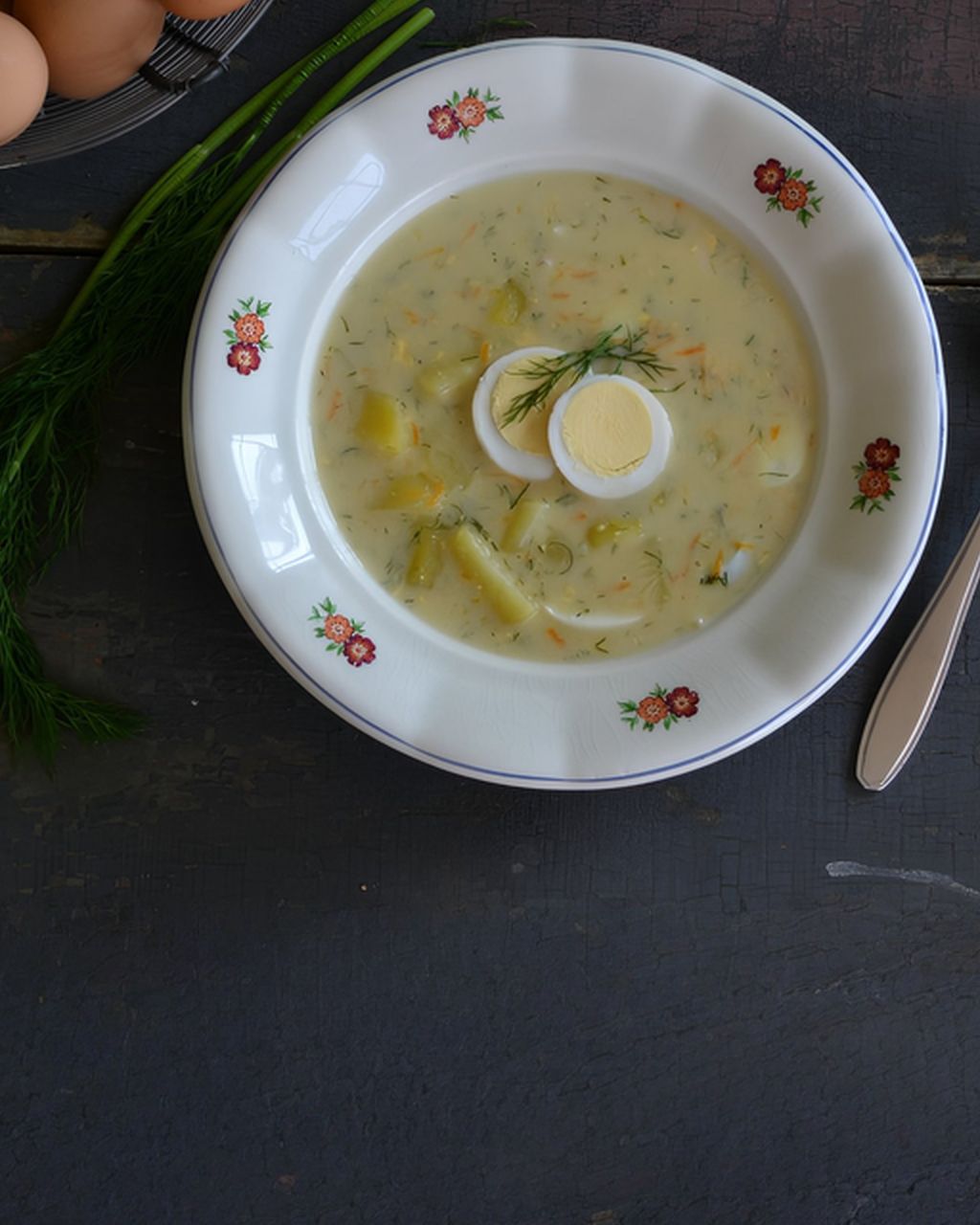
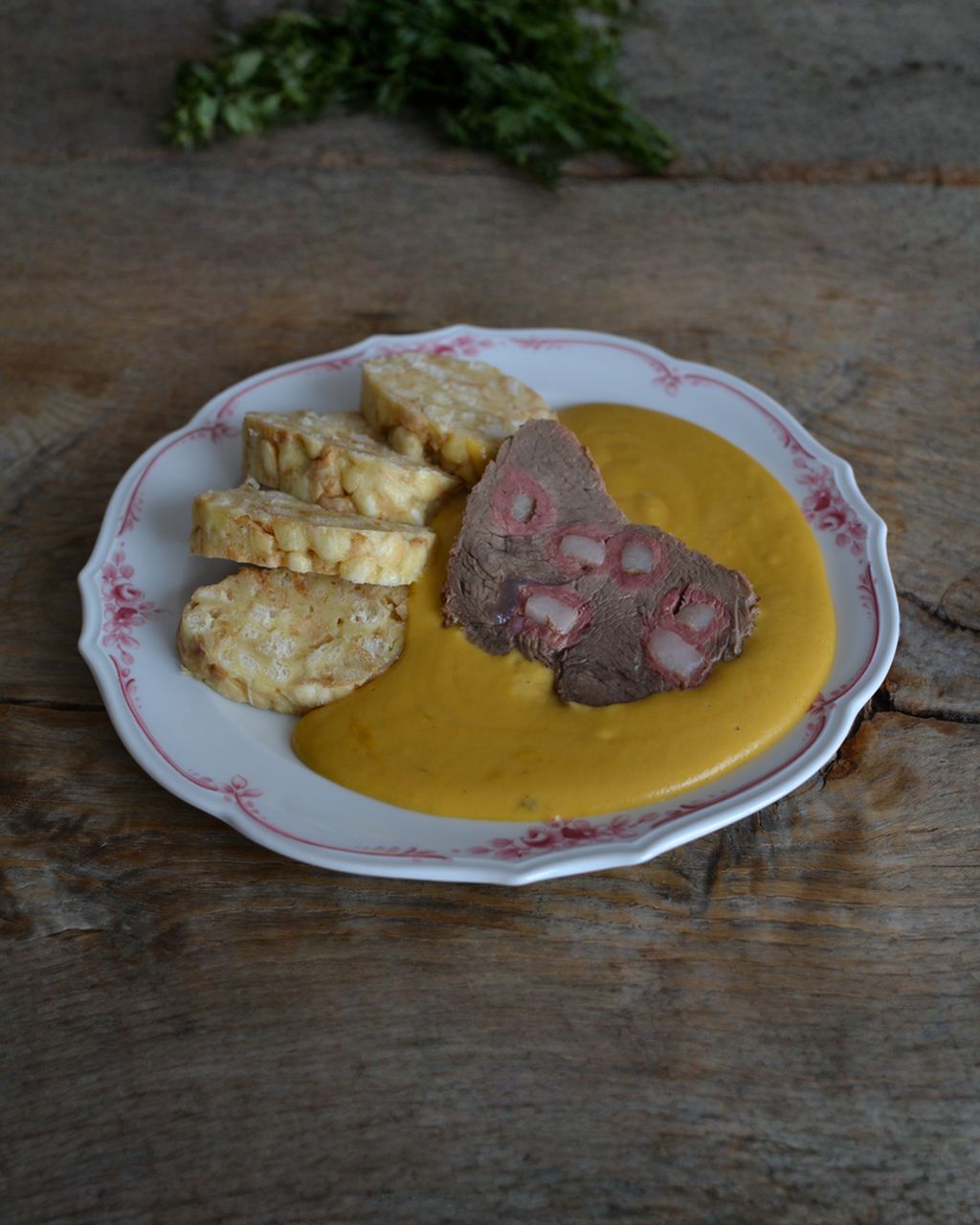
It's most often served with boiled beef and bread dumplings. It's also great with boiled potatoes and a hard-boiled or poached egg. Sprinkle the plate with a little fresh dill.
Common questions
Why did my dill sauce turn lumpy?
Usually because the stock was warm or went in all at once. Add cold stock in batches and whisk each one in right away.
Why did the cream curdle in my sauce?
The sauce most likely boiled hard after the creams went in. Stir the sour cream smooth beforehand and then only warm the sauce through.
Can I make the sauce without vinegar?
You can, but you'll lose the signature sweet-and-sour taste. The tang will then come only from the sour cream, or from a drop of lemon juice.
What do you serve with dill sauce?
Classically boiled beef with bread dumplings, or boiled potatoes with an egg.
Featured in our guides
Want a recipe like this every Thursday?
One recipe worth heating the oven for, and one tip that saves you time. Nothing else.