- Season
- Year-round; used most in the run-up to Christmas.
- Price
- Low
Calories and nutrition
per 100 g
342 kcal
Calories
5.8 g
Protein
69.3 g
Carbs
12.6 g
Fat
Gingerbread Spice
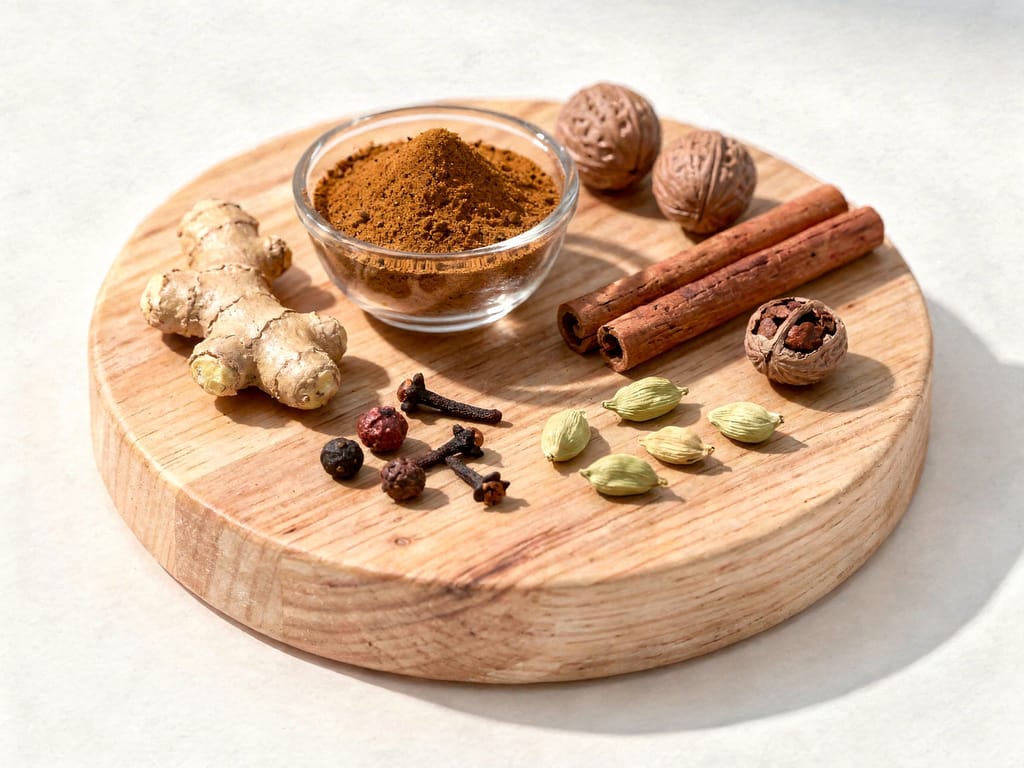
Gingerbread spice is a blend of ground spices for gingerbread, spiced biscuits and Christmas baking, built on cinnamon and cloves with an anise note from anise, star anise or fennel. Blends sold in Czech shops also contain coriander, allspice or nutmeg, and some add ginger.
per 100 g
342 kcal
Calories
5.8 g
Protein
69.3 g
Carbs
12.6 g
Fat
Keep it in a well-sealed, preferably opaque container somewhere dry and dark, away from the stove. Use a bought blend within 6–12 months of opening for best flavour; a homemade blend from freshly ground spices is at its most fragrant for about six months. After that it is still usable, just weaker.
Not in the fridge. Moisture condenses on the cold powder each time it comes out, so it clumps and loses its scent.
No need to freeze it. Mix or buy smaller batches instead and write the date on the jar.
Read the ingredients: cinnamon should come first, and anise, star anise or fennel should be on the list. If the blend contains sugar it is weaker, so use more. The powder should smell strong once opened; faded, lumpy or scentless spice is old. Buy small packs, as ground spices lose their aroma quickly.
Ground cinnamon, cloves and star anise (or anise) in a 2 : 1 : 1 ratio. Use it in the same amount as gingerbread spice.
Christmas spice or mulled wine spice, 1 : 1. Pumpkin spice or chai blend work too; add ¼ teaspoon ground star anise or anise per teaspoon.
Add a bought blend straight to the flour and stir so the spice is spread evenly through the dough. For a homemade blend, grind whole spices: anise, fennel and coriander can be toasted briefly in a dry pan, but let them cool completely before grinding. Sift the ground blend through a fine sieve, as bits of star anise are unpleasant in a biscuit.
Use older spice that has lost some scent in a sheet-pan gingerbread with honey and plum jam, or in mulled wine, where weaker aroma matters less than in delicate biscuits. Do not double the amount; stale spice only gets bitter.
Roughly what a spoon or cup weighs, filled the way you usually would.
3 g
1 teaspoon
5.68 g
1 tablespoon
90 g
1 cup
Gingerbread spice goes into gingerbread biscuits, sheet-pan gingerbread, honey cake, gingerbread cakes and cupcakes, bundt cakes and carrot cake. It suits mulled wine and coffee syrup. In small amounts, around ½ teaspoon for a whole pot, it also seasons roast meat, braised vegetables or a dark meat sauce.

Soft honey gingerbread cookies that never go hard
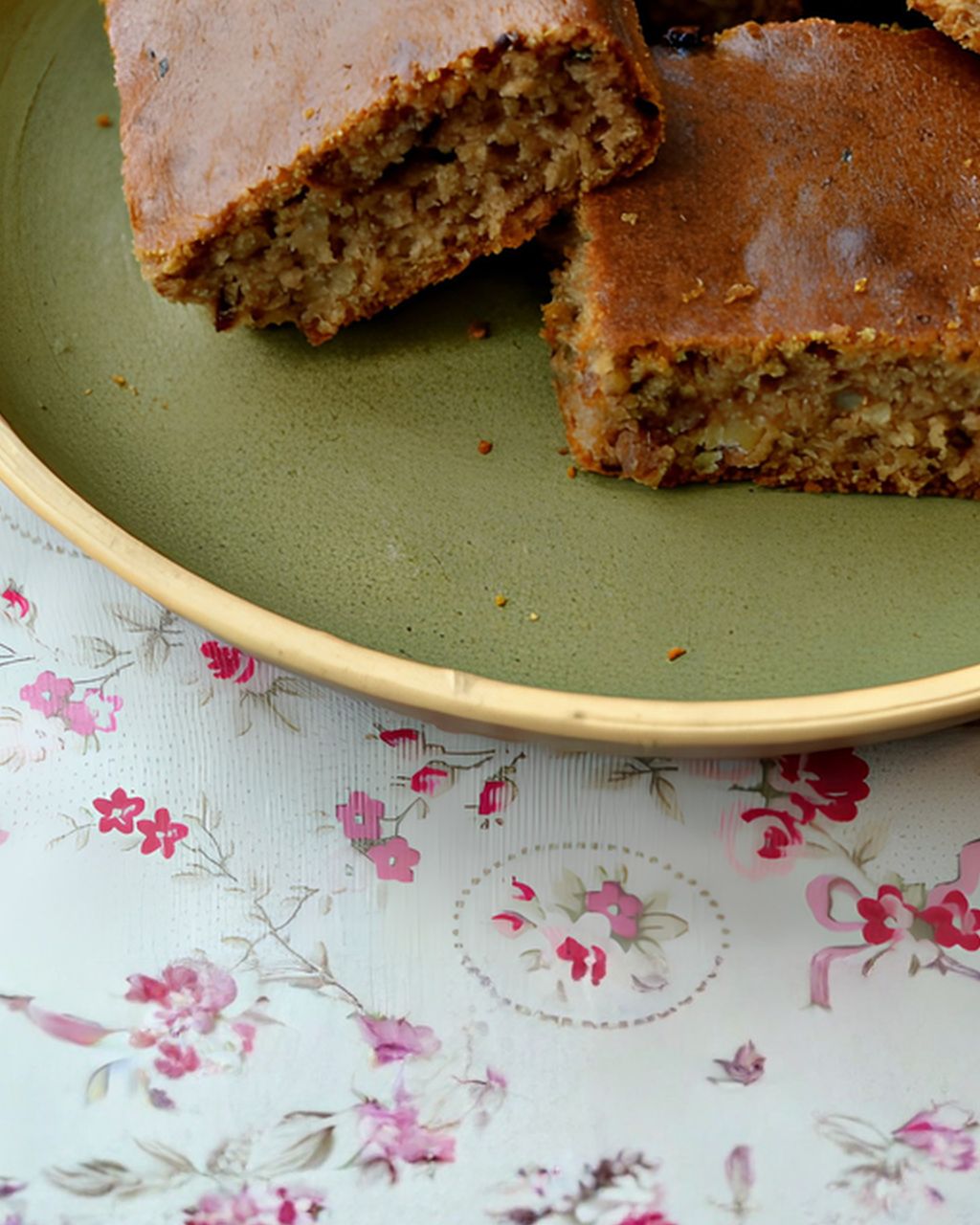
Wholemeal spelt gingerbread cake
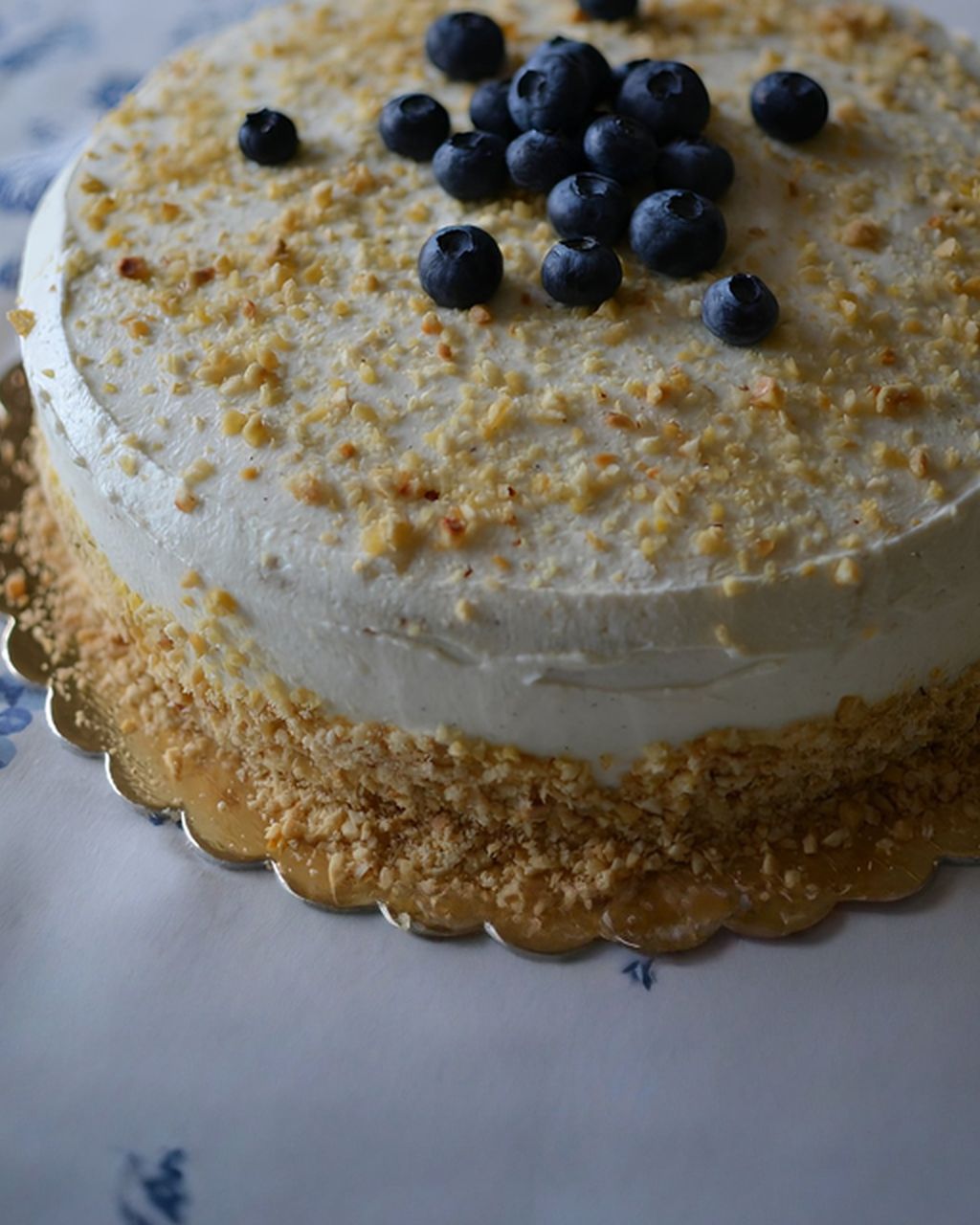
Carrot cake with quark frosting
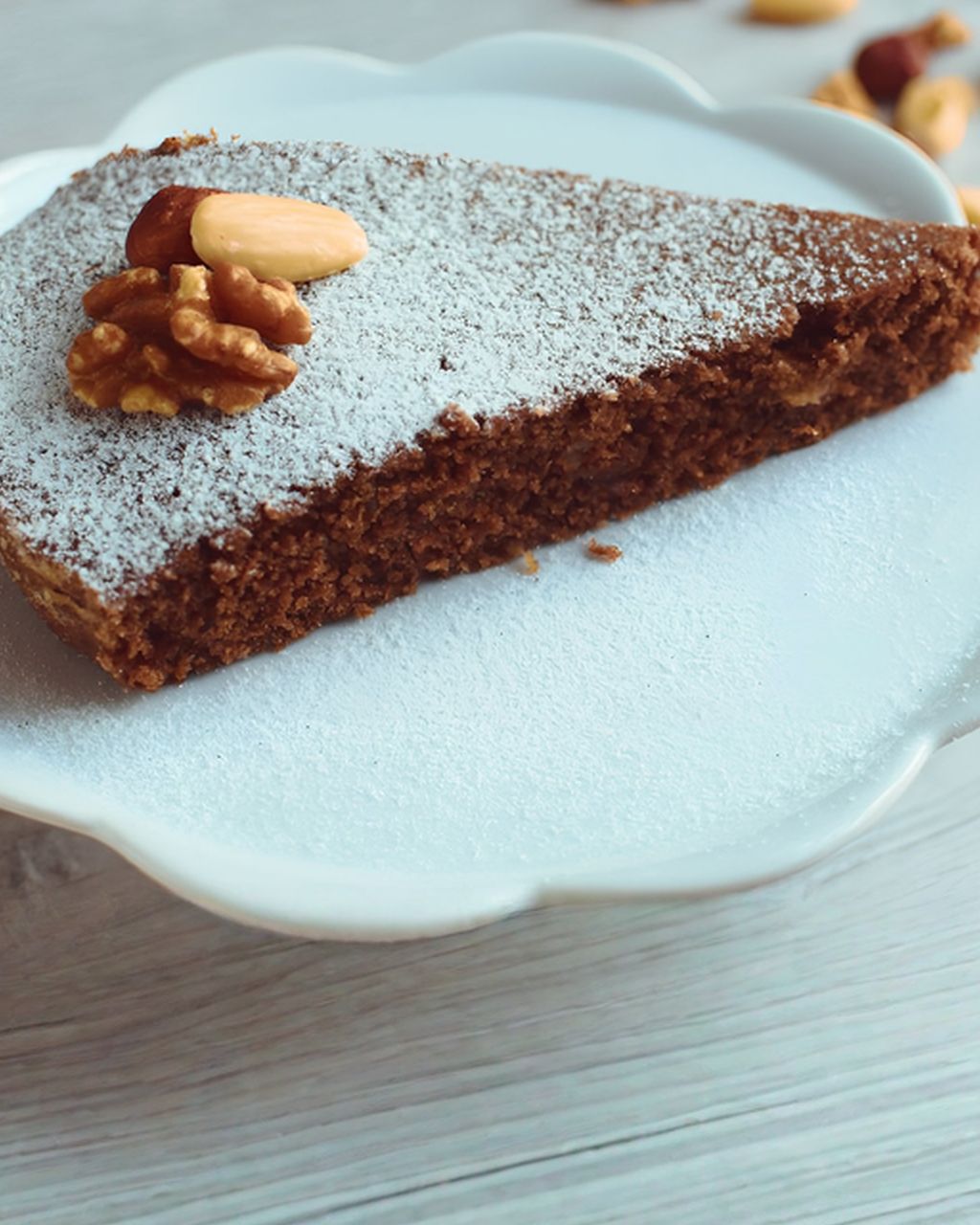
Lactose-free sheet pan gingerbread cake

The best honey gingerbread cookies

Soft gingerbread cookies
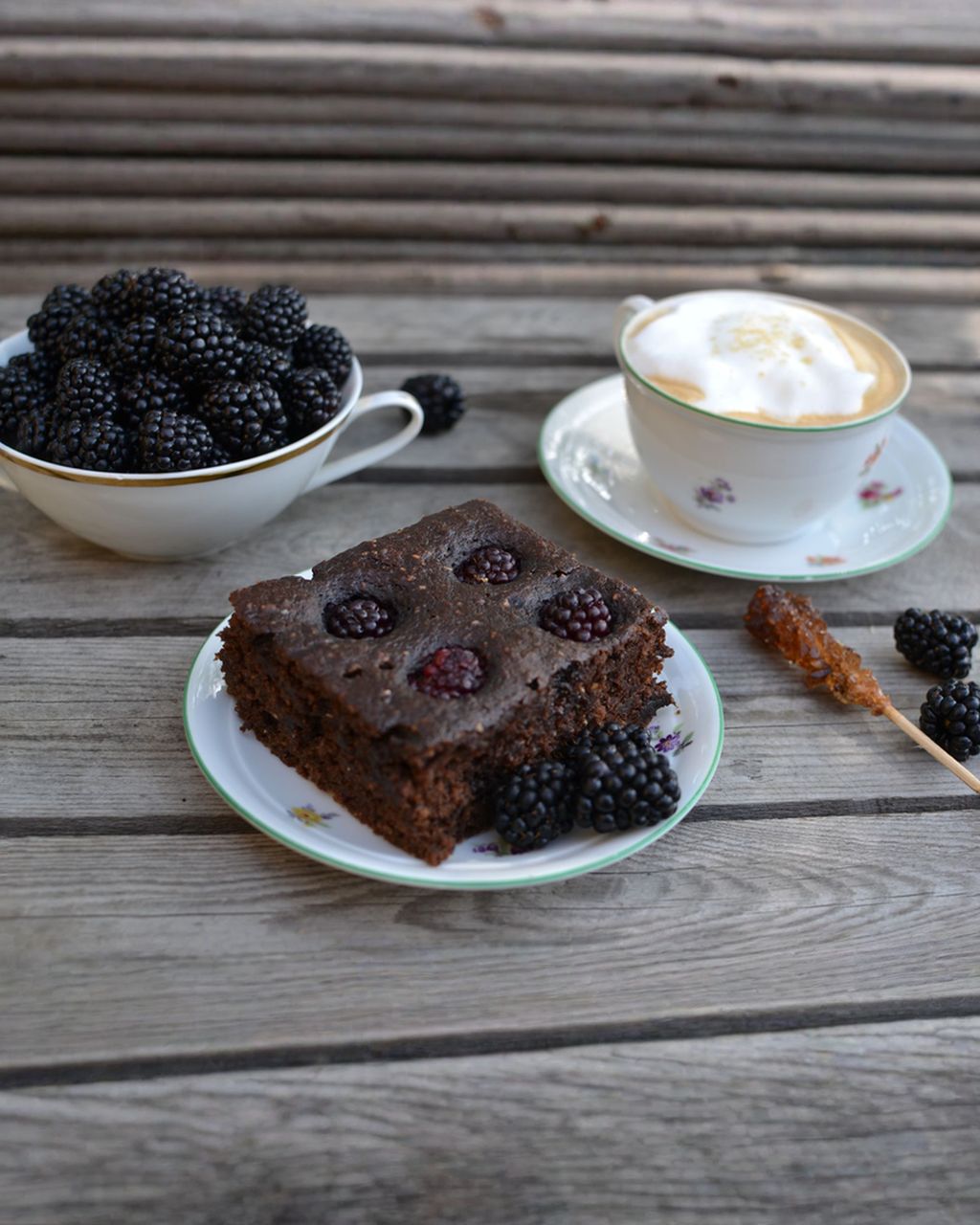
Summer zucchini gingerbread with blackberries
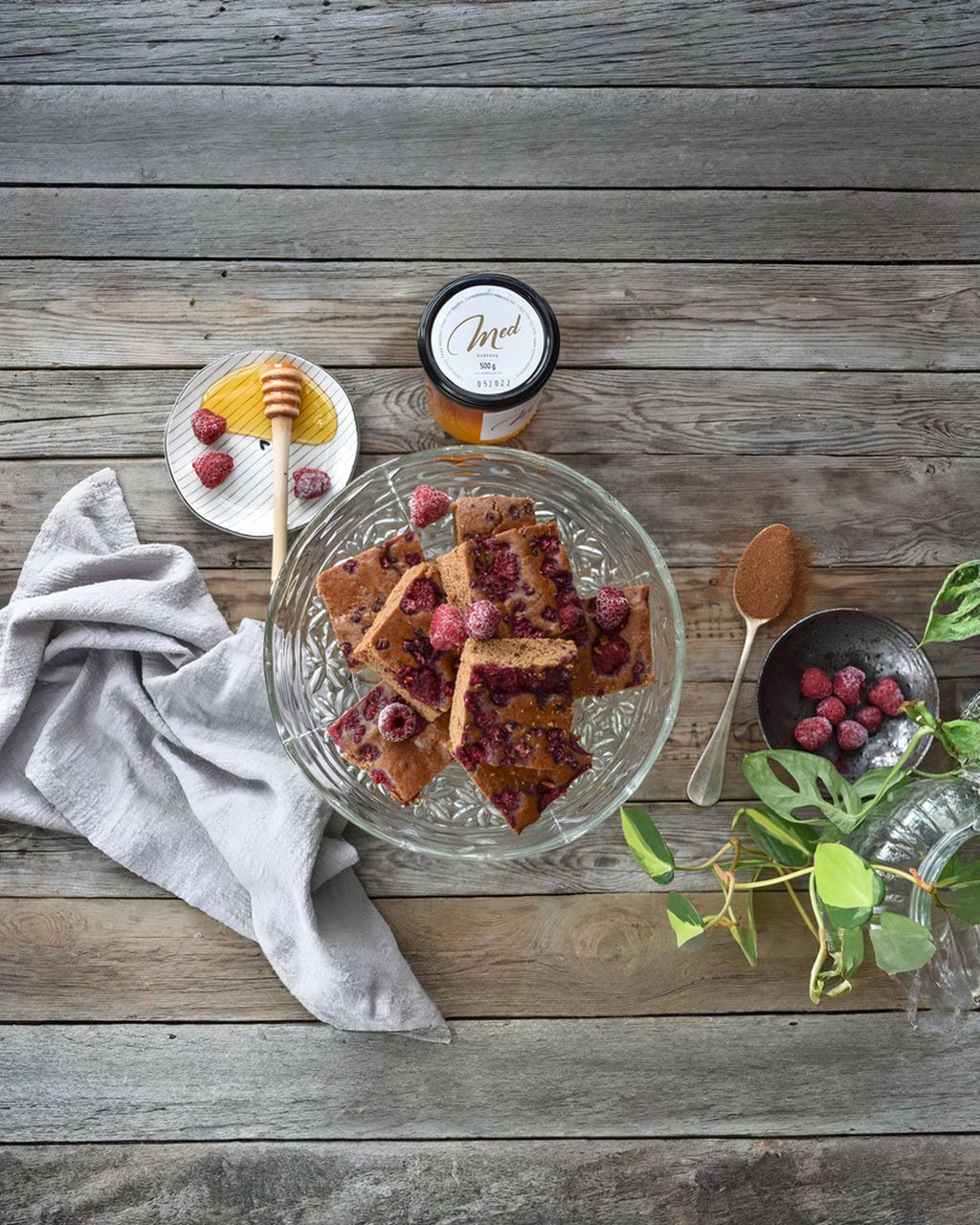
Honey spelt gingerbread cake with plum butter and raspberries
Gingerbread spice is a blend of ground spices for gingerbread, spiced biscuits and Christmas baking, built on cinnamon and cloves with an anise note from anise, star anise or fennel. Blends sold in Czech shops also contain coriander, allspice or nutmeg, and some add ginger. The exact recipe varies by brand, and the label rarely gives proportions. Some blends also contain sugar. It is easy to mix your own, best from whole spices ground just before mixing.
Sweet and warm with cinnamon, underneath it the slightly burning bitterness of cloves and the sweet liquorice note of anise, star anise or fennel that makes gingerbread smell like gingerbread. Coriander adds a light citrus note, allspice and nutmeg round depth. Ginger, if the blend has it, gives a sharper finish.
How to soften gingerbread that’s gone hard, when to fill Linzer cookies and how to tell the carp is done. One recipe and one tip a week. Unsubscribe in one click.
2 min read
Gingerbread spice sold in Czech shops is usually made from these: cinnamon, cloves, coriander, anise, fennel, star anise, allspice, nutmeg and mace, and in some brands ginger, pepper, cardamom or sugar. In a good blend cinnamon makes up 40–50 % and carries the basic sweet warmth. Cloves add warming bitterness and are the strongest part, so there is less of them. Anise, star anise and fennel share the same aroma compound, anethole, and give gingerbread its liquorice note.
Pure spices contain no gluten, but bought blends often carry a warning about possible traces of gluten, milk, egg or other allergens, because they are packed where those are handled. If you bake for someone with an allergy, read the label or mix your own from whole spices.
Per 500 g flour, allow 1–2 teaspoons (3–6 g) for a soft sheet-pan gingerbread and 2–4 teaspoons (6–12 g) for firmer biscuits that are left to mature for a few weeks, during which the spice slowly fades. A freshly ground homemade blend is stronger than a bought one, so start at the lower end. Honey, plum jam and dark sugar partly mask the spice. Try it in these soft honey gingerbread cookies that never go hard. Do not taste raw dough with egg; bake one test biscuit instead.
Gingerbread spice is only spice and does not raise the dough. Gingerbread leavening powder is a raising agent with baking soda that also contains a little spice; one sachet is meant for half a kilo of flour. If a recipe calls for gingerbread leavening powder and you only have the spice, mix 1 teaspoon gingerbread spice with 1 sachet of ordinary baking powder. The other way round, do not use a whole sachet of leavening powder instead of spice, or you add extra raising agent and the biscuits spread.
The most fragrant blend is made from whole spices ground just before mixing. Exact amounts of cinnamon, star anise, anise, fennel, allspice, cloves, coriander, cardamom, ginger and nutmeg are in this homemade gingerbread spice recipe. If you are missing some, ground cinnamon, cloves and star anise or anise in a 2 : 1 : 1 ratio will do. More ratios, and which ready-made blends can stand in for gingerbread spice, are in gingerbread spice substitutes. Go easy on cheap cassia cinnamon: it contains more coumarin than Ceylon cinnamon, so do not overdo it in a substitute.