- Season
- Year-round. It is made and ripened continuously and has no season.
- Price
- Medium
Calories and nutrition
per 100 g
353 kcal
Calories
21.4 g
Protein
2.3 g
Carbs
28.7 g
Fat
Blue Cheese
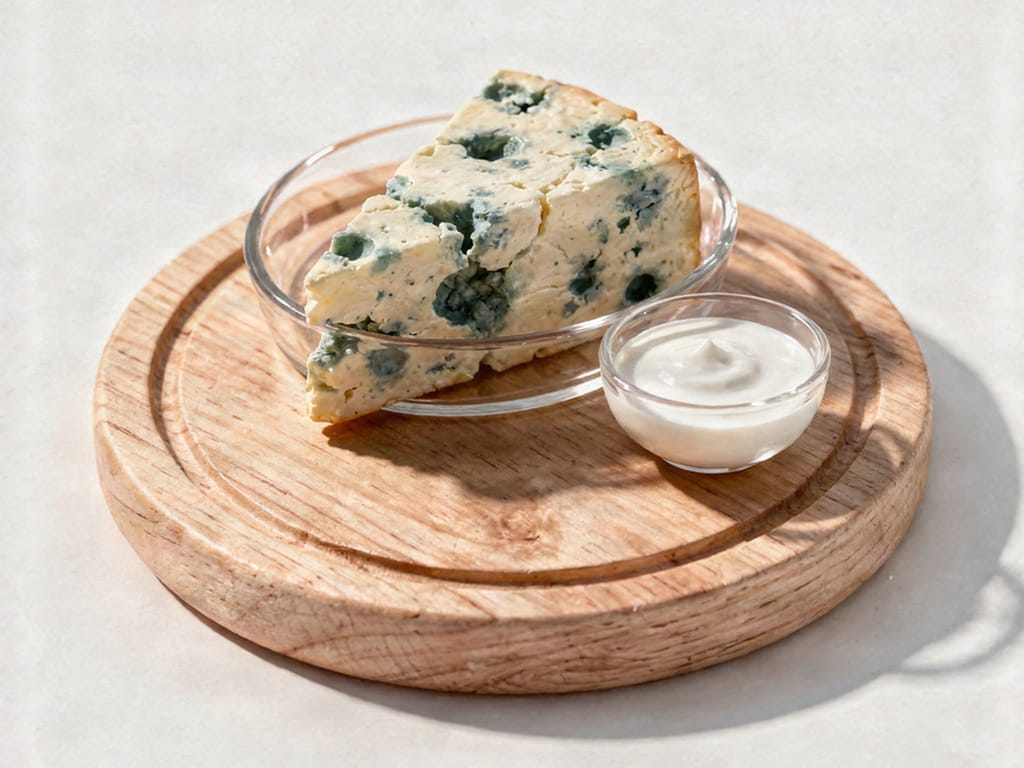
Niva is a Czech semi-soft blue cheese made from pasteurised cow's milk and veined with the blue-green mould Penicillium roqueforti. It is salty, sharp and crumbly, and Czechs eat it on bread, whipped into a spread (šlehaná niva), melted into sauces or breaded and fried.
per 100 g
353 kcal
Calories
21.4 g
Protein
2.3 g
Carbs
28.7 g
Fat
It belongs in the fridge. For a cheese board take it out about 30 minutes ahead so the flavor opens up. Do not leave it out for more than 2 hours.
Keep unopened niva in the fridge (makers state 4–8 °C) until the best-before date. Once opened, wrap it in foil or cheese paper, put it in a closed box so the smell does not spread, and use it within about a week. The blue-green mould inside belongs there; fuzzy white, grey or black mould on the surface or a slimy surface does not, so throw such cheese away.
Well wrapped, it can be frozen for about 3 months. The flavor holds but it crumbles more after thawing, so use it in sauces, dips, spreads and bakes. Thaw it slowly in the fridge.
Check the fat in dry matter on the label. Standard niva has around 50 %, lower-fat versions around 30 % are sharper and crumblier, and premium ones with 60–70 % are creamier and milder. You recognise Jihočeská niva by its name and the protected geographical indication logo. The cut face should show even blue-green marbling and a cream to pale yellow paste. Avoid pieces with a slimy surface, an ammonia smell or fuzzy mould on the outside. Take a wedge for a cheese board; crumbled niva in a bag is fine for cooking and spreads.
Another firmer cow's milk blue cheese, such as Danish Danablu. It is similarly salty and sharp and crumbles the same way.
Gorgonzola piccante if you want sharpness, or milder gorgonzola dolce for sauces. It is softer and creamier, so use less butter in a spread.
Slice it cold with a thin knife or a cheese wire, as it crumbles. For salads, crumble it with a fork. For a spread, let it soften and whip it with butter. For a sauce, add it in pieces to warm cream or béchamel over low heat and just stir; a hard boil makes it split and release fat. It is salty, so season the dish at the end.
Mash dried ends and crumbs with butter for a blue cheese butter on steak, baked potatoes or toast, or melt them into a cream sauce for pasta or gnocchi. The flavor is strong, so a little goes a long way.
Roughly what everyday kitchen measures weigh.
2.9 g
1 teaspoon
8.6 g
1 tablespoon
30 g
1 piece
143 g
1 cup (250 ml)
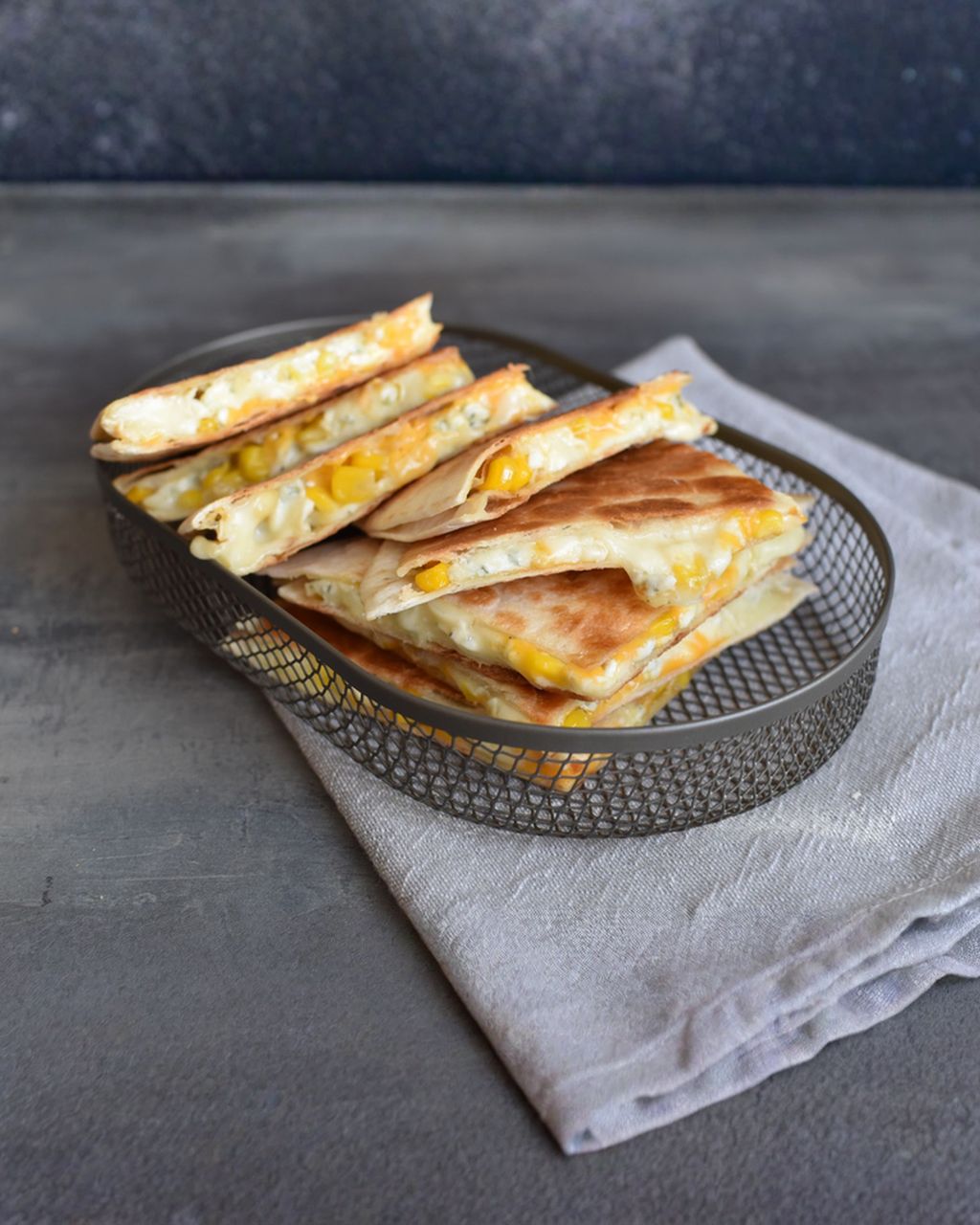
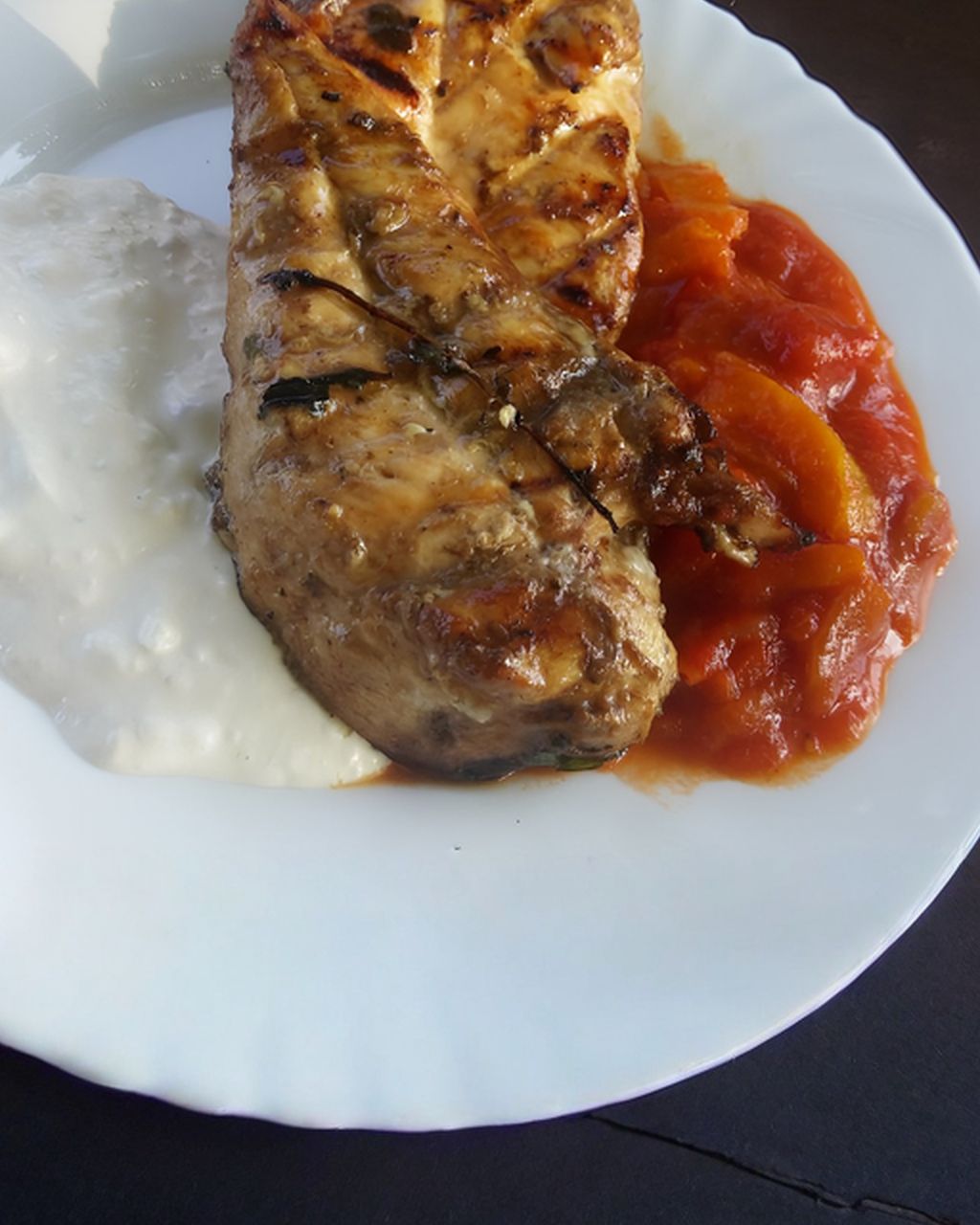
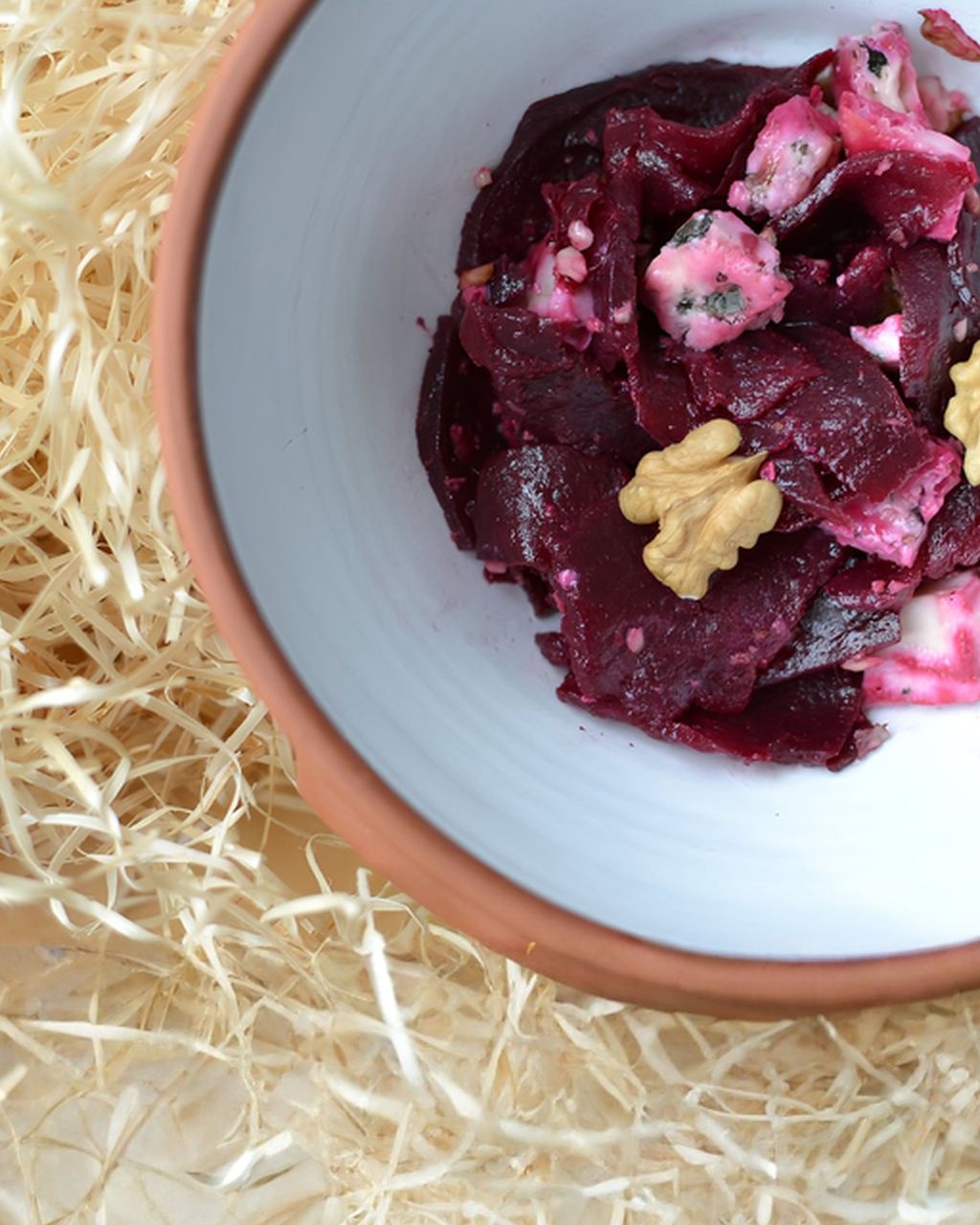
Cold, it goes on bread, into whipped niva and other spreads, into salads with pear, walnuts and celery, and on cheese boards. Melted, it makes a blue cheese sauce for steak, chicken, pasta or gnocchi. It is baked on potatoes and toast, in quiche and on pizza. Fried niva (smažená niva) is a firmer young piece breaded and fried like Czech fried cheese. Very sharp, salty niva quickly overpowers a dish, so add it gradually.
Niva is a Czech semi-soft blue cheese made from pasteurised cow's milk and veined with the blue-green mould Penicillium roqueforti. It is salty, sharp and crumbly, and Czechs eat it on bread, whipped into a spread (šlehaná niva), melted into sauces or breaded and fried. It is made by Madeta in Český Krumlov, NIVA in Dolní Přím and Mlékárna Otinoves, and is usually sold as a 100 g foil-wrapped wedge. The names Jihočeská niva and Jihočeská Zlatá niva are an EU protected geographical indication. In everyday Czech, people often call any blue cheese "niva".
Strongly salty and sharp, with the peppery bite of the mould over a milky, buttery background. Younger niva is firmer and crumbly; riper niva softens, turns creamier and gets stronger. Higher-fat premium versions taste fuller and less sharp, lower-fat ones are more pungent and crumblier.
4 min read
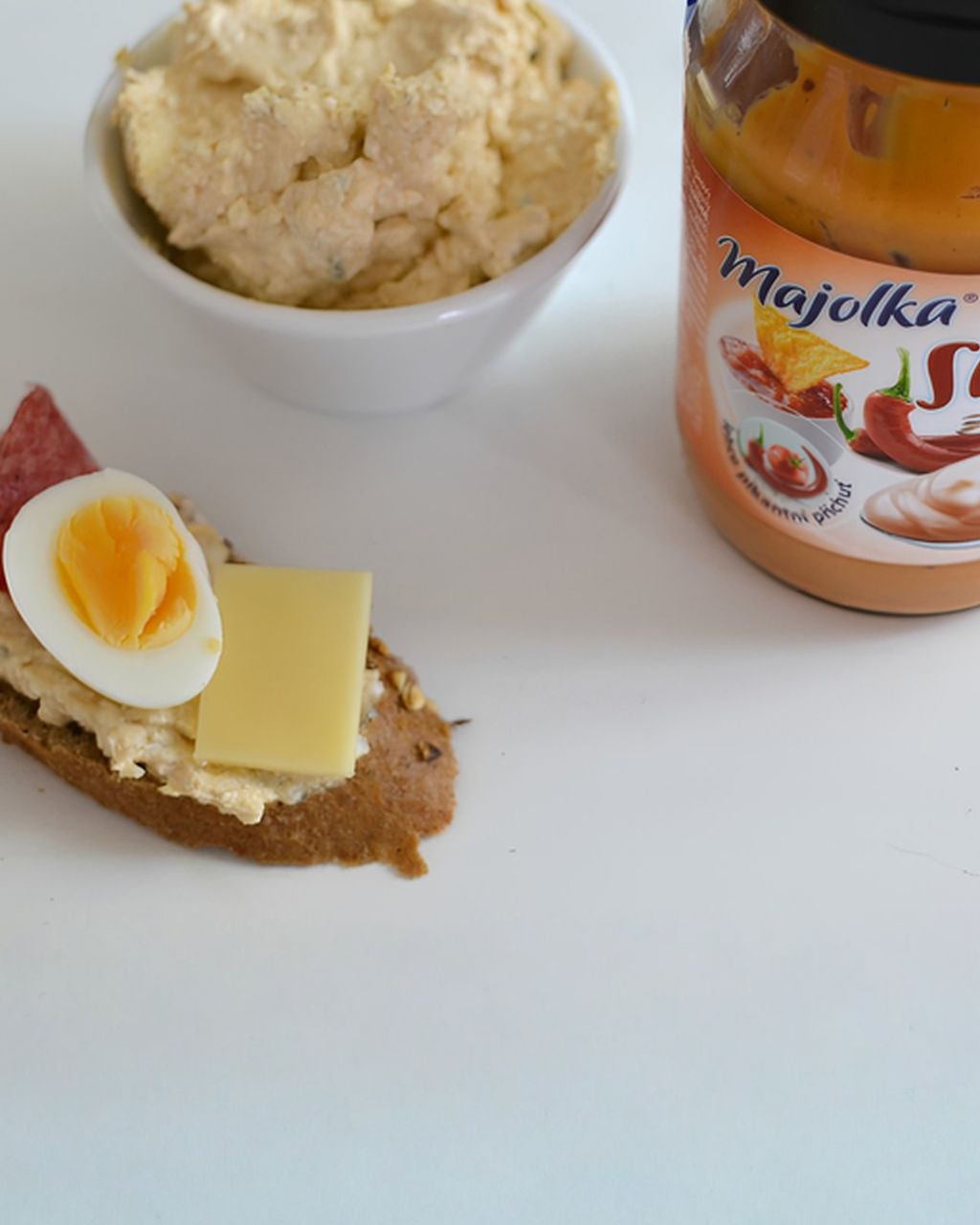
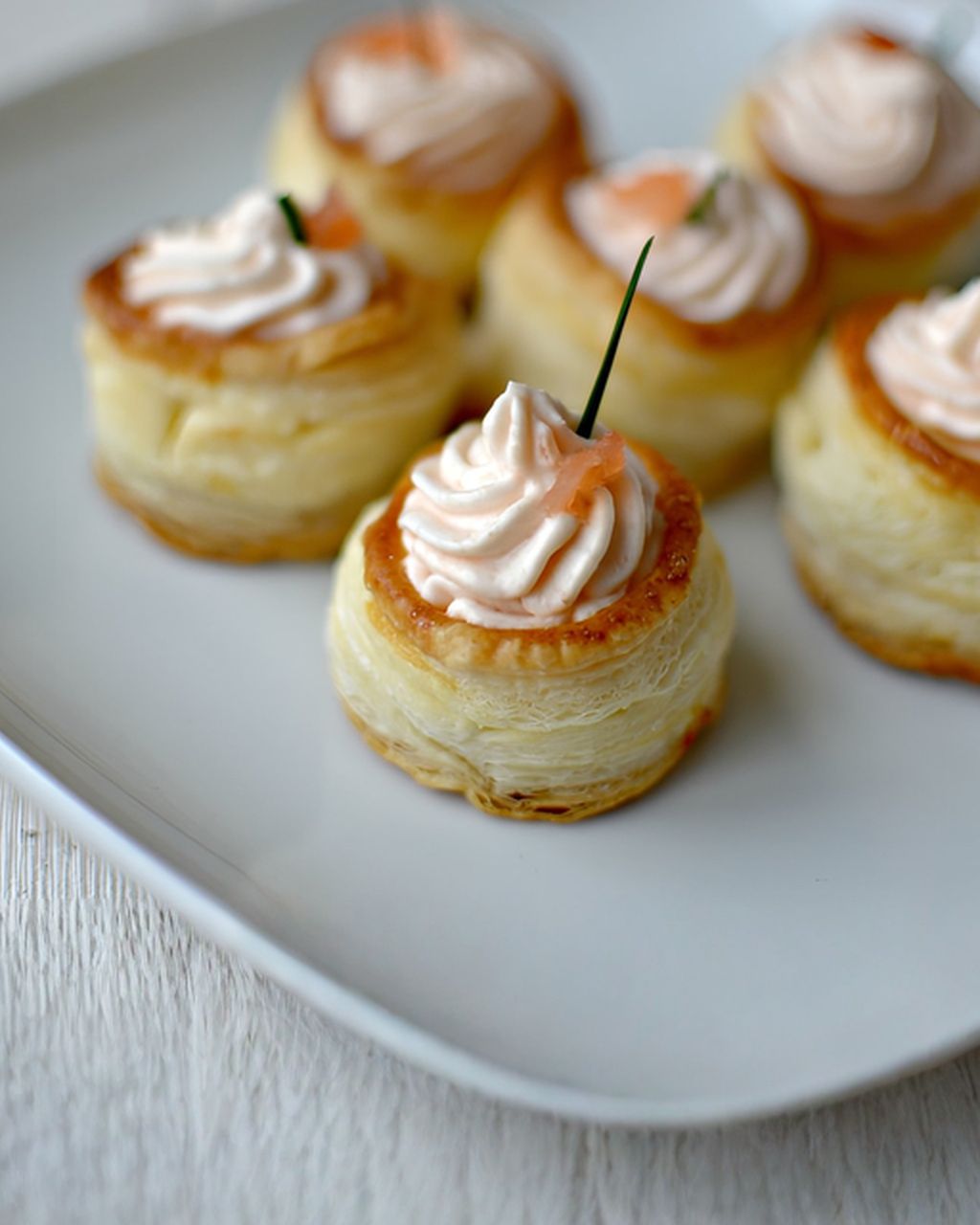
Šlehaná niva is a simple Czech spread of niva and butter. For 100 g niva use 100 g softened butter and 2–3 tablespoons of whipping cream or milk. Whip the butter until fluffy first, then add the niva mashed with a fork and the cream, and whip until you have a pale, airy mousse. Flavor it with finely chopped onion, chives, sweet paprika or a little pepper; it needs no salt.
Serve it with fresh bread, rolls, on open sandwiches or piped onto canapés. A thicker version with nuts that also works with vegetables is our blue cheese dip with walnuts. Whipped niva keeps covered in the fridge for 2–3 days; do not freeze it.
The everyday shop niva with around 50 % fat in dry matter. It ripens for about five weeks and is salty, sharp and crumbly.
Cheeses from Madeta in Český Krumlov whose names were registered in the EU as a protected geographical indication in January 2010. They must be made in a defined South Bohemian area.
Light versions with around 30 % fat in dry matter are sharper and drier. Premium and longer-ripened versions with 60–70 % fat in dry matter are creamier and milder.
Roquefort (French, from sheep's milk), gorgonzola (Italian), Stilton (English) and Danablu (Danish) are related blue cheeses, but they are not niva. Niva was created as a Czech counterpart to Roquefort, but it is made from cow's milk.
Pasteurised cow's milk is set with rennet and lactic cultures to which spores of Penicillium roqueforti are added. The curd goes into round moulds, is salted in brine, and each wheel is then pierced with needles, about 35 holes on each side. The mould needs air and grows along the holes, which is how the veins form. Niva ripens for about five weeks at 8–10 °C and around 95 % humidity.
During ripening the mould's enzymes break down fat and protein. This creates the compounds behind the sharp smell and softens the paste. Much of the lactose disappears during making and ripening. The high salt content holds back unwanted microbes and shapes the flavor.
It pairs best with sweet and nutty flavors: pear, honey, figs and walnuts. On a cheese board, serve it as the strong cheese at the end of the line, after mild and aged cheeses; how much cheese per person and how to arrange the board is in cheese board.
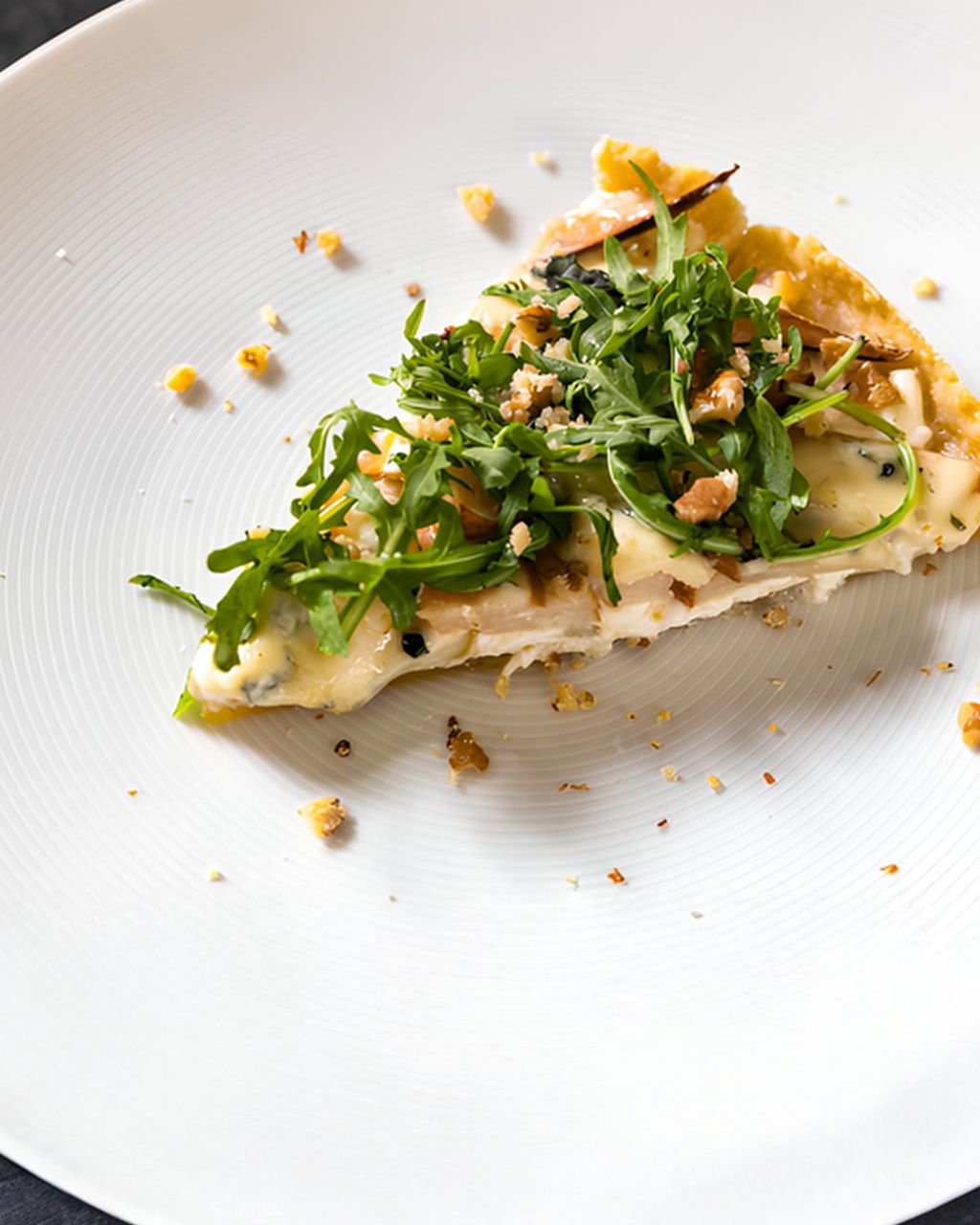
Hot, melt it into a cream sauce, bake it on potatoes or put it into a tart; it works well with pear, for example in our cheese quiche with pear. For fried niva choose a firmer, younger piece so it does not run out of the crumb.
Keep opened niva well wrapped in the fridge and use it within about a week, always by the date on the pack. It can be frozen, but it crumbles after thawing so it is best used for cooking. How different cheeses behave in the freezer is in can you freeze cheese.
Niva is made from pasteurised milk, but listeria can grow in soft blue cheeses. The UK NHS therefore advises pregnant women to eat soft blue cheeses, pasteurised ones included, only cooked until steaming hot (at least 70 °C), for example in a sauce or baked. The NHS allows hard blue cheeses such as Stilton in pregnancy; semi-soft niva is safer treated as a soft cheese. The same caution applies to older people and anyone with weakened immunity. Niva contains milk.
Niva was created in Czechoslovakia in the 1940s at the dairy in Český Krumlov that later became Jihočeské mlékárny and, from 2002, Madeta. According to Czech Wikipedia it was developed by a technologist named Charitonov, a Don Cossack, who named it after the word niva (a fertile meadow) because the blue-green veins reminded him of one. The name Roquefort was protected, so the Czech cheese needed its own. Mlékárna Otinoves long ripened its niva in the Michálka cave in the Moravian Karst.