- Season
- Year-round. Harvested in summer; whole seeds kept dry last until the next harvest.
- Price
- Low
Calories and nutrition per 100 g
- 525 kcal
- 18 g protein
- 41.6 g fat
- 28.1 g carbs
Whole Poppy Seeds
Whole poppy seeds are the tiny oil-rich seeds of the opium poppy (Papaver somniferum), in Czech kitchens usually blue poppy seeds. They go whole onto bread and into batters, and are ground only just before use for fillings, because ground poppy seeds turn rancid quickly.
Keep whole poppy seeds in a tightly closed jar or tin somewhere dry, cool and dark, away from the oven and hob. Stored like this they keep for months, usually until the next harvest; follow the best-before date on the pack.
In a closed container in the fridge whole poppy seeds keep even longer, because the cold slows down the oil going rancid. Allow about a year, as for nuts and other seeds.
In the freezer, in a well-sealed bag or tub, whole poppy seeds keep for up to 2 years. You can use them straight from frozen, but let them come to room temperature before grinding so moisture does not condense on them and clog the grinder.
Look for "blue poppy seeds" on the label with poppy seeds as the only ingredient. Buy them whole and grind them at home; ground poppy seeds from the shop were usually ground long before. The seeds should be dry and free-flowing, with no dust, insects or foreign matter. After opening, smell them and taste a few: they should be sweet, not bitter. People with allergies should read the "may contain" warning on the pack.
For toppings, sesame seeds, ideally black: they look and crunch similarly but taste more toasted. Swap 1:1.
Chia or flax seeds in batters: a similar crunch, but without the poppy sweetness, and they turn slimy when wet. There is no substitute for poppy seeds in a poppy seed filling.
Use them whole for toppings and batters, no preparation needed. For a filling, grind them in a poppy seed mill or a coffee grinder just before cooking; 250 g of whole seeds gives 250 g ground, nothing is lost in grinding. For a stronger flavour, toast them for 1–2 minutes in a dry pan, shaking the pan. If you want to lower the alkaloid content further, scald the seeds briefly with hot water before grinding, drain them through a fine sieve and let them dry completely.
Poppy seeds that have lost their aroma but are not yet bitter can still go into a filling: simmer them in milk and season more boldly with lemon zest, plum butter or honey. Bitter, rancid poppy seeds go in the bin; nothing will rescue them.
Roughly what one measure weighs, scooped the way you normally would in the kitchen.
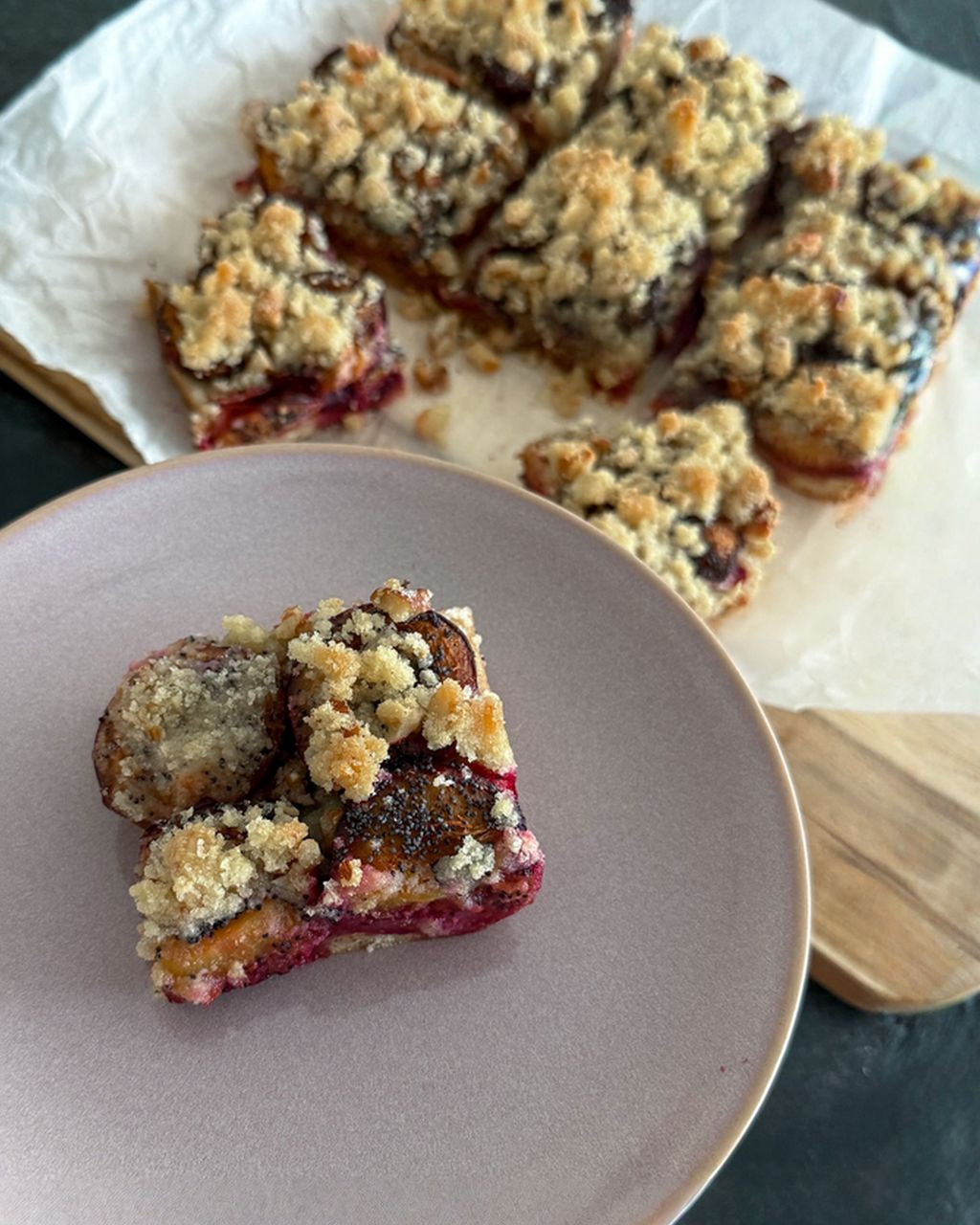
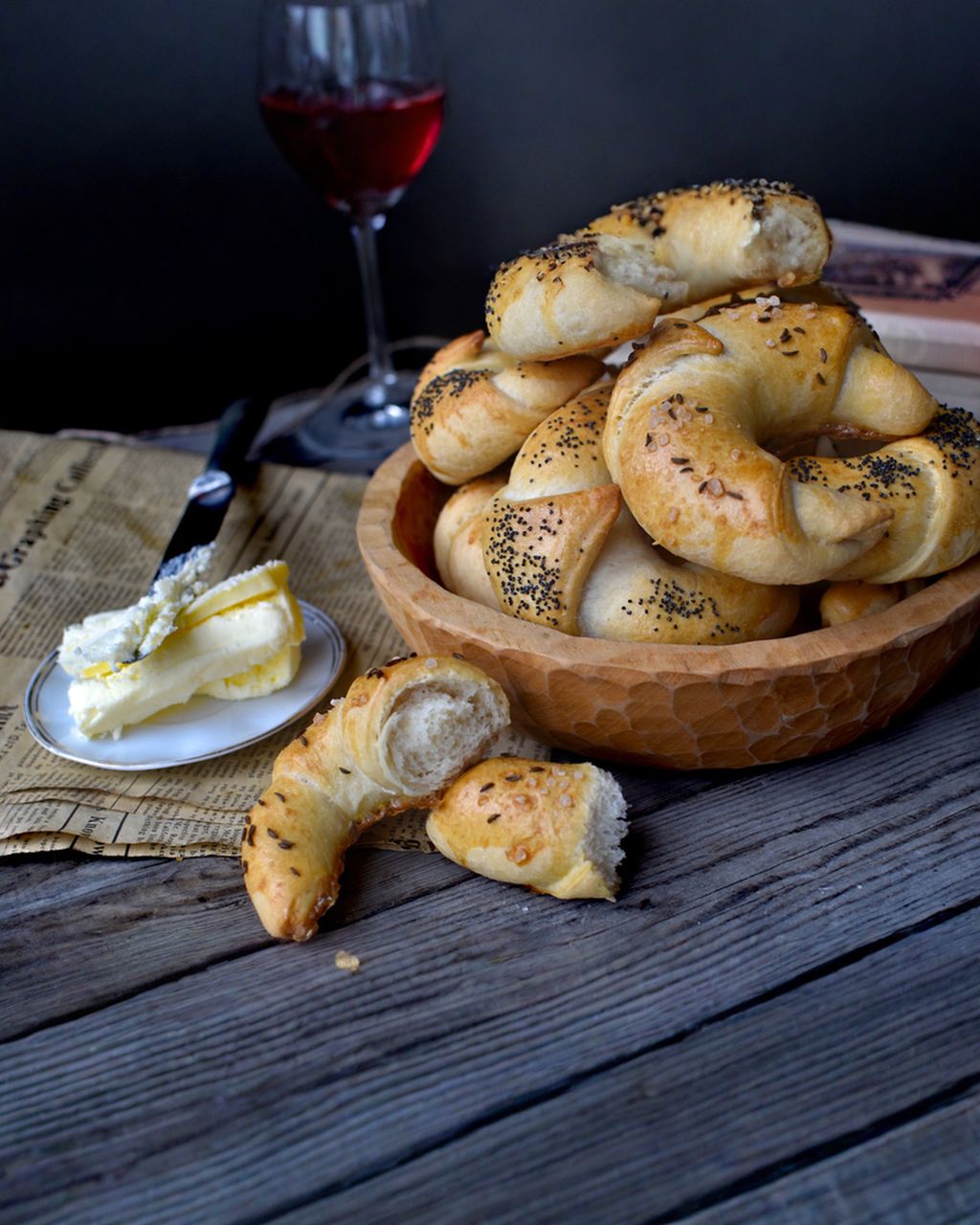
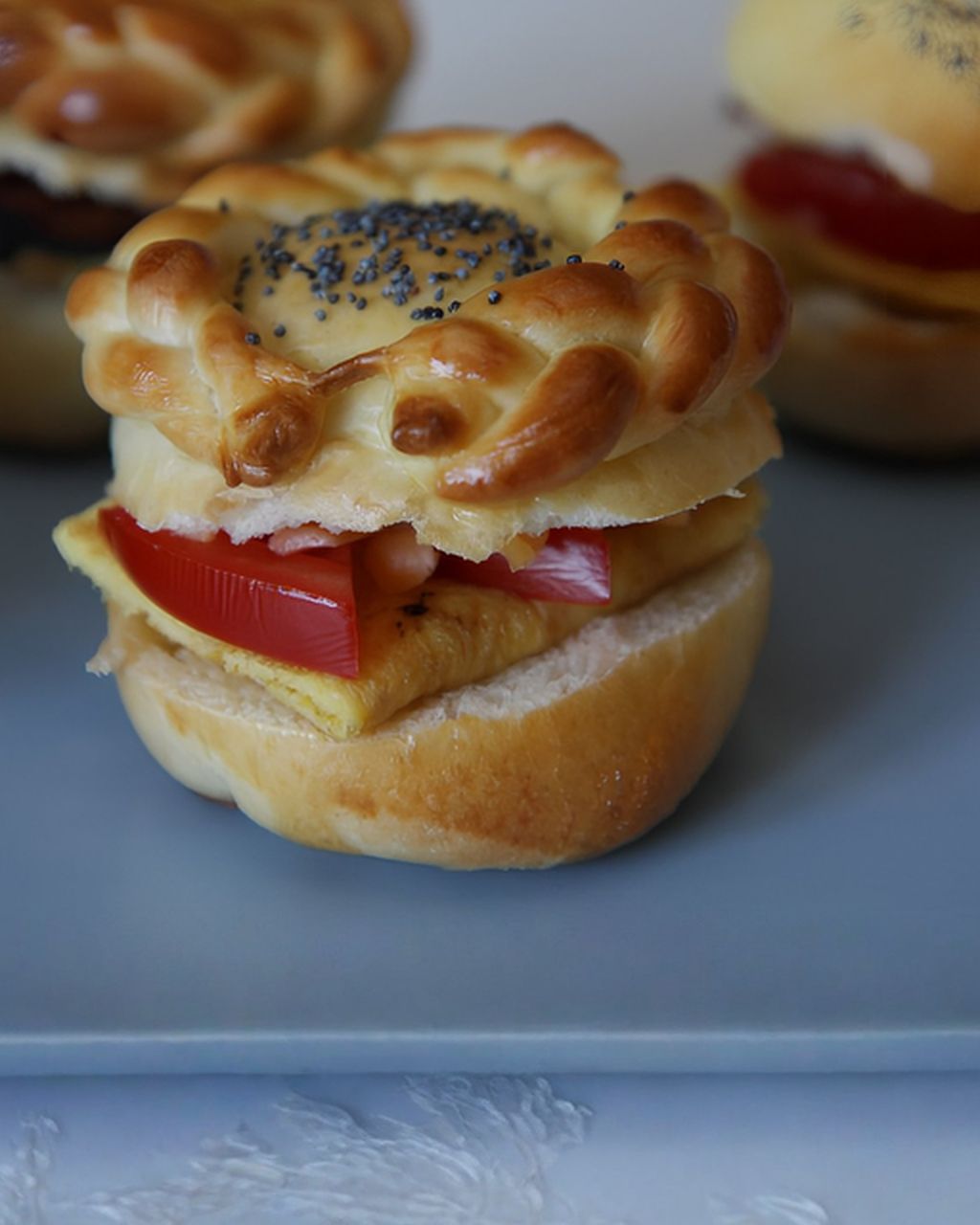
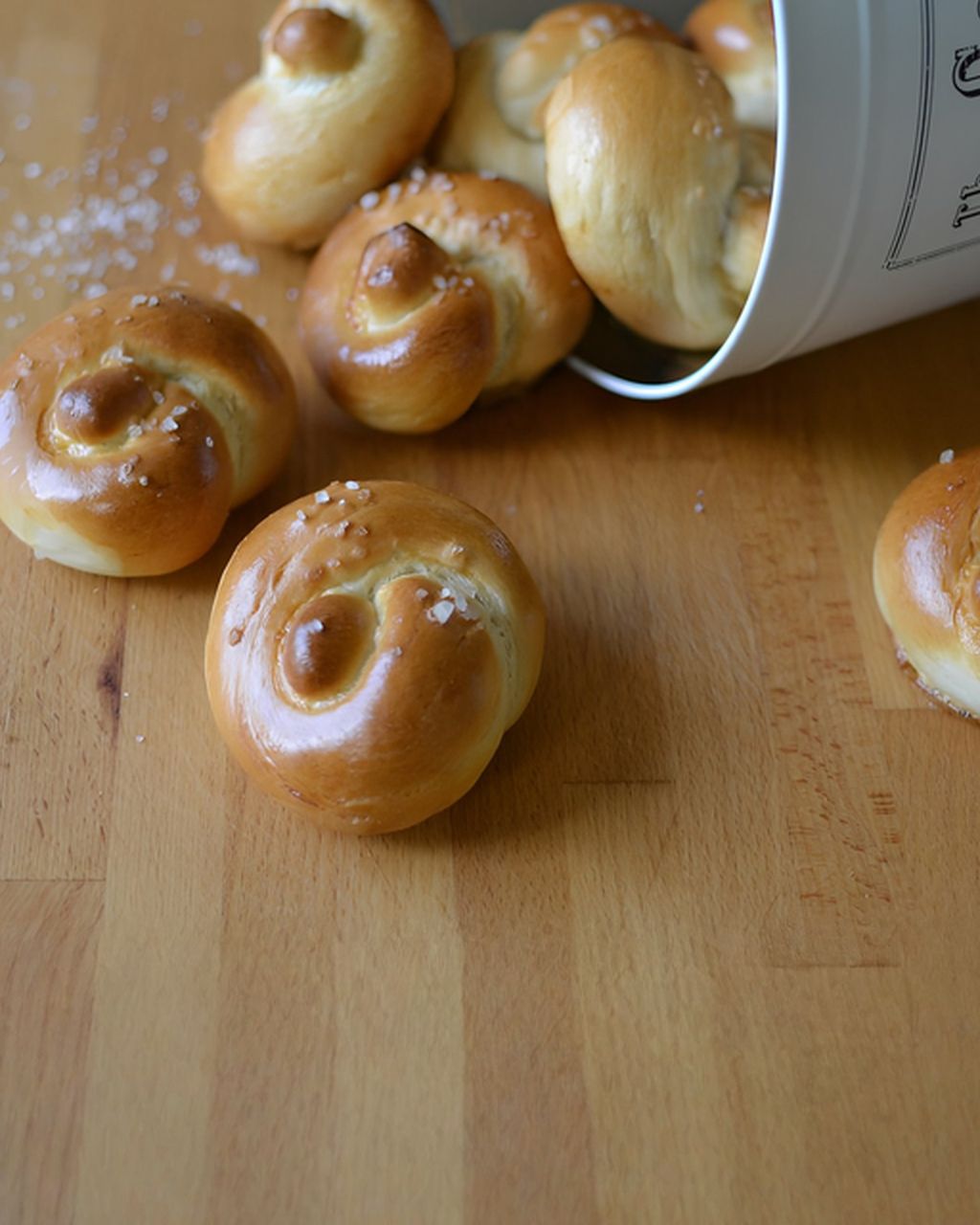
Whole poppy seeds are scattered over rolls, buns, braided loaves and savoury sticks and stirred into bundt cakes, muffins and quick cakes, where they stay crunchy. Ground and simmered in milk with sugar they become the poppy seed filling for sheet cakes, buns, strudel and poppy seed rolls. Ground poppy seeds with sugar and melted butter are the classic Czech topping for noodles, potato dumplings and fruit dumplings.
The opium poppy is an annual plant whose ripe seed heads are full of tiny, very oily seeds. The seeds can be blue, grey or white; Czech baking mostly uses blue poppy seeds. Whole poppy seeds are the seeds as they come out of the head, only cleaned: not ground and not toasted. A kilogram holds about two million seeds, and roughly 40–50% of their weight is oil. According to Czech Wikipedia, Czechia is the world's most important legal poppy-growing country, and all Czech production goes to food.
Fresh poppy seeds smell and taste sweet and nutty. Whole seeds give a pleasant crunch in batters and on bread; the flavour opens up when you grind them, simmer them in milk or toast them briefly in a dry pan. Blue poppy seeds taste strongest, grey ones milder and white ones almost neutral. Rancid poppy seeds are bitter, scratch the throat and smell of old oil.
Seasonal baking plans, tested recipes and kitchen tricks that save you time. Unsubscribe in one click.
3 min read
Whole poppy seeds are the ripe seeds of the opium poppy, cleaned but not ground. Unlike ground poppy seeds, whole seeds keep for a long time because the seed coat protects the oil inside. The seeds are roughly 40–50% oil, mostly unsaturated fatty acids that oxidise quickly in air once the seed is crushed. That is why poppy seeds are bought whole and ground at home.
Czechia grows poppies for food only; the dried seed heads are not bought up for processing there. Both blue-seeded and white-seeded varieties are grown; blue poppy seeds are the classic for sweet baking, grey ones are used the same way, and white poppy seeds are common mainly in Indian cooking, where they thicken sauces.
Food-grade poppy seeds from the shop are safe in normal kitchen amounts. Their surface can, however, carry traces of opium alkaloids, mainly morphine and codeine, picked up from the seed head. Commission Regulation (EU) 2021/2142 therefore set a limit of 20 mg/kg for poppy seeds, calculated as morphine plus one fifth of the codeine, and 1.5 mg/kg for bakery products containing poppy seeds. Food poppy seeds grown in Czechia contain very little morphine and codeine.
According to the regulation's recitals, the safe dose (set by EFSA at 10 µg of morphine per kg of body weight) is most likely to be exceeded with large portions and with foods containing unprocessed poppy seeds. Processing, meaning washing, soaking, heat treatment and grinding, can reduce the alkaloid content by 25–100% according to EFSA (2018), so a cooked poppy seed filling contains less than a raw topping. We cover safe handling in more detail in how to process poppy seeds. This is food information, not medical advice; for small children, ask a paediatrician.
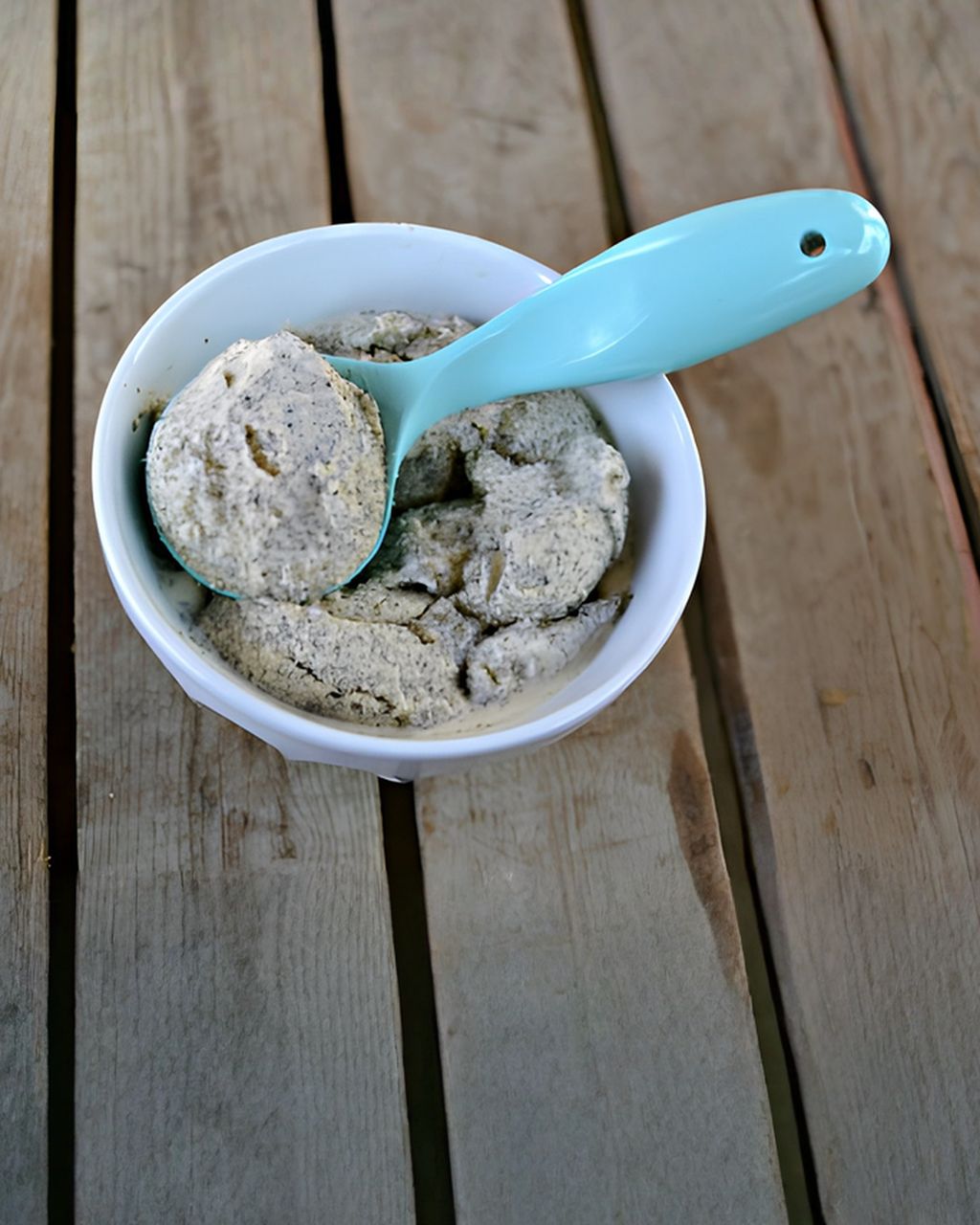
Poppy seeds are left whole wherever they should crunch: on bread and in batters for bundt cakes, muffins and quick cakes. Try the quick whole poppy seed cake with chocolate ganache, where whole seeds crunch all through the batter. For a poppy seed filling the seeds are ground and briefly simmered in milk, about 250 g of seeds to 250–300 ml of milk. Poppy seed flavour also works in desserts, for example in poppy seed ice cream.
Keep whole poppy seeds in a tightly closed container somewhere dry, cool and dark; they last months in the cupboard, usually until the next harvest, about a year in the fridge and up to 2 years in the freezer. Heat, light and air speed up rancidity. Ground poppy seeds, by contrast, should be used the same day; they keep 2–3 days at most in the fridge and 2–3 months in the freezer. Before using poppy seeds, taste a few: if they are bitter, they no longer belong in your food.
Poppy seeds are not among the 14 allergens that EU Regulation 1169/2011 requires to be emphasised on the label, but they can cause allergies. According to the specialist literature cited in our poppy seed article, poppy seeds can cross-react with hazelnuts and almonds and are often processed in the same facilities as nuts. For people with nut allergies, poppy seeds are therefore not a safe replacement for nuts in cookies. Read the "may contain" warning on the pack.