- Season
- Available year-round due to drying and global trade.
- Price
- Low
Calories and nutrition
per 100 g
655 kcal
Calories
6.5 g
Protein
10.3 g
Carbs
62.5 g
Fat
Desiccated Coconut
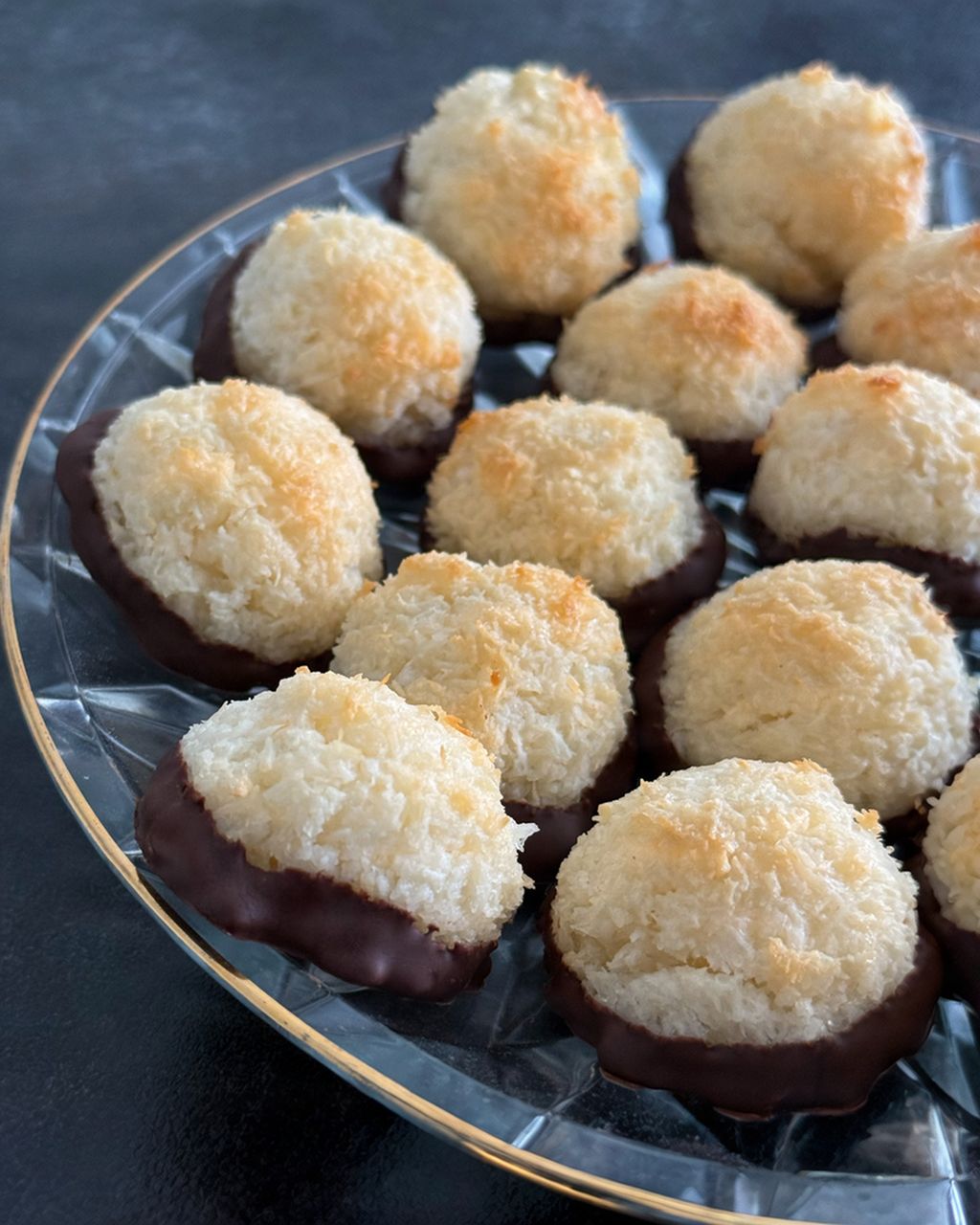
Desiccated coconut is the dried, finely shredded endosperm of the mature coconut, produced by grating fresh coconut flesh and carefully removing its moisture while preserving its natural oils. Unlike toasted coconut, it is dried quickly in hot air without browning, so it keeps a pale ivory color and a clean, milky aroma.
per 100 g
655 kcal
Calories
6.5 g
Protein
10.3 g
Carbs
62.5 g
Fat
Store in an airtight container in a cool, dark cupboard for up to six months.
Refrigeration extends shelf life to around nine months and slows rancidity in warm climates.
Freezing in sealed bags preserves quality for up to two years with minimal flavor loss.
Choose desiccated coconut that is even in colour and emits a clean, fresh coconut aroma; note that some brands are treated with sulphur dioxide to keep the shreds white, which must be declared on the label in the EU, so check the ingredient list if you are sulphite-sensitive. Any hint of mustiness or oiliness suggests age or improper storage. The shreds should be dry but not powdery, indicating that the natural oils remain intact.
Unsweetened shredded coconut, pulsed briefly to a finer texture.
Finely ground blanched almonds with a small addition of coconut oil.
Desiccated coconut can be used as is, lightly toasted to deepen aroma, or rehydrated with warm milk or water to approximate fresh coconut texture for baking and confections.
Any coconut dust collected at the bottom of the package can be blended into smoothies, stirred into oatmeal, or used to thicken curries.
Roughly what a spoon or cup weighs, filled the way you usually would.
4 g
1 teaspoon
9 g
1 tablespoon
Desiccated coconut is the dried, finely shredded endosperm of the mature coconut, produced by grating fresh coconut flesh and carefully removing its moisture while preserving its natural oils. Unlike toasted coconut, it is dried quickly in hot air without browning, so it keeps a pale ivory color and a clean, milky aroma.
The attack is gently sweet and creamy, with an immediate impression of coconut milk and raw almond. The mid-palate broadens into a rounded, fatty richness carried by natural coconut oils, offering subtle notes of vanilla and fresh hay. The finish is clean and lingering, slightly waxy on the tongue, with a faint tropical sweetness that fades without bitterness.
4 min read
Though often treated as a uniform commodity, desiccated coconut reflects distinct origins and processing traditions.
Produced from fully mature coconuts grown on sandy coastal soils, this style is shredded from freshly pared kernel, blanched, and then hot-air dried. The terroir imparts a pronounced sweetness and creamy mouthfeel, with shreds that remain slightly elastic rather than brittle.
Harvested from high-yield plantations, it is typically machine-dried to precise moisture levels. The result is exceptionally white (some producers also use permitted sulphur dioxide to hold this colour), finely cut coconut with a clean, neutral profile favored by industrial bakeries.
Often derived from coconuts grown inland on red lateritic soils, this variety can show a more assertive coconut aroma and a faint nutty bitterness. Traditional drying methods, sometimes involving low wood-fired heat, lend subtle toasted undertones prized in regional sweets.
Cut size further defines usage, from extra-fine powder for confectionery fillings to medium shreds that provide chew and visual texture in cakes and biscuits.
The story of desiccated coconut is inseparable from the maritime history of the coconut palm itself. In ancient South and Southeast Asia, coconuts were consumed fresh or sun-dried in fragments to extend their usability for coastal voyages. While Greco-Roman references to an "Indian nut" are ambiguous and the first unmistakable Western description comes from the sixth-century traveller Cosmas Indicopleustes, who called it "the great nut of India," systematic drying remained localized to producing regions.
During the medieval period, the expansion of Indian Ocean trade routes carried coconuts and early dried forms to the Arab world and East Africa. Drying techniques improved as traders sought lightweight, non-perishable goods for long sea journeys. Coconut fragments, though coarse, were valued for their caloric density and resistance to spoilage.
The modern era transformed desiccated coconut into a global pantry staple. In the late nineteenth century, colonial plantations in Ceylon industrialized coconut processing, introducing mechanical graters and controlled drying chambers; the first desiccated coconut was produced in Colombo around 1880 and exported from 1891, with the Philippines following in 1922, when its first desiccated coconut factory opened in Manila. By the early twentieth century, desiccated coconut had entered European and North American baking repertoires, becoming integral to biscuits, cakes, and confections where fresh coconut was impractical. Today it remains both an industrial ingredient and a marker of tropical identity in globalized cuisine.
Desiccation reduces coconut moisture to approximately 3%, inhibiting microbial growth while concentrating fats and sugars. The drying process concentrates the coconut’s fat, which is largely saturated and dominated by lauric acid; it melts at around 24 °C, so it is solid at cool room temperature and contributes to the ingredient’s distinctive mouth-coating richness. Oxidation is the primary risk during storage, as coconut fats are prone to rancidity when exposed to heat, light, or air, explaining the importance of airtight packaging.
Ethical sourcing focuses on fair labor practices in coconut harvesting, a task often performed manually. Responsible producers invest in worker safety, transparent wages, and sustainable replanting of coconut palms, which can produce for decades. Environmentally conscious operations also utilize coconut shells and husks as fuel or agricultural byproducts, reducing waste and supporting closed-loop production systems.