- Season
- All year
- Price
- Low
Calories and nutrition per 100 g
- 6 kcal
- 1.2 g protein
- 0.1 g fat
- 0.2 g carbs
Beef Stock (Clear)
Clear beef broth is an amber soup made by simmering beef bones and meat in water with root vegetables and spices for 4–6 hours. It is eaten with noodles or dumplings and used as a base for soups, sauces and braises.
Don't leave it out for more than 2 hours, or 1 hour in a kitchen above 32 °C. Store unopened long-life broth as the pack says.
Strain homemade broth as soon as it is done, cool it quickly in shallow containers and keep it sealed at 4 °C or below for 3–4 days. Opened shop-bought broth as the pack says, otherwise also 3–4 days. Bring it to the boil before eating.
Freeze it in 250–500 ml portions and leave at least 2 cm headroom, broth expands as it freezes. It keeps full quality for 2–3 months at −18 °C. Thaw it in the fridge and don't refreeze it.
Buy half bones and half meat. The best bones are knuckles, joints and oxtail, which carry the most collagen; the best meat is shin, brisket or short rib, while lean cuts like tenderloin add little flavour. With shop-bought broth in a carton or jar, compare the ingredients and salt: broth from meat and bones should come first, not water with salt and flavourings.
Hen or chicken broth: lighter and paler in flavour, swap it 1:1 in soups and sauces.
Beef bouillon, one cube per 500 ml of water. It is saltier and lacks the body of simmered bones, so season the dish only after tasting. For vegetarians, use mushroom or vegetable broth.
Cover bones and meat with cold water, heat slowly and skim the foam. Then simmer the broth at around 90 °C for 4–6 hours without stirring. Lift the meat out once tender and add vegetables and spices for the last 60–90 minutes. Strain through muslin and season. For brown broth, roast the bones at 210–220 °C until golden first.
Slice the cooked meat into the soup or serve it with horseradish and bread. Lift the set fat off the cooled broth and use it for frying. Reduce leftover broth and freeze it in an ice-cube tray as flavour cubes for sauces.
Roughly what one measure weighs, scooped the way you normally would in the kitchen.
Simmering: bones and meat in cold water brought slowly to the boil, then 4–6 hours at around 90 °C. Roasting bones: 30–45 minutes at 210–220 °C for brown broth. Soup: with noodles, meat, carrot and parsley. Base: for braising, goulash, onion soup, risotto and reduced sauces.
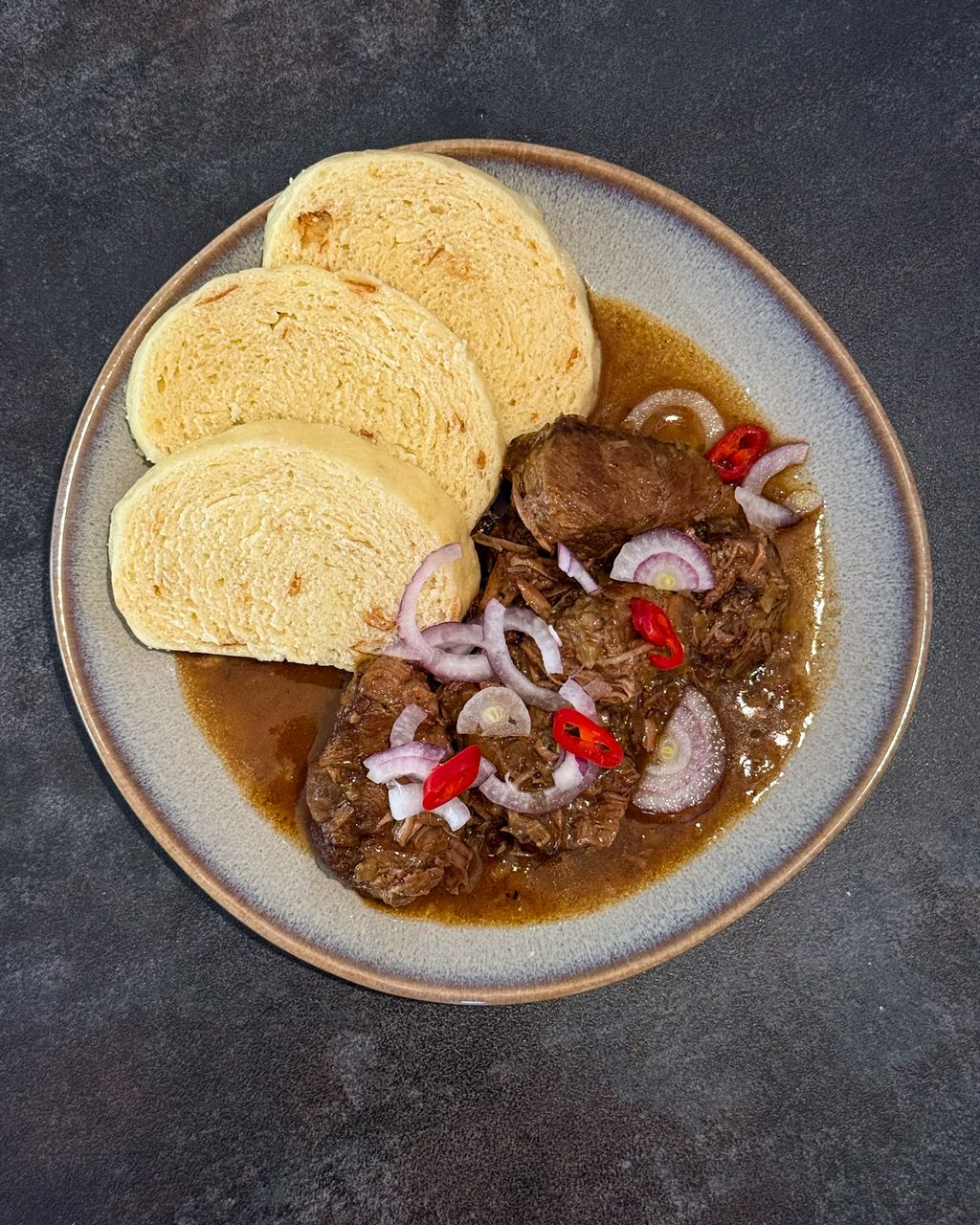
Classic czech beef goulash with chilli and bread dumplings
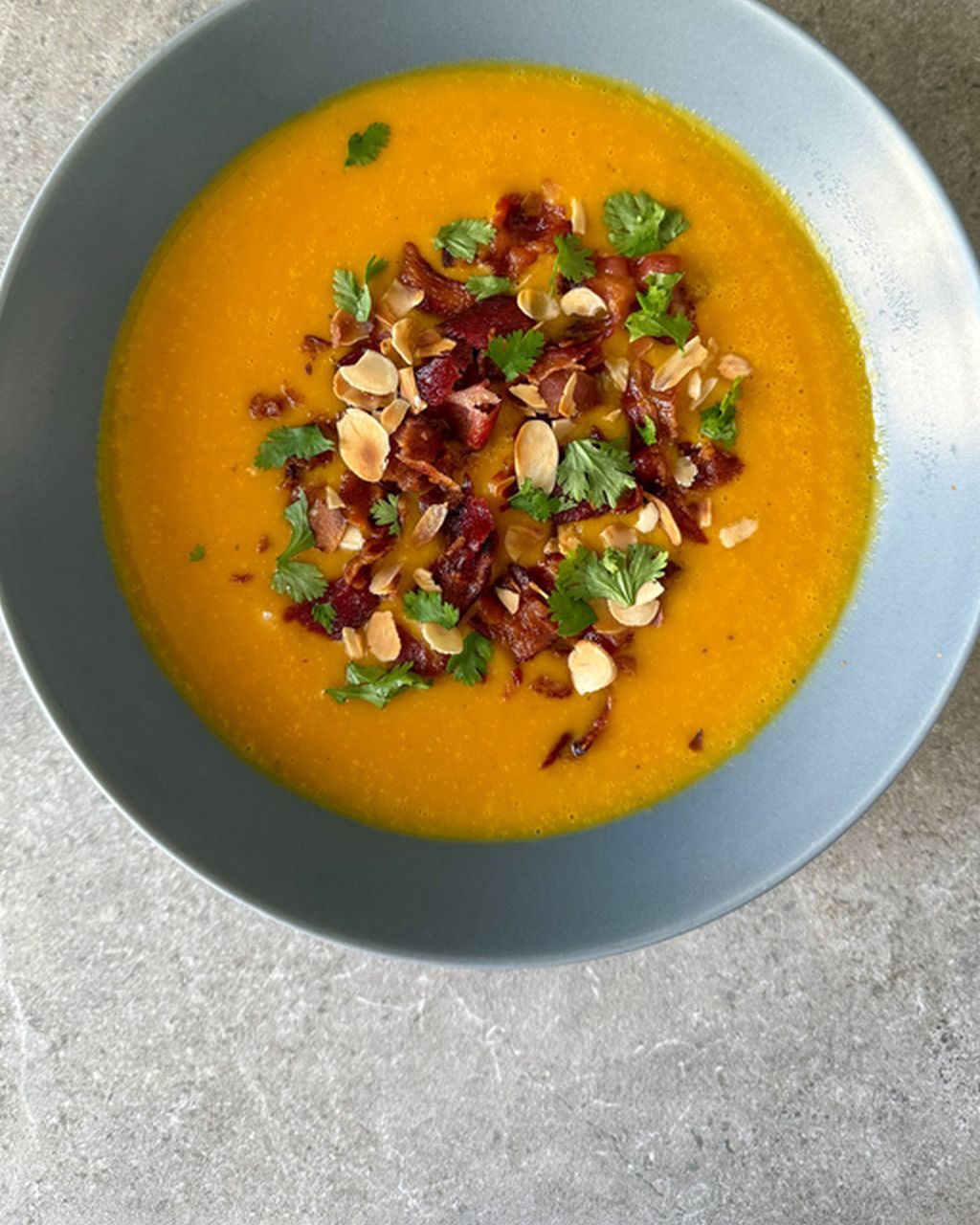
Pumpkin soup with crispy bacon
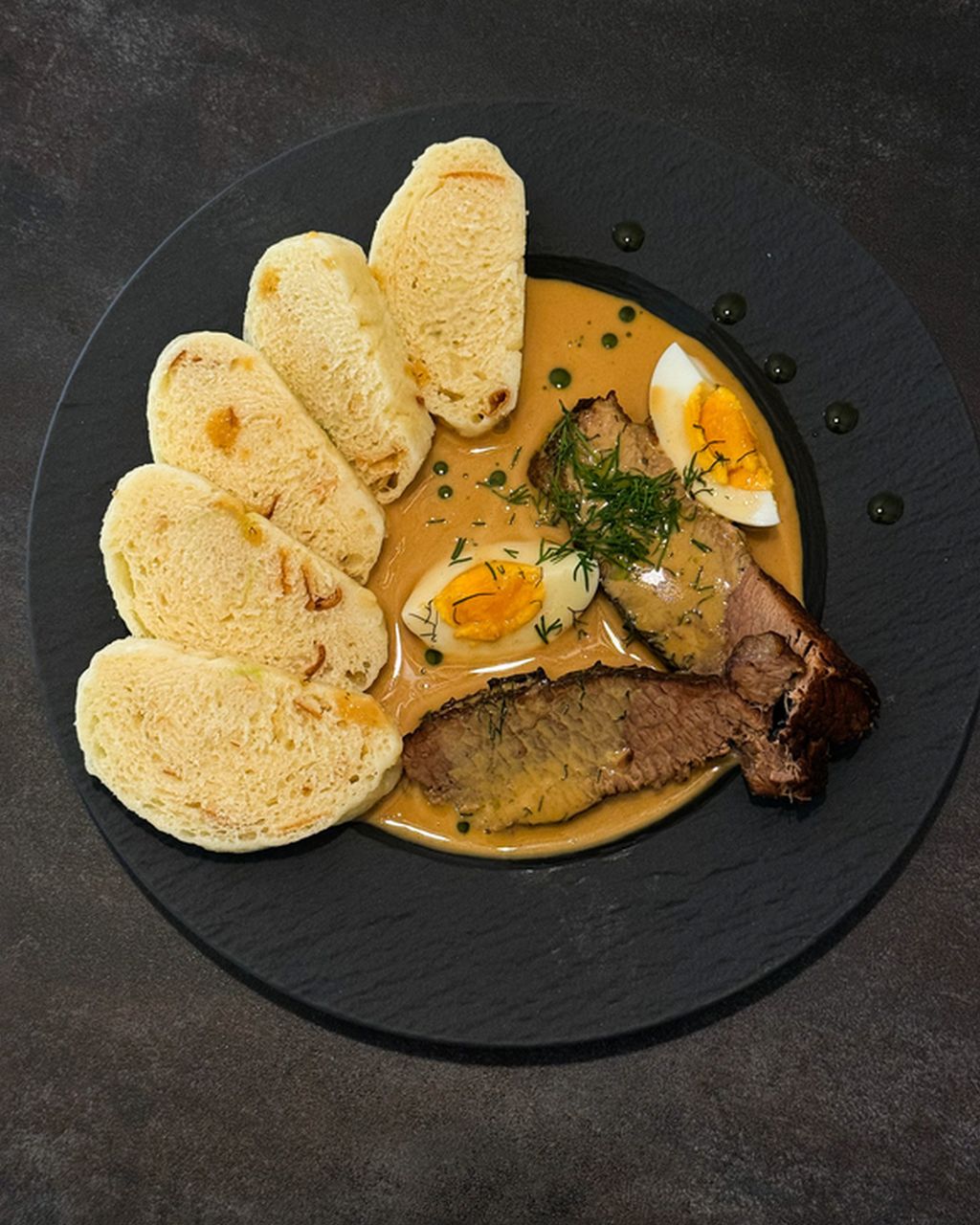
Dill sauce with slow-roasted beef
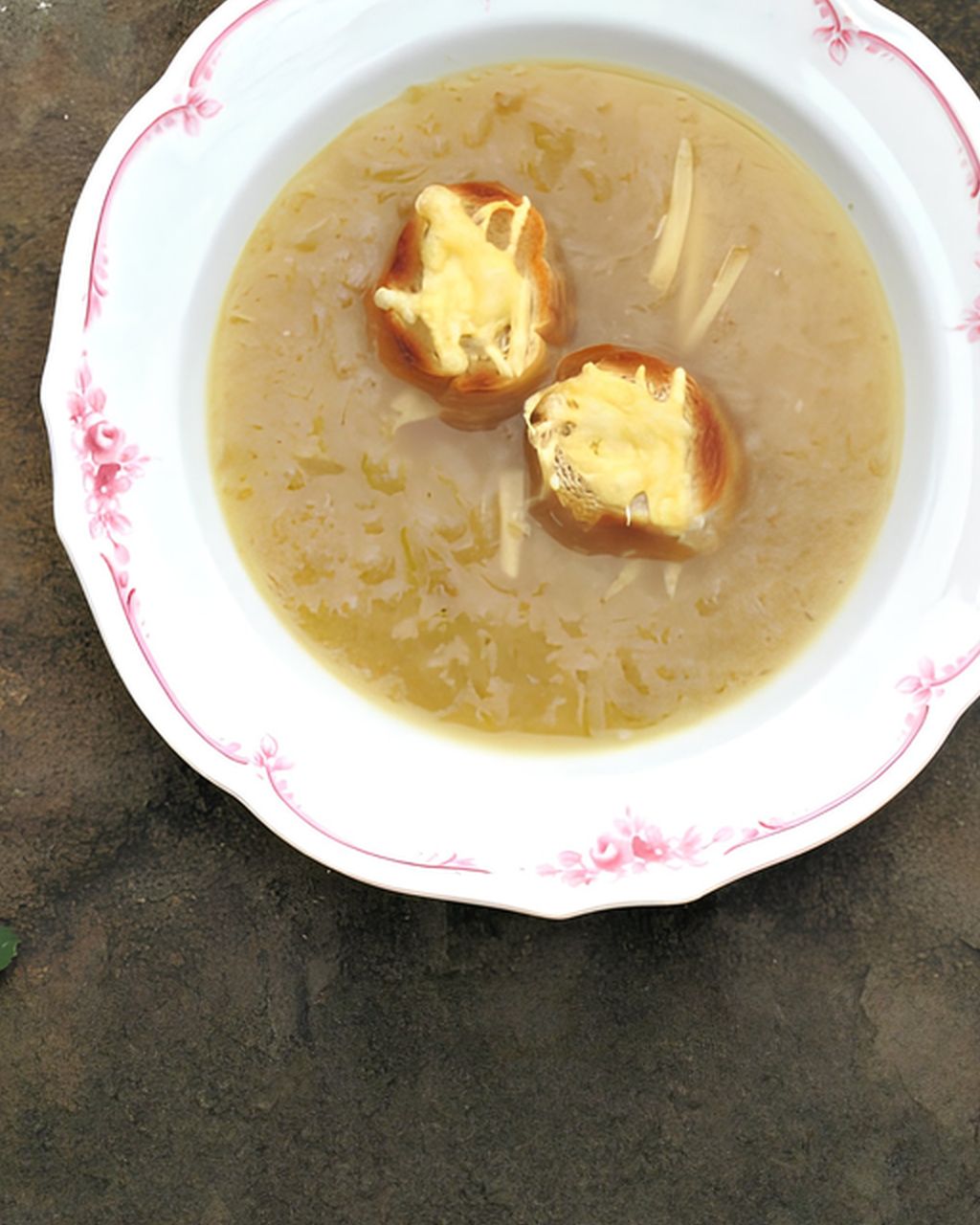
Almost-effortless french onion soup
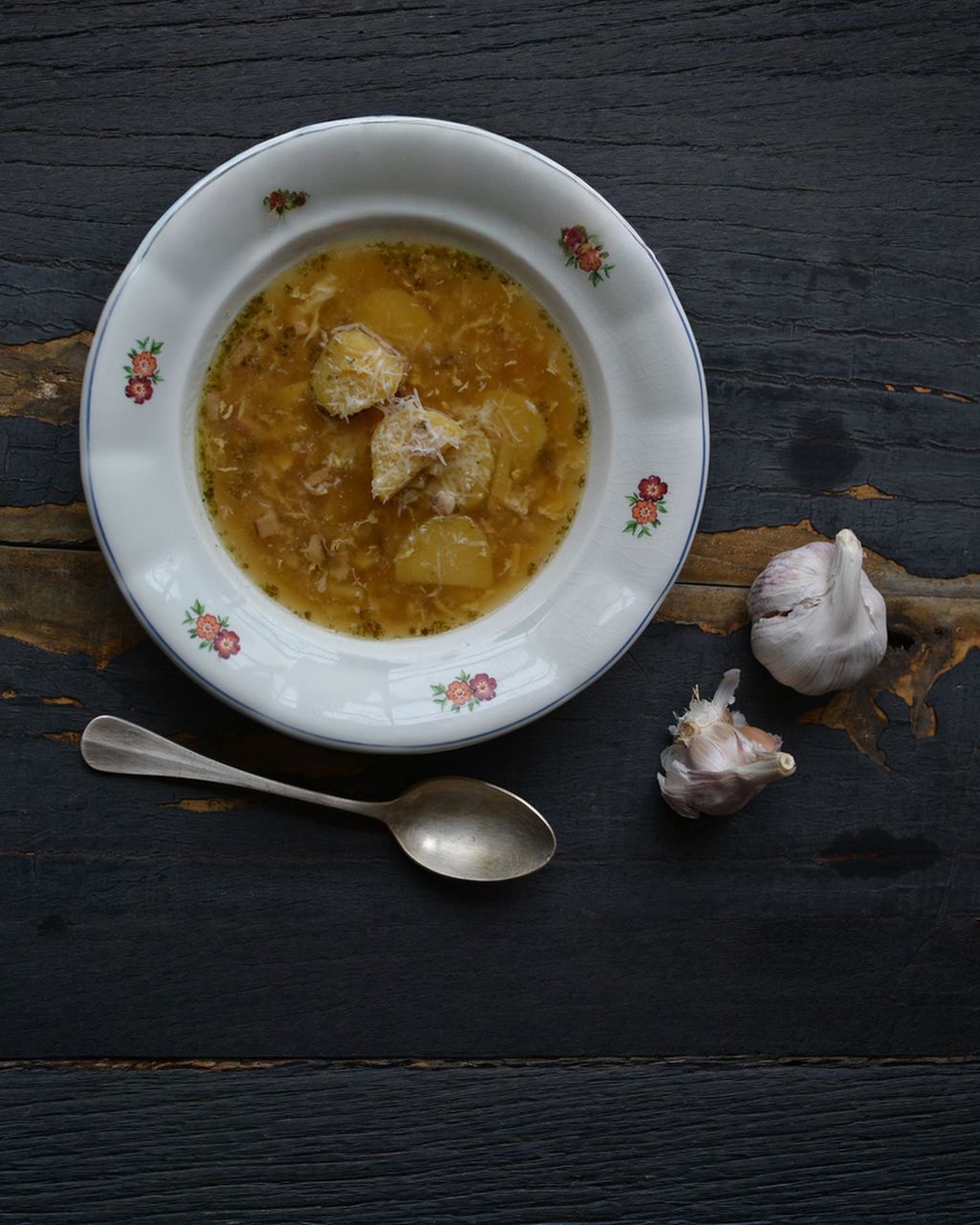
Hearty garlic soup with potatoes and bacon
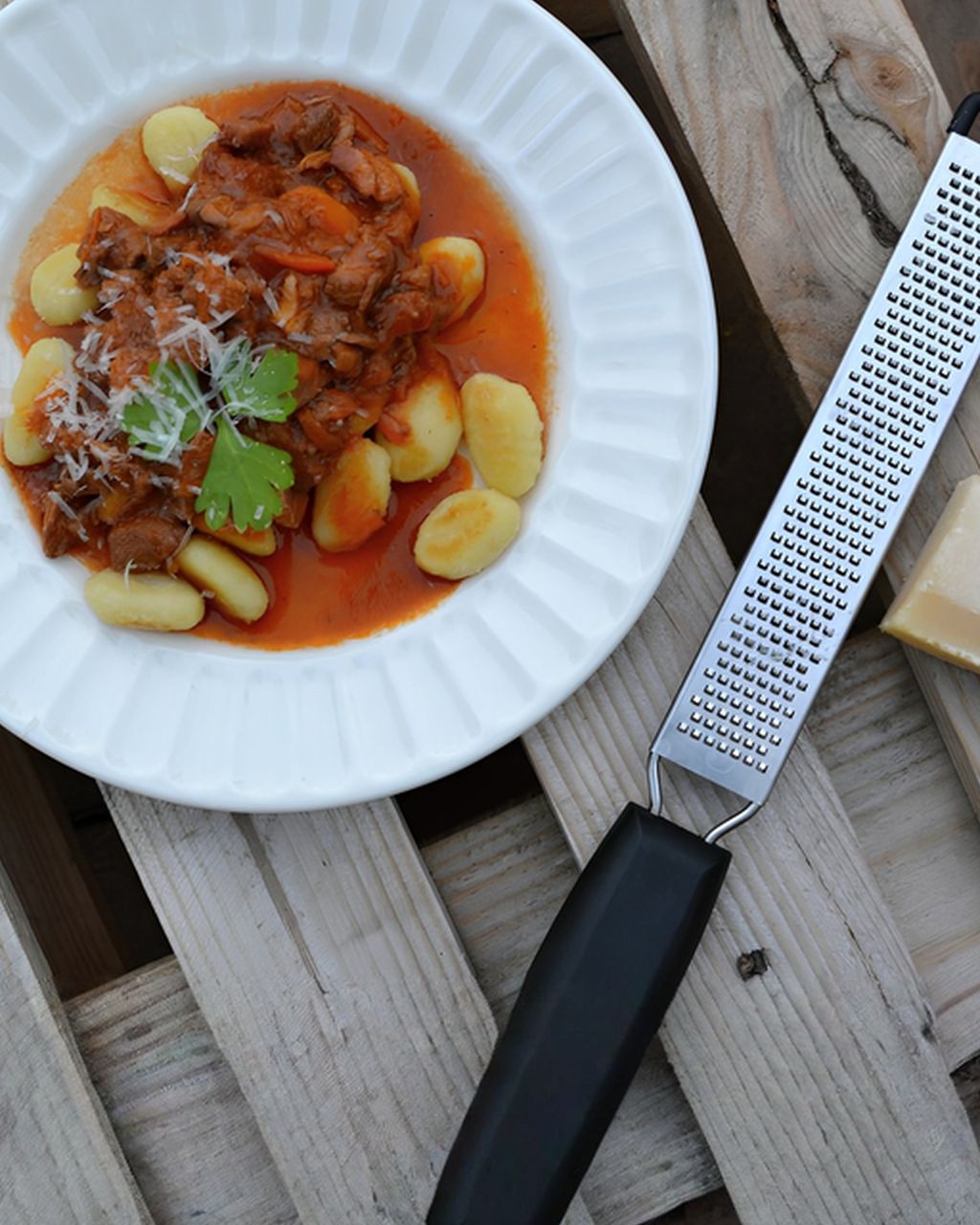
Slow-braised pork ragù with red wine
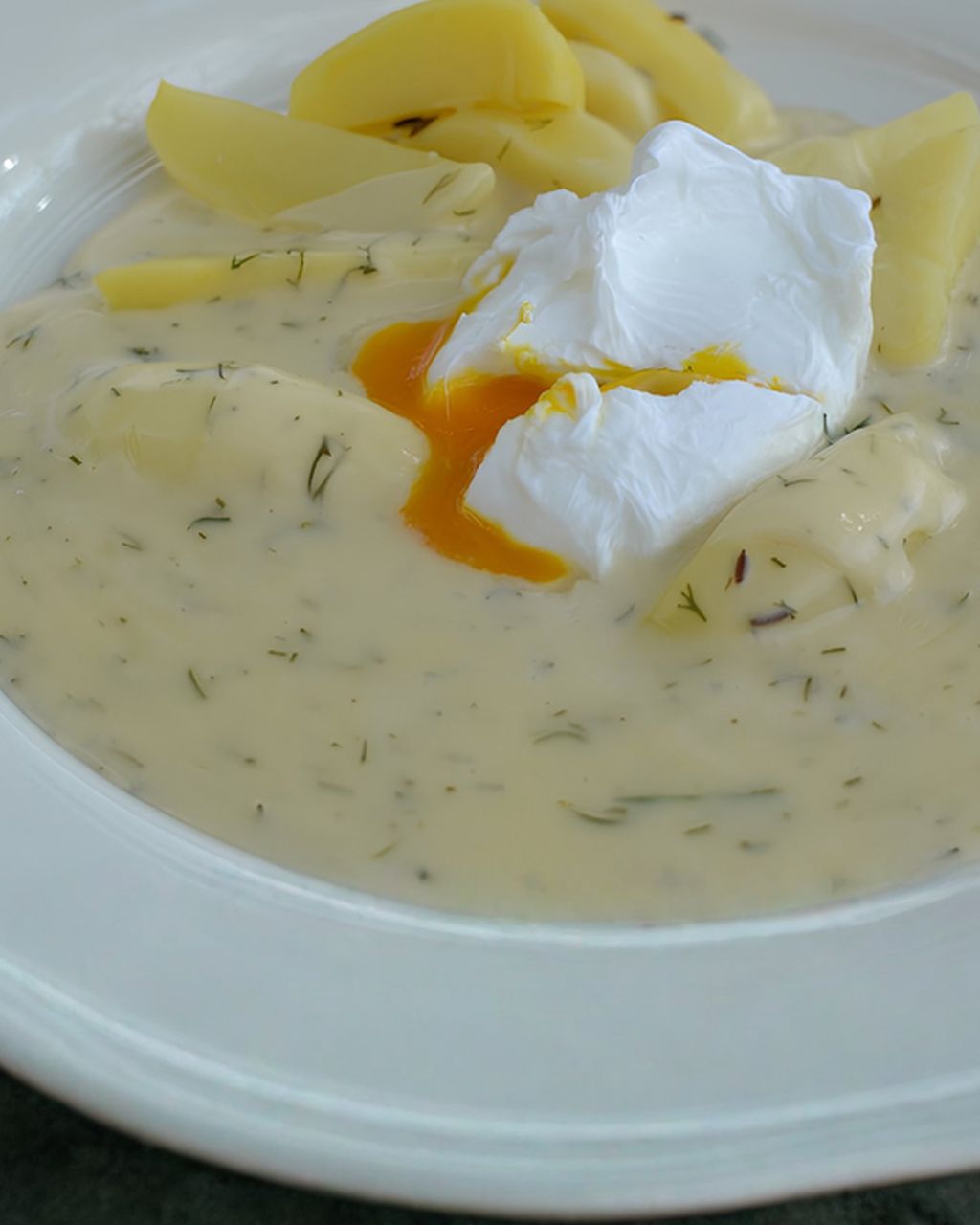
Dill sauce with cream
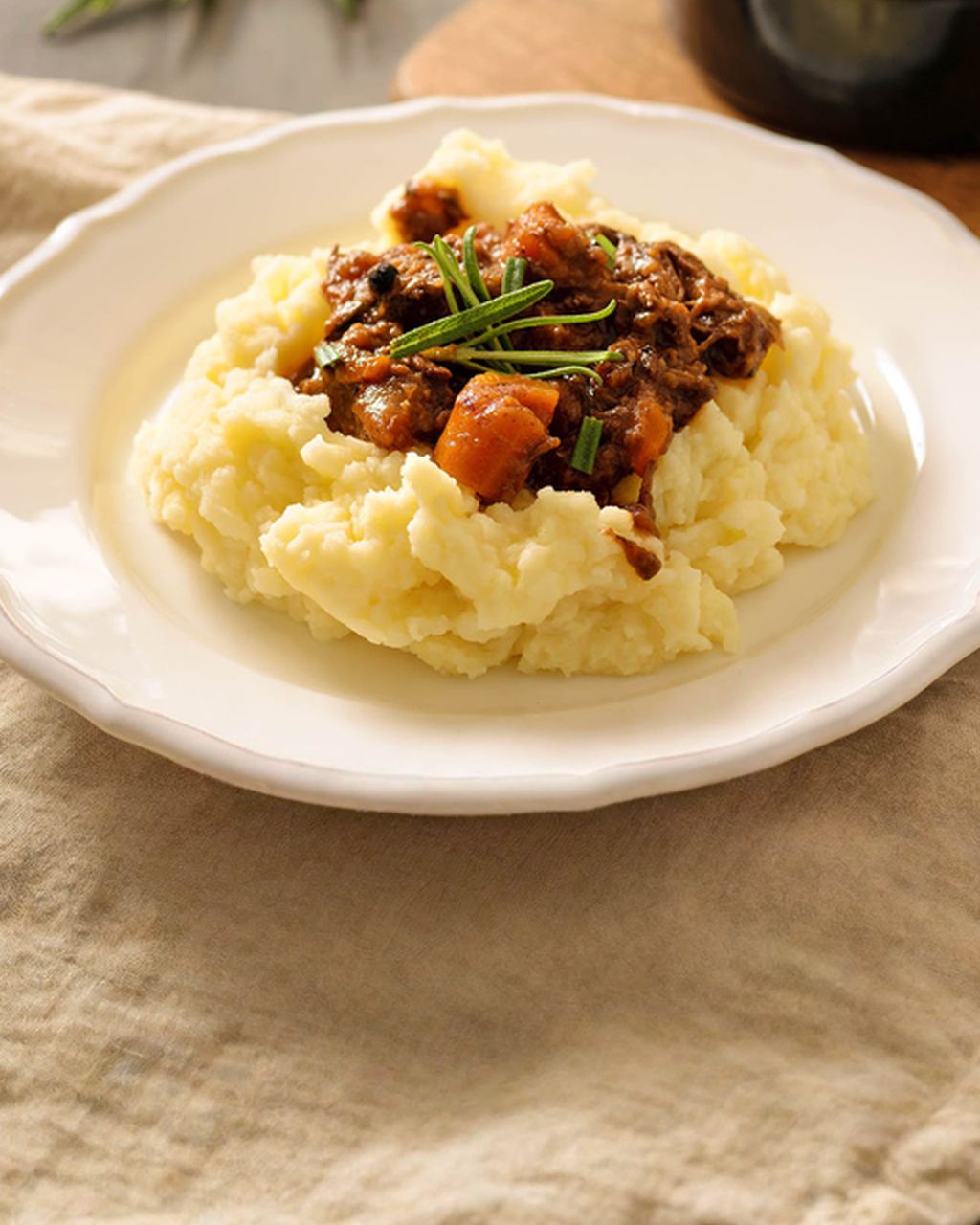
Oven-braised beef in red wine with vegetables
Clear beef broth is made from bones, which give gelatine, and meat with connective tissue, which gives flavour. It is kept below the boil so it stays clear, then strained through muslin. Light broth uses raw bones, brown broth bones roasted in the oven first. It is neither stock nor bouillon: stock is a strongly reduced, unsalted bone extract for sauces, bouillon a dried concentrate in cubes or granules.
Deep, meaty flavour with sweet notes of root vegetables and charred onion. Brown broth from roasted bones tastes more of roast meat. A well-made broth feels full in the mouth and sets to a jelly in the fridge.
Seasonal baking plans, tested recipes and kitchen tricks that save you time. Unsubscribe in one click.
3 min read
For about 2.5 litres of broth you need 2 kg of beef, half bones and half meat, 3.5 litres of cold water, about 400 g of root vegetables and a few peppercorns and allspice berries. Bones, especially knuckles, joints and oxtail, give gelatine and body; meat with connective tissue, such as shin, brisket or short rib, gives flavour. Keep to about 1 kg of bones and meat per 1.5–2 litres of water.
Cover the bones and meat with cold water and heat slowly, about 30–40 minutes until the first bubbles. Skim the foam for the first 15–20 minutes as the broth nears the boil. Then turn the heat down until the surface just trembles, around 90 °C, and stop stirring. Lift the meat out once tender, shin takes 2.5–3 hours. Simmer the bones for 4–6 hours in all, add vegetables and spices for the last 60–90 minutes and salt only after straining.
Broth usually turns cloudy from boiling hard, which breaks fat and protein into tiny particles. Strain a cloudy broth through muslin, and if that is not enough, clarify it with egg white. The full method, with times for a pressure cooker and a slow cooker, is in how to make beef stock clear and rich.
Light broth is made from raw bones and suits soups with noodles or dumplings, where a clean flavour should come through. For brown broth, first roast the bones on a tray at 210–220 °C for 30–45 minutes until golden, add the vegetables for the last 15 minutes and deglaze the tray with a little water into the pot. Brown broth has a roasted flavour and amber colour and is the better base for sauces and reductions such as demi-glace.
For sauces you will reduce, leave the broth unsalted, as reduction concentrates the salt. For a golden colour in light broth, an onion charred cut side down in a dry pan is enough.
Beef broth is a soup made from meat, bones and vegetables and salted to be eaten as it is. Stock, called fond in Czech kitchens, is a strongly reduced, unsalted extract mostly from bones, made for gelatine and body and used for sauces. Bone broth is simmered mainly from bones for longer, 6–8 hours, and sets more firmly. Bouillon is a dried concentrate in cubes or granules, see beef bouillon.
A marrow bone works in broth too, but marrow adds mostly fat; the gelatine comes from joints, connective tissue and cartilage.
Strain the finished broth straight away, divide it into shallow containers and cool it in a sink of cold water and ice. Don't leave it out for more than 2 hours, or 1 hour in a kitchen above 32 °C. In the fridge at 4 °C or below it then keeps for 3–4 days. A layer of set fat does not extend that, and a jelly-like set after chilling is a good sign, not spoilage. More in stock in the fridge: how long it lasts.
Before eating, bring it to the boil or heat it to at least 70 °C for 2 minutes, and reheat only the portion you will eat. Store opened shop-bought broth as the pack says; if it gives no time, count 3–4 days.
Freeze it in 250–500 ml portions; at −18 °C it keeps full quality for 2–3 months. Thaw it in the fridge and don't refreeze it. Broth cannot be canned safely in an ordinary pot at home, it is a low-acid food.
The classic is beef soup with noodles, carrot and parsley or with liver dumplings, with the meat served separately with horseradish. Broth is the base of French onion soup and is used to braise the beef for svíčková, beef sirloin in cream sauce.
It also suits braises such as beef cheeks in red wine with vegetables, goulash, risotto and pan sauces.