- Season
- Year-round
- Price
- Low
Calories and nutrition
per 100 g
389 kcal
Calories
0 g
Protein
99.8 g
Carbs
0 g
Fat
Powdered Sugar
Powdered sugar (cukr moučka) is white sugar ground to a fine powder: under Czech rules at least 90% of its particles are smaller than 0.4 mm, and it may contain up to 3% starch to stop it caking. It dissolves almost instantly, which is why it goes into shortbread-style biscuits, creams, icings and coatings.
per 100 g
389 kcal
Calories
0 g
Protein
99.8 g
Carbs
0 g
Fat
In a well-closed container somewhere dry, not next to the hob or dishwasher. Sugar does not spoil, but powdered sugar draws moisture from the air and clumps easily.
Not recommended. In the damp fridge it sticks together and picks up smells.
Not needed. Kept dry, powdered sugar does not spoil.
Read the ingredients: it is either pure ground sugar or sugar with up to 3% starch, most often potato starch, and in imported brands also maize, wheat or tapioca. Wheat is one of the allergens that must be declared on the pack, so for coeliac disease choose powdered sugar with potato or maize starch, or none. Cane powdered sugar is beige and not suitable for white icing.
Homemade powdered sugar: blend 200 g caster sugar with 6 g (about 2 level teaspoons) potato or maize starch for 30–60 seconds in a completely dry high-power blender or coffee grinder, then sift. You can leave out the starch, but then grind it just before use, as it cakes quickly.
Caster sugar, 1:1 by weight, but only where there is enough liquid to dissolve it, such as whipped cream or a milk-based cream. It does not work in shortbread-style dough, for coating or in royal icing.
Always sift it through a fine sieve for creams, icings and coatings; a lump would stay on a biscuit as a white blob or block a piping tip. Measure by weight: a level tablespoon weighs about 8 g, a 250 ml cup 100–120 g depending on whether it is sifted.
Pulse hardened powdered sugar briefly and sift it, and it is as good as new. Tip an opened bag into a screw-top jar so it does not get damp.
Roughly what everyday kitchen measures weigh.
0.51 g
1 milliliter
2.5 g
1 teaspoon
7.61 g
1 tablespoon
127 g
1 cup (250 ml)
Powdered sugar goes into Linzer and other short doughs, vanilla crescents, buttercreams, whipped cream, lemon icing and royal icing, and is dusted over bundt cakes and vánočka. In short dough it dissolves even in the little water the dough holds, and it beats no air into the butter, so biscuits keep their shape. Do not use it for caramel, syrup or fondant; the starch in it would cloud them.
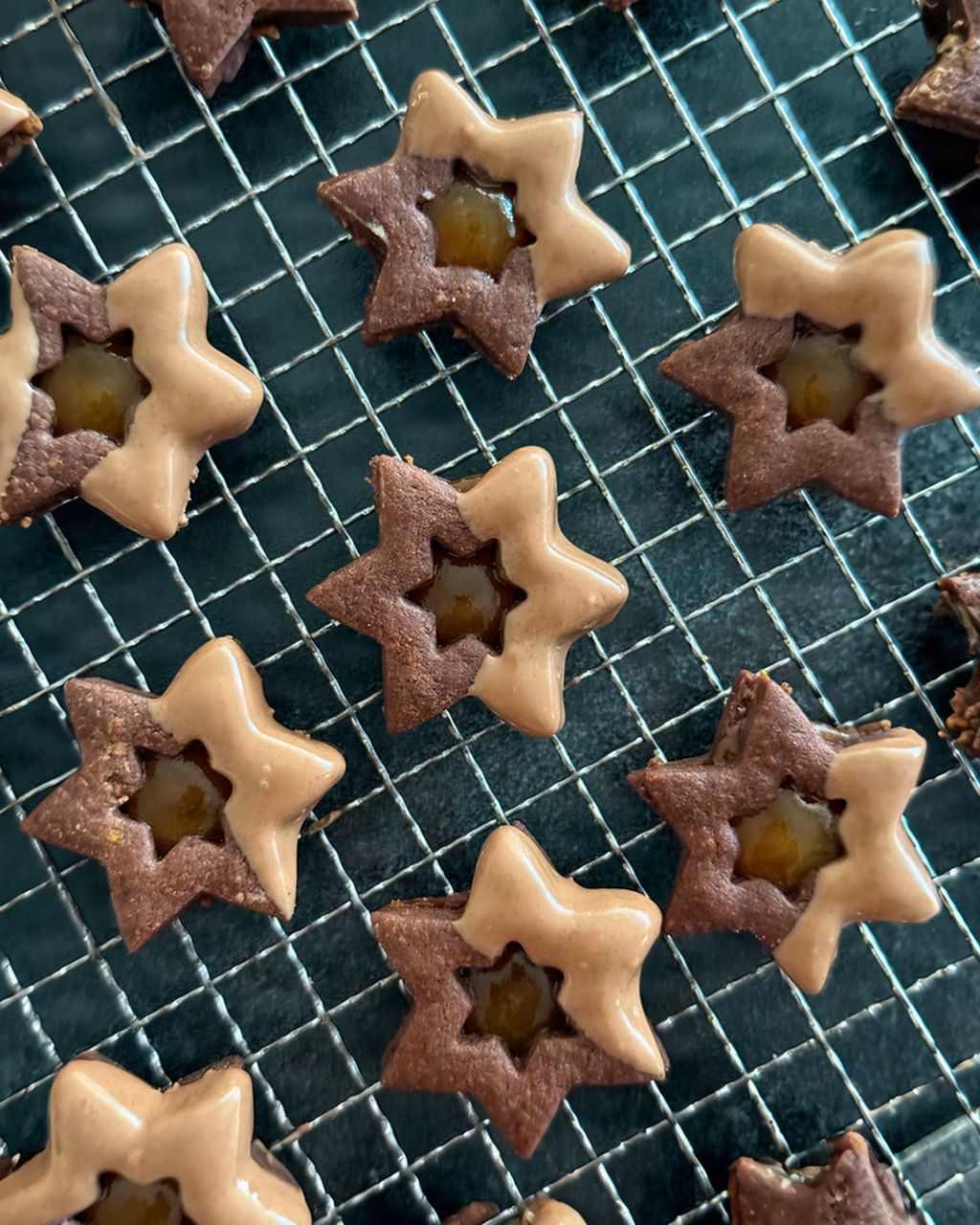
Chocolate linzer cookies with apricot jam and chocolate dip

Hazelnut linzer cookies with blackcurrant jam
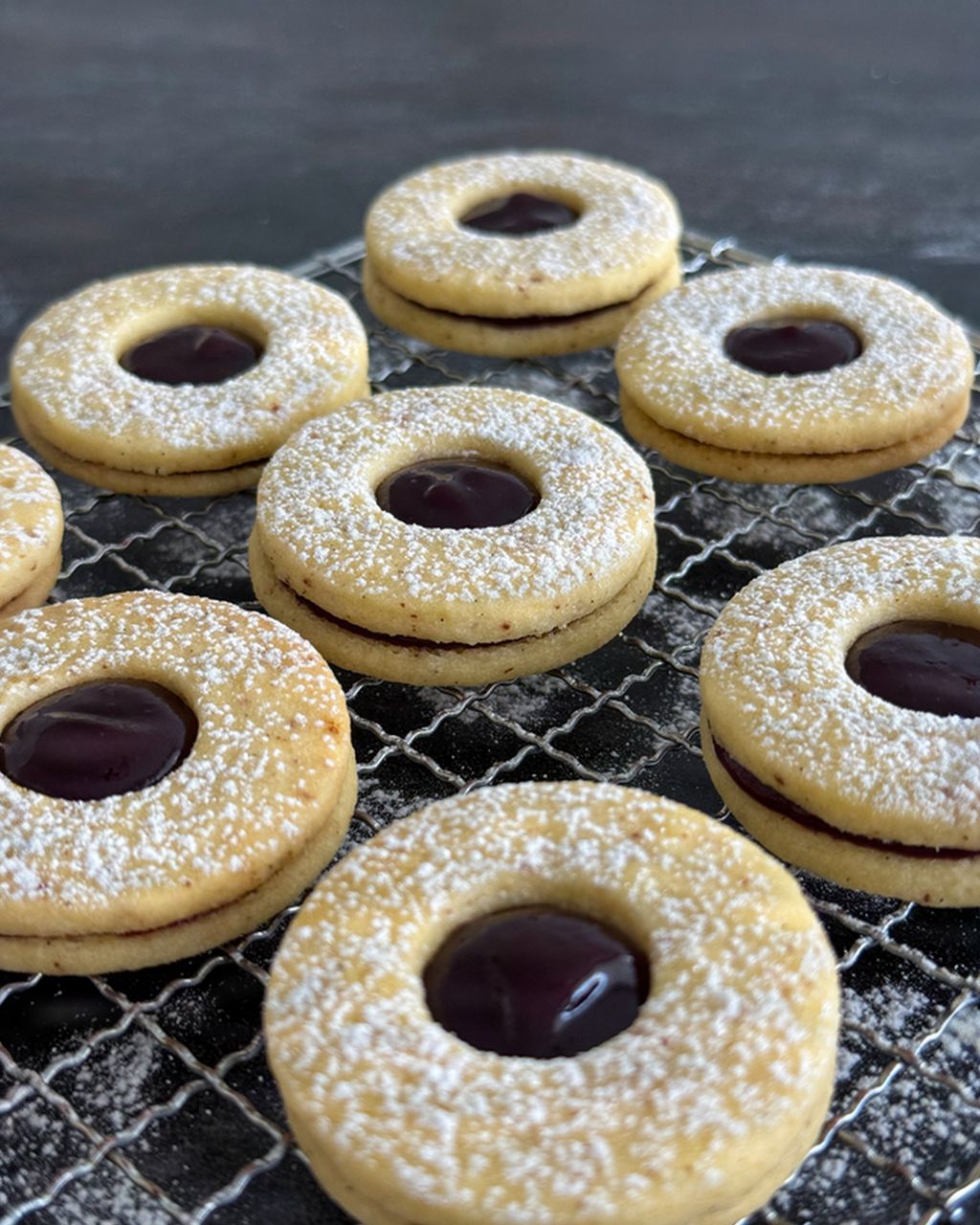
Brown butter linzer cookies with tonka bean and blackcurrant
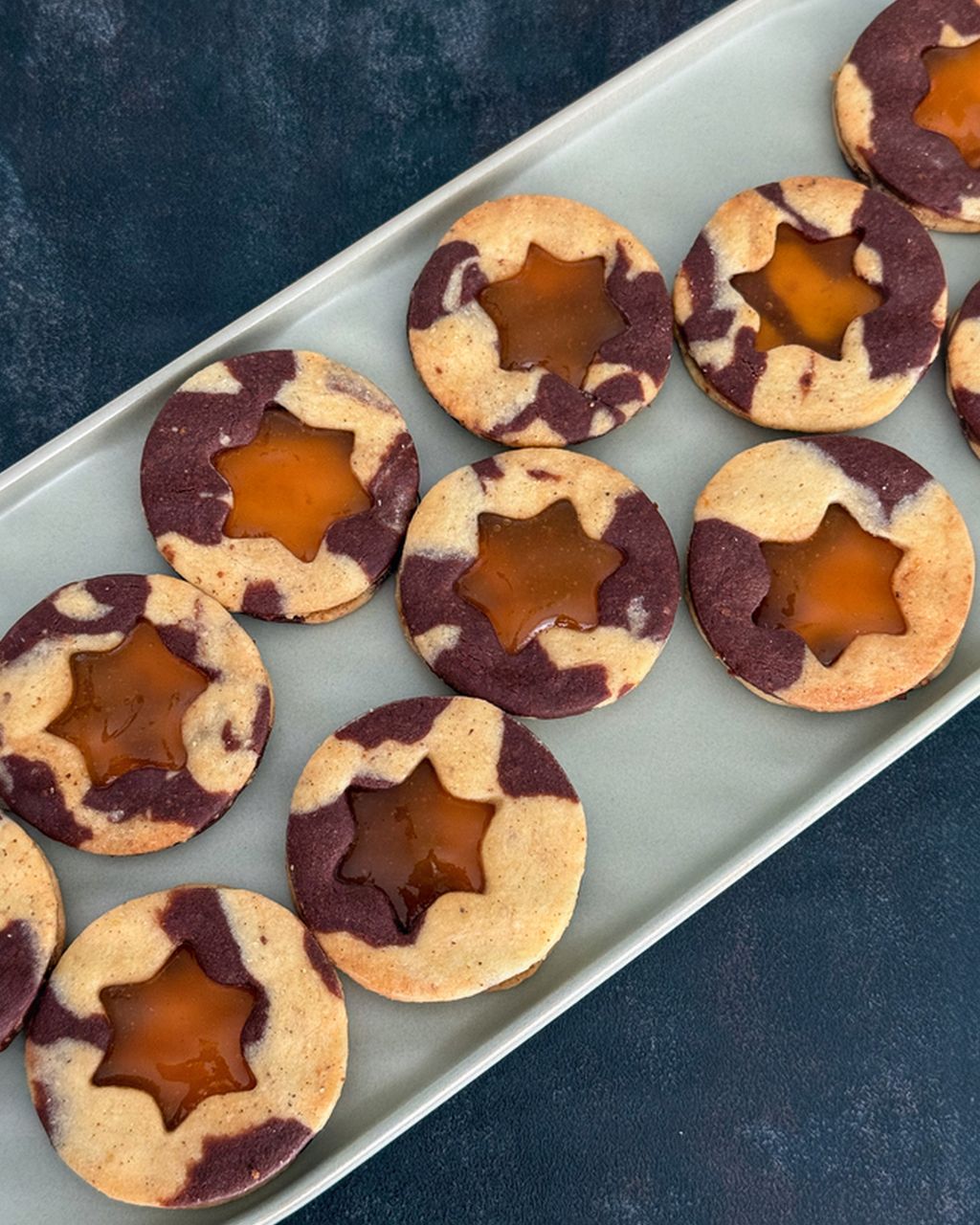
Marbled linzer cookies with vanilla and cocoa dough
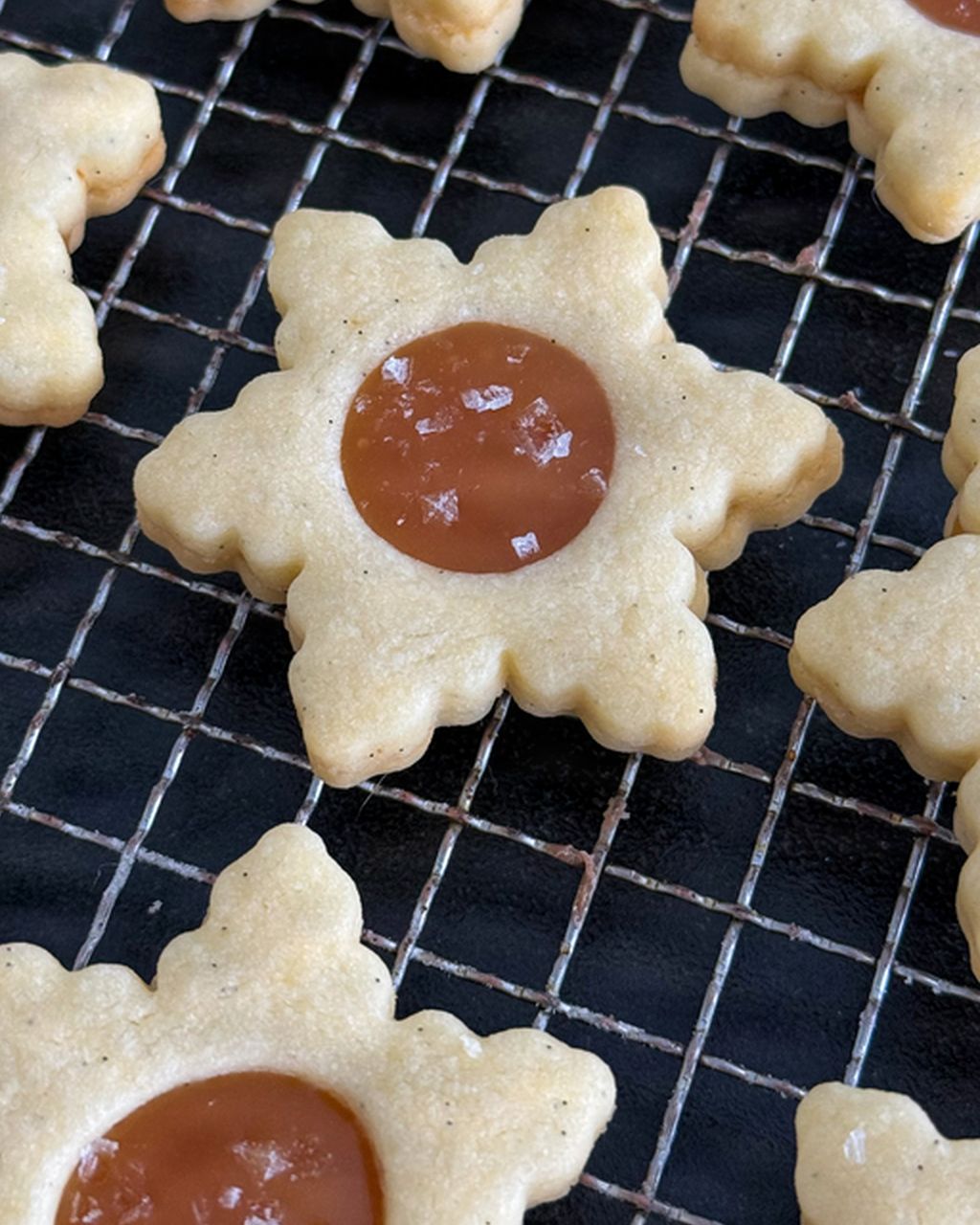
Linzer cookies with salted caramel and flaky sea salt

Classic linzer cookies with redcurrant jam
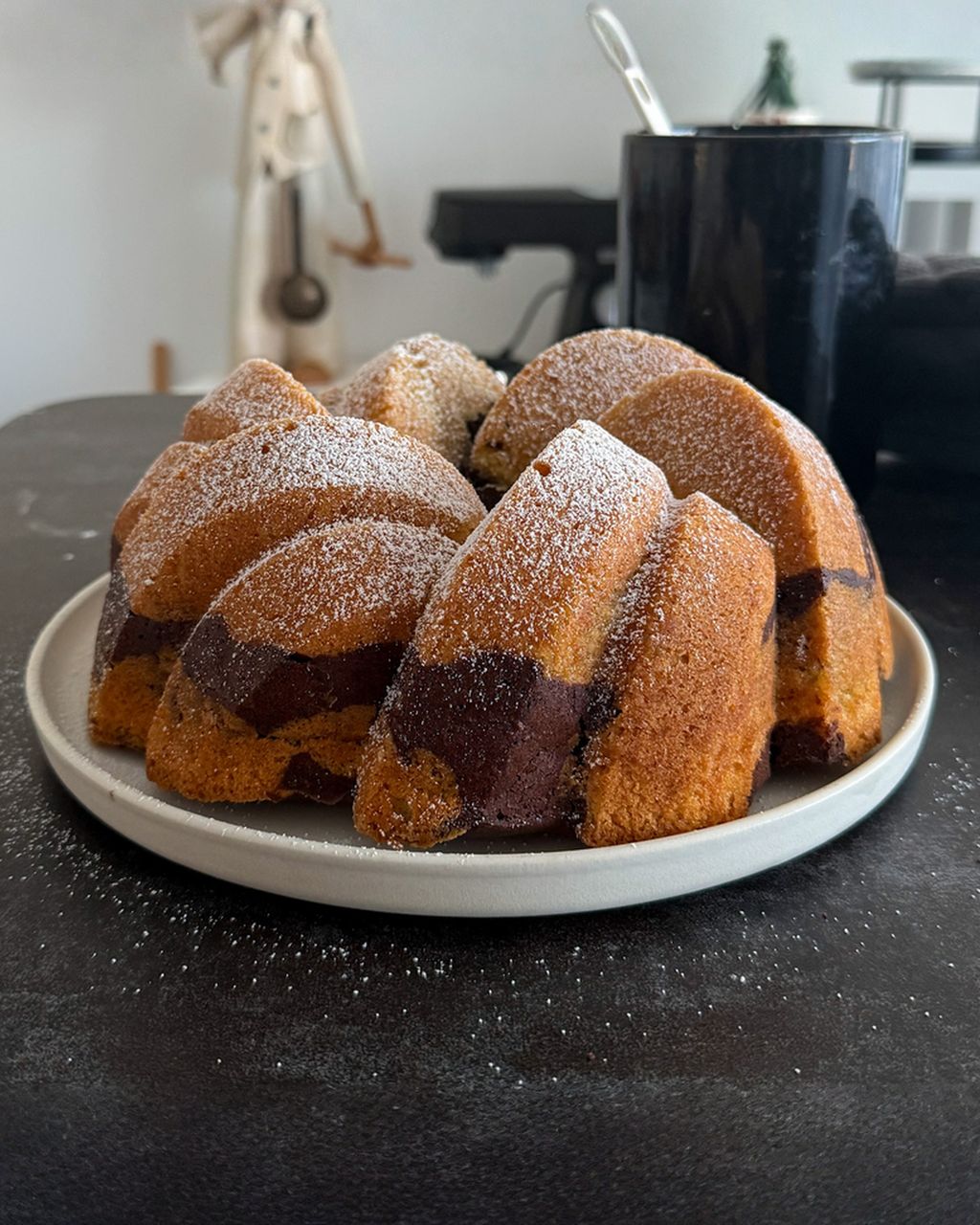
Marble bundt cake with buttermilk and vanilla
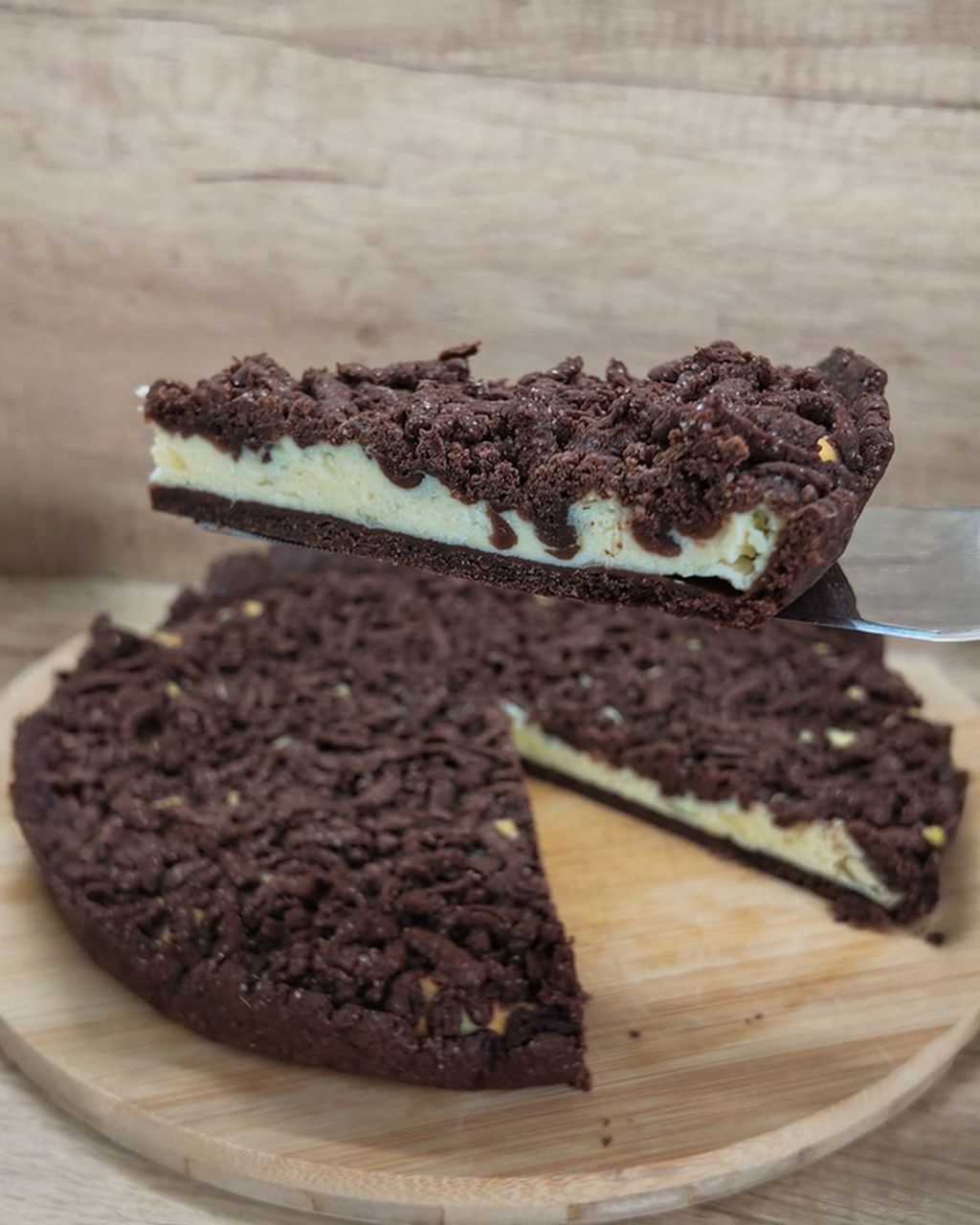
Grated cheesecake cake
Czech packs usually say "cukr moučka" and, if starch has been added, carry the legal name "cukr moučka s protihrudkujícími látkami" (powdered sugar with anti-caking agents); Decree No. 490/2025 Coll. means added native starch by that. Czech producers mostly use potato starch, so the ingredients read something like "sugar, max. 3.0% potato starch". Powdered sugar without starch is sold too, and only the ingredients list tells you which you have. In Czech it is also called pudrový cukr. British recipes call it icing sugar, American ones powdered or confectioners' sugar.
It sweetens just like any other white sugar, only without grains: the powder melts on the tongue at once, which is why creams and icings made with it are smooth. It has no aroma of its own.
Seasonal baking plans, tested recipes and kitchen tricks that save you time. Unsubscribe in one click.
2 min read
Czech Decree No. 490/2025 Coll. distinguishes two products. Powdered sugar without anti-caking agents is just finely ground white sugar. Powdered sugar with anti-caking agents has added native starch, at most 3%, and must contain at least 96.7% sucrose. The starch binds moisture from the air and keeps the powder free-flowing.
The type of starch is in the ingredients list. Potato, maize and tapioca starch contain no gluten; wheat starch is a product of a gluten-containing cereal, so EU food information law lists it among the allergens that must be declared on the pack.
Linzer dough holds only a few per cent of water and bakes briefly, so caster sugar would not have time to dissolve in it. Powdered sugar disappears, the dough is easier to work, the biscuits keep their shape and have a fine, short crumb. Why, and when caster sugar is the better choice, is explained in Powdered sugar in cookies: why not granulated, and when granulated wins. Try it with classic Linzer cookies with redcurrant jam.
Always swap sugars by weight. A cup of powdered sugar weighs about 40% less than a cup of caster sugar, so measuring by volume puts noticeably less sugar into the dough.
Royal icing for gingerbread is mixed from powdered sugar and egg white; sift the sugar through a fine sieve so no grain blocks the tip. Ratios and consistencies are in Royal icing: ratios, consistency, colouring and drying. Tips on glazes, dusting and coating crescents are on the page icing sugar, which is simply another name for the same sugar.