- Season
- Year-round
- Price
- Medium
Calories and nutrition per 100 g
- 598 kcal
- 7.8 g protein
- 42.6 g fat
- 45.9 g carbs
70% Dark Chocolate
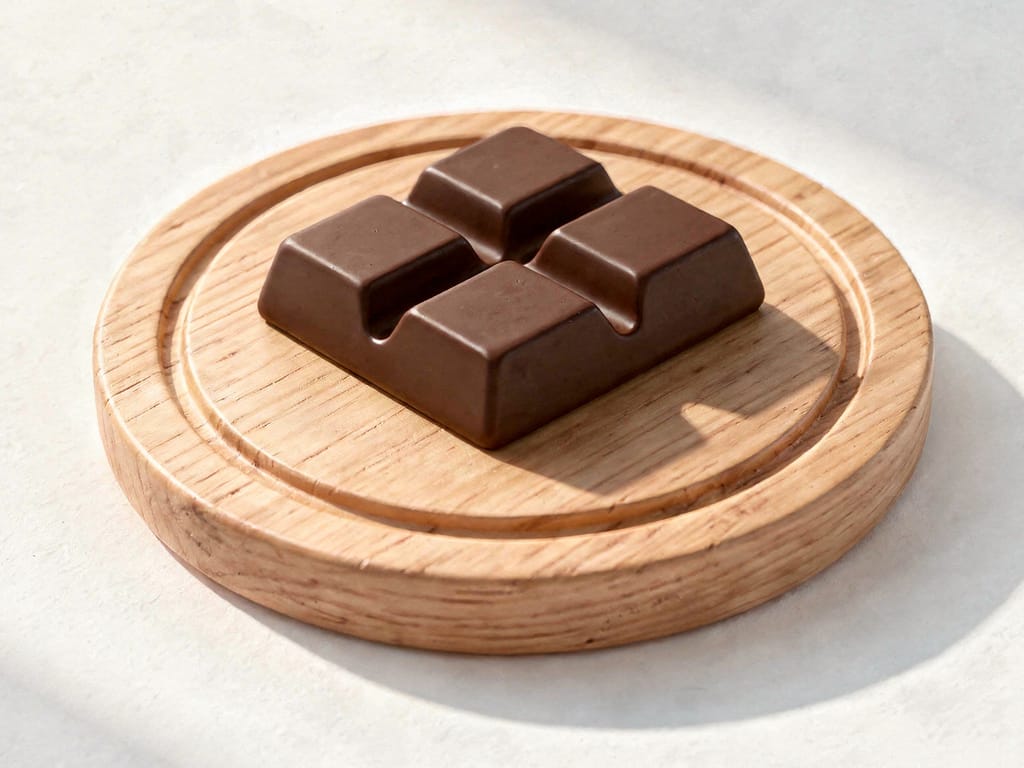
70% dark chocolate is chocolate without milk in which at least 70 % of the weight comes from the cocoa bean, cocoa mass and cocoa butter, and the remaining roughly 30 % is mostly sugar. It is distinctly bitter and less sweet than 60% chocolate, and in baking it suits recipes where the chocolate should stand out: brownies, ganache, mousse and glazes.
Keep it wrapped, dry, in the dark and at a steady temperature of about 15–18 °C, away from strong smells. Stored well, dark chocolate keeps for about 18–24 months. A grey or white film is bloom, not mould.
Only refrigerate it when your home is constantly above 24–25 °C, well wrapped and in the least cold part of the fridge. After taking it out, let it come to room temperature in its wrapper, or moisture will condense on it and cause sugar bloom.
It can be frozen, wrapped airtight. Thaw it in stages: first a day in the fridge, then to room temperature in its wrapper.
Cocoa mass should come first in the ingredients, then sugar and cocoa butter. Cocoa butter should be the only fat; the line "contains vegetable fats in addition to cocoa butter" means the product contains another fat, at most 5 %. Cocoa or compound coating is not chocolate and cannot be tempered. For baking, a supermarket bar works as well as chocolate callets, which you do not need to chop.
Another dark chocolate with 65–75 % cocoa, same weight. The result will be almost the same, though a ganache may set a little firmer or softer depending on its cocoa butter.
A 55–60 % chocolate, taking out about a tablespoon of sugar per 100 g of chocolate in a batter. For brownies, 40 g of cocoa, 35 g of butter and 30 g of sugar can stand in for 100 g of chocolate.
To melt it, chop it into even pieces. Melt it over a bain-marie of barely simmering water or in the microwave in short bursts, stirring in between. Do not heat dark chocolate above 50 °C, and keep water and steam out of it. For a glossy glaze or moulding, temper it.
Keep the shards from chopping in a jar and add them to hot chocolate, porridge or batter. Melt bloomed chocolate into ganache or batter; it works fine in baking.
Roughly what one measure weighs, scooped the way you normally would in the kitchen.
70% chocolate suits brownies, ganache, chocolate mousse, glazes and pralines, anywhere the chocolate should be pronounced. It melts and tempers like other dark chocolates. In small amounts it deepens goulash, chilli and game sauces.
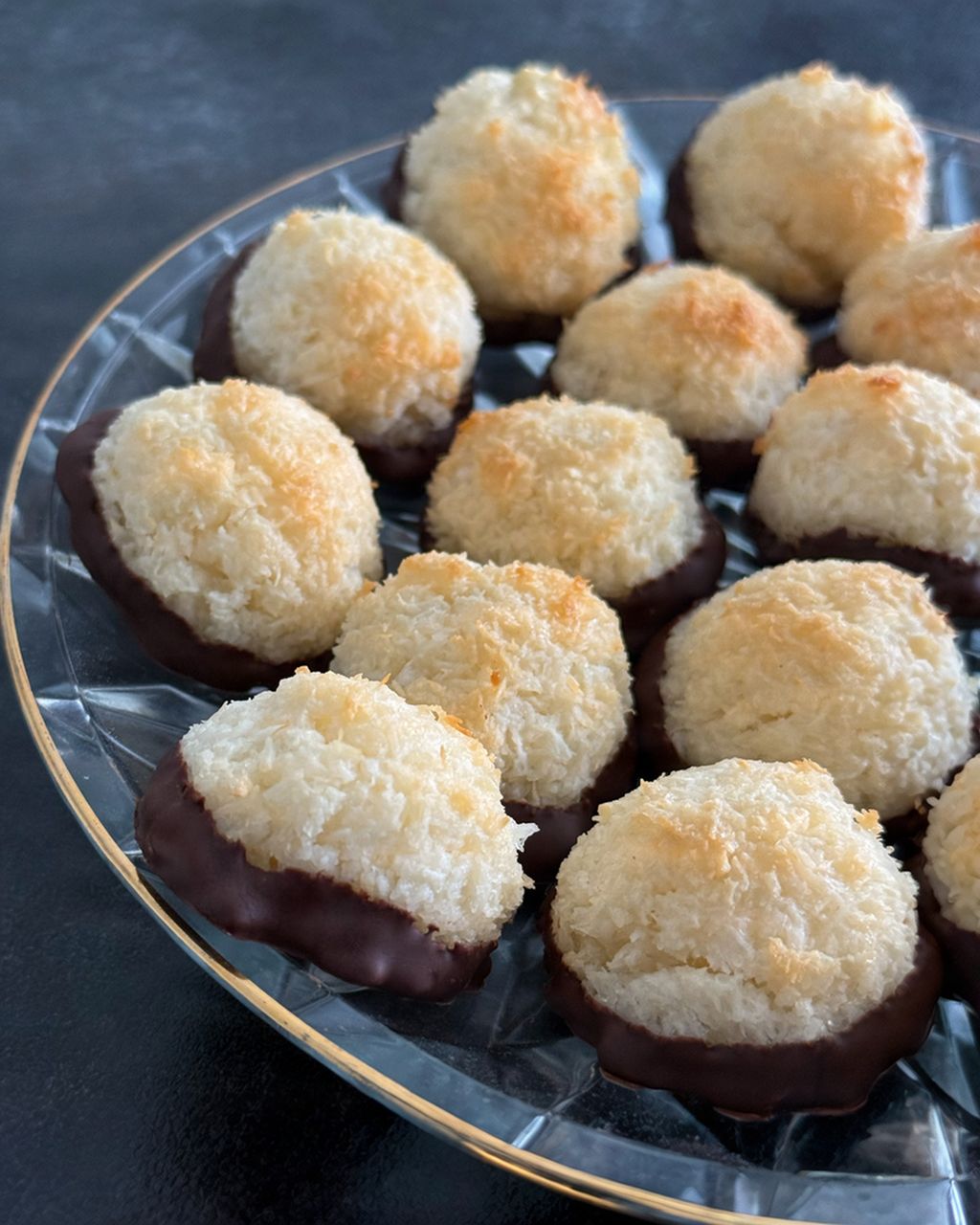
French coconut macaroons with honey and dark chocolate
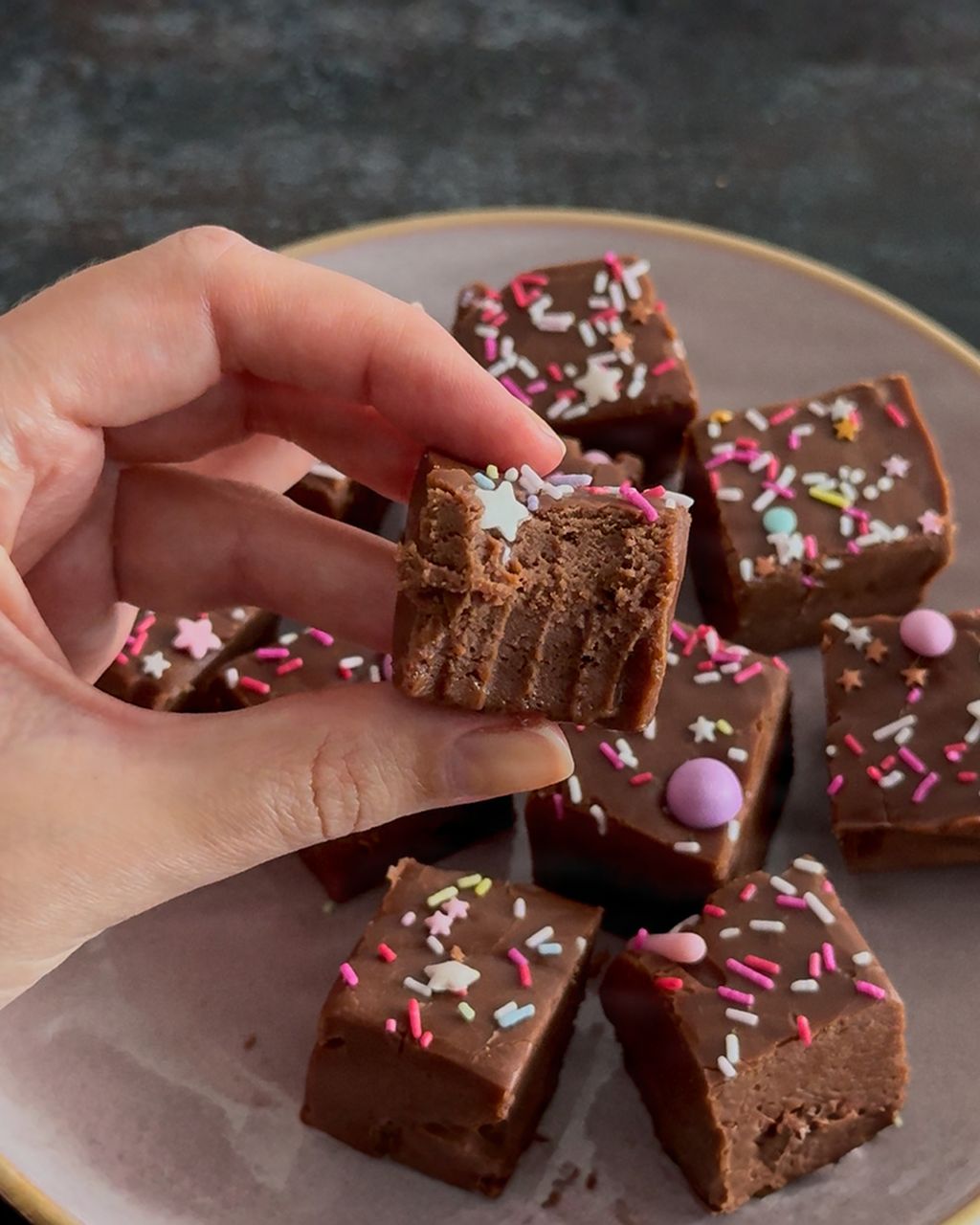
Dark chocolate fudge
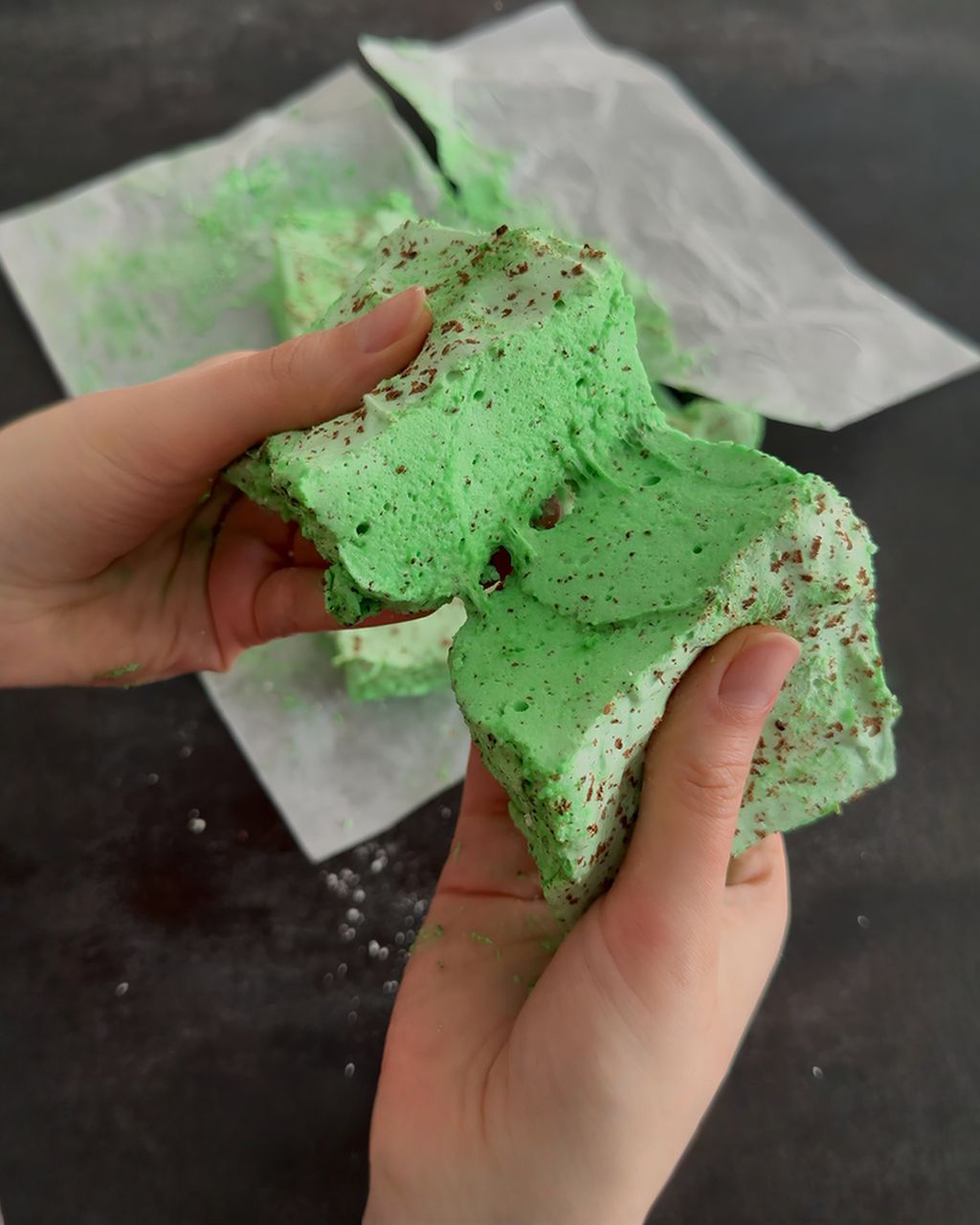
Homemade mint chocolate marshmallows
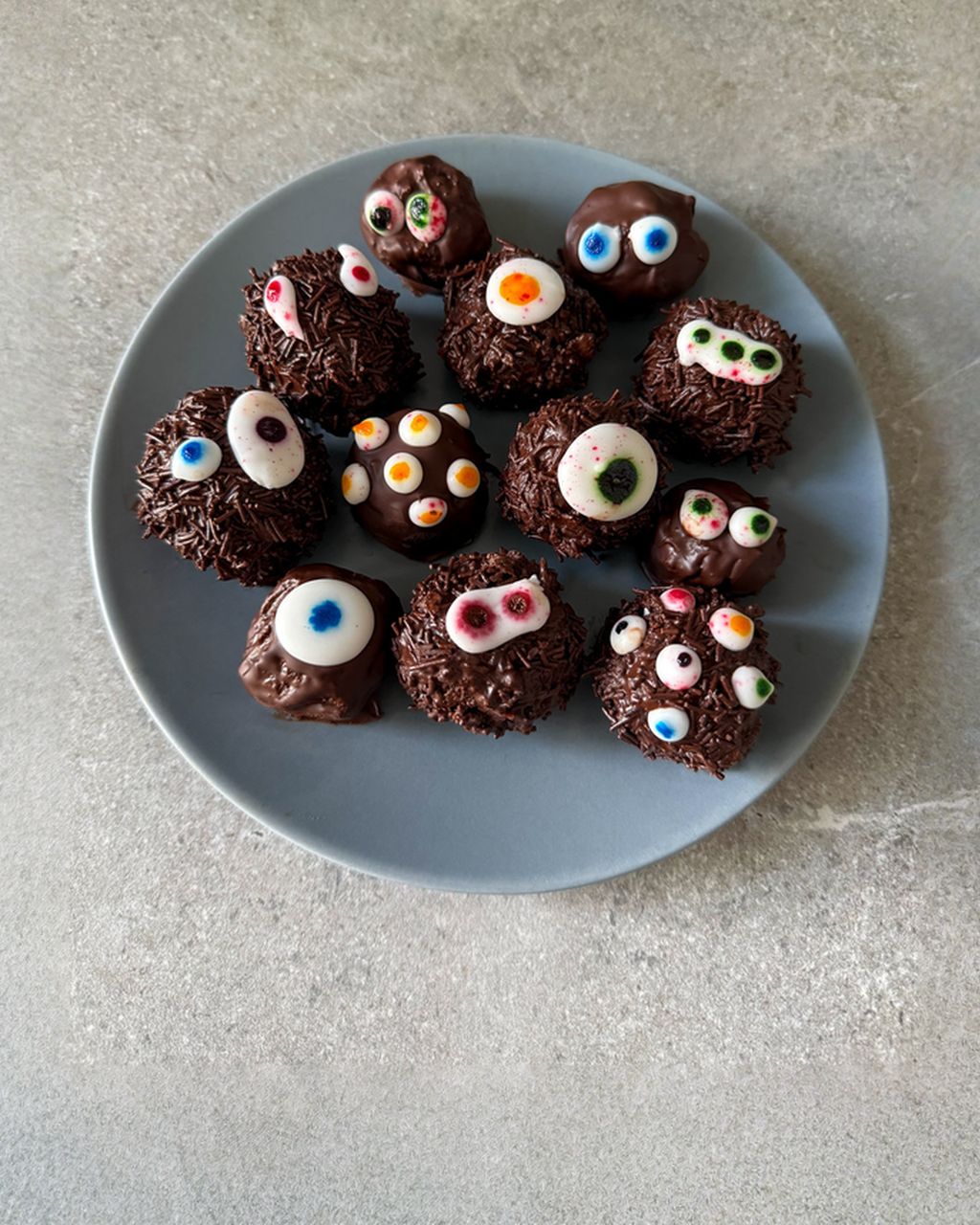
Chocolate brownie ball monsters
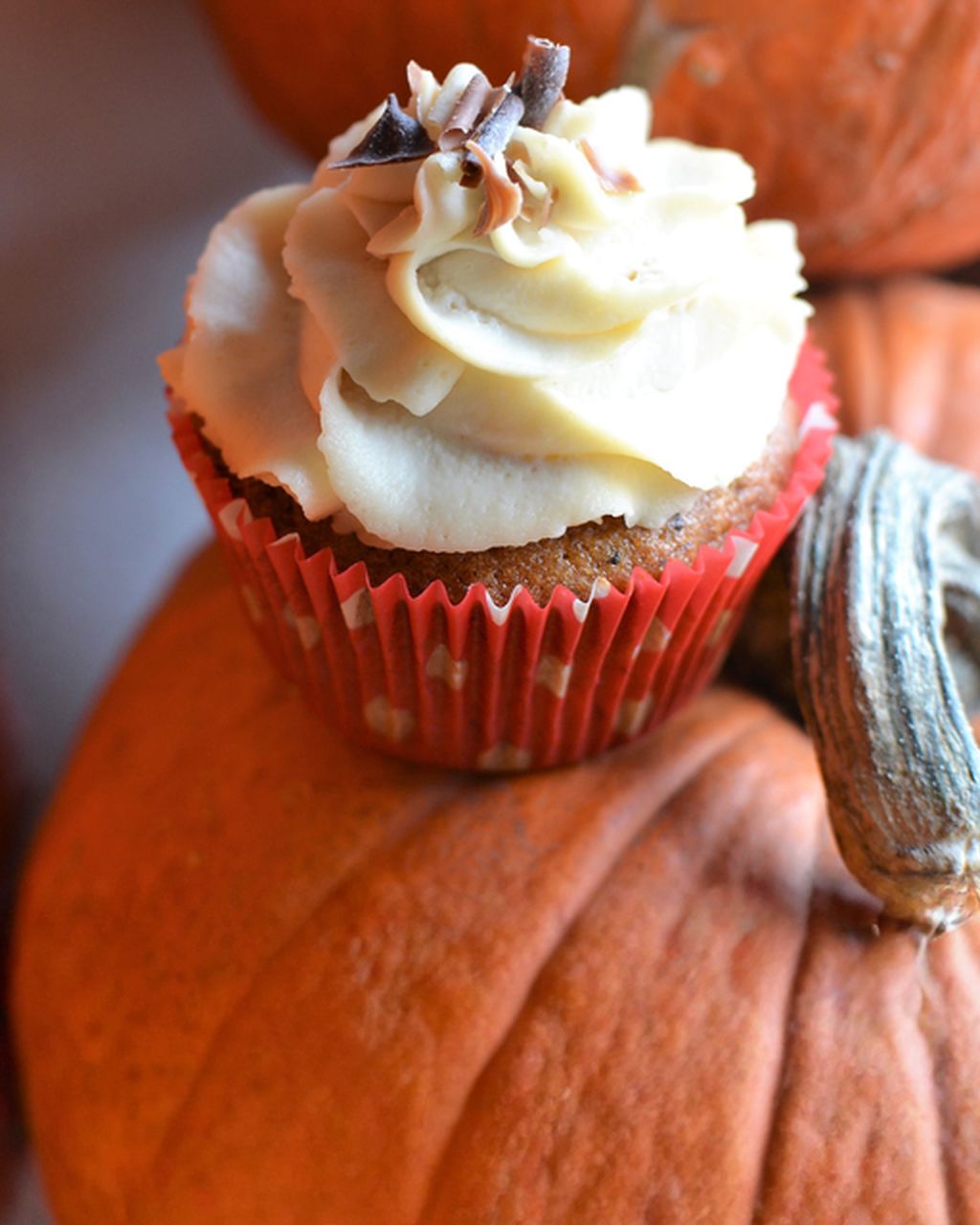
Autumn pumpkin cupcakes with mascarpone cream
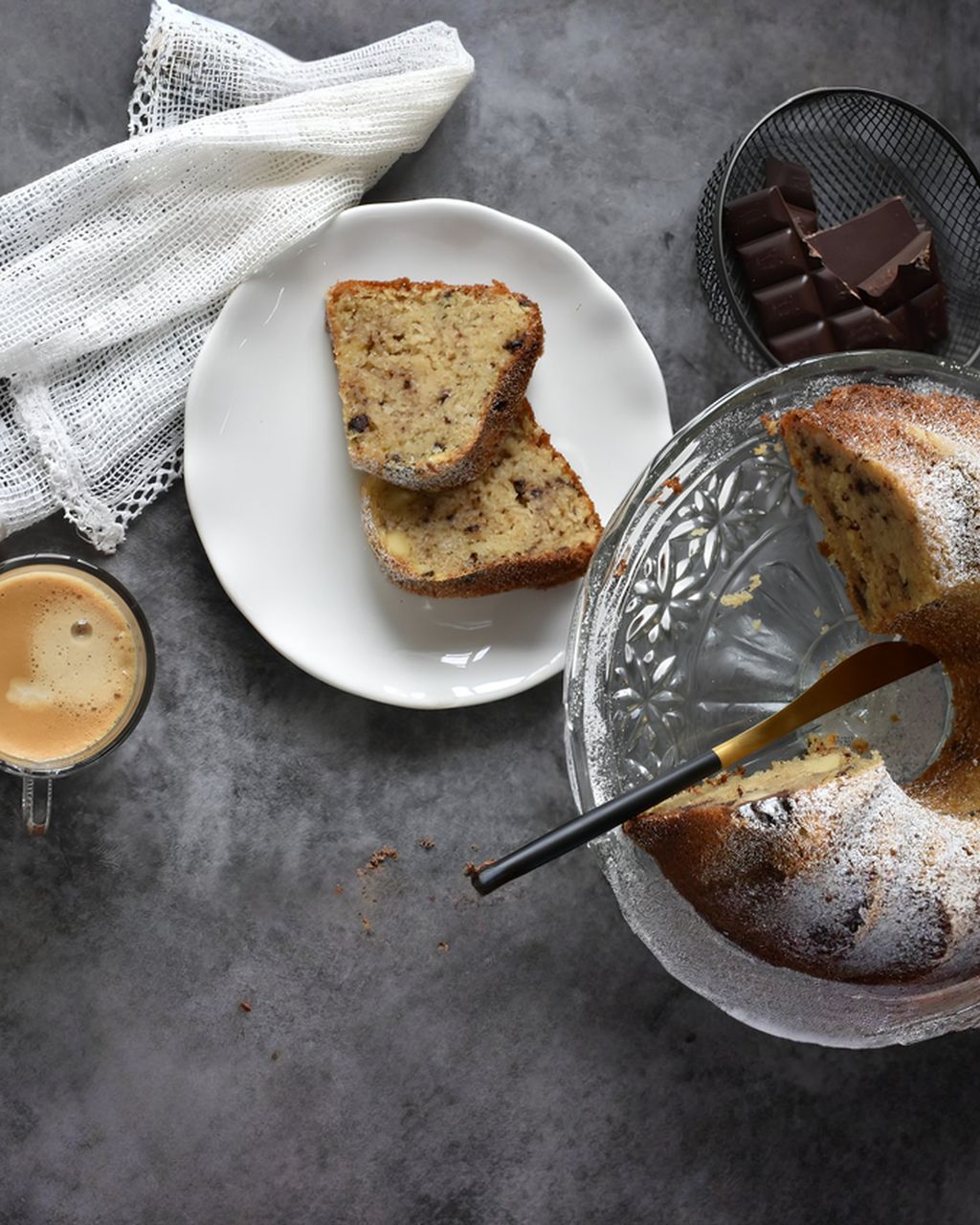
Two-fifty curd cheese bundt cake with chocolate and almonds
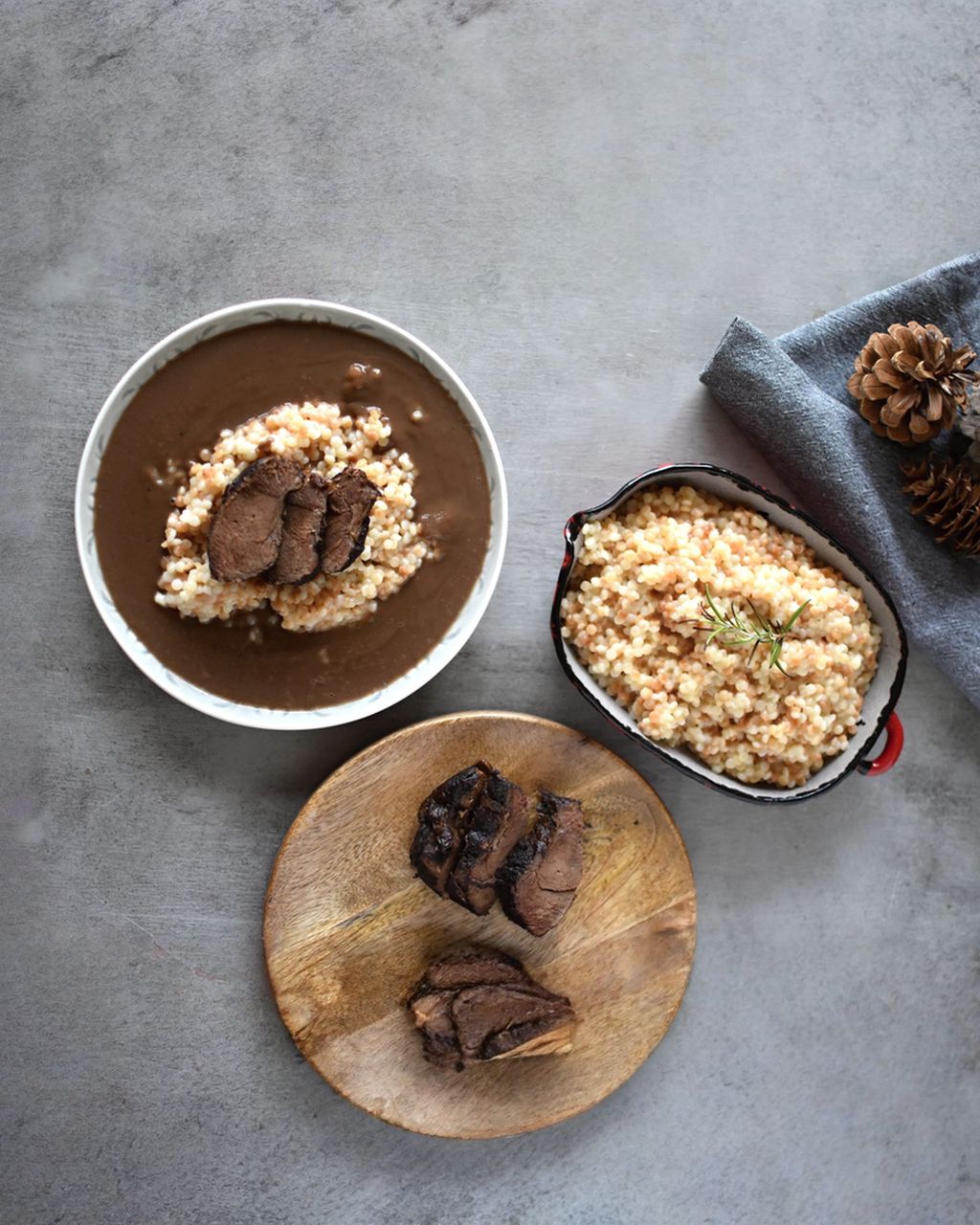
Roast wild boar leg on celeriac with chocolate sauce
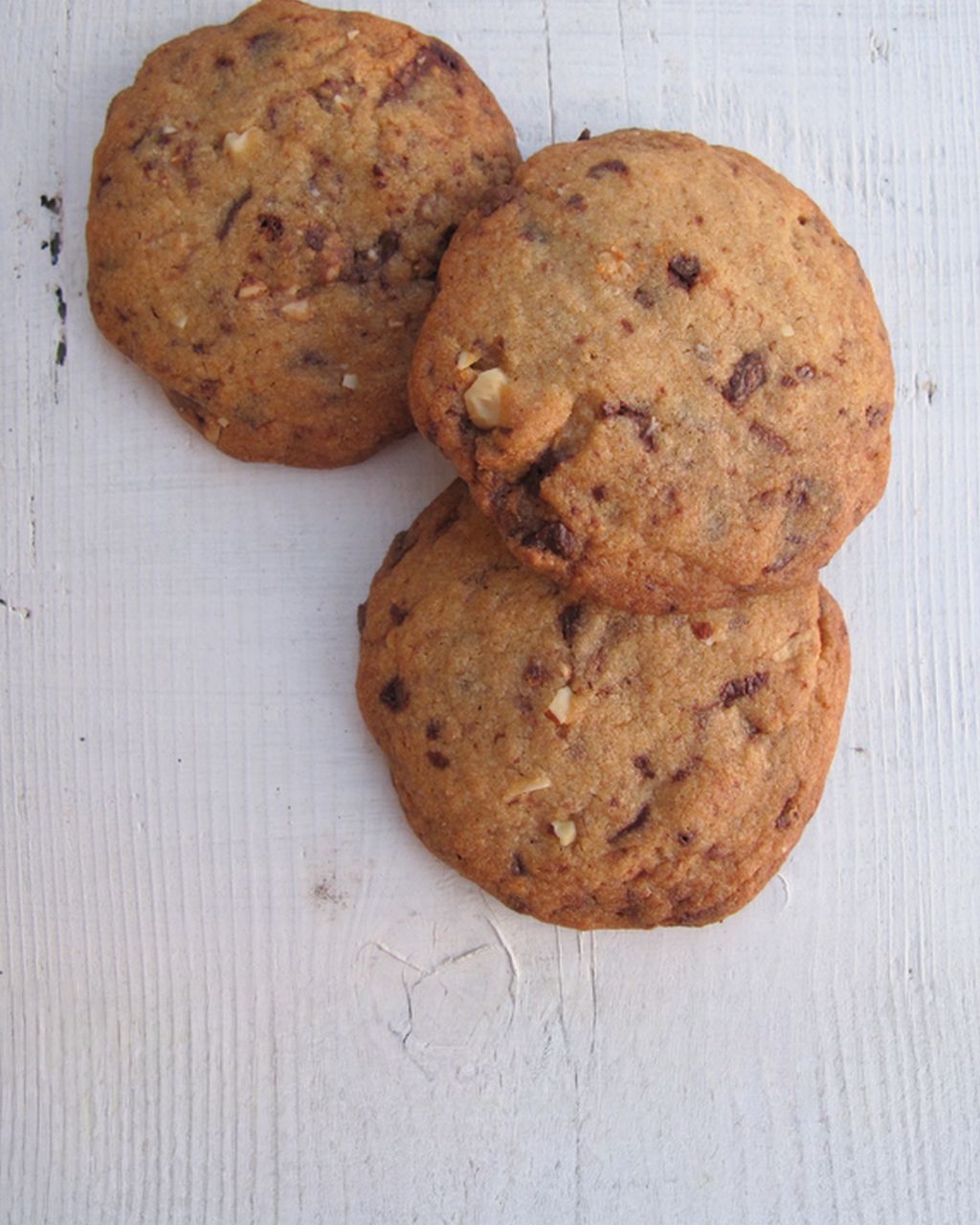
Crispy, fragrant, delicious – the best homemade cookies ever
The label says "cocoa solids at least 70 %". That figure counts the cocoa mass from ground roasted beans and the added cocoa butter, sometimes cocoa powder too. The rest is sugar, plus in some brands lecithin as an emulsifier and vanilla or flavouring. Labels of 70% chocolates in Czech shops list 27–30 g of sugars per 100 g. Under Czech rules, the word "hořká" (dark, literally bitter) is simply another name for chocolate without milk. The percentage is what matters, and two 70% chocolates also differ in how much of the 70 % is cocoa butter and how much is fat-free cocoa solids.
Distinctly bitter, with a full cocoa flavour and only mild sweetness. Depending on the beans and processing it can have notes of dried fruit, coffee or roasted nuts and some astringency. Well tempered, it is glossy and snaps cleanly.
Seasonal baking plans, tested recipes and kitchen tricks that save you time. Unsubscribe in one click.
4 min read
The 70 % figure is total cocoa solids: the share of everything that comes from the cocoa bean, that is cocoa mass and added cocoa butter. In dark chocolate without milk the rest is almost only sugar, so 70% chocolate has about 30 % sugar. Labels confirm it: Lindt Excellence 70 % lists 30 g of sugars per 100 g, other brands 27–29 g.
The figure does not say how the 70 % splits between cocoa butter and fat-free solids. Chocolate with more cocoa butter is milder and makes a firmer ganache; chocolate with more fat-free solids is more bitter and astringent. That is why two 70% chocolates each taste different. More in chocolate percentages explained.
Since 14 June 2026, Czech Decree No. 490/2025 Coll. applies. A product may be called chocolate or dark (hořká) chocolate if it contains at least 35 % total cocoa solids, of which at least 18 % cocoa butter and 14 % fat-free cocoa solids. The word "dark" alone does not guarantee 70 %; the percentage is on the pack as "cocoa solids at least … %".
Vegetable fats other than cocoa butter may make up at most 5 % of the product, and the pack must then say "contains vegetable fats in addition to cocoa butter". Claims of higher quality are allowed only with at least 43 % total cocoa solids and 26 % cocoa butter.
According to the labels of 70% chocolates in Czech shops, 100 g has roughly 540–590 kcal, 39–43 g of fat, of which 23–26 g saturated, 31–38 g of carbohydrate, of which 27–30 g sugars, and 6.7–9.5 g of protein. Five grams of chocolate therefore have about 28 kcal and 1.5 g of sugar. The exact figures are in the table on the pack.
Tempering makes the cocoa butter set into stable crystals so the chocolate is glossy and snaps. For dark chocolate, Callebaut gives the curve: melt to 45–50 °C, cool while stirring to 27 °C and gently rewarm to a working 31–32 °C. Other brands shift the curve by a degree or two, so follow the pack.
At home, seeding works best: melt most of the chocolate to 45–50 °C, stir in the rest chopped and keep stirring until it drops to working temperature. It is ready when a drop on paper sets glossy within a few minutes.
For brownies, 65–70 % chocolate is the most often recommended: it gives the strongest bitterness without drying them out. Swapping 55% chocolate for 70% in a recipe adds cocoa solids to the batter and removes sugar, so the texture changes too; change the percentage gradually, by 10–15 points. More in what chocolate to use for brownies and chocolate cake.
In goulash, use 10–15 g of 60–75 % chocolate per litre of sauce, added in the last 5–10 minutes of cooking; in a game sauce, 30–40 g per litre. Why it works is explained in chocolate in goulash and chili.
The simplest is another dark chocolate with 65–75 % cocoa, same weight. You can also use the sweeter 60% chocolate or one around 55 %; the dessert will be sweeter and less intense, so take out about a tablespoon of sugar per 100 g of chocolate in a batter. A ganache made with lower-percentage chocolate will be softer, so add a little more chocolate or use less cream.
In a batter where the chocolate melts in with the other ingredients, replace 100 g of dark chocolate around 70 % with about 40 g of cocoa, 35 g of butter and 30 g of sugar. Brownies will come out a little less dense and glossy because the cocoa butter is missing. This swap does not work for glazes, tempering or ganache.
Dark chocolate is made without milk, but most 70% chocolates in Czech shops carry a warning that they may contain traces of milk, often also tree nuts, soy or peanuts, because they are made on the same lines. Some brands add soy lecithin, and soy is then highlighted among the allergens. With a milk allergy, always read the allergens on the specific pack.
Keep chocolate wrapped, dry, in the dark and at a steady temperature of about 15–18 °C; fluctuation harms it more than any particular temperature. A grey or white film is bloom: fat bloom comes from heat, sugar bloom from moisture, for example after the fridge. Bloomed chocolate is safe to eat, it has only lost its gloss and snap, and works fine in baking. More in how to store chocolate and why it turns grey.