Why Is My Dutch Oven Burning on the Bottom? Stews, Sauces and Bread
Why Did My Dutch Oven Crack or Chip? Thermal Shock, Empty Heat and Safety
Updated Nov 21, 2026
A Dutch oven usually cracks or chips from thermal shock, a sudden temperature change such as cold water in a hot pot, or from being heated empty on high, boiled dry or dropped. Le Creuset says to use low to medium heat and to let a hot pot cool before washing. If the enamel inside is chipped, Le Creuset says to stop using the pot.
An enameled Dutch oven is two materials bonded together: cast iron, and a layer of glass enamel fused onto it. They expand and contract at different rates as they heat and cool. Change the temperature too fast, and the stress can crack or pop off the enamel. Le Creuset calls this thermal shock and says it can lead to cracking or loss of enamel.
Bare cast iron has no enamel, but it is brittle, and a sharp temperature change or a hard knock can crack it too.
The common causes:
Cold water in a hot pot, or a hot pot plunged into a sink.
Heating it empty on high.
Boiling it dry.
Cold food into a hot, empty pot.
Straight from the fridge to high heat.
A drop or a knock against a hard surface or the edge of the sink.
Seasonal baking plans, tested recipes and kitchen tricks that save you time. Unsubscribe in one click.
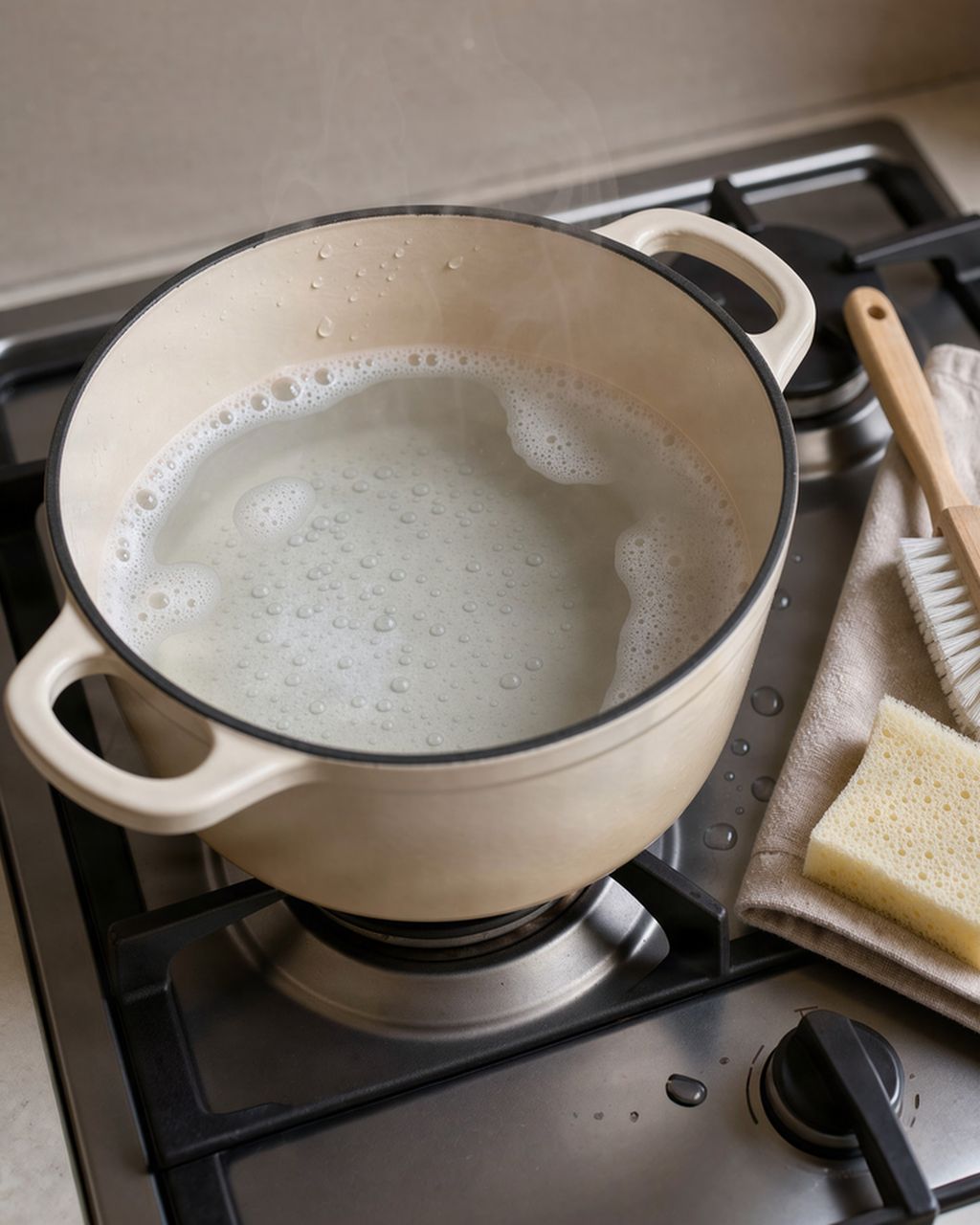
This is the classic way to crack a Dutch oven. You finish cooking, the pot is still very hot, and it goes straight under the cold tap.
What the makers say:
Le Creuset: always let a hot pan cool for a few minutes before washing, because thermal shock may still occur.
Staub: let the cookware cool for at least 15 minutes before rinsing it with cold water.
Lodge: don't add cold ingredients to a hot, empty pan, and don't throw an ice cube into a hot pot to make steam for bread.
Other forms of the same mistake:
Taking a pot from the fridge and putting it straight onto high heat. Lodge says to heat gradually when you return a chilled pot to the oven or stove.
Setting a very hot pot on a cold stone counter or a wet surface. Le Creuset says to always put a hot pan on a wooden board, trivet or silicone mat.
Pouring cold stock into a hot, dry pot. Add liquids at room temperature or warm them first when the pot is very hot.
Stovetop cracks and chips usually come from heat, not cold:
Heating it empty on high. Lodge advises against heating empty enameled cookware on the stovetop. Le Creuset's safety instructions say never to heat the pot too quickly or use maximum or high heat for preheating.
Letting it boil dry. Le Creuset says not to let a pan boil dry because it may permanently damage the enamel, and not to leave it unattended.
A flame around the sides. Le Creuset says gas flames must stay under the base and never extend up the sidewalls.
Heating too fast. Staub recommends heating its enameled cast iron for about five minutes at a third of the hob's power before turning it up.
Unregulated heat. Le Creuset says not to use its pots on outdoor grills, open fires or pizza ovens.
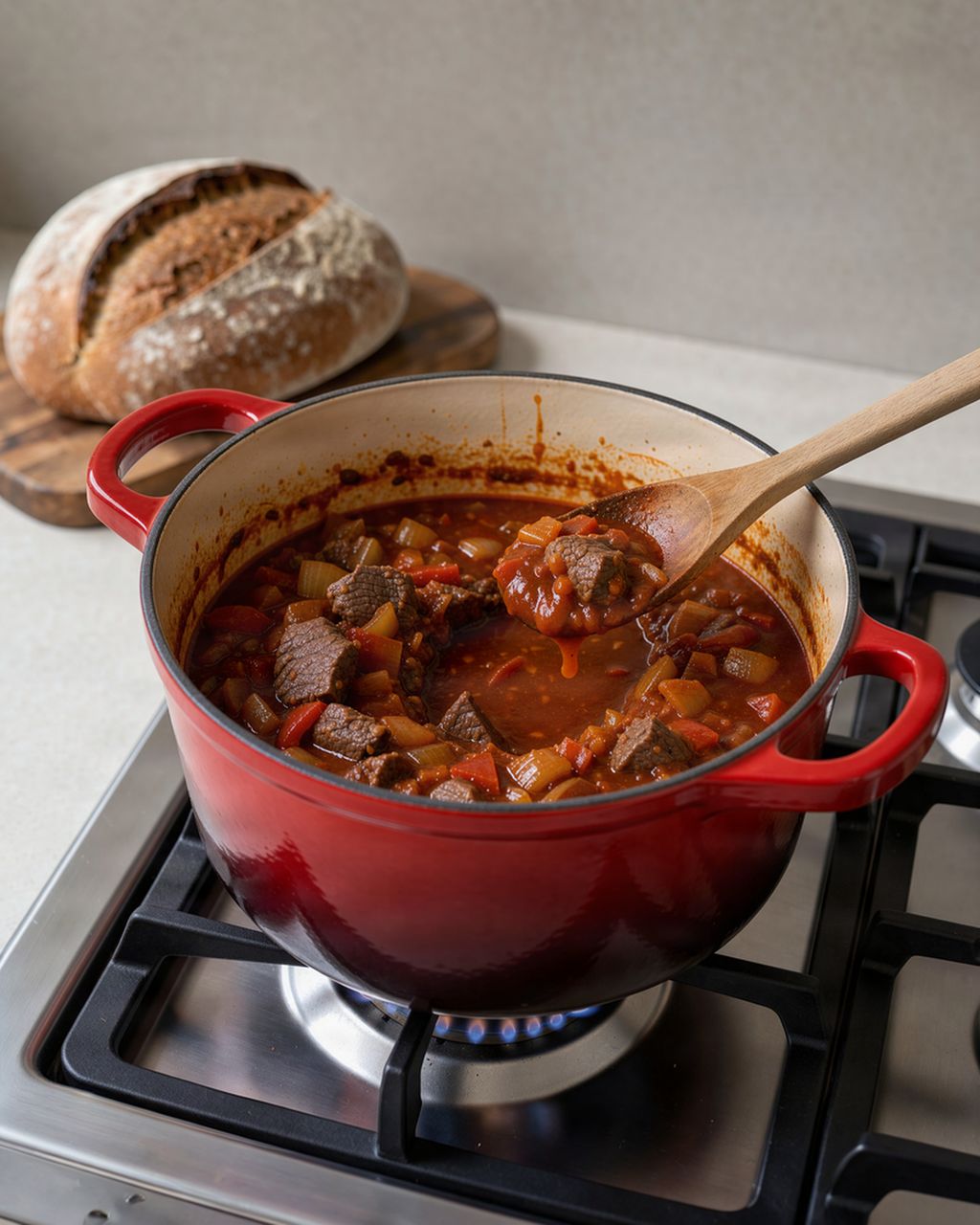
Le Creuset's rule of thumb is low to medium heat for nearly everything. Cast iron stores so much heat that medium does the work high would in a thin pan. For more on heat, see our guide to Czech beef dishes, braises and goulash, most of which suit a low simmer.
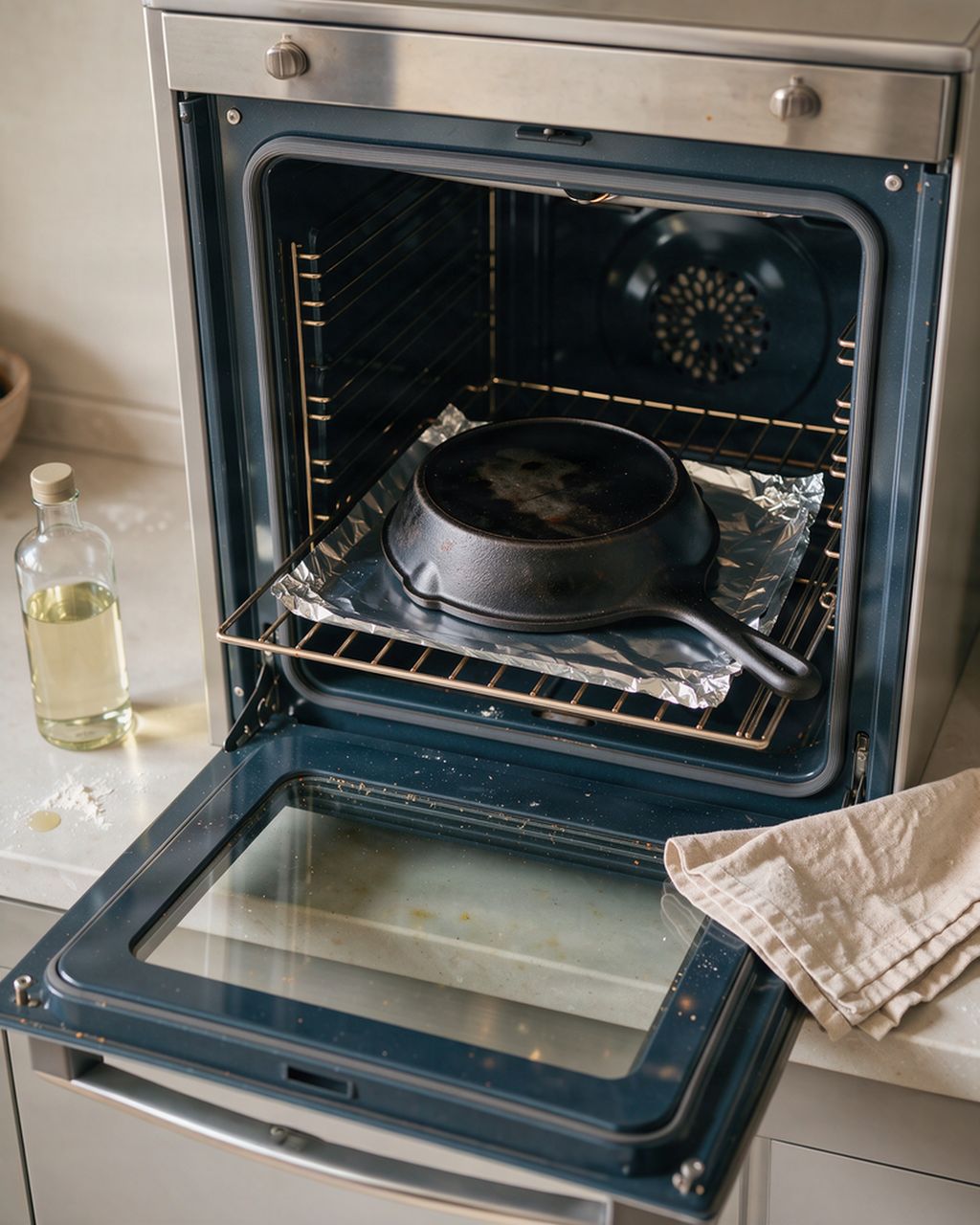
Bread is the hottest job most Dutch ovens do, often around 230–250 °C (450–480 °F) with a long empty preheat.
Preheating empty in the oven: Lodge says this is safe for its enameled cast iron. Check your own maker's instructions.
Ice cubes or cold water for steam: Lodge warns against it. Use the lid to trap the steam from the dough instead.
Over the rated temperature: Lodge rates its enameled cast iron to 260 °C (500 °F) in the oven. Le Creuset's Classic black knob is rated to 190 °C (375 °F) and the Signature knob to 250 °C (480 °F). An overheated knob can crack. Ratings vary by range and market, so check the leaflet that came with your pot. At bread temperatures, swap a Classic black knob for a stainless-steel one or check your maker's rating first.
Hot pot onto a cold surface once the loaf is out: use a trivet or board.
Use our oven temperature converter if your recipe gives a different scale, and see our guide to baking sourdough without a Dutch oven if your pot is out of action.
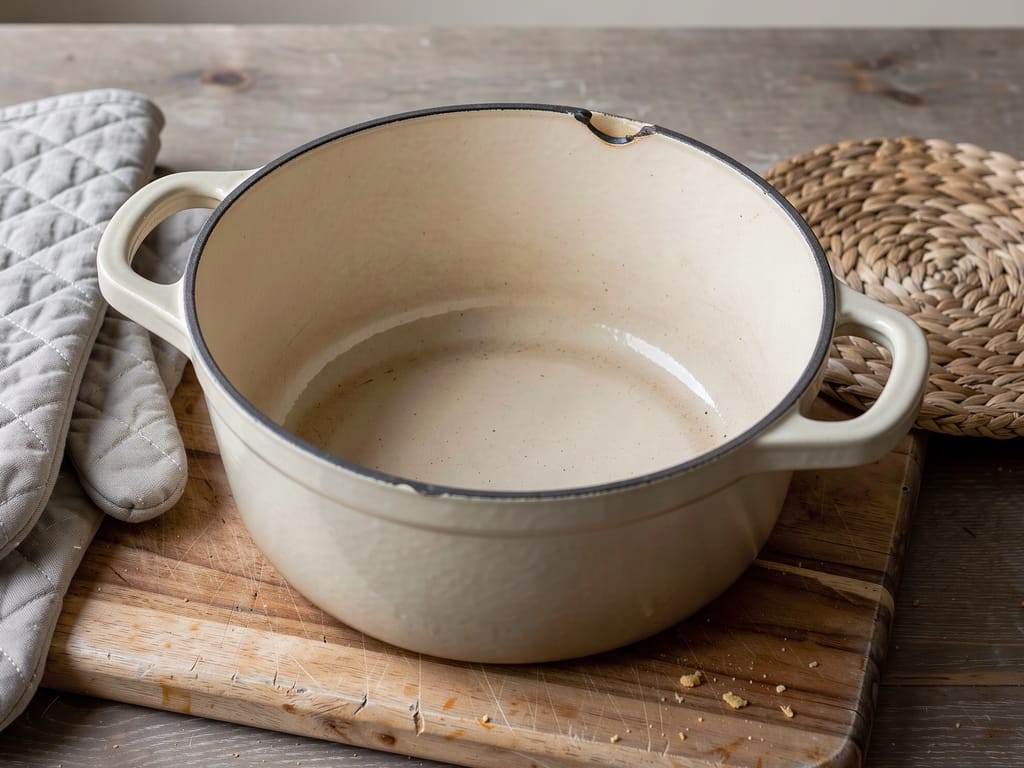
Look closely at the damage:
A chip inside the pot: stop using it. Le Creuset's FAQ suggests a warranty claim so the piece can be evaluated.
A chip on the outside: Le Creuset's FAQ says it is still safe to use. Keep it dry so the bare iron doesn't rust.
A crack through the iron (bare or enameled): retire the pot. A cracked pot can break apart under heat, with hot food inside.
Fine hairline lines in the enamel (crazing): contact the maker before cooking in it again.
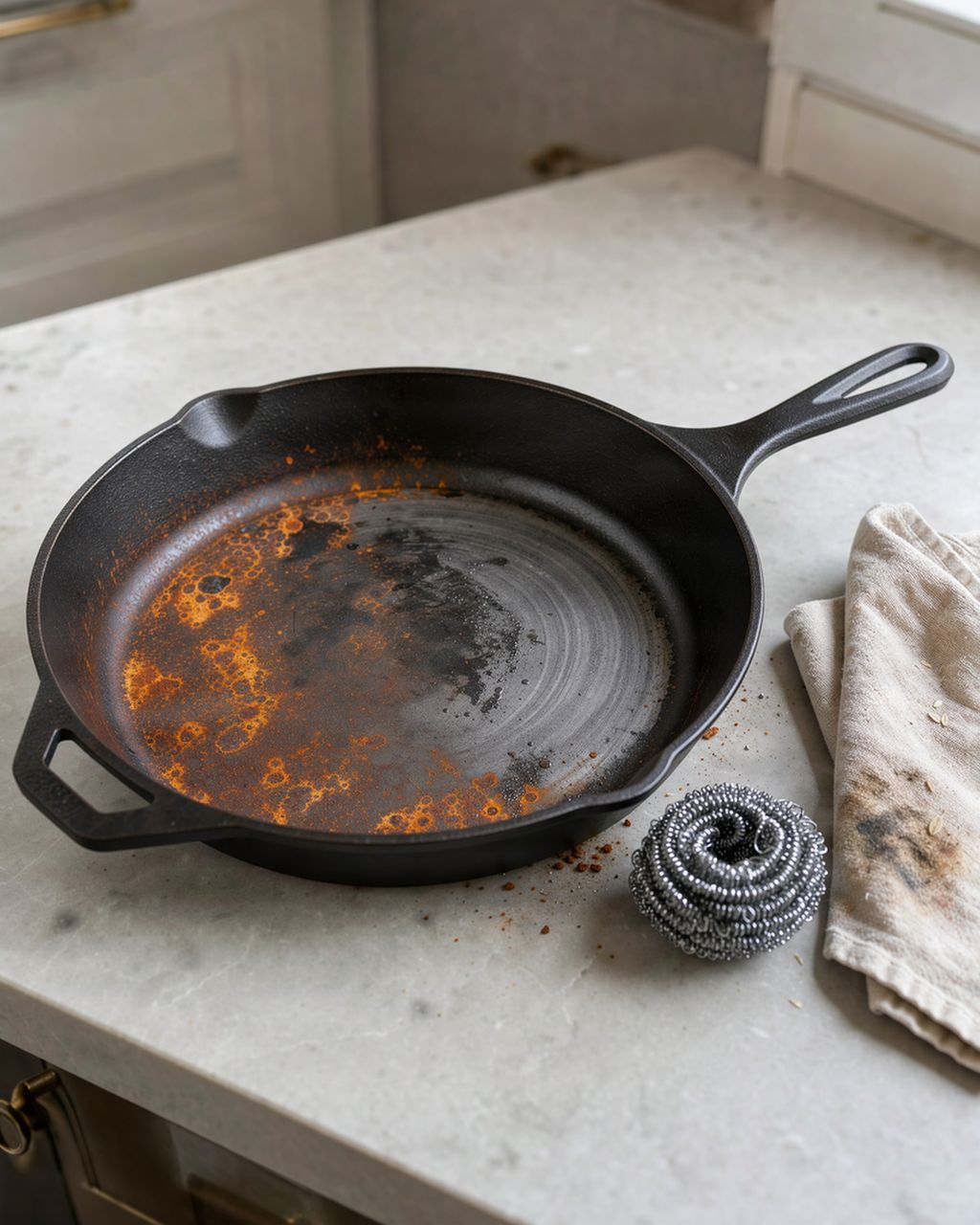
Rust on the bare rim: this is normal on many pots and not damage. Dry the rim well and rub in a drop of oil.
Le Creuset notes that damage from dropping or knocking its cast iron is not covered by its lifetime warranty. Other causes may be. Contact the maker with photos and the pot's details.
Heat it gradually, on low to medium, with oil, fat or liquid in the base before the heat goes on.
Never heat it empty on the stove, as Lodge advises, and never let it boil dry.
Let it cool before washing or adding cold water.
Put it down on a trivet, board or silicone mat, never on a cold or wet surface.
Lift, don't slide, on glass and induction hobs. Le Creuset says sliding can damage the hob or the base of the pan.
Use dry oven mitts. Le Creuset warns that handles and lid knobs get hot during stovetop and oven use, and a wet cloth lets heat straight through.
Use silicone, wood or heat-resistant plastic tools, and don't knock metal spoons on the rim.
Store it carefully. Pot protectors or a folded cloth between stacked pots help prevent chips.
Looked after this way, a good enameled Dutch oven lasts for decades. Our guide to baking bread at home, including in a Dutch oven shows it at its best.
Dutch ovens crack mostly from thermal shock, when a hot pot meets cold water, cold food or a cold surface, or when it is heated empty on high or allowed to boil dry. A hard knock or drop can also crack the enamel or the iron.
A Dutch oven cracks on the stove when it is heated too fast or empty on high, boils dry, or sits on a gas flame that wraps around the sides. Le Creuset advises low to medium heat, liquid or fat in the base before heating, and flames kept under the base.
Not if the chip is inside: Le Creuset's safety instructions say to stop using a pot whose interior enamel has chipped, because chips could cause injury if swallowed. Le Creuset's FAQ says a chip on the outside is still safe to use.
No. Le Creuset says to let a hot pan cool for a few minutes before washing, because thermal shock can crack the enamel or make it come off, and Staub suggests cooling for at least 15 minutes before rinsing with cold water.
Not on the stovetop: Lodge advises against heating empty enameled cookware on the stove. Lodge says preheating empty in the oven is safe for its enameled cast iron, for example for bread.
It depends on the cause, so contact the maker. Le Creuset says damage from dropping or knocking the pot is not covered by its lifetime warranty, and its FAQ suggests a warranty claim for chips inside a pot.
One recipe worth heating the oven for, one tip, and one deal from the shop. Nothing else.