Simple chocolate cake
Cocoa vs. Cocoa Powder vs. Baking Chocolate: The Differences, Dutch-Process Cocoa and How to Substitute Them
Updated Oct 25, 2026
Cocoa is unsweetened cocoa powder made from roasted cacao beans that have had most of their fat pressed out. In the EU, it must keep at least 20% cocoa butter in the dry matter. In baking, cocoa and cocoa powder are one and the same. The differences that really matter are between pure cocoa and sweetened drinking chocolate mix, between Dutch-process and natural cocoa, and between cocoa and baking chocolate. Baking chocolate contains both cocoa butter and sugar, so the two can stand in for each other as long as you make up the fat and sugar. Below you'll find what's what, how much cocoa to use in place of flour, how to store it, and exact swap ratios in grams.
In the kitchen, there's no difference between cocoa and cocoa powder. "Cocoa" in a recipe means pure, unsweetened cocoa powder. It's ground cocoa mass from roasted cacao beans, with most of the cocoa butter pressed out.
The mix-up that can really ruin your cake is a different one: pure cocoa versus instant cocoa drink mix. The mix is meant for stirring into milk and consists mainly of sugar (usually the first ingredient), often with milk powder, flavoring and emulsifiers. In a batter it adds more sweetness than flavor or color.
A quick way to tell them apart from the package:
Cocoa powder / cocoa: the ingredients list only "cocoa" (possibly "processed with an alkalizing agent"). Under the European cocoa and chocolate directive (2000/36/EC), it must contain at least 20% cocoa butter in the dry matter.
Reduced-fat cocoa powder (cocoa): under the same directive, no more than 20% cocoa butter in the dry matter (usually 10–12% in shops). The flavor is flatter, but it works in baking.
Cocoa drink mix, "cocoa for milk": sugar at the start of the ingredients list. Not for baking.
Cocoa nibs (crushed cacao beans): crushed roasted beans. In a batter, they belong as a crunchy element, not as a replacement for the powder.
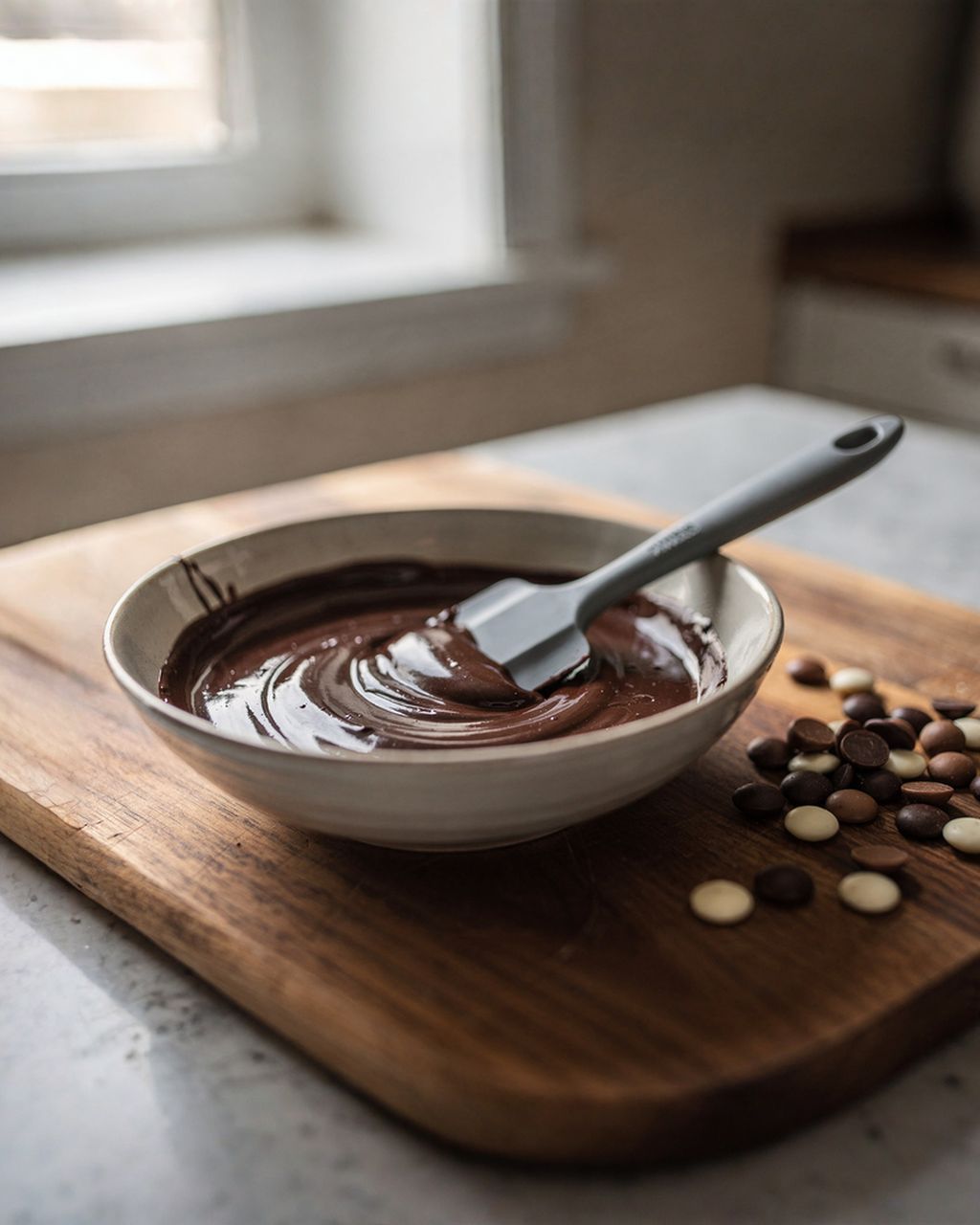
Baking chocolate is dark or bittersweet chocolate made for melting: cocoa mass, cocoa butter and sugar. Compared with cocoa, it has extra fat and sweetness. It's the cocoa butter that gives it shine, creaminess and the ability to set when chilled.
Chocolate must contain at least 35% total cocoa solids under directive 2000/36/EC, of which at least 18% is cocoa butter. Good dark baking chocolate usually sits around 50–70%.
Couverture (called "chocolate – coating" in directive 2000/36/EC) must contain at least 35% total cocoa solids, of which at least 31% is cocoa butter and at least 2.5% is fat-free cocoa solids. Thanks to the higher share of cocoa butter, it's thinner when melted, which makes it ideal for glazes, dipping and thin layers.
Cocoa (fat-based) coating, cocoa-flavored compound or a "confection" made with vegetable fats is not chocolate. The cocoa butter is replaced with hydrogenated vegetable fats, and there's often only a few percent of cocoa. It melts differently, tastes waxy, and doesn't behave like chocolate in ganache or mousse.
We cover this in detail in our article on couverture chocolate vs. baking chocolate.
Dutch-process (alkalized) cocoa is cocoa treated with an alkaline solution, which makes it less acidic, darker and smoother. Natural cocoa is acidic, lighter and sharper. The process was devised in the 19th century by the Dutchman Coenraad van Houten, hence the name.
pH: natural cocoa is roughly pH 5–6, Dutch-process roughly 6.5–8 (depending on how strongly it's alkalized).
Color: natural cocoa is light to reddish brown, Dutch-process dark brown to almost black.
Flavor: natural is fruitier, more bitter and more acidic; Dutch-process is rounder, earthier and less bitter.
Solubility: Dutch-process cocoa mixes into liquid more easily, which is why almost all drinking cocoa is alkalized.
On the package look for "alkalized", "Dutch-process" or "processed with an alkalizing agent (potassium carbonate)".
According to analyses of cocoa powders, alkalization also significantly reduces the flavanol content. These are natural compounds from cacao beans that give natural cocoa its typical astringency.
It depends on what the recipe uses for leavening: with baking soda you need natural cocoa, with baking powder you can use either. Baking soda (bicarbonate) needs an acid to release carbon dioxide, and acidic natural cocoa supplies it. Dutch-process cocoa isn't acidic, so the soda won't react, the batter will barely rise and may taste soapy.
Recipe with baking powder (most Czech-style cakes, bundt cakes and gingerbread): any cocoa works, and only flavor and color matter.
Recipe with baking soda and no other acid (typically American chocolate cakes and brownies): natural cocoa.
Want to use Dutch-process cocoa in a recipe with baking soda? Replace the soda with baking powder, using about 3 g of powder for every 1 g of soda. Or add an acidic ingredient (buttermilk, sour cream, yogurt).
Recipes without a leavening agent (creams, drinks, mousses, dusting tiramisu): any cocoa. Dutch-process gives a darker color and a smoother flavor.
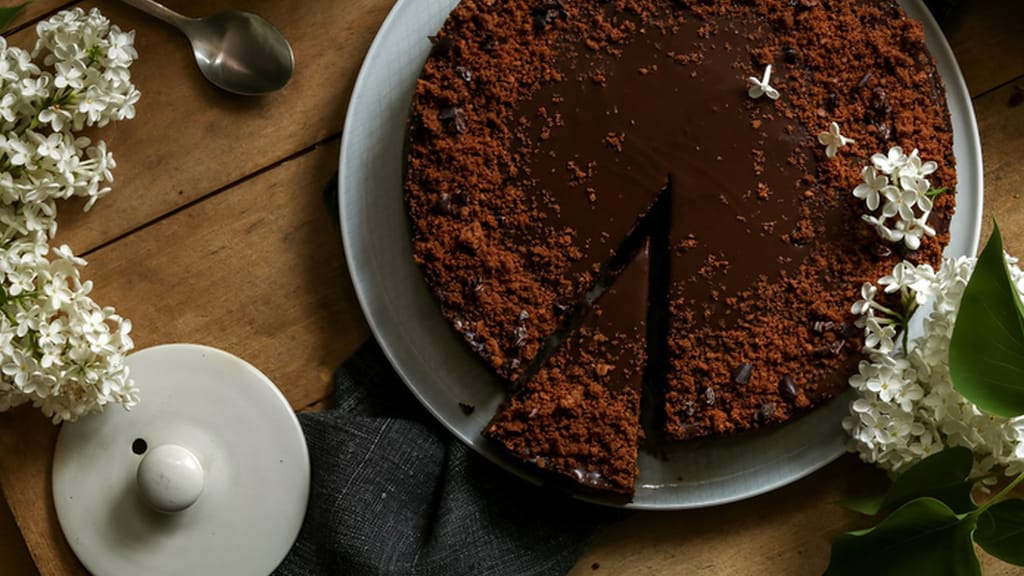
Simple chocolate cake
Simple chocolate cake – try the difference between Dutch-process and natural cocoa for yourself
Cocoa replaces flour 1:1 by weight: for every gram of cocoa you add, take out a gram of flour. For a short, crumbly dough, about 8–10% of the flour's weight is enough; for sponge cake and muffins 15–20%; for brownies and chocolate cakes even more. Rough amounts:
Cocoa shortbread and short pastry dough: from 300 g of flour, remove 25–30 g and replace it with cocoa. More cocoa makes the dough crumbly, and it cracks when you cut out shapes.
Cocoa sponge cake: for every 100 g of flour in the recipe, use 80 g flour + 20 g cocoa. Always sift the cocoa with the flour so it mixes in without lumps and doesn't deflate the whipped eggs.
Cocoa muffins and cupcakes: for 250 g of flour, roughly 200–210 g flour + 40–50 g cocoa.
Bundt cake, chocolate loaf cake: for 300 g of flour, 30–40 g cocoa (in a classic marbled cake, the cocoa half of the batter takes 2 heaped tablespoons, about 20 g, for half the batch).
Brownies and chocolate cake without chocolate: cocoa is often 30–50% of the flour's weight. Here the cocoa carries all the flavor.
Why cocoa dries out a batter: cocoa powder is roughly a third fiber (37 g per 100 g according to the USDA database), and fiber binds water more than wheat flour does. If you simply add cocoa to a batter without taking out flour, the batter thickens and the baked crumb turns dry and crumbly. What helps:
Remove the same weight of flour as the cocoa you add.
For amounts over 15%, add 1–2 extra tablespoons of liquid (milk, coffee, yogurt).
Don't overbake. Cocoa batter darkens, so you can't judge doneness by color; check with a skewer 5 minutes early.
Cocoa bloomed in hot water, coffee or milk has a more intense flavor and doesn't leave lumps in the batter. The heat releases aromatic compounds bound in the fat, and the powder blends into a smooth paste. The ratio is roughly 1 part cocoa to 2 parts liquid.
Put the cocoa in a bowl, say 30 g.
Pour in 60 ml of hot water, coffee or milk just below boiling (around 90 °C / 194 °F).
Whisk into a smooth, glossy paste and let it stand for 2–5 minutes.
Let it cool to at least room temperature before mixing it into the eggs or butter.
Subtract the liquid you use to bloom the cocoa from the liquids in the recipe. This technique suits muffins, cakes and brownies in particular. Don't use it for short pastry dough, where the wet paste would turn it into a sticky mass.
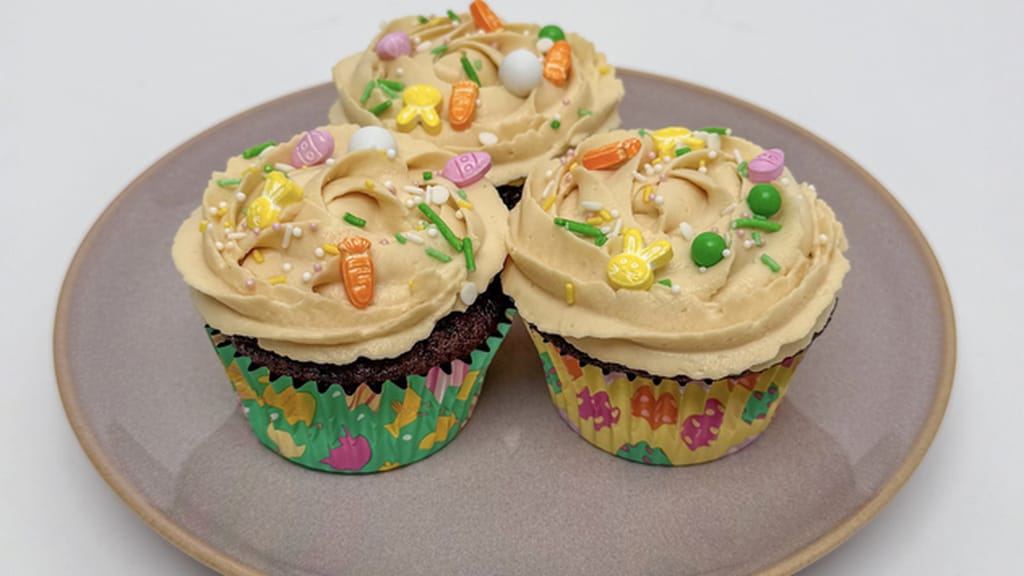
Chocolate cupcakes with salted caramel cream
Chocolate cupcakes with caramel cream – a muffin batter where the cocoa really shines
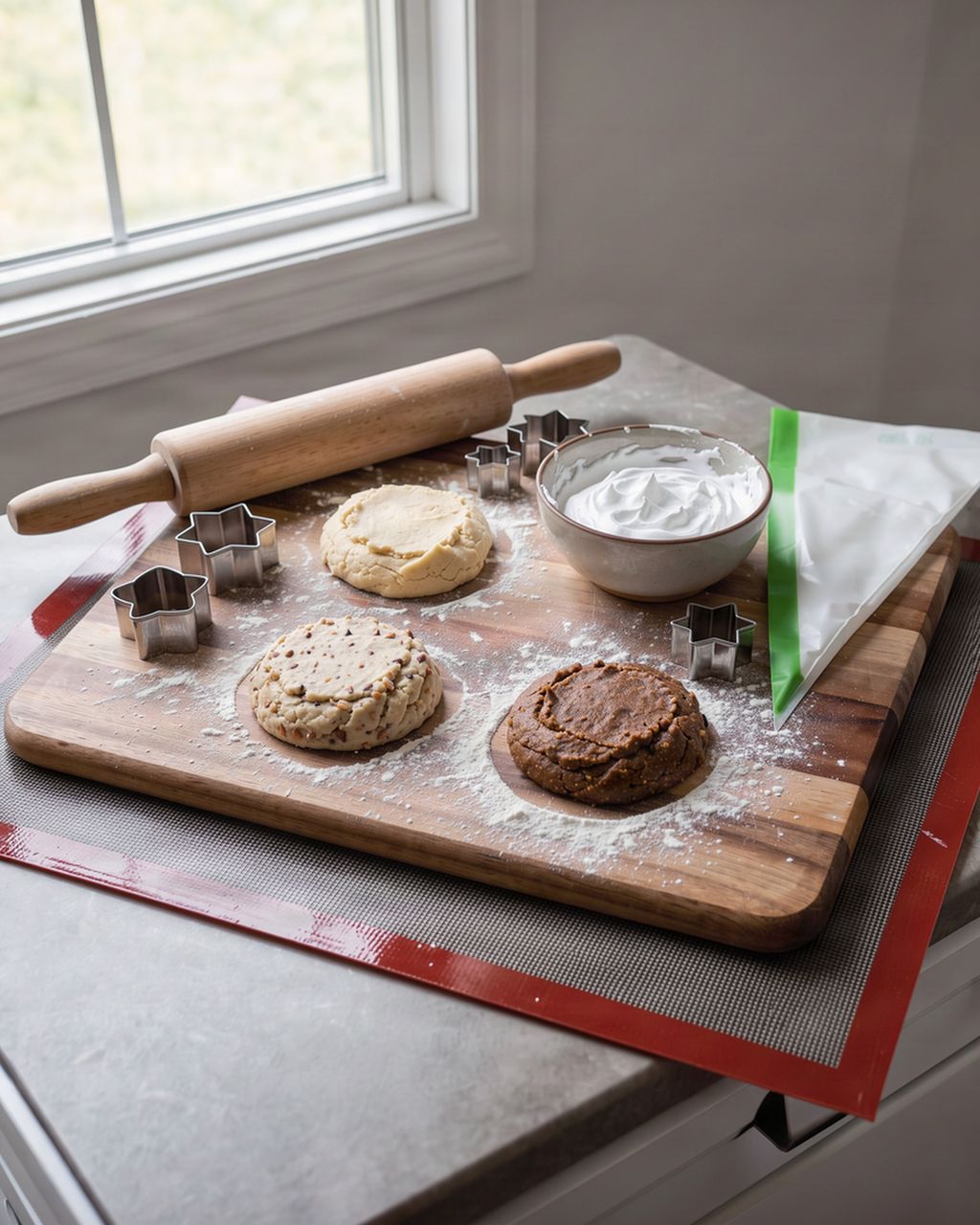
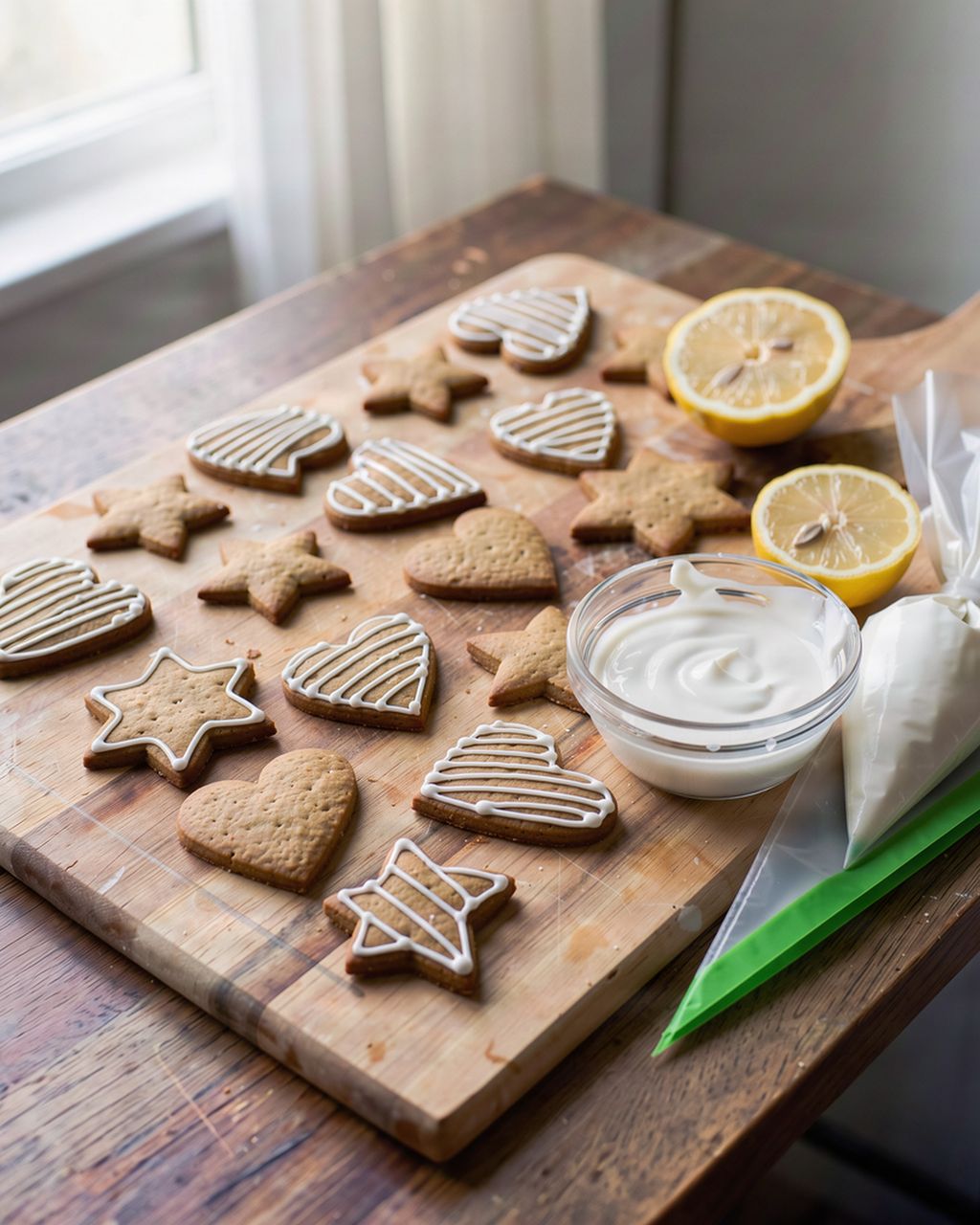
In Christmas cookies, cocoa goes mainly into short pastry dough, and in a smaller amount than in a bundt cake: 25–30 g per 300 g of flour. Short pastry has little water, so cocoa dries it out faster, and a larger amount makes the cookies hard.
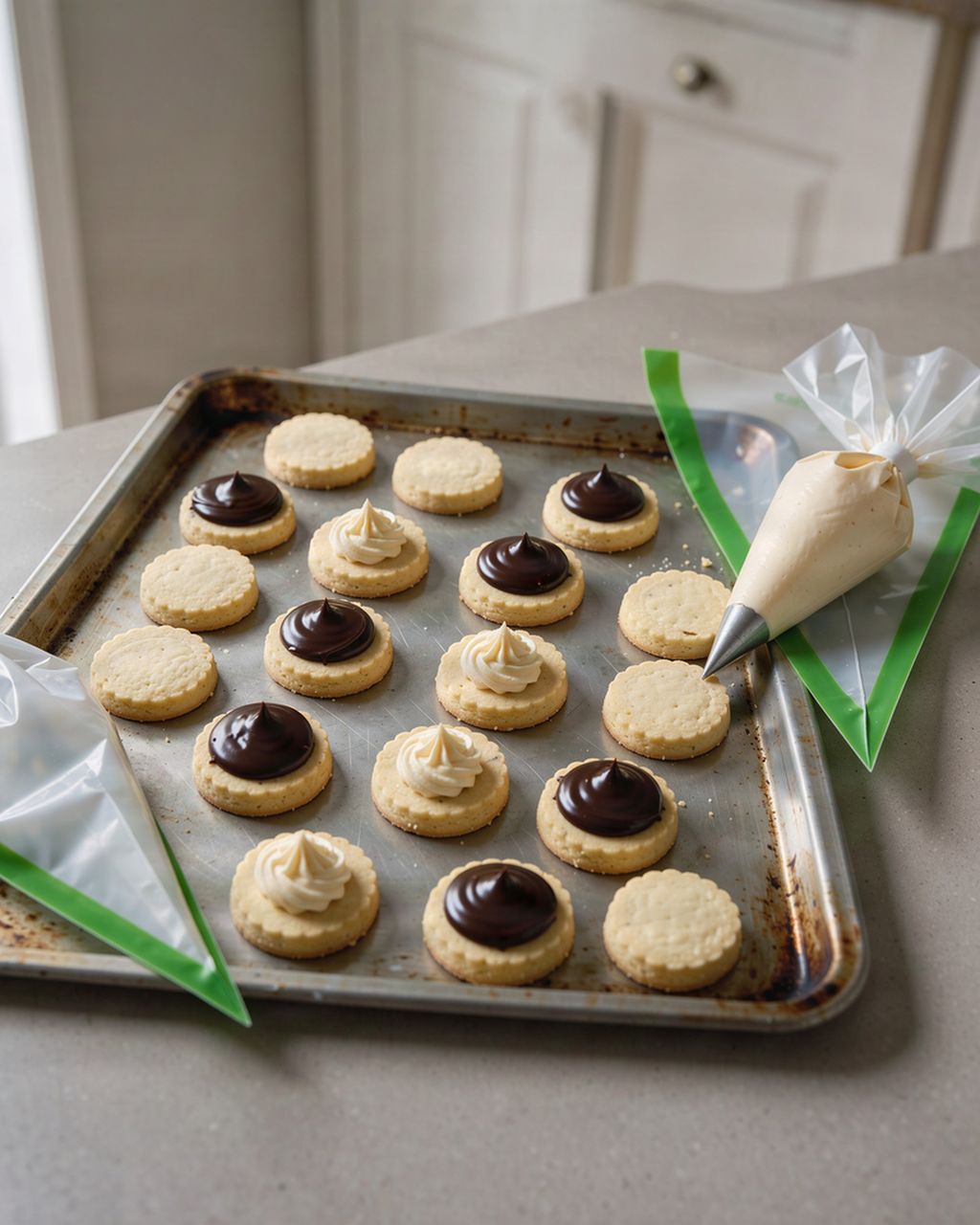
Cocoa Linzer cookies: start from the proportions of classic shortbread Linzer cookies and replace 25–30 g of flour with cocoa. For two-tone Linzer cookies, divide the dough in half and work cocoa into only one half. Cut the bottom rounds from the light dough and the tops with the cut-out window from the cocoa dough. Roll both doughs to the same thickness (about 3 mm) so they bake at the same speed.
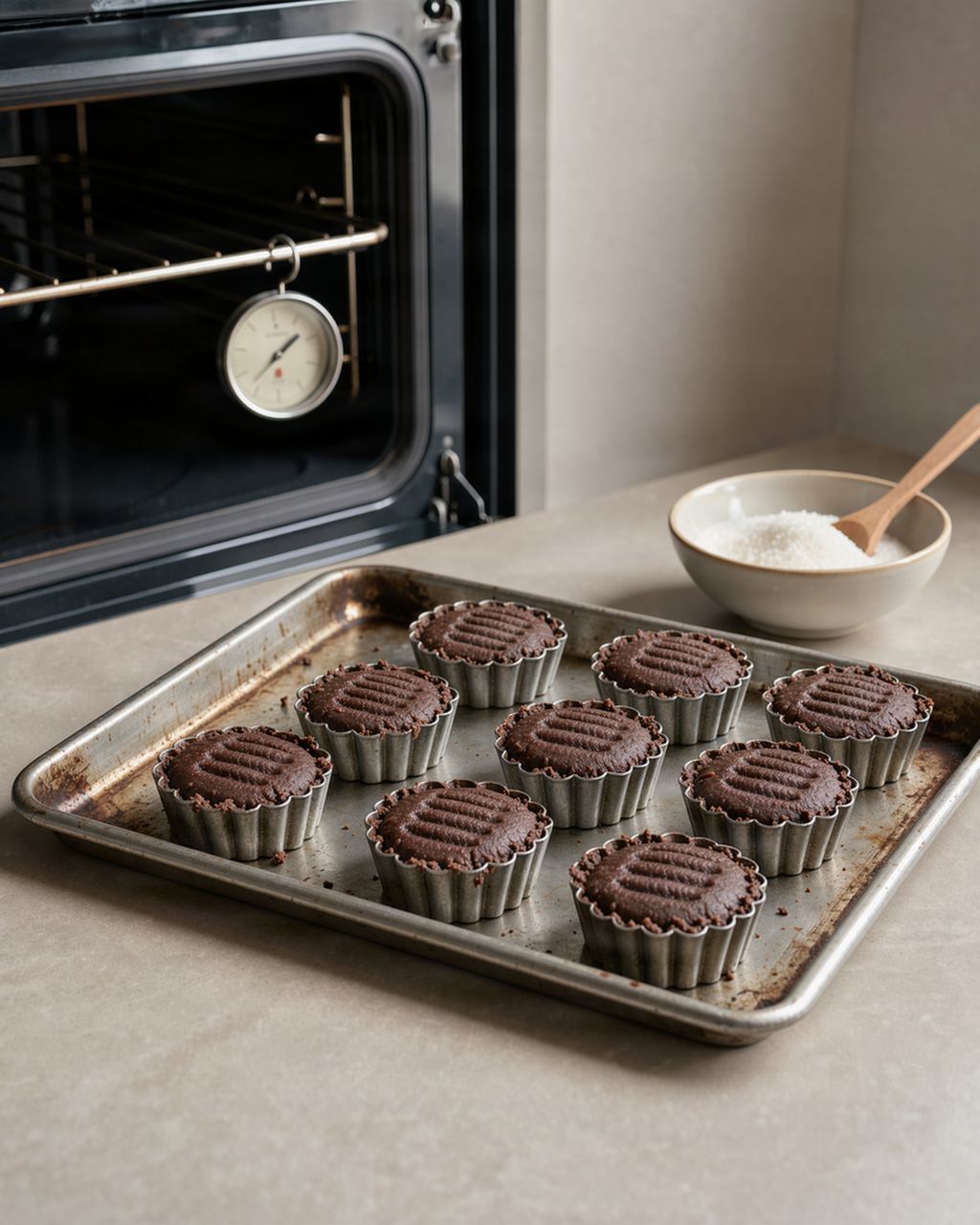
Cocoa pracny: traditionally pressed into little molds from nutty shortbread dough. Cocoa (around 10% of the flour) gives them a dark color and a bitter note that goes well with nuts.
Cocoa kokosky (coconut macaroons): one or two tablespoons of sifted cocoa are mixed into the egg white meringue with sugar and coconut. Cocoa draws moisture from the whites, so the mixture will be a little stiffer.
Cocoa stars: cut-out cookies sandwiched with coconut cream; you'll find the recipe at cocoa stars with coconut cream.
When to use cocoa in cookies and when to use melted chocolate so they don't turn out hard is covered in our article chocolate cookies: cocoa or chocolate.
For 100 g of dark chocolate (around 70%), use roughly 40 g cocoa, 30 g butter and 30 g sugar. The cocoa supplies the cocoa solids, the butter replaces the missing cocoa butter, and the sugar adds sweetness. The ratios are approximate. They suit batters, brownies, muffins and gingerbread, where the chocolate gets melted and mixed in with the other ingredients anyway.
Ratios per 100 g of chocolate:
Pure cocoa mass (100%, unsweetened): about 60 g cocoa + 45 g butter.
Dark 70%: about 40 g cocoa + 30 g butter + 30 g sugar.
Bittersweet 50–55%: about 30 g cocoa + 25 g butter + 45 g sugar.
Milk chocolate: you can't sensibly replace it with cocoa. The milk solids are missing and the result tastes different.
How to do it: melt the butter over low heat, stir in the cocoa and sugar, and keep stirring until you have a smooth, glossy paste with no lumps. Then use it exactly where you'd use melted chocolate.
Cocoa is also much drier than chocolate, so a batter made with the substitute can turn out a touch denser. For a softer crumb, add an extra tablespoon of milk or cream. Instead of butter you can use a neutral oil (about a fifth less, since butter also contains water). The result will be moister, but without the buttery flavor.
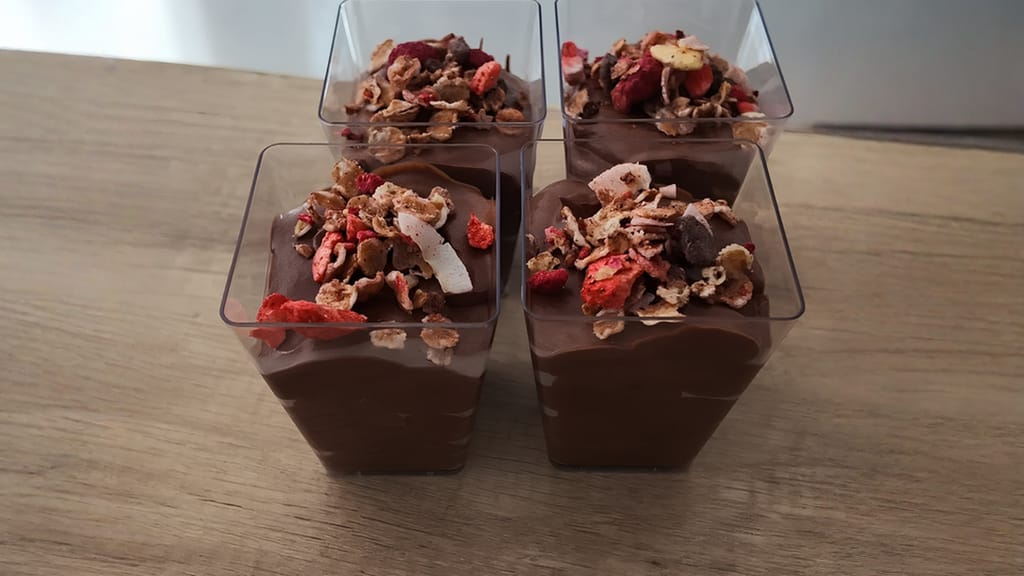
Chocolate mousse
Chocolate mousse – a recipe where cocoa can't replace baking chocolate
Instead of 30 g of cocoa, use roughly 75 g of 70% dark chocolate and take about 20–25 g of butter and 20–25 g of sugar out of the recipe. The chocolate brings cocoa solids along with fat and sugar, so you have to subtract those from the rest of the recipe, otherwise the batter will be greasy and too sweet.
Melt the chocolate first (in a double boiler or with the butter from the recipe) and stir it into the liquid part of the batter, not into the flour.
With bittersweet chocolate at around 55%, count on 85–90 g instead of 30 g of cocoa and cut the sugar more, by about 35–40 g. It's easy to work with, for example, Callebaut 811 dark chocolate callets, which melt evenly and don't need chopping.
This works in batters and creams. It doesn't work for dusting (tiramisu, for example), coating or dry mixes, where you need the powder.
With chocolate, the result tends to be moister with a fuller flavor; with cocoa, it's more intensely chocolatey and darker.
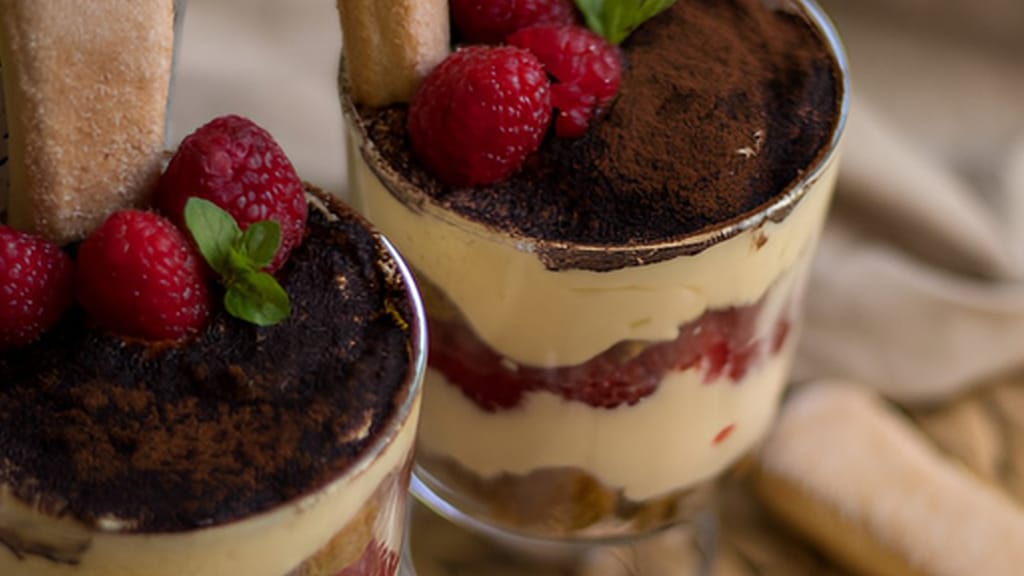
Raspberry tiramisu
Raspberry tiramisu – a dessert where you need cocoa powder for dusting, not chocolate
With cocoa, read the ingredients and the fat content; with chocolate, the cocoa percentage and the type of fat. The package tells you everything you need.
Cocoa: the ingredients list only "cocoa" (for Dutch-process, with an alkalizing agent), nothing else. A fat content of 20–22% gives a fuller flavor than reduced-fat cocoa (10–12%).
Baking chocolate: dark or bittersweet with at least 50% cocoa and no vegetable fats. If the package says "contains other vegetable fats in addition to cocoa butter", choose a different one.
Callets instead of bars melt faster and more evenly and are easier to weigh out. We've had good results with Belgian dark Callebaut 811 with 54.5% cocoa, a versatile choice for batters, creams and ganache.
You'll find a selection of callets and bars for baking, cooking and decorating in our range of baking and cooking chocolate.
According to the USDA FoodData Central database, unsweetened cocoa powder has roughly 228 kcal, 37 g fiber, 20 g protein and 14 g fat per 100 g. The USDA reference cocoa has only around 14% fat, though, so it corresponds more to our reduced-fat cocoa. European cocoa with 20–22% cocoa butter has significantly more fat and energy; you'll find the exact value on the package.
Per tablespoon (about 5 g): about 11 kcal (more for higher-fat cocoa), just under 2 g fiber, 1 g protein.
Caffeine and theobromine: according to the USDA, about 230 mg of caffeine and over 2,000 mg of theobromine per 100 g, which is around 12 mg of caffeine per tablespoon.
Sugar: pure cocoa contains only a little sugar (around 1.75 g per 100 g according to the USDA). It's only the "cocoa for milk" drink mix that is sweet.
For the exact values of your pack, check the nutrition information on the package, which is the binding source.
Unopened cocoa keeps for a very long time in a dry place. Once opened, use it within about a year according to the USDA's FoodKeeper database, after which it gradually loses its aroma. It's a dry food with a very low water content, so it doesn't spoil quickly.
Where: in a sealed container in the pantry or a cupboard at room temperature, away from light, steam and heat. Not above the stove or next to the dishwasher.
Not in the fridge: when you take it out, moisture condenses on the cocoa and the powder clumps. Manufacturers recommend a dry, cool place, not the cold of a fridge.
Away from spices and coffee: cocoa easily absorbs odors.
After opening: transfer it to a tightly closing container or roll the bag up firmly.
The date on the package is a "best before" date. Under EU regulation 1169/2011, it's the date until which a food keeps its properties when stored correctly; it is not a use-by date. The Czech Agriculture and Food Inspection Authority (SZPI) explains it the same way: after that date the food can still be safe, and its condition decides.
When to throw cocoa out: when it smells musty or rancid, when you can barely smell any cocoa, or when you see mold or pests. Hard lumps from moisture that won't sift through are a sign that water has got into the powder. Ordinary soft lumps just need sifting.
For a cup of hot cocoa (250 ml milk), use 1–2 heaped teaspoons of unsweetened cocoa, about 5–10 g, plus sugar to taste, usually 1–2 teaspoons. Dutch-process cocoa gives a darker, smoother drink, while natural cocoa tastes fruitier and more bitter. Stir the cocoa with the sugar and a splash of cold milk first, then pour in the hot milk.
Cocoa powder clumps because it contains fat and fine particles that repel water and stick together in little balls on the surface. Mix it with the sugar and a tablespoon or two of cold milk into a smooth paste first, then pour in the rest of the warm milk. Dutch-process cocoa dissolves more easily than natural cocoa.
Pure cocoa doesn't naturally contain gluten, and the only ingredient is cocoa. It may be processed in a facility that also handles grain, though, so check the package for a "may contain traces of gluten" warning. If you need to avoid gluten, choose cocoa labelled "gluten-free". Watch out for instant cocoa drink mixes, which can contain barley malt. This is general food information, not medical advice: if you have celiac disease, follow the guidance of your doctor or dietitian.
You can replace cocoa with carob 1:1, but it tastes different: sweet and caramel-like, without the typical bitterness of cocoa. It's naturally sweeter, so you can cut back a little on the sugar in the recipe. It suits people who want to avoid caffeine and theobromine, but it won't fully stand in for chocolate.
Raw cocoa is a natural, non-alkalized cocoa powder made from beans processed at a lower temperature instead of being roasted the traditional way. It tastes fruitier and more acidic, and in baking it behaves like natural cocoa, meaning it reacts with baking soda. It has no major culinary difference from regular natural cocoa; it's mainly more expensive.
One recipe worth heating the oven for, one tip, and one deal from the shop. Nothing else.