Types of Nuts for Baking: How They Differ and Where Each One Belongs
What to Substitute for Pine Nuts in Pesto: Cashews, Walnuts and Seeds
Updated Nov 17, 2026
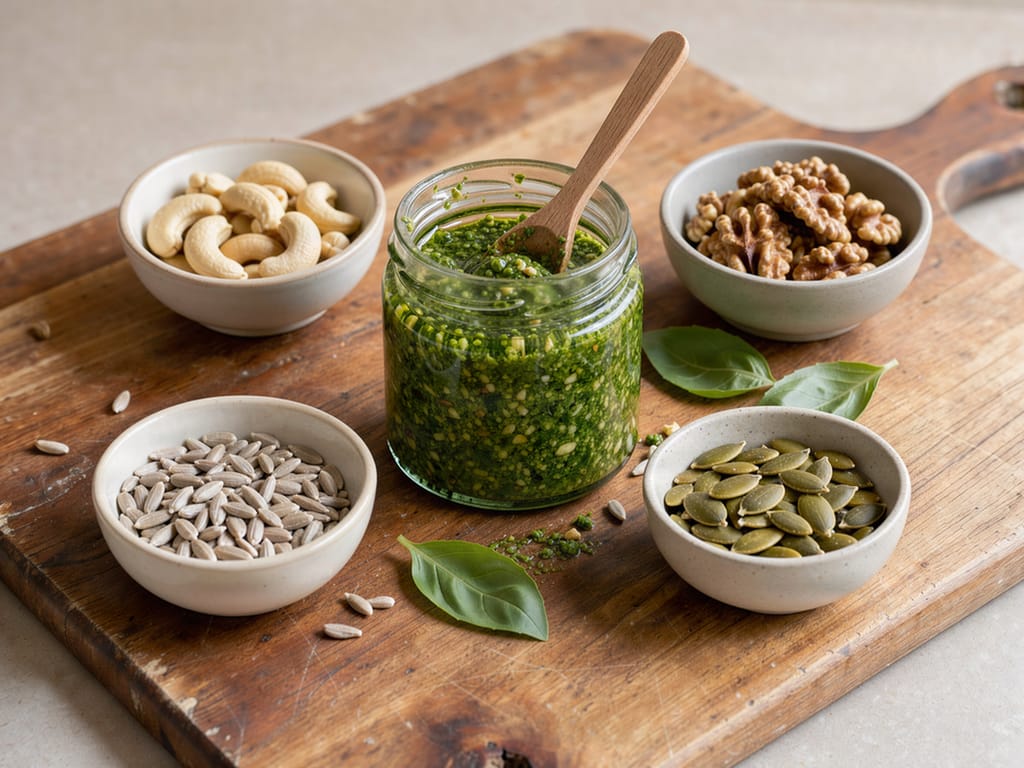
The best pine nut substitutes in pesto are cashews (the creamiest), walnuts (the boldest), blanched almonds, or sunflower seeds (the cheapest, and nut-free). Use any of them 1:1 by weight, except pumpkin seeds, where you should use a quarter less. One thing matters most: briefly dry-toast your substitute first. Toasting brings out the buttery, slightly sweet flavor that is the reason pine nuts go into pesto in the first place. Below you'll find what each substitute does to flavor and texture, how to make pesto with no nuts at all, and what to use instead of pine nuts in a salad.
In pesto and salads, pine nuts can be reliably replaced with these nuts and seeds:
Cashews – 1:1, the mildest and creamiest, and the closest in flavor to pine nuts.
Walnuts – 1:1, bolder and slightly bitter; an Italian alternative that the official Genoese pesto rules allow too.
Blanched almonds – 1:1, mild and drier, they give pesto a coarser texture.
Sunflower seeds – 1:1, inexpensive, nut-free, and surprisingly similar once toasted.
Pumpkin seeds – roughly ¾ of the amount, because they taste stronger and turn the pesto even greener.
The ratio is by weight: if a recipe calls for 30 g of pine nuts, use 30 g of the substitute. Don't measure by the spoonful – coarsely chopped walnuts take up more air in a spoon than small seeds do.
Seasonal baking plans, tested recipes and kitchen tricks that save you time. Unsubscribe in one click.
Cashews are the safest choice when you want pesto to taste "just like always." They have a mild, slightly sweet flavor and blend into a creamy texture, so they almost disappear behind the basil and Parmesan. They actually contain less fat than pine nuts – the creaminess comes from their starch and soft flesh, not from fat.
Buy them unsalted and raw – roasted, salted cashews will throw off the salt in the whole pesto.
Pesto with cashews turns out thicker and creamier. If you want it looser, add an extra spoonful of oil, or a little pasta cooking water when you toss it with the pasta.
Balance the mildness with a few drops of lemon juice – cashews lack the faintly resinous note of pine nuts, so the pesto can taste flatter.
</block3>
Walnuts aren't a stopgap. Under the rules of the Consorzio del Pesto Genovese, walnut is the only ingredient permitted alongside the classic pine nuts. Pesto made with them tastes earthier and fuller, and it goes beautifully with autumn pasta, roasted vegetables, or a pesto made with kale or wild garlic.
The bitterness sits in the thin skin. Rub the toasted walnuts in a kitchen towel and shake off the loosened skins for a milder pesto.
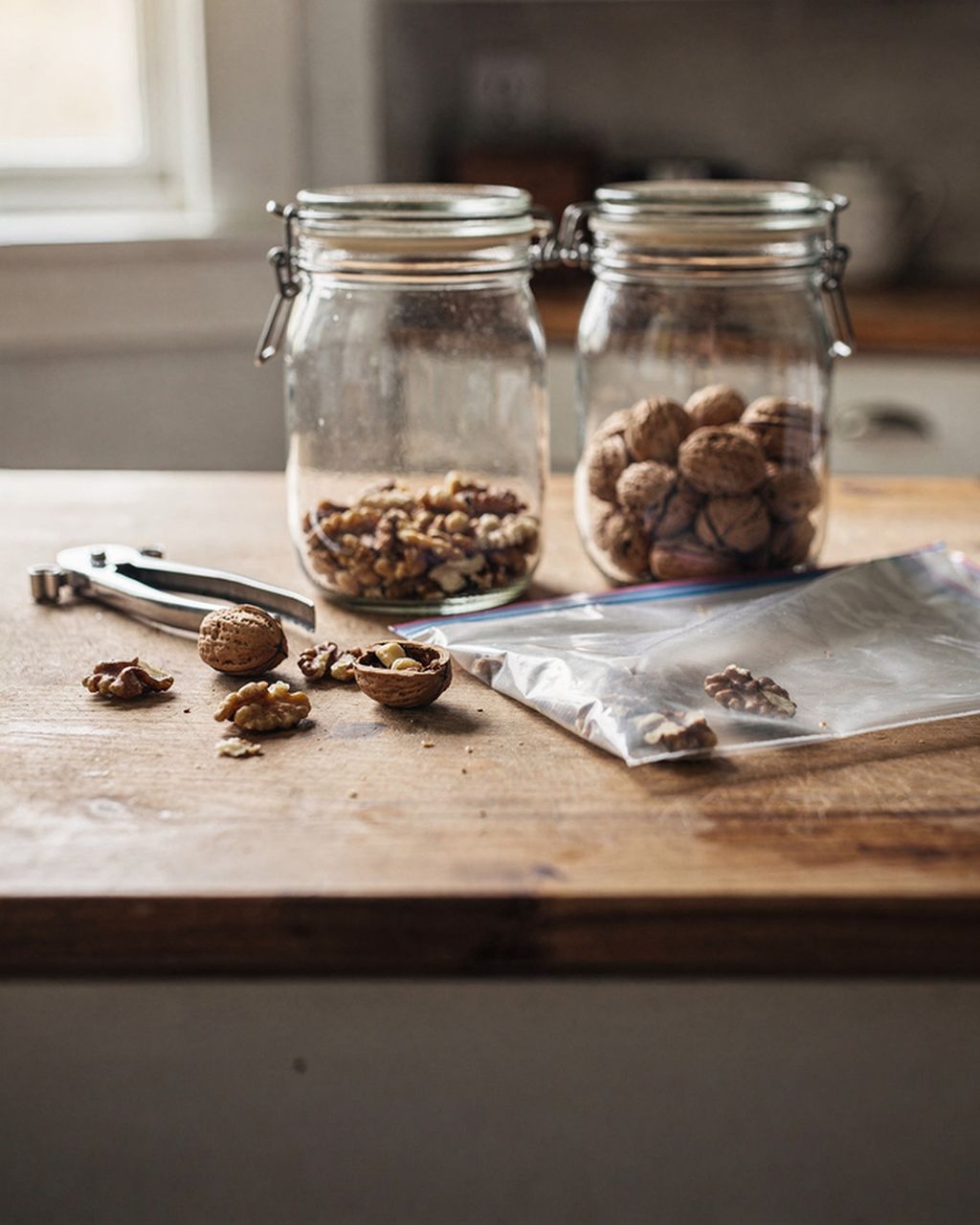
One rancid nut ruins a pesto. Taste one before you tip them into the blender. To learn how to tell when walnuts have gone rancid, see our article walnuts: how to shell them and tell if they've gone rancid.
Because walnuts are more assertive, it's worth cutting back the garlic a little. Otherwise the two strong flavors fight each other.
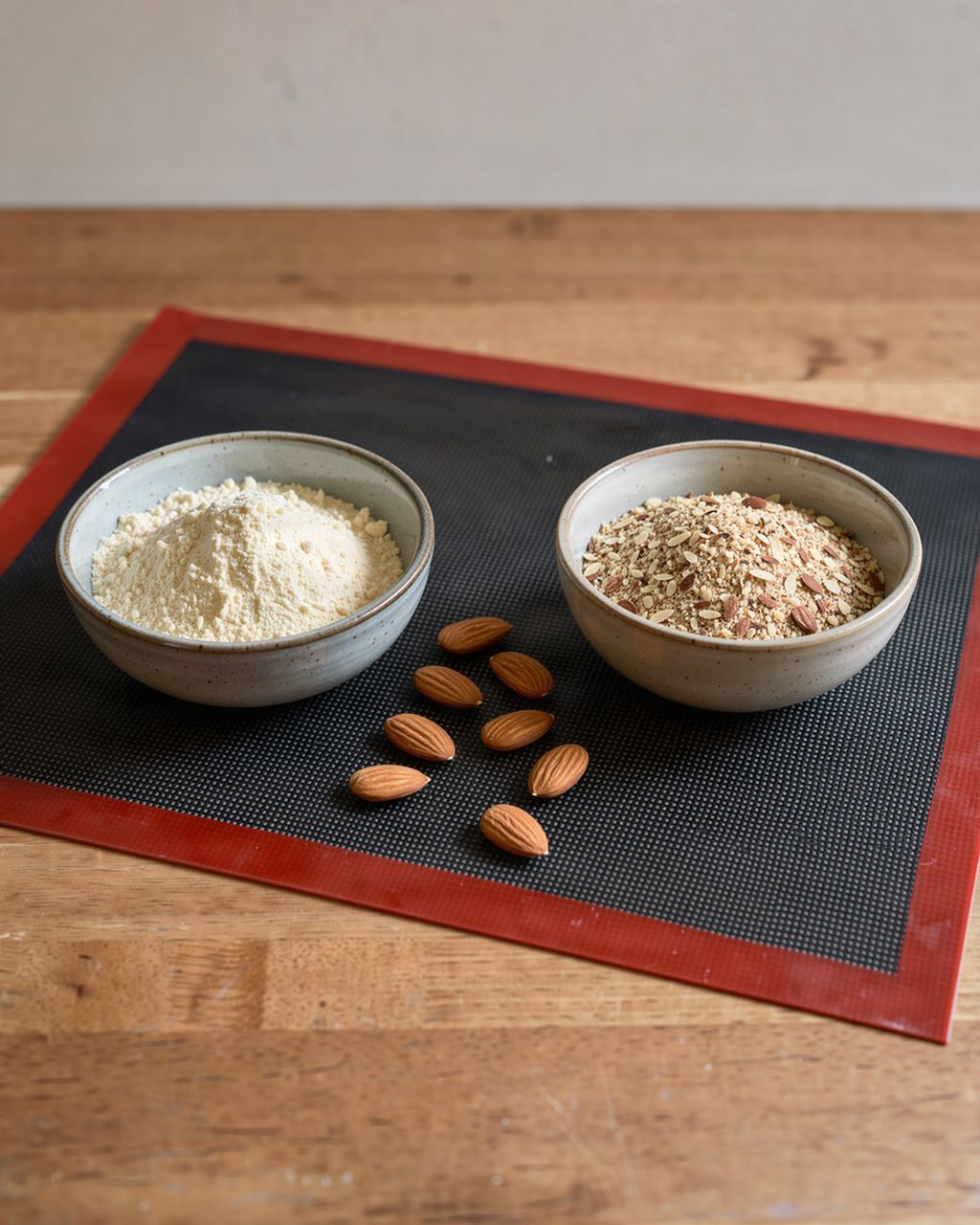
Blanched almonds replace pine nuts in pesto 1:1, but add an extra spoonful of oil, as they are drier. Use peeled (blanched) almonds, because the skins would darken the pesto and make it bitter. Almonds have long had a place in pesto: the Sicilian pesto alla trapanese is built on almonds, tomatoes and basil.
They blend less smoothly, so let the blender crush them on their own first and only then add the basil. You get a pleasantly grainy texture.
Pistachios (unsalted, shelled) work in a similar way and turn the pesto a lovely green. They aren't cheap, though, so treat them as a variation rather than a budget swap.
Toasted sunflower seeds are the most underrated pine nut substitute. They cost a fraction of the price and have a similarly buttery flavor, and once toasted, it's hard to tell in the pesto that pine nuts are missing.
Sunflower seeds: 1:1. Buy them shelled and unsalted. Raw, they taste a bit like birdseed, so toasting is a must here, not an option.
Pumpkin seeds: about ¾ of the amount. They taste stronger and more vegetal, and turn the pesto a darker green. They're great in parsley, cilantro or kale pesto, where a stronger flavor doesn't matter.
Half sunflower and half pumpkin seeds is a good compromise: mildness from one, color and depth from the other.
Toast nuts and seeds dry in a skillet, with no fat, over medium heat, nuts for about 3–5 minutes and seeds for 2–4 minutes, stirring or shaking the pan the whole time. They're done when they:
smell fragrant, which is the first and most reliable sign,
start to turn golden at the edges (cashews and almonds) or pop and puff up (pumpkin seeds),
change color: sunflower seeds go from grayish beige to light gold.
Then tip them straight onto a cold plate. In a hot pan they keep cooking, and that's exactly where the bitter taste comes from, which pesto can't hide. Let them cool completely before blending, because warm nuts would "cook" the basil and darken it.
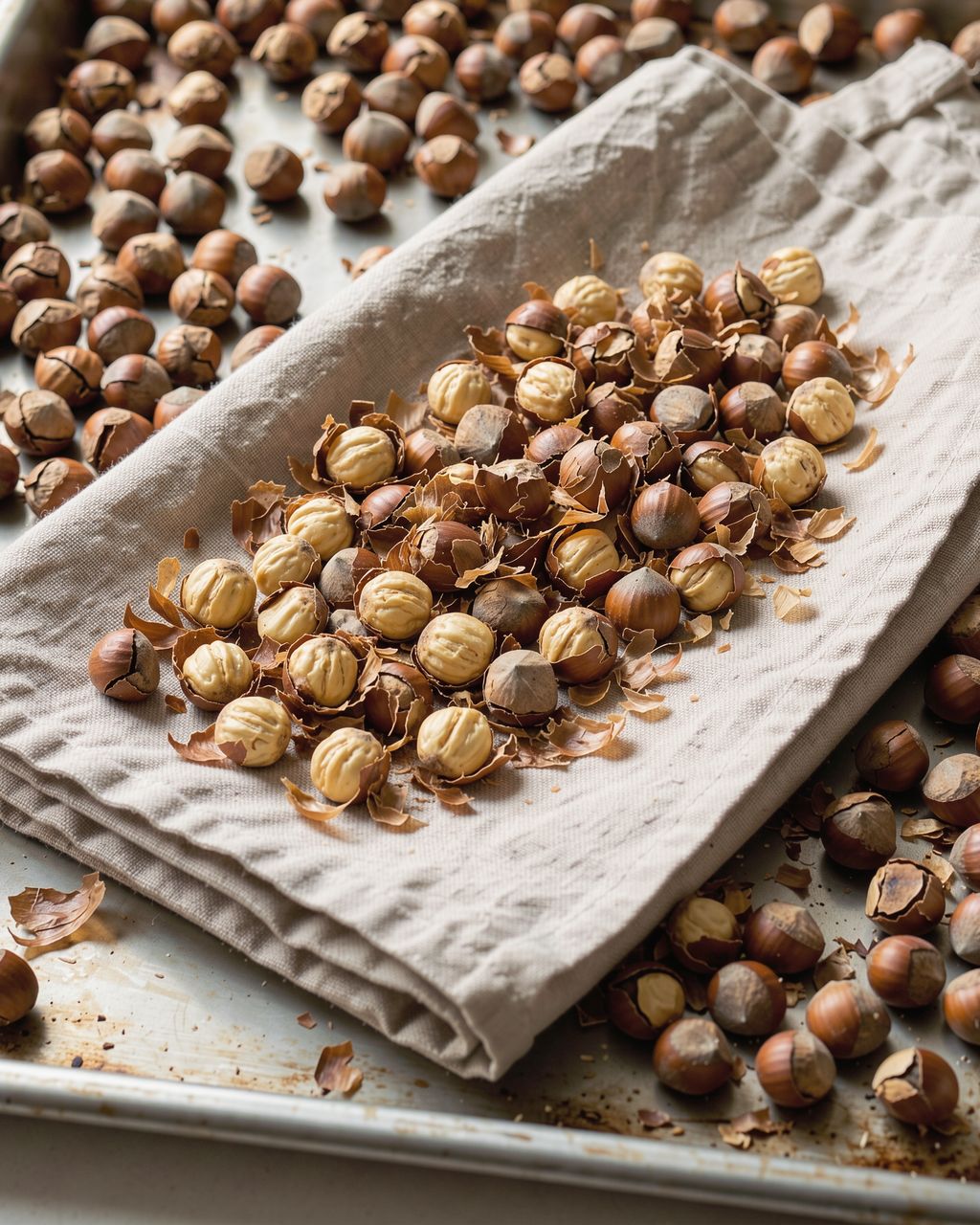
For more on toasting in the oven, skinning and grinding nuts, see our article Nuts for baking: how to toast, skin and grind them.
The best nut-free pesto is made with sunflower and pumpkin seeds. Neither is among the allergens that must be highlighted on the label under EU Regulation No. 1169/2011. The method is the same as with pine nuts: just toast the seeds and use the ratios given above.
What to watch for when cooking for someone with an allergy:
Read the seed label. Seeds are often packed in facilities that also process nuts, so look for the warning "may contain traces of nuts".
Parmesan and pecorino contain no nuts, but if you're also swapping the cheese for a store-bought "vegan" alternative, it's often made from cashews.
Sesame is not a substitute for people with allergies, since it is itself one of the 14 allergens that must be labeled.
For people with nut allergies, pine nuts are tricky too: botanically they are pine seeds and aren't on the EU allergen list, but allergies to them do exist. The seed version is safer.
How long a nut allergy takes to show up and how to tell a serious reaction is covered in our article Nut allergy: how long until it shows and what to do.
If you don't want seeds either, pesto can be made without them entirely: add a little more Parmesan and a spoonful of toasted breadcrumbs for body. It will be thinner and less creamy, but it still tastes like pesto.
For wild garlic pesto, use walnuts, almonds or sunflower seeds. The strong garlic flavor of the leaves overpowers the delicacy of cashews, so they're wasted here. Walnuts and wild garlic make the best-balanced pair, and sunflower seeds are the cheapest. Our wild garlic pesto recipe works with any of them at 1:1. For more ways to use wild garlic, see our article 5 ways to use wild garlic in the kitchen.
In salad, pine nuts mainly give crunch and a buttery note, and cheaper substitutes can do that too. Toast them all before using, as raw ones taste bland in a salad.
Pumpkin seeds are best with goat cheese, beets and lentils.
Sunflower seeds are all-purpose, good in leafy salads and with arugula.
Sliced almonds suit fruit salads, spinach and orange.
Coarsely chopped walnuts go with pears, blue cheese and chicory.
Cashews suit Asian-style salads with soy dressing.
Scatter seeds over the salad just before serving, as they soften quickly in dressing. A handful of toasted pumpkin seeds works well in a lentil salad with beets and feta, or sprinkle them over a pasta salad with chicken, tomatoes and arugula instead of pine nuts.
Yes, pesto made with cashews, sunflower seeds or walnuts works just as well in a mortar as in a blender. Cashews and sunflower seeds crush most easily, while almonds are the hardest, so chop them finely first. Crush the garlic with the salt first, then the nuts or seeds, then the basil, and finally stir in the cheese and oil.
Technically yes, but pesto made with peanuts tastes strongly of peanuts and overpowers the classic basil flavor, so it suits Asian-style dishes better. It's the worst choice for anyone with allergies: peanuts are one of the 14 allergens that must be highlighted on the label under EU Regulation No. 1169/2011.
Yes, pesto made with cashews, nuts or seeds freezes just as well as the classic version. The US NCHFP recommends freezing any homemade pesto you won't use within 3 days from the fridge. It's handy to freeze it in portions in an ice cube tray, then tip the cubes into a bag.
Yes, the rules of the Consorzio del Pesto Genovese expressly allow walnuts as an optional ingredient alongside pine nuts. Strictly speaking, though, a pesto in which walnuts replace the pine nuts entirely is no longer Genoese pesto under those rules.
Bitterness in pesto made with a pine nut substitute is most often caused by over-toasted nuts, walnut skins or rancid nuts. Tip the nuts onto a cold plate right after toasting, rub the skins off walnuts in a kitchen towel, and taste every batch before blending.
One recipe worth heating the oven for, one tip, and one deal from the shop. Nothing else.