Braiding Vánočka Step by Step: 4, 5, 6 or 9 Strands
What Is Vánočka? Czech Christmas Bread, and How It Differs from Challah
Updated Nov 18, 2026
Vánočka is the Czech Christmas bread: a braided loaf of rich, buttery yeast dough with raisins, almonds, lemon zest and often rum, traditionally plaited in three stacked tiers. It is eaten on Christmas Eve and through the holidays. Here is what goes into it, how it differs from challah, how it is braided, and the traditions that come with it.
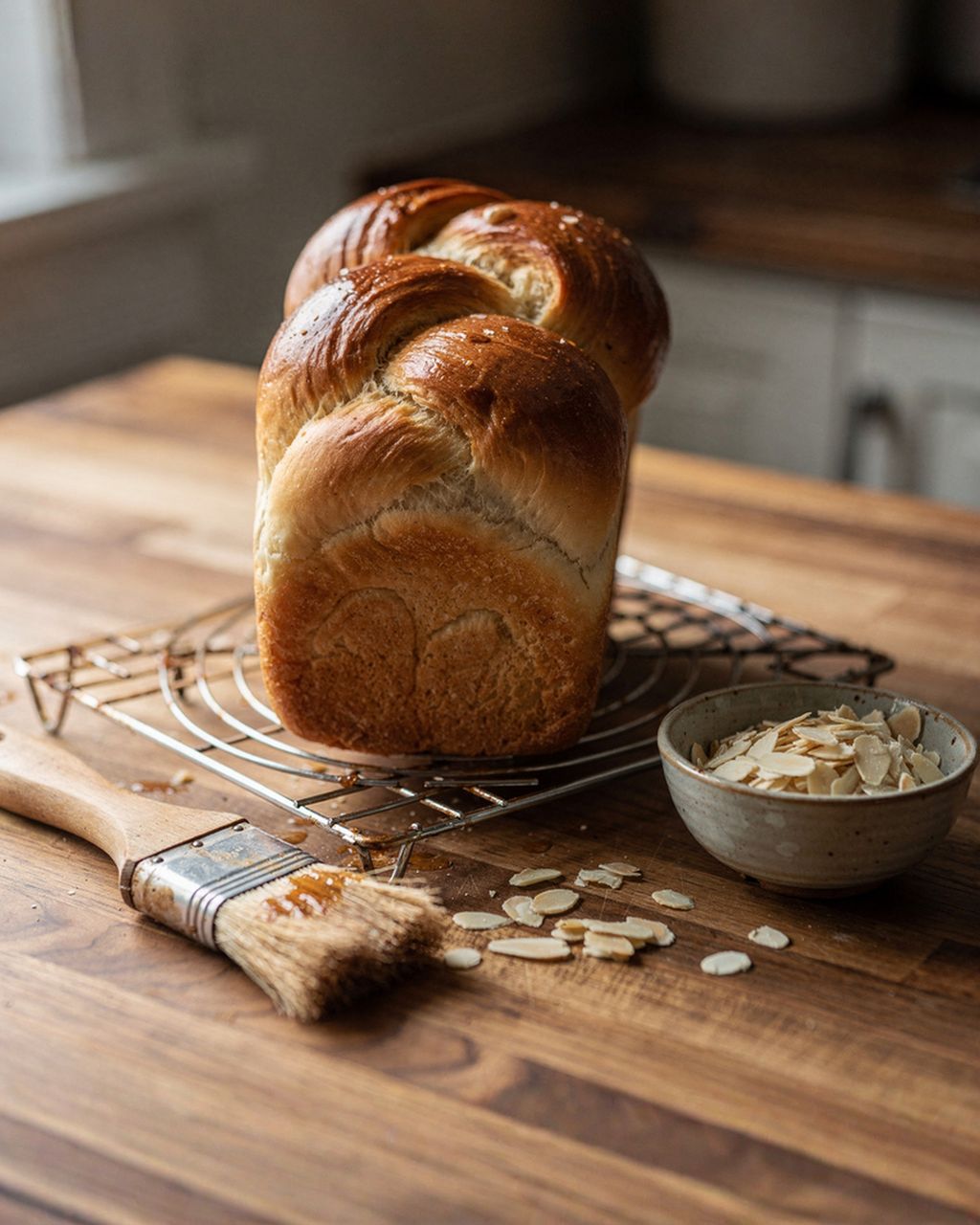
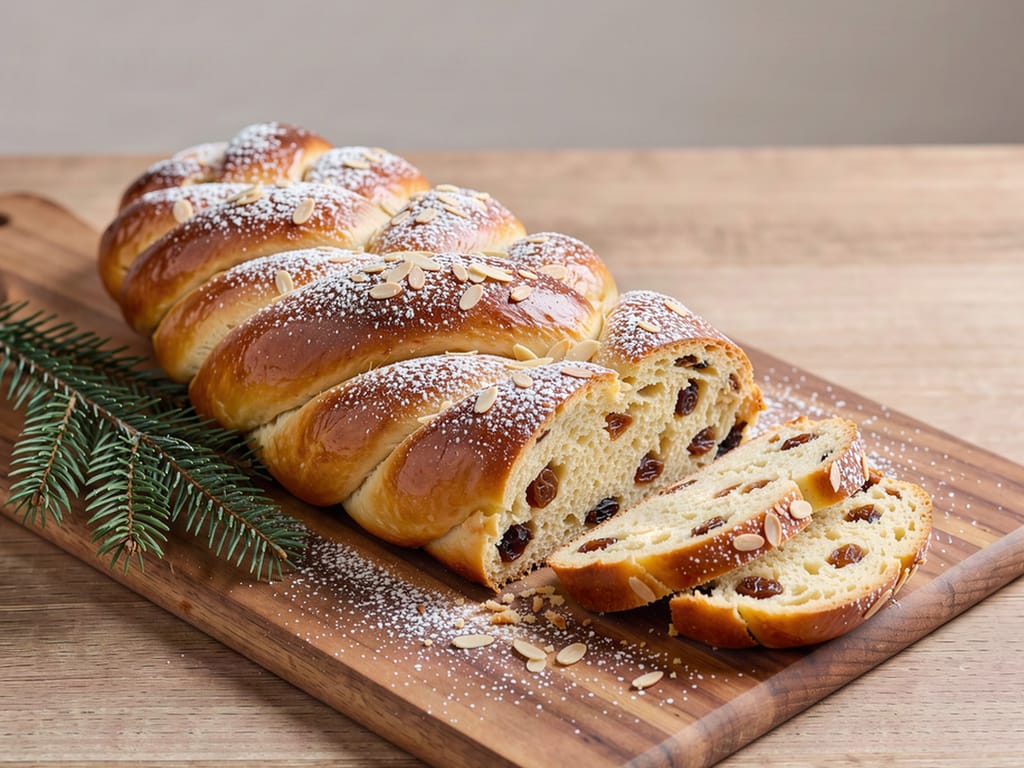
Vánočka is the Czech Christmas bread: a long, braided loaf of rich, sweet yeast dough with raisins and almonds, flavored with lemon zest and often a little rum. The name comes from Vánoce, the Czech word for Christmas.
Two things set it apart from other braided breads. First, the dough is enriched with butter, milk, egg yolks and sugar, so the crumb is soft, yellow and close to brioche. Second, a traditional vánočka is braided in tiers: a wide braid at the bottom, a narrower one on top of it, and a twist on top of that. It is brushed with egg, scattered with slivered almonds and baked to a deep golden brown. Many families dust it with powdered sugar before serving.
It is eaten in slices, on its own or with butter, and it is one of the few foods nearly every Czech household has on the table at Christmas.
How to soften gingerbread that’s gone hard, when to fill Linzer cookies and how to tell the carp is done. One recipe and one tip a week. Unsubscribe in one click.
The ingredients are those of any rich sweet dough, with a few Czech touches:
Flour: plain wheat flour. Czech bakers often use polohrubá (semi-coarse) flour, which gives the dough a little more structure. Our article on which flour and sugar to use for vánočka explains the options outside Czechia.
Enrichment: butter, milk, egg yolks (sometimes whole eggs) and sugar.
Yeast: traditionally fresh yeast.
Flavor: grated lemon zest, vanilla, a pinch of salt, and often a splash of rum, which Czech cooks also use to soak the raisins.
Fruit and nuts: raisins (golden sultanas are common) and chopped or slivered almonds, both in the dough and on top.
For scale, a home vánočka typically starts from about 500 g of flour, which is about 4 US cups (236.6 ml each) of all-purpose flour at 125 g per cup. Weighing is more reliable than cups for a dough this rich.
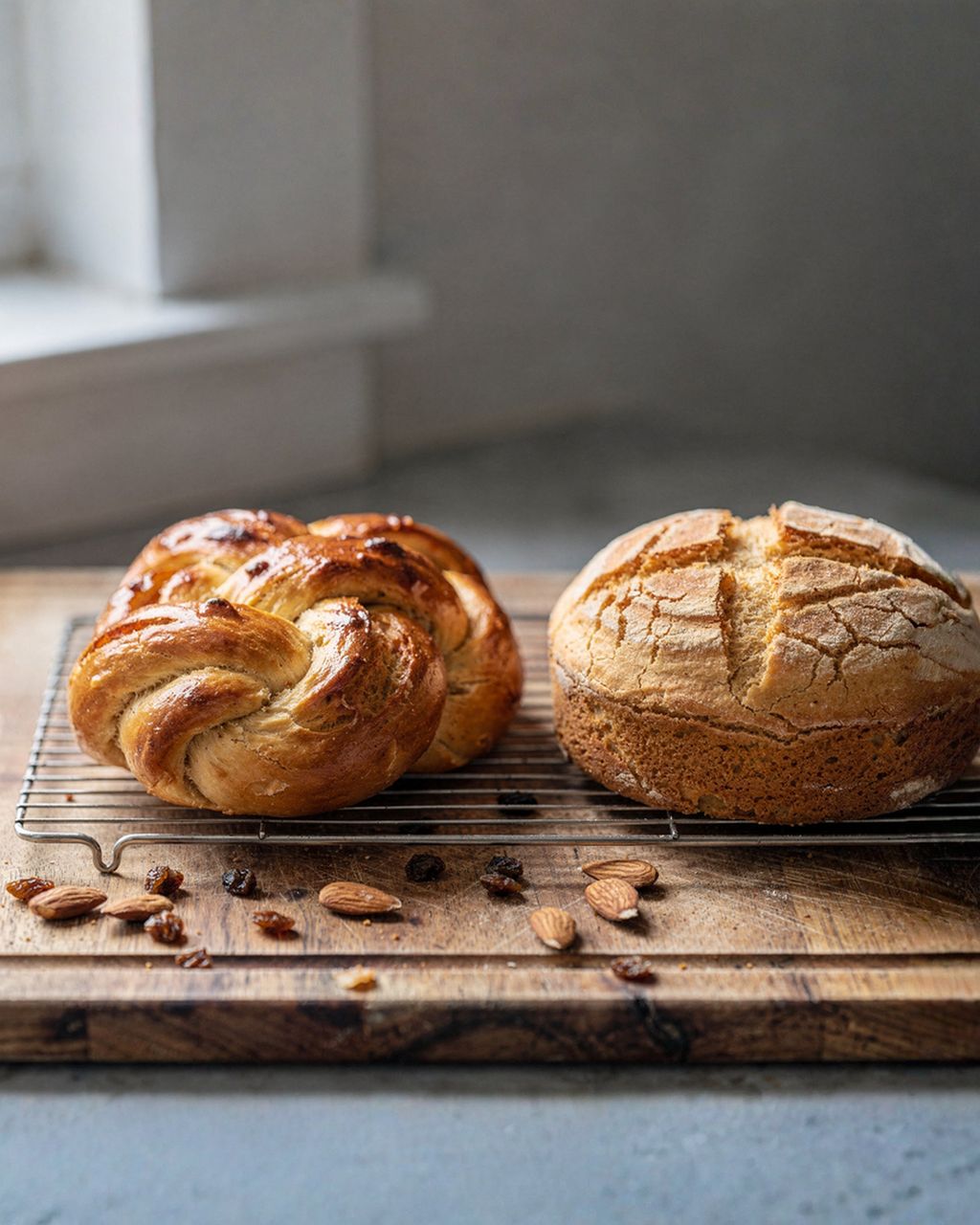
Vánočka and challah are both braided, golden, slightly sweet breads, so people compare them. They come from different traditions and taste different.
Vánočka (Czech Christmas bread): made with butter and milk, plus egg yolks and sugar. Contains raisins and almonds, with lemon zest, vanilla and often rum. Braided in tiers, traditionally nine strands. Traditionally baked for Christmas.
Challah (Jewish Sabbath and holiday bread): made with eggs and usually oil rather than butter, and traditionally without milk, so it can be eaten with a meat meal under kosher dietary laws. Some recipes and bakery loaves do contain dairy, so check the label if you avoid milk. Lightly sweetened with sugar or honey. Usually plain, sometimes with raisins (especially the round loaf for Rosh Hashanah), and topped with sesame or poppy seeds. Baked every week, for Shabbat.
In the mouth, vánočka is richer, more buttery and more fragrant, with fruit and citrus in every slice. Challah is lighter and more neutral, with a slightly chewy, pull-apart crumb. You can bake a vánočka-style braid from a challah recipe, but it will not taste like vánočka without the butter, milk, lemon and raisins.
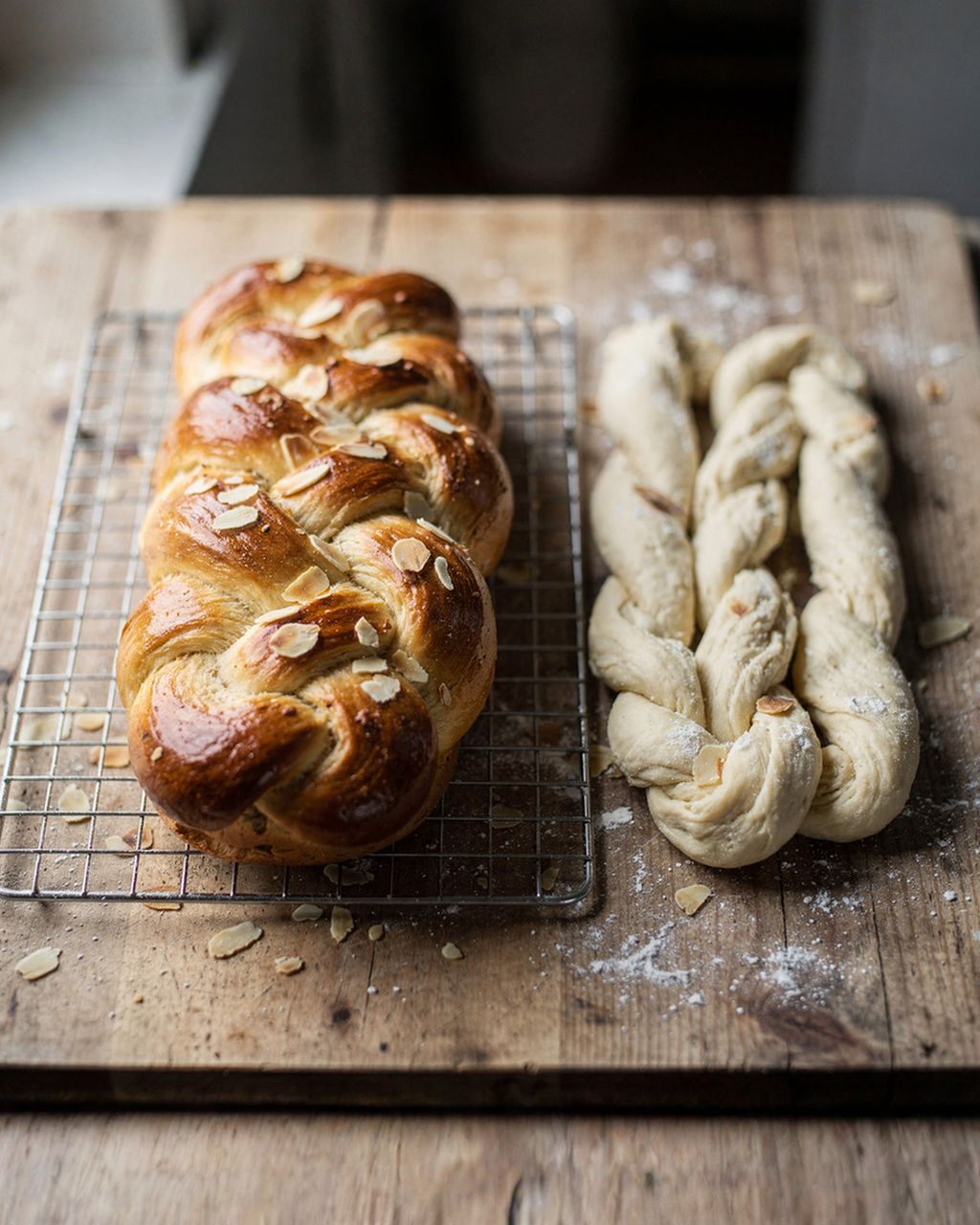
The classic vánočka has nine strands in three tiers:
Bottom: a wide four-strand braid.
Middle: a three-strand braid laid on top.
Top: two strands twisted together.
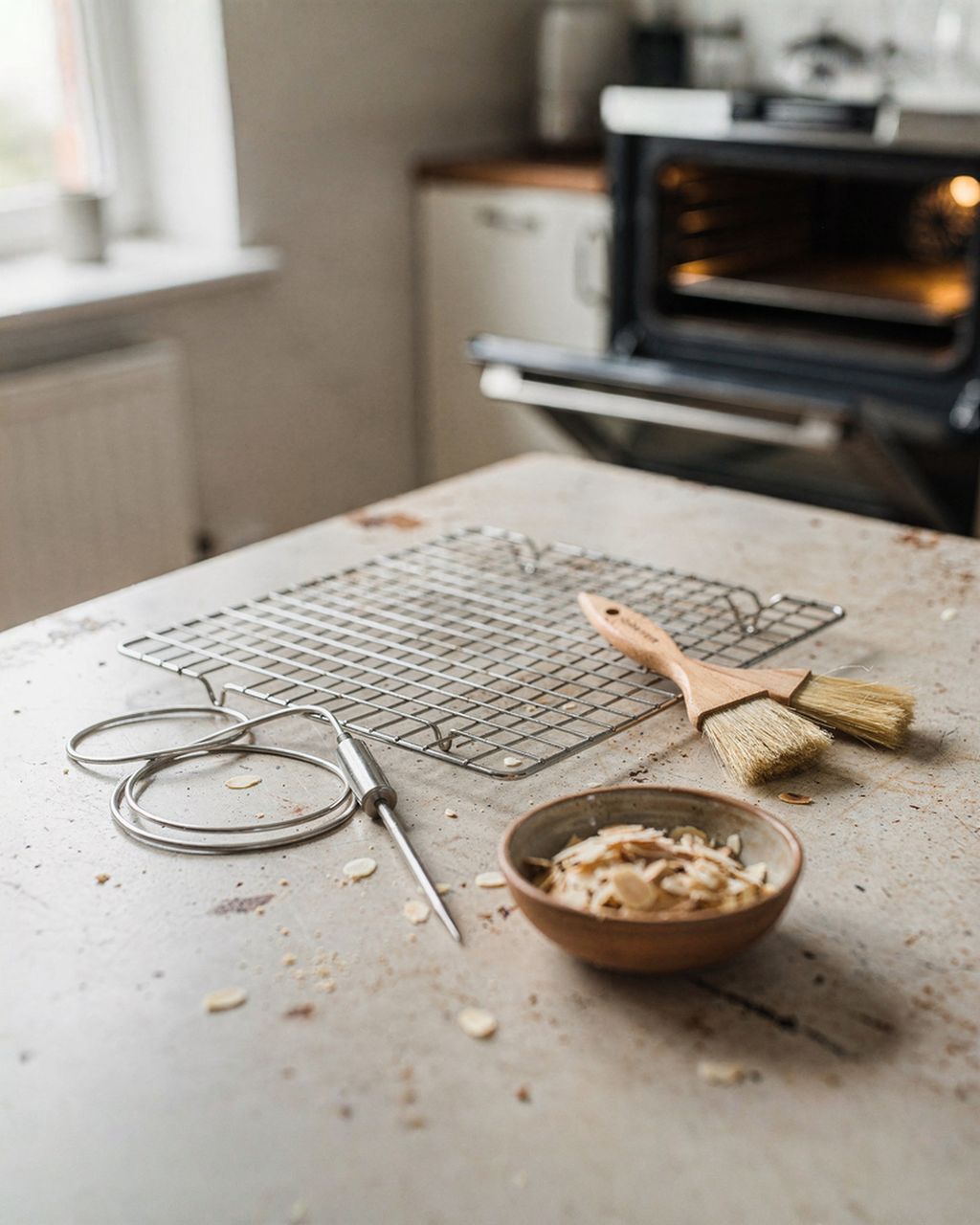
Each tier is brushed with egg so it sticks to the one below, and many bakers push wooden skewers through the loaf so the tiers do not slide off in the oven. Simpler versions use a single four-, five- or six-strand braid, which bakes more evenly and is easier to get right.
The bottom tier is the hardest part, and the stacked loaf is prone to leaning, splitting or spreading sideways. Our step-by-step braiding guide covers 4, 5, 6 and 9 strands. For oven settings and timing by loaf size, see how long to bake vánočka.
Vánočka has a long history in the Czech lands. According to Radio Prague, it is mentioned in the 15th century by the Benedictine monk Jan of Holešov, who read the braid as a picture of the Christ Child wrapped in swaddling cloth. In the 16th century, only members of the bakers' guild were allowed to bake it, and households began baking it themselves in the 18th century. In older Czech sources it also appears under other names, such as calta.
Customs collected around it over the centuries, and families still repeat some of them with a smile:
The tiers have meanings. One commonly told version: the four bottom strands stand for earth, sun, water and air, the three middle strands for reason, will and emotion, and the two on top for love and wisdom.
The baker should be silent. Traditionally the mistress of the house baked it wearing a white apron and headscarf, without speaking while she worked.
Jumping helps it rise. Bakers would jump up and down while the dough rose, so that it would rise as high.
Sharing it with the farm. A piece of vánočka fed to the cows on Christmas Eve was supposed to bring plenty of milk, and crumbs left by the beehive good honey.
Nobody we know jumps by the oven any more. But the idea that vánočka is a test of a home baker has survived intact.
Traditionally, vánočka belongs to Christmas Eve (Štědrý den, December 24), the main day of a Czech Christmas. Many families eat it for breakfast that morning, or with coffee in the afternoon, before the evening dinner of fish soup, fried carp and potato salad. It then stays on the table through the Christmas holidays.
Today it is baked through December, and shops and bakeries sell it well before Christmas. Most families still bake at least one at home, and the shape, size and amount of rum are matters of family pride.
Its Easter counterpart is mazanec, a round loaf of similar dough. Its closest cousins abroad are German Stollen, which is denser and much richer in butter and dried fruit, and Italian panettone, which is tall, light and airy.
Vánočka has a reputation as a difficult bake, and the usual problems are well known: a dry crumb, a loaf that cracks or spreads sideways, or a center that stays raw. Our English vánočka guides cover each one:
For a soft, rich crumb, see the softest vánočka.
For keeping it soft after baking, see how long vánočka stays fresh.
For the inevitable leftovers, see what to do with stale vánočka, including žemlovka, a Czech bread pudding with apples.
Vánočka is a Czech Christmas bread: a braided loaf of rich, sweet yeast dough with raisins and almonds, flavored with lemon zest and often rum. It is traditionally braided in three stacked tiers.
Vánočka is made with butter and milk and contains raisins, almonds, lemon zest and rum, while challah is traditionally made with eggs and oil rather than butter or milk, though some recipes and bakery loaves do contain dairy, so check the label if you avoid milk. Vánočka is a Czech Christmas bread; challah is the Jewish bread for Shabbat and holidays.
Czechs traditionally eat vánočka on Christmas Eve, December 24, often for breakfast or with coffee, and through the Christmas holidays. Today it is also baked and sold throughout December.
A traditional vánočka has nine strands in three tiers: four at the bottom, three in the middle and two on top. Simpler versions use a single braid of four to six strands.
Vánočka tastes like a soft, buttery sweet bread close to brioche, with raisins, almonds, lemon zest and a hint of rum and vanilla. It is less sweet than a cake and is often eaten with butter.
No, vánočka is a light braided yeast bread, while German Stollen is a dense loaf much richer in butter and dried fruit, coated in powdered sugar. Both are Christmas breads from neighboring countries.
One recipe worth heating the oven for, one tip, and one deal from the shop. Nothing else.