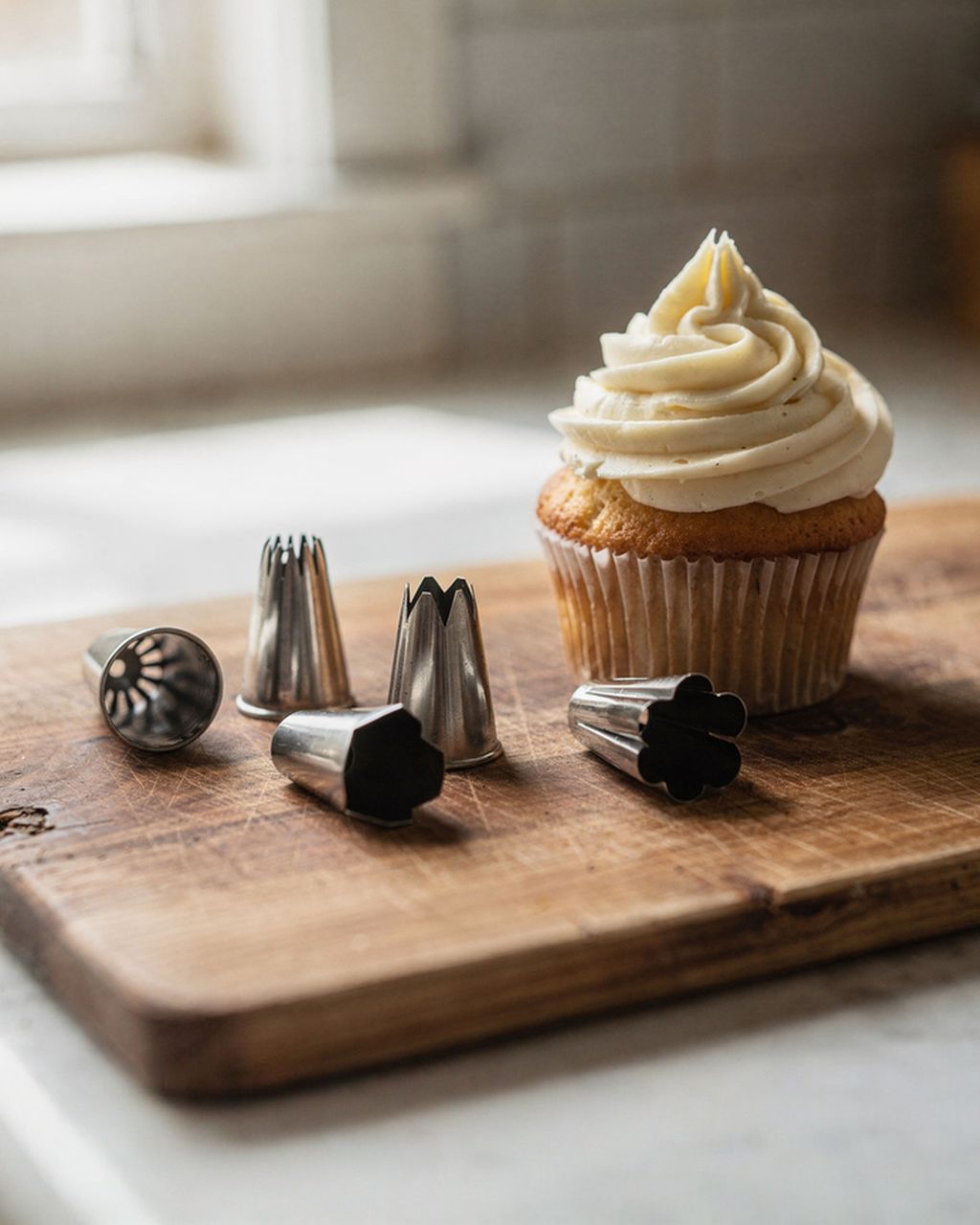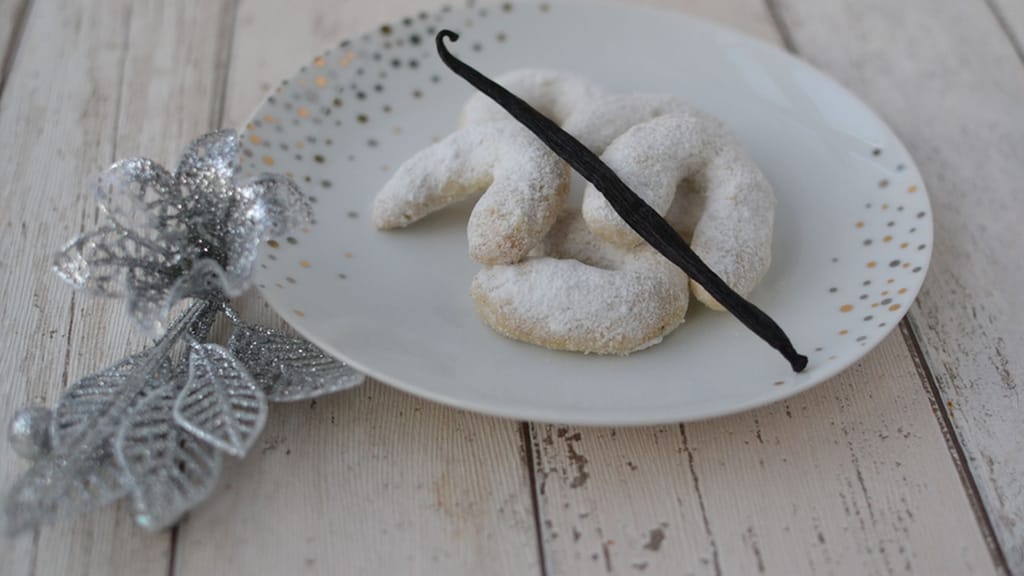
The best christmas cookies? vanilla crescents, of course!
How to Store Vanilla Beans So They Stay Soft and Fragrant
Updated Sep 25, 2026
Store vanilla beans airtight, in glass, in the dark, at a steady room temperature of 15–25°C (59–77°F) — never in the fridge. That way they'll stay soft and fragrant for a year or more. Vanilla beans are expensive and their aroma is delicate: air dries them out, damp invites mould, and warmth pulls out the aroma before you ever get to use it. Below you'll find how it all works, how to tell white crystals apart from mould, and what to do with a pod you've already scraped out.
Vanilla beans need four things: an airtight container, darkness, a steady room temperature, and the occasional airing.
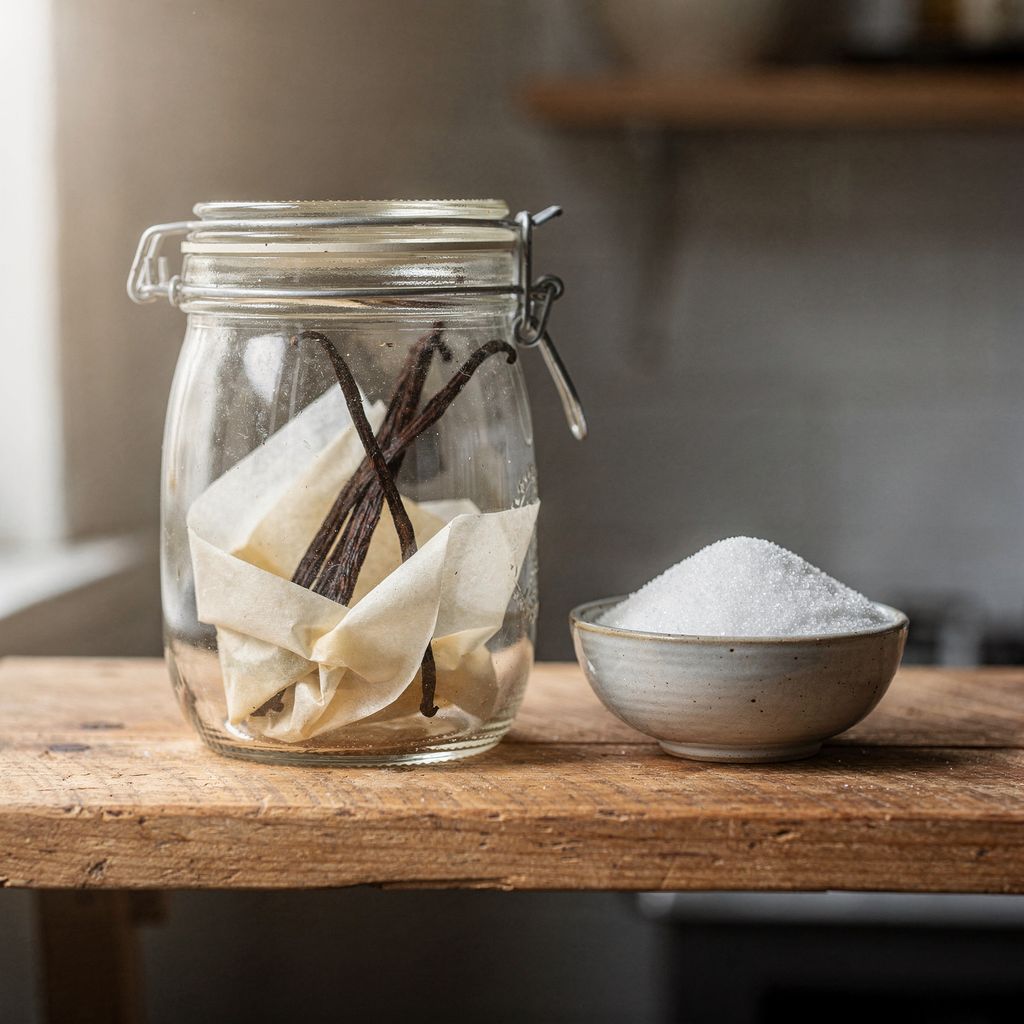
Airtight. Ideally a glass jar with a rubber seal, or the original vacuum pack until you open it. You can also loosely wrap each pod in baking paper — it soaks up a little moisture and keeps the pods from rubbing against each other.
In the dark. A pantry or a closed cupboard. Light speeds up the breakdown of aromatic compounds.
At 15–25°C (59–77°F), and above all, steady. Not above the stove, next to the oven, on a windowsill, or on top of the dishwasher. Temperature swings cause condensation inside the jar.
Air it out every 2–4 weeks. Open the jar for 10–15 minutes, take the pods out and check them over. This swaps the air and lets you spot any problem straight away.
Why all the fuss? A good gourmet-grade pod contains roughly 25–35% water according to producers, and that's exactly what keeps it pliable and slightly oily. The aroma isn't down to vanillin alone but to hundreds of other volatile compounds. As the pod dries out, they escape along with the water. But too much moisture creates the perfect breeding ground for mould. So what you're really storing is moisture itself — it mustn't escape, but it mustn't build up either.
Don't put vanilla beans in the fridge: the dry air at 4–5°C toughens them up, moisture condenses on them every time you open the door — which is exactly what mould needs — and on top of that, they soak up odours from nearby food.
The freezer isn't recommended by vanilla producers for dry pods either: thawing causes the same condensation problem as the fridge. Pods steeped in alcohol (homemade extract) aren't at risk from condensation, but you don't need to freeze those either — extract belongs in the pantry.
The same logic applies to chocolate, which turns grey in the fridge — more on that in the article How to Store Chocolate (and Why It Turns Grey).
Stored correctly at 15–25°C, in the dark and airtight, vanilla beans keep for roughly 1–2 years, though the aroma is strongest in the first few months after opening.
Unopened vacuum pack: go by the best-before date on the pack — producers typically allow for 1–2 years.
Opened pods in a glass jar: expect a year or two, provided you air and check them regularly.
In the fridge or in an ordinary bag: they can dry out in just a few weeks.
The date on the pack is a best-before date, not a use-by date. What matters is the condition of the pod, not the calendar.
A good vanilla bean is dark brown to almost black, glossy, slightly oily to the touch, and flexible — you can wrap it around your finger and it won't snap. It smells sweet and rich as soon as you bring it near your nose, not just once it's split open.
A dried-out pod: dull, hard, cracks when bent, and its aroma is weak. It's still safe, it's just lost water and some of its aroma.
A too-moist pod: sticky, wet on the surface, with droplets clinging to the glass of the jar. This is your cue to pay attention — dampness is the first step toward mould. Take the pods out, dry the jar thoroughly, and air it out more often.
Fine white needles that glisten in the light and smell of vanilla are vanillin crystals and are perfectly fine. Fuzz, clumps, or dull patches with a musty smell are mould.
Vanillin crystals are tiny whitish to yellowish needles or flakes that sparkle in the light.
They glisten in the light like frost.
They tend to be scattered across the surface and along the pod's grooves.
The pod smells normal — sweet, and sometimes even more intense than usual.
The crystals are pure vanillin that has crystallised on the surface. They're not harmful — in fact, sellers often take them as a sign of well-matured vanilla.
Mould on vanilla looks fuzzy, fluffy, or powdery, and it never glistens.
It can be white, grey, greenish, or black.
It tends to show up at the ends of the pod, where pods were touching each other, or wherever there was moisture.
The pod smells musty, cellar-like, or sour instead of like vanilla.
Don't throw away a dried-out pod that's mould-free — steep it in warm milk or cream, or blitz it with sugar.
Steep it in a warm liquid. Snap it and let it steep for 15–20 minutes in milk or cream heated to 70–80°C (158–176°F). Heat releases the aroma, and the fat in the milk captures it — that's why vanilla tastes stronger in custard than in water.
Blitz it with sugar. Break the pod into a blender with sugar and grind it finely. You'll end up with vanilla sugar that includes the seeds and the fragrant skin too.
Don't try to "revive" it with water. Soaking softens the pod, but the aroma doesn't come back, and a re-moistened pod goes mouldy fast.
A scraped-out pod still holds plenty of aroma, so don't throw it away — dry it and pop it into sugar or alcohol.
Rinse it if it was in milk or cream.
Let it dry out completely at room temperature, usually 1–2 days, until it feels dry to the touch. Why: any residual moisture will clump the sugar and can grow mould in it.
Bury it in sugar in a lidded jar. In 1–2 weeks you'll have vanilla sugar, and you can keep topping it up.
If you can't dry it right away, put the wet pod from the milk in the fridge (below 5°C) and use it up within 1–2 days at the latest — it's been in contact with a dairy product, which spoils quickly at room temperature.
Another option is homemade vanilla extract: cover the pods with alcohol of at least 35% ABV (standard 40% vodka or rum works), seal, and let it steep in the dark for several weeks. The alcohol acts as a preservative here, so a weaker liqueur won't do the job.
Vanilla extract should be kept well sealed in a dark bottle at room temperature, not in the fridge. Thanks to the alcohol it lasts for years, though it gradually loses strength if you leave it open.
Vanilla bean paste contains seeds and usually sugar or syrup, though the exact makeup varies by brand. Once opened, follow the label — some pastes need refrigeration, others are fine in the pantry.
Real vanilla is worth it wherever it's the star flavour — in cream-based custards, ice cream, porridge, or butter biscuits. This is where you'll notice it most:
The best christmas cookies? vanilla crescents, of course!
Vanilla crescent cookies with real vanilla and vanilla sugar
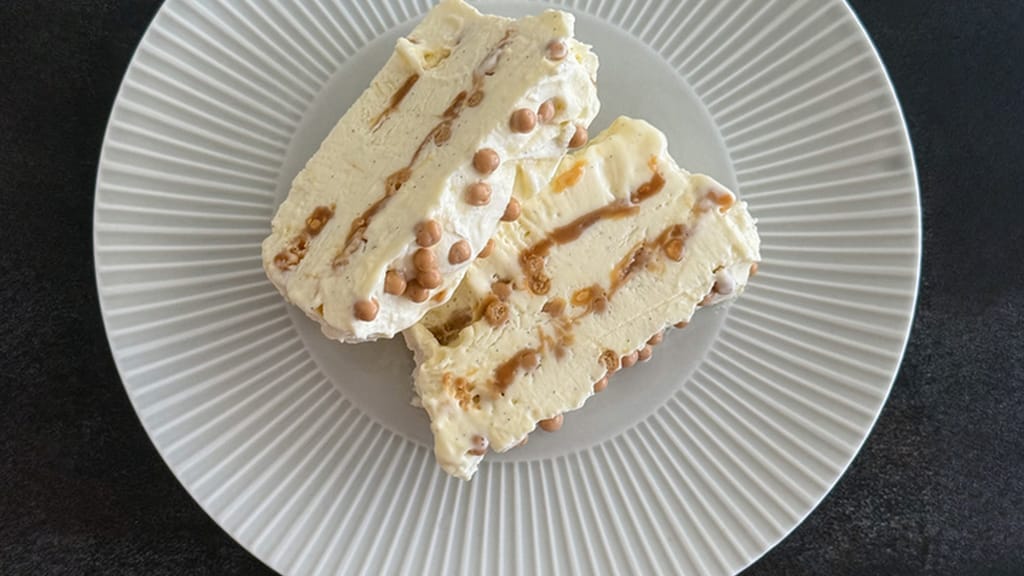
No-churn vanilla ice cream with peanut butter swirl
No-churn vanilla ice cream with peanut butter

Vanilla millet porridge with forest fruits
Vanilla millet porridge with forest berries — perfect for using up a dried-out pod
Lay the vanilla bean on a chopping board, slit it lengthwise from one end to the other with the sharp tip of a knife, then scrape out the seeds with the back of the blade. Hold the pod steady by one end so it doesn't slip. Add the seeds to your batter or custard, and use the empty pod for infusing or vanilla sugar.
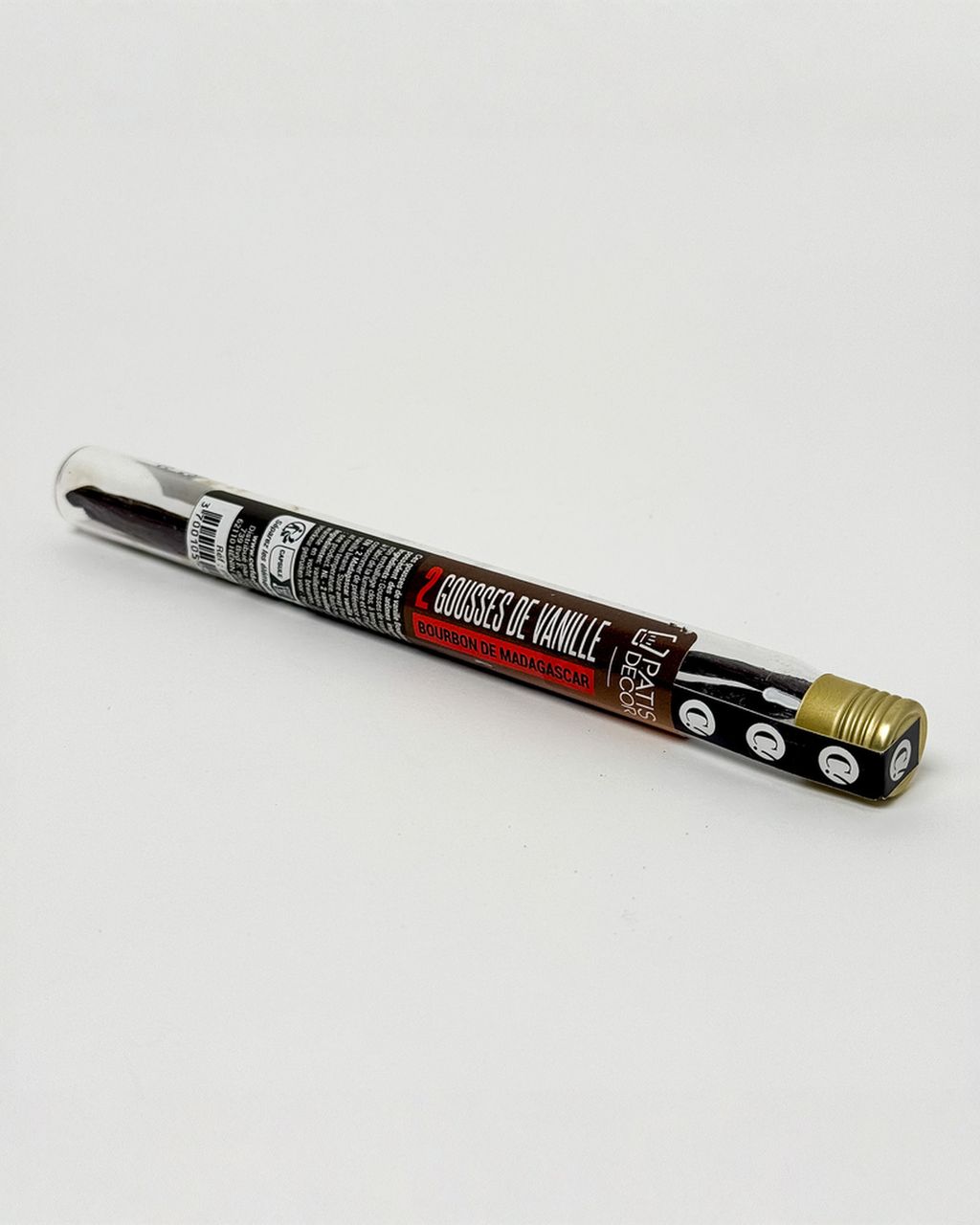
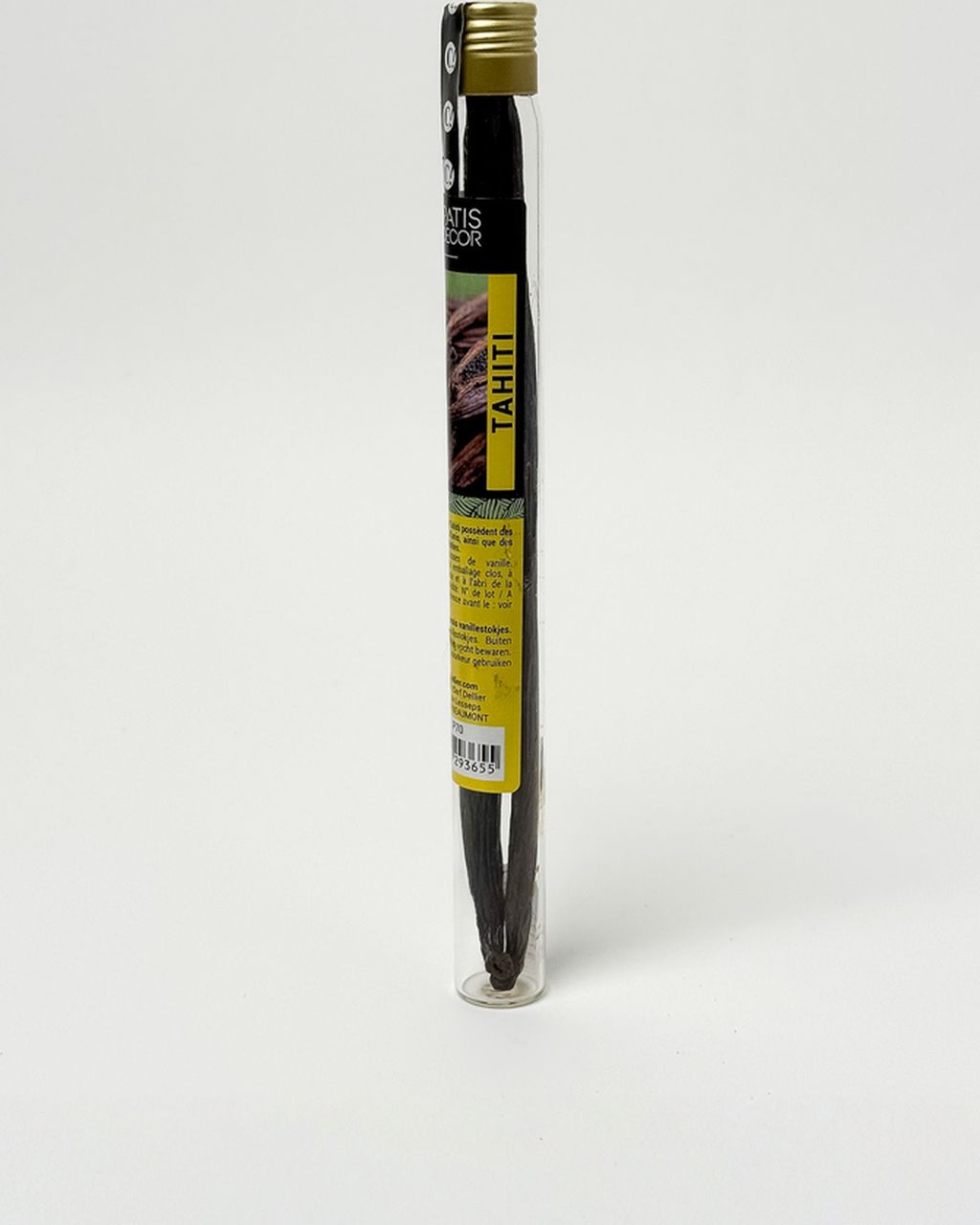
Tahitian vanilla is stored the same way as bourbon vanilla — in glass, in the dark, at 15–25°C — just air it out and check it a bit more often, say once every two weeks. Tahitian pods tend to be plumper and moister, which means a fuller aroma but also a higher risk of mould.
As a rough rule of thumb, one vanilla bean is equivalent to about 1 tablespoon (roughly 15 ml) of vanilla extract. It depends on the strength of the extract and the size of the pod though, so adjust to taste.
Vanilla beans are expensive because they demand an enormous amount of hand labour: the flowers are pollinated by hand, each one open for only a few hours, the pods then ripen on the vine for several months, and are cured and dried for months more. That's exactly why it pays to store them properly and make the most of even a scraped-out pod.
One recipe worth heating the oven for, one tip, and one deal from the shop. Nothing else.