Crema catalana with orange zest and cinnamon
Raw Egg Yolks in the Fridge: How Long They Last and When to Toss Them
Updated Sep 26, 2026
Raw egg yolks keep in the fridge for 2 days, 4 at the absolute most — and only if you seal them in an airtight container the moment you separate them and store them at the back of the bottom shelf at 39°F (4°C) or below. A whole egg in its shell lasts weeks; a separated yolk lasts days, because the moment it leaves the white, it loses all the protection the egg naturally has. Here's how to get the most out of it, how to freeze it for later, and when to toss it without a second thought.
Separated raw egg yolks last 2 days at 39°F (4°C) or below; 4 days is the absolute ceiling. Guidance from the USDA's FSIS and standard European practice both land in the 2–4 day range — stick to the lower end, since the upper limit assumes ideal cold that most home fridges rarely maintain.
Here are all the numbers in one place:
Separated raw yolks: 2 days, 4 max (airtight container, covered with water)
Separated raw whites: 2–4 days, and you can safely go for the full 4 (they genuinely hold up better than yolks)
Beaten whole eggs: 2–4 days
Whole egg in the shell: 3–5 weeks in the fridge, never past the best-before date
Frozen yolks with salt or sugar: up to 12 months (best quality within 3–4 months)
Hard-boiled eggs: 7 days, whether in the shell or peeled (peeled ones in a sealed container)
One rule trumps all the others: count the hours spent at room temperature, not the days in the fridge. A yolk that sat on the counter for two hours is worse off than one that's been chilled for two days.
The white is the egg's defence system; the yolk is its pantry — and bacteria much prefer the pantry. Egg white has a pH around 9.3, which throws most bacteria's internal balance off, plus it contains lysozyme, which breaks down cell walls, and ovotransferrin, which locks up iron so bacteria essentially starve. Studies on Salmonella Enteritidis show it survives far worse in egg white than in yolk.
The yolk, by contrast, sits at around pH 6 and is loaded with fat, protein and readily available iron — in other words, a perfect growth medium. That leads to three practical takeaways:
The riskiest moment is separation itself. Bacteria, including salmonella, can sit on the outside of the shell, and passing the yolk from one half-shell to the other drags it right across that edge. Separate into a clean palm or with a separator instead.
Crack the egg on a flat surface, not the rim of a bowl. A sharp edge pushes shell fragments — and the bacteria on them — straight into the contents.
Never mix older yolks with fresh ones. One bad yolk contaminates the whole batch, and the date on the container no longer applies to any of it.
Seal the yolks in a small airtight container, cover them with about ½ inch (1 cm) of cold water, and place it at the back of the bottom shelf. The water stops the surface from drying into a rubbery skin — without it, yolks form a tough film within hours that you'll never fully whisk into a custard. Just drain the water off before using them.
A container, not a bowl covered with plastic wrap. Less air, fewer fridge odours, less surface drying.
Go small. The smaller the exposed surface, the less oxidation and the less water you need to cover it.
Back of the bottom shelf, never the door. Door temperatures can spike to 46–50°F (8–10°C) every time it's opened — right in salmonella's favourite growth zone.
Label the container with the date and yolk count. In two days you'll remember neither, and guessing isn't worth the risk in a custard.
The two-hour rule. Anything that's been at room temperature for more than 2 hours (or over an hour above 86°F/30°C) doesn't go back in the fridge.
Trust your nose and your eyes: anything sulphurous, sour, or just "off" means it's done, as does a pinkish, greenish, or iridescent sheen — a sign of Pseudomonas bacteria. A fresh raw yolk smells neutral to faintly milky, looks smooth and glossy, and holds a firm, rounded shape.
Bin the yolks if they:
smell sulphurous, sour, ammonia-like, or otherwise unpleasant
show a pinkish, greenish, grey, or iridescent tinge
are slimy, stringy, or have collapsed into a watery mess
have any mould on the surface or the container walls
have sat in the fridge longer than 4 days, even if they still look fine
spent too long at room temperature, even if they still smell normal
A dry film on a yolk you didn't cover with water isn't spoilage on its own — that's just drying out. Judge it by age and smell, not by "it just looks a bit dried."
And don't taste-test. You can't detect salmonella or other pathogens by flavour, and one bite is all it takes.
Yes, and they'll keep for up to 12 months — but you have to mix in salt or sugar first, or they'll turn to a rubbery gel you can never whisk smooth again. Freezing causes the yolk's proteins to clump together irreversibly (a process called gelation), and that texture won't dissolve back into a custard or batter.
Ratios that work, for 4 yolks (about 65–70 g):
For savoury use: ⅛ teaspoon salt, roughly 0.7 g. Good for mayonnaise, sauces, pasta dishes.
For sweet use: 1½ teaspoons of caster sugar or glucose syrup, roughly 6 g. Good for custards, ice cream, baking.
Follow this method so they come out usable:
Stir in either salt or sugar depending on how you'll use them — never both at once.
Whisk with a fork just until combined, without beating in extra air.
Pour into a container or ice-cube tray, leaving a little headroom, since the mixture expands as it freezes.
Seal and label with the yolk count, the date, and whether they're salty or sweet. You can't tell after thawing, and a sweet yolk ending up in your mayonnaise ruins it.
Later, subtract the added salt or sugar from your recipe — 6 g of sugar you might not notice, but salt in a sauce you will.
Thaw them overnight in the fridge, never at room temperature, and use them that same day. They can't be refrozen. Keep in mind thawed yolk is slightly thinner and whips into a less stable foam: it's great for baking and cooked custards, but for raw mayonnaise, reach for fresh yolks instead.
An egg dish is safe once its core reaches 160°F (71°C) — at that point, salmonella is destroyed essentially instantly. Lower temperatures work too, but they need more time: food safety is always a combination of temperature and time, never a single magic number.
The USDA's FSIS egg products guidance lists several temperature-time pairs for each part of the egg, based on older regulatory standards; at the 3.5-minute mark, the only variable between the parts is temperature:
160°F (71°C), instantly — the standard recommendation for cooked egg dishes: bakes, quiches, baked custards
142°F (61.1°C) / 3.5 minutes — pasteurising yolk on its own
140°F (60°C) / 3.5 minutes — pasteurising whole beaten egg
134°F (56.7°C) / 3.5 minutes — pasteurising white on its own
You can trade a lower temperature for more time: the same chart lists 132°F (55.6°C) / 6.2 minutes for whites, and 140°F (60°C) / 6.2 minutes for yolks. The lower you go on temperature, the longer you have to hold it.
Notice that yolk needs a higher temperature than white — at the same 3.5 minutes, there's nearly an 8°F (4.5°C) gap between them. The fat and solids in yolk coat bacteria and partially shield them from heat, which is why yolk pasteurisation is stricter. It's also why a "lightly warmed" yolk base doesn't actually solve the safety question.
In practical kitchen terms: a custard thickens between 180 and 183°F (82–84°C) and curdles above 185°F (85°C). Bring it to 180°F (82°C) and hold it there briefly, and you've hit both safety and the right texture at once. Without a thermometer, use the spoon test — the custard coats the back of a wooden spoon, and a line drawn through it with your finger holds its shape without running back together. The same logic applies to hollandaise: whisk it over steam until it thickens and turns properly warm, not just until it foams up.
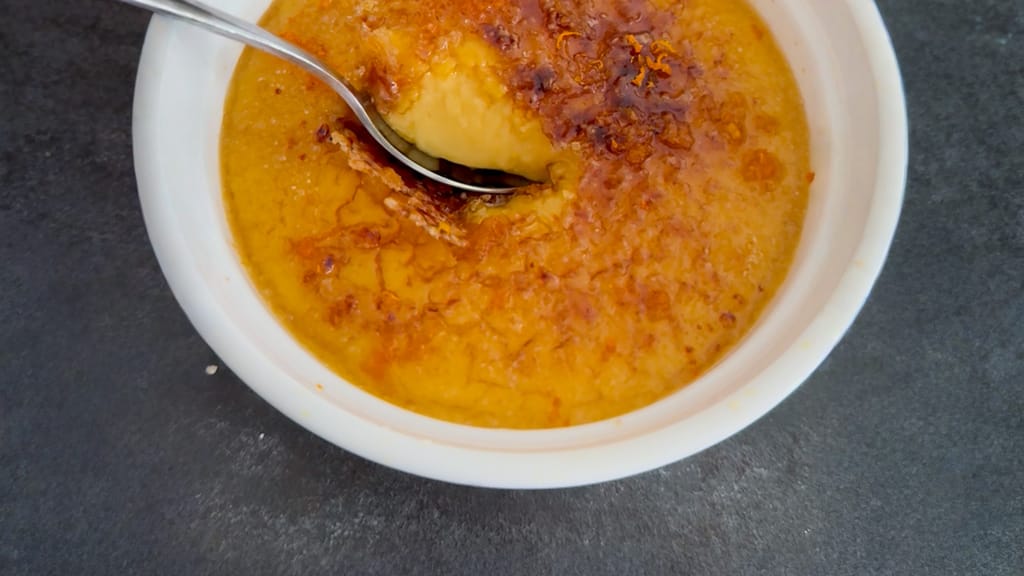
Crema catalana with orange zest and cinnamon
Crema catalana with cinnamon: an egg-yolk custard brought to just the right temperature
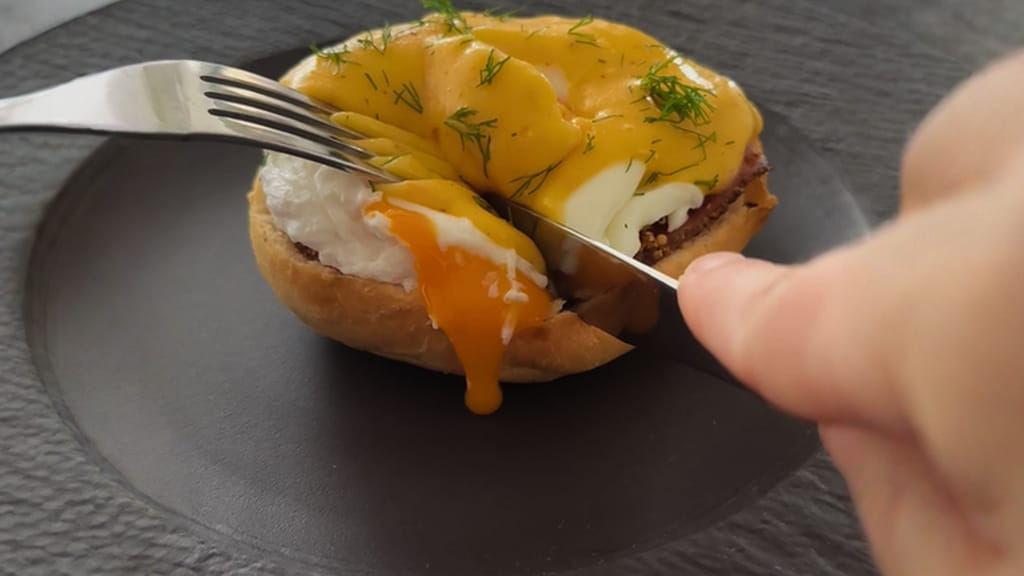
Eggs benedict with spicy hollandaise and pastrami
Eggs Benedict with a yolk-based hollandaise sauce
In dishes where the yolk stays raw, everything hinges on fresh eggs, cold temperature, and speed: eat finished mayonnaise or dessert within 24 hours, and keep it refrigerated the entire time. No amount of cooking reduces the risk here, because there isn't any cooking involved.
Mayonnaise: acidity is your ally. Vinegar or lemon juice lowers the pH enough to slow bacteria down — add it to the yolk right at the start, not just as a final seasoning touch. Even then, keep it refrigerated and use it within a day.
Tiramisu and mousses: make them the day you're serving them, not three days ahead, and keep them chilled right up until they hit the table.
Eggnog: alcohol helps, but don't count on it as a substitute for proper sterilisation. Keep it in the fridge.
Carbonara: the yolk isn't fully cooked here — it's just brought to a creamy consistency by the heat of the pasta and cooking water. Use fresh eggs and serve immediately.
At-risk groups — pregnant women, young children, older adults, and anyone immunocompromised — shouldn't eat raw eggs at all. Use pasteurised eggs instead, or a version where the yolk base is properly cooked. This is general food-safety guidance, not medical advice — if you have a health concern, check with your doctor.
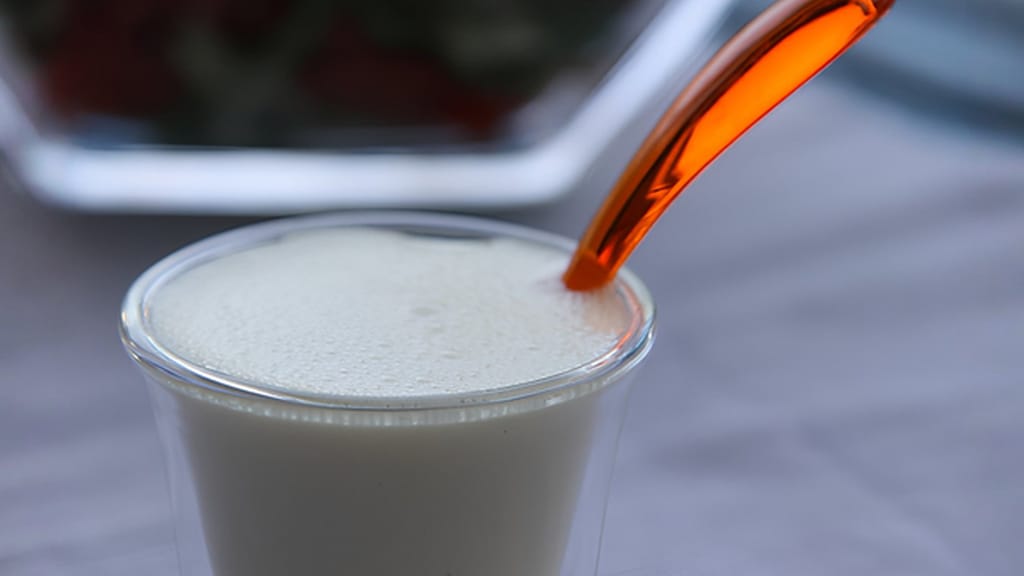
Divine homemade mayonnaise
Heavenly homemade mayonnaise with raw egg yolks: make it and eat it the same day
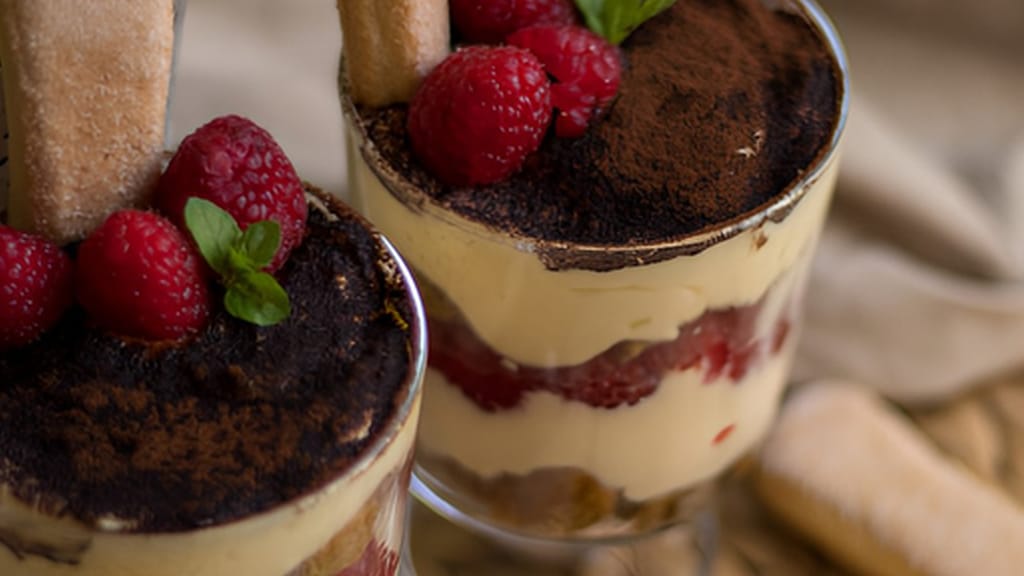
Raspberry tiramisu
Raspberry tiramisu: an egg-yolk custard that belongs straight in the fridge
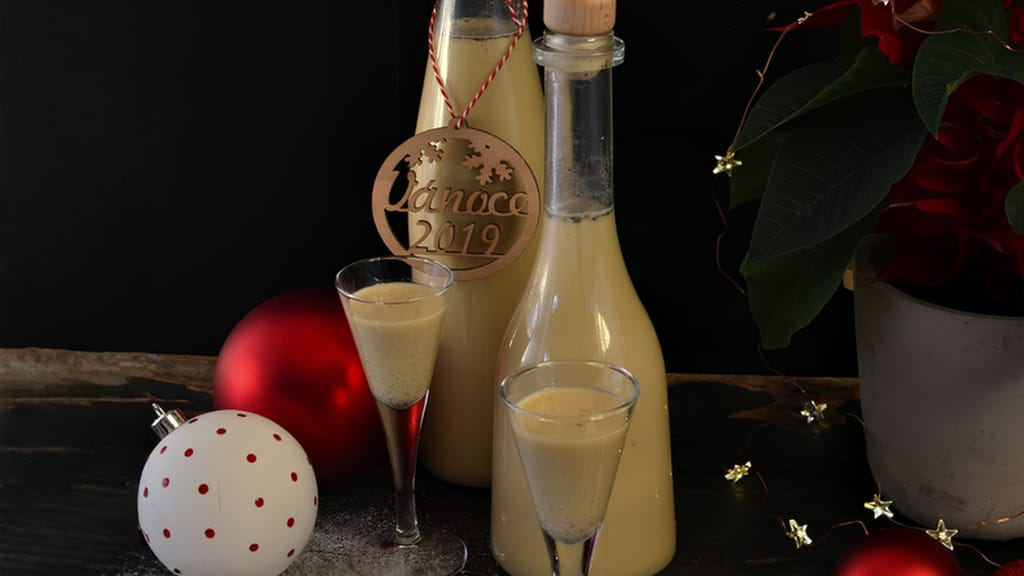
Homemade eggnog – the best christmas drink
Homemade eggnog: a Christmas classic for using up spare yolks
Use up leftover yolks within two days in shortcrust pastry, carbonara, custard, ice cream, mayonnaise, or as an egg wash. The safest way to store them, really, is not to store them at all. Here are the fastest ways to turn them into food:
Crisp shortcrust pastry — yolk without the white makes for a more tender, crumblier dough, since the fat replaces the water the white would have added
Carbonara for dinner, where 2–4 yolks disappear in ten minutes
Custard or crema catalana as a dessert that also happens to cook the yolks safely
Homemade ice cream with a custard base, where yolks give you creaminess without ice crystals
Mayonnaise and hollandaise, as long as you eat it the same day
Egg wash — one yolk with a splash of milk gives yeasted dough and gingerbread a nice shine and colour
And if you're left with egg whites instead, those hold up two days longer and have their own long list of uses.
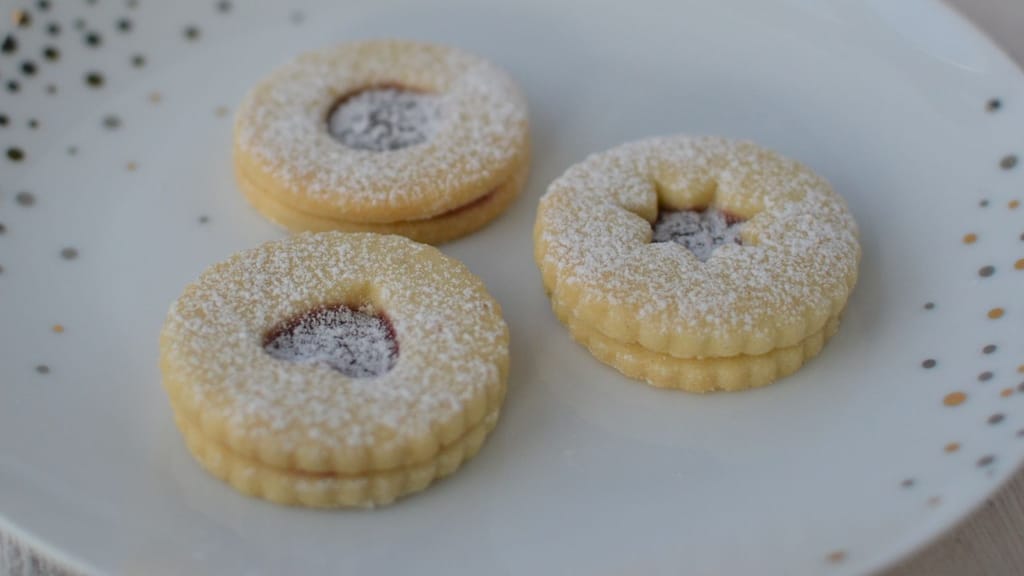
Classic christmas cookies: delicate linzer cookies
Classic Christmas cookies: crisp shortbread made with yolks only
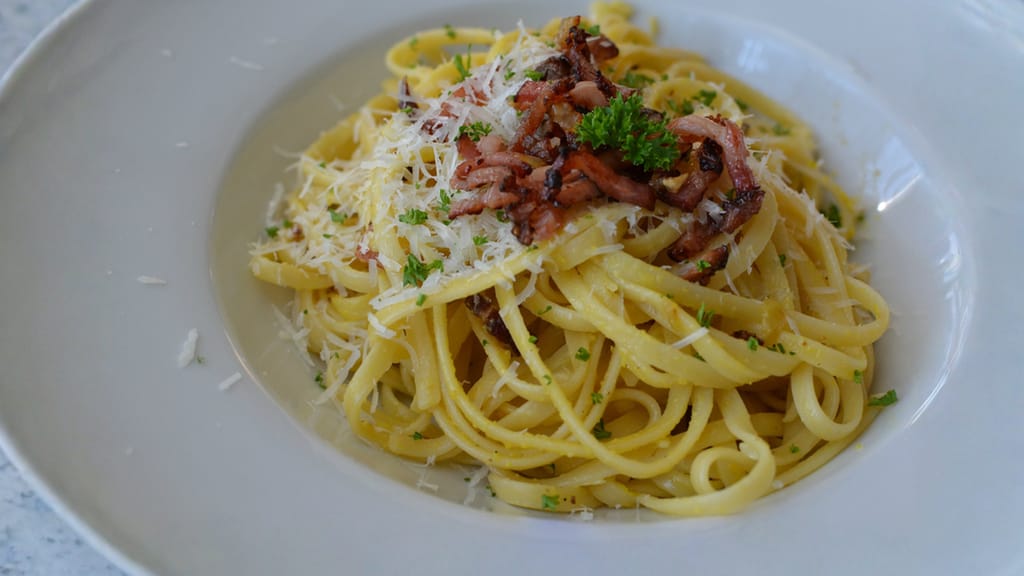
Spaghetti carbonara – an italian classic
Spaghetti carbonara: a dinner that reliably uses up leftover yolks
Raw egg yolks last no more than 2 hours outside the fridge — just 1 hour if it's above 86°F (30°C). Bacteria multiply fastest between 41°F and 140°F (5–60°C), and a separated yolk is a perfect breeding ground for them. Don't put yolks that have sat out longer back in the fridge — cold won't undo the bacterial growth, it'll only slow it down from where it stands.
No, half an eggshell isn't a storage container. The yolk dries out in it, sits exposed, and rests directly against the outer shell surface, where bacteria — including salmonella — can be present. Move it into a small airtight container as soon as you separate it and cover it with cold water.
A yolk from a medium (size M) egg weighs about 16–18 g, the white 30–33 g, and the whole egg without shell around 50 g. It's handy to know when a recipe measures in grams, or when you're portioning thawed yolks from a shared container — four yolks come to roughly 65–70 g.
No, it makes practically no difference to fridge shelf life — salt and sugar are added to yolks before freezing to prevent gelling, not to preserve them in the fridge. That's different from curing whole yolks in a bed of salt or sugar for several days until they dry out, which gives you a firm, salted yolk for grating, not a raw ingredient for custards or creams.
No, yolks from backyard eggs aren't any safer than store-bought ones — salmonella gets into an egg either from the hen itself or from outside through the shell. An unwashed backyard egg does keep its natural cuticle intact, but its shell still tends to carry more dirt overall. Store separated backyard egg yolks exactly the same way: 2 days, in the fridge, in a sealed container.
One recipe worth heating the oven for, one tip, and one deal from the shop. Nothing else.