FunCakes
Dried Egg WhiteKč 252.00
Striped Meringue Kisses for Cakes: How to Paint a Piping Bag
Updated Oct 15, 2026
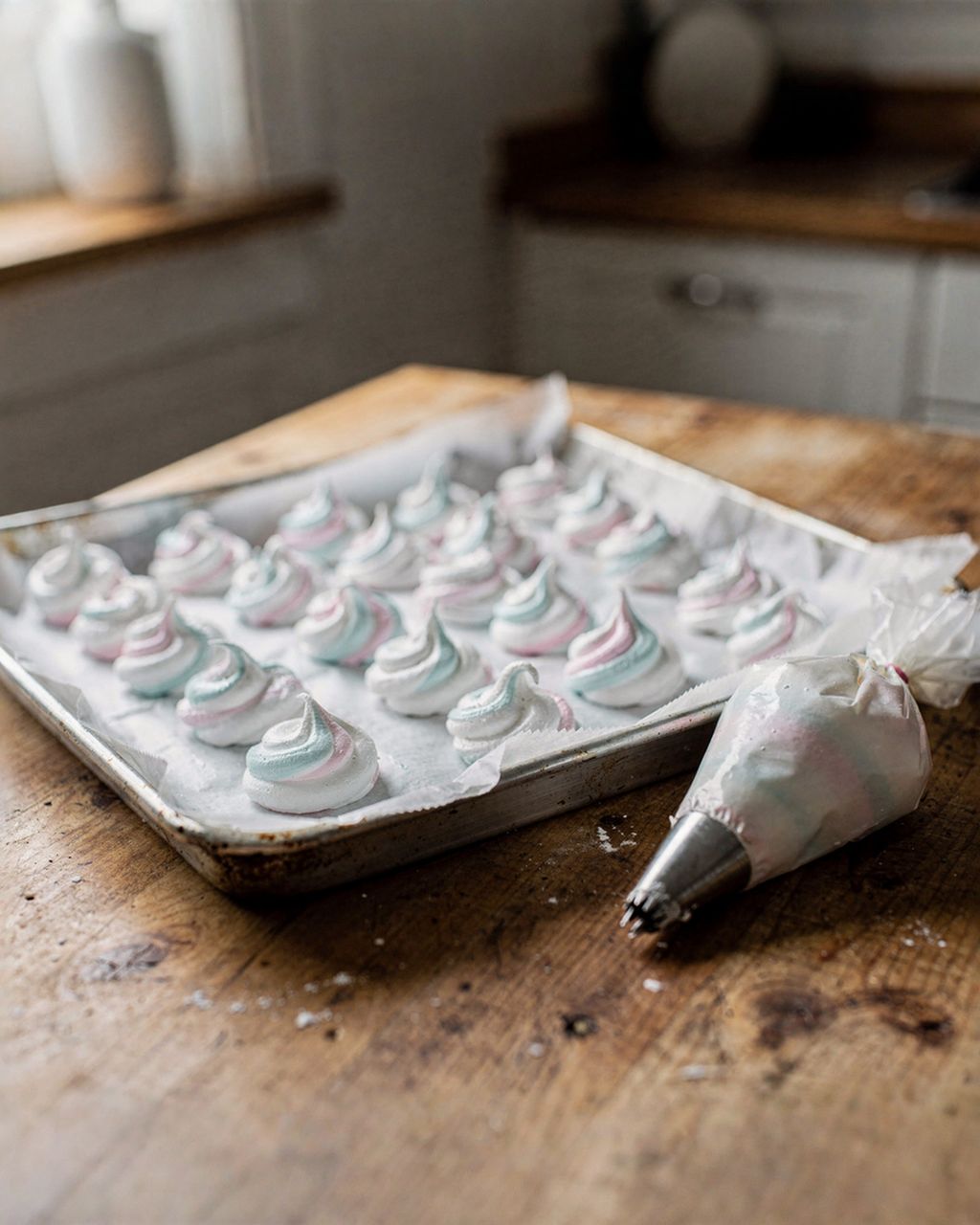
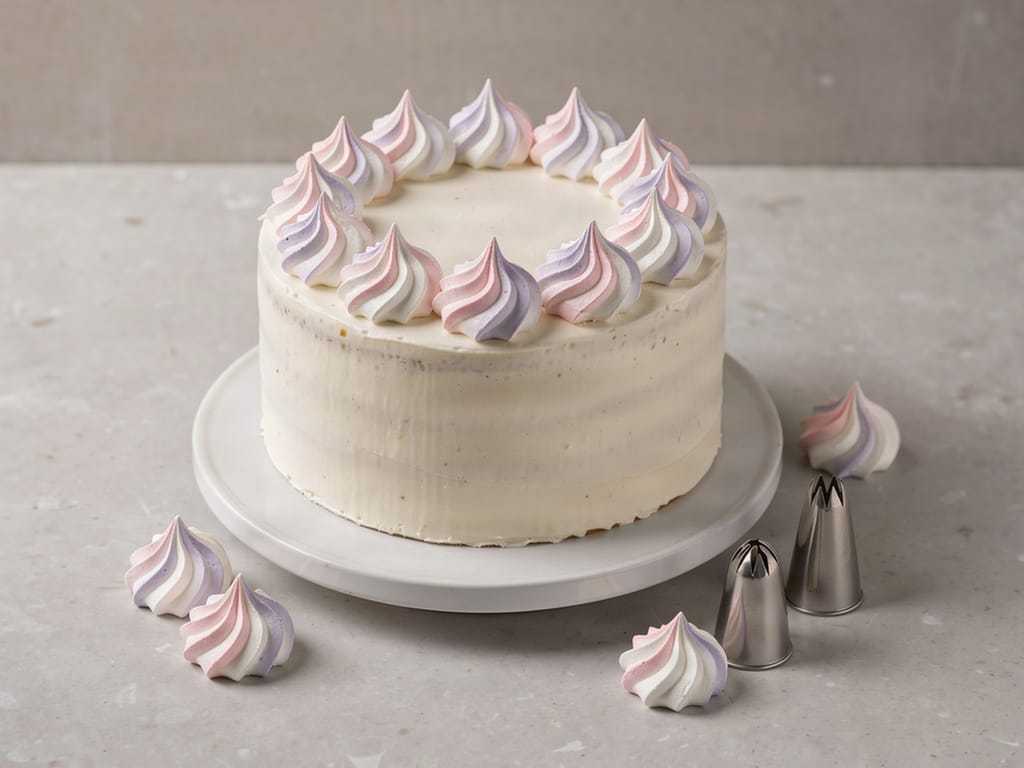
To make striped meringue kisses for a cake, paint thin lines of gel colour with a brush on the inside of a piping bag, fill it with stiff white meringue and pipe. The colour only rubs off onto the surface of the meringue, so each kiss has sharp stripes on the outside and stays white inside. It's no more work than plain meringues. What matters is the stiffness of the meringue, the type of colour, the nozzle and a low oven temperature. You'll find it all below.
Striped meringues need just six things: stiff meringue, gel colour, a thin brush, a disposable piping bag, a nozzle and a baking tray lined with parchment.
Meringue: Swiss is best, made with fresh egg whites or dried egg white.
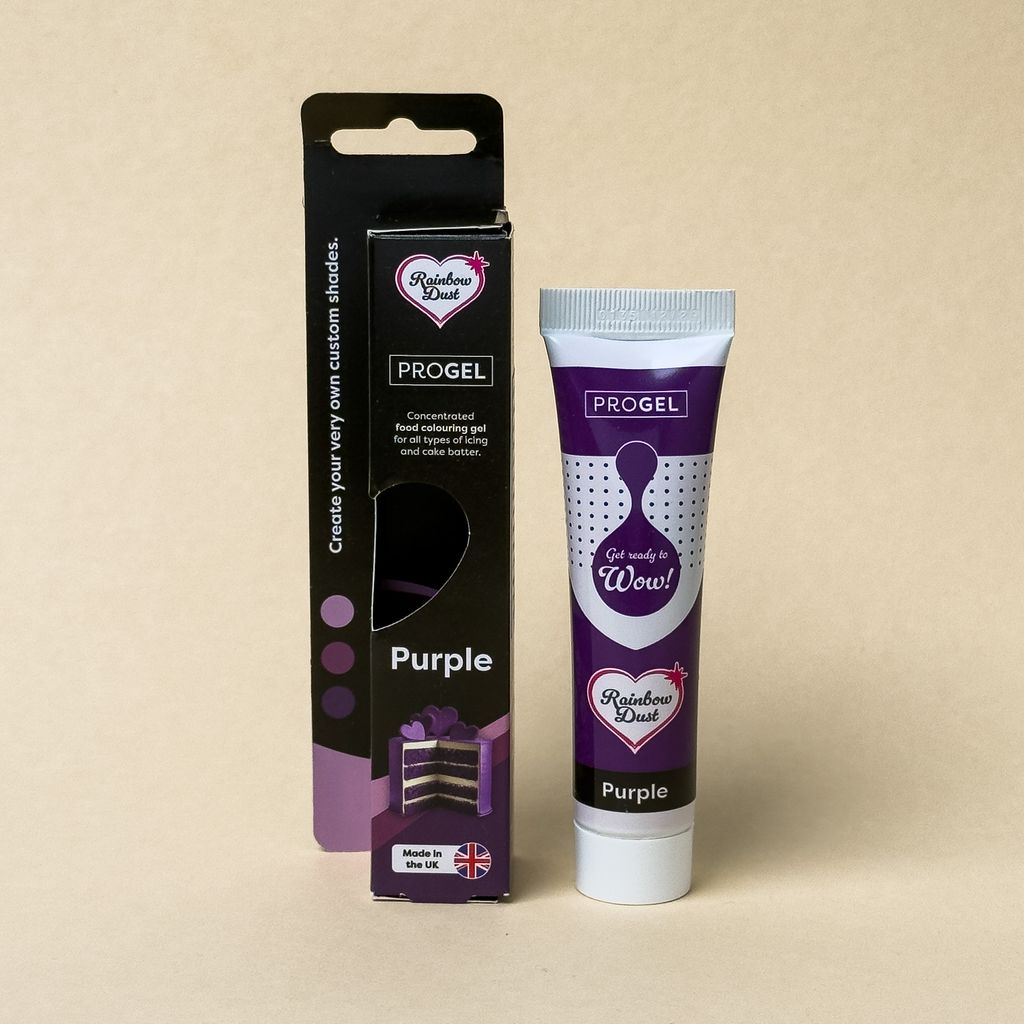
Gel colour: thick, concentrated, with no extra water. ProGel by Rainbow Dust works well, but any gel paste will do.
Brush: thin and clean, kept just for food. In a pinch, a skewer or toothpick will do.
Piping bag: a clear disposable bag. You can see right away where you're painting, and you don't have to scrub colour out of fabric afterwards.
Nozzle: an open star or drop flower nozzle for flower shapes, a round one for smooth drops.
Baking tray lined with parchment paper or a silicone mat.
You'll find dried egg white, gel colours and other decorating ingredients all in one place in the baking and decorating ingredients category.
Seasonal baking plans, tested recipes and kitchen tricks that save you time. Unsubscribe in one click.
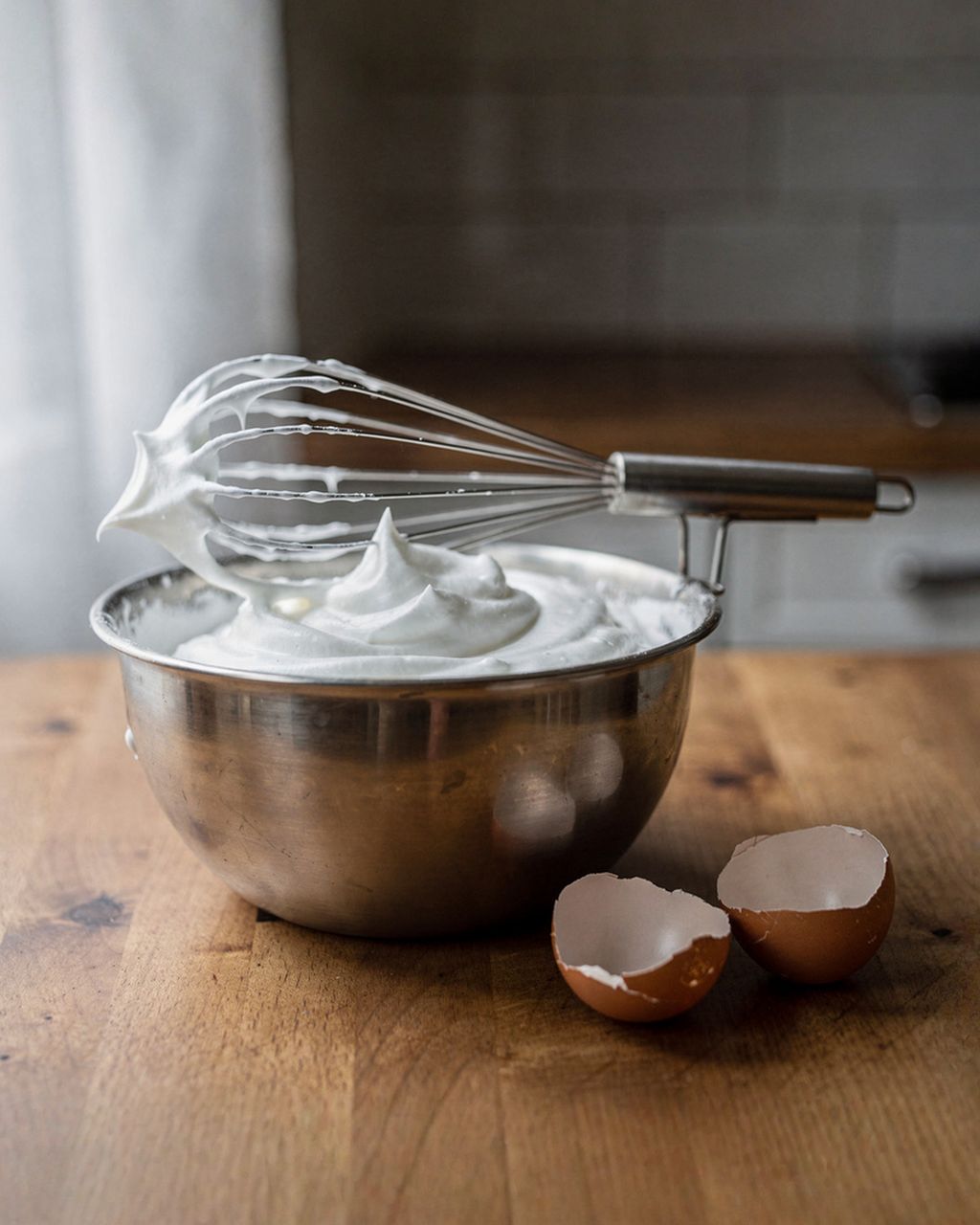
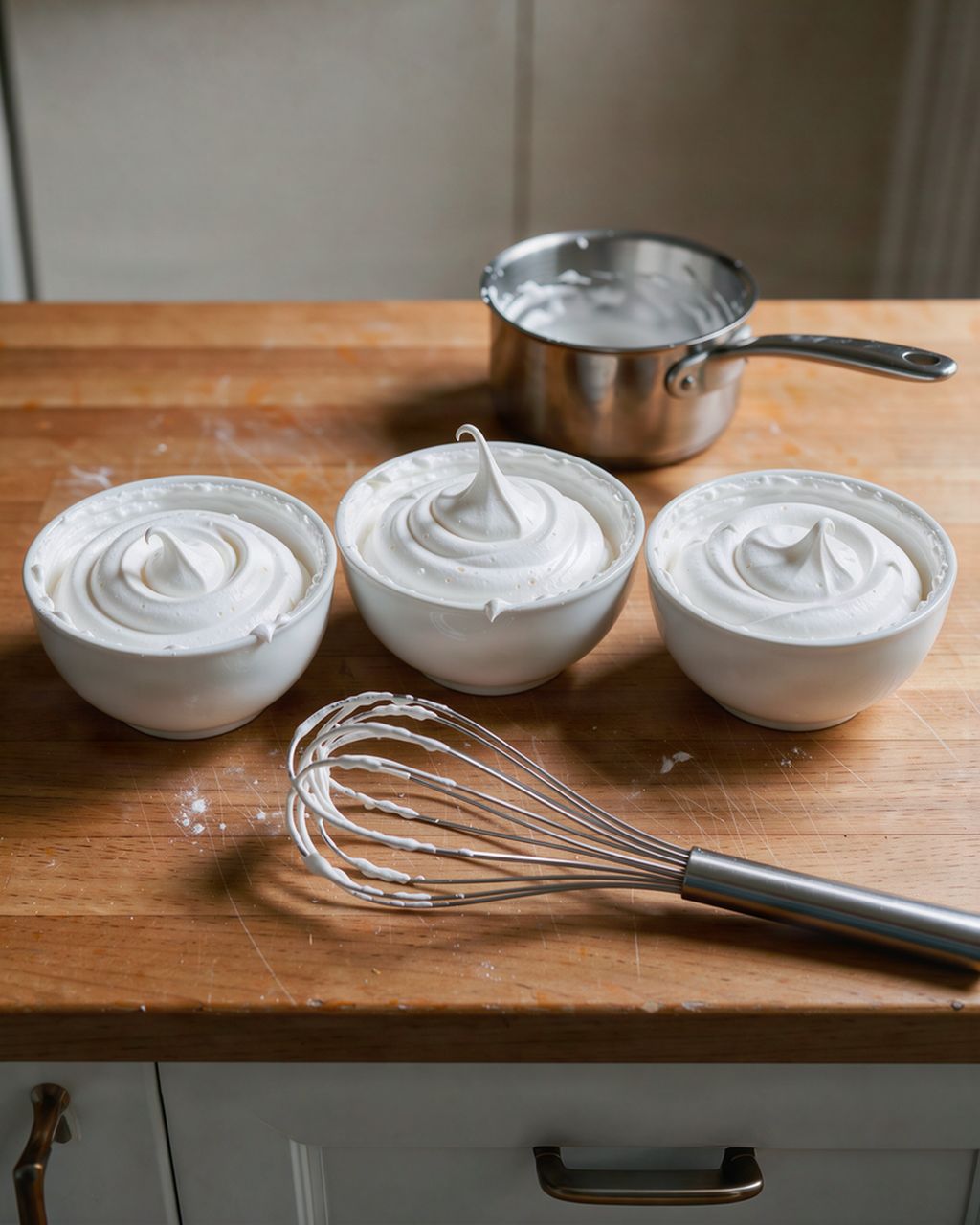
Swiss meringue is the best choice for meringue kisses on a cake. It's dense, glossy and holds the sharp lines of the nozzle, so the stripes don't smudge. Heat egg whites and sugar in a 1 : 2 ratio (for example 100 g egg whites and 200 g sugar) over a water bath to 65–70 °C (150–160 °F) until the sugar dissolves completely. Then whip it into a stiff, cool foam.
Swiss: the most stable, and it holds both its shape and the stripes best. The first choice for a cake.
French (sugar whipped gradually into raw egg whites): it works, but it's softer, collapses faster and the edges of the ridges are rounder.
Italian (egg whites whipped with hot syrup): also very stable, just more laborious. It isn't worth it for a few meringues.
Dried egg white instead of fresh. FunCakes dried egg white is pasteurised and whips reliably. According to the manufacturer, 10 g of powder + 60 ml of water makes 2 egg whites, so 5 g and 30 ml for one. Use the reconstituted egg white within 4 hours. It's handy when you don't want to be left with spare yolks, or when you want the meringue to whip up the same way every time. Fresh egg whites work just as well, but separate them carefully, because even a drop of yolk will ruin the meringue. Pasteurised liquid egg white from a carton, according to bakers' experience, whips less well and the foam tends to be less firm. You'll find the whole process from whipping to drying in the article meringue kisses: how to bake them crisp, even with dried egg white.
You paint the bag on the inside: with a brush dipped in gel colour, draw 3–6 thin vertical lines from the nozzle upwards, about 10–15 cm (4–6 in) high, and only then spoon the meringue into the middle.
Fit the nozzle. Snip the tip of the bag so the nozzle sticks out about halfway. Drop the nozzle straight in, without a coupler, because a coupler would break up the stripes.
Open the bag. Fold it over the rim of a tall glass so your hands are free and you can see inside.
Paint the stripes. Dip the brush in gel colour and draw lines along the inside wall from the edge of the nozzle upwards. A thin, continuous layer per stripe is enough. A thick layer smears into the meringue and the whole kiss turns coloured. The colour should reach all the way to the nozzle, otherwise the meringues will have a white tip.
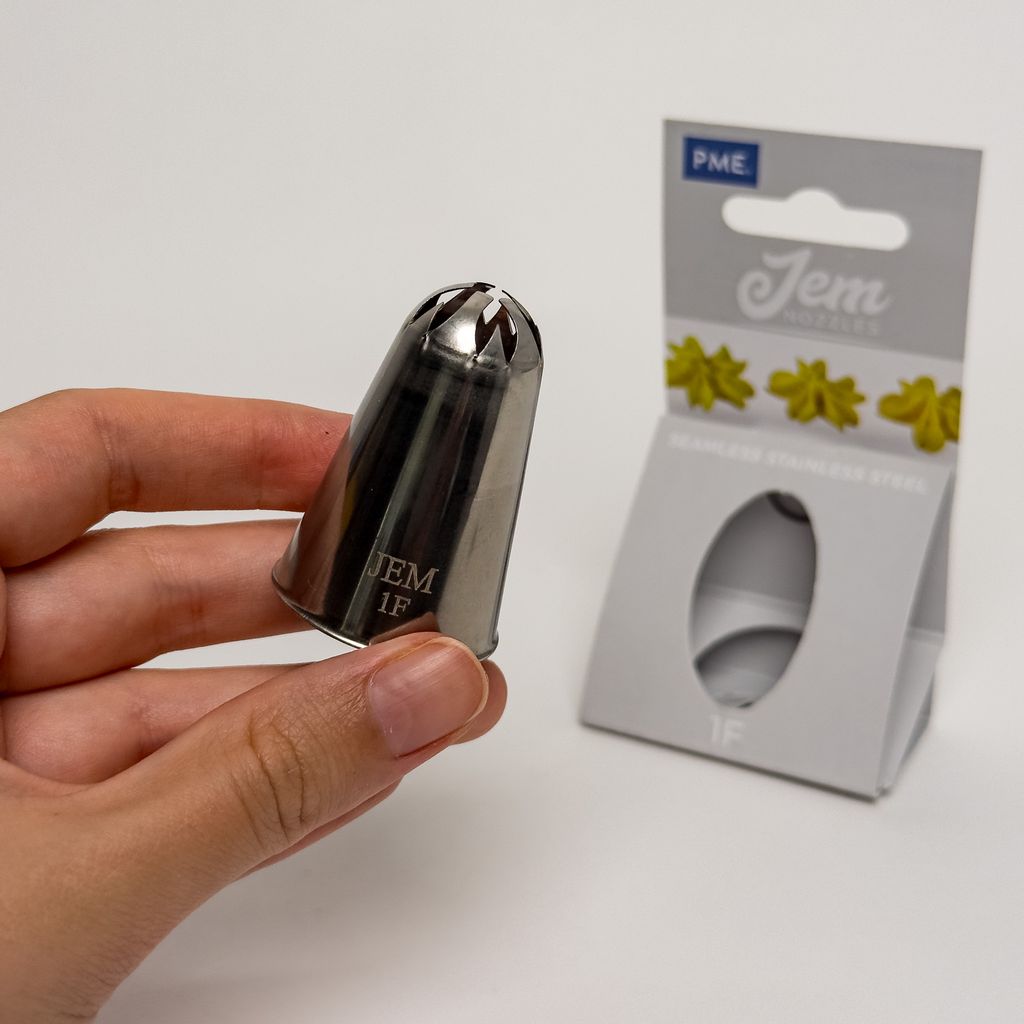
Space the stripes to suit the nozzle. With a star or 1F nozzle, line the stripes up with the ridges of the nozzle and they'll come out cleaner.
Fill with meringue. Spoon or scrape the meringue into the middle of the bag without touching the walls. Fill it no more than two-thirds full, then twist and close the bag.
Pipe a test one. The first 2–3 meringues carry the most colour. Pipe them off to the side until the stripes come out clean.
Pipe straight down. Hold the bag vertically about 1 cm (½ in) above the tray, squeeze, release the pressure and lift. Make meringue kisses for a cake small, 2–3 cm (about 1 in) across, and leave about 2 cm (¾ in) between them.
One painted bag lasts for roughly 20–30 small meringues. After that the colour weakens and the stripes fade. For the next batch, take a new bag, or paint fresh stripes into the same one.
The bag calls for gel colour. It's thick, stays on the wall where you paint it, and you need so little that it adds almost no water to the meringue. Liquid food colouring from the shop runs down the bag and smears, and the water in the meringue weakens the foam, so the meringues spread.
Gel (ProGel, Sugarflair, Wilton and similar): sharp stripes and rich shades, the choice for this technique.
Powder: you can mix it with a drop of alcohol into a paste and paint with it. It works, but the layer dries quickly and is harder to spread.
Liquid: not suitable for the bag.
Metallic and shimmer: not for the bag. Mix them with a few drops of alcohol and brush them onto the baked meringues.
Shades fade slightly during baking, especially pinks and reds. So paint them one step deeper than you want the result to be. If you want an exact shade from several gels, mix it on a small plate beforehand and only then apply it to the bag, so you're not mixing blind.
Three shapes are used most for meringue kisses on cakes: the 1F drop flower for large swirled flowers, the no. 18 open star for smaller stars and a round nozzle for smooth drops.
JEM 1F (drop flower): it has deep curved teeth. If you twist the bag slightly as you squeeze, you get a swirled flower about 3 cm (1¼ in) wide. The stripes spiral nicely around it. Wilton 1M or 2D nozzles behave similarly, though Yumsto doesn't carry them.
JEM no. 18 open star: smaller, with straight teeth. It makes stars about 2 cm (¾ in) across, ideal for a crown around the edge of a cake or for cupcakes.
Round nozzle: smooth drops with a sharp tip. The stripes are cleanest on these because no ridges interrupt them.
Feel free to combine two sizes on one cake, for example large flowers from the 1F on top and tiny stars from the no. 18 around them. Wash the nozzles right after use in warm water with washing-up liquid, or a coloured film will dry in the grooves.
You can make striped meringue kisses for cakes in three variations: two-tone stripes, ombré and rainbow.
Two-tone stripes: alternate two colours, such as pink and purple. Leave white gaps between the stripes so the colours don't blend.
Ombré: one gel in three intensities (undiluted, lightened with a drop of white gel colour, lighter still). Each batch gets a different shade, and on the cake you build a gradient from them.
Rainbow: six thin stripes around the bag, each a different colour.
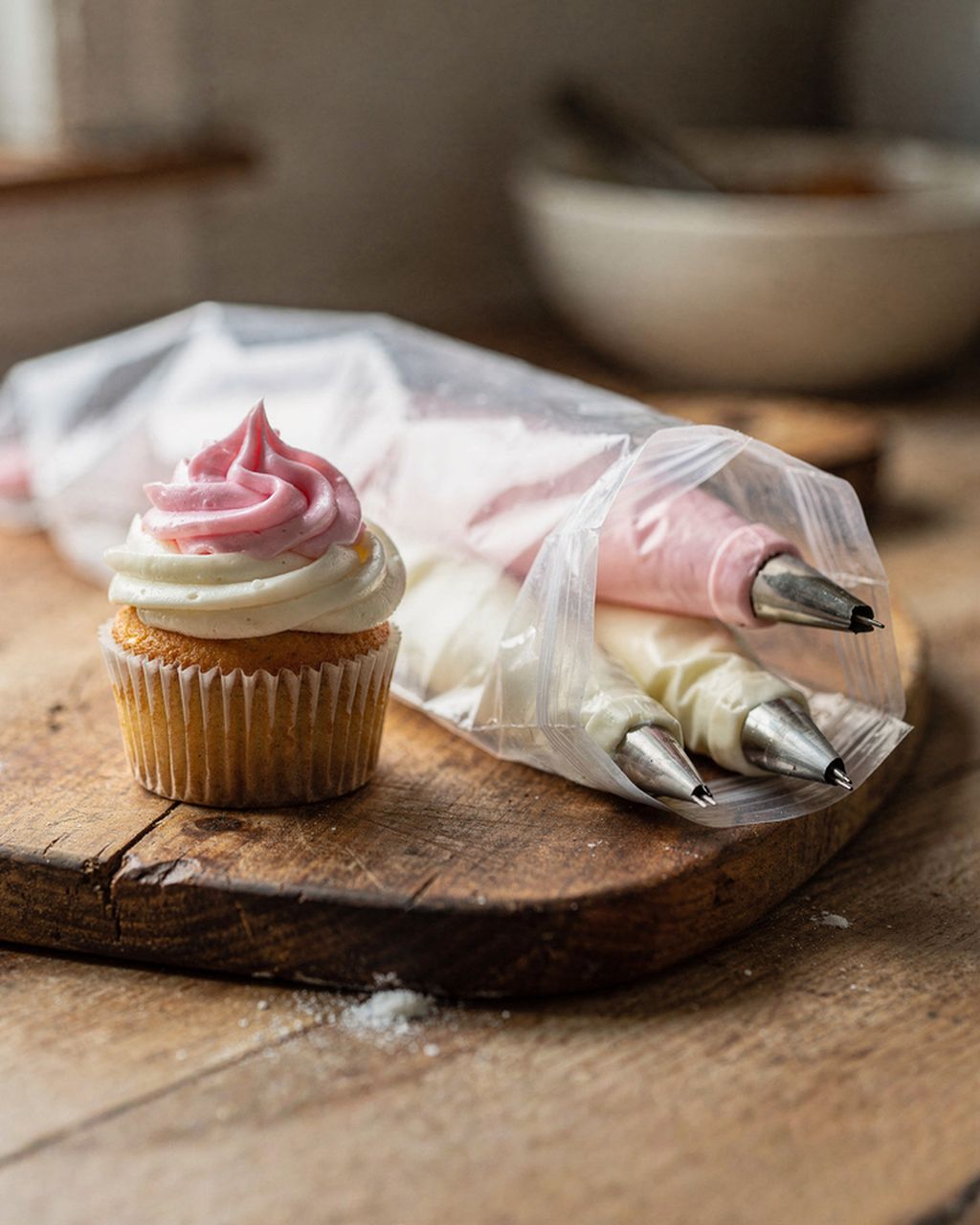
Painted stripes are not the same as a two-tone filling. With that, you put two coloured meringues or creams side by side in the bag, and the meringue comes out half one colour and half the other, with a soft transition instead of sharp stripes. We show how to fill a bag with two colours in the article two-tone cream: how to fill a piping bag with two colours. You can combine the two techniques: a two-tone meringue with a darker stripe on top.
Meringues also work as a dessert on their own, for example lilac meringues with lemon cream and fresh fruit.
Dry striped meringues at 90–100 °C (195–210 °F), small ones (2–3 cm) for roughly 60–90 minutes, then let them cool in the switched-off oven with the door slightly open. At a higher temperature the meringue turns yellow and brown, and the colours go grey.
They're done when they peel easily off the paper and the base is dry.
A fan oven dries more evenly, but set it to the low end of the temperature range.
If the meringues start to take on a beige tinge, turn the oven down by 10 °C.
We go into the drying in detail, including how to tell a crisp centre, in the article on crisp meringue kisses.
Add meringue kisses to the cake just before serving, a few hours ahead at most. The sugar in the meringue attracts moisture, so meringues on cream gradually soften and the colour from the stripes can start to bleed.
Whipped cream: the most moist. Meringues soften fastest on it, so add them just before serving.
Buttercream and ganache: drier, and meringues stay crisp on them longer.
Fridge: it's humid in there. Keep the finished cake with meringues in it for as short a time as possible.
Securing them: stick larger meringues on with a dot of cream or melted chocolate so they don't slide off.
For the meringues to sit level, you need a cake with a flat top and a sharp edge, so cover it with cream before you start decorating.
FunCakes
Dried Egg White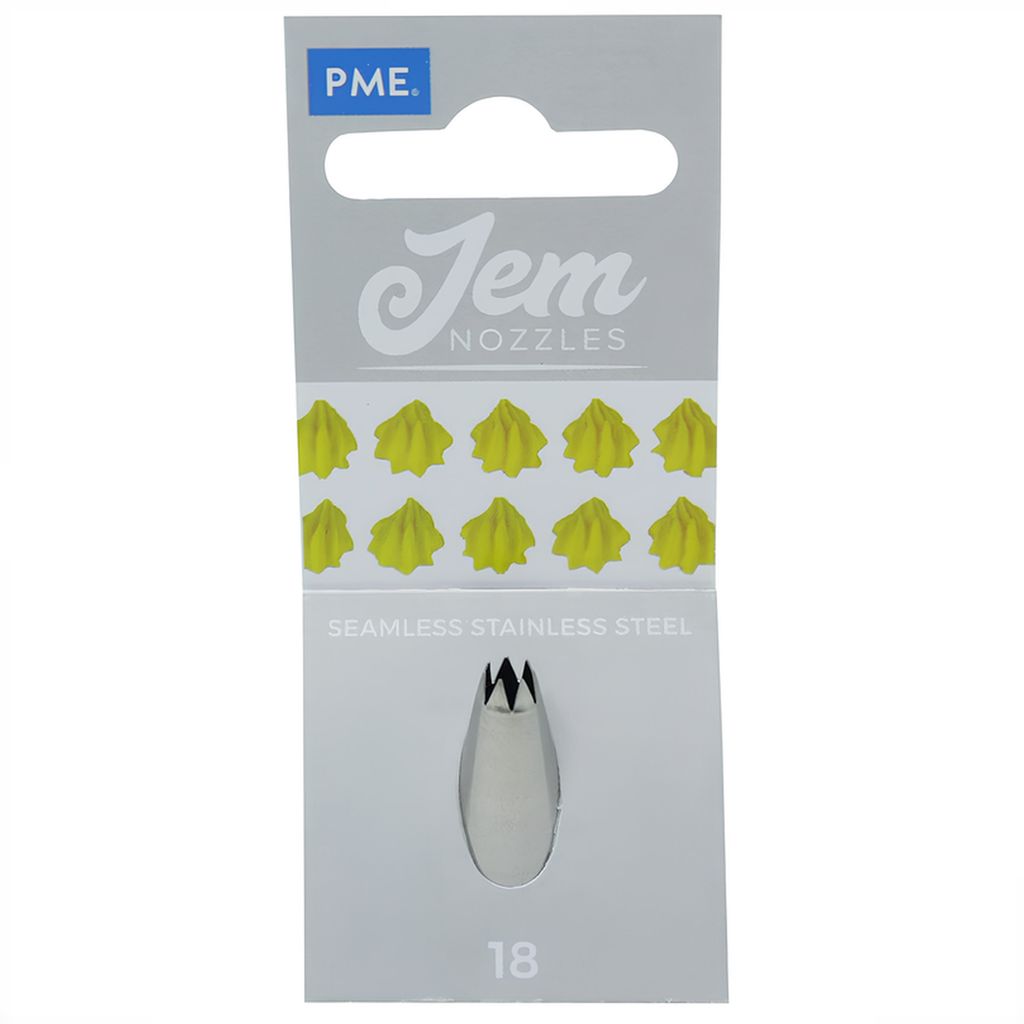
JEM
JEM Piping Tip Open Star #18
One Way
Piping Bags 36x20 cm, 100-PackWell-dried meringue kisses keep for about 1–2 weeks at room temperature in a dry, airtight container. Don't put them in the fridge, as the moisture would soften them. The stripes hold their colour the whole time, but keep them out of direct sunlight, which fades the colours over time.
For a crown around the edge of a 20 cm cake you need about 25 small meringues, 2.5 cm in size. The cake's circumference is roughly 63 cm. If you want to fill the middle as well, count on 40–50 pieces, ideally in two sizes.
Yes, striped meringues can also be made with aquafaba (chickpea water), and painting the bag works exactly the same way. The foam is softer and more sensitive to moisture, though, so dry it longer at a lower temperature, around 80–90 °C (175–195 °F), and put the meringues on the cake just before serving.
Meringues most often crack because the temperature is too high or changes too suddenly. Dry them at 90–100 °C (195–210 °F) and let them cool in a slightly open oven. Undissolved sugar in the meringue also encourages cracking, so with Swiss meringue, keep heating until you can't feel any grains between your fingers.
Yes, you can tint the whole meringue with a drop of gel colour and paint the bag with a deeper shade. You'll get pastel meringues with darker stripes. Whip the gel in at the very end, into the finished stiff meringue, and only briefly so the foam doesn't collapse.
One recipe worth heating the oven for, one tip, and one deal from the shop. Nothing else.