- Season
- Year-round
- Price
- Medium
- Nutrition per 100 g
- 376 kcal
- 79.9 g protein
- 0.7 g fat
- 6 g carbs
Dried Egg White
Baking ingredients
Dried Egg White
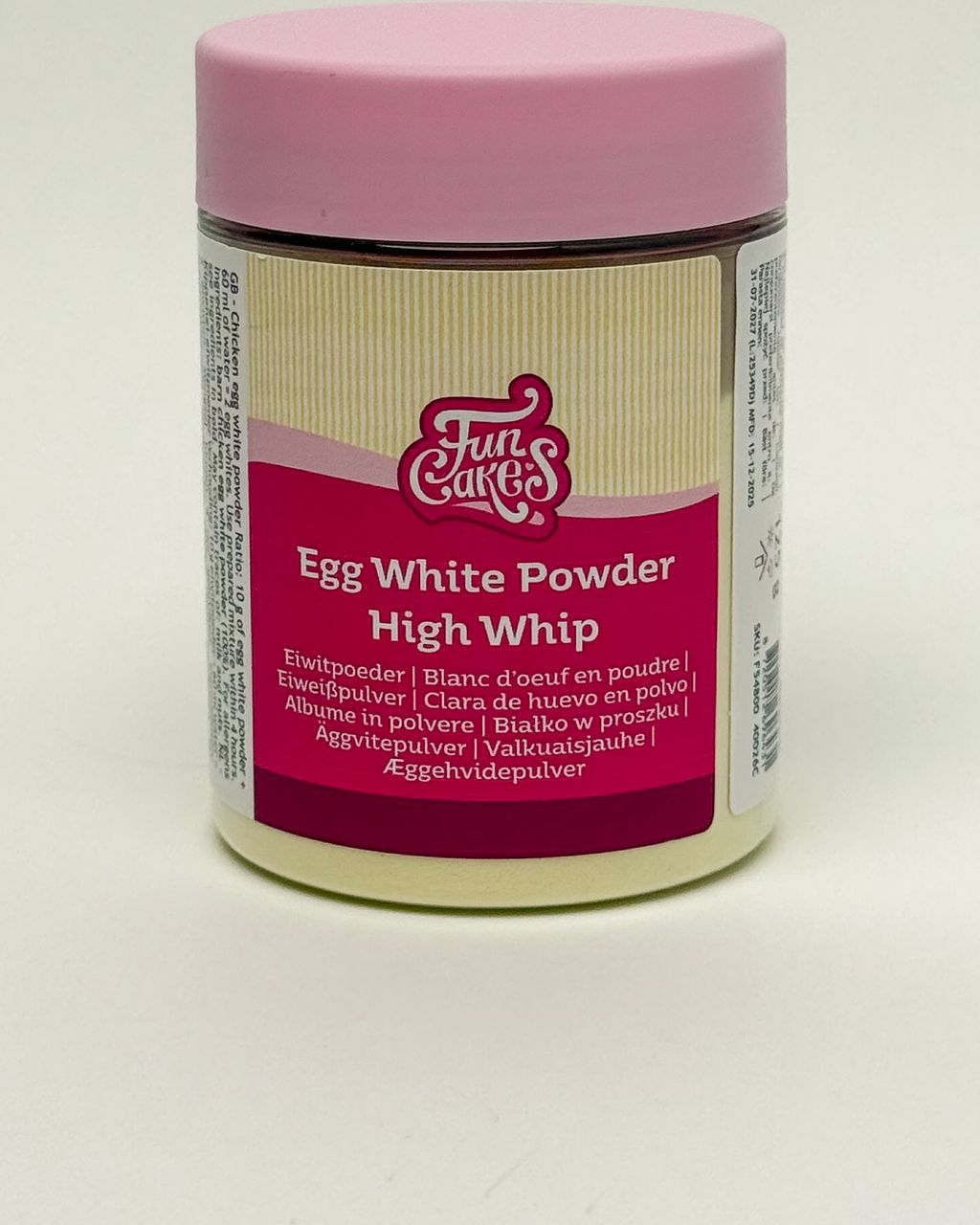
Dried egg white, also known as egg white powder or dried albumen, is a fully dehydrated form of fresh egg whites. Produced primarily through spray drying—where liquid egg whites are atomized into fine droplets and rapidly evaporated in a column of hot air—this shelf-stable powder retains the functional properties of fresh whites while offering superior convenience.
In practice
How to store
- On the counter
Store in an airtight container in a cool, dark, dry location and use by the best-before date on the pack, typically 1–2 years unopened. Humidity is the enemy—consider adding a food-safe desiccant packet to absorb moisture.
- In the fridge
Refrigeration is not needed and adds a risk of condensation; if you do refrigerate, keep the container airtight, follow the best-before date on the pack, and let the powder come to room temperature before opening.
- In the freezer
Freezing is not necessary for a dry powder; whatever the storage method, follow the best-before date on the pack.
How to choose
Seek out brands that specify "100% egg whites" with no additives, anti-caking agents, or added sugars. Quality dried egg whites should appear as a fine, uniform off-white to pale cream powder with no clumping or discoloration. For baking applications requiring maximum whipping capacity, look for products labeled "high-whip" or "baker's grade." Pasteurization is standard, but verify this on the label for uncooked preparations. Avoid products with a stale or off-putting odor, which indicates oxidation or improper storage.
What to swap in
Best swap
Fresh egg whites remain the gold standard for texture and performance—use 1 large egg white (approximately 30g) for every 2 teaspoons powder plus 2 tablespoons water. Meringue powder (which contains dried egg whites plus sugar and stabilizers) works excellently for royal icing.
In a pinch
Aquafaba (chickpea brine), about 2 tablespoons (30 ml) per egg white, provides a vegan alternative that whips similarly for meringues and mousses. Gelatin dissolved in water can replicate binding properties in some applications, though it does not behave like egg white in meringues.
Preparation
The standard reconstitution ratio is 2 teaspoons of dried egg white powder to 2 tablespoons of lukewarm water to equal one fresh egg white. Whisk the powder into the water gradually, then let the mixture hydrate for 5-10 minutes before using. For meringues and foams, ensure the reconstituted whites reach room temperature for optimal volume. The powder can also be added directly to dry ingredients in baking recipes, with the corresponding water added to wet ingredients.
Don't toss it
Unlike fresh eggs, dried egg whites produce zero shell waste and eliminate the dilemma of leftover yolks. Measure precisely what you need, reducing food waste entirely. Store partially used containers properly, and use any powder approaching its expiration date in protein-boosted smoothies or as a clarifying agent for homemade stocks.
Buy it from us
In the kitchen
Cooking
Dried egg whites excel in whipping applications—meringues (Swiss, French, and Italian), angel food cake, soufflés, and macarons. They are indispensable for royal icing, providing the protein matrix that sets firm for cookie decoration. In cocktails, reconstituted whites create the silky foam atop whiskey sours and pisco sours without raw egg concerns. The powder can be incorporated directly into bread doughs for enhanced crust browning, added to smoothies for protein fortification, or used as a clarifying agent in consommés and homemade wines.
Goes well with
- Powdered sugar
- Cream of tartar
- Vanilla extract
- Lemon juice
- Almond extract
- Cocoa powder
- Citrus zest
- Honey
- Maple syrup
- Chocolate
- Fresh berries
- Toasted nuts
What it is
Dried egg white, also known as egg white powder or dried albumen, is a fully dehydrated form of fresh egg whites. Produced primarily through spray drying—where liquid egg whites are atomized into fine droplets and rapidly evaporated in a column of hot air—this shelf-stable powder retains the functional properties of fresh whites while offering superior convenience. Pasteurised during production, it greatly reduces the food safety risks associated with raw eggs, making it the preferred choice for uncooked applications like royal icing and Italian meringue.
How it tastes
Dried egg white possesses an exceptionally neutral, clean flavor profile that serves as a blank canvas in both sweet and savory applications. When reconstituted, it delivers the same subtle, faintly sulfurous undertone characteristic of fresh whites, though the drying process often mellows any residual "eggy" notes. The powder itself is virtually tasteless, which is precisely why pastry chefs prize it—it provides structure, lift, and binding without imparting unwanted flavors to delicate confections.
Did that help? We’ll send you more tips by email.
Seasonal baking plans, tested recipes and kitchen tricks that save you time. Unsubscribe in one click.
Common questions
How do I reconstitute dried egg white powder?
Is dried egg white powder safe to eat without cooking?
How long does dried egg white powder last?
Can I use dried egg white powder for meringue?
What is the difference between dried egg white powder and meringue powder?
Can vegans use a substitute for dried egg white powder?
Deep dive
4 min read
Varieties
The market offers several grades of dried egg white: standard spray-dried powder for general baking; high-whip or instant varieties treated for superior foaming capacity; and organic or free-range options from hens raised under specific welfare standards. Some products undergo additional processing like "dry heating" or "heat treatment" post-drying, which enhances gelling and foaming properties through controlled protein denaturation. Freeze-dried egg whites represent a premium category, preserving more delicate protein structures but commanding higher prices. Commercial bakeries often use specialized functional blends optimized for specific applications like angel food cake or meringue production.
History
The dehydration of eggs emerged as a commercial endeavor in the late 19th century, with advertisements for powdered eggs appearing in American publications by the 1890s. The technology gained critical importance during World War II, when the U.S. military required shelf-stable, transportable protein sources for troops abroad. Production of dried egg, mostly whole-egg powder, rose dramatically—from roughly 20,000 tonnes in 1941 to around 145,000 tonnes by 1944—as spray-drying technology scaled to meet wartime demand. Post-war, the industry contracted but never disappeared; dried egg whites found permanent homes in commercial bakeries, confectioneries, and the burgeoning prepared food industry. The 21st century has witnessed renewed consumer interest driven by food safety concerns, the rise of home baking, and the fitness community's embrace of egg white protein as a clean, complete amino acid source.
Science
The magic of dried egg whites lies in the remarkable properties of their constituent proteins—primarily ovalbumin (54%), ovotransferrin (12%), ovomucoid (11%), and lysozyme (3.5%). When whisked, these proteins unfold and create a network that traps air bubbles, producing the stable foams essential to meringues and soufflés. The spray-drying process subjects these proteins to thermal and mechanical stress, which can partially denature them and initially reduce foaming capacity. However, manufacturers counteract this through "dry heating"—storing the powder at elevated temperatures (typically 60-80°C) for several days—which paradoxically restores and even enhances functional properties through controlled protein aggregation. The absence of water in the powder prevents microbial growth and enzymatic degradation, explaining the extraordinary shelf life. When reconstituted, the proteins rehydrate and largely regain their native functionality, though subtle structural changes may affect foam stability, necessitating the addition of acid (cream of tartar, lemon juice) to strengthen protein networks.
Sourcing and ethics
The ethical landscape of egg production has undergone significant transformation, with growing consumer and corporate pressure driving a shift toward cage-free systems. Many dried egg white manufacturers now offer products sourced from cage-free or free-range hens, though these terms carry varying definitions across regions. Conscientious consumers should look for the EU organic logo or free-range sourcing, which mandate specific welfare standards. The environmental footprint of dried egg whites is generally favorable compared to fresh eggs due to reduced transportation weight, extended shelf life minimizing waste, and elimination of cold-chain requirements. However, the industrial egg production underlying most commercial powder remains a subject of ongoing ethical debate regarding hen welfare, environmental impact of intensive poultry farming, and the fate of male chicks in hatcheries.