Wild garlic spread

Updated Jul 19, 2026
Spring herbs are the season's first fresh greens – wild garlic, dandelion and nettle grow freely from March to May, and then they're gone in a matter of weeks. In this article you'll find out which ones are safe to eat, how to tell them apart from their poisonous look-alikes, where to forage responsibly, and what to cook with them. No waffling about nature waking up – straight to the point: what, where, how, and what to watch out for.
Spring herbs are a free source of vitamins and minerals at exactly the moment you most appreciate fresh greens after winter. In short, they've got four things going for them:
Loads of vitamin C – wild garlic contains around 150 mg per 100 g by measurement, roughly three times more than an orange.
Iron and potassium – both nettle and dandelion are iron-rich plants, and their vitamin C content even helps your body absorb it better.
Antioxidants – flavonoids and other plant compounds that studies link to protecting cells from free radicals.
Flavour – garlicky bite, bitter freshness, deep green flavour. Nothing you'll find at the supermarket in March.
It's not miracle medicine, but it is honest, fresh greenery at a time of year when there's not much else around.
The main spring herb season runs from March to May, and the best spots are damp deciduous woods, meadows and roadside verges away from traffic. Here's where to look for what:
Meadows are where you'll find dandelions, daisies and young nettles – they grow abundantly and are easy to get to. Stick to common species, though; meadows are often home to protected plants too, which should be left alone.
Damp beech woods and floodplain forests are home to wild garlic, which emerges early in spring, before the trees are in full leaf. Stay on the paths and avoid trampling the undergrowth, so the greens can grow back next year too.
If you can't get out of the city, parks are a handy alternative for daisies or young nettles. Forage well away from paths and dog-walking routes, and avoid any areas that are regularly sprayed.
Only take as much as you'll actually use, and never pull up whole clumps, roots or bulbs included – that way the plant can regrow next year too. Stick to a few simple rules: stay away from roads, never forage on private land without permission, and leave protected species alone.
You can identify wild garlic (Allium ursinum) reliably by one thing alone: a crushed leaf smells strongly of garlic. That smell is exactly what sets it apart from the poisonous look-alikes it can be confused with.
It grows in damp deciduous woods and is foraged from March to May, ideally before the plant flowers. Each leaf grows individually on a long stalk straight from the ground – another clue to help you identify it.

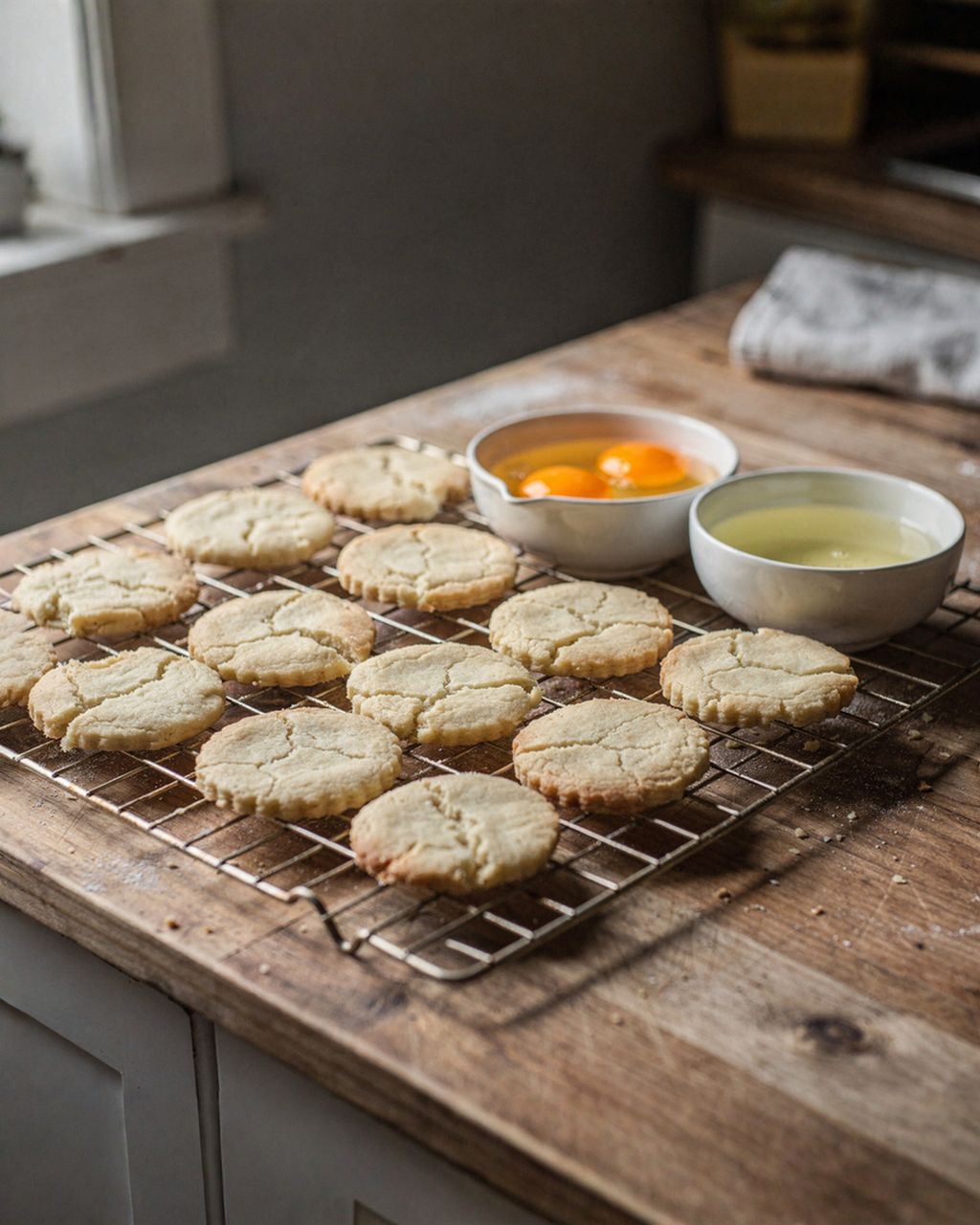
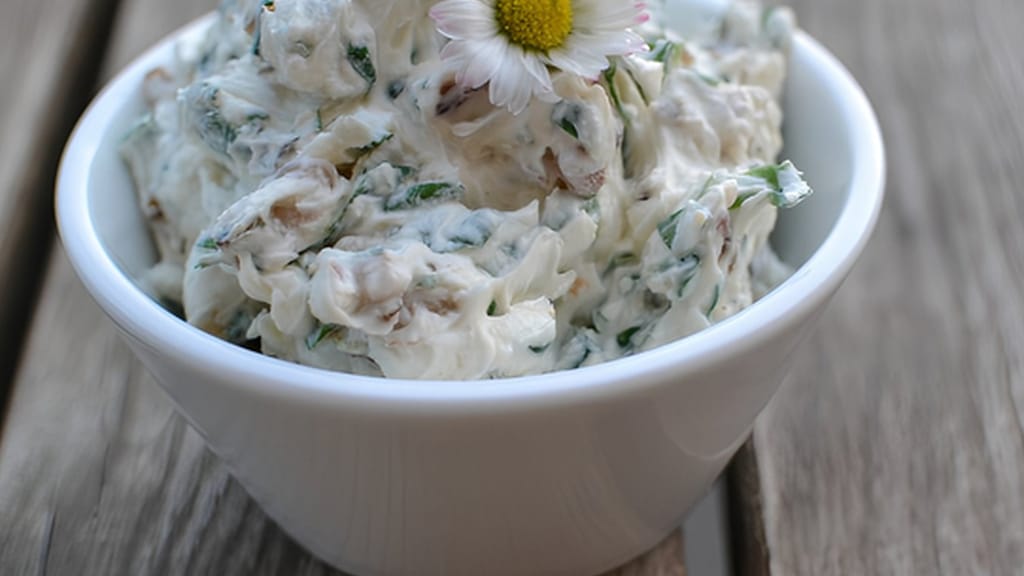
Wild garlic is mainly used fresh and raw – heat makes its aroma fade fast, so add it right at the end of cooking. Chopped up, it's great in a spread, in eggs, on bread and butter, in mashed potato, in quiche filling, or in an Easter stuffing. The classic is pesto: blitz the leaves with parmesan, toasted nuts, olive oil and salt – works brilliantly with pasta or as a dip. It also holds up well in a creamy potato soup.
Wild garlic spread
Wild garlic spread – the quickest way to use up a batch of spring leaves

Easter quiche with wild garlic
Easter quiche with wild garlic

Traditional easter bread stuffing with wild garlic
Traditional Easter stuffing with wild garlic
With dandelion (common dandelion), you can eat the whole plant – young leaves, yellow flowers and root, each used differently. It's not a weed to toss out, but three ingredients in one.
Young leaves picked before flowering are the mildest and richest in vitamin C and iron. They have a bittersweet flavour, so toss them into a salad with other leaves, or briefly braise them in olive oil with garlic. Older leaves turn bitter – blanch those instead, which takes the edge off.
The yellow flowers have a gently sweet taste and are used to make dandelion syrup or "honey". It comes out best made cold – no cooking keeps the aroma and colour fresh. The finished syrup is great on pancakes, in tea, or drizzled over fritters.
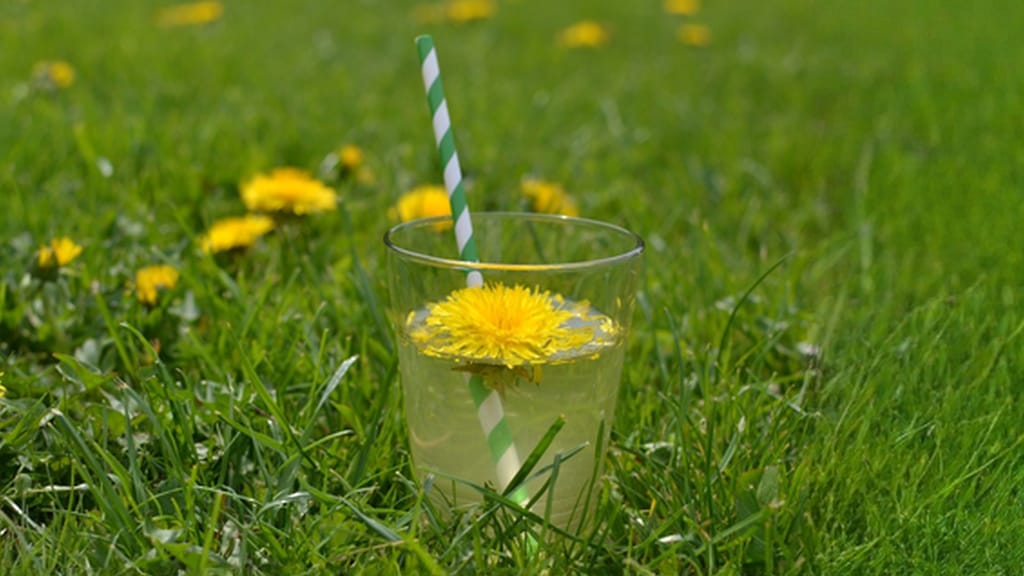
No-cook dandelion syrup
No-cook dandelion syrup – dandelion "honey" without boiling
Roasted, ground dandelion root makes a caffeine-free coffee substitute with a gently bitter flavour. The root contains inulin – a prebiotic fibre traditionally linked to digestive support. One teaspoon of the powder is enough for a cup; if you want a more coffee-like taste, mix it with regular coffee.
Nettle is one of the most nutritious wild plants found here – rich in iron, calcium and vitamins A, C and K – and all it takes is a quick blanch to stop it stinging. Pick the young tops (the top four to six leaves) in spring, ideally wearing gloves.
The sting comes from formic acid and histamine in the tiny hairs, and heat or crushing destroys them reliably. Just blanch or scald the leaves for one to two minutes in boiling water; drying and blending work too. Once blanched, nettle is safe to touch and tastes like a mild spinach.
The best-known dish is a creamy nettle soup with potato and cream. But blanched nettle can also stand in for spinach in pasta, risotto or an omelette, works well in a green smoothie, and dried leaves are the base for nettle tea. Don't let the sting put you off – once blanched, it behaves just like any other leafy green.

Spring herbs only last longer than a few days once processed – freezing, drying, and infusing in oil or vinegar all work best, each suited to a different herb.
Chop the herbs finely, pack them into ice cube trays and top up with water or olive oil; once frozen, tip the cubes into a bag. This keeps flavour and colour better than drying and the cubes go straight into soups and sauces. Wild garlic loses almost all its aroma when dried – that's why you freeze it instead, or turn it into pesto or herb butter.
Aromatic herbs like thyme, rosemary or mint dry well tied in bunches and hung in a dark, well-ventilated spot, or in a dehydrator at up to 40°C. Nettle dries beautifully this way for tea. Store the dried herbs in tightly sealed jars away from light.
Cover chopped herbs with good-quality olive oil or vinegar and leave to infuse in a dark spot for two to three weeks. Herb oil adds a lift to salads and grilled meat, while the vinegar gives marinades some punch. One caveat: oil infused with fresh herbs should be kept in the fridge and used within a few days – because of the botulism risk, vinegar or dried herbs are the better choice for long-term storage.
Three safe bets to start with: wild garlic (identify by smell, watch out for lily of the valley), dandelion (edible whole – leaves, flowers and root) and nettle (blanch it and it's spinach and soup all in one). Only forage what you can confidently identify, take just what you need, and favour spots well away from roads. Your kitchen can take care of the rest.
Yes, always wash wild-foraged herbs thoroughly in clean water before eating them. Fox tapeworm (echinococcus) eggs only turn up on plants rarely, but the infection is serious, and neither washing nor freezing will reliably kill them off – only cooking (boiling or stewing) gives you real certainty. For raw salads, forage well away from burrows and vole-riddled fields, and wash the leaves carefully.
Fresh wild garlic and dandelion leaves keep in the fridge for roughly two to four days, while nettle doesn't last quite as long. They'll keep best if you stand the stems in a glass of water like a bunch of flowers and cover with a bag, or wrap them in a damp tea towel. Wilted leaves can be revived with a quick dunk in cold water. For longer storage, though, you'll need to freeze or dry them.
Yes, wild garlic is mostly eaten raw – heat destroys its aroma, so add it right at the end of cooking. A normal kitchen-sized portion, roughly a handful of leaves a day, is perfectly fine for a healthy person; in larger amounts, like any garlic, it can irritate a sensitive stomach. Just make sure you only eat leaves you've confidently identified by their garlicky smell.
Yes, the white buds, flowers and unripe green seed pods of wild garlic are all edible. The buds have a concentrated garlic flavour and can be pickled in vinegar like capers. Once the plant starts flowering (April–May), though, the leaves turn bitter and tough – so for fresh use, it's best to pick before flowering.
Yes, dandelion "honey" and syrup can both be made cold, with no cooking involved, which preserves more of the flowers' aroma and colour. The flowers are steeped in water with lemon, the mixture is strained and reduced, and sometimes mixed with honey. Cooking thickens the syrup faster, but the cold method keeps the flavour fresher – you'll find the no-cook recipe above in the dandelion section.
One recipe worth heating the oven for, one tip, and one deal from the shop. Nothing else.