Easy cheese straws
Quark Cheese Pastry (Cheat's Puff Pastry): How to Get Flaky Layers Without the Stickiness
Updated Oct 24, 2026
Quark cheese pastry is a three-ingredient dough made from quark (or farmer's cheese), butter and flour in equal parts by weight, 1:1:1 (say, 250 g of each). After three or four folds and some chilling, it bakes into delicate layers, which is why it's often called cheat's puff pastry. It needs no eggs, yeast or sugar, takes about 30 minutes of hands-on work, and suits turnovers, little crescents and savory nibbles. Below you'll find why the dough turns sticky, how to fold it so it really layers, and when it's better to reach for true puff pastry.
The ratio is 1:1:1 by weight: 250 g quark, 250 g butter and 250 g flour, plus a pinch of salt. That gives you roughly 750 g of dough, enough for 30–36 turnovers about 8 cm (3 in) across, or around two baking sheets.
Each ingredient matters more than you'd expect from a list of just three:
Quark – as dry as possible. Full-fat or semi-skimmed quark sold in a block or foil wrapper has far less water than the tub kind. Wet quark is the most common reason the dough turns sticky.
Butter – real butter (80–90% fat, typically 82%), and cold from the fridge. Spreadable butter blends don't belong here, as they contain too much water and too little fat. The same goes for margarine and plant-based spreads from a tub.
Flour – traditionally Czech semi-coarse flour (polohrubá), which makes the dough more crumbly and tender. Plain all-purpose flour gives a smoother, more pliable dough that rolls out more easily. Both work: I'd use the coarser one for sweet turnovers and all-purpose for thin savory nibbles.
Salt – a pinch, even in the sweet version. Without it, the flavor of the quark and butter falls flat.
Don't add sugar to the dough. Sweetness belongs in the filling or the topping. Sugar binds moisture, which makes the dough stickier, and it makes the pastry brown sooner on the baking sheet.
The dough won't stick if it's cold and handled as little as possible. Stickiness almost never means you're short on flour. It means warm butter or wet quark.
Drain the quark. If it's moist, wrap it in a clean kitchen towel and squeeze it out, or leave it to drain in a sieve – block-style quark needs 30 minutes, while moister tub quark needs about an hour. Mash any lumps with a fork, or press it through a ricer.
Grate or cube the butter straight into the flour and salt, then rub it into crumbs with your fingertips or a knife. Leave some pea-sized pieces of butter, as these are what create the layers.
Add the quark and bring it together quickly. Only until the dough holds together. Don't knead it smooth like a yeast dough, because the warmth of your hands melts the butter.
Flatten it into a disc about 2 cm (¾ in) thick, wrap it in plastic and chill for 30 minutes. A disc chills faster than a ball.
If the dough still sticks to your hands, don't keep adding flour by the handful. Put it in the freezer for 15 minutes instead. Add 1–2 tablespoons of extra flour at most, or your cheat's puff pastry will turn into a tough slab.
The layers come from 3–4 letter folds (folding into thirds, like a letter), with 20–30 minutes of chilling after every two folds. Each fold triples the number of butter and dough layers, so after four rounds you have, in theory, more than eighty.
Roll the chilled disc out on a lightly floured surface into a rectangle of roughly 20 × 40 cm (8 × 16 in), about 1 cm (½ in) thick.
Brush off any excess flour. It creates tough spots between the layers.
Fold the bottom third over the middle, then the top third over that. You now have three layers.
Turn the dough 90° and roll it out into a rectangle again. Fold into thirds.
After two folds, wrap the dough in plastic and chill for 20–30 minutes.
Repeat with one or two more folds, then chill the dough again.
Roll in one direction and don't press hard. If you can see the butter showing through and smearing onto the rolling pin, the dough is too warm. Put it back in the fridge right away. Don't go beyond four folds, or the layers start to merge and the dough turns tough.
After the last fold, leave the dough in the fridge for at least 1 hour, ideally overnight. The butter firms up and the flour hydrates fully, so the dough rolls out thinner and shrinks less.
Fridge: 2–3 days, tightly wrapped. Quark is a fresh product, so don't keep the dough any longer.
Freezer: raw dough keeps for up to 3 months. Thaw it overnight in the fridge, not on the counter, or the surface will get damp and sticky.
Before rolling: let the dough sit on the counter for 5–10 minutes. If it's rock-hard, the edges will crack as you roll.
It's worth putting shaped turnovers back in the fridge for 15 minutes on the baking sheet. Cold dough puffs up more in a hot oven.
Bake quark cheese pastry at 200 °C (400 °F) conventional, or 180–190 °C (355–375 °F) fan, for 15–20 minutes, until the turnovers are golden brown underneath too. Steam makes the layers: the water in the butter and quark evaporates quickly in a hot oven and lifts the layers of dough. In a cool oven the butter just slowly leaks out, and the pastry stays flat and greasy.
Two things are worth doing:
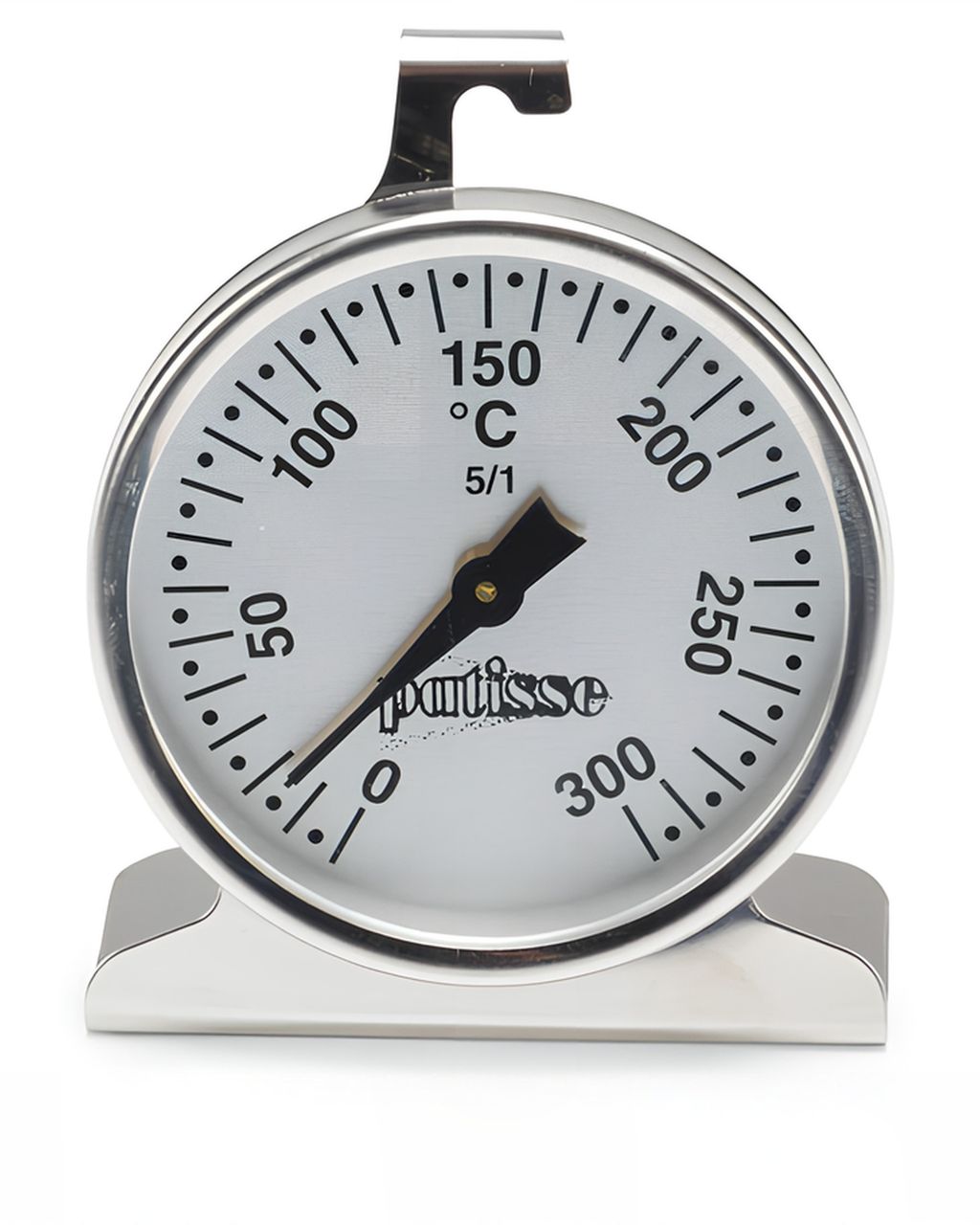
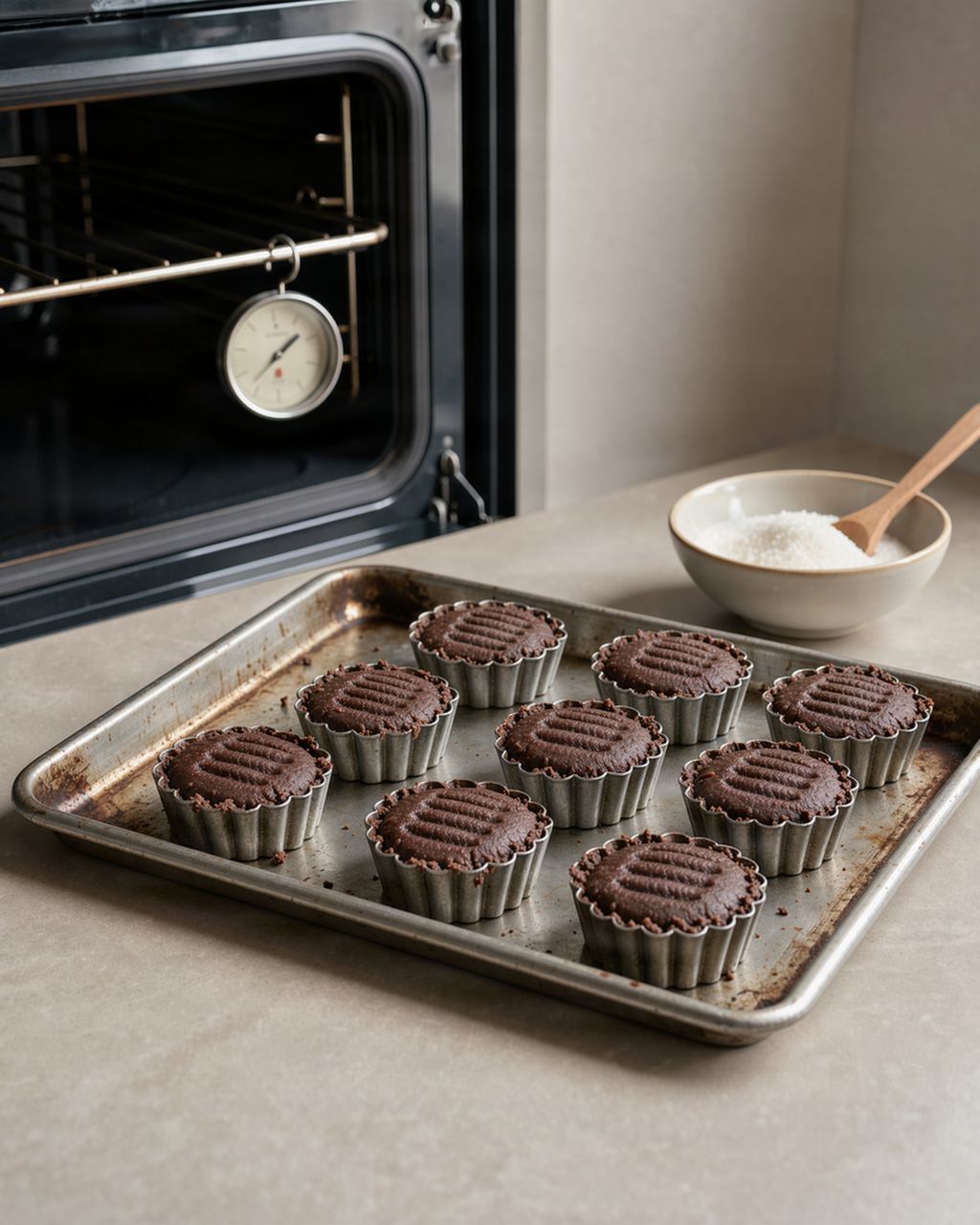
Preheat the oven properly. Many home ovens are 10–20 °C off from what they show. An inexpensive oven thermometer will reveal this quickly.
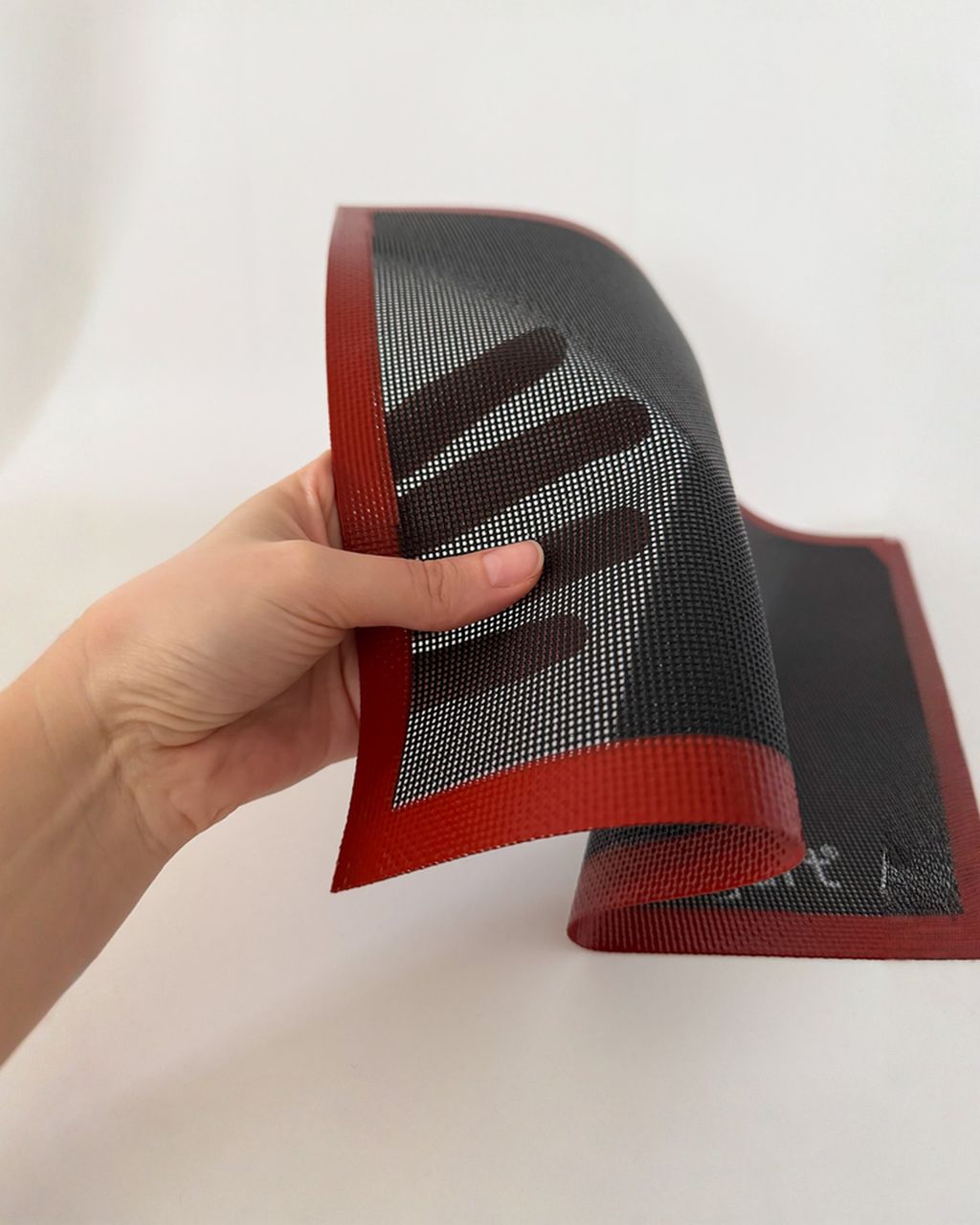
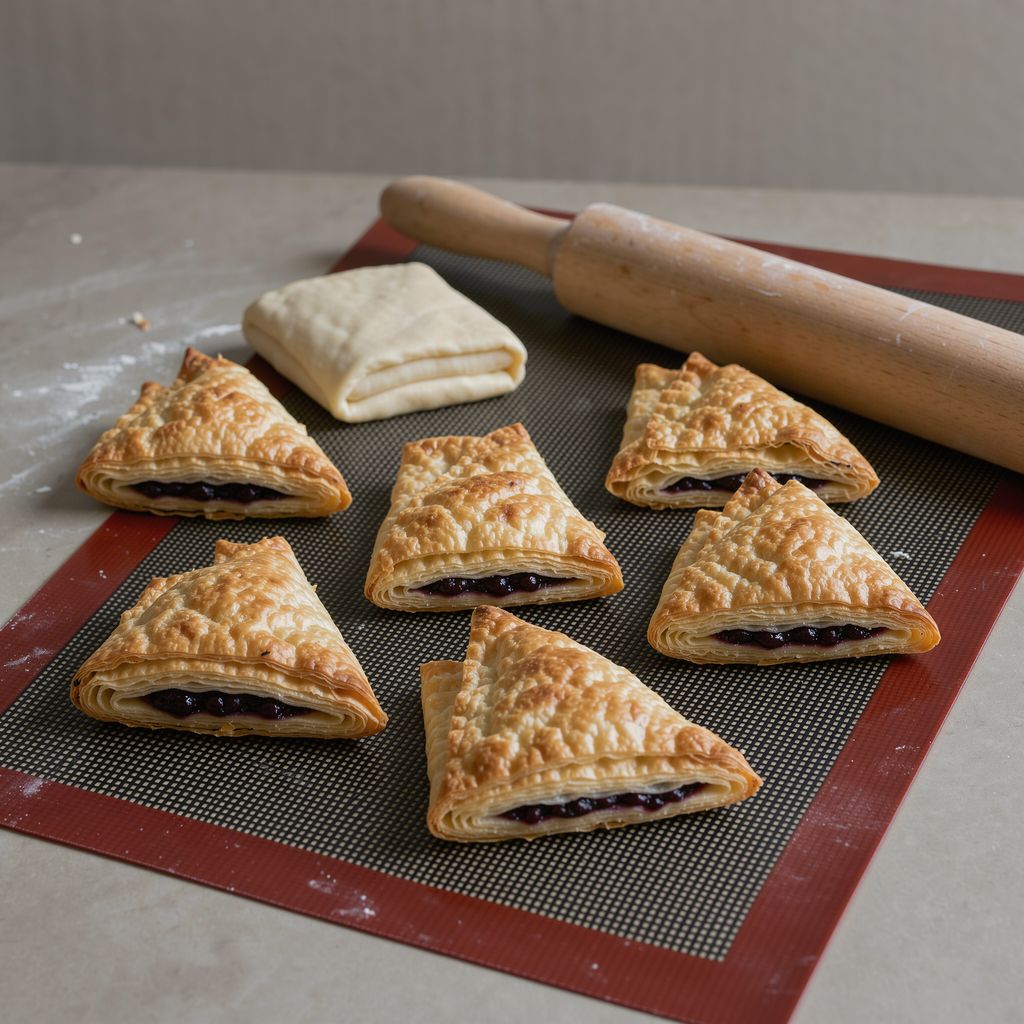
Deal with the bottom. Quark dough releases butter, and on a smooth baking sheet or paper the underside often ends up frying in fat and turning rubbery. On a perforated silicone baking mat, hot air also circulates from below through the tiny holes, so the bottom bakes through and crisps up like the top, and nothing sticks. Ordinary baking paper on a good baking sheet works too, but expect a softer bottom and turn the sheet halfway through. A solid silicone mat without holes is the least suitable here, as it insulates and leaves the bottom palest.
Brush the tops with beaten egg, but only the surface, not the cut edges. Egg running down the sides glues the layers together, and they won't rise.
Quark cheese pastry works best for small, filled and shaped bakes: turnovers, little parcels, crescents, savory sticks and nibbles, and small kolache-style pastries. You'll find more ideas for small bakes among our baking recipes.
Turnovers and parcels – 8 × 8 cm (3 × 3 in) squares, a teaspoon of thick filling, folded into a triangle with the edges pressed with a fork. Plum butter, a sweet quark filling thickened with custard powder, or stewed apples with the juice drained work best.
Crescents – cut a rolled-out circle into 8–12 wedges, put the filling on the wide end and roll toward the tip. Walnut or poppy seed filling must be as thick as paste, because runny filling leaks out in the oven.
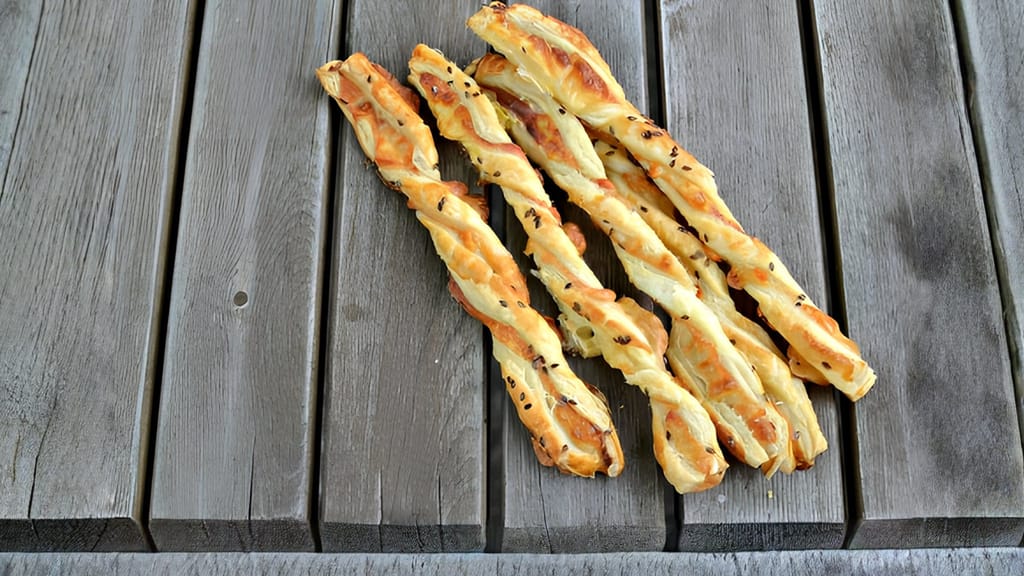
Savory nibbles – strips sprinkled with grated cheese, caraway, sesame or coarse salt, or twisted into spirals. The tang of quark goes brilliantly with cheese and herbs. For the shape and topping, take a look at the recipe for easy cheese sticks.
Savory parcels – the filling from the salmon and goat cheese parcels recipe works in quark dough too, just leave out any wet ingredients so the bottom doesn't turn soggy.
For all of them, use less filling than seems right. A teaspoon per turnover is enough. Overfilled pockets burst, and the filling scorches the bottom.
Easy cheese straws
Easy cheese sticks – inspiration for savory nibbles made with quark cheese pastry
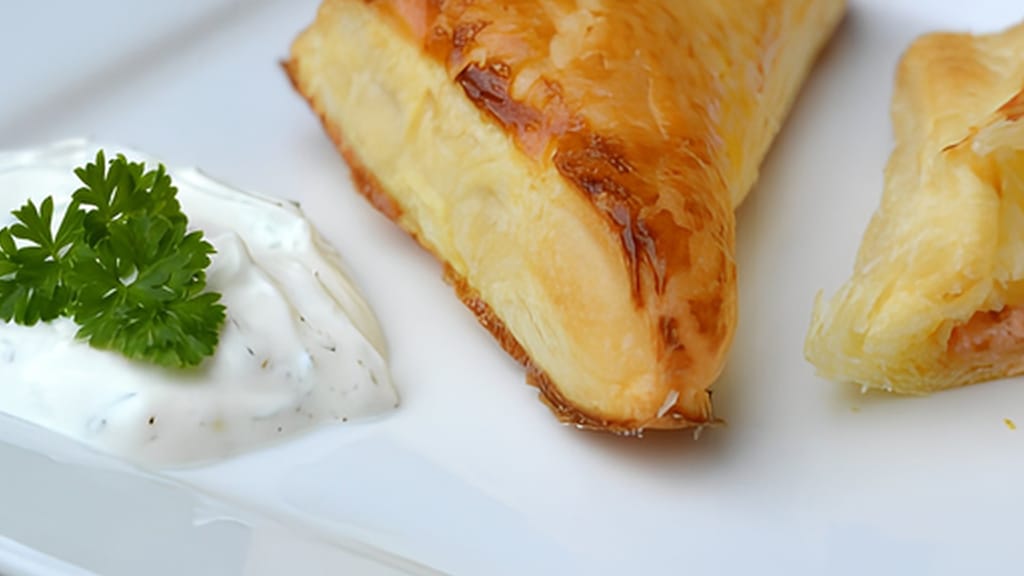
Puff pastry parcels with salmon and goat cheese
Salmon and goat cheese parcels – a savory filling that works in quark cheese pastry too
Quark pastry is a quicker, less demanding stand-in for puff pastry in small bakes, but it can't match true puff pastry for height or extremely thin layers.
Layers: quark pastry has dozens of delicate, irregular layers. True puff pastry has hundreds of sharply separated ones, and rises several centimeters in the oven.
Time: quark pastry takes about 30 minutes of work plus chilling. Homemade puff pastry means half a day to a full day, with repeated chilling.
Flavor and texture: quark pastry is mildly tangy, tender on the outside and softer inside, a bit like something between shortcrust and puff. Puff pastry is dry, shattering and purely buttery.
What it can handle: quark pastry is ideal for turnovers, crescents and nibbles. For mille-feuille, vol-au-vent or tall filled pockets, where the dough has to rise, reach for true puff pastry.
If you're torn between store-bought, homemade and rough puff pastry, the article Puff pastry: store-bought, homemade or rough puff breaks it down. And if you're drawn to the pinnacle of puff pastry patisserie, check out mille-feuille step by step.
When the layers don't happen, temperature is almost always behind it: warm butter while you work, or a cool oven while you bake.
The pastry is flat and dense – the butter melted into the dough as you kneaded. Next time, knead less and chill longer between folds.
Butter leaks out of the pastry – the oven wasn't preheated, or it's weaker than it shows. Check with a thermometer.
The bottom is rubbery and greasy – the pastry sat in melted fat. A perforated mat helps, as does putting the baking sheet on the lower third of the oven.
The dough is rock-hard – too much extra flour while rolling, or more than four folds.
The turnovers opened up – the filling was wet or overfilled, or the floury edges didn't seal. Dampen the edges with water before folding.
Yes, you can use tub quark or ricotta, but drain them thoroughly first or the dough will turn sticky. Both contain more water than block-style quark or farmer's cheese, so let them drain in a clean kitchen towel set over a sieve for about an hour (block-style cheese needs only 30 minutes). Then plan on 1–2 extra tablespoons of flour in the dough.
Baked quark pastries keep for 2–3 days in a closed container, and those with a sweet quark filling should go in the fridge. To bring back the crispness, pop them in the oven at 180 °C (350 °F) for 3–5 minutes. You can also freeze baked pastries and reheat them straight from frozen.
You can, but the layers will be weaker, because gluten-free dough tears easily when rolled and folded. Use a gluten-free baking flour blend that contains xanthan gum, roll the dough between two sheets of baking paper, and do two folds instead of four.
Neither belongs in quark cheese pastry, as they won't help the layers. Egg makes the dough softer and moister, and baking powder gives a risen, cake-like crumb instead of layers. If you want to use egg, use it only to brush the tops.
The mild tanginess is the natural flavor of quark, and it's part of this dough's character. If it bothers you, use fresh full-fat quark, which tastes milder than the semi-skimmed kind, and pair sweet pastries with a bolder filling such as plum butter or nuts.
One recipe worth heating the oven for, one tip, and one deal from the shop. Nothing else.