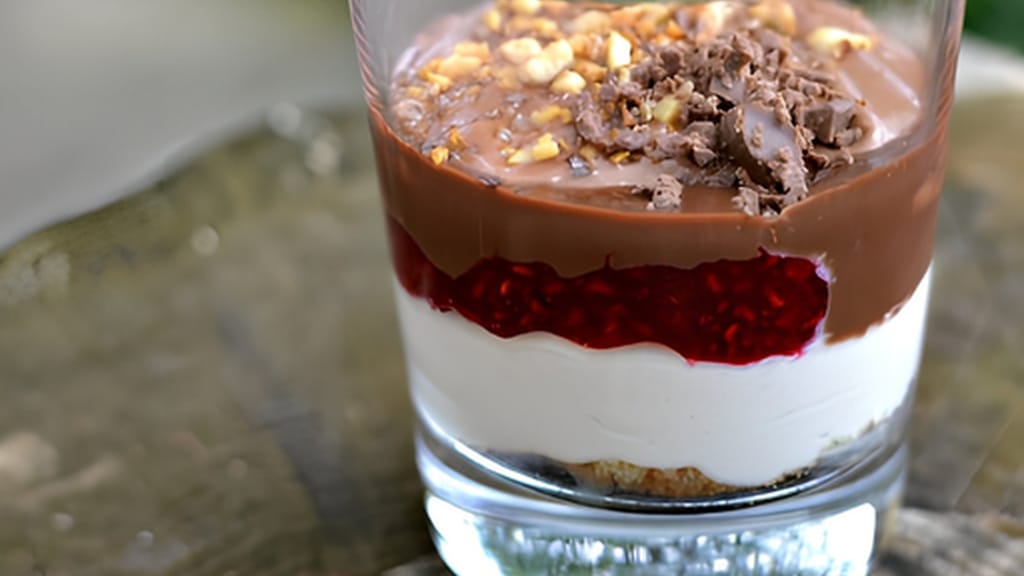
Two-tone mascarpone dessert

Updated Jul 19, 2026
Panettone is a tall, fluffy Christmas bread from Milan — buttery, airy and fragrant with candied fruit. The real thing isn't whipped up with commercial yeast in a couple of hours; it's leavened with natural sourdough starter over as long as two days, which is exactly why it has that soft, stringy, pull-apart crumb you won't find anywhere else. In this guide you'll discover where panettone comes from, what makes it special, how to choose a good one, how to serve and store it — and why it's hung upside down as soon as it comes out of the oven.
Panettone is a richly leavened sweet bread from Milan, traditionally eaten in Italy at Christmas. You'll recognise it by its tall, dome-like shape, golden crust, and soft, pale yellow crumb that pulls apart into long strands.
What makes panettone panettone:
Natural sourdough starter (lievito madre) instead of commercial yeast — the source of its signature aroma and softness.
Long fermentation, typically 24–36 hours across several stages.
Rich dough loaded with butter, egg yolks and sugar.
Candied fruit — most often orange and lemon peel — plus raisins.
A tall, cylindrical shape baked in a paper mould.
Italian production standards even set a minimum required amount of butter and candied fruit before a bread is allowed to be called panettone at all — which is why a cheap bundt cake with a handful of raisins simply isn't in the same league as the real thing.

Panettone hails from Milan, with roots stretching back to the Renaissance. The best-known legend ties it to a kitchen boy named Toni at the court of Ludovico Sforza, known as il Moro.
As the story goes, the court pastry chefs burnt the festive dessert on Christmas Eve. Toni supposedly saved the day with dough he'd been keeping aside for his own celebration — mixed with flour, eggs, sugar, raisins and candied fruit. The sweet bread was such a hit that people started calling it pan de Toni, "Toni's bread", which legend says eventually became the word panettone.
Historians take a more cautious view: the name most likely comes from the Milanese pan de ton, meaning "luxury bread" or "show bread" made with expensive ingredients. Another legend features a lovestruck nobleman named Ughetto — and the name Ughetto bears a striking resemblance to the Milanese word for raisins, ughett. Whichever story you believe, panettone has been a festive luxury from the start: everyday bread elevated with butter, honey and dried fruit.
From Milan, panettone spread across all of Italy, and each region gave it its own twist. In Piedmont, chocolate or hazelnuts get folded into the dough; in the south, you'll come across versions with honey, dried figs or pistachio cream. Today, panettone is a symbol of festive sharing far beyond Italy's borders.
Authentic panettone lives or dies by its natural sourdough starter and long fermentation — not a sachet of instant yeast. It's precisely this slow fermentation that gives the crumb its airy, stringy structure and softness that lasts for days.
The foundation is lievito madre, a firm wheat-based starter that in Italy gets fed daily with nothing but flour and water. It's milder than a classic rye sourdough, so it won't over-acidify the rich, egg-and-butter-laden dough, while still giving it a beautiful lift.
The dough is mixed in two separate stages:
Primo impasto — the first dough, made with starter, flour, sugar and butter, is left to ferment overnight, often for 12 hours.
Secondo impasto — the next day, the remaining ingredients go in: egg yolks, flavourings and candied fruit, and the dough ferments once more.
All told, panettone typically takes 24–36 hours to make. That patience is exactly what sets handmade panettone apart from a quick imitation — and also why a good one comes with a price tag.

As soon as it comes out of the oven, panettone gets pierced at the base with long skewers and hung upside down, so the hot, soft crumb doesn't collapse under its own weight. If it cooled sitting upright, the heavy, still-soft dough would sink in the middle and lose all its airiness.
Hung upside down, panettone cools for a good 6–8 hours before the structure sets. This is exactly what allows it to keep its tall dome and light, fluffy crumb — the whole point of baking it this way in the first place.
Homemade panettone is a multi-day project, not an afternoon bake — but it's absolutely doable if you've got an active starter and plenty of patience. Think of it less as a quick treat and more as a long sourdough baking project.
What will set you up for success:
Strong flour. Look for fine wheat flour with a high protein content (Italian type 00 with high strength, known as W), so the dough can carry all that butter and still stay elastic.
An active, mild starter. Feed your lievito madre a few times before baking so it's at full strength.
Good-quality butter and fresh egg yolks. These give the crumb its colour, aroma and softness — this isn't the place to cut corners.
Temperature and timing. The dough ferments best around 26–28°C (79–82°F); it's baked initially at 160–170°C (320–340°F) so the tall loaf cooks through to the centre without the crust getting too dark. Cover the top loosely with foil if it's browning too fast.
Hanging it after baking. Have your skewers ready and let the panettone cool upside down (see above).
A proper panettone recipe involves a lot of steps and variables, so we're working on a dedicated, tested step-by-step guide for you. Until it's ready, treat this section as a roadmap rather than an exact set of measurements.
Serve panettone at room temperature and slice it vertically into wedges, like a cake — this shows off the stringy crumb best. A few minutes in the oven will warm it through gently and bring out its buttery aroma.
Good pairings for the festive table:
Mascarpone cream — lightly sweetened, perhaps with a touch of vanilla; the classic Italian accompaniment.
Sweet wine, traditionally Vin Santo or Moscato, alongside a shot of espresso.
Fruit compote or whipped cream for a lighter option.
And if you want to plate your desserts like they came straight from a Parisian pâtisserie, check out our tips for serving desserts like a Parisian pastry shop.
Two-tone mascarpone dessert
Mascarpone cream with panettone
Don't toss panettone once it's past its best — once it's gone a bit dry, it's perfect for sweet desserts. Sliced and soaked, it stands in beautifully for sponge fingers in tiramisu, works as the base for a festive bread pudding, or replaces ordinary bread in a French toast recipe made with skyr — known in some places as "poor knights".
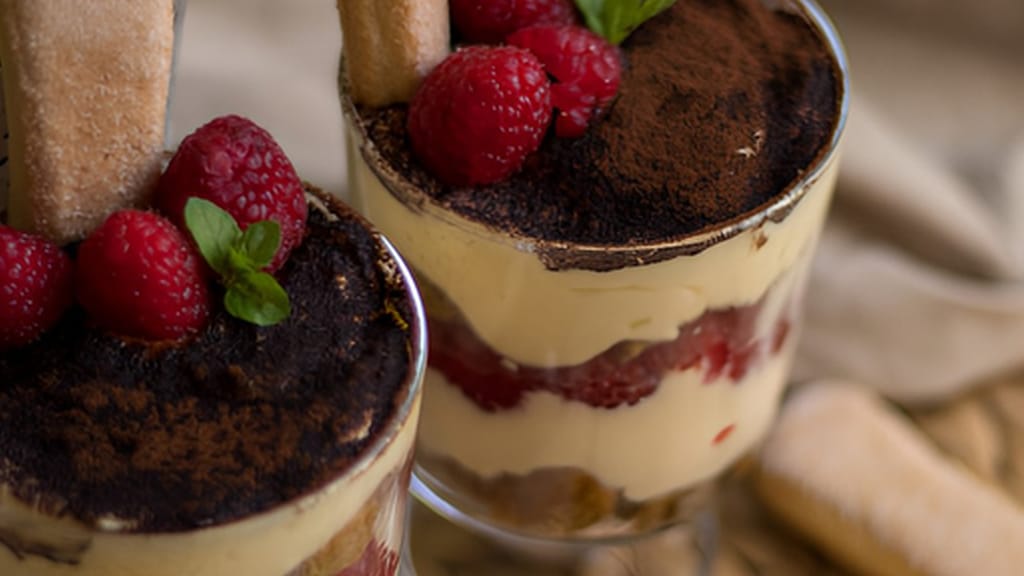
Raspberry tiramisu
Raspberry tiramisu — a dessert idea for leftover panettone
Store panettone at room temperature in its original bag or an airtight container — this way it'll stay soft for up to a week. Don't put it in the fridge, as it'll dry out quickly there.
If you know you won't finish it in time, freeze it: slice it, wrap the individual slices in foil, and store in the freezer for up to three months. Thaw at room temperature and warm briefly before serving.
Panettone is a Milanese leavened bread studded with candied fruit and raisins, baked into a tall dome. Pandoro, on the other hand, hails from Verona, is shaped like a star, contains no fruit at all, and is dusted with icing sugar. Panettone tastes fruity and buttery, while pandoro leans more vanilla and delicate.
The closest homemade substitute is a sweet braided Christmas bread (like vánočka) — also a rich, raisin-studded dough, just shorter and without the candied fruit. If a recipe calls for a soft, sweet bread, brioche or German stollen will also do the job.
The price comes down to the natural sourdough starter and the long fermentation — handmade panettone takes 24–36 hours across several stages and uses a generous amount of butter, egg yolks and quality candied fruit. Cheap mass-produced versions swap the starter for commercial yeast and cut corners on time, and you can taste the difference — both in flavour and in how long it stays fresh.
In Italy, panettone is above all a Christmas and New Year treat, typically sold from November through to early January. That said, nothing stops you from buying or baking one any time of year — there's even a spring, Easter version shaped like a star called colomba.
Classic panettone isn't suitable for either — it contains wheat flour (so gluten), butter and eggs. However, you can find gluten-free and plant-based versions in shops; just check the packaging for an explicit label.
I send one like it every week. A recipe, a tip, one deal — nothing else.