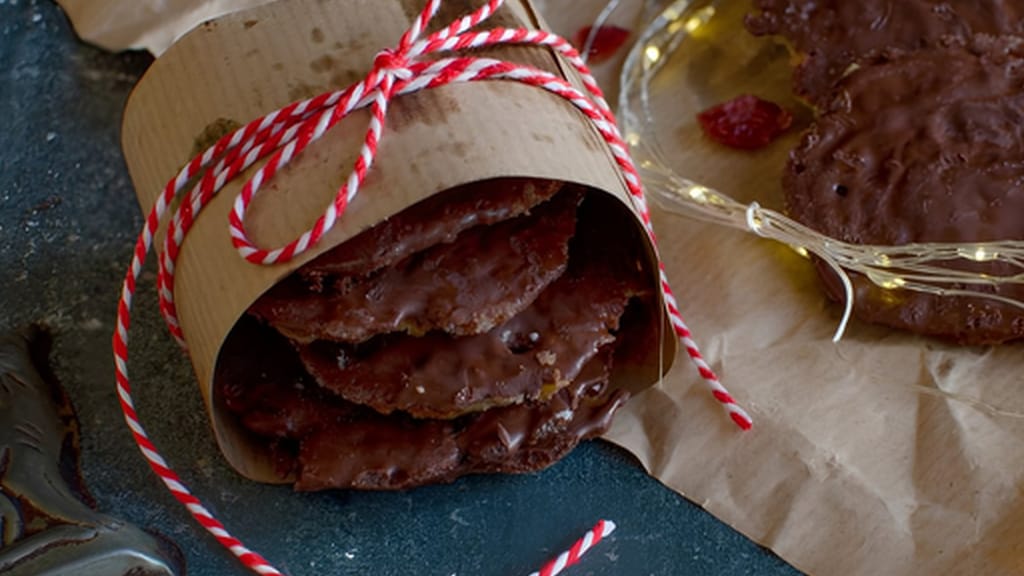
Chocolate-dipped marokánky (hazelnut florentine cookies)
Marokánky: How to Bake Thin, Crisp Czech Florentine-Style Cookies with a Chocolate Base
Updated Oct 15, 2026
Marokánky come out thin and crisp when they contain very little flour, the caramel is baked to an amber color all the way to the center, and you store them somewhere dry. Spread the chocolate on the underside only once the cookie is completely cold, and use tempered chocolate, otherwise it turns grey and sticks to your fingers. Below you'll find out why, how long to bake them and what to use for the chocolate base. The finished recipe is right here: [Marokánky with chocolate glaze](/cs/recipes/marokanky-s-cokoladovou-polevou--b784ad44-ee4a-45a9-a3ab-1df4488f846c).
Marokánky can be either crisp or soft – it comes down to the amount of flour and the baking time. Czech home baking knows many versions: soft, chewy ones made with honey, cream and dried fruit, and thin, lacy ones closer to Italian florentines.
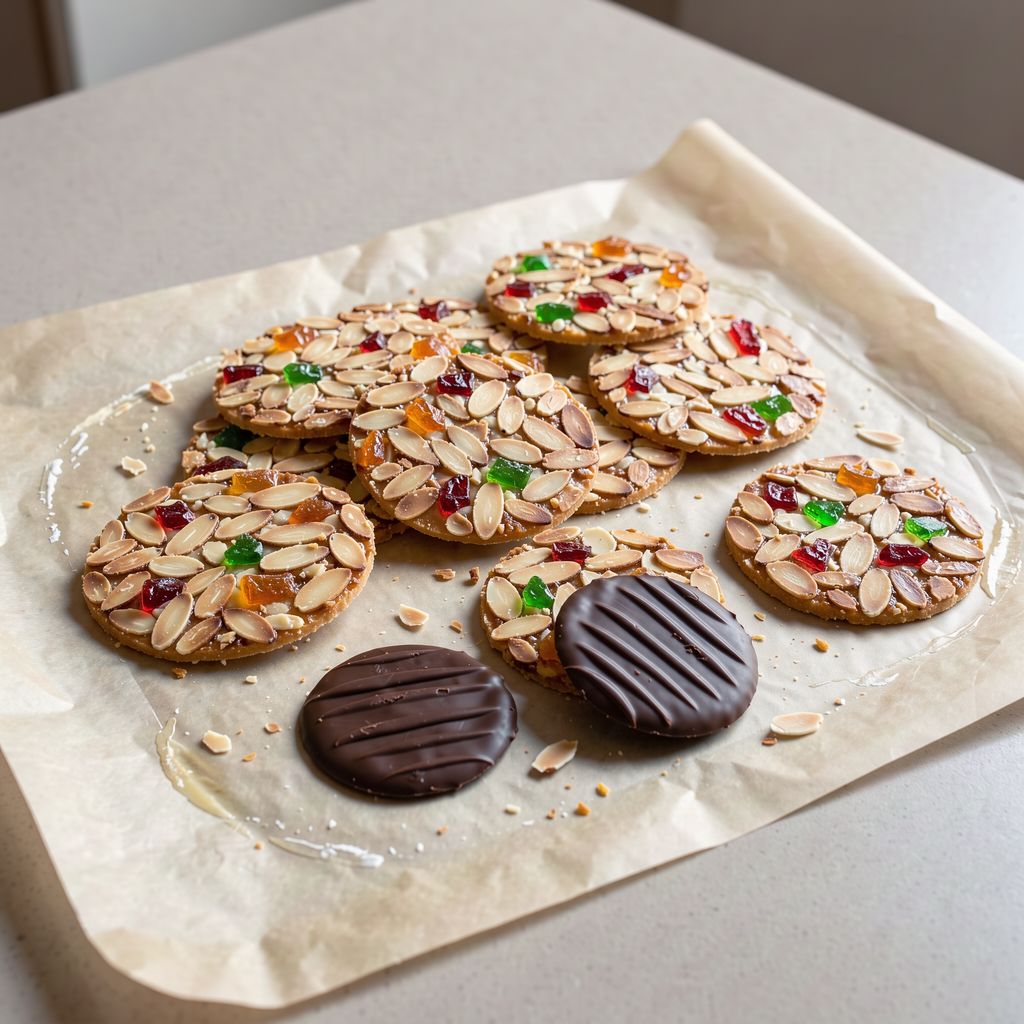
This article sticks to the second, crisp version: rounds 2–3 mm thick that snap cleanly and have a thin layer of chocolate on the underside. If you want them soft, everything below works in reverse: more flour, more cream and a shorter bake.
Marokánky are nuts and candied fruit held together by a caramel of butter, sugar, syrup and cream. There's only enough flour to help the mixture keep its shape. Each ingredient has a clear job:
Butter and cream give flavor and let the caramel spread into a thin layer on the baking sheet.
Sugar is the backbone. After baking it sets into a glassy, crisp layer.
Honey or glucose syrup prevents the sugar from crystallizing, so the caramel stays smooth and doesn't turn grainy.
Flour is only a binder. 1–2 tablespoons per 100 g of almonds is enough. Every extra tablespoon makes the cookies thicker and softer.
Sliced almonds create the lacy structure. Whole or roughly chopped nuts make bumps and the cookie won't bake evenly.
Candied fruit (orange peel, cherries) adds color and a bittersweet contrast. Cut it into pieces smaller than 5 mm, because larger pieces create damp spots. You can also make the peel yourself – homemade tends to be more fragrant and less sweet than store-bought.
Raisins and dried plums soften the mixture because they release moisture into it. For the crisp version, use them sparingly or leave them out.
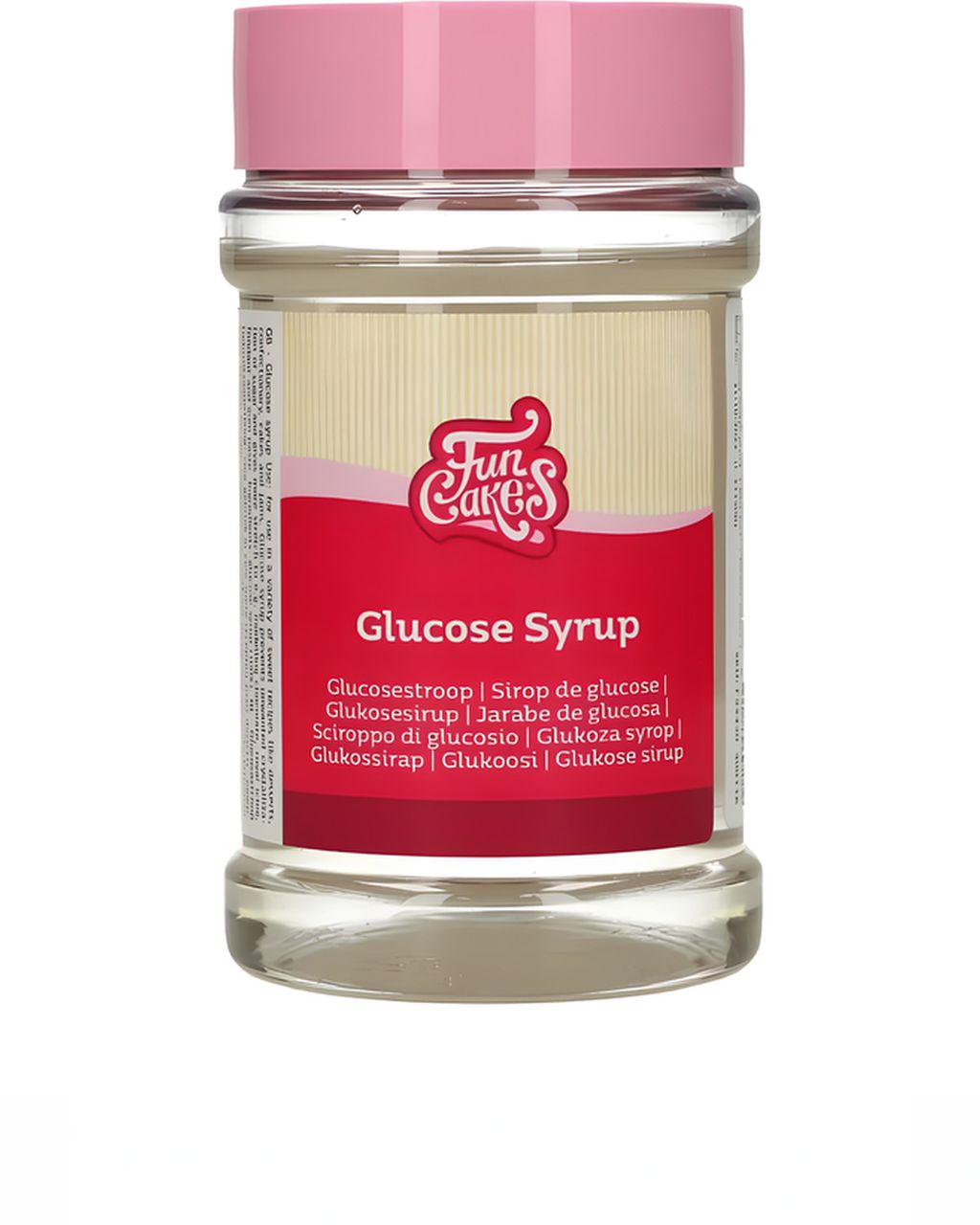
For crisp marokánky, glucose syrup is the better choice; for the classic flavor, go with honey. You can also combine them half and half.
Honey contains a lot of fructose, which browns faster and draws more moisture from the air. Marokánky made with honey darken before they are baked through to the center and soften within a few days in the open air. In return, they have that familiar honey flavor.
Glucose syrup is less sweet, browns more slowly and attracts less moisture. It gives you time to bake the caramel through to the center without burning the edges, and the cookies stay crisp for longer. One batch of marokánky needs roughly 1–2 tablespoons, so a 375 g pack lasts for several baking sheets. If you don't have any on hand, we go through the substitutes in the article What to use instead of glucose syrup.
Invert sugar doesn't belong here. It retains moisture, which is great in gingerbread but is exactly what you don't want here. We explain where invert sugar does work in Invert sugar: what it is and why pastry chefs use it.
If you replace the syrup with sugar alone, the caramel can crystallize while cooking and the marokánky will be grainy and dull.
Spreading into one big sheet means too little binder or an overheated mixture. Softness means an underbaked center or moisture. The most common causes:
The mounds are too close together. The mixture spreads to 2–3 times its diameter. Use 1 teaspoon of mixture and leave 6–8 cm between the mounds.
Too little flour. If the rounds run together even with enough space, add another 1 tablespoon of flour per 100 g of almonds.
The mixture is portioned out hot. Let it cool for 5–10 minutes until it thickens. Then it holds its shape and spreads more easily into a thin layer.
A pale center. The edges are golden, but the middle is light and glossy. Such a cookie will bend after cooling but won't snap. Bake until it's amber all over.
Wet ingredients. Raisins, soaked fruit or too much cream stay moist even after baking.
Humid air. Even a perfectly baked cookie will go soft if it sits out overnight in the kitchen.
Bake at 170–180 °C (340–355 °F) for about 8–12 minutes, until the whole round is an even amber and the caramel bubbles slow down. Here's how:
Line the baking sheet with parchment paper or a silicone mat. On an unlined sheet the caramel sticks.
Spread each mound with a moistened spoon or your fingers into a round about 3 mm thick, so it bakes evenly.
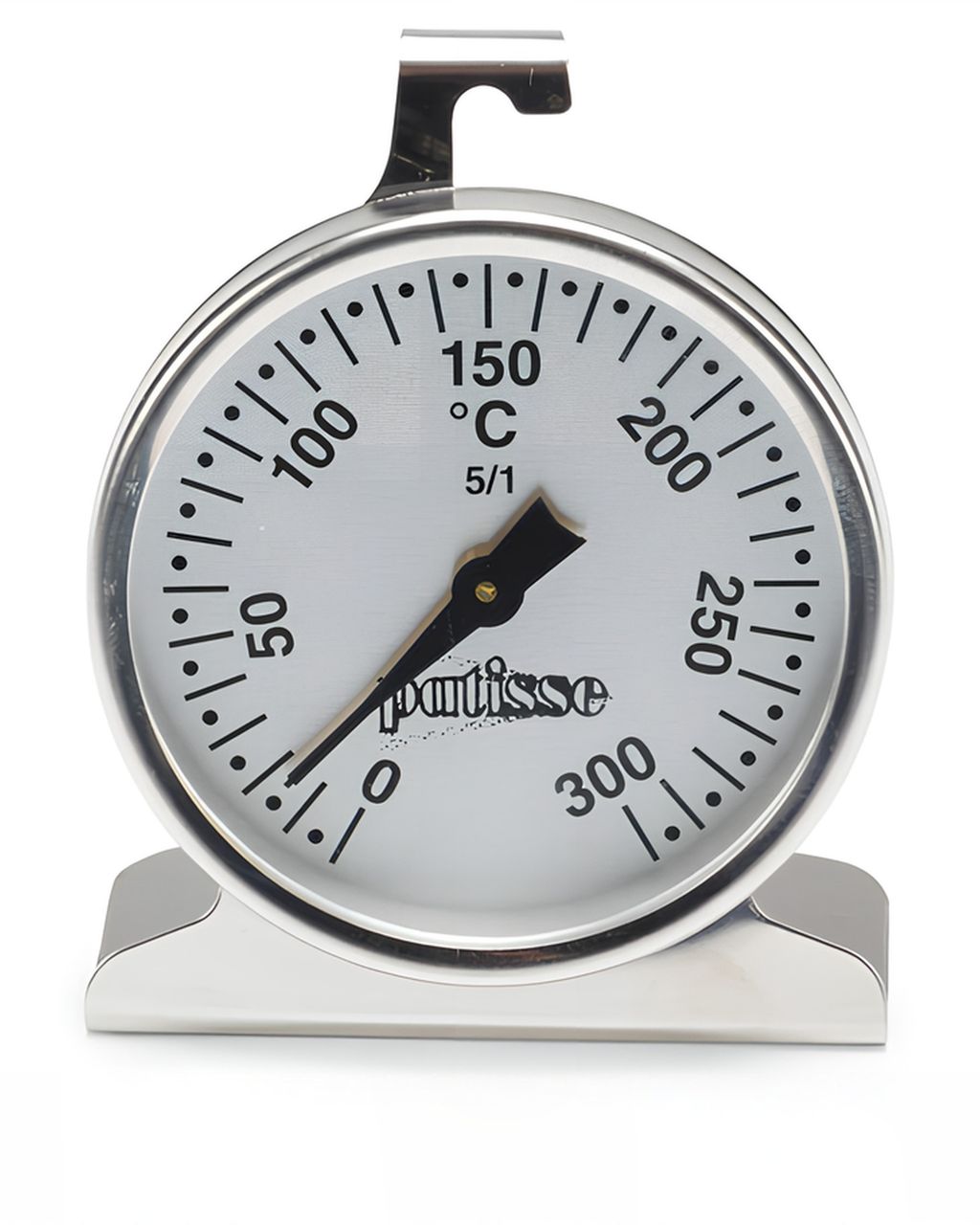
Bake one sheet at a time on the middle rack. Home ovens often differ from the set temperature by as much as 10–20 °C. If your marokánky burn at the edges and stay pale in the middle, check the temperature with an oven thermometer.
Watch the last few minutes. Between golden and burnt there can be just a minute. Burnt caramel is bitter.
Fix the shape after 1–2 minutes. While the caramel is still soft, trim the edges with a round cutter or trace around the cookie with a glass. A minute later it's already glass-like and will snap.
Let them cool on the baking sheet until they set. Only then lift them off. Warm ones bend or tear.
For exact amounts and the order of ingredients, see the recipe Marokánky with chocolate glaze.
Chocolate-dipped marokánky (hazelnut florentine cookies)
Marokánky with chocolate glaze recipe
Real chocolate is best – couverture (on Czech packaging often labeled “čokoládová poleva”). When tempered, it is glossy, snaps cleanly and doesn't smear. Be careful not to confuse it on the shelf with fat-based coating. Here's an honest comparison:
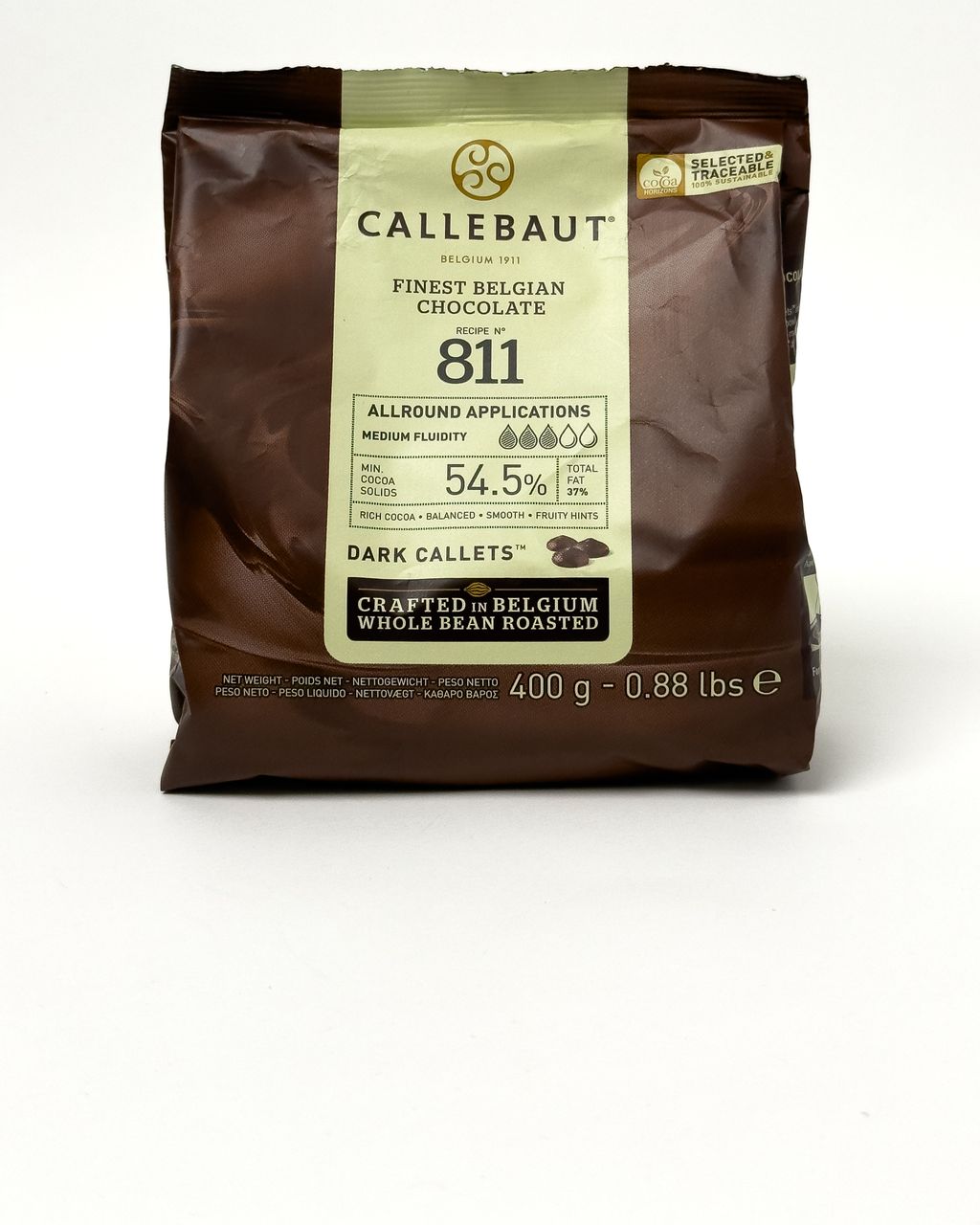
Dark couverture, e.g. Callebaut 811 (54.5% cocoa). This is the classic for marokánky. Its bitterness balances the sweet caramel and it's easy to work with. Working temperature is around 31–32 °C (88–90 °F).
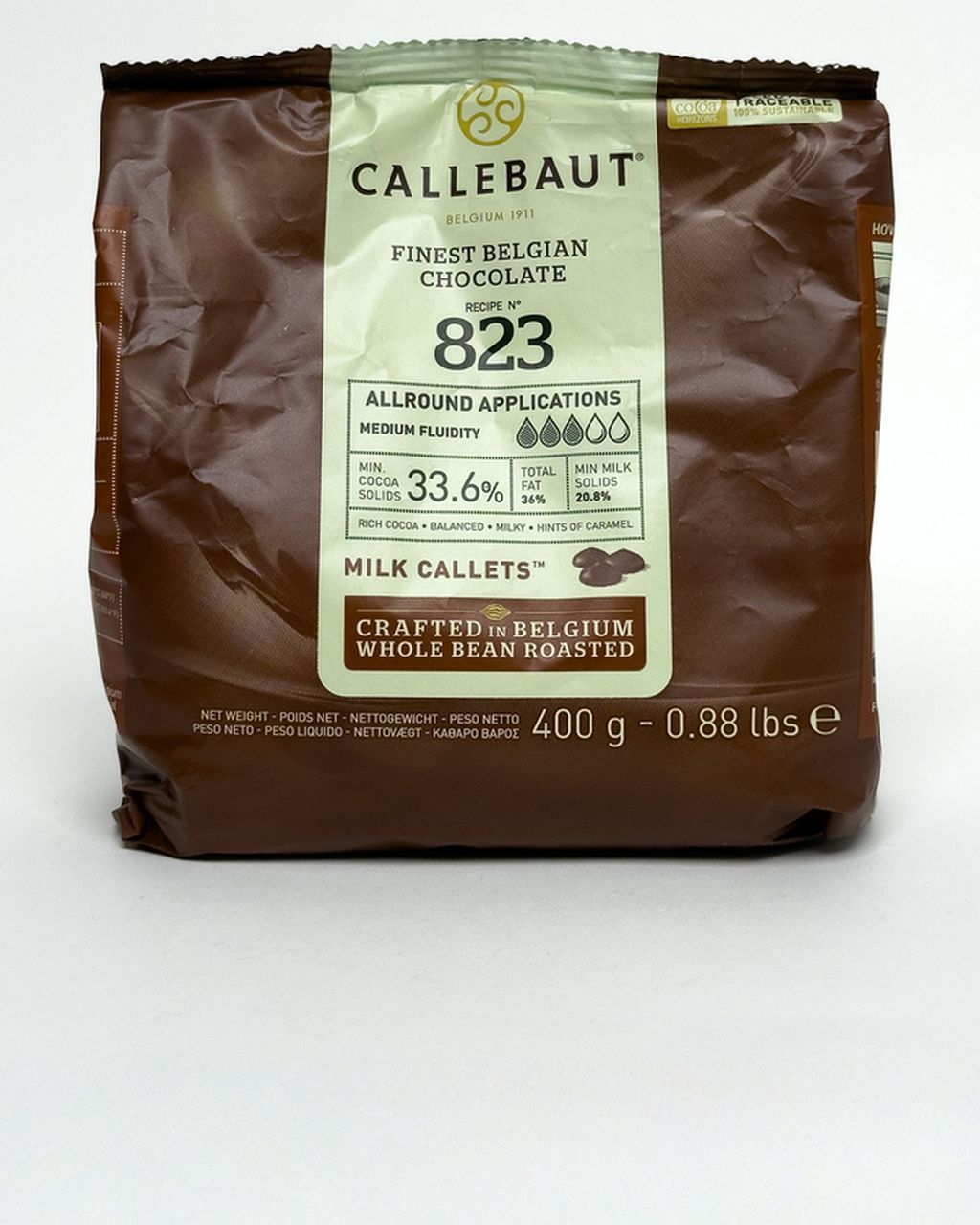
Milk couverture, e.g. Callebaut 823 (33.6% cocoa). It's milder and sweeter, and goes down best with children. With honey caramel the whole thing is quite sweet, so we recommend it mainly for the glucose version. Working temperature is around 29–30 °C (84–86 °F).
Good-quality eating chocolate works too, as long as the label lists cocoa butter and not vegetable fat. It is thicker, though, so the layer comes out heavier, and you still have to temper it. We don't sell it, but it can taste good.
Fat-based (cocoa) coating doesn't need tempering and always sets. But it contains vegetable fat instead of cocoa butter, so it tastes waxy, doesn't snap and doesn't taste like chocolate. If speed is what matters, it's a legitimate choice. If flavor matters, it isn't.
Apply a thin layer to the underside, roughly 1–2 mm. A thicker layer overpowers the caramel and makes the cookie needlessly heavy.
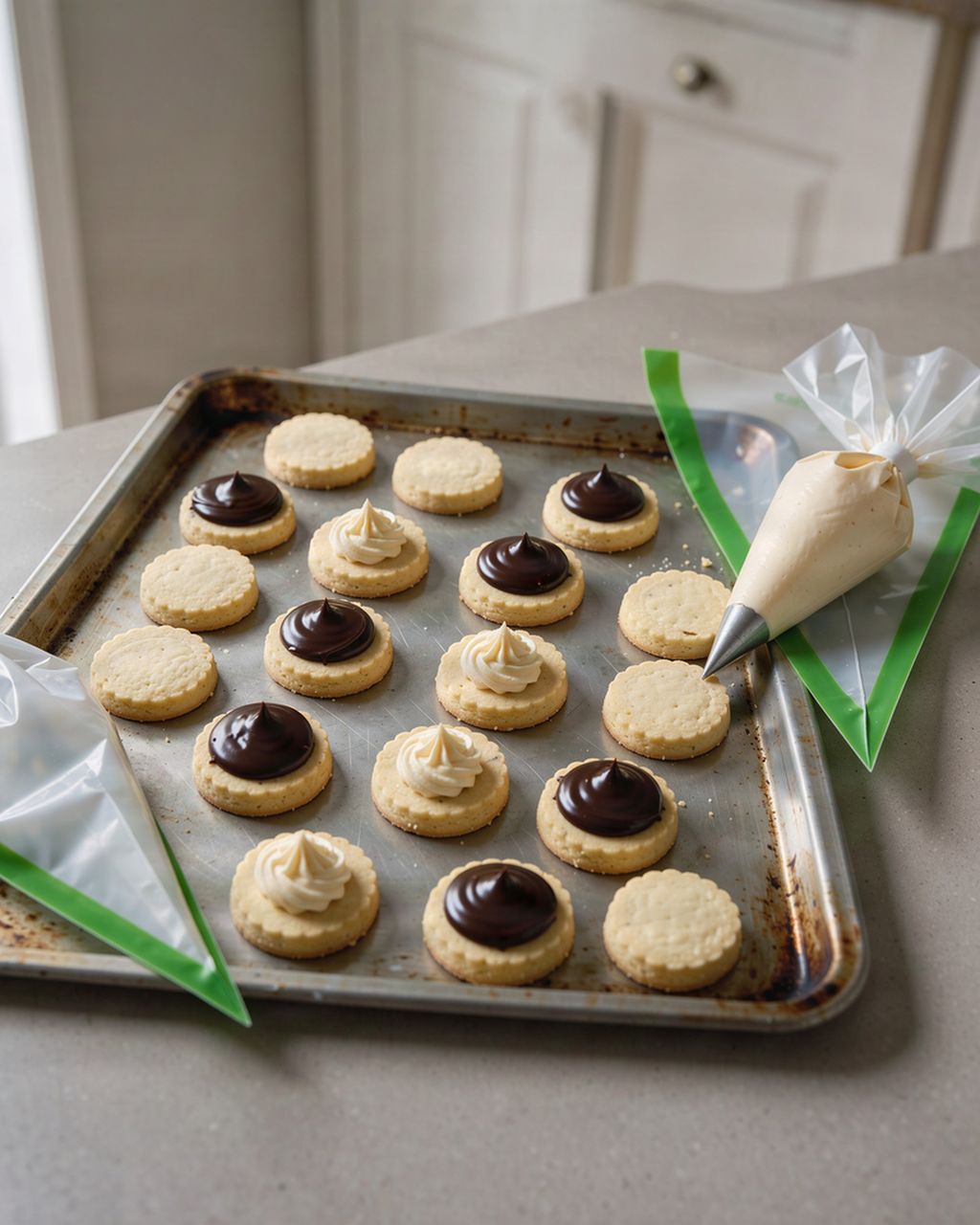
Turn a completely cold cookie over so the flat underside faces up, spread it with a thin layer of tempered chocolate, draw waves with a fork and let it set chocolate side up.
The marokánky must be cold and dry. On warm caramel the chocolate runs and won't set.
Temper the chocolate. Untempered chocolate sets greyish, with white streaks, and will stick to your fingers and to the paper. We describe tempering and gloss step by step in the article Dipping Christmas cookies in chocolate: how to get a shine that doesn't smear. We won't repeat it here.
Spread, don't dip. Marokánky are fragile and break in a bowl of chocolate. Coat the underside with a small offset spatula or a teaspoon.
Make the waves only when the chocolate starts to set. After about 1–2 minutes, draw a fork across it. If you do it sooner, the waves run together.
Let them set at room temperature, ideally around 18–20 °C (64–68 °F), chocolate side up. Use the fridge only for a few minutes. Its moisture would soften the caramel and could cause sugar bloom on the chocolate.
Store them in a well-sealed tin in a dry, cool place, ideally below 18 °C (64 °F), with the layers separated by parchment paper. That way they stay crisp for roughly 2–3 weeks.
Don't put them in the same box as soft cookies. Linzer cookies sandwiched with jam, soft honey gingerbread or coconut cookies release moisture, and marokánky absorb it. If you're preparing a whole platter of Christmas cookies, store the dry and soft kinds separately and only combine them on the platter.
Don't put them in the fridge. The chocolate gets damp there and the caramel softens.
Softened marokánky without chocolate can be rescued. Put them in an oven heated to 150 °C (300 °F) for 3–5 minutes and let them cool on the baking sheet. They will set again. Ones with chocolate can't be rescued this way, so add the chocolate base only to cookies that are crisp.
Yes, marokánky are easy to make gluten-free, because the flour in them acts only as a binder. Replace it with the same amount of almond flour, or use 1 tablespoon of cornstarch per 100 g of almonds. Just check that the candied fruit and the chocolate don't carry any gluten warning on the label.
Marokánky without the chocolate base can be frozen and will keep for 2–3 months in a well-sealed tin. Thaw them in the closed tin so that no moisture condenses on them. Then crisp them up briefly at 150 °C (300 °F) and only after that add the chocolate. Don't freeze them with the chocolate on, as it turns white after thawing.
Finely grated orange zest and a few tablespoons of chopped pistachios or cranberries can replace the candied fruit. Cranberries and other dried fruit add moisture, though, so use at most half the original amount, otherwise the marokánky will go soft.
Yes, but marokánky made with condensed milk turn out soft and chewy rather than crisp. Salko contains milk protein and water, so the mixture browns faster and doesn't dry out. For a thin, crisp version, stick with butter, sugar, cream and glucose syrup.
One recipe worth heating the oven for, one tip, and one deal from the shop. Nothing else.