Easter classic: fragrant mazanec bread
Proofing Yeast: Why You Do It and When You Can Skip It
Updated Oct 17, 2026
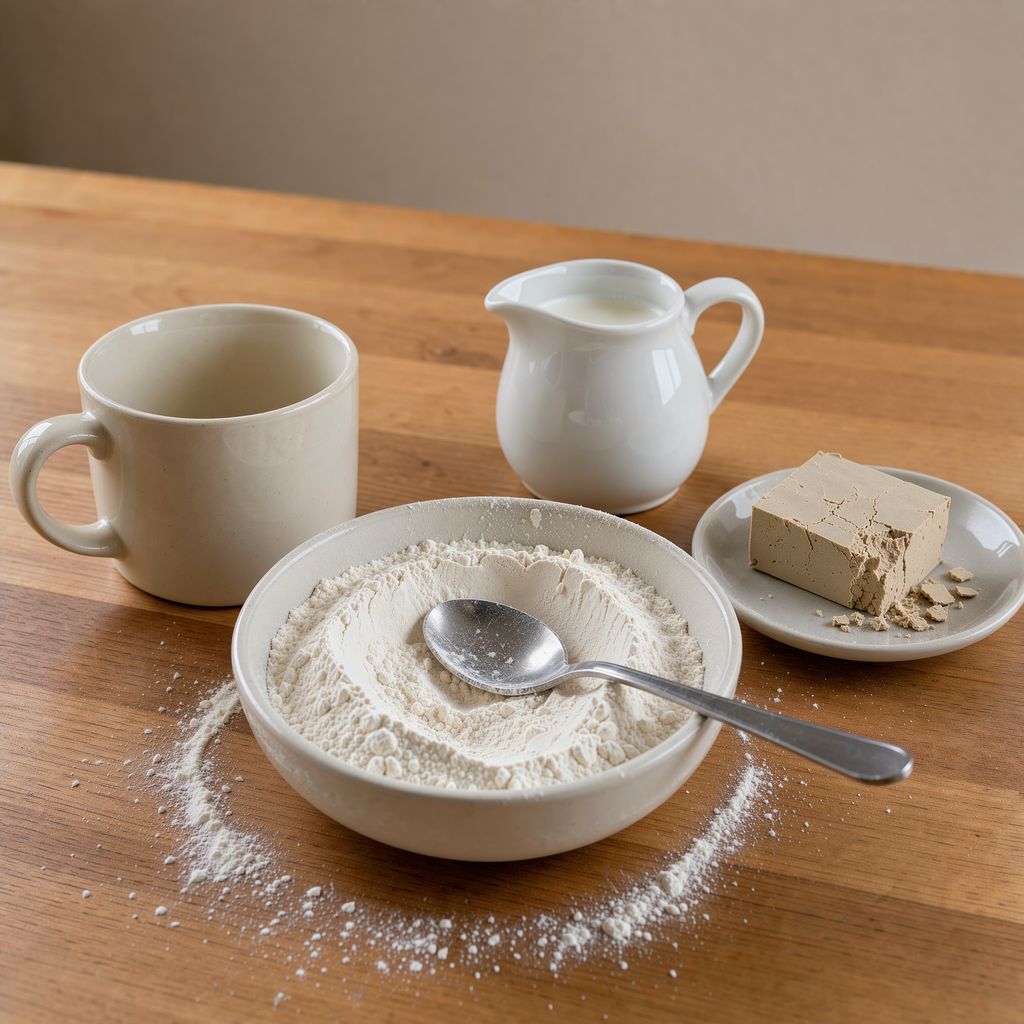
Proofing yeast means stirring crumbled fresh yeast into a thin paste with lukewarm milk, a teaspoon of sugar and a little flour, then leaving it for 10–15 minutes before mixing it into your dough. It does two things: it proves the yeast is alive, and it dissolves the yeast evenly in the liquid. With instant dried yeast you don't need it, and with fresh yeast it's more of a safety net than a must.
Proofing is a small pre-dough step in which yeast, lukewarm milk, a little sugar and a bit of flour rise and turn foamy within 10–15 minutes. It's a traditional Czech safety net for yeasted dough: buchty, koláče, vánočka and mazanec.
Don't confuse it with a sourdough starter. A rye or wheat sourdough starter is a long-term culture of wild yeasts and lactic acid bacteria that you feed for days and weeks. Proofed yeast lives for a quarter of an hour, and then you mix all of it into the dough.
Another common mix-up is in the name itself: proofing is done with baker's yeast. Baking ammonia (a chemical leavener) and nutritional yeast (a seasoning with inactive yeast) won't work for it.
For 500 g of flour, you need 20–25 g of fresh yeast (roughly half a 42 g cube), 1 teaspoon of sugar, about 100 ml of milk at 30–35 °C (86–95 °F) and 1–2 tablespoons of flour. Take the milk, sugar and flour from the amounts in the recipe rather than adding them on top. Otherwise the liquid ratio is off and the dough will be wetter.
Warm the milk only until lukewarm, 30–35 °C (86–95 °F). Dab a drop on your wrist: it should feel pleasantly warm, not hot.
Crumble the yeast into a cup, add the sugar and pour in the milk. Stir until the yeast dissolves and there are no lumps.
Stir in 1–2 tablespoons of flour to make a thin paste.
Leave the cup for 10–15 minutes somewhere warm, ideally around 25–30 °C (77–86 °F). Use a larger container, as the mixture will roughly double.
As soon as it has a foamy cap, pour it straight into the flour and make the dough.
For how much yeast and flour to use in a particular dough and how long to let it rise, see yeasted dough for buchty and dumplings: ratios, rising and timings.
Proofed yeast is working when it rises to roughly double within 10–15 minutes and has a thick, fluffy foam on top. Look for these signs:
Volume: the surface is clearly higher, by at least half and often double.
Surface: a continuous foamy cap of tiny bubbles that pop when you stir.
Smell: pleasantly yeasty, a bit like beer.
Consistency: the mixture is airy, not flat and watery.
If after 20 minutes the surface is still flat, with no bubbles and no yeasty smell, the yeast isn't working. Either it's old or badly stored, or you scalded it with hot milk. Don't use that mixture in your dough. Grab fresh yeast and start again: you've only lost a cup of milk, not a kilo of flour and a pack of butter. For how yeast ages and how to tell it's dead, read how long yeast lasts and how to tell it's no longer working.
Proofing yeast has three jobs: to check that the yeast is alive, to spread it evenly in the liquid and to give it a head start before a heavy dough.
Liveliness test. This is the main reason. Fresh yeast is a living, delicate product. The manufacturer Lesaffre states on the packaging that it should be stored in the fridge, at roughly 2–8 °C (36–46 °F), and outside the cold the yeast quickly loses strength. In a quarter of an hour, proofing tells you whether the cube still works, before you commit butter, eggs and two hours of your time to the dough.
Even distribution. Fresh yeast is moist and sticky. Crumbled straight into flour, it can stay in lumps. In milk it dissolves completely, so the dough rises evenly and has no spots with a strong yeasty taste.
A head start for rich doughs. A lot of sugar, butter and eggs slows yeast down. A yeast that's already going gets moving more reliably in such a dough, which is why proofing is traditionally done mainly for festive bakes like fragrant Easter mazanec or vánočka.
What proofing doesn't do: it won't noticeably improve flavor. Fifteen minutes is too short for that. Deeper flavor comes from pre-ferments that mature for hours (such as poolish) or from a slow rise in the fridge. And it won't turn a quick dough into a slow one. Rising time is still determined mainly by temperature; more in dough rising: temperature, time and proofing basket.
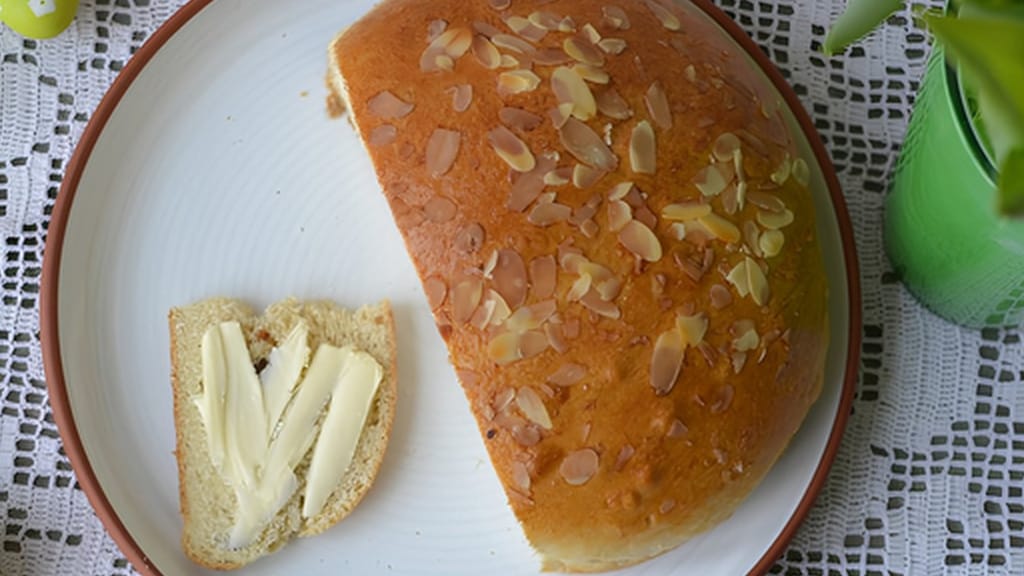
Easter classic: fragrant mazanec bread
Fragrant Easter mazanec – a rich dough where proofing yeast pays off
You can always skip proofing when you use instant dried yeast, and usually also when you have fresh yeast that's well within date and has been stored in the fridge. Decide by the type of yeast:
Instant dried yeast: don't proof. Dr. Oetker's instructions for its dried yeast say to mix the contents of the sachet (7 g per 500 g of flour, equivalent to 25 g fresh) thoroughly with the flour and to add the liquid that would have gone into the proof straight in with the other ingredients. Fleischmann's says the same for instant yeast: add it directly to the dry ingredients, with no dissolving.
Fresh yeast within date and from the fridge: proofing is optional. Just stir it into the lukewarm milk from the recipe and pour it straight into the flour, without waiting. You get even distribution and save a quarter of an hour.
Fresh yeast close to its date, of unknown age or kept out of the fridge: do proof it. This is where the liveliness test is invaluable.
Rich festive dough (vánočka, mazanec, cinnamon rolls made from brioche dough): proofing pays off. There are lots of ingredients, and expensive ones, and a heavy dough slows yeast down, so the safety net is worth a quarter of an hour.
Granulated active dry yeast (not instant): according to manufacturers, this is usually dissolved in lukewarm liquid before use. Follow the instructions on the packet.
To convert fresh yeast to dried and back, see dried vs. fresh yeast: conversion and how to bake with each.
The most common yeast killer is milk that's too hot, followed closely by old yeast. Here's the full list:
Hot milk. Above roughly 50 °C (122 °F) yeast starts to die, and around 60 °C (140 °F) it's reliably dead, according to Bob's Red Mill. Stick to 30–35 °C (86–95 °F). If you're unsure, cooler milk is better: the mixture will just rise more slowly.
Cold milk straight from the fridge. It won't kill the yeast, but almost nothing happens in 15 minutes and it looks as if the yeast is dead. Always warm the milk to lukewarm.
Salt in the proof. Salt belongs in the flour, not in the proof. In direct contact at a higher concentration, it slows yeast down.
Overproofed mixture that has already collapsed. After 30 minutes or more, the foam deflates and the mixture looks tired. The yeast still works, but you've missed the best moment. Use it as soon as it has a foamy cap.
A cup that's too small. The mixture doubles and overflows. Use a cup that holds at least 300 ml.
Proofing suits any yeasted dough made with fresh yeast, but you'll appreciate it most in sweet, rich doughs with lots of butter, sugar and eggs in the bowl. On Yumsto, you can try it in these recipes for koláče, rolls and Easter bakes. For how to fine-tune the dough itself so it's soft, see yeasted dough for koláče: soft and fluffy.
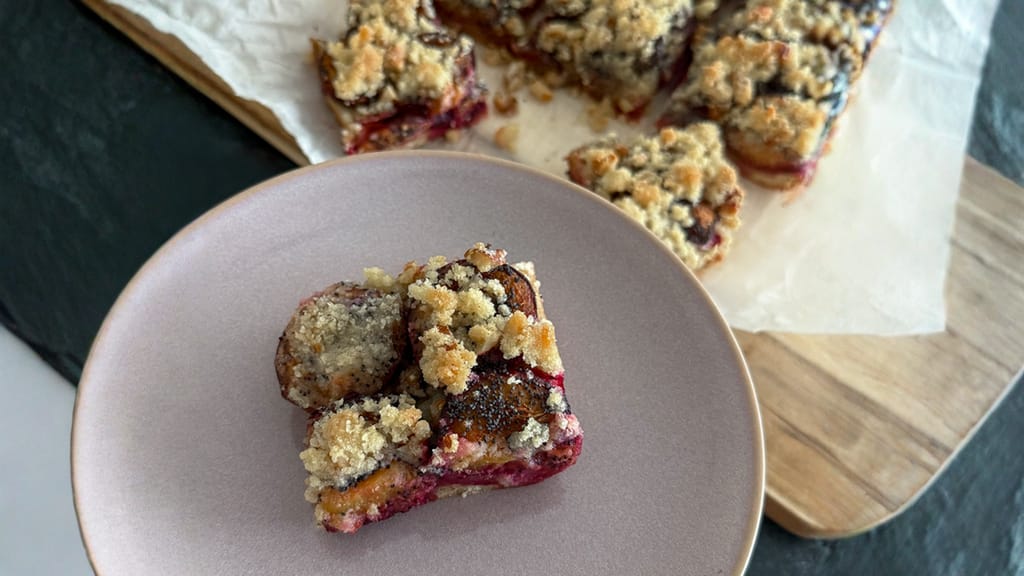
Classic yeasted plum sheet cake with crumble topping
Classic yeasted plum sheet-pan cake with streusel
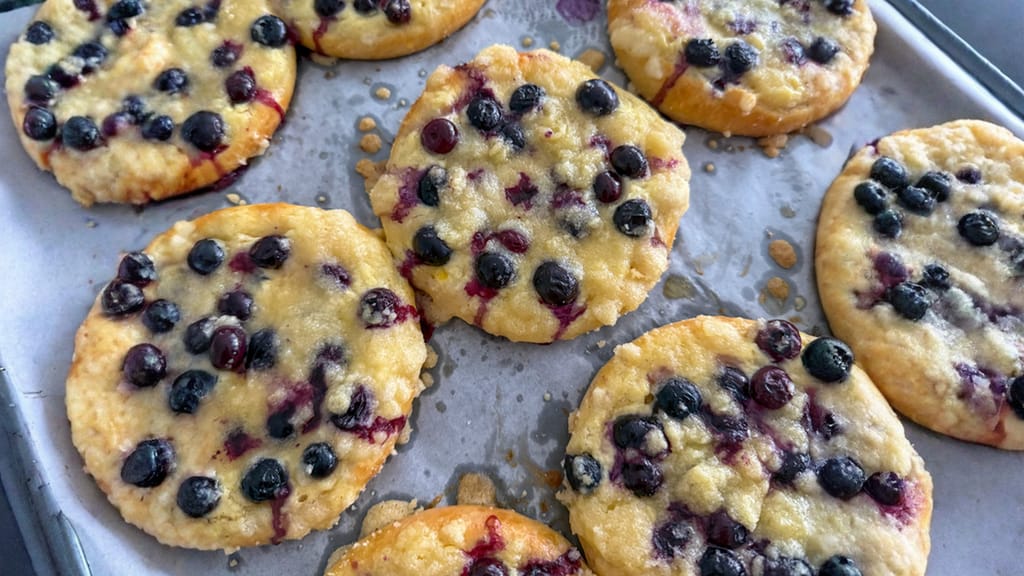
Yeasted blueberry buns with curd cheese and crumble
Yeasted blueberry koláče with sweet cheese and streusel
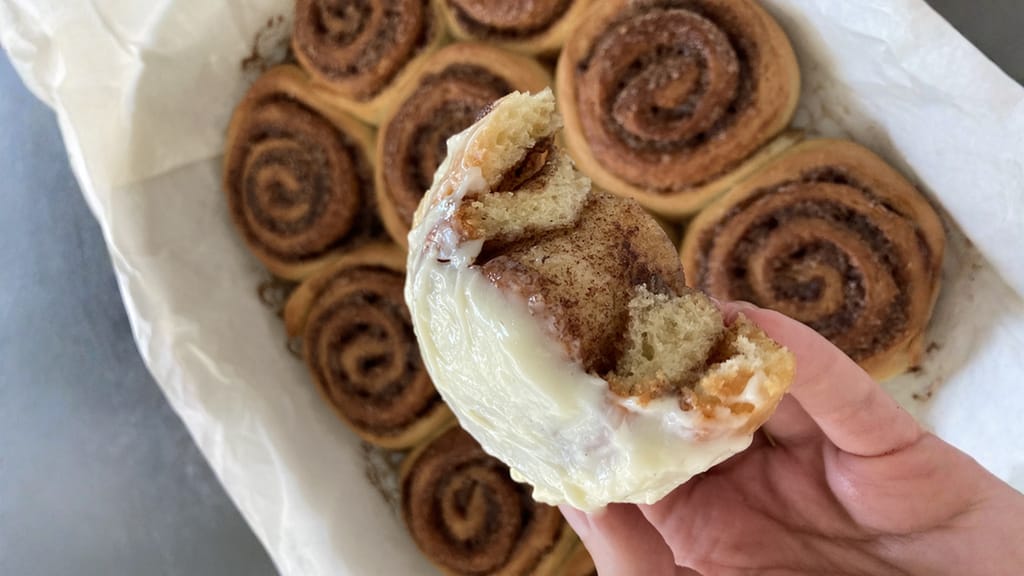
Soft cinnamon rolls made from brioche dough, with icing
Soft cinnamon rolls made from brioche yeasted dough
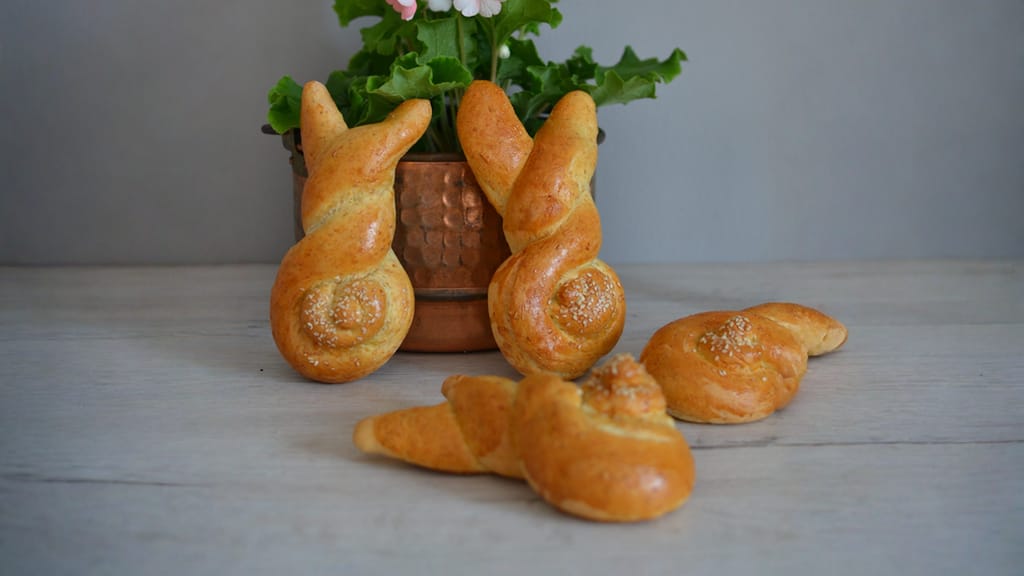
Adorable easter bunnies from yeast dough
Easter bunnies made from yeasted dough
Yes, proofing works just as well with lukewarm water at 30–35 °C (86–95 °F). Milk gives the dough a softer crumb and a slightly more golden crust, while water is the usual choice for savory bakes and bread. Take the water out of the liquid in the recipe.
Yes, the yeast will still foam without sugar, just more slowly. Yeast can get sugars from the flour, but a teaspoon of sugar kicks off the foaming faster and makes the test easier to read. For savory doughs, a small pinch is enough.
No. Proof the yeast right before you make the dough and use it within 15–20 minutes. After half an hour it collapses, and it contains milk, which according to USDA/FSIS shouldn't sit at room temperature for more than 2 hours. If you want to spread the dough over two days, let the whole dough rise in the fridge instead.
Yes, you can proof yeast with oat, soy or almond milk warmed to 30–35 °C (86–95 °F). The yeast doesn't need anything specific from the milk; the sugar and flour feed it. That's why proofing with plant-based milk is common in vegan yeasted bakes too.
One recipe worth heating the oven for, one tip, and one deal from the shop. Nothing else.