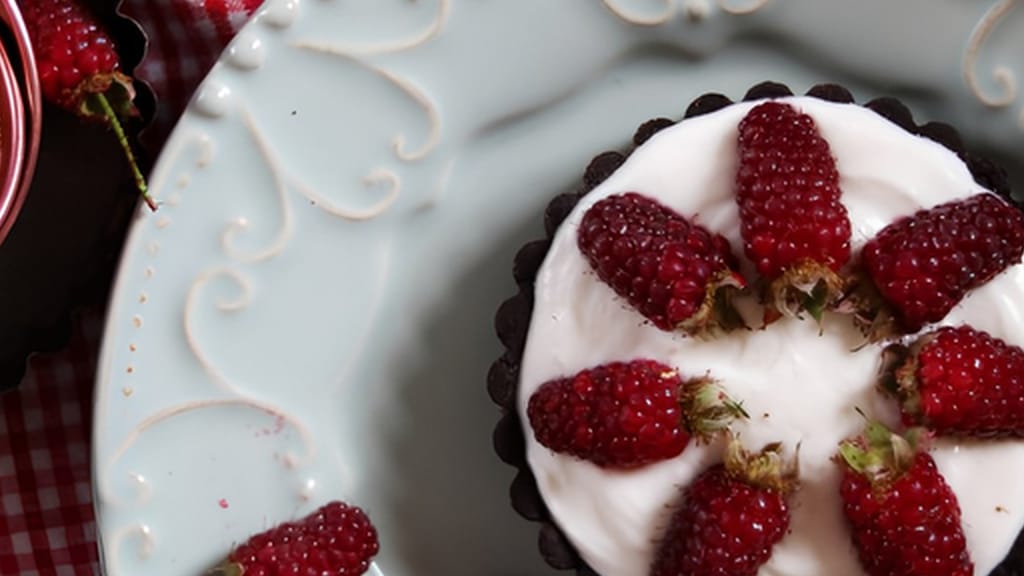
Tartlets with light ricotta and curd cheese cream
Cannoli: How to Get a Crackly Shell and Creamy Ricotta Filling

Updated Jul 19, 2026
You can spot a good cannolo by two things: a blistered, glassy-crisp shell and a silky ricotta filling piped in just before serving. This Sicilian classic isn't baked but fried — and it's frying that thin, wine-laced dough that gives it that signature brittleness. We'll walk through what separates great dough from chewy dough, how to get your oil temperature right, how to make a filling that won't turn the shell soggy, and where you can take the recipe from there. Whether it's your first time making cannoli or you're finally ready to nail them, you'll find the reasons things work here too.
Cannoli are crisp fried tubes of thin dough filled with sweet ricotta cream — they originated in Sicily, where they were first made under Arab rule between the 9th and 11th centuries. The word cannolo comes from the Latin canneolus, meaning a little reed tube: the dough was originally wrapped and fried around actual reed stalks.
According to a widely repeated legend, they were first made by women in the Sicilian town of Caltanissetta (Arabic Qal'at an-nisa, "castle of women"), and it was the Arabs who brought sugar and almonds to the island — ingredients that still define Sicilian pastry-making today. Cannoli have traditionally been tied to carnival celebrations, and later their recipe was kept alive in convent kitchens.
The essentials, though, haven't changed over the centuries: a crisp shell and a soft, creamy filling. Everything else — pistachios, chocolate, limoncello, swapping in mascarpone for some of the ricotta — is just a variation on that same pairing.
How crisp the shell turns out is decided before frying even starts — at the dough stage. Classic cannoli dough is built from these ingredients (enough for about 12–15 shells):
Plain flour, ideally Italian tipo 00, about 250g (2 cups) — its low gluten content keeps the dough delicate.
Sugar 2 tbsp — just for flavor and a golden color; too much sugar browns too fast.
A pinch of salt and, to taste, 1 tsp cinnamon or cocoa.
Fat 30–40g (2–3 tbsp) — traditionally lard, though softened butter works fine; it adds brittleness.
1 egg (yolk goes into the dough, save the white for sealing the seams).
Dry Marsala wine about 60–80ml (¼–⅓ cup), ideally with a tablespoon of wine vinegar.
Feel free to fine-tune the ratios — the dough should be smooth and firm like pasta dough, never sticky.
Wine and vinegar are the secret behind those signature blisters. The alcohol and acid flash-evaporate in the hot oil, creating pockets of steam inside the dough — and it's those pockets that puff up the surface into bubbles and give the shell its glassy brittleness instead of hard toughness. Skip the wine and the shell tends to come out dense and "bready." Marsala also brings that distinctive Sicilian flavor; you can substitute dry white wine if needed.
Good cannoli dough needs to be properly worked, rested, and rolled out really thin. Here's how:
Mix the dry ingredients — flour, sugar, salt, and cinnamon if using.
Add the fat and liquids — egg, wine, and vinegar. Work into a smooth, elastic dough; kneading takes about 10 minutes.
Let it rest for at least 1–2 hours in the fridge, wrapped in plastic. Don't skip this step — it lets the gluten relax, so the dough rolls out thin without springing back.
Roll out to 1–2mm (about 1/16 inch) thick, ideally using a pasta machine. Any thicker and it won't puff properly and will stay tough. Keep the rest of the dough covered so it doesn't dry out.
Cut out rounds (about 9–10cm/3½–4 inches across) and wrap them around metal cannoli forms. Seal the overlap with egg white — otherwise the tube will pop open while frying.

Cannoli are deep-fried in oil heated to 350–365°F (175–185°C) for roughly 1–2 minutes, until golden. What matters most:
Temperature of 350–365°F (175–185°C). Too low, and the dough soaks up oil, turning greasy and soft; too high, and the surface burns before the shell cooks through. Keep a thermometer handy.
Oil with a high smoke point — peanut, canola, or sunflower oil; lard is the traditional choice too.
Fry in small batches. Cold dough drops the oil temperature, and an overcrowded pot leaves cannoli limp.
Turn them. Puffed-up tubes tend to flip over on their own — fry them evenly on all sides.
Drain the oil. Lift out with a slotted spoon onto paper towels, and only slide off the metal form once it's cool enough to handle safely.
A proper filling is thick, sweetened ricotta, and the secret lies in two things: drain the ricotta really well, and only fill the cannoli 5–10 minutes before serving. Otherwise moisture from the filling will soften that crisp shell.
Well-drained ricotta — sheep's milk ricotta is best, strained through a cheesecloth-lined sieve, ideally overnight in the fridge. Leftover whey is the enemy of crispness.
Sifted icing sugar about 80g (⅔ cup) per 250g of ricotta; for extra smoothness, pass the mixture through a sieve.
Flavor — vanilla, a pinch of cinnamon, grated orange zest.
Pipe with a piping bag from both ends of the tube, right before serving.
Tartlets with light ricotta and curd cheese cream
A light ricotta-and-curd-cheese cream — flavor inspiration for a cannoli filling
The classic is sweetened ricotta, but the filling takes well to plenty of twists. Some tried-and-true directions:
Chocolate — fold cocoa or chopped dark chocolate into the ricotta.
Pistachio — Sicilian pistachio paste, garnished with crushed pistachios.
Citrus — lemon or lime zest and juice.
Richer texture — swap some of the ricotta for mascarpone (as in tiramisu).
Dairy-free / vegan — lactose-free ricotta, or a cashew cream or thickened coconut yogurt.
The ends of the tubes are cannoli's calling card: dip them in melted chocolate and coat with chopped pistachios, candied fruit, or more chocolate, then finish the whole cannolo with a light dusting of icing sugar. A few tips:
Ends = contrast — pistachios, candied orange peel, crushed almonds, shredded coconut.
Our favorite — chopped dark chocolate with candied orange.
Serve immediately — filled cannoli taste best within the first half hour; the crispness fades fast.
Plating — a simple arrangement, fresh mint, and a dusting of icing sugar through a sieve go a long way.
For more on plating desserts with real flair, check out our article on the secrets of plating desserts like a Parisian pâtisserie.

Most cannoli disasters come down to a handful of repeat offenders:
Hard, "bready" shell — the dough was rolled too thick, or made without wine and vinegar. Roll to 1–2mm.
Greasy tubes — oil was too cold. Keep it at 350–365°F (175–185°C) and don't overcrowd the pot.
Tubes popping open — the overlap wasn't sealed properly. Seal with egg white and press firmly.
Soggy shell — filled too far ahead, or the ricotta was too watery. Drain well and fill at the last minute.
Runny filling — ricotta wasn't drained enough. Let it drain overnight if needed.
If cannoli have won you over, dive into more Italian classics — each has its own charm and its own technique worth mastering.
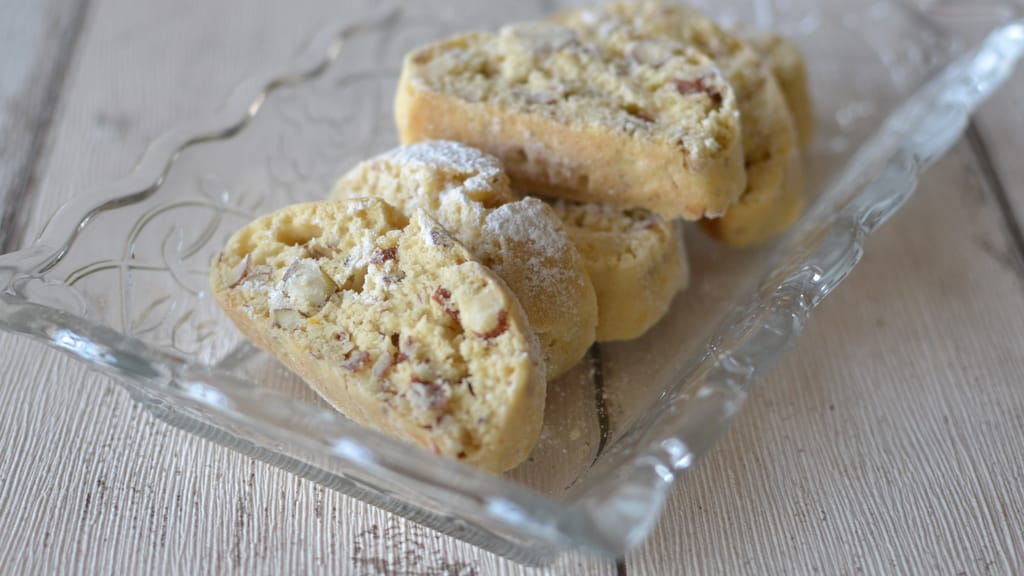
Cantuccini – italian almond biscuits
Cantuccini — crunchy Italian almond biscuits perfect with espresso
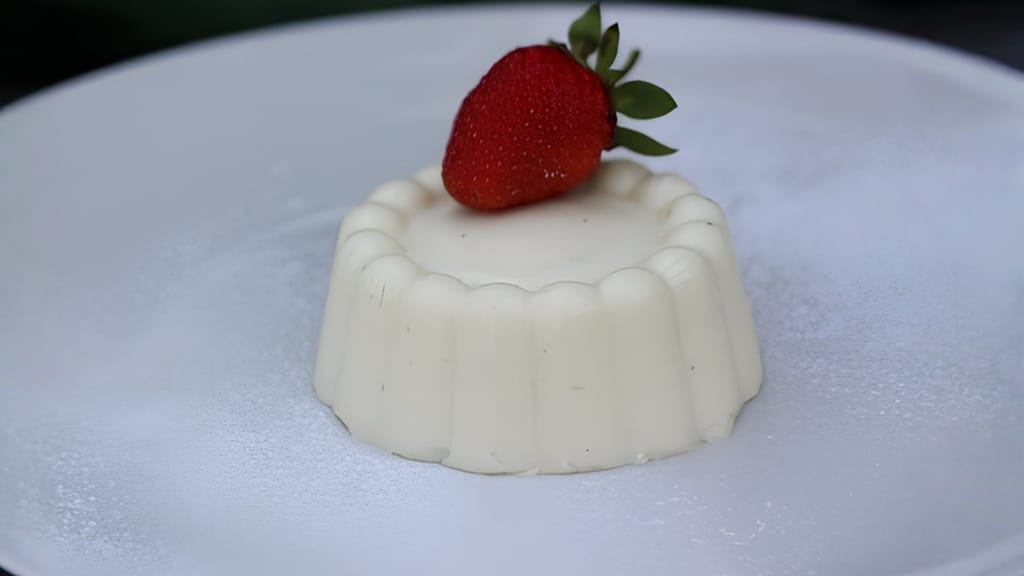
Panna cotta
Panna cotta — a silky Italian cream dessert
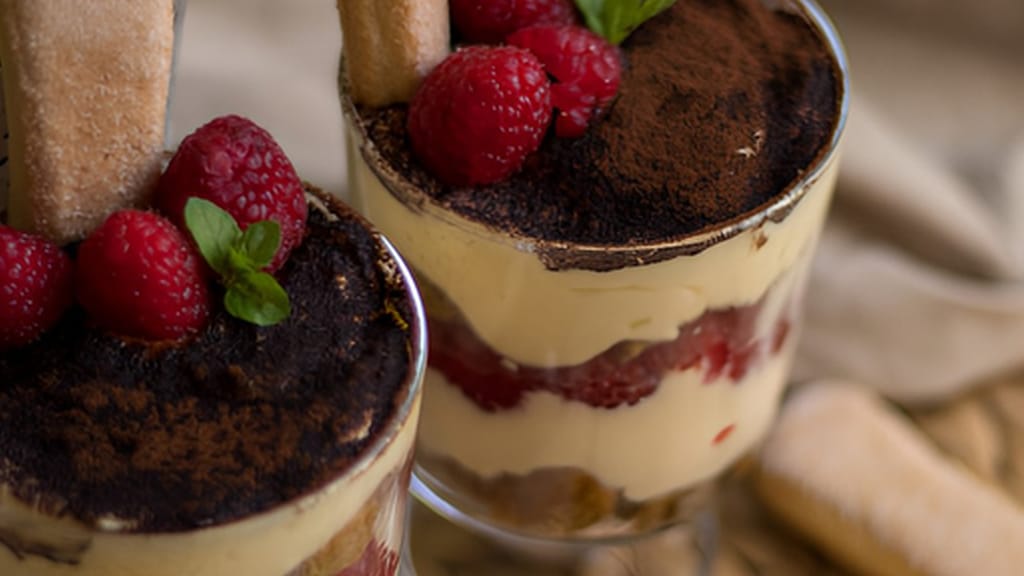
Raspberry tiramisu
Raspberry tiramisu — an Italian classic made with mascarpone
Traditional cannoli are deep-fried in hot oil (350–365°F/175–185°C), not baked — it's exactly this quick, hot frying of thin dough that creates those signature blisters and glassy crispness. Oven-baked versions exist too, but they tend to come out tougher and less delicate than the real Sicilian thing.
Unfilled shells will happily keep in an airtight container at room temperature for a week and stay crisp. Filled cannoli soften within a few hours, so only fill them right before serving; once filled, keep them in the fridge and eat them the same day.
Swap Marsala for a dry white wine, or for an alcohol-free version, use white grape juice with a splash of wine vinegar. The acidity and liquid matter more than the alcohol itself — they help create steam and blisters, so the shell will still turn out crisp without wine, just with a milder flavor.
Classic cannoli use metal tubes (about 2cm/¾ inch across), but you can substitute clean stainless steel tubes or foil rolled tightly into cylinders. They need to withstand hot oil, so wood or plastic won't work.
Yes — you can mix the ricotta filling 1–2 days ahead and keep it in the fridge, and fry the shells the morning of or a day before. Just leave the actual filling until the very last moment, otherwise moisture from the filling will soften the crisp shell.
One recipe worth heating the oven for, one tip, and one deal from the shop. Nothing else.