Tartlets with light ricotta and curd cheese cream
Sfogliatella: The Secrets to Making Naples' Famous Pastry at Home

Updated Jul 19, 2026
Sfogliatella is a Neapolitan pastry made of dozens of paper-thin layers of dough, filled with a ricotta and semolina cream, candied citrus peel and cinnamon. It comes in two forms: the crisp, shell-shaped *riccia* and the softer, shortcrust *frolla*. Making it at home is a challenge — but a manageable one, once you understand why each step matters. Here's the full process, from dough to filling to baking, including the places it most often goes wrong.
Sfogliatella is a layered Neapolitan pastry filled with a sweet ricotta and semolina cream, scented with candied citrus peel and cinnamon. The name comes from the Italian sfoglia — meaning sheet, or leaf — and that's exactly what it looks like: dozens of paper-thin layers of dough stacked on top of each other.
According to tradition, it originated around 1600 at the Santa Rosa convent in Conca dei Marini on the Amalfi Coast. Legend has it that a nun, not wanting to waste leftover semolina, mixed it with sugar, dried fruit and citrus liqueur, then wrapped it in dough. The recipe made its way to Naples thanks to pastry chef Pasquale Pintauro, who began selling it in his shop in 1818 — and ever since, sfogliatella has been one of the symbols of Neapolitan pastry-making.
Sfogliatella comes in two basic forms — riccia is crisp and layered, while frolla is smooth and short. They differ in the type of dough, not the filling: both hide the same ricotta and semolina cream inside.
Sfogliatella riccia ("curly" in Italian): stretched and rolled dough brushed with fat, rolled into a log and sliced into rounds. As it bakes, the layers fan open into the pastry's signature shell shape with delicate ridges.
Sfogliatella frolla: a quicker version made from shortcrust pastry (pasta frolla) and filled like a turnover. It doesn't form layers, is softer, and is more like a buttery bun.
Santa Rosa: the original convent version, larger and topped with custard cream and amarena cherries.
If you're baking for the first time, start with frolla — it forgives more mistakes. Riccia is the goal you work your way up to.
Authentic sfogliatella relies on five key ingredients: semolina, fat (traditionally lard), ricotta, candied citrus peel and cinnamon. Nothing exotic — but quality matters. The amounts below make roughly 10–12 pastries.
Strong plain flour with a higher gluten content (00 or bread flour) — about 250 g
Water — roughly 90–100 ml, enough to make a firm, not sticky, dough
A pinch of salt and a teaspoon of honey or sugar
Lard (strutto) for brushing the layers — 100–150 g softened, or clarified butter as an alternative
Ricotta — 250 g, well drained
Semolina — 80 g cooked in 250 ml milk into a thick porridge
Sugar — 80–100 g, to taste
1 egg (or just the yolk for a thicker filling)
Candied orange or citron peel — 40 g, finely chopped
A pinch of ground cinnamon and seeds from half a vanilla pod
Fine semolina can replace coarser semolina — the texture will be a touch softer.
Softened butter or ghee can stand in for lard, though the layers will be less crisp (more on this in the FAQ below).
Well-drained curd cheese (quark) or mascarpone can replace ricotta; with mascarpone, cut back on the sugar since it's sweeter and richer.
Freshly grated orange or lemon zest can brighten things up in place of candied peel.
The magic of riccia lies in the layering: the dough is stretched until translucent, brushed with fat, rolled into a log and sliced — the fat between the layers evaporates in the oven and pushes the sheets apart into crisp ridges. Here's how:
Make a firm dough from flour, water, salt and a teaspoon of honey. Knead for 8–10 minutes, until smooth and stretchy like an earlobe. Wrap and let it rest for at least an hour, or overnight — this relaxes the gluten and makes the dough easier to stretch thin later.
Stretch it until translucent. Divide the dough into pieces and run it through a pasta machine from the thickest to the thinnest setting, until you can see the work surface through the sheet. You can do this by hand too, it just takes more effort.
Brush with fat. Generously coat each sheet with softened lard — this is the layer that will later separate the sheets from each other.
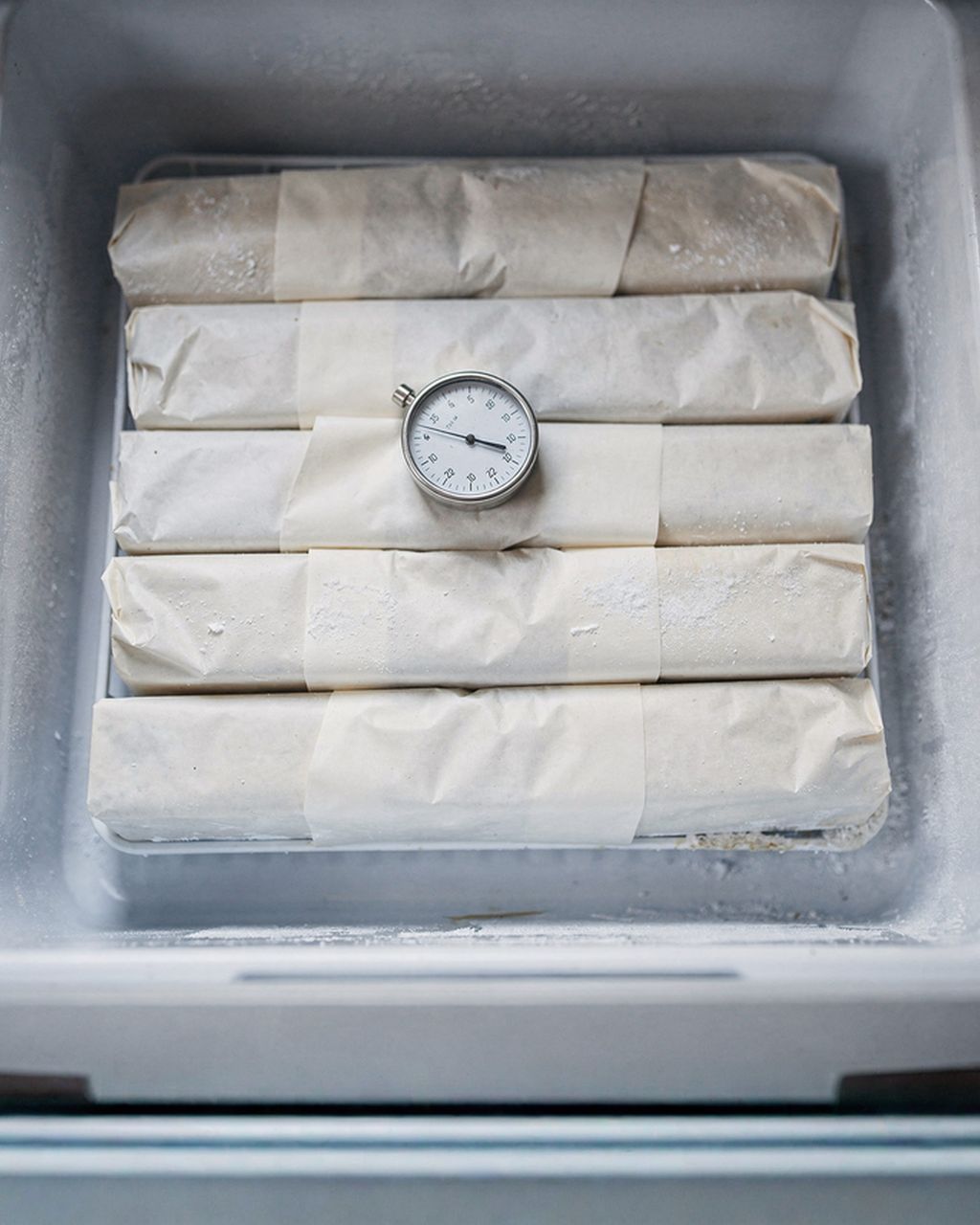
Roll into a log. Join the sheets end to end and roll them into a tight, dense log about 6–7 cm in diameter. Wrap in plastic and chill in the fridge for at least 2 hours, ideally overnight.
Slice and shape.Cut the log into slices about 1 cm thick, then press each one open with your thumbs to form a cone, pushing the layers outward in the middle to create a pocket for the filling.

The ideal filling is thick, smooth and holds its shape — never runny. It's built on a semolina porridge mixed with well-drained ricotta. Here's how:
Drain the ricotta through a fine sieve or cheesecloth for at least an hour, or overnight in the fridge. Excess whey is the most common reason the filling leaks out during baking.
Cook the semolina in milk into a thick, set porridge and let it cool.
Whisk everything together — ricotta, semolina, sugar, egg, candied peel, cinnamon and vanilla. The filling should be pipeable, but still hold on a spoon.
Fancy a twist? A spoonful of cocoa makes a chocolate version, lemon zest adds brightness instead of orange, and a handful of chopped almonds or pistachios adds crunch. Just keep the basic semolina-to-ricotta ratio as is — that's what holds the filling together.
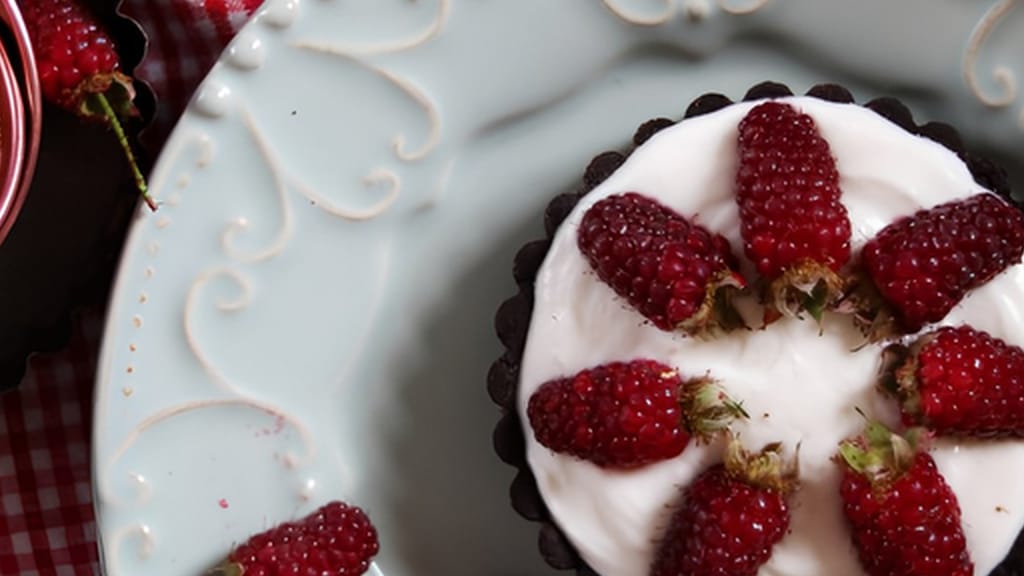
Tartlets with light ricotta and curd cheese cream
Ricotta and curd cheese tartlets — a simpler way to enjoy a ricotta dessert without laminating dough.
Bake sfogliatelle hot and fast: in a preheated oven at 200–210°C (390–410°F) for about 20–25 minutes, until deep golden and the ridges have fanned open. High heat is essential — it's what turns the fat between the layers to steam and puffs up the shell.
Arrange the filled cones on a baking tray lined with parchment paper, seam-side down, leaving space between them — they'll expand as they bake.
Brush the surface with melted butter or lard for shine and colour.
In a fan/convection oven, lower the temperature by 10–15°C compared to conventional, and keep an eye on them from the 18-minute mark — the thin layers go from golden to brown fast.
You'll know they're done by the sound: tap one and listen for a hollow, crisp knock.

Sfogliatella is best eaten fresh and slightly warm, within a few hours of baking — that's when it's at its crispiest. Dust with icing sugar just before serving.
In Naples, it's a breakfast staple alongside a strong espresso, but it also works beautifully as a dessert after dinner — with coffee, a sweet wine, or a liqueur like limoncello. Riccia is all about the contrast between the crisp shell and creamy filling, so serve it as fresh as possible; frolla stays soft for longer.
If the layering process feels intimidating for now, start with a simpler Italian dessert and work your way up to sfogliatella.
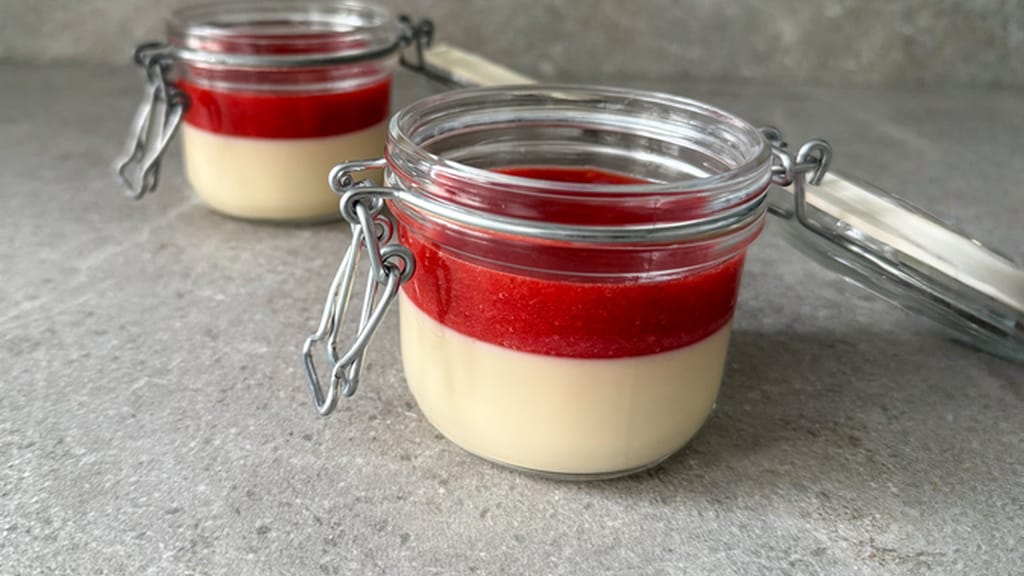
Panna cotta: a simple italian dessert ready in no time
Panna cotta — a simple Italian dessert ready in no time, for when you're not in the mood for laminating dough.
Yes, but with a trade-off. Lard (strutto) gives the layers the best crispness and separation; you can swap it for clarified butter or ghee, both of which can handle the high baking temperature. Regular butter contains water, so the layers will separate less and go soft faster.
Best eaten within 24 hours. Riccia softens the next day as moisture from the filling seeps into the layers; you can bring back the crunch by warming it in the oven at 180°C (355°F) for 5 minutes. Unbaked or unfilled shells keep for a few days if stored dry and cool.
As an emergency shortcut, yes, but it won't be true riccia. Store-bought puff pastry won't create the shell's signature concentric ridges and tends to be more buttery — it works better as a quick ricotta-filled pastry than as an authentic result.
It's almost always down to ricotta that's too wet or a filling that's too runny. Drain the ricotta for at least an hour, cook the semolina to a thick consistency, and don't overfill the shells — the filling should come close to the edge, not spill over.
Yes. Shape the unbaked cones, freeze them on a tray, then transfer to a bag; bake straight from frozen, just add a few extra minutes. Both the rolled dough and the finished filling can be kept in the fridge a day ahead.
The closest substitute is well-drained curd cheese (quark), or a mix of quark with a spoonful of sour cream. Mascarpone also works, but it's sweeter and richer — so cut back on the sugar. Whatever substitute you use, make sure the filling stays thick enough to hold its shape.
One recipe worth heating the oven for, one tip, and one deal from the shop. Nothing else.