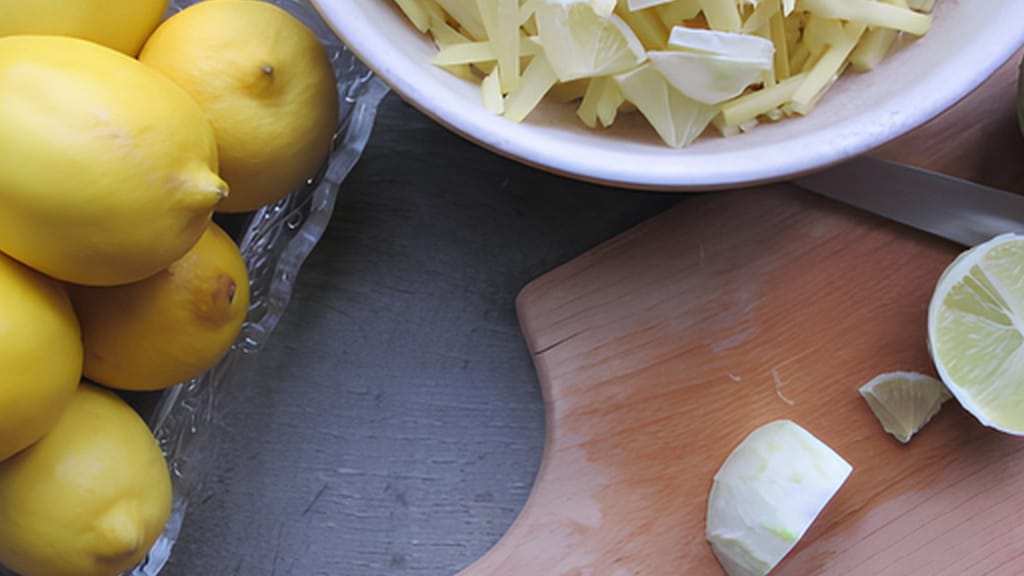
Ginger with lemon and orange in honey
Fresh Ginger: How to Store It, Freeze It and What to Substitute
Updated Nov 17, 2026
Fresh ginger keeps 1–2 weeks in the fridge, but only 1–2 days at room temperature. That's according to Storing Food for Safety and Quality (PNW 612), a guide from US universities. The freezer keeps it longest, and frozen ginger is actually easier to grate than fresh. If you've run out, use ground ginger: for 1 teaspoon of grated fresh ginger, about ¼ teaspoon of ground is enough. Below you'll find how to store ginger so it doesn't shrivel, how to freeze it, and what to substitute in savory dishes and in baking.
Whole, unpeeled ginger keeps 1–2 weeks in the fridge and 1–2 days at room temperature. For longer storage, put it in the freezer.
Room temperature: 1–2 days
Fridge (1.7–4.4°C / 35–40°F): 1–2 weeks
Freezer: much longer than the fridge, see the section below
The room-temperature and fridge times come from the guide Storing Food for Safety and Quality (PNW 612), published by the University of Idaho, Oregon State University and Washington State University. They show how long ginger keeps its best quality. They aren't exact dates for when it spoils, so always judge by how the root looks too.
Fresh ginger is firm and heavy, with smooth, glossy skin, and it smells strongly as soon as you snap it. If the skin wrinkles and the root softens a little, it's just drying out. You can still use it, but it will be more fibrous and less juicy. If it's mushy, slimy, moldy or smells sour, throw it out.
Seasonal baking plans, tested recipes and kitchen tricks that save you time. Unsubscribe in one click.
Store ginger in the fridge whole, unpeeled and dry, wrapped in a paper towel and sealed in a bag or container, in the vegetable drawer. That way it avoids the two main problems: it doesn't lose water, and moisture doesn't collect under it.
Don't peel or wash it. The skin protects it from drying out. Rinse it just before you use it.
Wrap it in a paper towel. The towel soaks up condensation so it doesn't settle on the skin, where mold would start.
Seal it in a bag or container. Ginger left loose in the fridge dries out and shrivels quickly.
Put it in the vegetable drawer. The humidity is higher there, and the ginger isn't sitting against the cold back wall, where it could freeze.
A cut piece: the cut surface dries out fastest. Wrap it tightly in a towel and use it first. Before using it, slice off the thin dried layer.
Leave it on the counter only if you'll use it within two days. Ground ginger follows different rules, the same as other dried spices. You'll find them in our article on how to store ground spices so they don't lose their aroma.
You can freeze ginger whole or in pieces, even unpeeled, and then grate it straight from frozen into your dish. It keeps much longer in the freezer than in the fridge. Freezing does soften it, so it's no longer good for slices or matchsticks in a stir-fry. For grating, though, it's ideal.
Whole root: dry it, put it in a freezer bag and press out as much air as you can. There's no need to peel it.
3–5 cm (1–2 in) pieces: worthwhile if you grate often. You take just one piece at a time and the rest stays frozen.
Seal the bag well. Otherwise the ginger dries out and picks up freezer odors.
Pay attention to the smell. As long as it smells sharp and fresh after grating, it's fine. If it mostly smells of the freezer, it's time to replace the bag.
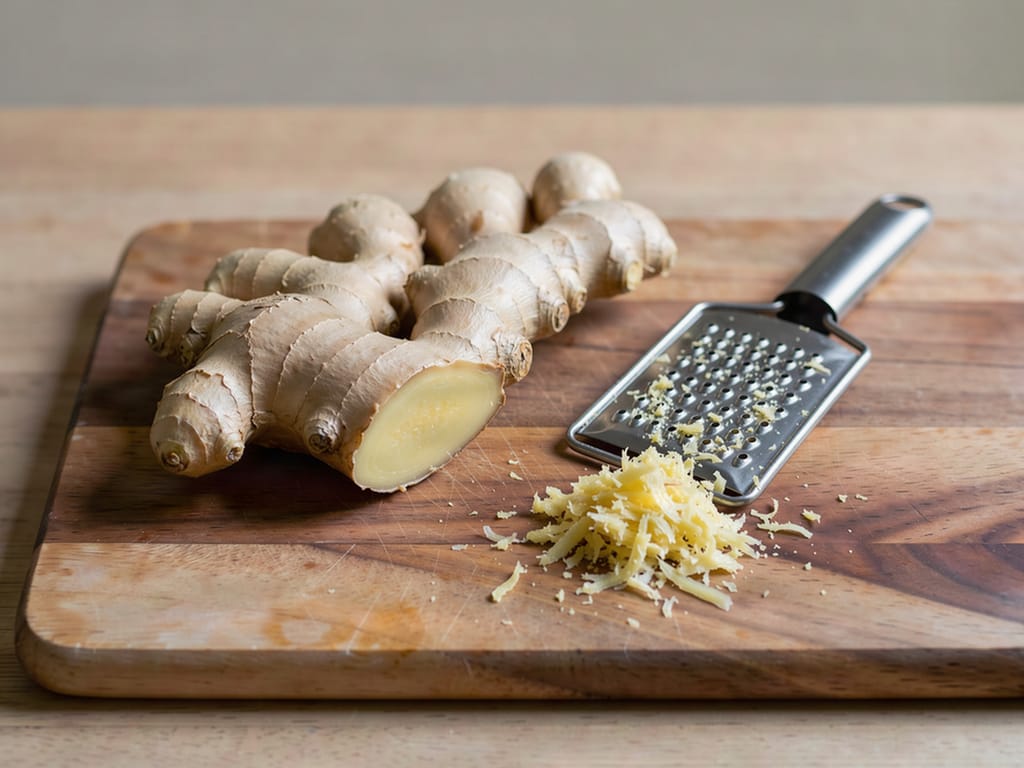
Grate frozen ginger straight from the freezer, with no thawing and no peeling, on a fine grater. It's hard, so it doesn't get squashed, and the tough fibers stay behind on the grater. Only a fine, juicy pulp goes into your dish.
Take out only the piece you need and put the rest straight back in the freezer.
Grate it with the skin on. The skin is thin and you won't notice it in the fine pulp.
Put the grated ginger straight into the pot, marinade or dough. On the counter it soon softens and releases its juice.
Fresh ginger on the same grater often just gets mashed, and the fibers wrap around it. Once you've tried grating it frozen, you'll most likely stick with it.
The best substitute for fresh ginger is ground ginger. Other options are galangal, candied ginger and, in sweet baking, a blend of cinnamon, allspice, cardamom and mace. None of these substitutes gives the same result, though: fresh ginger is juicy, sharp and citrusy, while ground is warmer and earthier.
For 1 teaspoon of grated fresh ginger, use ¼ teaspoon of ground. This ratio comes from the spice maker McCormick and works out at roughly 1:4. Ground ginger is dried, and so much more concentrated. Fresh root is largely water.
1 teaspoon fresh ≈ ¼ teaspoon ground
1 tablespoon fresh ≈ ¾ teaspoon ground
Start with a smaller amount and adjust to taste. Ground ginger has a different kind of heat, and if you add too much, the dish turns bitter and tastes dusty and chalky on the tongue. In sauces and soups, add it along with the fat or onion, because a brief sauté brings out its flavor. Just stirring it in at the end of cooking isn't enough, and the flavor stays flat.
Where the substitute doesn't work: in dishes where ginger is the star and should be fresh and juicy. Typically sliced ginger tea, pickled ginger or dressings. There, ground ginger clouds the liquid and doesn't give the citrusy freshness.
In savory dishes you can replace fresh ginger with ground ginger (¼ teaspoon for 1 teaspoon fresh), galangal, lemon zest with chili or ginger paste from a tube. They suit curries, soups, stir-fries and marinades.
Ground ginger is the surest choice. Sauté it briefly with fat or onion so its flavor opens up.
Galangal is a ginger-like root from Asian stores, often labeled galangal on the packaging. It's sharper, resinous and citrusy. It works wonderfully in Thai cooking, but it's too assertive for Chinese stir-fries. Use roughly the same amount as ginger and adjust to taste.
Lemon zest with a little chili replaces at least the freshness and the heat. It suits dishes where ginger is just one of many flavors.
Ginger paste from a tube is a handy backup. Check the amount on the packaging, as brands dilute it differently.
In marinades for grilled vegetables, where ginger adds a fresh, sharp note, ground ginger will do fine too. You'll find how to put such a marinade together in our article on how to grill vegetables.
In baking, fresh ginger is very easy to replace with ground ginger. Most recipes for gingerbread cookies, gingerbread (perník) and cakes call for it from the start anyway, since it adds no moisture to the dough and the flavor spreads evenly.
Ground ginger: ¼ teaspoon for every teaspoon of fresh. You don't need to adjust the dough in any way.
Candied ginger, finely chopped, adds bits of sharp sweetness to muffins, cookies and bundt cake. But it's sugared, so you can cut back a little on the sugar in the recipe.
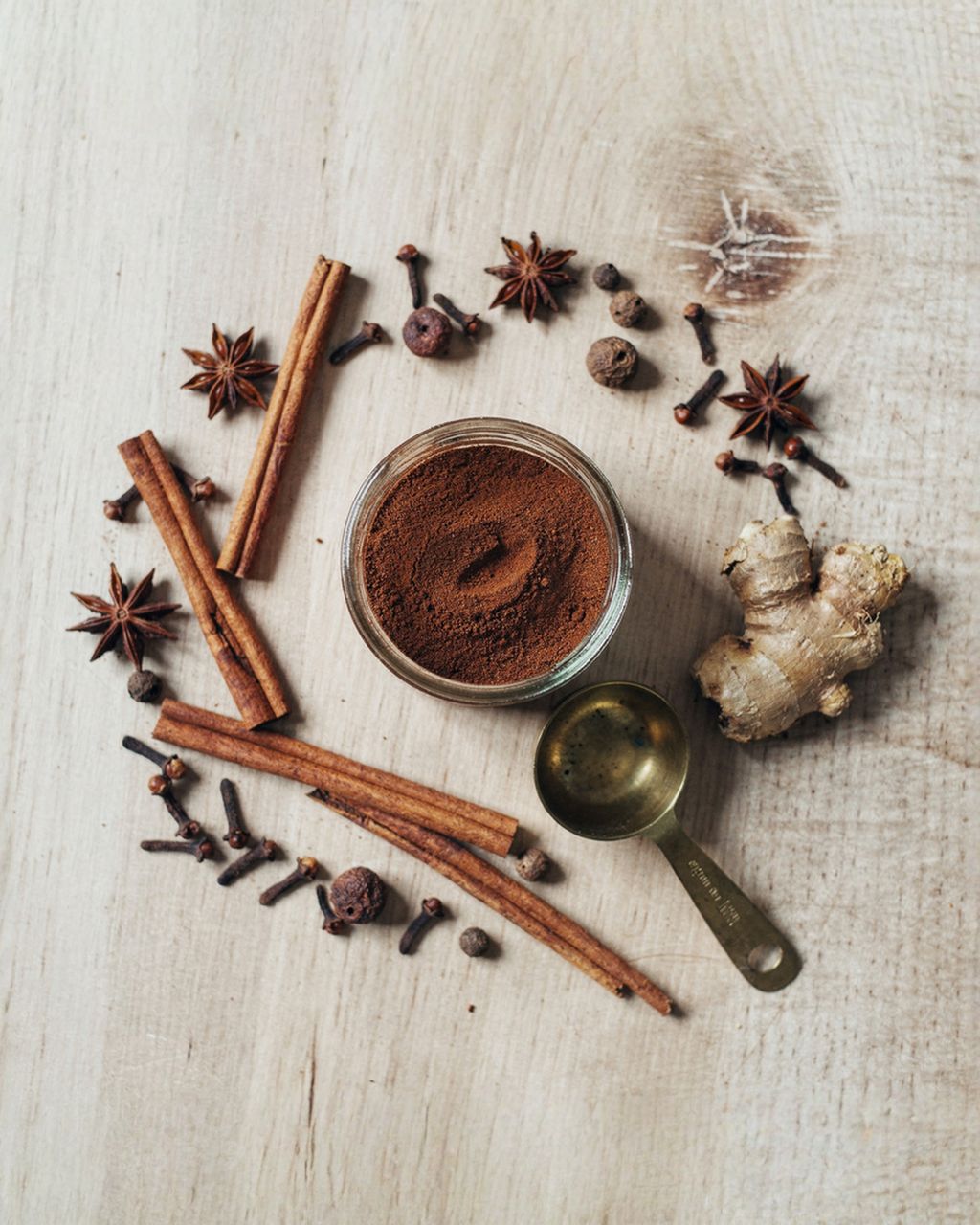
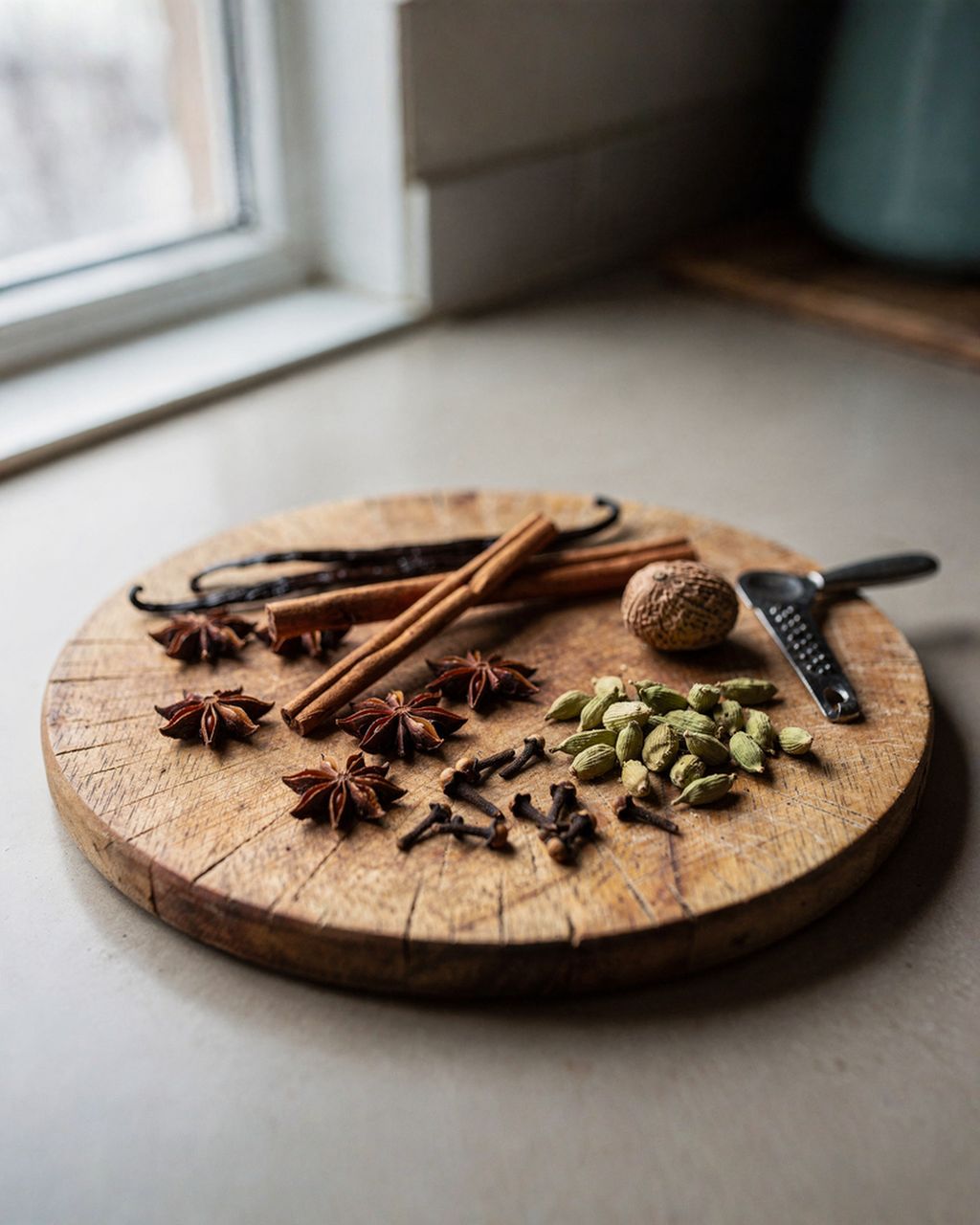
No ginger at all: a blend of cinnamon, allspice and a pinch of cardamom or mace helps. It won't give you ginger's sharpness, but it does give a warm gingerbread note.
For honey gingerbread cookies, stick with ground ginger. In the recipe for soft honey gingerbread cookies that don't harden or in Swedish pepparkakor, gingerbread cookies with ginger and cinnamon, fresh ginger would change the texture of the dough.
The quickest ways to use up a big piece of fresh ginger are ginger in honey, masala chai, carrot cream soup or curry.
Ginger with lemon and orange in honey uses up a large piece at once, and a spoonful is enough for a mug of hot water.
Authentic masala chai with ginger. This calls for fresh or frozen grated ginger, as ground would cloud the tea.
Carrot cream soup with ginger: grate the ginger straight from the freezer into the onion in the fat.
Chicken curry with ginger or sweet potato curry with red lentils. In curry, both fresh and ground work.
Ginger with lemon and orange in honey
Ginger with lemon and orange in honey: the quickest way to use up a big piece of fresh ginger
The best way to peel ginger is with the edge of a spoon: scrape off the skin and leave the flesh. A knife or peeler takes off too much flesh and is awkward to maneuver around the knobs of the root. Thawed ginger is even easier to peel, as the skin practically slides off once you scrape it with a spoon.
Yes, grated ginger can be frozen in portions. Spread it in a thin layer in a freezer bag and press a grid into it to divide it into squares, or freeze it by the spoonful in an ice cube tray. Then drop one frozen portion straight from the freezer into your dish.
A bluish-gray ring under the skin or on the cut surface is usually harmless in ginger, and you can eat the root as long as it's firm and smells fresh. The color comes from anthocyanins, natural pigments that in some varieties show up mainly when the root is stored in the cold or as it ages. The flavor may be a little milder. Throw it out only if it is also soft, slimy or smells off.
One recipe worth heating the oven for, one tip, and one deal from the shop. Nothing else.