Chicken curry with coconut milk
Substitutes for Fish Sauce, Oyster Sauce, Mirin, Sesame Oil and Red Curry Paste
Updated Nov 17, 2026
What can you use instead of fish sauce? The quickest swap is soy sauce 1:1 with a few drops of lime juice, or coconut aminos with a pinch of salt if you want to avoid both fish and soy. Almost every Asian ingredient you happen to be out of has an equally simple stand-in. Here's an overview with ratios for fish sauce, oyster sauce, mirin, rice wine, sesame oil, red curry paste, gochugaru and anchovies. For each substitute, you'll also see which allergen it adds to the dish or removes from it.
You can replace most Asian ingredients with everyday pantry staples at roughly 1:1. The overview below is for 1 tablespoon of the original unless stated otherwise:
Fish sauce → 1 tablespoon soy sauce + a few drops of lime juice (no fish or soy: coconut aminos + a pinch of salt)
Oyster sauce → 1 tablespoon soy sauce + ½ teaspoon sugar, or hoisin 1:1
Mirin → 1 tablespoon sake + 1 teaspoon sugar (no alcohol: apple juice + a drop of rice vinegar)
Rice wine (Shaoxing) → dry sherry 1:1, sake 1:1, or in a pinch dry white wine
Toasted sesame oil → toasted pumpkin seed oil 1:1 (free of sesame and nuts)
Red curry paste → 1 tablespoon homemade blend of garlic, shallot, paprika, chili and lime zest
Gochugaru → 3 parts sweet paprika + 1 part chili
1 anchovy fillet → ½ teaspoon anchovy paste; fish-free: 1 teaspoon chopped capers + a drop of soy sauce
One rule applies to all of them: add the substitute gradually and taste as you go. The originals are concentrated and very salty, and substitutes vary in strength from brand to brand.
Seasonal baking plans, tested recipes and kitchen tricks that save you time. Unsubscribe in one click.
The best replacement for fish sauce is soy sauce at 1:1 with a few drops of lime juice. Soy sauce brings salt and umami, and the lime perks up the flavor, since fish sauce is sharper and more "briny."
Fish sauce is made by fermenting fish (most often anchovies) with salt, so it's a fish allergen. Here are the swaps, depending on what you're avoiding:
Fish-free (allergy, vegetarians): 1 tablespoon soy sauce or tamari + a drop of lime juice. For a deeper flavor, add a teaspoon of the soaking water from dried shiitake mushrooms. Contains soy, and regular soy sauce contains gluten too.
Free of fish and soy: 1 tablespoon coconut aminos + a pinch of salt. Aminos are sweeter and less salty, hence the salt. Contains no fish, soy or gluten, but check the label.
Fish-free, with soy: ½ teaspoon light miso stirred into 1 tablespoon water. It works mainly in soups and braised dishes.
You have fish but no sauce: 1 mashed anchovy fillet with 1 teaspoon water in place of 1 teaspoon fish sauce.
In dressings where fish sauce really shines (for example for an Asian mango and shrimp salad), add a pinch to ¼ teaspoon of sugar to the substitute. It balances the lime just as the original does. With this salad, though, keep in mind that shrimp are an allergen in their own right (crustaceans).
Replace oyster sauce with 1 tablespoon soy sauce plus ½ teaspoon sugar. Oyster sauce is thick, sweet-salty and glossy, hence the sugar. If you need the thickness too, simmer the mixture for a few seconds with a pinch of cornstarch.
The original contains oyster extract, a mollusk allergen, and usually soy and wheat as well. Your options:
Hoisin 1:1: sweeter and more heavily spiced, but closest in thickness. Contains soy, often wheat, and sometimes sesame.
"Vegetarian oyster sauce" made from mushrooms: it's made from shiitake mushrooms and can be used 1:1. Free of mollusks, but mostly contains soy.
Free of mollusks, soy and gluten: 1 tablespoon coconut aminos + ¼ teaspoon cornstarch, simmered briefly until thickened.
Oyster sauce shows up most in wok dishes, where it makes a glossy glaze. Try the substitute in an Asian stir-fry with meat and crispy quail eggs.
Replace mirin with 1 tablespoon sake and 1 teaspoon sugar for every tablespoon of mirin. Mirin is a sweet Japanese rice wine. According to Just One Cookbook (opens in a new tab), true hon mirin has around 14% alcohol and lots of sugar. It adds sweetness and shine to a dish and rounds out the saltiness of soy sauce.
With alcohol: sake + sugar (3:1). Or dry white wine + sugar in the same ratio; the flavor will be fruitier.
Without alcohol: 1 tablespoon apple or white grape juice + a few drops of rice vinegar. The juice adds sweetness, the vinegar a little acidity.
In a pinch: 1 teaspoon sugar or honey dissolved in 1 tablespoon water. It adds sweetness, but not depth of flavor.
Be careful with sugar in teriyaki and glazes. Mirin's shine develops gradually, and if you let the substitute boil hard, the sugar burns quickly. Rice vinegar can't replace mirin on its own, because it's sour, not sweet.
Replace Chinese rice wine (Shaoxing) with dry sherry at 1:1. It's the closest flavor: nutty, slightly oxidized and dry. Other options:
Sake 1:1. It's milder and cleaner, and suits marinades and fish.
Dry white wine 1:1. Works in a pinch, but lacks depth.
Without alcohol: chicken or vegetable stock 1:1 with a drop of rice or apple cider vinegar.
Watch out for supermarket "cooking" Shaoxing. It often contains salt and wheat. If you're replacing it with something salt-free, season the dish with a little extra salt. In Chinese cooking, rice wine goes mainly into meat marinades and at the start of stir-frying in a wok, where the harshness of the alcohol burns off.
The best replacement for toasted sesame oil is toasted pumpkin seed oil at 1:1. It's just as dark, nutty and aromatic, and isn't one of the major allergens. First, though, work out which kind of sesame oil the recipe wants:
Toasted (dark) sesame oil is a flavoring. You drizzle it over finished dishes, into dressings and onto noodles; you don't fry with it. Substitute: toasted pumpkin seed oil. If allergies aren't an issue, toasted peanut oil or walnut oil will also do. But those do contain peanuts and tree nuts, respectively.
Untoasted (light) sesame oil is an ordinary frying oil. Replace it 1:1 with any neutral oil, such as canola or sunflower.
You can get sesame's nutty flavor without any oil: toast sunflower seeds in a dry skillet and sprinkle them over the finished dish. Note that tahini is pure sesame, so it's not an option if you have a sesame allergy.
Add toasted sesame oil and its substitutes at the end. At high heat the aroma fades quickly and the oil turns bitter.
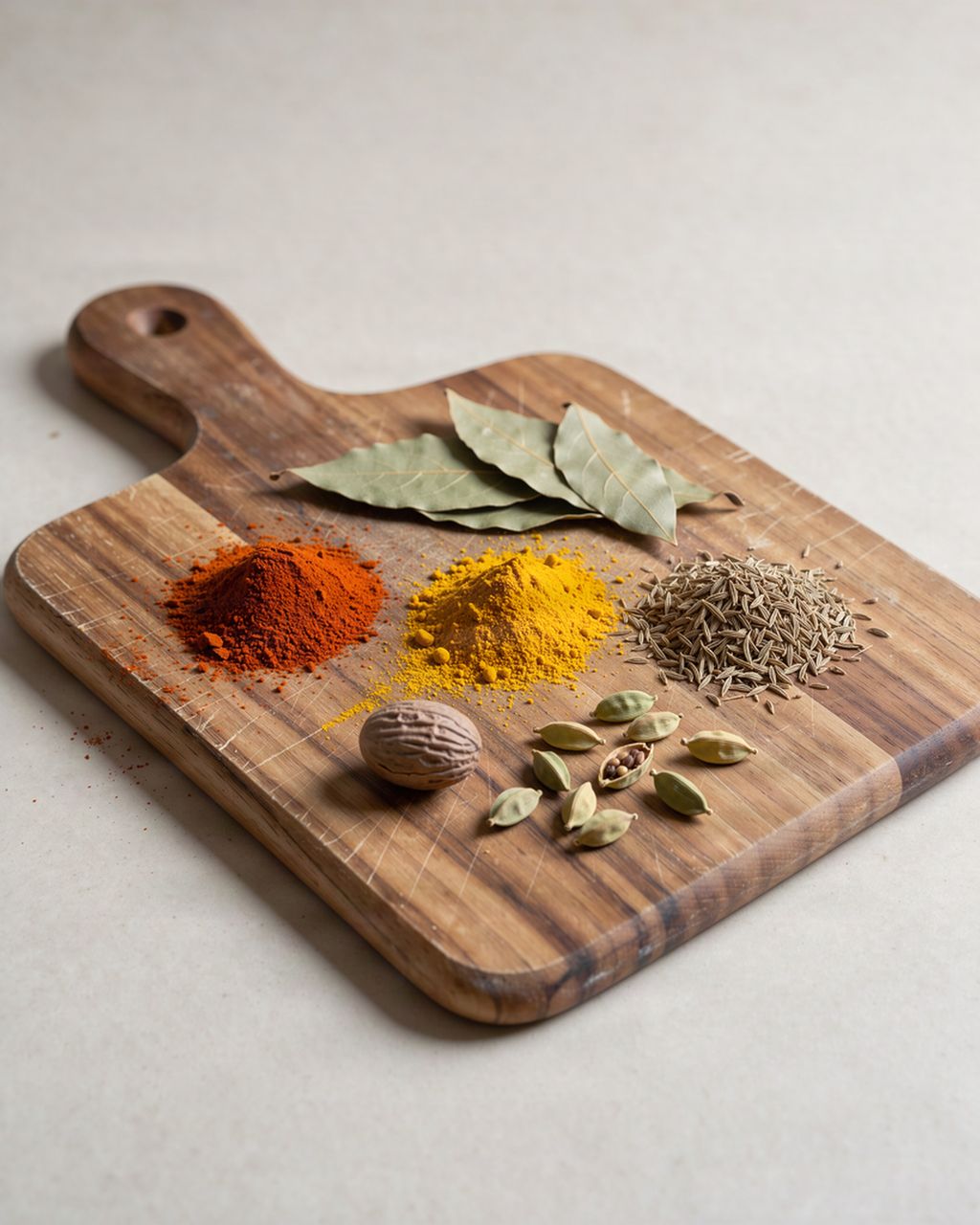
Replace red curry paste with a quick homemade blend. For 1 tablespoon of paste, grate or mash 1 garlic clove, ½ shallot, ½ teaspoon grated ginger, 1 teaspoon sweet paprika, ½ teaspoon ground chili, the zest of ½ lime, ¼ teaspoon ground coriander and a pinch of salt. In a real pinch, 1 teaspoon curry powder + ½ teaspoon chili + 1 pressed garlic clove will do. The result will be more Indian than Thai, but it works in a coconut milk sauce.
Why it helps to know what's in the paste: Mae Ploy Thai paste, for example, contains garlic, dried chili, lemongrass, shallot, galangal, makrut lime zest and shrimp paste (a crustacean allergen), according to the manufacturer. The homemade blend leaves it out, so it's free of crustaceans and fish. You can make up the umami the shrimp provide with a drop of soy sauce or coconut aminos.
Instead of galangal use ginger. Ginger is milder, warmer and less citrusy than sharp, piney galangal, so use a bit more and add some extra lime zest. If you have no ginger either, leave it out and use more lime zest.
Lemongrass can be replaced with more lime zest.
Heat is controlled by the chili. Paprika brings color and sweetness, chili brings the fire.
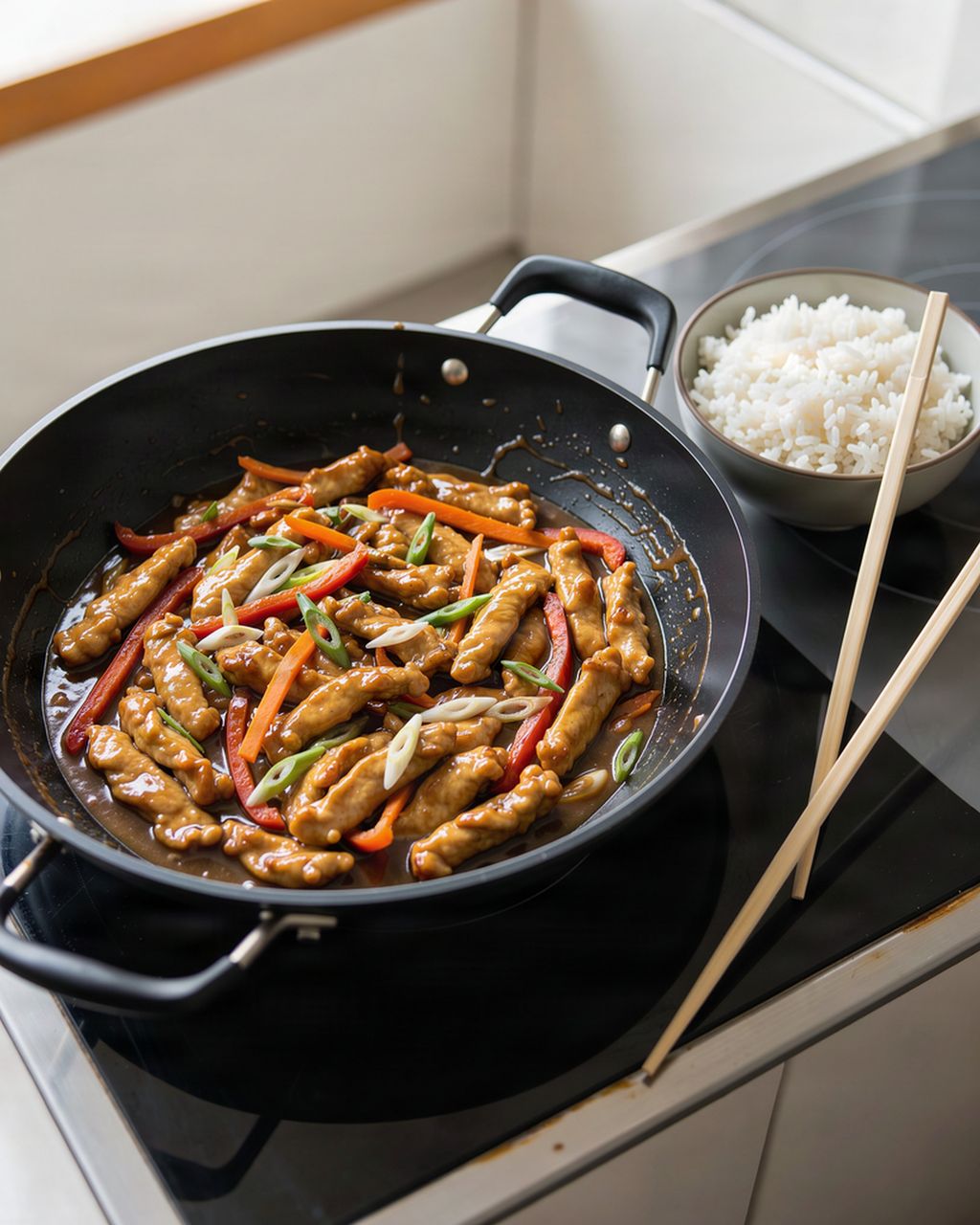
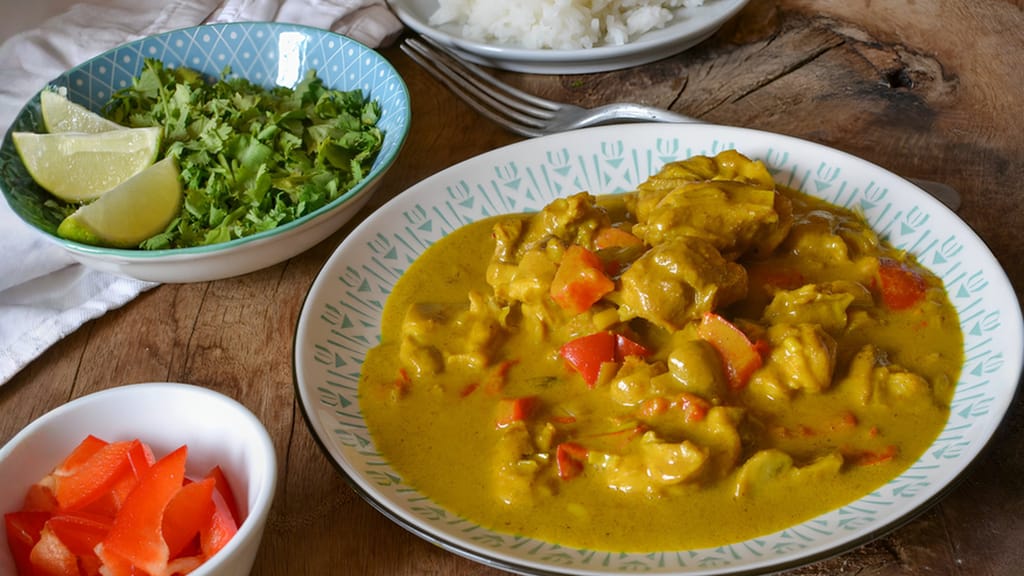
Try the substitute in chicken curry for fans of both spicy and mild flavors, sweet potato curry with red lentils or chickpea curry with coconut cream. Always fry the paste briefly in oil first, before pouring in the coconut milk. Only then do the aromas of the spices really open up.
Chicken curry with coconut milk
Chicken curry, a good way to try out the homemade red curry paste substitute
Replace gochugaru with a mix of 3 parts sweet paprika and 1 part chili. For 1 tablespoon of gochugaru, that's ¾ tablespoon paprika and ¼ tablespoon chili. Gochugaru is Korean chili flakes: fruity, slightly smoky and only medium-hot. Chili on its own or cayenne pepper would be too fiery.
Pul biber (Aleppo chili flakes) replaces it 1:1. In flavor and coarseness it's the closest to gochugaru.
Smoked paprika adds a smoky note, but overpowers the other flavors. Use only part of it, say a third of the paprika.
Gochujang is not a substitute. It's a fermented paste with soy and usually wheat, and it's sweet and salty otherwise.
Gochugaru is just ground pepper on its own, so the substitute doesn't change anything on the allergen front. Watch the sauces you add it to instead.
Replace one anchovy fillet with ½ teaspoon anchovy paste, or, fish-free, with 1 teaspoon chopped capers and a drop of soy sauce. An anchovy in a dish isn't supposed to taste fishy. It melts away and adds saltiness and depth, and those are the two qualities a substitute needs to have.
Fish-free, with soy: ½ teaspoon light miso per fillet. It stirs completely smoothly into dressings and sauces.
Free of fish and soy: 1 teaspoon chopped capers + 1 chopped black olive. In pasta sauces, 1 chopped sun-dried tomato helps too.
Fish-free, with a taste of the sea: a pinch of crushed nori seaweed. It adds a taste of the sea without the fish.
Watch out for Worcestershire sauce. It's often recommended as a substitute, but classic Lea & Perrins contains anchovies, so it's not suitable for people with a fish allergy or for vegetarians.
The best way to test substitutes is in dishes where the ingredient plays the lead role: coconut milk curries, wok dishes and marinades. That's where you notice the difference from the original right away. Soy sauce with mirin or its substitute suits, for example, the marinade for Asian marbled deviled eggs. There you can see how sweetness and salt work together to color and season. For wok dishes and curries you don't need a special shopping trip, just a well-stocked pantry and this cheat sheet.
Yes, it works flavor-wise, but classic Worcestershire sauce contains anchovies, so it isn't suitable for people with a fish allergy or for vegetarians. It's also sweeter and more heavily spiced, so use about half the amount of fish sauce called for and adjust with salt.
No. Rice vinegar is sour, rice wine is a dry alcoholic cooking wine, and mirin is a sweet rice wine. Don't use vinegar on its own in place of mirin or rice wine; at most, add a few drops to apple juice or stock as a supplement.
Only partly. According to the USDA nutrient retention tables, about 40% of the alcohol remains in a dish simmered for 15 minutes, around 25% after 1 hour, and almost all of it is gone only after roughly 2.5 hours. If you're cooking for children or for someone who can't have alcohol, use a non-alcoholic substitute: apple juice with a drop of vinegar in place of mirin, and stock in place of rice wine.
Use the homemade red curry paste substitute within 3–4 days from the fridge, because it contains fresh garlic and shallot. Store it in a sealed jar. To keep it longer, freeze it by the spoonful in an ice cube tray and add the cubes straight to the pan. Mix sauce blends, such as soy sauce with sugar or aminos with starch, only right before cooking.
You can use green or yellow curry paste 1:1, just expect a different flavor and level of heat. Green is usually sharper and more herbal, while yellow is milder with turmeric. A teaspoon of sweet paprika brings you closer to the color and flavor of red. Watch out: green and yellow pastes usually contain shrimp paste too.
One recipe worth heating the oven for, one tip, and one deal from the shop. Nothing else.