Autumn pumpkin bundt cake with creamy caramel glaze
Essential Baking Techniques Every Home Baker Should Know

Updated Jul 19, 2026
The basics of baking — choosing the right ingredients, mixing the batter, oven temperature, decorating and storage — decide whether a cake rises beautifully or collapses and ends up in the bin. This guide walks through each of these techniques in a hands-on way: what to do, why it works, and where people usually go wrong. No theory for theory's sake — just things you can put to use the next time you bake.
Good-quality ingredients — and above all, the right type — shape flavour and texture far more than a few extra grams here or there. Bread needs a different flour than sponge cake, biscuits need a different fat than a moist bundt cake. Before you start weighing things out, it's worth knowing what each ingredient actually does in the batter or dough.
For delicate bakes, reach for plain flour; for light, fluffy bundt cakes and traybakes, go for a slightly coarser plain flour; and for bread and pizza, use a strong bread flour with a higher protein content. The amount of gluten a flour can develop determines the structure of the dough — the more protein, the stretchier and more elastic the dough becomes.
Plain flour: low protein, fine crumb — perfect for sponge cakes, traybakes, shortcrust and linzer pastry.
Slightly coarser plain flour: holds shape and moisture better — ideal for bundt cakes, buns and yeasted cakes.
Bread and strong flour: more gluten and elasticity — for bread, pizza and rolls.
Wholemeal: higher in fibre but gives a denser crumb; mix it with plain flour in roughly a 1:2 ratio so your bake doesn't turn out unnecessarily heavy.
Always sieve your flour — it aerates it and breaks up lumps, so it blends evenly into the batter without needing to overwork it.
Caster sugar is your all-rounder, icing sugar is for icings and light creams, and brown or muscovado sugar brings a caramel note and extra moisture. But sugar isn't just about sweetness: when creamed with butter or eggs, it helps trap air, keeps bakes moist, and contributes to a golden crust in the oven.
Caster and granulated: the everyday base for batters; the sharp crystals help aerate fat when creaming or whisking.
Icing (powdered) sugar: dissolves instantly — perfect for icings, whipped creams and dusting.
Brown and muscovado: contains molasses, adding a caramel note and a moister crumb.
Butter brings flavour and a lovely short texture, while oil keeps bakes moist for longer — so use butter for biscuits and creamed batters, and oil for moist bundt cakes and muffins. Butter also traps air when creamed, but this only works at room temperature, around 20°C (68°F): too cold and it won't cream properly, melted and it can't hold air bubbles. For a lighter option, you can swap some of the fat for coconut or avocado oil, though expect a slightly different flavour.

Three techniques cover almost all baking: whisking traps air in light batters, kneading develops gluten in yeasted doughs, and folding gently combines ingredients without knocking the air back out. The difference between a light, fluffy bake and a rubbery one often comes down to which technique you use — and how long you keep going.
Whisking works air into the batter, which expands in the oven and lifts sponge cakes and bundt cakes. Whisk eggs and sugar with a hand or stand mixer until you get a thick, pale foam that triples in volume and falls from the whisk in a continuous ribbon. This works best with room-temperature eggs — cold eggs whisk less easily and the foam holds less well.
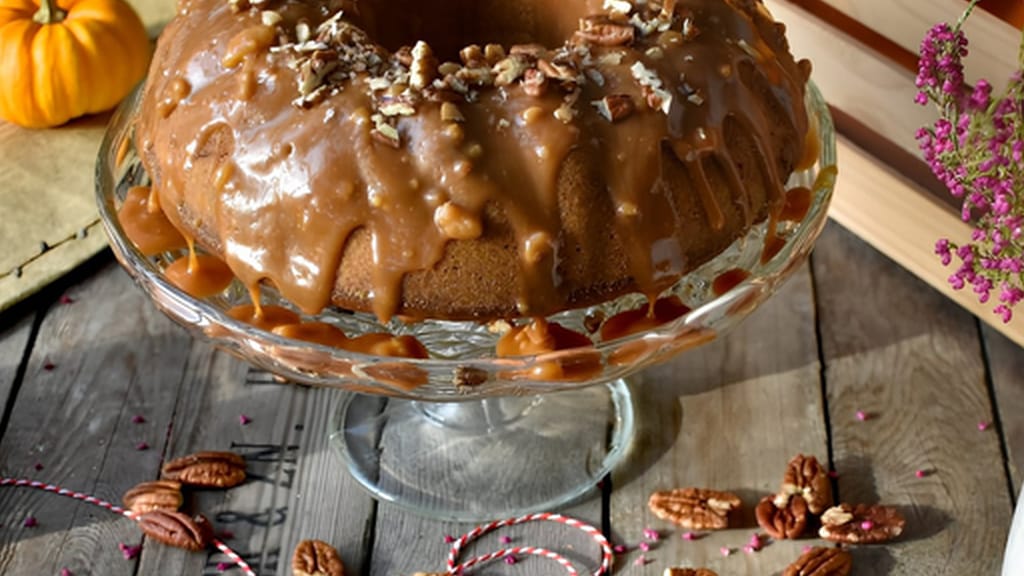
Autumn pumpkin bundt cake with creamy caramel glaze
Pumpkin bundt cake with caramel glaze — a great way to practise whisking a light batter.
Kneading develops the gluten in flour, giving yeasted dough the elasticity to trap the carbon dioxide bubbles produced by the yeast. Knead bread and pizza dough by hand on the counter, or with a dough hook, for around 8–10 minutes — overdoing it will toughen the dough and make it rise less well. You'll know it's ready with the windowpane test: stretch a small piece between your fingers into a thin membrane without it tearing straight away.
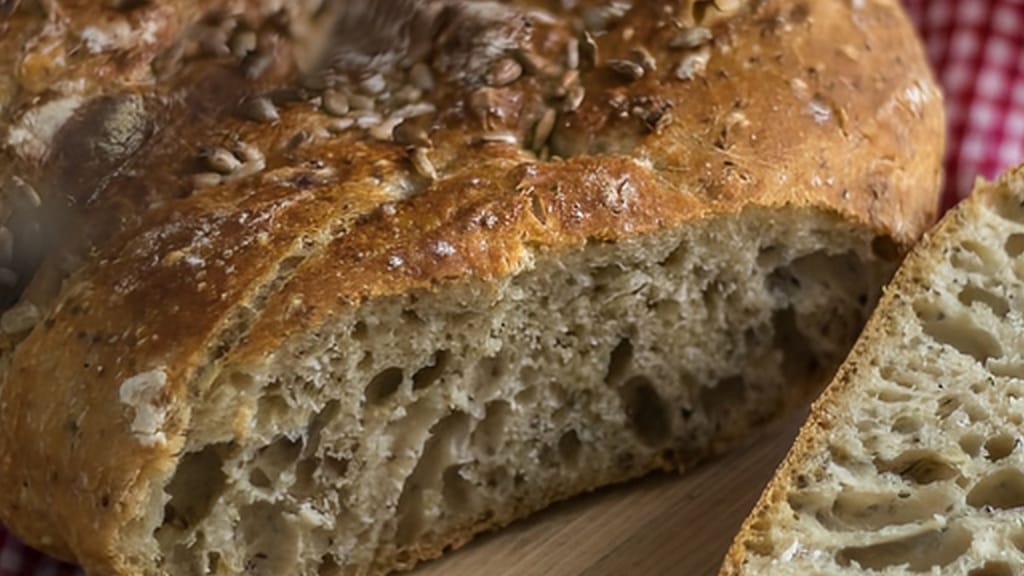
Homemade bread
Homemade bread — a textbook lesson in kneading yeasted dough.

The perfect homemade pizza
Perfect homemade pizza — a stretchy dough lives or dies by the kneading.
Folding (gently combining with a spatula) brings dry and wet ingredients together while keeping the whisked-in air in the batter — it's used for muffins, cakes and light batters with whipped egg whites. Fold ingredients in gently with a spatula, using slow scooping motions from the bottom up, and stop as soon as the last streaks of flour disappear. Every extra fold develops more gluten, and an overmixed batter bakes up dense and rubbery.
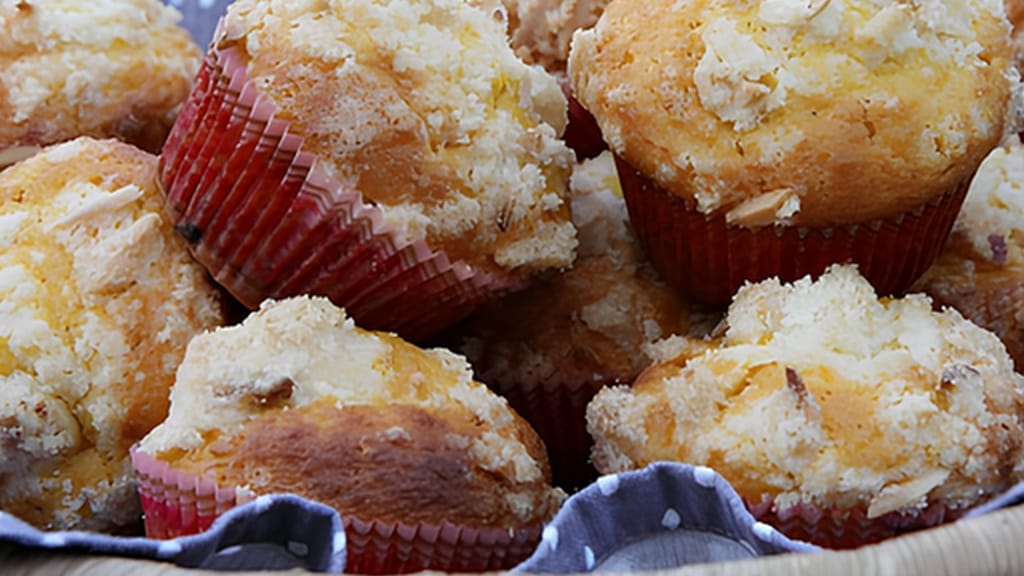
Carrot muffins with a hint of orange
Carrot and orange muffins — gentle folding keeps the crumb light and moist.
Most cakes bake at 175°C (350°F) in a well-preheated oven — the exact temperature is what decides between a beautifully risen centre and a cake that sinks or stays raw inside. If a recipe doesn't specify otherwise, treat 175°C as a safe default and let what you see in the oven guide you the rest of the way.
Temperature controls how quickly the batter rises and when its structure sets. An oven that's too hot will brown the surface before the centre is cooked through — leaving the cake dark outside and gooey inside. Too low a temperature, on the other hand, means the cake bakes for far too long, drying out and losing its lightness.
The most common mistake is putting the batter into an oven that hasn't fully preheated — it then rises unevenly and the centre sinks. The second is opening the oven door during baking, letting heat escape and causing a risen cake to collapse. And the third is blindly trusting the dial: many ovens run 20–30°C hotter or cooler than what's actually set.
Treat these as starting points and adjust to your own oven — every oven bakes a little differently.
Sponge cakes and light cakes: 170–180°C (340–355°F), 25–40 min.
Butter biscuits: 175–190°C (350–375°F), 8–12 min.
Muffins: 180–200°C (355–390°F), 18–22 min.
Yeasted buns and bundt cakes: 175–180°C (350–355°F), 35–50 min.
Bread: first 10 min at 220–240°C (430–465°F), then finish baking at 200°C (390°F).
These times are a guide only — the skewer test and crust colour always have the final say.
Four techniques cover most home decorating: icing and ganache add shine and flavour, fondant gives a smooth coating and shapes, marzipan is a modelling material. None of it is rocket science — it just takes the right consistency and a steady hand.
Icing is the quickest way to give a dessert some shine, while chocolate ganache — made from chocolate and hot cream — can double as icing, filling or coating, depending only on the ratio you use. Bring the cream almost to a boil, pour it over chopped chocolate, let it sit for a minute, then stir until smooth.
2:1 ratio (chocolate to cream) — a firm ganache for coating cakes and truffles.
1:1 ratio — a classic icing that drips nicely and sets.
1:2 ratio — a pourable, runny chocolate sauce.
Beginners can start with a simple icing made from melted chocolate and cream; once you've got the hang of it, move on to ganache.
Fondant is a pliable icing used for a smooth cake coating and cut-out decorations. Roll it out on a surface lightly dusted with icing sugar or cornflour so it doesn't stick, and only cover a chilled cake that's been coated underneath with a thin layer of ganache or buttercream — on a damp or warm surface, fondant slides around and tears. Start off with simple flowers and shapes cut with cutters.
Marzipan, made from ground almonds and sugar, is ideal for modelling fruit and small figures thanks to its almond flavour and pliability. Work it with cool hands, and start with simple balls and leaves before moving on to more complex figures. You can colour it with gel food colouring, which won't thin out the consistency.

Cream-based desserts belong in the fridge within two hours of baking, dry bakes go in an airtight container at room temperature, and anything you won't finish in a few days should go in the freezer. Proper wrapping and temperature are what decide whether a cake stays moist or ends up dry or soggy. Always protect the surface from air — with cling film, a container, or for decorated cakes, a tall box that won't crush the decorations.
Let the type of dessert guide you — cream-based goes in the fridge, dry bakes in a container, leftovers in the freezer:
Cakes and buns: room temperature for up to 2 days in an airtight container, then the fridge.
Sponge and cream cakes: fridge for 2–3 days (whipped cream quickly weeps and loses its texture); a plain, unfilled sponge can be frozen for up to 3 months.
Cheesecake: always keep in the fridge at or below 4°C (39°F), and refrigerate within 2 hours of baking; it keeps for 5–7 days by most storage guidelines.
Tiramisu: fridge only, eaten within 2–3 days (it contains mascarpone and often raw eggs).
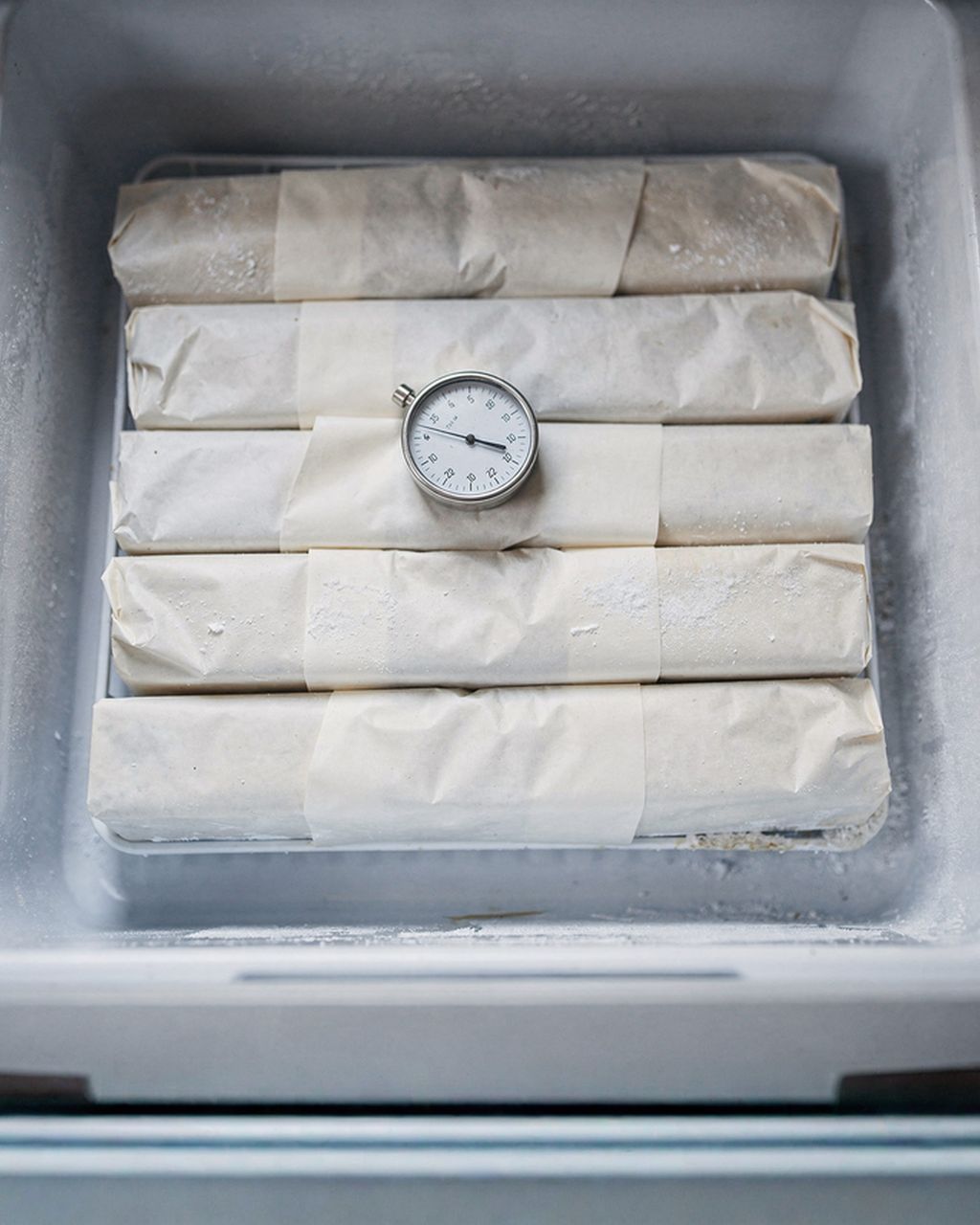
Biscuits: an airtight container at room temperature, keeping crisp and chewy ones separate; the freezer keeps them good for up to 3 months.
Brownies: airtight for 3–4 days, or wrap individually in paper and freeze.
Thaw frozen bakes slowly in the fridge so moisture doesn't condense on the surface.
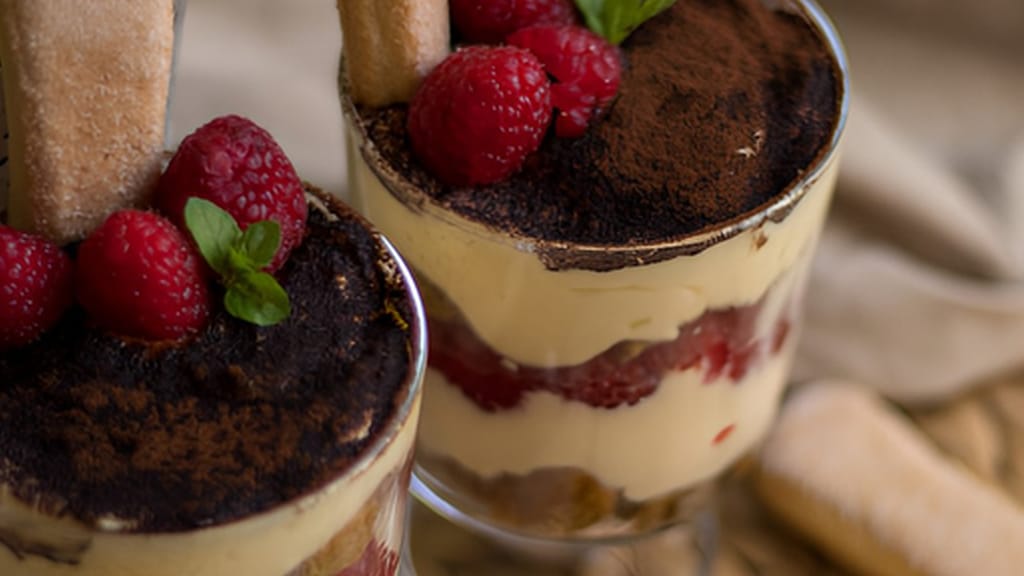
Raspberry tiramisu
Raspberry tiramisu — a cream-based dessert strictly for the fridge.
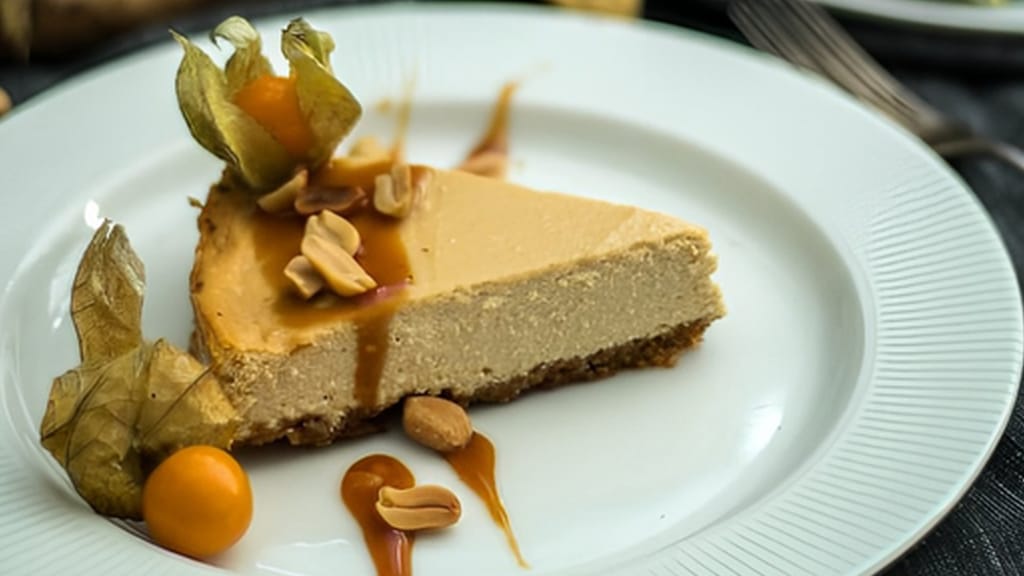
Salted caramel peanut cheesecake
Salted caramel cheesecake — always store cheesecake somewhere cool.
Poke a skewer or toothpick into the centre of the cake — if it comes out clean or with just a few dry crumbs, it's done. If raw batter sticks to it, bake for another 5 minutes and test again. For sponge cakes, the touch test also helps: a fully baked centre will spring back when you press it lightly.
One egg can be replaced with a tablespoon of ground flaxseed or chia mixed with 3 tablespoons of water (let it sit for 10 minutes to thicken), half a mashed banana, or 60g of apple purée. Flax and chia hold the batter together best, while banana and apple also add a touch of sweetness and moisture. For recipes that rely on whipped eggs (like sponge cake), substituting is trickier since you lose all that airiness.
Yes, but expect a different texture — a coarser flour absorbs more liquid and gives a denser, firmer crumb, while plain flour makes for a softer, finer one. When swapping, you may need to tweak the amount of liquid slightly. Stick with plain flour for delicate sponges, but a coarser flour works nicely in a moist, dense bundt cake.
Usually it's too warm, rolled too thin, or applied to a damp surface. Roll it out to at least 3–4mm on a surface dusted with icing sugar or cornflour, and only cover a chilled cake that's been coated with a layer of ganache or buttercream underneath. If it's sticking to the rolling pin, chill it briefly and dust with a bit more sugar; if it's cracking, it was rolled out too thin.
Eat a fresh cream cake within 2–3 days and always keep it covered in the fridge at or below 4°C (39°F). Whipped cream picks up fridge odours quickly and starts to weep and lose its texture after a few days. Freezing a finished cream cake isn't recommended, as the cream turns grainy and separates once thawed.
One recipe worth heating the oven for, one tip, and one deal from the shop. Nothing else.