Egg spread – easy and unbelievably good
Easy-Peel Eggs: Tricks, Technique, and Common Mistakes

Updated Jul 19, 2026
The eggs that peel easiest are the ones that aren't perfectly fresh and go straight into an ice bath the moment they're done cooking — these two factors decide the fate of your peeling far more than anything else. A freshly laid egg clings to its shell like glue, because the egg white is acidic and sticks tight to the membrane underneath; as the egg ages, its pH rises and the shell loosens up. In this article, we'll walk through how to choose, cook, and peel eggs so the shell comes off in just a few pieces and the white stays smooth — and why it actually works that way.
Two things make peeling difficult: the acidity of fresh egg white and the size of the air pocket. In a freshly laid egg, the white has a pH of around 7.6–7.9 and sticks firmly to the shell's inner membrane. As the egg sits, moisture escapes through the pores and air seeps in — the white's pH climbs as high as 9.2 and its bond to the membrane weakens. At the same time, the air pocket at the wider end grows larger, giving you something to "grab" onto when peeling.
Food experts agree the ideal age for peeling is an egg that's roughly 7 to 10 days old. If you've got truly fresh eggs from your own hens, let them rest in the fridge for a few days before hard-boiling — you'll find more on proper egg storage and how long eggs stay fresh in our separate articles.
The type of egg matters too: hen's eggs peel more easily than duck or goose eggs, which have thicker shells and a different white structure.
Three methods reliably produce easy-peel eggs: steaming, dropping eggs into already-boiling water, and pressure cooking. All three beat the classic cold-start method because the eggs are hit with intense heat right away — the white sets quickly and pulls away from the membrane. Whichever method you choose, an ice bath must follow immediately after cooking.
Steaming (most reliable): place the eggs in a steamer basket over boiling water, cover, and steam for 12–14 minutes. The steam surrounds them evenly, and the shell almost always comes off in one piece.
Boiling water drop: bring water to a boil, gently lower the eggs in with a slotted spoon, reduce to a simmer, and cook for 9–12 minutes depending on how firm you want the yolk.
Pressure cooker: place the eggs on a rack, add about a cup of water, seal the lid, and cook for 5 minutes on low pressure, then let the pressure release naturally for another 5 minutes.
Whichever method you use, the eggs should be at room temperature before cooking — cold eggs straight from the fridge tend to crack in hot water.
Medium eggs in boiling water need 6 minutes for a soft, runny yolk, 7–8 minutes for a creamy yolk, and 11–12 minutes for a fully hard yolk. Exact times by desired firmness:
Soft-boiled, runny yolk: 6 minutes
Creamy, honey-like yolk: 7–8 minutes
Hard, but still bright yellow center: 9–10 minutes
Fully hard-boiled: 11–12 minutes
Cooking longer dries out the yolk and creates that greenish-grey ring around it — we'll cover how to prevent that in the next section.
Don't skip the ice bath — the rapid chill shrinks the white and separates the membrane from the shell. As soon as the eggs are done, transfer them with a slotted spoon into a bowl of ice water and leave them there for at least 5–10 minutes, until they've cooled through to the center.
There's a second benefit too: chilling stops the cooking process, so the yolk stays yellow and doesn't develop that greenish-grey ring (which is purely a sign of overcooking and otherwise harmless). If you don't have ice, use very cold running water instead — it's less effective, but it still works.
Tap the chilled egg all over, start at the wider end where the air pocket is, and peel under running water. Here's how:
Gently tap the egg on the counter, then roll it under your palm on the worktop so the shell cracks into small pieces all over.
Start at the wider end — there's an air pocket under the shell there, so the membrane is easy to get a grip on.
Slip your thumb under the membrane (that thin layer beneath the shell) and peel in a spiral, membrane and all; once the membrane comes away, the shell goes with it.
Peel under a gentle stream of cold water — the water gets between the white and the shell and rinses away the last stubborn bits.
Tip for larger batches: put a chilled egg with a splash of water into a jar or container, seal it, and give it a few short shakes. The shell cracks all over at once and often slides off almost by itself.
A little, but neither replaces an ice bath or the right egg age. A teaspoon of baking soda raises the water's alkalinity, mimicking the effect of an older egg — the white releases from the membrane a bit more easily. Vinegar works differently: it etches the calcium shell and firms up the white, so if the shell cracks, less white leaks into the water; however, it doesn't meaningfully make peeling easier, and the shell tends to turn brittle and shatter into tiny bits. Salt makes no real difference to peeling, despite the popular belief.
Bottom line: rely on slightly older eggs, intense heat, and an ice bath. Baking soda is a nice bonus; save the vinegar for when your eggs keep cracking during cooking.
Most peeling disasters come down to a handful of repeat offenders. Watch out for these:
Peeling eggs that are too fresh. Let them rest 7–10 days, or add baking soda to the water.
Skipping the ice bath. Without a rapid chill, the membrane clings to the white — the single biggest cause of torn, ragged eggs.
Peeling from the pointed end. Start at the wider end instead, where the air pocket is.
Peeling dry and in a rush. Peel under running water and take your time, and the white will stay smooth.
Overcooking the eggs. Long cooking dries out the yolk and creates that green ring; stick to the times above.
Smoothly peeled eggs are the backbone of two classics where the white really shows. For egg salad, you'll be chopping the eggs roughly, so a slightly nicked white won't matter; but for stuffed (Easter) eggs, you need clean-edged halves — that's exactly where easy peeling pays off most.
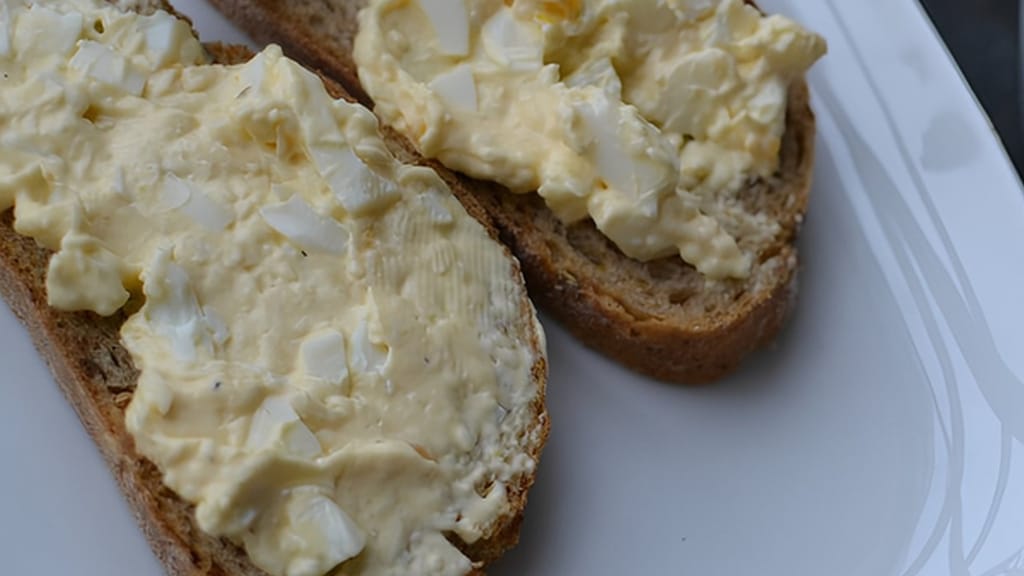
Egg spread – easy and unbelievably good
Egg salad made with freshly peeled hard-boiled eggs
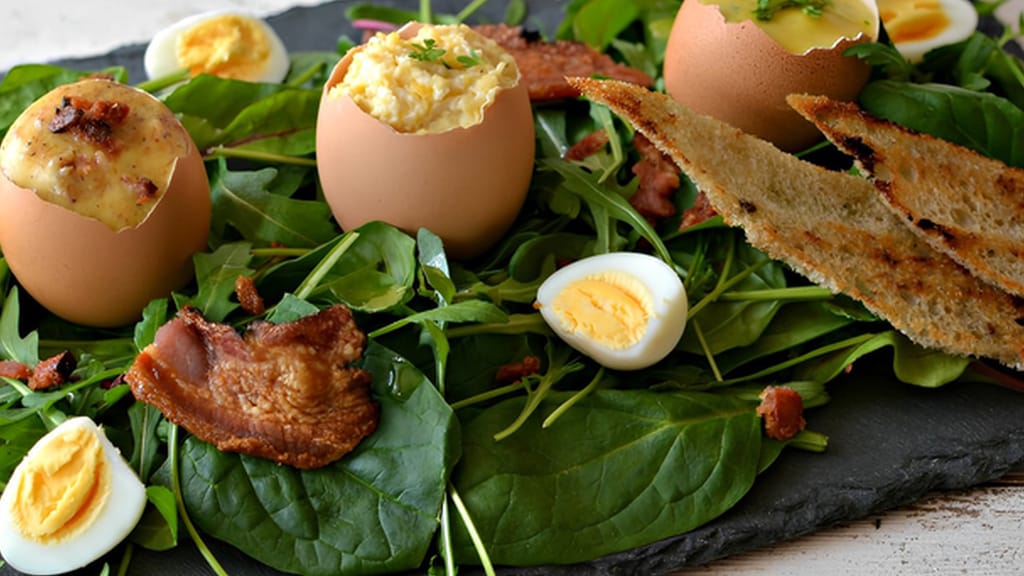
Easter eggs
Stuffed Easter eggs, where smoothly peeled whites really make the difference
Peeled hard-boiled eggs keep in the fridge for 5 to 7 days. Store them in a sealed container, ideally covered with cold water or wrapped in a damp cloth so the white doesn't dry out. Don't leave them at room temperature for more than 2 hours.
Soft-boiled eggs are trickier to peel because the soft white tears under the pressure of your fingers. It helps to cool them in ice water for at least 5 minutes after cooking, then tap the wider end and peel very gently under running water — or skip peeling altogether and just slice off the top, eating the egg straight from the shell with a spoon.
Yes, shaking works well and is quick when you're doing a batch. Put a chilled egg with a splash of water into a jar or container, seal it, and give it a few short shakes — the shell cracks all over and often slides off almost on its own. Go easy with softer eggs so you don't tear the white.
That greenish-grey ring around the yolk happens when the egg is overheated, causing sulfur from the white to react with iron in the yolk. It mainly shows up from cooking too long or letting the eggs cool too slowly; it's harmless. Avoid it by not overcooking the eggs and plunging them into an ice bath right after cooking.
One recipe worth heating the oven for, one tip, and one deal from the shop. Nothing else.