Egg spread – easy and incredibly good

Updated Jul 19, 2026
How you store eggs affects their freshness and safety more than you'd think. Where to put them in the fridge, whether they even belong there, how long they last, and how to tell when they've gone off - this guide gives you clear answers without the fluff. And since mishandling eggs raises the risk of salmonella, this is as much about health as it is about taste.
Stick to these five rules and you're pretty much set:
Store eggs in the fridge at 34-39°F (1-4°C) - the safest choice for us.
Leave them in their original carton, stored pointy end down.
Put them at the back of a shelf, not in the door.
Don't wash them until you're ready to use them.
Keep them away from strong-smelling foods (onions, fish, cheese).
The rest of the article breaks down each point - and explains why eggs sit unrefrigerated on shop shelves, yet you're told to chill them at home.
In Europe (Czechia included), eggs can go in the fridge, but they don't have to - here they're not washed commercially and keep their intact cuticle, the thin natural coating that seals the shell's pores and blocks bacteria. That's exactly why you'll see unrefrigerated eggs on Czech shop shelves.
In the US, by contrast, eggs are washed as standard practice, which removes the cuticle, making refrigeration essential. Under European Food Safety Authority guidelines, EU rules rely on vaccinating laying hens against salmonella and preserving the shell's natural defences instead of washing.
The practical takeaway: an unwashed egg with an intact shell will keep at room temperature (around 18-20°C / 64-68°F) for roughly three weeks from the day it was laid. But once summer heat sets in, or you don't have a reliably cool pantry, the fridge is the safer bet. And remember - once you've chilled an egg, keep it chilled (the next section explains why).
The ideal storage temperature for eggs is 34-39°F (1-4°C). At this temperature, bacterial growth - including salmonella - slows right down, and the egg keeps both white and yolk quality intact, staying fresh for three weeks or more.
The key is keeping the temperature steady. Once an egg has been chilled, keep it chilled: a cold egg brought into a warm room will develop condensation, and that moisture can push bacteria through the shell's pores. So don't leave eggs sitting out on the counter for an hour and then pop them back in the fridge.
The best spot is the back of a shelf, not the door. The back stays at the most stable temperature, while the door temperature fluctuates every time you open the fridge - and those swings are exactly what ages eggs fastest. The egg tray built into the door is, ironically, the worst place for them.
Keep eggs in their original carton and store them pointy end down. The carton shields them from absorbing odours and buffers temperature swings; pointy-end-down keeps the air pocket at the top and the yolk nicely centred. Sticking with the carton also keeps you organised - the use-by date is right there, so there's no need to write anything down.

The quickest home test is the float (water) test: drop the egg into a bowl of water and watch how it behaves.
Sinks and lies on its side - fresh, perfect for poaching or frying.
Stands on its point but stays on the bottom - a bit older but still good; eat it soon.
Floats on the surface - old, toss it out.
This works because the shell is porous. Over time, moisture escapes through the pores and is replaced by air, so the air pocket inside grows bigger - the bigger it is, the higher the egg floats. So the test tells you the egg's age, not whether it's spoiled.
A few extra quick checks:
Shake test: if you hear sloshing, the white has thinned out and the egg is old.
Smell after cracking: a sulphurous smell means bin it immediately.
Date stamp: the carton shows a best-before date (usually 28 days from laying), and sometimes there's a code stamped right on the shell.
The float test gives a good read on age, but the final word always comes from the sniff test after cracking.

Hard-boiled eggs in their shells keep in the fridge for about 7 days, peeled ones for roughly 5 days, and at room temperature you should eat them within 2 hours.
Unpeeled: store in a sealed container or bag so they don't pick up other smells. The shell still protects them from bacteria.
Peeled: store in a lidded container, cover with cold water and change the water daily (or wrap them in a damp cloth) to stop them drying out.
Don't freeze them in the shell - the white turns watery and rubbery.
Leftover hard-boiled eggs are great in all sorts of dishes - from egg spread to stuffed eggs to a hearty salad. For more on shelf life, see our article on how long eggs last and how to store them properly.
Egg spread – easy and incredibly good
Egg spread for sandwiches made from hard-boiled eggs
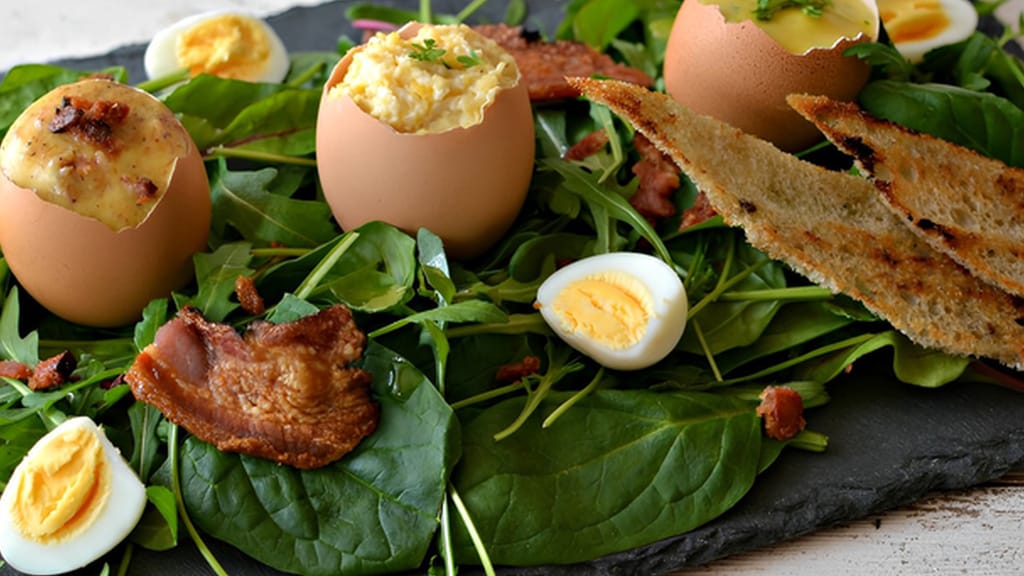
Easter eggs
Stuffed Easter eggs as a way to use up hard-boiled eggs
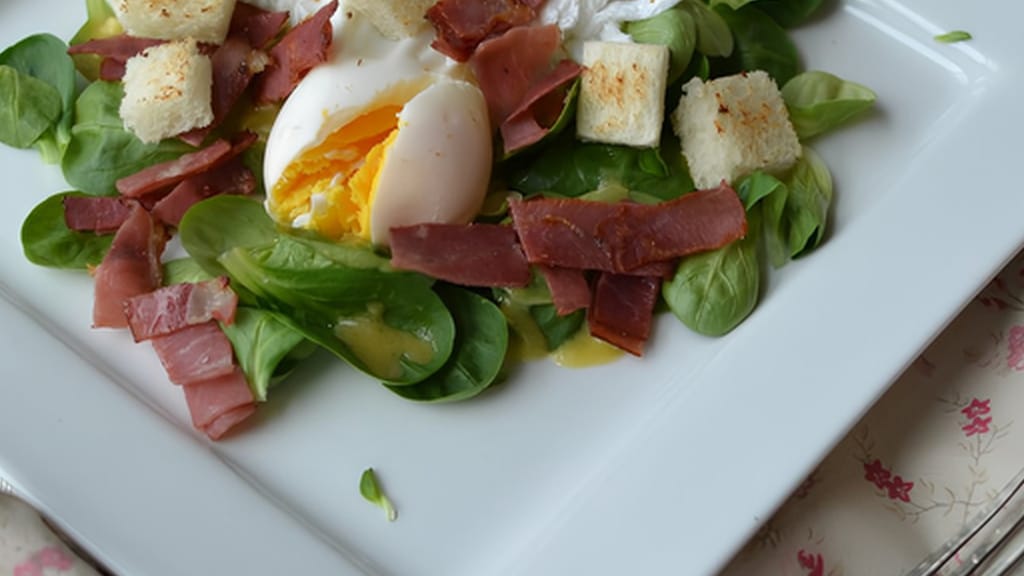
Spring lyonnaise salad
Spring Lyonnaise salad with egg for a light lunch
Without a fridge, eggs can be kept using three tried-and-tested methods - waxing, submerging in water glass (sodium silicate solution), or in limewater. All three work on the same principle: sealing the shell's pores so bacteria and air can't get in.
Waxing: coat the shell in a thin layer of beeswax. Cheap and effective, as long as the wax doesn't crack.
Water glass (sodium silicate solution): eggs are submerged in it and can keep for several months. Historically the most reliable method, still used by poultry keepers today.
Limewater or salt curing: similar protection using simple ingredients, but the solution's quality needs monitoring.
This only works for fresh, unwashed eggs with an intact shell. A washed or cracked egg can't be saved this way, and hygiene is essential for every method.
No, don't wash them. Washing strips away the cuticle, the natural protective coating that seals the shell's pores and keeps bacteria out. Only wash an egg right before you use it.
Yes, but not in the shell. Beat whole eggs (or separate the whites and yolks) and freeze them in a sealed container for up to a few months. Whites freeze beautifully; add a pinch of salt or sugar to yolks so they don't turn gelatinous after thawing. Hard-boiled eggs don't freeze well.
Often, yes. A best-before date isn't a use-by date - a properly stored egg can still be fine weeks after it. Check it with the float test and a sniff, and only use it if it's cooked thoroughly.
To prevent condensation. Once a cold egg is exposed to warmth, moisture forms on the shell, and that can push bacteria through the pores and inside. That's why shops keep eggs at a steady room temperature - but once you've chilled them at home, keep them refrigerated until you use them.
In a sealed container in the fridge. Whites keep for 2-4 days or can be frozen; cover yolks with a bit of cold water so they don't dry out, and use them within 1-2 days.
One recipe worth heating the oven for, one tip, and one deal from the shop. Nothing else.