Soft honey gingerbread cookies that never go hard
Easter Gingerbread Cookies: Soft Dough and Decorating Step by Step

Updated Jul 19, 2026
You can make Easter gingerbread cookies even without any pastry experience — the secret lies in a soft honey dough that won't go hard, plus a few simple decorating techniques. In this guide you'll find out how they differ from Christmas gingerbread, how to mix a dough that stays soft, how to decorate the cookies step by step with royal icing in spring colours, and what you can use instead of icing if you fancy trying something new.
The base dough is the same for both — flour, honey, fat, egg and gingerbread spice. The main differences are in the shapes, the decorating colours and how strong the spicing is:
Shapes: Easter cutters are eggs, bunnies, chicks, lambs and flowers; Christmas leans on stars, trees and bells.
Colours: Easter plays with pastels — light pink, yellow, mint and sky blue; Christmas sticks to white and classic red.
Spicing: Christmas dough tends to be bolder (ginger, cloves, allspice), while Easter dough stays milder — a pinch of cinnamon, vanilla or lemon zest.
Taste- and technique-wise, though, it's essentially the same dough. Master one and you've mastered the other — you're only changing the cutters and the icing colours.
How to soften gingerbread that’s gone hard, when to fill Linzer cookies and how to tell the carp is done. One recipe and one tip a week. Unsubscribe in one click.
Easter gingerbread cookies stay soft if you stick to five things:
Put plenty of honey and fat into the dough — and no more flour than the recipe calls for.
Let the dough rest for at least a day in the fridge.
Bake briefly, 8–10 minutes at 170–180°C.
Take them out as soon as the edges turn golden, even if the centre still looks soft.
Store them in a tin with a slice of apple.
We break down why each of these steps works below.
Honey naturally draws in moisture (it's hygroscopic), which is why it dries out gingerbread far more slowly than plain sugar. Together with the fat, it keeps the dough soft even once baked.
The most common reason gingerbread turns hard is simple: too much flour. According to bakers, it's the honey and fat that keep it soft, while excess flour leaves the cookies hard straight out of the oven — and they won't soften up over time either. The dough should be soft and slightly sticky, not stiff, so add flour cautiously and lean on a spell in the fridge rather than another handful of flour.
Let the honey dough rest, wrapped, in the fridge for at least a day before rolling it out — ideally two to three. During this resting time, slow chemical changes take place that improve both texture and aroma and help the cookies soften faster once baked. Rested dough is also easier to roll out and less sticky to work with.
Bake at 170–180°C for just 8–10 minutes, depending on the size of the shapes. Gingerbread cookies carry on cooking slightly on the hot tray, so take them out as soon as the edges turn golden — even if the centre looks underdone. That's exactly the trick to keeping them soft: an overbaked cookie goes hard and there's no saving it. Watch thin shapes especially closely, as they bake through within just a few minutes.
Once cooled, store the cookies in a well-sealed tin somewhere cool and dry. A slice of apple or a piece of bread inside adds moisture and speeds up softening — swap the apple every two days so it doesn't go mouldy. Layer decorated cookies with baking paper so the icing doesn't rub off.
You'll find a tried-and-tested method in our recipes for soft honey gingerbread cookies that won't go hard, extra-soft gingerbread cookies or the best honey gingerbread cookies.
Soft honey gingerbread cookies that never go hard
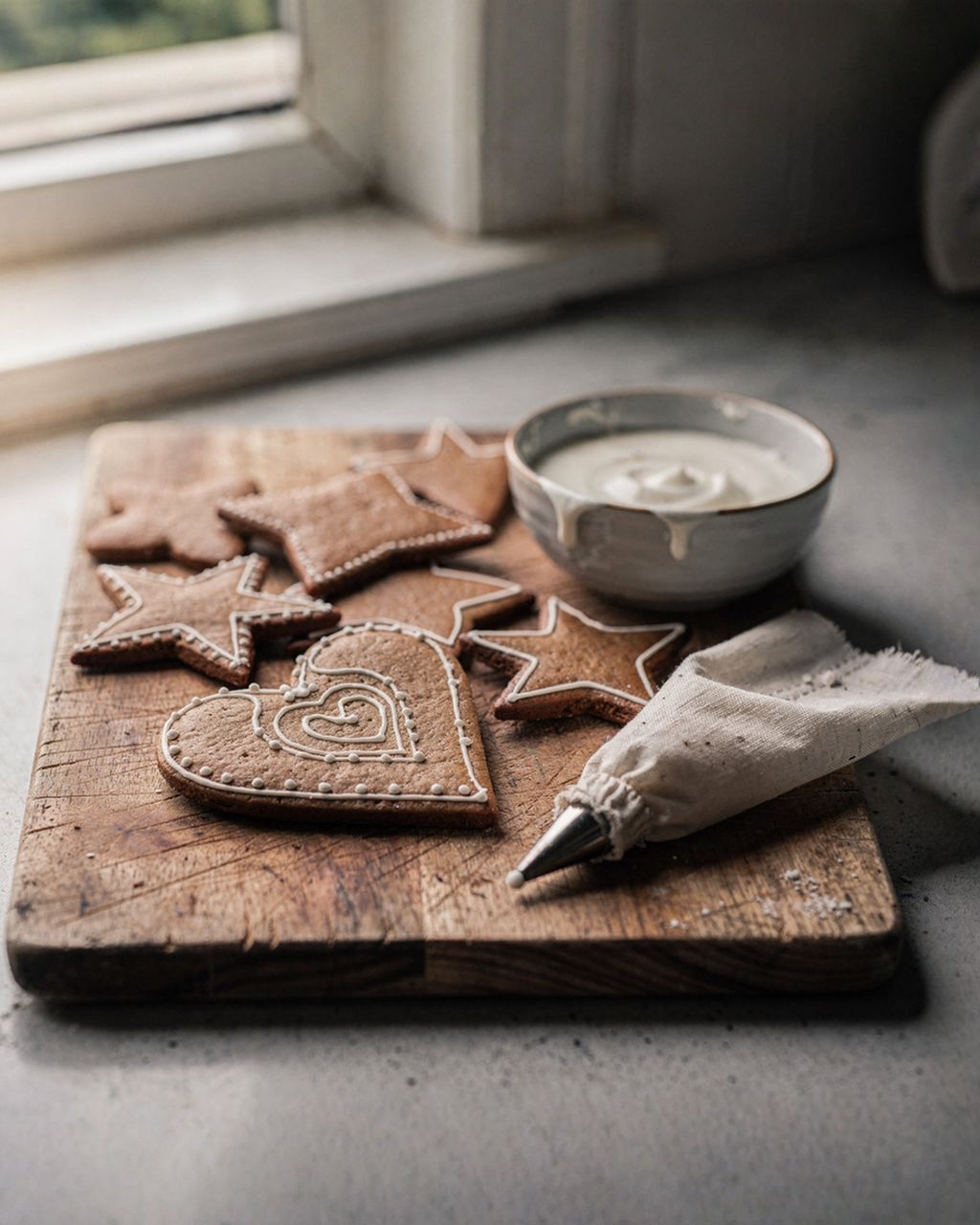
Soft honey gingerbread cookies that won't go hard — the ideal base for Easter shapes
You decorate gingerbread cookies in four steps: outline with a stiffer icing, let it set, fill in with a thinner icing, then finish with details.
Outline (piping the border): trace round the edge of the cookie with a thicker icing. This marks out the area and stops the filling icing running over the edge.
Let the outline set for 10–15 minutes so it firms up and can hold the filling.
Filling: fill in the area with a thinner icing at what's known as ten-second consistency — a line drawn through it should smooth over in around ten seconds.
Details: once the filling has completely dried (a few hours is fine), use a fine tip to add dots, lines and little flowers.
Royal icing is made from sifted icing sugar, egg white and a few drops of lemon juice. The whole trick is in the consistency: for the outline you want a thicker icing that holds its shape and doesn't tear; for the filling, thin it with a drop of water or lemon juice to ten-second consistency. Whisk slowly so you don't whip air bubbles into it.
We've covered icing consistency in detail in our article on how to make the perfect gingerbread icing.
The simplest Easter designs only take a few strokes:
Flowers: in light pink or yellow, pipe the petals with circular strokes working outward from the centre, then add a contrasting dot in the middle.
Bunnies: outline the body and ears in white, fill in, then use pink for the inside of the ears and the nose.
Eggs: a great blank canvas for stripes, dots and simple patterns — ideal for practising your filling and detail work.
It's worth starting with eggs; the large surface forgives mistakes and helps you quickly get a feel for the pressure on the piping bag.
For Easter, stick to pastel shades — light pink, yellow, mint and sky blue. Pick three or four colours and use them consistently across all your cookies; don't cram too many onto a single one, or it'll look cluttered. Fewer colours, well coordinated, always looks more elegant.
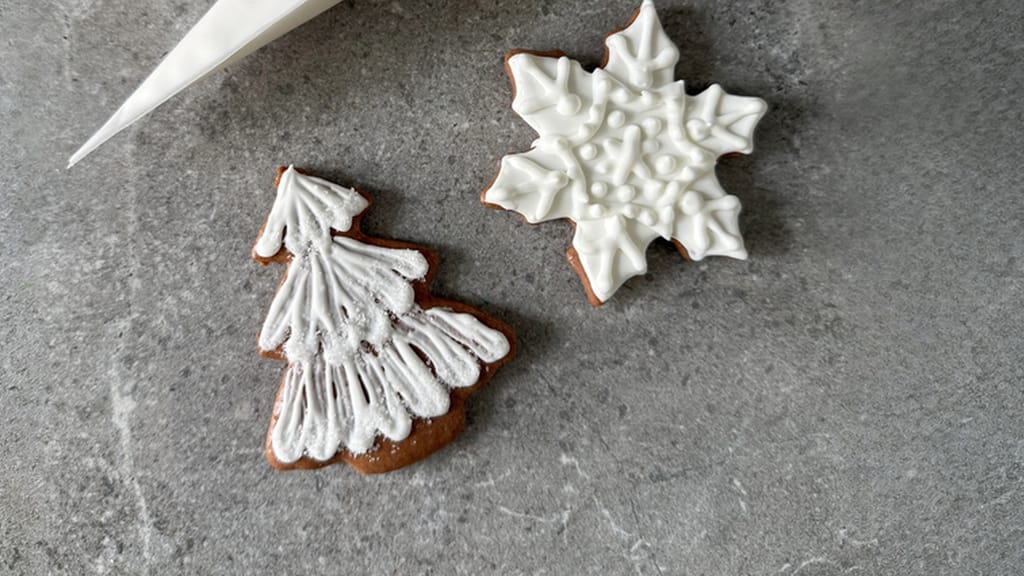
Royal icing for cookies: the perfect base for decorating
Royal icing for biscuits and gingerbread — the foundation for perfect decorating
Three things can stand in for sugar icing: chocolate ganache, fruit glaze and tempered chocolate.
Chocolate ganache: a 1:1 ratio, so 200g dark chocolate to 200ml whipping cream. Pour the hot cream over the chopped chocolate, wait a minute, then stir until smooth. It works both as an icing and as a filling sandwiched between two cookies.
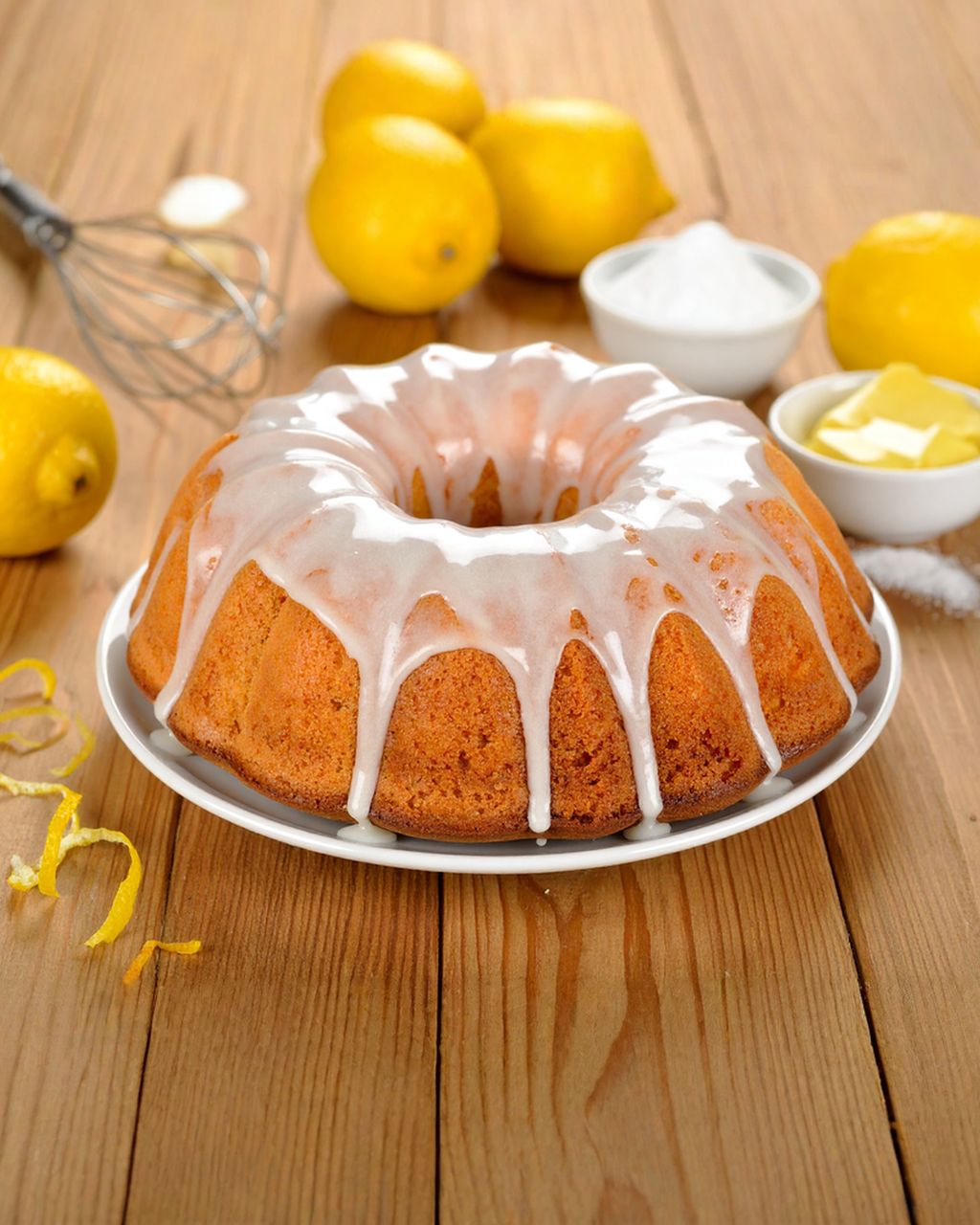
Fruit glaze: quick and fresh. For a lemon version, mix the juice of one lemon with roughly 150g icing sugar; adjust the thickness by adding more sugar (thicker) or more juice (thinner).
Tempered chocolate: beautifully glossy and crisp once the chocolate is properly tempered; great for dipping or drizzling over.
Whichever you use, the cookies must be completely cool first, or the coating will just run off. Let it set fully before storing.
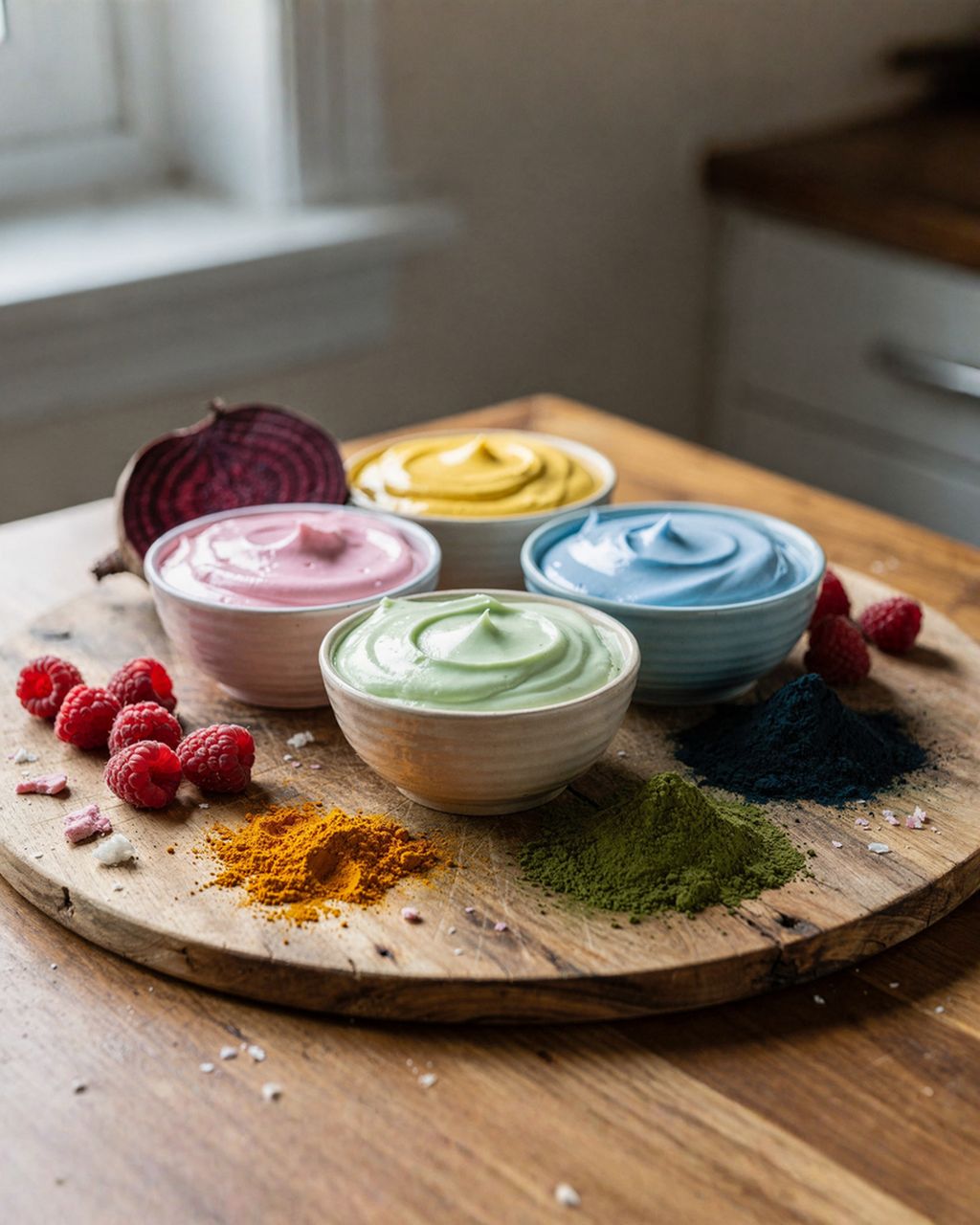
You can get vibrant colours without artificial dyes — just a few natural ingredients will do: beetroot for pink and red, turmeric for yellow, matcha or spinach for green, blueberries or red cabbage for blue-violet.
The base is simple: mix 200g sifted icing sugar with 2–3 tablespoons of lemon juice or water until smooth, divide between bowls, then stir a different colour into each. Add colour a drop at a time — you can always add more, but you can't take it out. Natural dyes tend to be more muted than gel colours, so expect a softer, more pastel result (which suits Easter perfectly).
Which type of food colouring suits which job is covered in our article on how to use food colouring properly when baking.
Ideally 1–2 weeks ahead. Freshly baked gingerbread is firmer and gradually softens as the honey draws in moisture; a week in a sealed tin with a slice of apple will soften it further. Just make sure you let the dough rest for at least a day before baking too.
Stored in a well-sealed tin, they'll easily keep for 3–4 weeks, softening as time goes on. They can also be frozen — ideally undecorated — then decorated once thawed at room temperature. Layer decorated cookies with baking paper so the icing doesn't rub off.
Use dried egg white (albumen) mixed with water, or pasteurised egg white from a carton. For an egg-free version, whip up aquafaba (the liquid from a tin of chickpeas) — it makes an icing just as firm, suitable for both outlining and filling, just let it dry a bit longer.
Cracking usually comes from icing that's too thick or a layer that's too heavy to dry evenly all the way through. A slightly thinner filling icing helps, as does drying in a dry room; to speed things up, you can pop the cookies in the oven for a few minutes at 40–50°C. A matte finish is completely normal — shine comes from sprinkles or edible lustre, not the icing itself.
One recipe worth heating the oven for, one tip, and one deal from the shop. Nothing else.